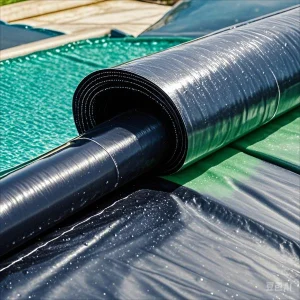
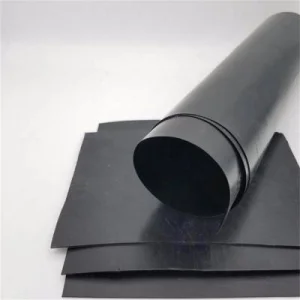
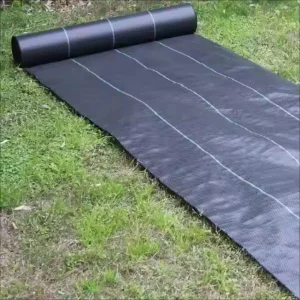
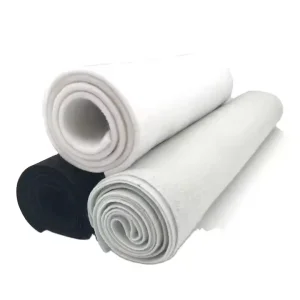
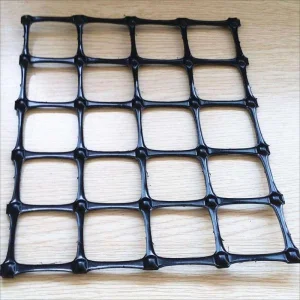
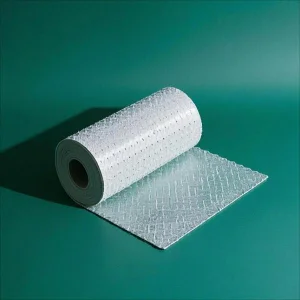
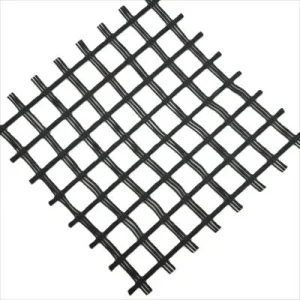
Engineered to meet international ASTM/CE standards. Directly manufactured and customizable to project specifications.
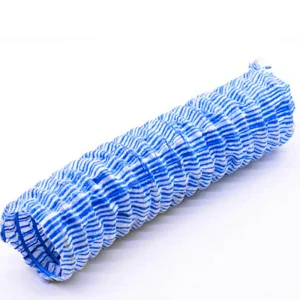
Understanding the transition from generic specifications to high-performance, intent-engineered structural fabrics.
The global geosynthetics market is undergoing rapid expansion. High-strength woven polypropylene geotextiles have seen surge in CAGR due to rising global investments in roads, environmental containment, and maritime defenses.
Modern applications demand fabrics with high UV stabilization and chemical inertness. Infrastructure designed today must withstand extreme temperature variations, shifting subgrades, and aggressive soil chemistries for over 100 years.
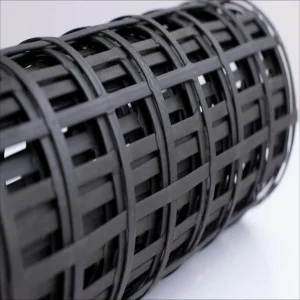
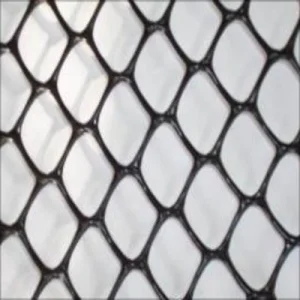
Engineers are shifting away from generic "one-size-fits-all" specifications. Project-specific Apparent Opening Size (AOS), custom grab tensile strengths, and composite structure pairings (geotextile-geonet) represent the future of procurement.
In global tenders, "Mirafi" is often cited as a design standard. True ODM manufacturing requires replicating or exceeding the mechanical properties (ASTM D4632 grab tensile, ASTM D4533 trapezoidal tear, and ASTM D4751 AOS) using precise polymeric polymer blends. Understanding these technical benchmarks is crucial for procurement optimization.
Strategic analysis of what engineering firms, national civil authorities, and commercial distributors look for in geotextile vendors.
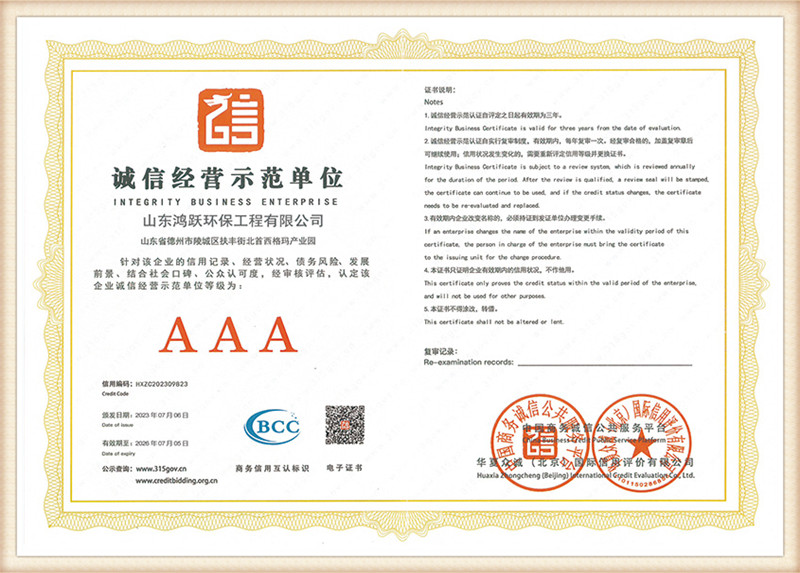
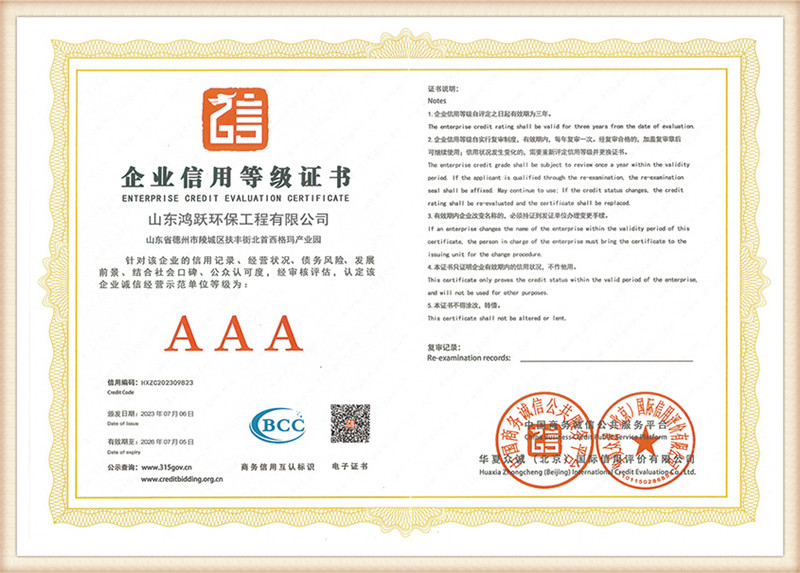
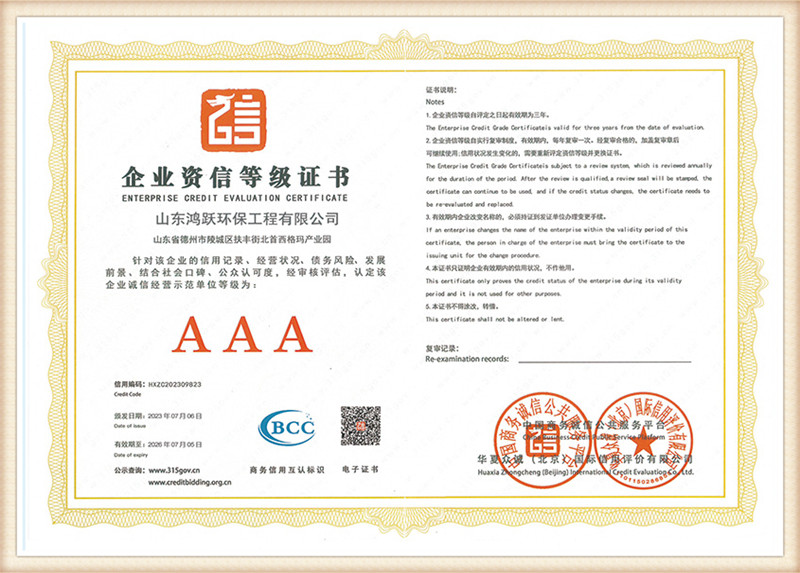
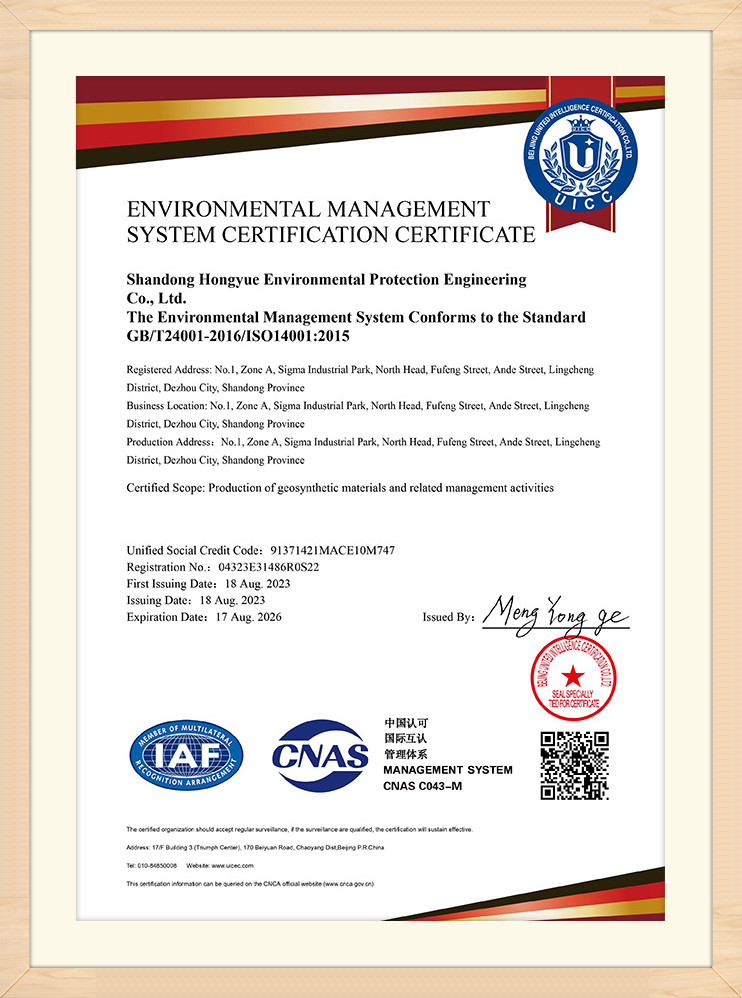
Global procurement teams prioritize compliance and certifications. Geotextile materials must satisfy strict regulatory frameworks before landing on-site. The ability to supply products authenticated by recognized testing bodies dramatically reduces construction risks.
Integrating advanced technology with highly efficient supply chains to ensure competitive advantage, consistency, and timely global logistics.
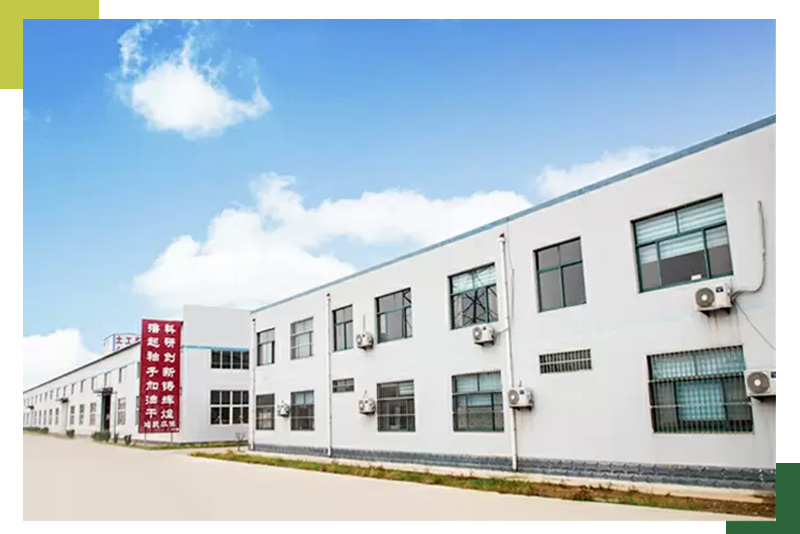
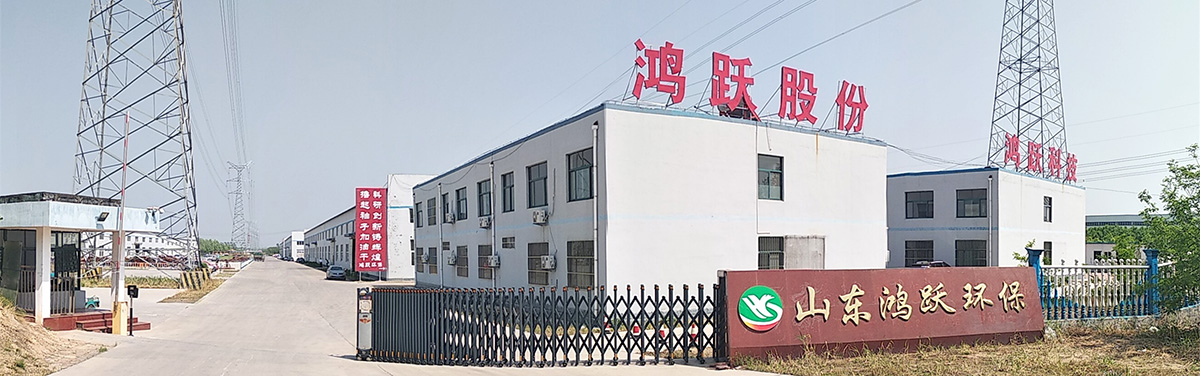
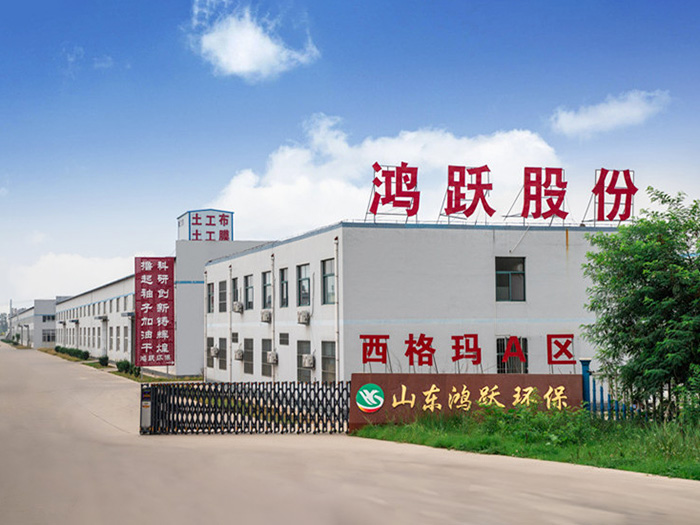
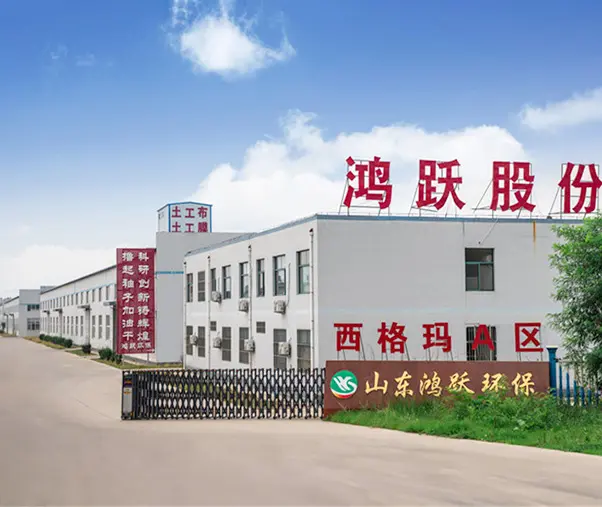
Shandong Hongyue Environmental Engineering Co., Ltd., located at the north end of Fufeng Street, Lingcheng District, Dezhou, Shandong Province, is a premier scientific and technological geotechnical material manufacturer. Established with a registered capital of 105 million yuan, we represent one of the largest specialized production bases of geotechnical materials in China. Our geographical location provides excellent logistics connectivity to major global transport hubs.
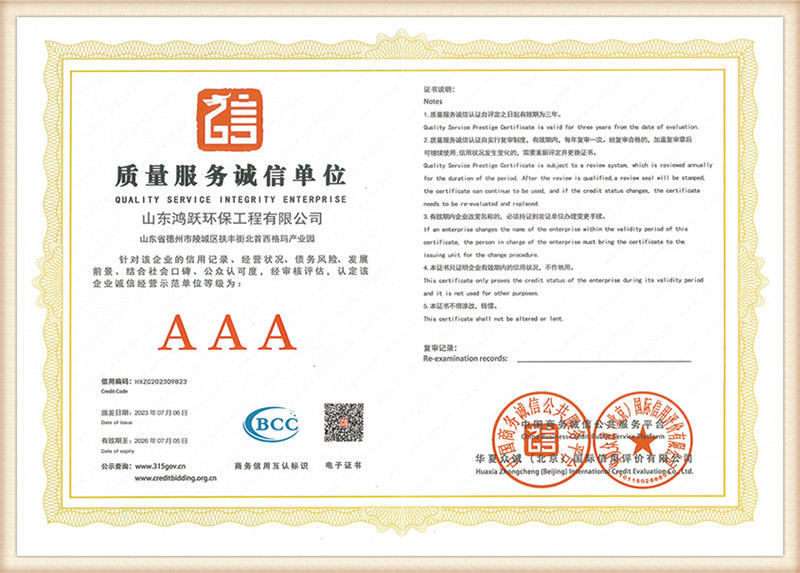
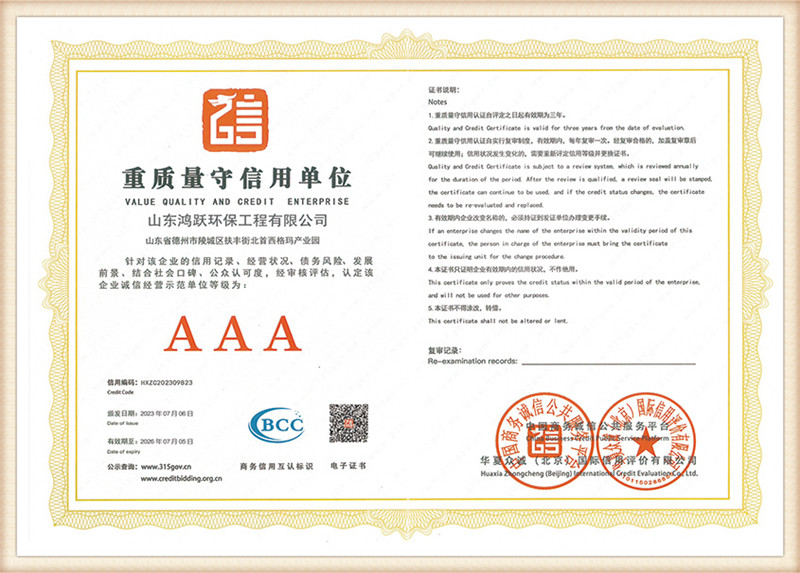
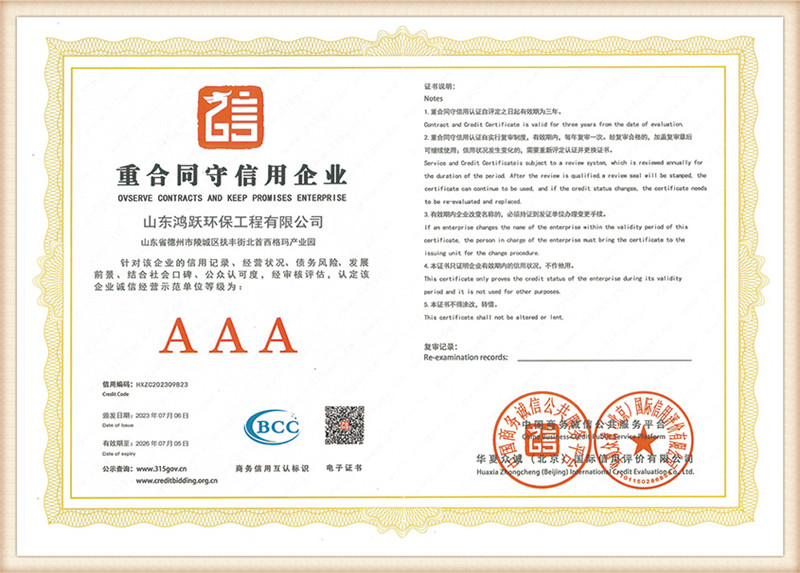
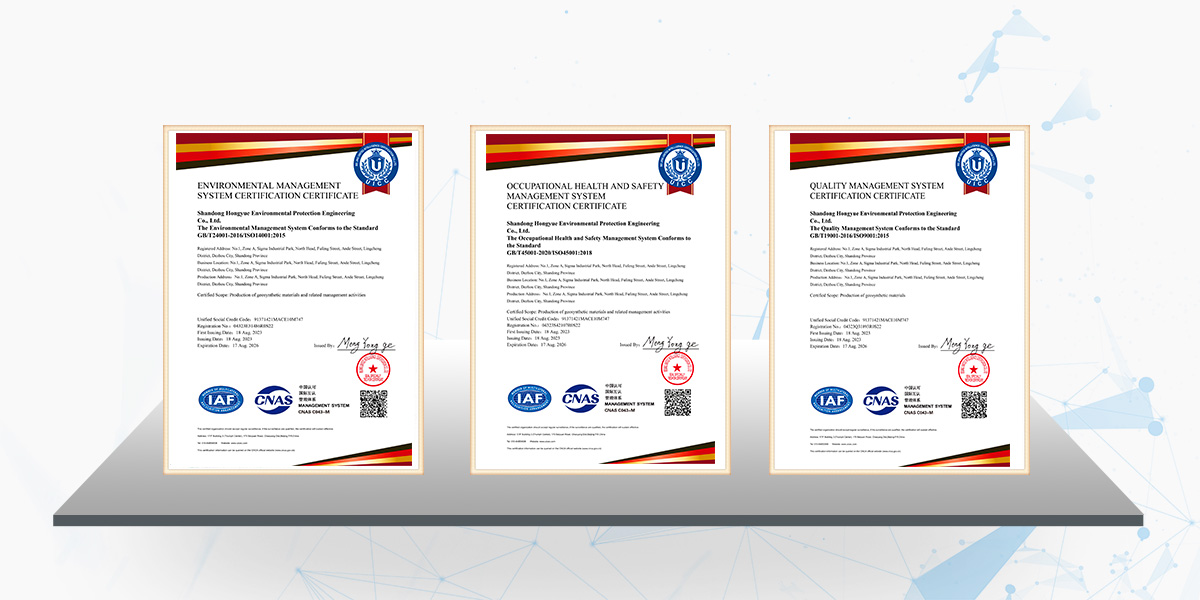
Affiliations & Management Systems:
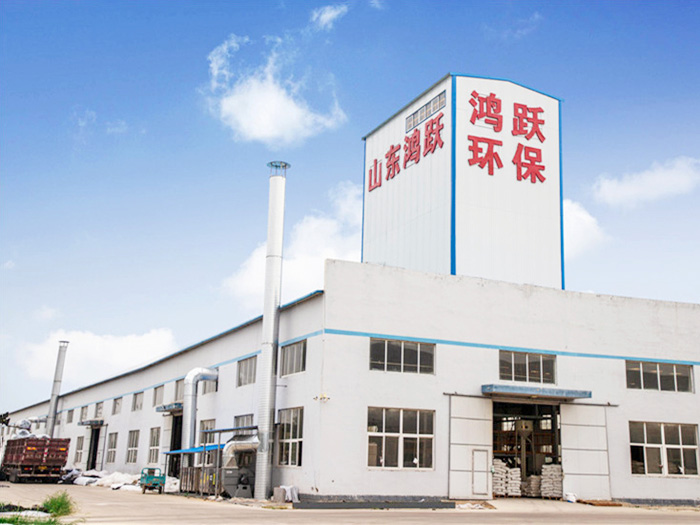
Through our advanced manufacturing facility, we manage the entire production chain from raw material preparation to melt extrusion, needle-punching, inspection, and logistics. Our system controls process variables in real-time, ensuring uniform physical properties across thousands of running meters.
A granular look at the engineering stages of geotextile fabrication and the proper laying techniques for field success.
Premium virgin polyester chips, polypropylene filaments, or viscose fibers are inspected and stored. This raw selection ensures high resistance to acidic and alkaline environments found in underground conditions.
Chips are melted at high temperatures and extruded via high-precision screw extruders. Filaments are laid down in multi-layered, multi-directional web orientations on continuous conveyor grids.
Thousands of barbed needles interlock the fibers mechanically, creating a high-strength, flexible matrix. Post-punching heat calendering stabilizes the pore structure and sets the thickness.
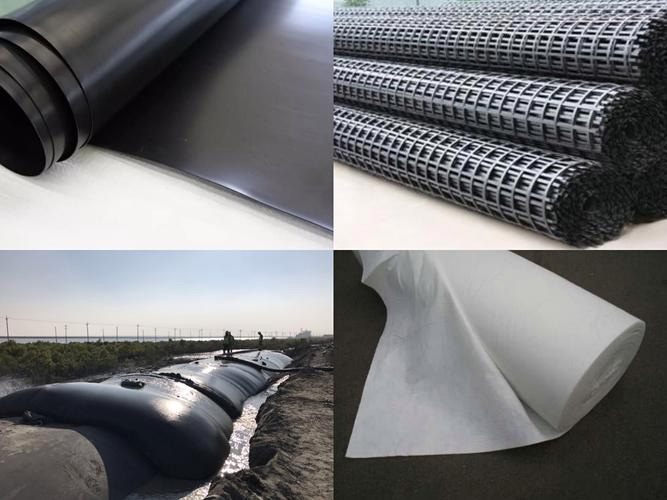
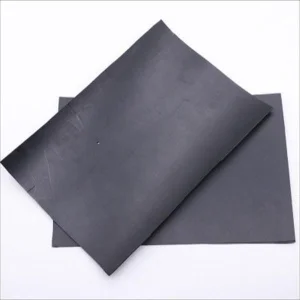
Geotextiles are rarely used in isolation. In high-performance seepage control, they function as defensive cushions protecting impermeable geomembranes from gravel punctures and subgrade shifting. Selecting the right geomembrane thickness and backing fabric is crucial to engineering integrity.
How Hongyue's diverse material range is deployed across key infrastructure sectors globally.
Geotextile fabrics are critical in canal lining and river channel slope protection. They allow water drainage while retaining fine soil particles, preventing bank erosion under heavy flow conditions.
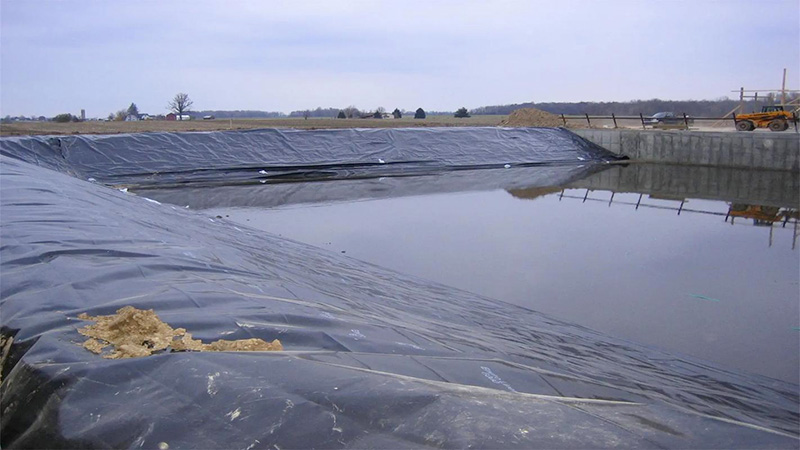
Used to separate subgrade soils from base aggregate courses. This separation prevents subgrade intrusion, maintains pavement structural design thickness, and prevents reflective cracking.
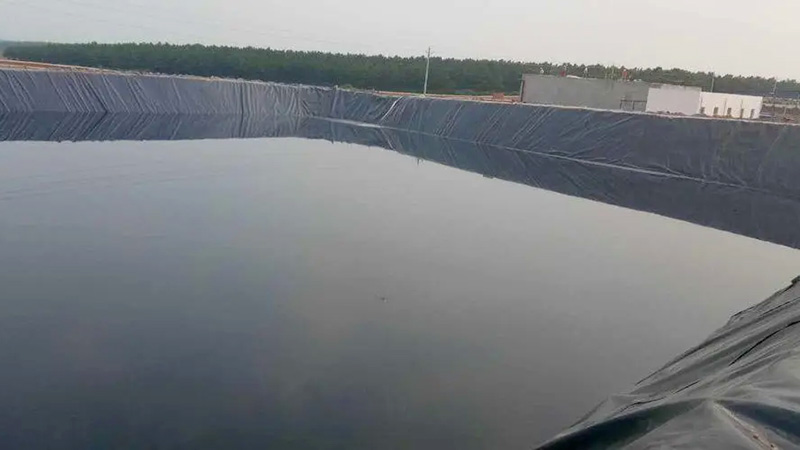
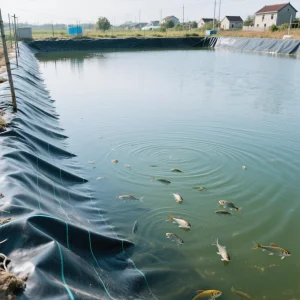
In municipal landfills, industrial tailings, and containment basins, composite geosynthetics form the primary barrier to prevent hazardous leachate from contaminating groundwater.
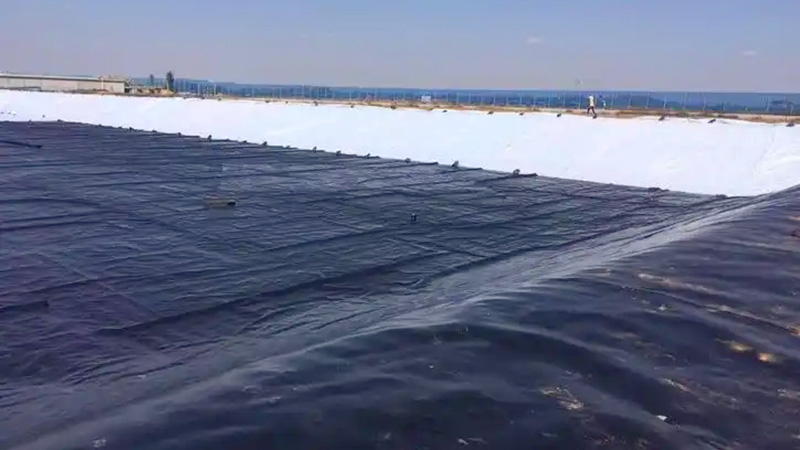
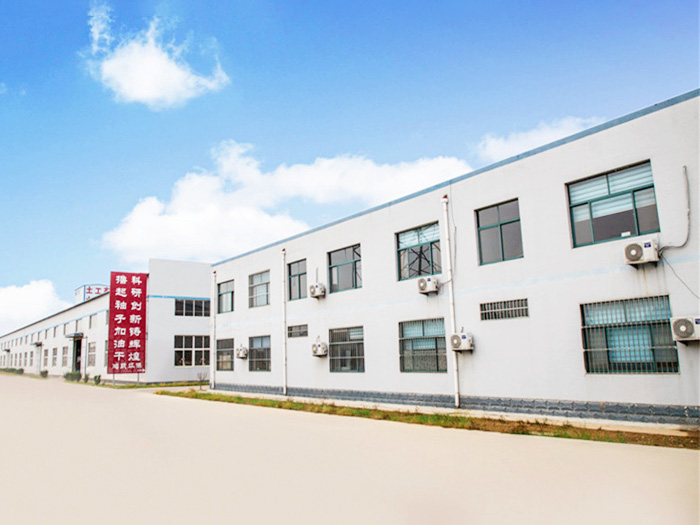
A visual representation of our high-capacity production line located in Dezhou, Shandong.
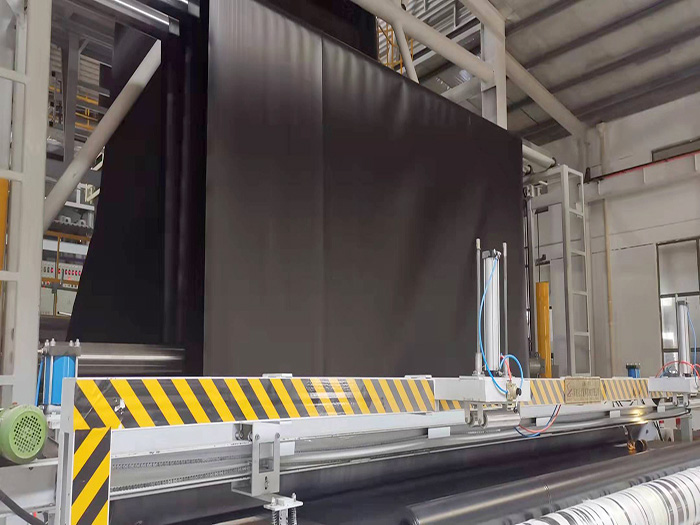
Our raw fiber carding lines process continuous filament or short staple fibers into multi-layered webs prior to the locking process.
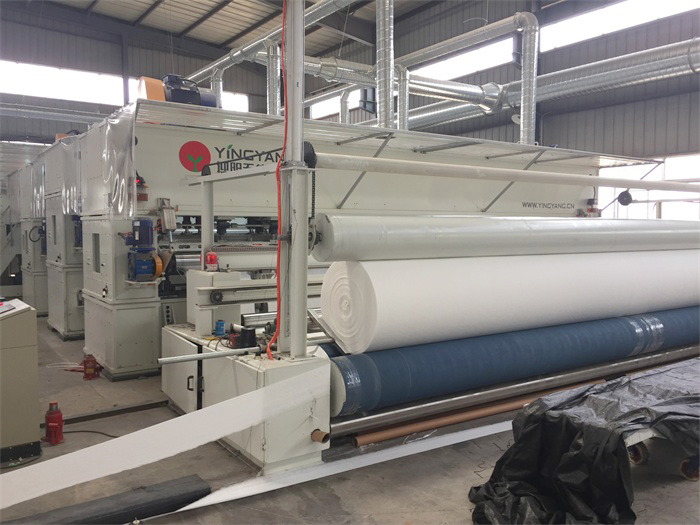
Heavy mechanical interlocking increases tear and puncture resistance parameters to surpass standard specification thresholds.
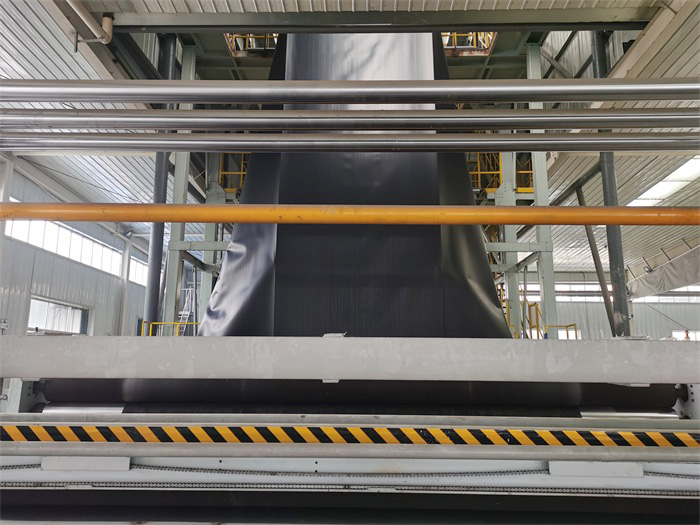
Precision winding machinery packs the cured rolls, measuring width, length, and weight to match export requirements.
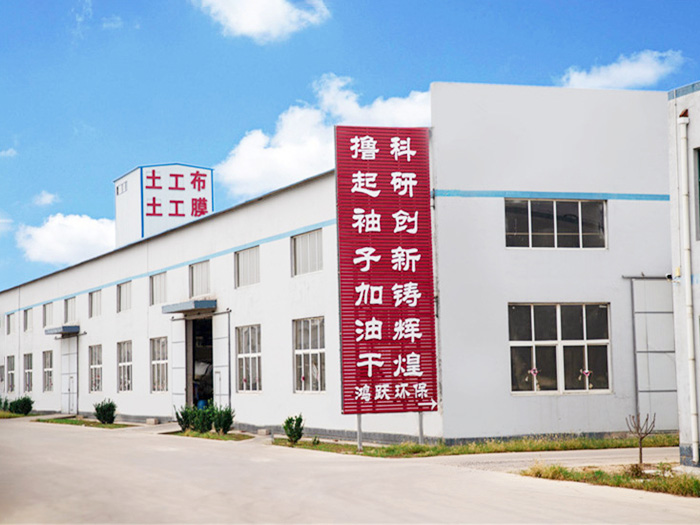
Integrated manufacturing allows us to simultaneously produce companion geomembranes, ensuring compatibility of multi-layered barrier systems.
Sensors monitor thickness profiles across the entire roll width, instantly flagging deviations to maintain quality control standards.
Randomly selected batch samples undergo wide-width tensile tests to verify mechanical parameters before dispatch.
Our packaging processes secure rolls in UV-resistant protective wrapping. This ensures that the material arrives on-site in perfect condition, ready to be deployed without prior unrolling or preparation.
All finished goods are cross-referenced with regional construction codes (ASTM, EN ISO). Shandong Hongyue guarantees that each delivery conforms strictly to the submitted technical data sheets.
At Shandong Hongyue, we employ automated testing systems to evaluate grab tensile strength, CBR puncture resistance, flow rate, and mass per unit area. Our testing laboratory guarantees that no substandard materials leave our warehouse.
Expert insights into geotextile selection, specifications, and manufacturing capabilities.
Explore our complete range of high-performance drainage, protection, and containment solutions.
 Hongyue