Explore our premier grade range of isolation, containment, and drainage solutions designed to meet European and American engineering specifications.
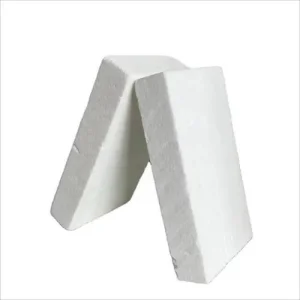
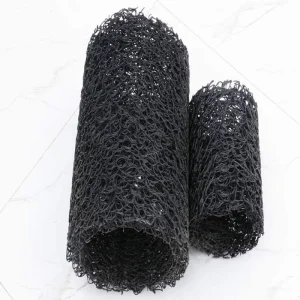
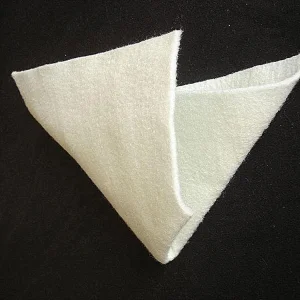
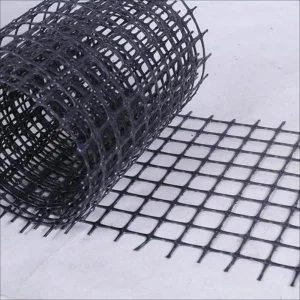
The modern geotextile sector is transitioning from traditional woven fabrics to sophisticated, multi-layered composites and 3D stabilization matrices. Driven by global initiatives to reinforce civil infrastructure against extreme weather events and to safeguard soil layers from degradation, developers are demanding long-lived, environmentally neutral materials.
Current trends point toward high molecular weight raw materials, such as virgin polypropylene and high-density polyester, processed with advanced needle-punching or composite thermal bonding. These technologies create mats with precise pore size distributions, high tensile limits, and optimal hydraulic permeability.
Furthermore, as governments mandate stricter ecological compliance, project managers are prioritizing manufacturers that offer verifiable performance data under prolonged UV and chemical exposure. This is where engineered solutions like those from Dezhou's manufacturing base play an imperative role.
Deciphering technical intent and performance benchmarks key to modern industrial purchasing workflows.
Procurement entities demand validation including ISO9001 and CE certifications. Compliance with local ASTM and EN standards is essential for major road, rail, and municipal hydraulic installations.
Exposure to high-alkali soil conditions requires polymer structures optimized for chemical resistance, zero swelling, and superior resistance to creep under heavy load bearing.
Variations in roll dimensions, non-standard weight configurations (ranging from 100g/m² up to 1000g/m²), and composite backing options are vital to address site-specific geological factors.
| Material Class | Common Base Polymer | Primary Utility | Key Properties | Recommended Project Scenarios |
|---|---|---|---|---|
| Non-woven Geotextile | PET / PP (Short Fiber / Filament) | Filtration & Drainage | High permeability, high elongation index | Landfill base, subgrade stabilization, rail tracks |
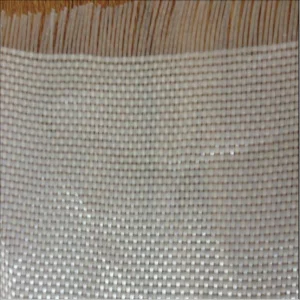
| Woven Geotextile | Polypropylene Slit Film / Multifilament | Reinforcement & Separation | High tensile strength, low elongation | Coastal revetments, marine structures, unpaved roads |
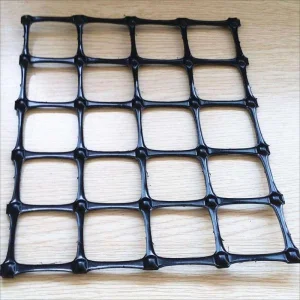
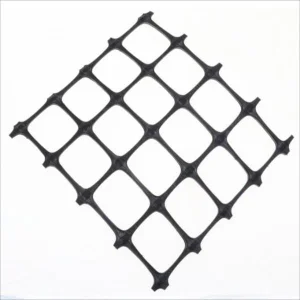
| Biaxially Stretched Geogrid | PP / High-Density Polyethylene | Subbase Stabilization | High junction efficiency, load distribution | Highways, heavy load parking lots, soft soils |
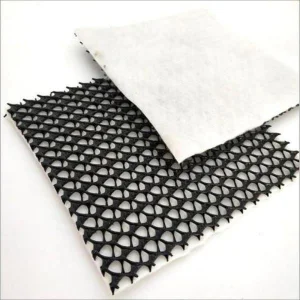
| 3D Composite Net | HDPE + Non-woven fabric lining | Drainage & Seepage Collection | High transmissivity under compressive loads | Retaining wall drainage, tunnel linings |
| HDPE Geocell | High-Density Polyethylene (textured/perforated) | Confinement & Slope Protection | High dimensional stability, shear resistance | Erosion control, green retaining walls, embankment stabilization |
Discover how advanced automation systems and strategic geographical placements ensure continuous supply for major infrastructure projects.
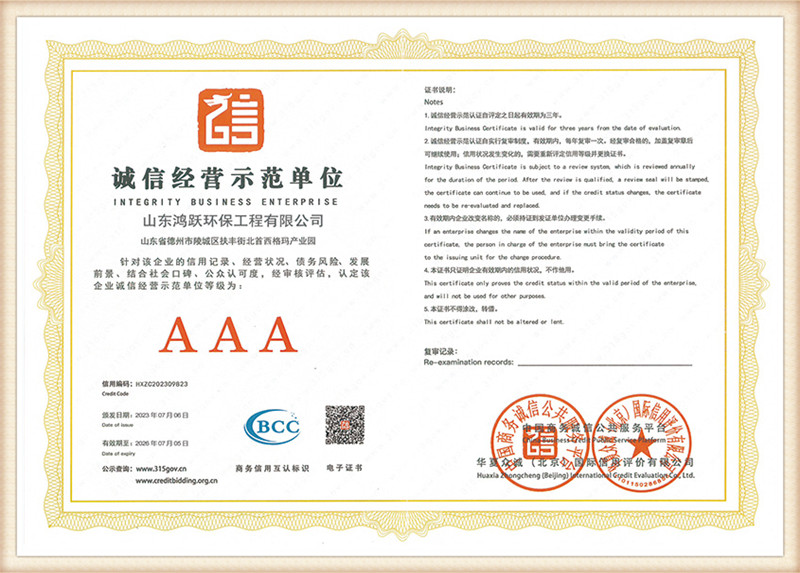
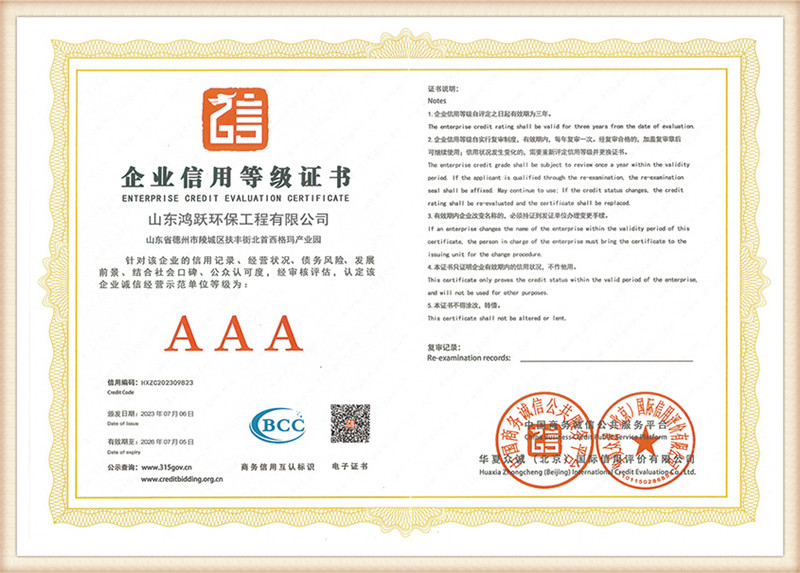
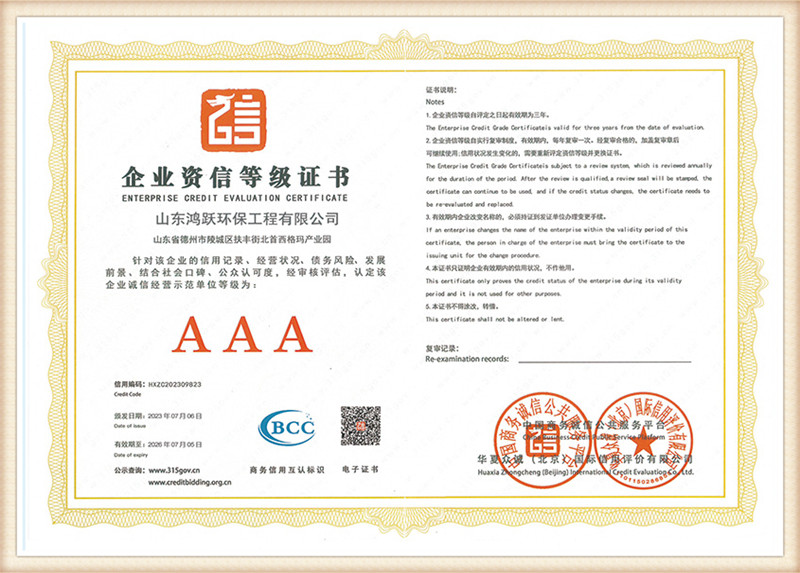
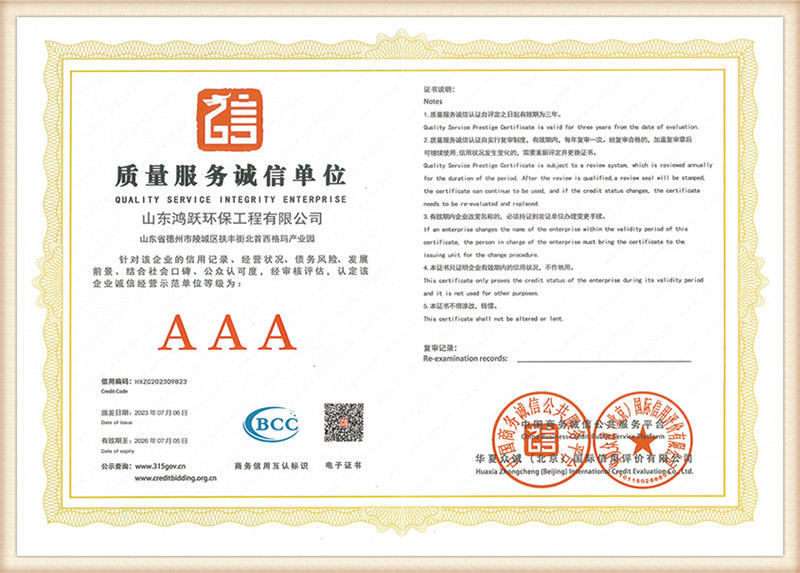
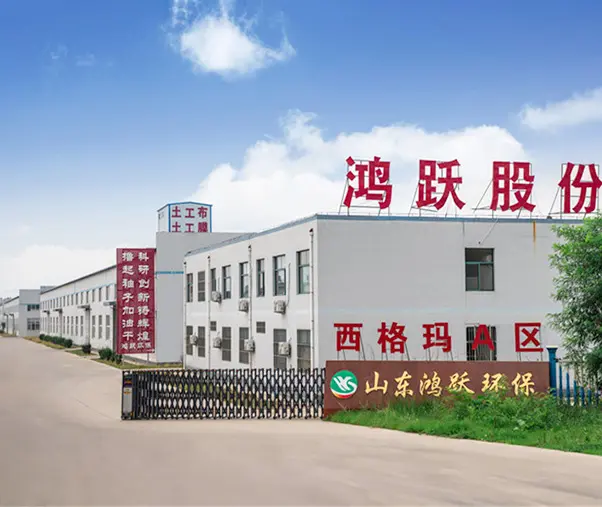
Located at the north end of Fufeng Street, Lingcheng District, Dezhou, Shandong Province, our company represents one of the largest production bases of geotechnical materials in China. Registered in 2023 with a capital of 105 million yuan, we operate as a scientific and technological enterprise integrating manufacturing, design, sales, and complex construction services.
Through our strategic location in Shandong, we maintain immediate access to major shipping ports and transportation networks, ensuring low transit lead times and robust shipping schedules. We deploy specialized extrusion, weaving, and needle-punching lines capable of sustaining high output volume without sacrificing structural integrity.
Our operation aligns with Industry 4.0 dynamics, integrating digital control networks across all melt and rolling stages to guarantee consistent product output. This systemic consistency is what makes our ODM Geotextile Mat offerings popular among international contractors.
From polymer selection to finished roll inspection, every phase of production is audited to ensure conformance to design metrics.
Geotextile is widely used in civil engineering materials, with filtration, isolation, reinforcement, protection and other functions, its production process includes raw material preparation, melt extrusion, mesh rolling, draft curing, winding packaging and inspection steps, need to go through multiple links of processing and control, but also need to consider its environmental protection and durability and other factors.
Modern production equipment and technology have been widely used, making the production efficiency and quality of geotextiles significantly improved. Here is how we enforce our manufacturing loop:
The main raw materials of geotextile are polyester chips, polypropylene filament and viscose fiber. These raw materials need to be inspected, arranged and stored to ensure their quality and stability.
After the polyester slice is melted at high temperatures, it is extruded into a molten state by a screw extruder, and polypropylene filament and viscose fiber are added for mixing. Temperature and pressure are precisely monitored.
After mixing, the melt is sprayed through the spinneret to form a fibrous substance and form a uniform network structure on the conveyor belt. Controlling the thickness and fiber orientation is key.
After laying the net into rolls, it is necessary to carry out draft curing treatment. The temperature, speed and draft ratio are precisely managed to lock in physical strength.
The cured geotextile is rolled, measured for dimensions, and put through physical property tests (tensile strength, puncture resistance) and chemical stability checks prior to shipping.
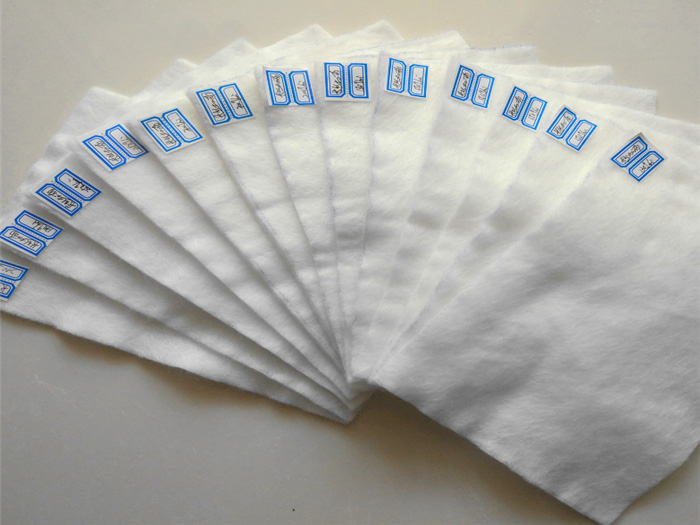
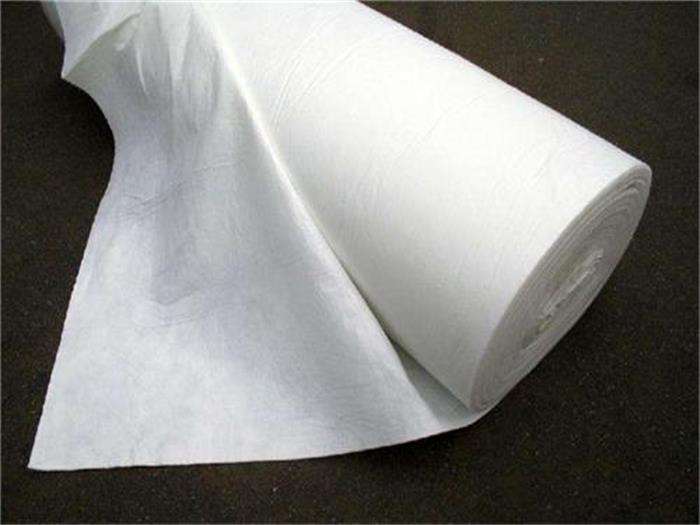
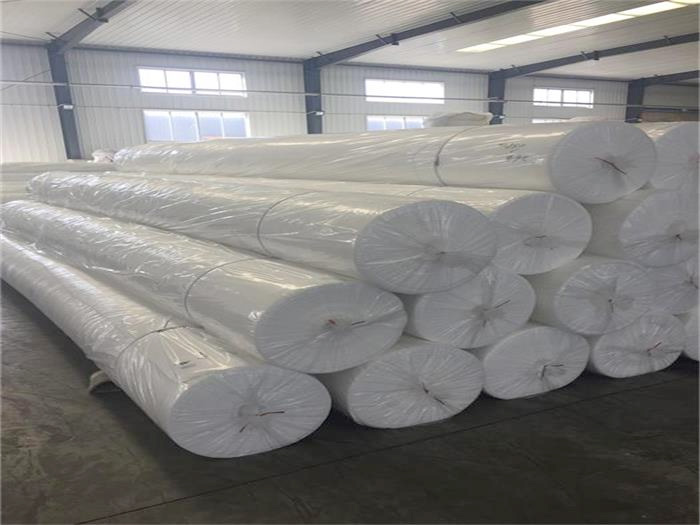
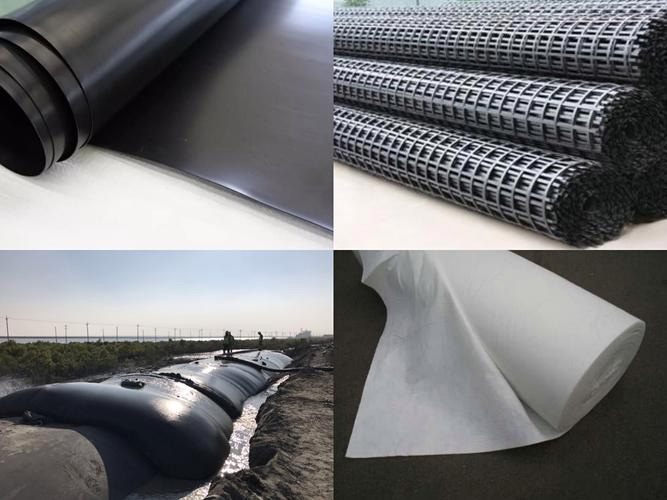
Geomembrane is a kind of material widely used in engineering projects, which has the functions of seepage prevention, isolation and reinforcement. To achieve optimal performance, field crews must follow rigorous laying and maintenance rules:
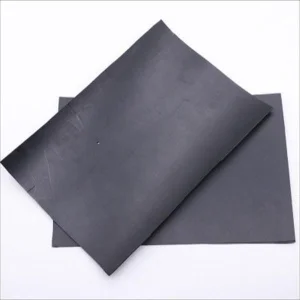
Select appropriate material chemistry (e.g., HDPE for chemical resistance in landfills, LLDPE for flexible properties under high settlement stress). Ensure the thickness parameter (0.3mm to 2.0mm) aligns with hydraulic load requirements.
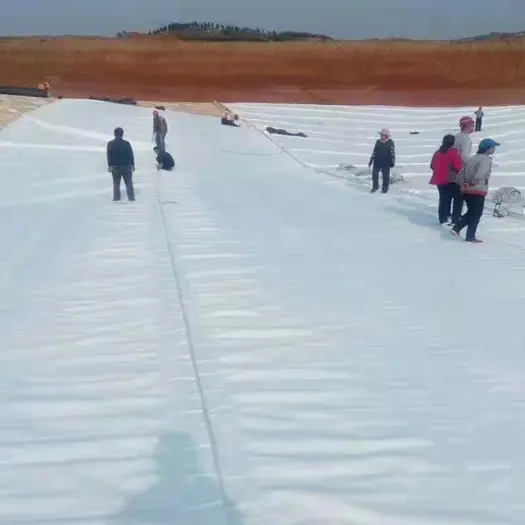
The ground surface must be level and cleaned of sharp debris. Installers must allow slack for temperature contraction and employ thermal welding to seal seams to prevent leakage.
Regular inspection of exposed geosynthetics prevents damage from prolonged UV exposure or machinery action. Repair damaged areas quickly using matched polymer patches and hot-wedge welders.
How our products are integrated into major global waterworks, retaining systems, and containment zones.
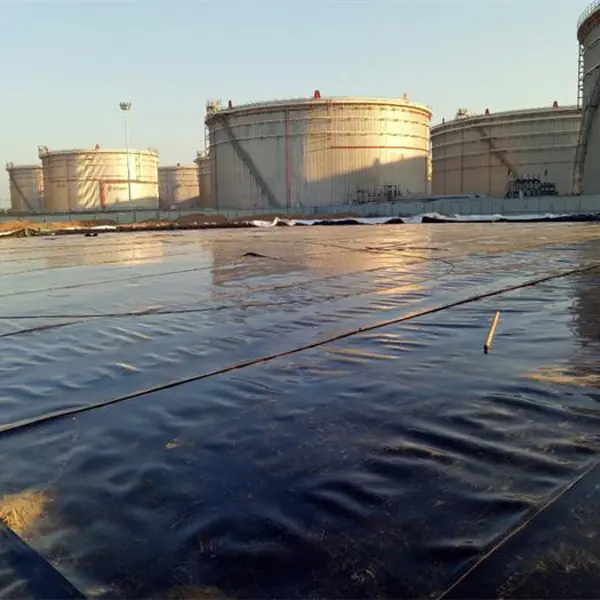
For high-risk environments such as petrochemical storage and oil tank areas, the primary focus is soil sealing. The barrier system must withstand petrochemical spills, resist biological degradation, and maintain physical toughness over decades.
Shandong Hongyue works with regional and global engineering firms to design customized secondary containment lining that meets strict national environmental parameters. Our engineers offer onsite technical consultation to verify weld seams and structure stability under varying foundation pressures.
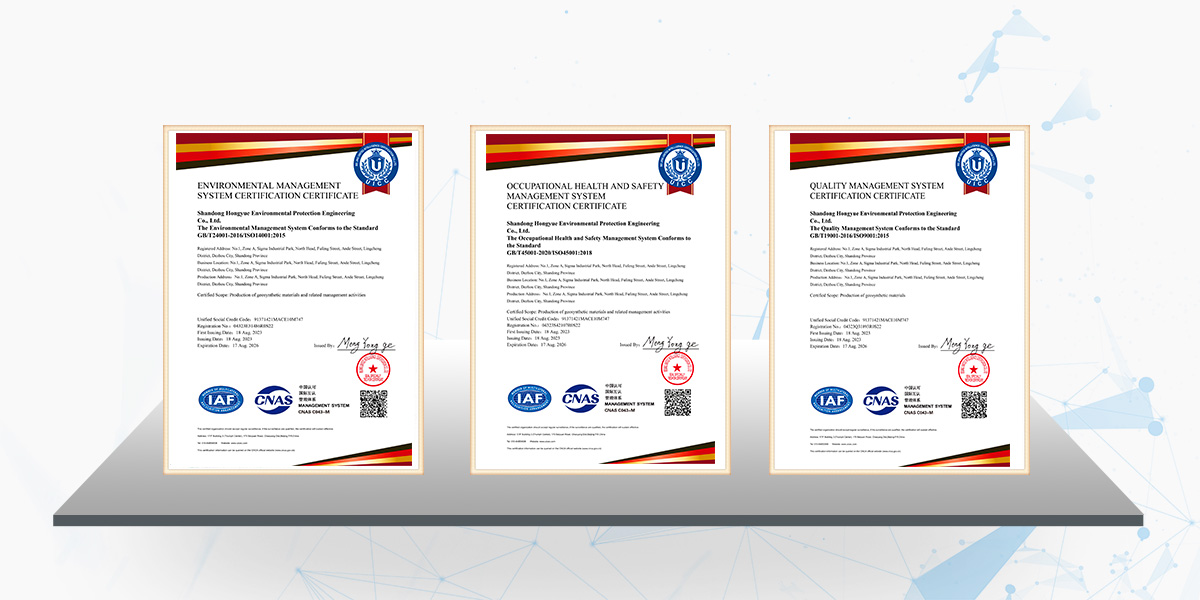
Every roll leaving our factory floor has been verified by state testing facilities and conforms to global engineering requirements.
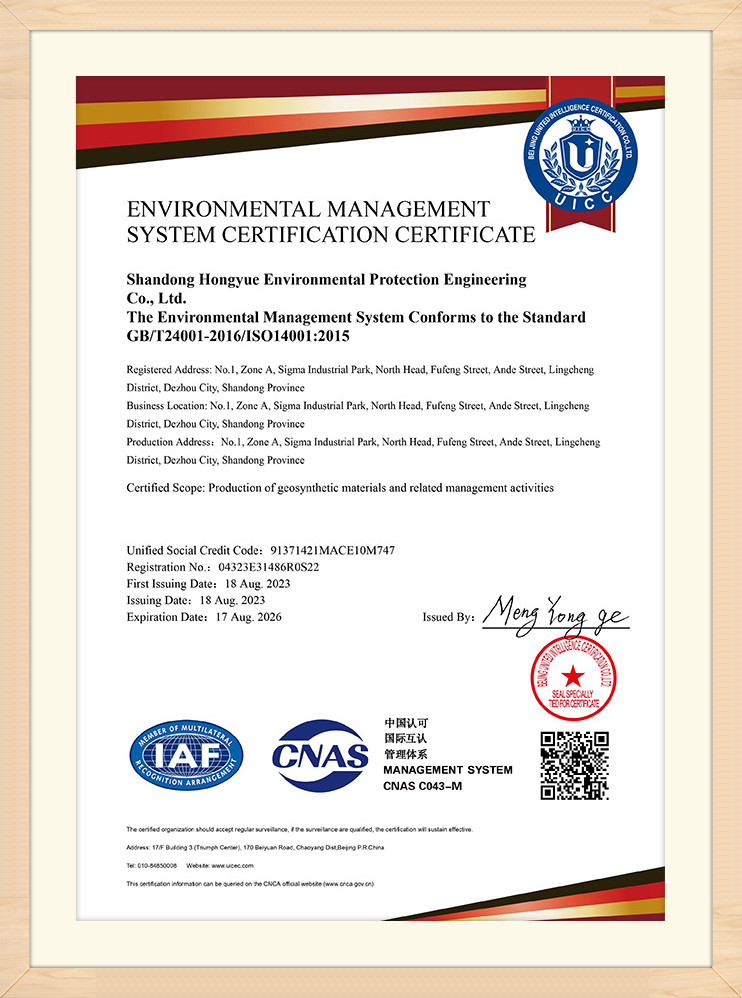
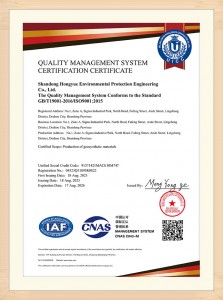
Shandong Hongyue Environmental Engineering Co., Ltd. operates a scientific management system. We have successfully passed the ISO9001 international quality system certification, ISO14000 environmental system certification, and ISO45001 occupational health and safety management system certification.
Our product line has won multiple industry recognitions, including "Green Building Materials Products," "Famous Chinese Brand," and "High-Tech Industry" designations. We deploy precision lab instruments to measure thickness, grab tensile strength, tear strength, and hydraulic flow characteristics.
All finished products meet or exceed domestic and international standards, having passed rigorous testing by the China National Testing Center, ensuring they can withstand high mechanical stress during installation and long-term use.
Understanding the physical and engineering properties of geotextiles when deployed in moving water systems.
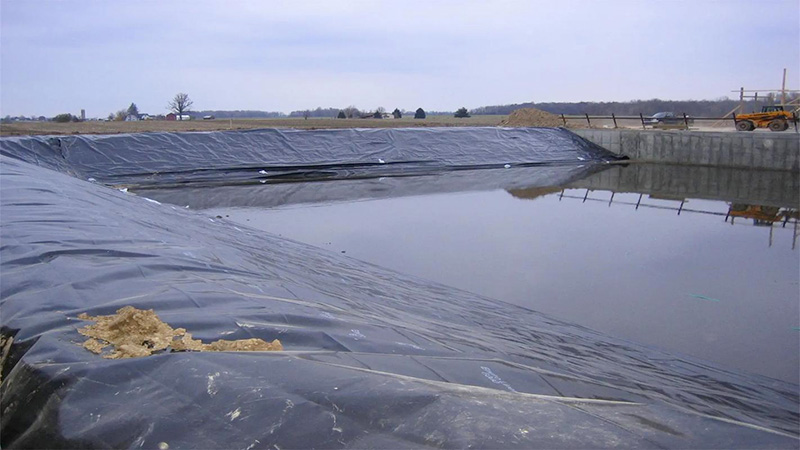
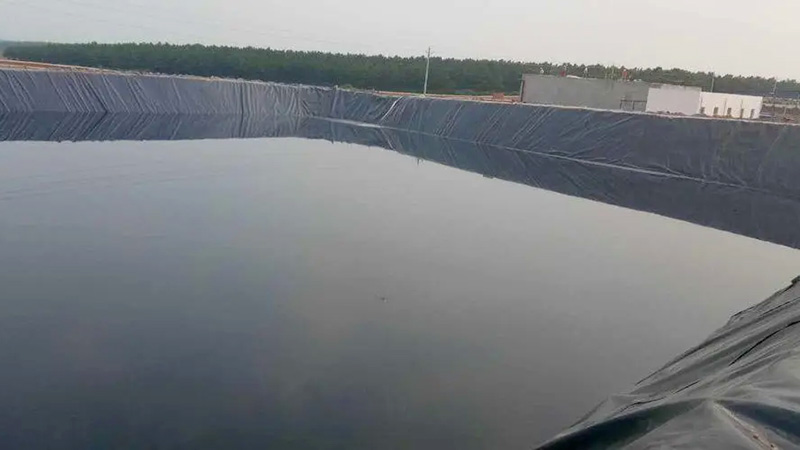
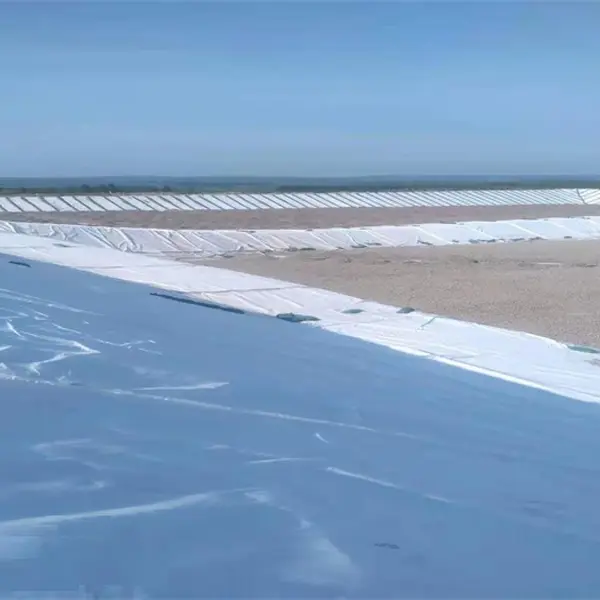
For hydraulic projects, geomembranes and geotextiles are critical in safeguarding dams and reservoirs. Because reservoirs are built in natural valleys, geological structures are complex and prone to structural movement or seepage. Non-woven geotextile mats act as protective layers, cushioning the core geomembrane from sharp substrate rock formations and preventing punctures.
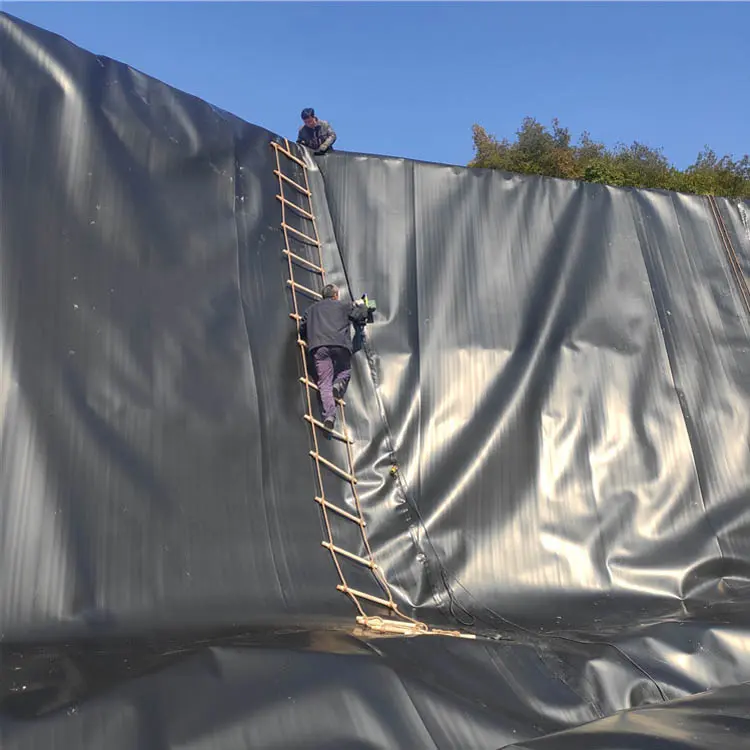
In dam structures, geomembranes are used to reinforce stability. Unexpected geological shifts or high hydrostatic pressure can cause small cracks in the barrier. Incorporating a highly puncture-resistant geotextile mat helps bridge these structural gaps, maintaining a continuous barrier against water migration.
Additionally, during canal restorations and river engineering, geotextiles protect against shoreline erosion. Deployed along the canal bed, these mats allow water to pass while retaining fine soil particles, preventing soil loss and stabilizing the banks.
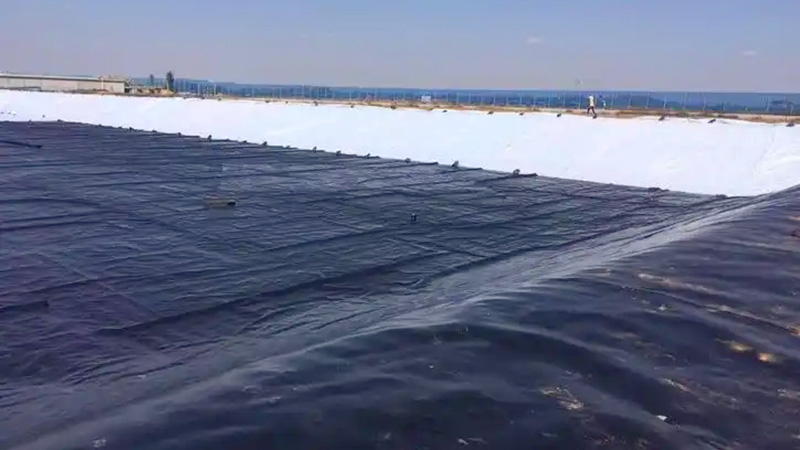
Riverbank protection layout featuring multi-layer geosynthetic lining
Detailed answers regarding technical configurations, pricing variables, shipping logistics, and manufacturing options.
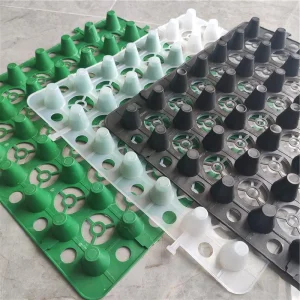
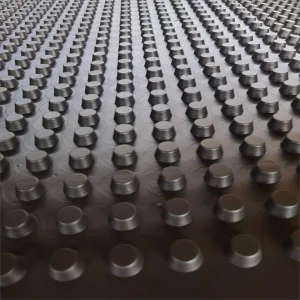
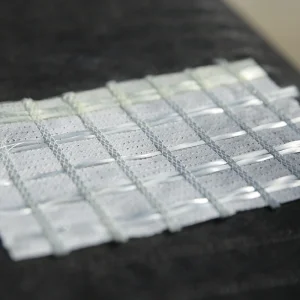
High-performance structural matrices for soil containment, underground structural drainage, and moisture barriers.
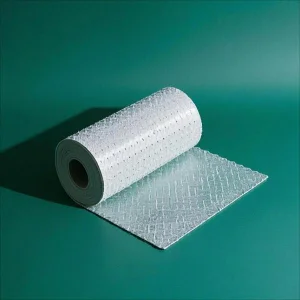
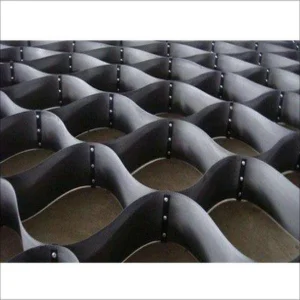
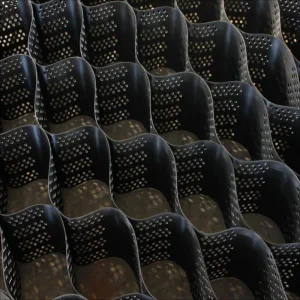
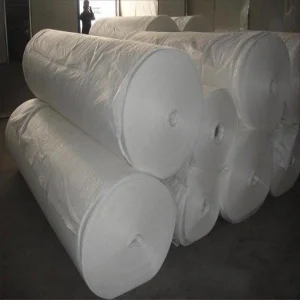
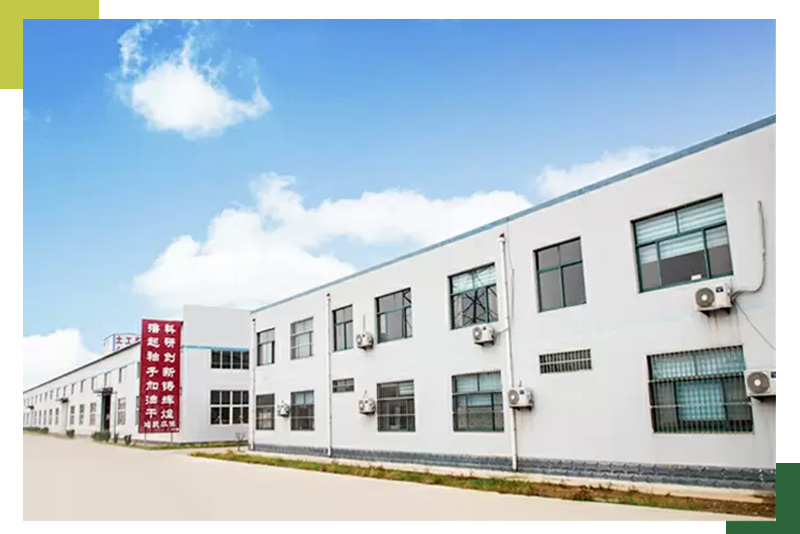
A direct look inside Shandong Hongyue Environmental Engineering Co., Ltd.
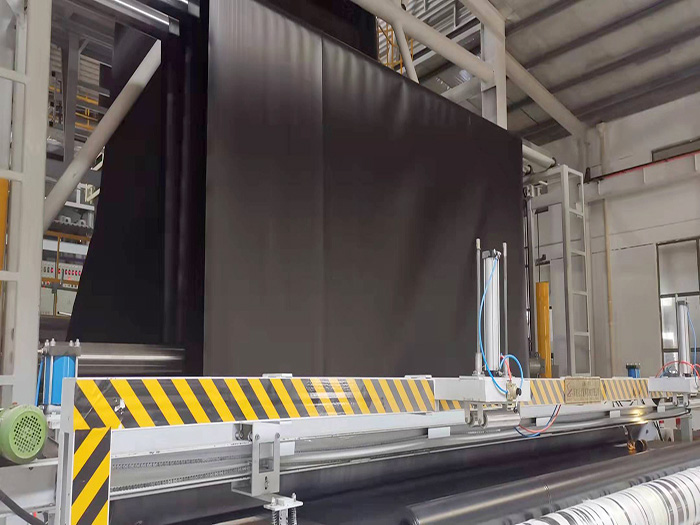
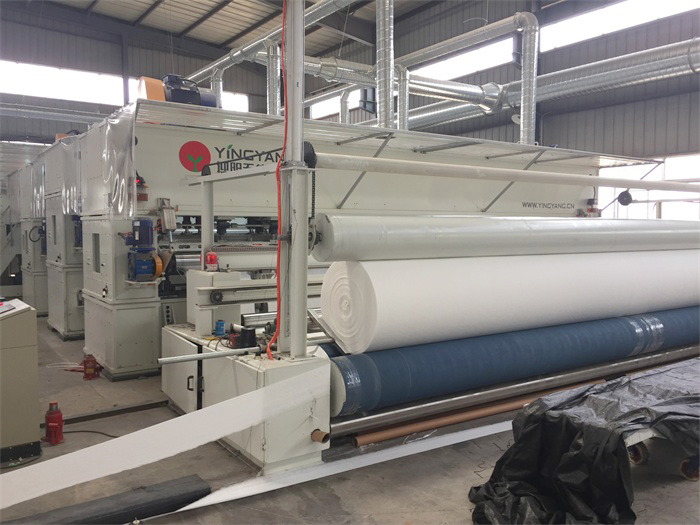
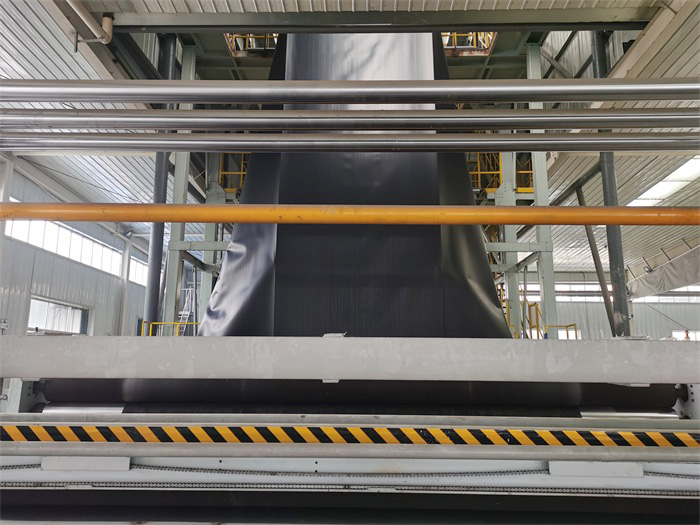
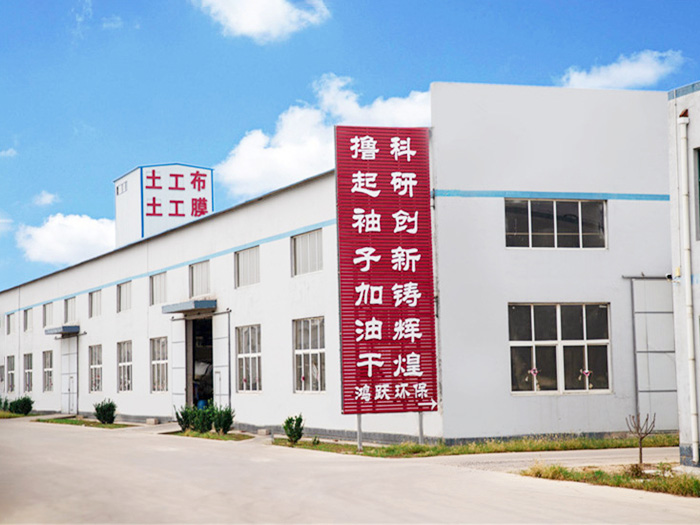
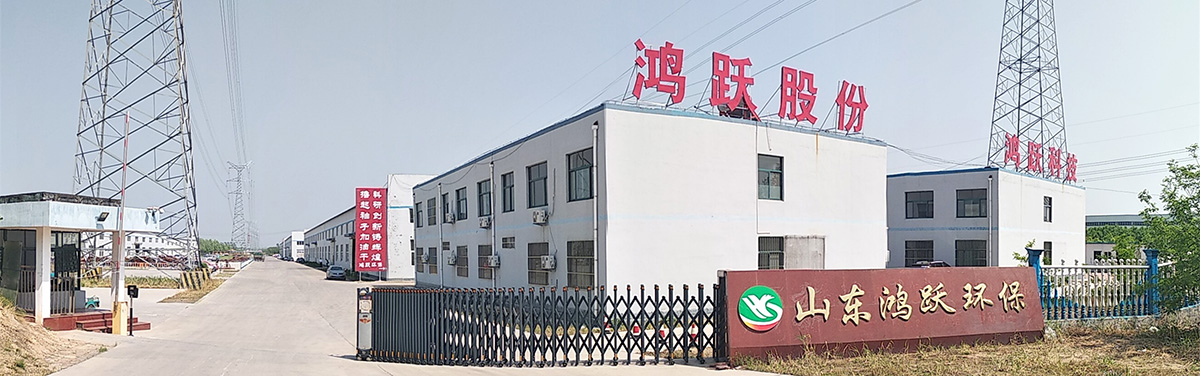
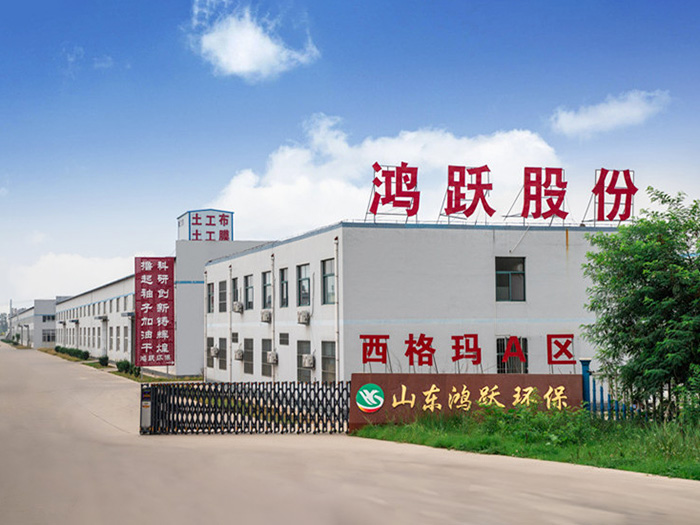
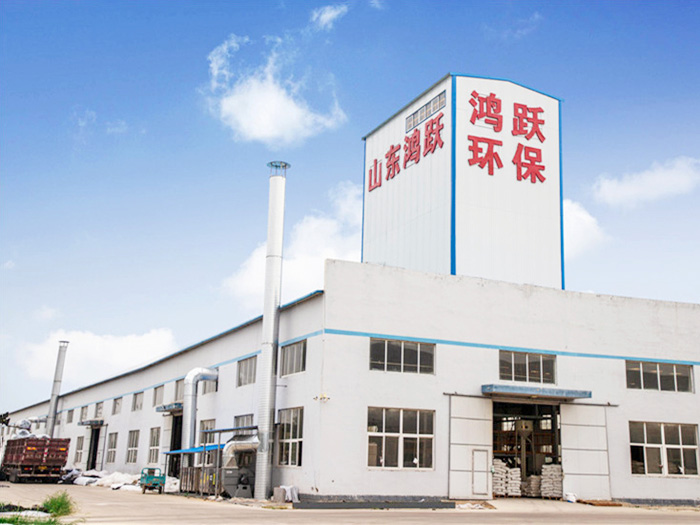
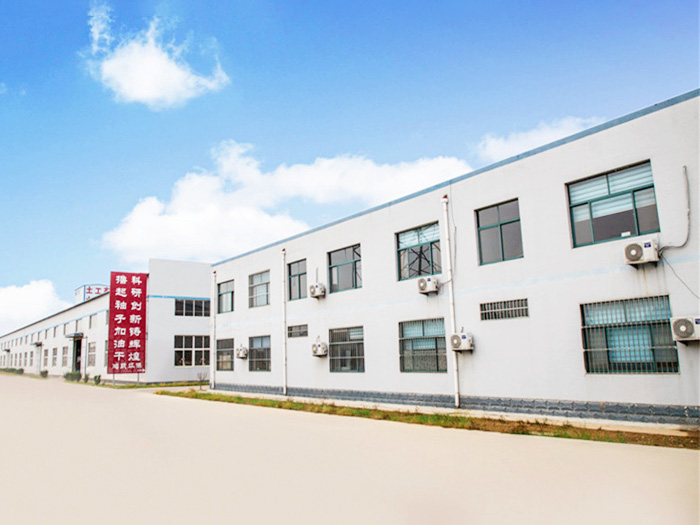
Our manufacturing base is equipped to supply a diverse product range, including geotextiles, geomembranes, composite geomembranes, waterproof boards, bentonite waterproof blankets, 3D composite drainage nets, (composite) drainage boards, weaving cloths, woven cloths, membrane bags, blind ditches, waterproof and drainage combinations, woven bags, ecological bags, cement blankets, fiber plant blankets, and flexible pervious pipes. We deliver professional services and high-quality products to projects worldwide.
With continuous market development and stable, reliable, high-performance geomaterial products, as well as scientific, economic solutions and deep, comprehensive technical support, Shandong Hongyue has accumulated rich experience in engineering design, product development and construction and many other aspects, the company's integrity, strength and product quality is gaining more and more project owners and engineering parties recognition.
Our sales networks and agency offices span key industrial hubs including Shanghai, Beijing, and Dezhou, allowing us to export to Europe, the United States, Australia, and throughout East Asia. Contact our engineering team today for custom specifications and competitive factory-direct pricing.
 Hongyue