High-performance engineering composite fabrics and membranes tailored for critical filtration, drainage, containment, and reinforcement systems.
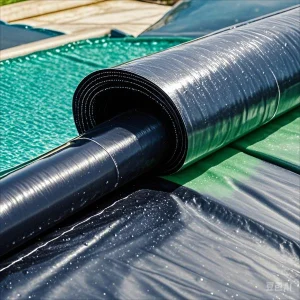
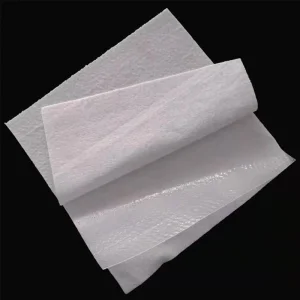
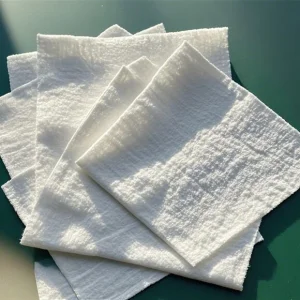
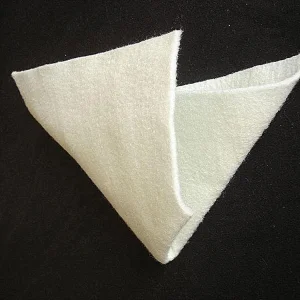
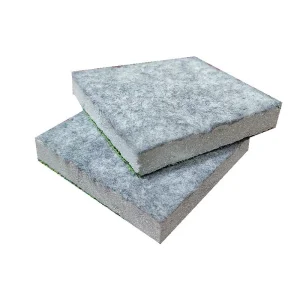
Within modern geotechnical and environmental engineering frameworks, the geotextile layer operates as the primary critical boundary layer. Choosing an optimal Original Design Manufacturer (ODM) is not merely a transaction; it represents a key step in structural risk mitigation. The demand for geotextile layers has evolved from baseline commodity fabrics toward engineered multi-functional barrier solutions designed to resist severe mechanical stresses, chemical oxidation, and decades of environmental exposure.
Globally, civil infrastructure developments—ranging from high-speed railway networks to municipal landfill containment structures—require highly customized technical specifications. Shandong Hongyue Environmental Engineering Co., Ltd. leads this movement by developing bespoke composite structures that integrate filtration, drainage, separation, reinforcement, and impermeability into monolithic, application-specific systems.
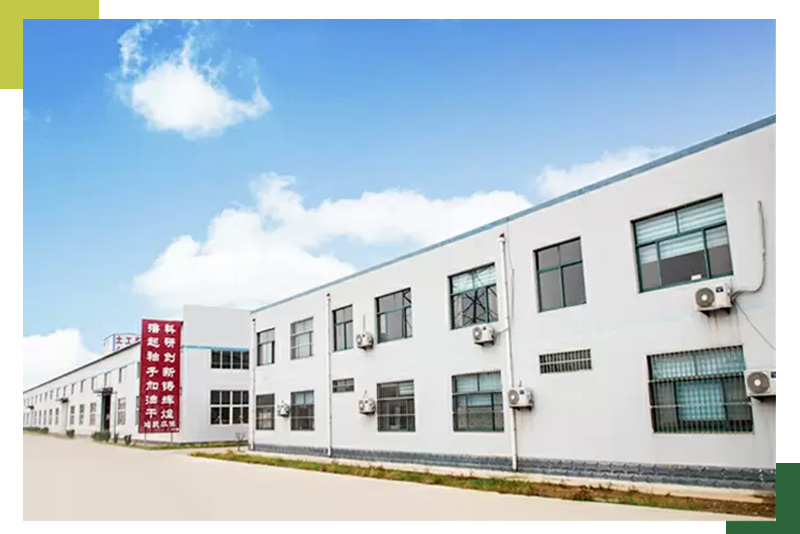
A premier Chinese manufacturing center delivering robust geotechnical and hydraulic sealing solutions.
Established on April 6, 2023, and located at the northern sector of Fufeng Street, Lingcheng District, Dezhou City, Shandong Province, Shandong Hongyue Environmental Engineering Co., Ltd. stands as one of the largest modern manufacturing and testing installations for geotechnical materials in China. Our strategic regional presence enables seamless raw material sourcing, direct access to national rail grids, and rapid transit to international cargo ports, ensuring reliable supply lines for time-sensitive infrastructure works.
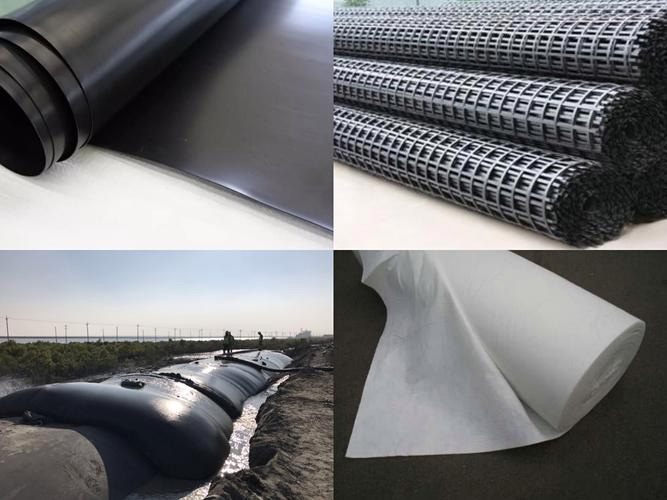
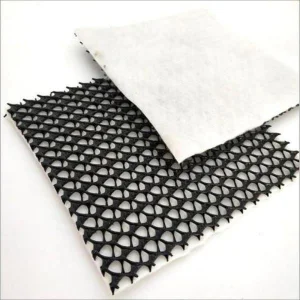
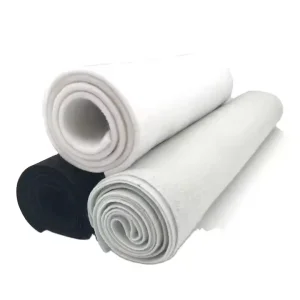
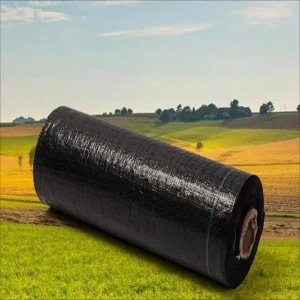
Our expansive production capabilities cover a broad range of civil engineering materials. We specialize in producing, designing, and distributing high-performance geotextiles, geomembranes, composite geomembranes, waterproof boards, bentonite waterproof blankets (GCL), three-dimensional composite drainage networks, drainage sheets, woven geotextiles, and concrete canvas blankets.
Our experienced staff of engineers and field personnel support our automated manufacturing operations, offering detailed technical consulting, product customization, and on-site support to developers worldwide.
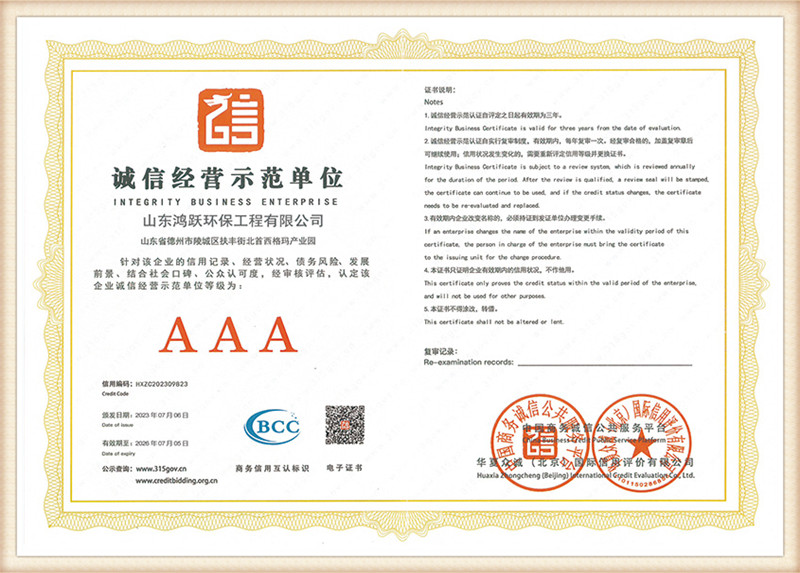
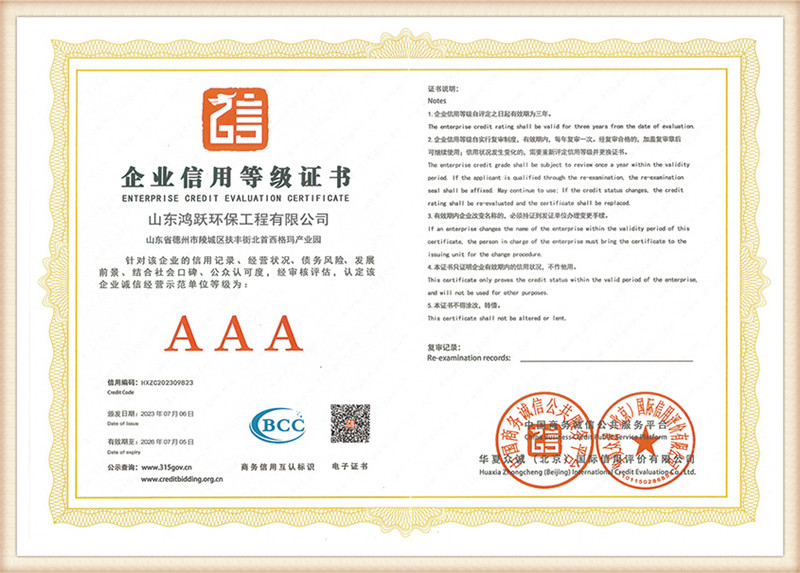
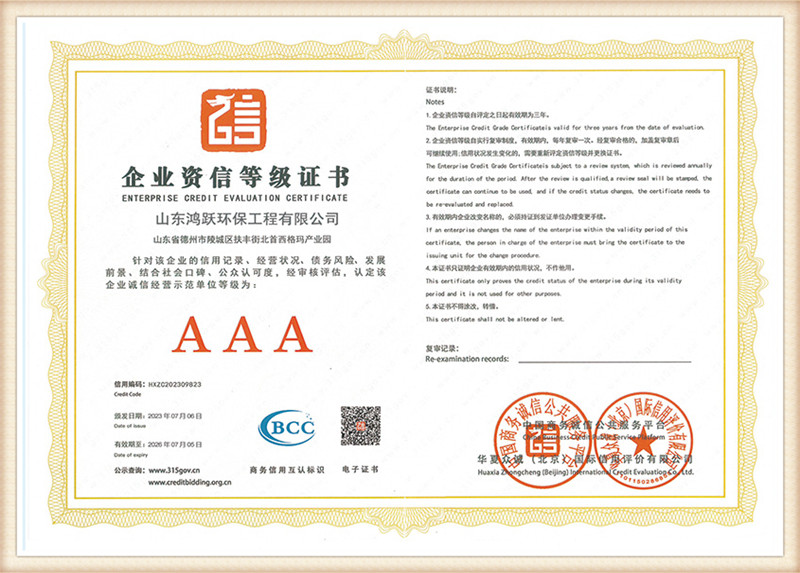
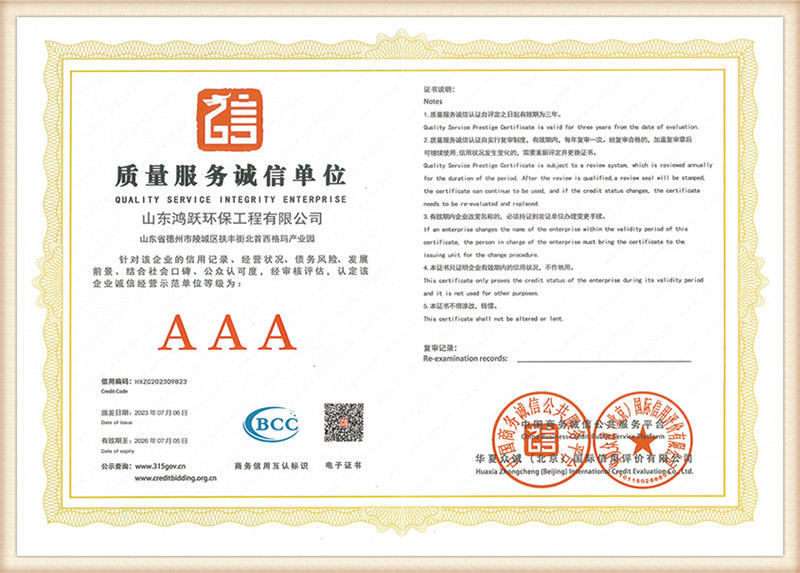
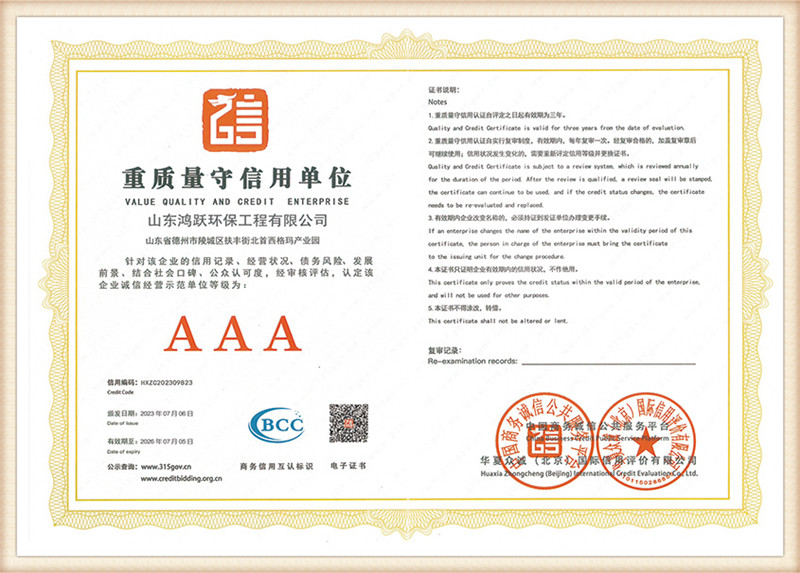
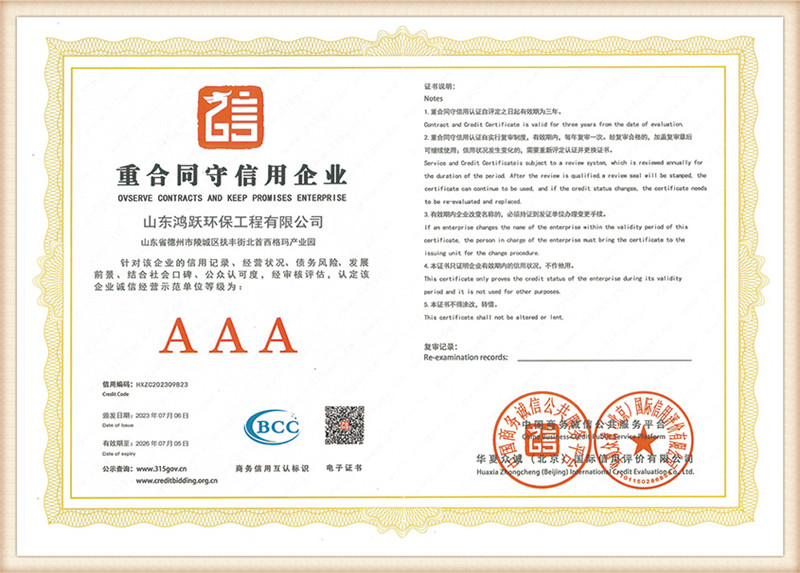
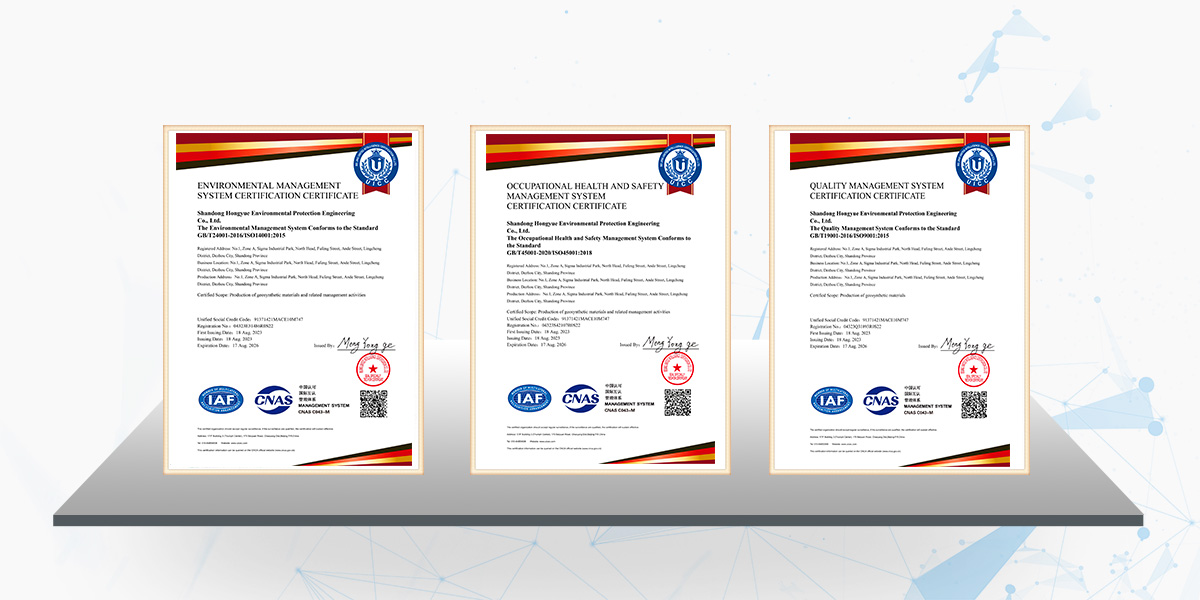
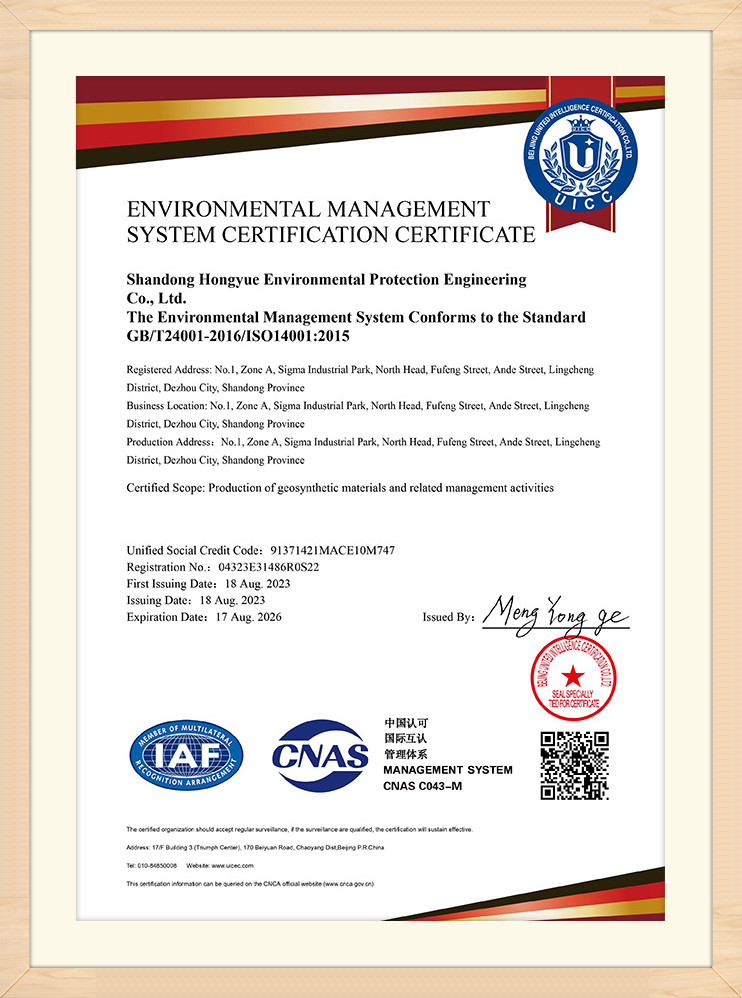
Under a strict ISO-compliant quality ecosystem, we have achieved ISO9001 International Quality Management System Certification, ISO14001 Environmental System Certification, and ISO45001 Occupational Health and Safety Certification. We have also earned distinguished honors, including being recognized as a "High-tech Industry" and "Green and Environmentally Friendly Building Materials Products," confirming our focus on engineering safety and environmental compliance.
Shandong Hongyue is an active member of the Dezhou Geotextile Association. We regularly collaborate with research institutions to advance material testing and design standards across the industry, reinforcing our reputation for reliability in municipal containment and civil construction markets.
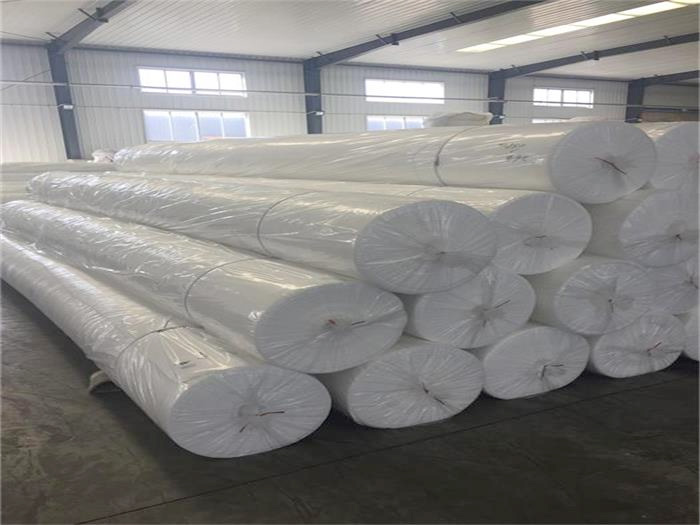
Visual tour of our state-of-the-art manufacturing plants, calibration facilities, and inventory yards in Dezhou.
Standard parameters for custom non-woven and woven geotextiles produced at Shandong Hongyue.
| Property Designation | Testing Standard Reference | Polyester Filament (PET) Typical Value | Polypropylene Short Fiber (PP) Typical Value | Key Project Application |
|---|---|---|---|---|
| Mass Per Unit Area | ASTM D5261 / ISO 9864 | 100 - 1200 g/m² (Customized) | 150 - 800 g/m² (Customized) | Base stabilization & geomembrane cushioning |
| Grab Tensile Strength | ASTM D4632 / ISO 10319 | ≥ 6.0 kN to ≥ 45 kN | ≥ 4.5 kN to ≥ 32 kN | Soil reinforcement & steep slope retention |
| CBR Puncture Resistance | ASTM D6241 / ISO 12236 | 1.2 kN to 8.5 kN | 1.0 kN to 6.8 kN | Municipal landfills & aggregate base protection |
| Apparent Opening Size (AOS) | ASTM D4751 / ISO 12956 | 0.05 mm to 0.22 mm | 0.07 mm to 0.25 mm | Hydraulic filter layers & coastal revetment |
| Water Permeability Coefficient | ASTM D4491 / ISO 11058 | 1.0×10⁻¹ to 9.9×10⁻³ cm/s | 1.5×10⁻¹ to 5.0×10⁻³ cm/s | Sub-surface drainage networks |
| UV Stabilization Index (500 hrs) | ASTM D4355 | ≥ 70% retention | ≥ 80% (carbon black modified) | Exposed containment & agriculture protection |
*Values listed above are typical averages. Custom configurations are available through our engineering department.
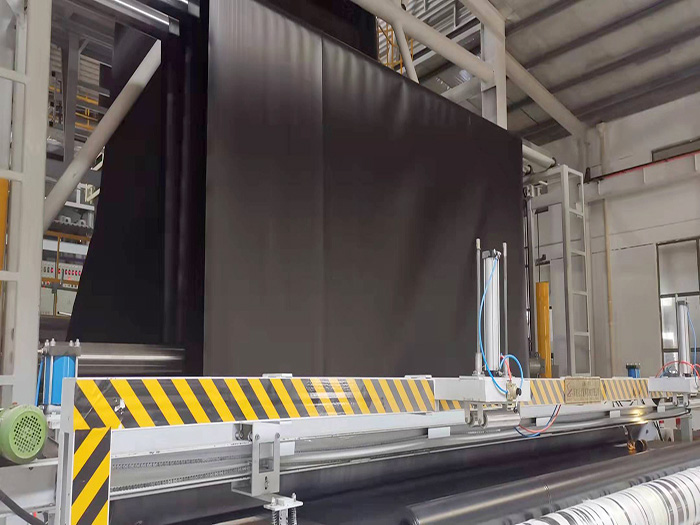
Step-by-step production flow showing how raw polymers are processed into high-strength geotextile sheets.
The primary raw materials used are polyester chips, polypropylene filament, and viscose fiber. We inspect and dry these raw materials to maintain consistency and physical integrity before processing.
Raw polyester is melted at high temperatures and extruded through a screw extruder. Polypropylene filament and viscose fibers are then added, with temperature and pressure monitored to maintain a uniform melt.
The molten mixture is extruded through specialized spinnerets, forming a uniform fiber web on a moving conveyor belt. We control fiber orientation and layer thickness to achieve isotropic mechanical strength.
The fiber web is routed through multi-stage draw rolls and curing ovens. Controlling the draft ratio and temperature profile aligns the polymer chains, increasing the material's tensile strength.
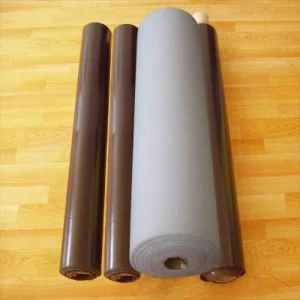
After curing, the continuous geotextile sheet is trimmed, wound onto heavy-duty cores, and wrapped in protective film. We verify physical dimensions to ensure they meet contract specifications.
Samples are regularly collected from each production run and tested in our quality control lab. We measure tensile strength, puncture resistance, and permeability, releasing rolls for shipment only after they pass inspection.
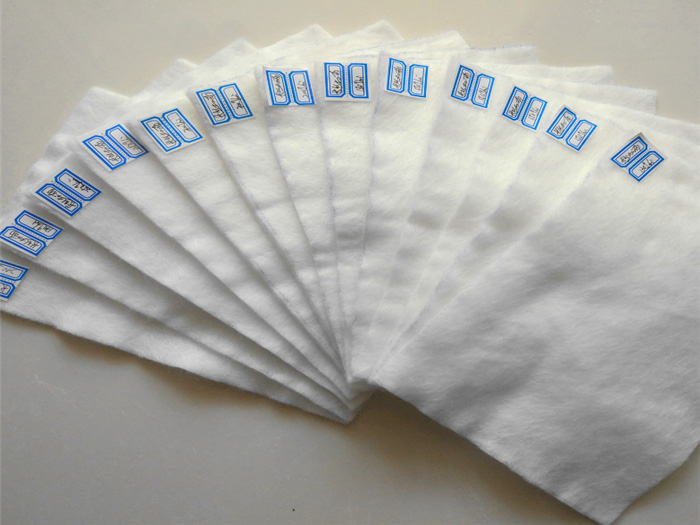
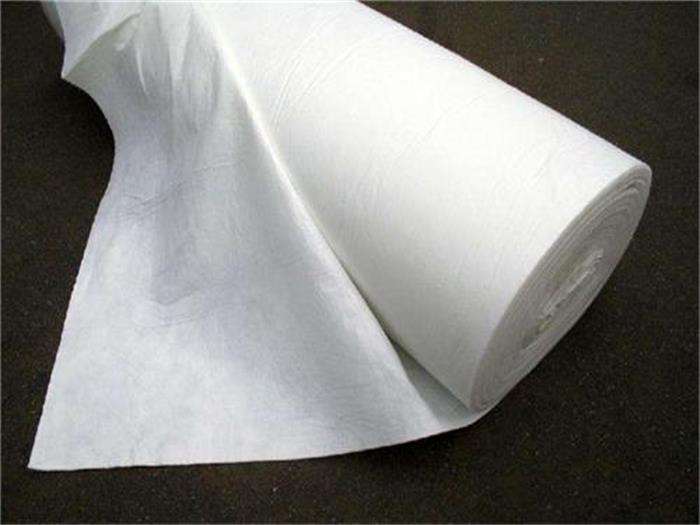
Integrated solutions designed to address complex soil dynamics, hydraulic loads, and chemical challenges.
We supply composite geomembranes that combine non-woven geotextiles with a flexible polymer core. This structure prevents water loss in reservoirs, agricultural irrigation channels, and artificial lakes while protecting the inner barrier from aggregate punctures.
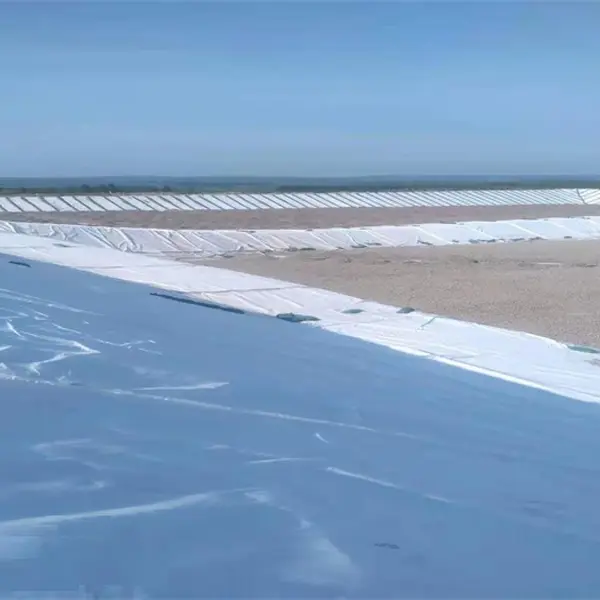
We manufacture thick, high-density polyethylene (HDPE) geomembranes and needle-punched geotextiles that isolate municipal solid waste. These materials resist acidic leachate, gas migration, and mechanical stress, protecting nearby groundwater systems.
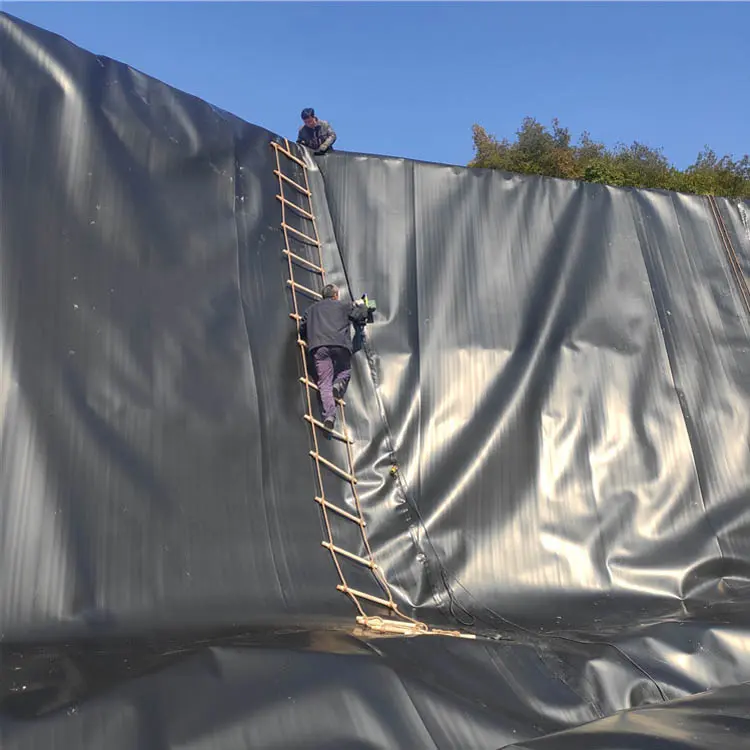
For chemical and fuel containment, we provide double-lined geomembrane solutions designed to withstand petroleum hydrocarbons. These systems prevent contamination in tank farms and processing plants.
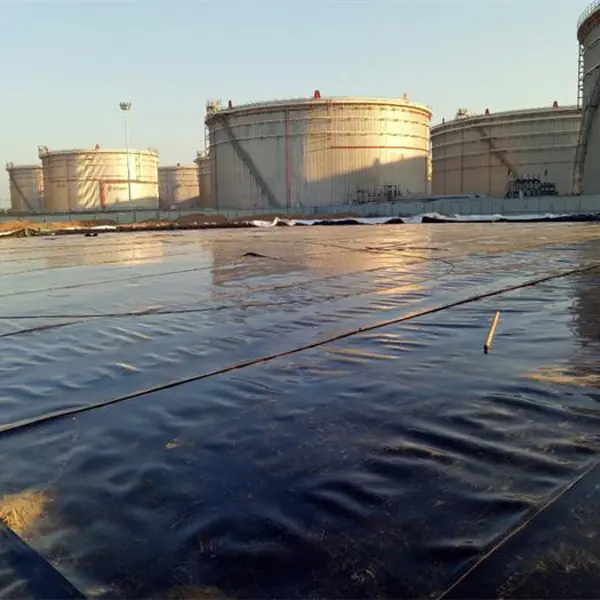
As an efficient anti-seepage material, geomembranes play a vital role in water conservancy projects. Their low hydraulic conductivity, mechanical durability, and adaptability to soil settlement make them crucial for preventing water loss and structural degradation.
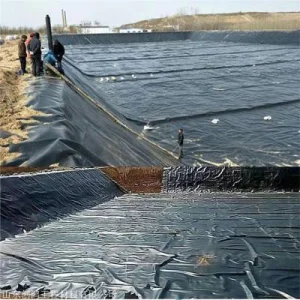
First, in the construction of reservoirs, geomembranes serve as the primary containment layer. Because reservoirs are often built in valleys with complex, fractured rock geologies, mitigating foundation seepage is essential. Applying a geomembrane layer across the basin prevents seepage into jointed rock formations, increasing the reservoir's water retention and structural stability.
Second, during the construction of levees and flood dykes, geomembranes help reinforce the structures against internal erosion and piping. Under flood conditions, high pressure can cause sub-grade erosion. Installing a continuous geomembrane barrier cuts off seepage paths through the levee body, protecting the structure from hydraulic piping failure.
Third, in river and channel restoration, geomembranes are widely used to control flow losses. Lining canal beds with composite geomembranes reduces seepage, helping to deliver water efficiently for agriculture and municipal use while preventing local soil saturation and slope instability.
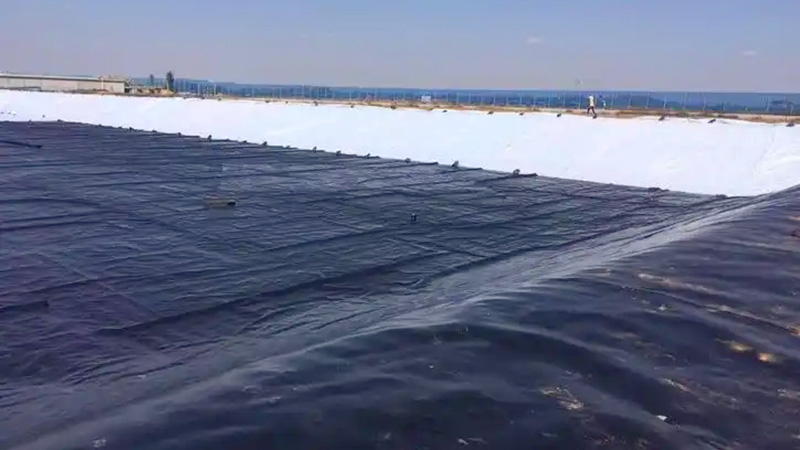
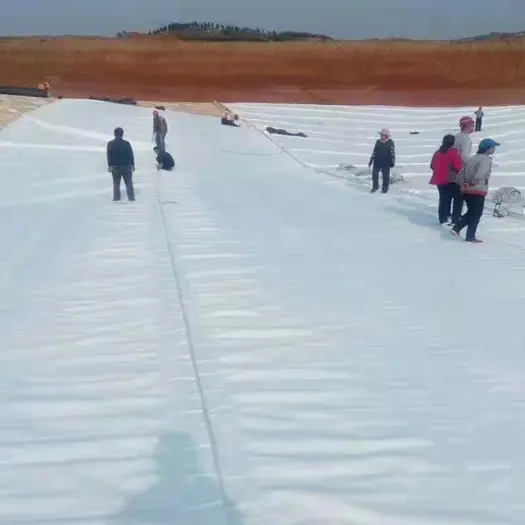
Key practices for selection, sub-grade preparation, and deployment to ensure long-term performance.
Choosing the correct polymer and structure is essential. Designers must match the material properties to project requirements:
• Material Chemistry: HDPE offers high chemical resistance, LLDPE provides flexibility for uneven ground, and PVC is suitable for dynamic stress environments.
• Thickness: Thicknesses range from 0.3mm to 2.0mm, selected based on the anticipated pressure and soil conditions.
• Impermeability: Barrier systems must maintain low permeability under continuous hydraulic load.
Proper installation is critical to prevent punctures and ensure seam integrity:
• Sub-grade Inspection: The deployment area must be cleared of rocks, roots, and debris.
• Laying Methods: Panels are placed flat, allowing slack to prevent tension from thermal contraction.
• Seam Welds: Joint surfaces must be clean and dry. Dual-track hot-wedge welding is typically used, with air pressure testing to verify seal integrity.
• Securing: Perimeter edges are anchored in trenches to secure the liner against wind and sliding.
Long-term protection helps maintain the integrity of the barrier:
• Surface Cleaning: Accumulated silt and debris should be cleared from exposed liners.
• Inspections: Regular checks help identify mechanical damage or stress cracking, allowing repairs with extrusion welding patches.
• Cover Protection: Applying a protective soil or sand cover shielding the geomembrane from direct UV exposure and mechanical impacts.
Technical answers to common questions about selection, installation, and customized production.
Polyester (PET) geotextiles offer high tensile strength, creep resistance, and thermal stability, making them suitable for soil reinforcement and long-term structures. Polypropylene (PP) geotextiles are lighter and exhibit excellent chemical resistance in highly alkaline or acidic environments, making them ideal for sub-surface chemical containment applications.
All materials are tested in our quality control laboratory. We measure physical parameters using ASTM standards, including ASTM D5199 for thickness, ASTM D1505 for density, ASTM D638 for tensile properties, and ASTM D5397 for stress crack resistance. These protocols ensure compliance with domestic and international project standards.
Yes, as an ODM manufacturer, we customize formulations based on environmental exposure. We incorporate carbon black, specialized UV stabilizers, and antioxidants to extend the service life of materials used in exposed reservoirs, canals, and containment areas.
Standard lead times typically range from 7 to 15 days, depending on the material volume and custom specifications. Our proximity to key transportation networks in Shandong helps minimize shipping and transit delays.
We conduct regular performance testing to ensure compliance with global environmental standards.
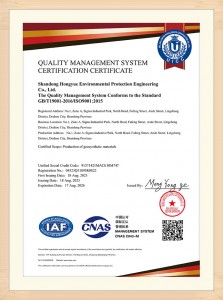
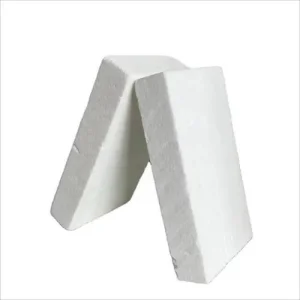
High-performance geosynthetic networks and geogrids for stabilization and drainage control.
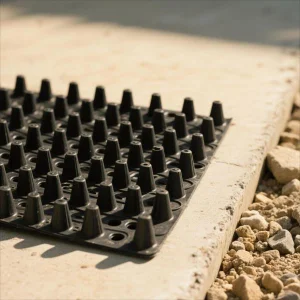
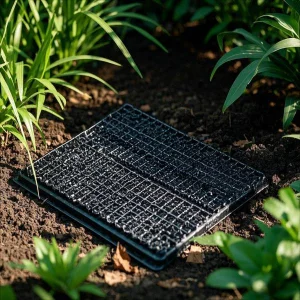
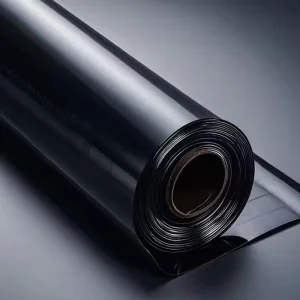
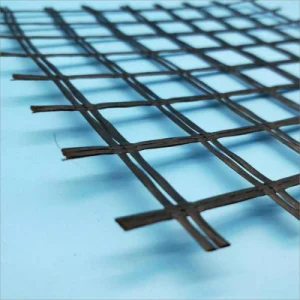
Key design concepts and technical requirements driving the future of geosynthetic barriers.
Modern projects increasingly require site-specific geomembrane properties. We customize formulations to optimize chemical resistance and mechanical strength, addressing unique geological conditions and environmental loads.
We produce integrated multi-layer structures, combining non-woven filter layers directly with protective geomembranes. These composites simplify field installation and help prevent shear failures along structural boundaries.
Our manufacturing processes focus on raw material efficiency and carbon footprint reduction, supporting environmental standards and sustainable engineering practices worldwide.
 Hongyue