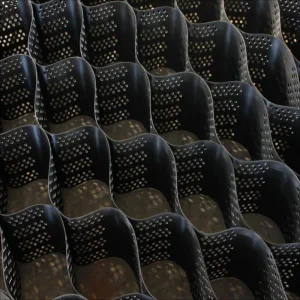
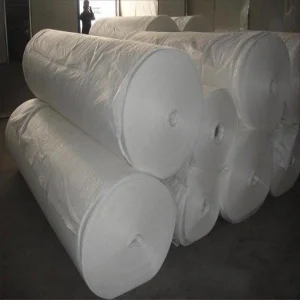
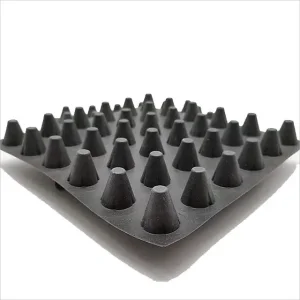
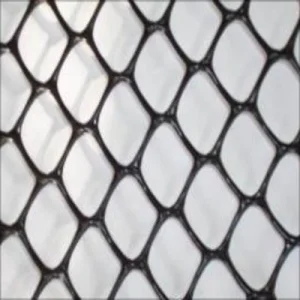
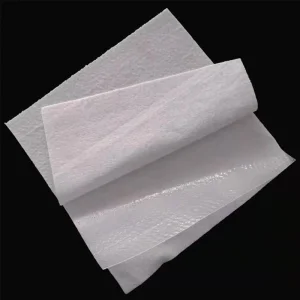
Explore our premium, CE-certified geotechnical solutions engineered for separation, containment, reinforcement, and drainage.
In contemporary civil engineering, infrastructure performance is closely tied to the reliability of geotechnical structures. Factors like soil stabilization, subgrade reinforcement, erosion mitigation, and chemical containment require engineered materials that perform consistently under heavy mechanical loads and environmental stresses. Shandong Hongyue Environmental Engineering Co., Ltd. stands as a primary scientific manufacturer of advanced geotechnical solutions, integrating design, development, and supply chains to meet demanding engineering specifications.
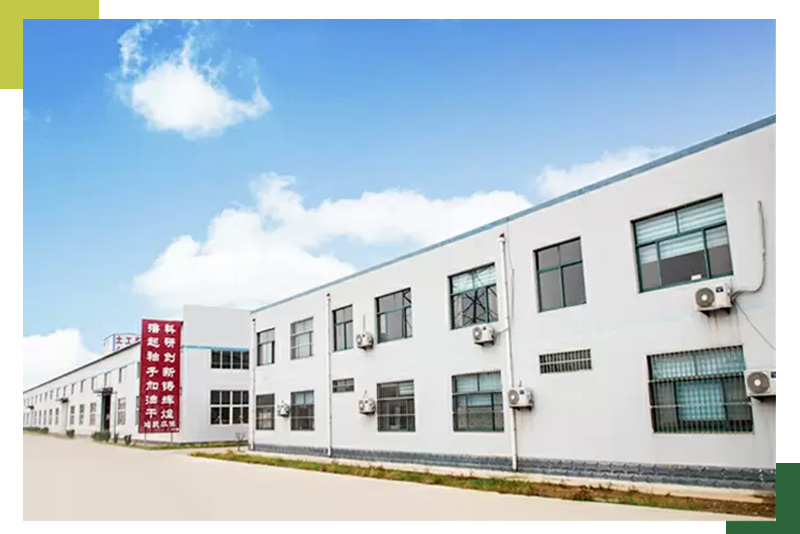
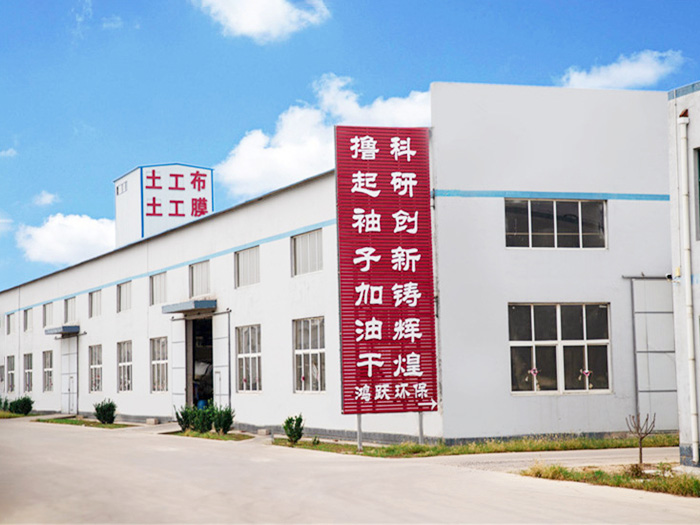
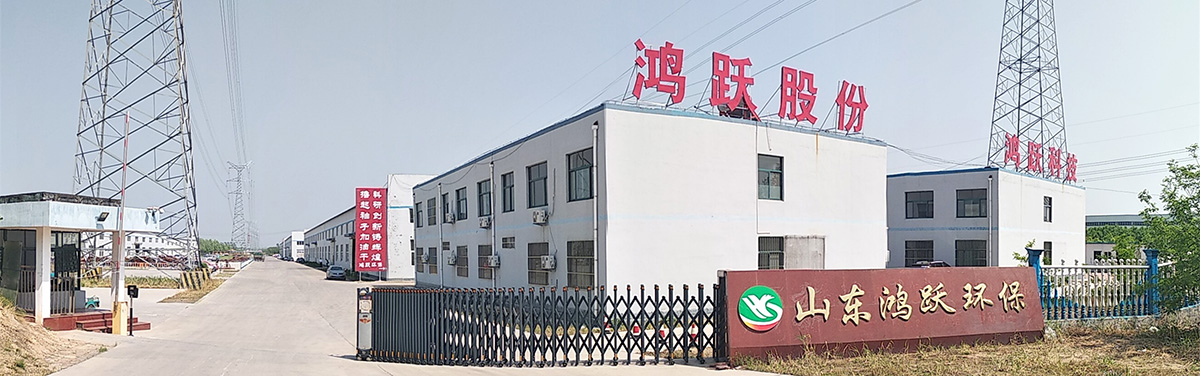
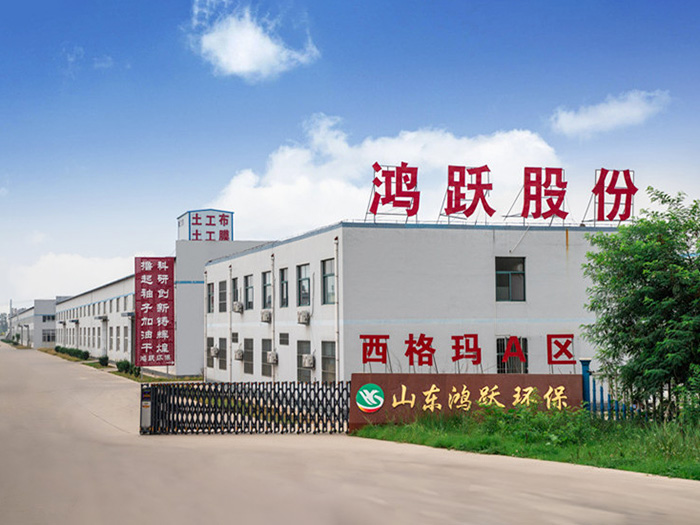
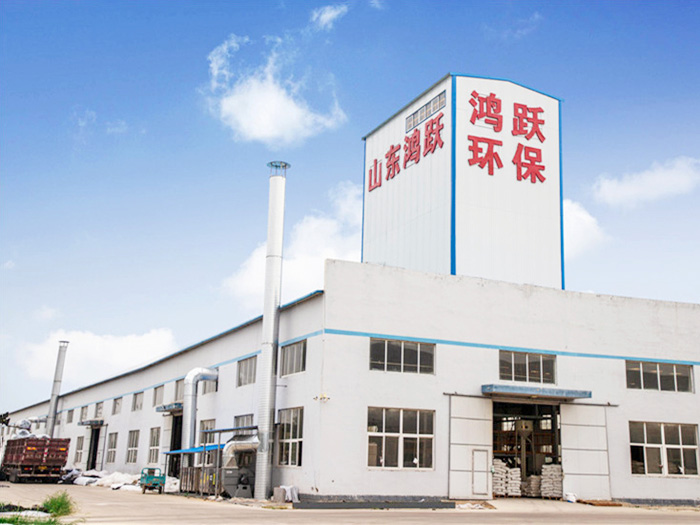
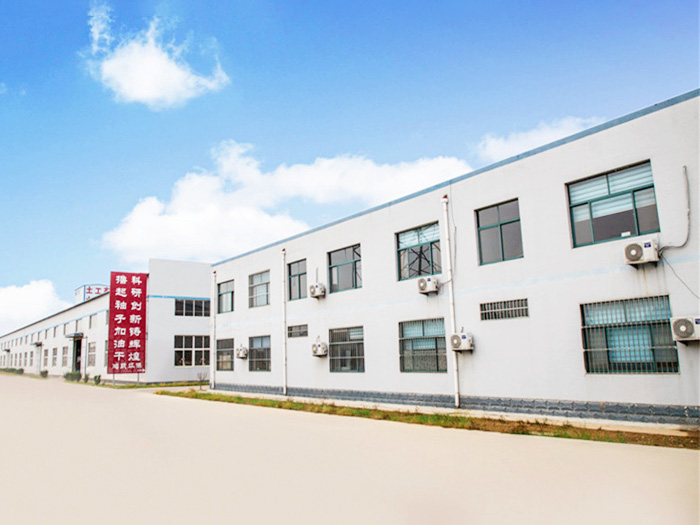
Operating with a registered capital of 105 million yuan in Dezhou City, Shandong Province, our facility serves as a major manufacturing center for geosynthetic systems in China. We supply a range of critical materials—including geotextiles, composite membranes, geocells, and geomembranes—to support global municipal, industrial, and civil infrastructure.
The global market for geosynthetics is shifting from basic, undifferentiated commodities toward high-performance, project-specific materials. Key drivers include rigorous climate resilience standards, infrastructure aging, and a push for green construction practices. Geogrid membranes, which combine tensile reinforcement with barrier layers, are seeing increased demand from international engineering procurement agencies.
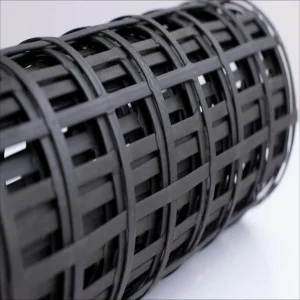
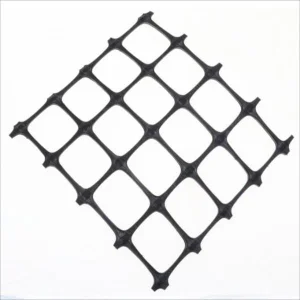
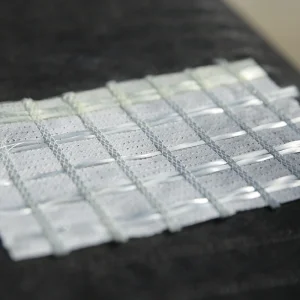
Modern road, rail, and port constructions require long-lasting subgrade stabilization. Biaxial and steel-plastic composite geogrids help distribute dynamic traffic loads over wider areas, reducing base thickness requirements and minimizing fatigue cracking.
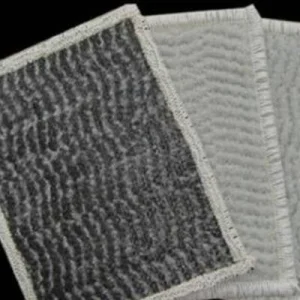
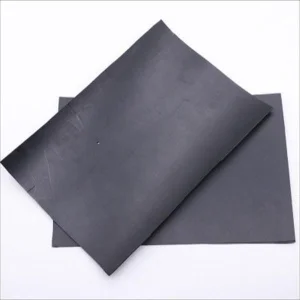
Strict environmental regulations demand reliable containment for industrial municipal wastes. Using composite geomembranes with bentonite blankets prevents leachate migration, protecting groundwater networks from contamination.
Faced with logistics volatility and volatile raw material pricing, international procurement agencies prioritize manufacturers that offer high volume stability, customized production lengths, and end-to-end transport support.
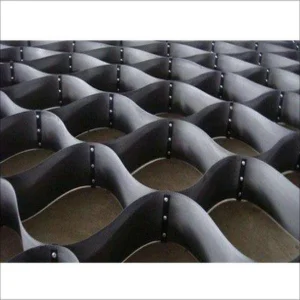
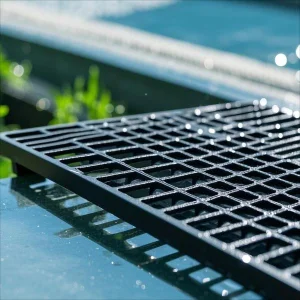
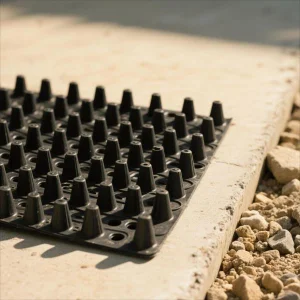
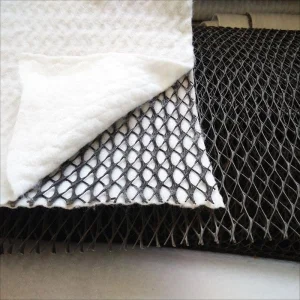
Environmental needs vary significantly by region. In dry regions, geomembranes are critical for reducing water loss in channels and agricultural reservoirs. Conversely, projects in wet or tropical areas prioritize subgrade drainage systems, such as 3D composite drainage nets, to handle high runoff and prevent slope instability. Tailoring polymer properties, like modifying HDPE with anti-UV compounds, helps structures withstand specific regional temperatures and sunlight exposure.
Operating clean, high-throughput production lines is essential for keeping projects on schedule. At our Dezhou facility, we combine modern manufacturing control loops with quality assurance systems to deliver consistent material properties over high-volume production runs.
We source high-purity petrochemical resins, including select LLDPE, HDPE, and polypropylene chips. Our quality control team tests incoming resins to verify density, melt flow index (MFI), and thermal stability before releasing them to production.
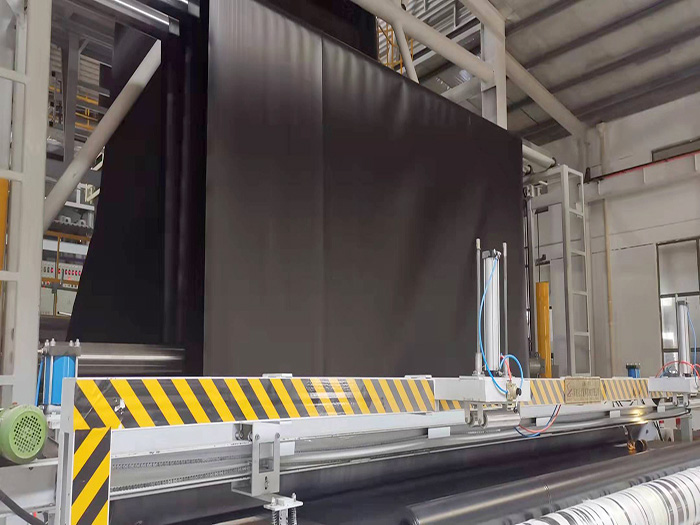
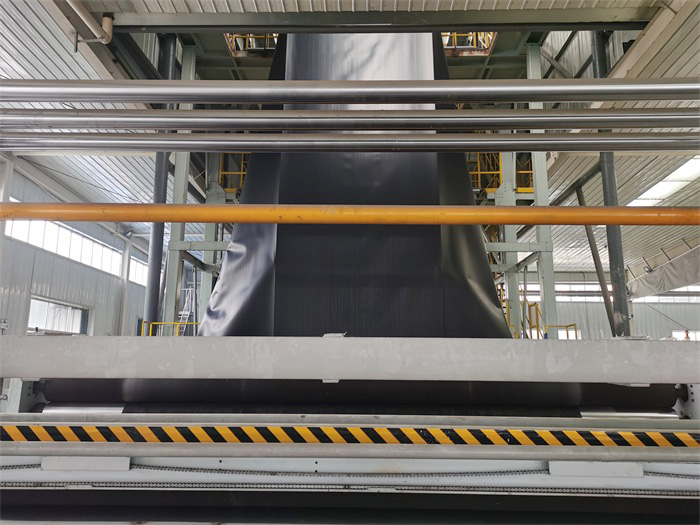
The resin blends are melted in computerized screw extruders under controlled temperatures. The molten polymer is forced through precision dies, forming uniform sheets that serve as the base for geomembranes and geogrids.
For geogrids, sheets are punched with precise arrays of holes and then heated and stretched under high tension. This process aligns the polymer chains, significantly increasing tensile strength in both directions.
Following stretching, the materials pass through multi-stage cooling rollers to set their dimensions. This minimizes shrinkage and ensures flatness, helping prevent installation issues on site.
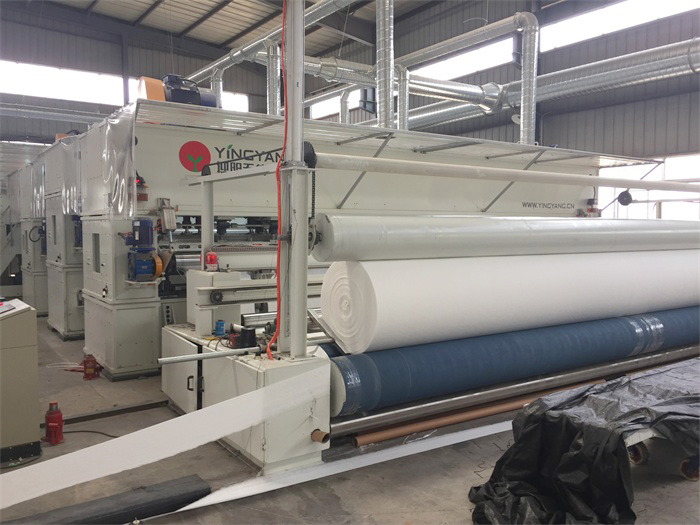
Finished products are wound onto heavy cores using automated systems. Roll widths and lengths are tracked to reduce waste, and rolls are wrapped in UV-resistant protective film for shipping.
Correct onsite installation is critical to achieving the design lifespan of geosynthetic systems. Even high-grade polymers can experience localized damage or seam failure if installed incorrectly. Below are key field practices recommended by our technical teams.
The placement area must be cleared of rocks, roots, and debris and compacted to engineering specs to prevent puncturing the liner. A layer of non-woven geotextile can also be placed first to protect the geomembrane.
For geomembranes, we recommend dual-track hot wedge welding, which creates a hollow air channel for pressure testing. For geogrids, adjacent sheets should be overlapped and bound with high-strength ties to ensure continuous reinforcement.
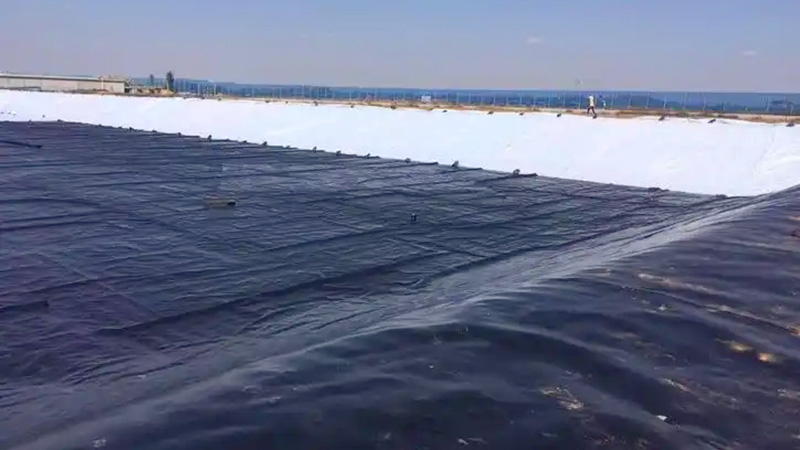
Exposed geomembranes should be covered promptly with protective soil or gravel to prevent wind uplift and UV exposure. Backfill material should be placed using low-impact equipment to avoid tearing the geosynthetic layers.
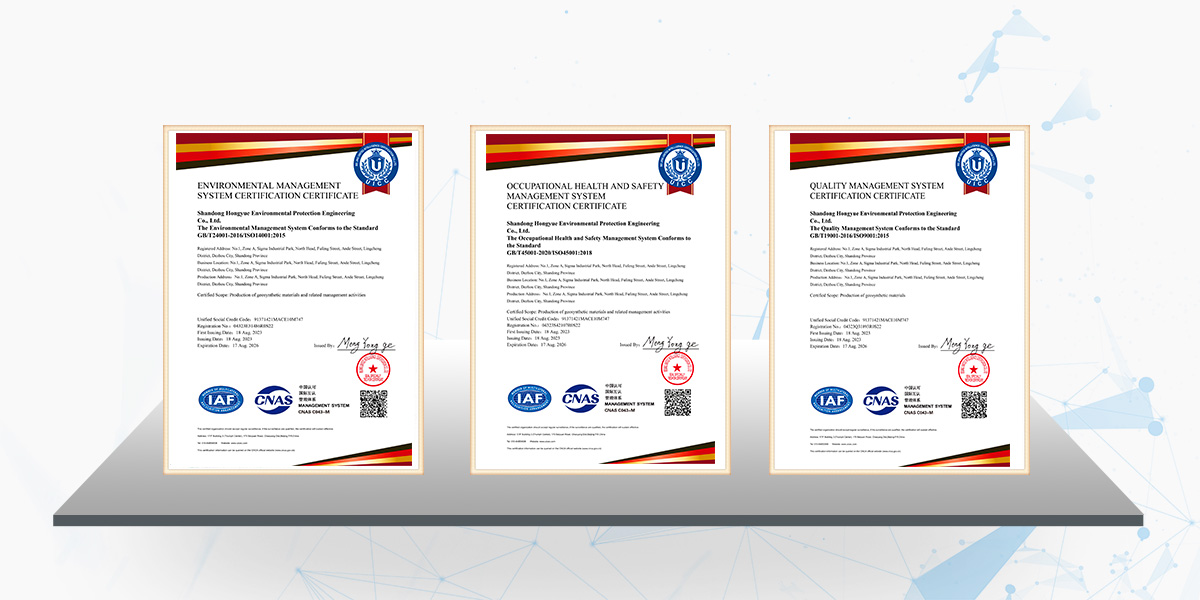
Operating to international standards means maintaining testing and quality control processes. Our laboratory is equipped to verify the mechanical and chemical properties of each production run, ensuring materials perform reliably in the field.
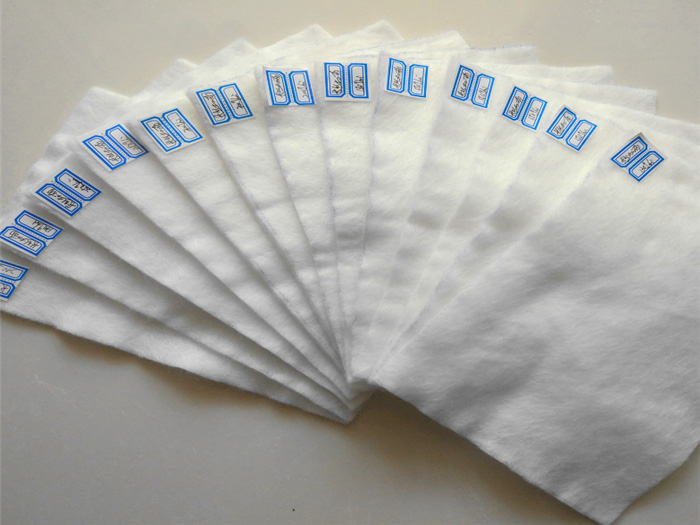
We test every batch for tensile strength, elongation limits, tear resistance, and puncture resistance. These checks confirm that our geogrid and geomembrane systems meet the design requirements of major civil projects.
In addition to physical strength testing, we perform accelerated UV weathering and chemical resistance trials. This ensures the polymers retain their integrity when exposed to acidic soils, municipal waste leachates, and sunlight.
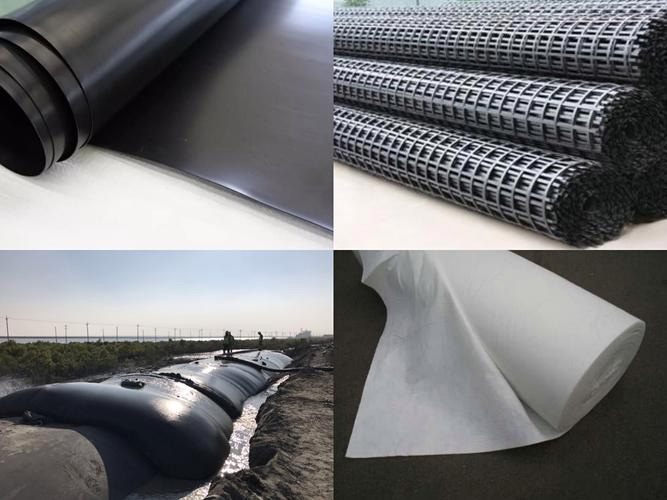
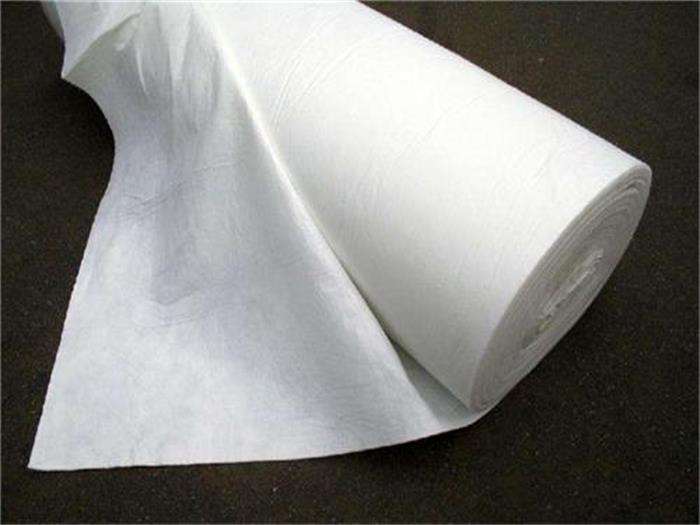
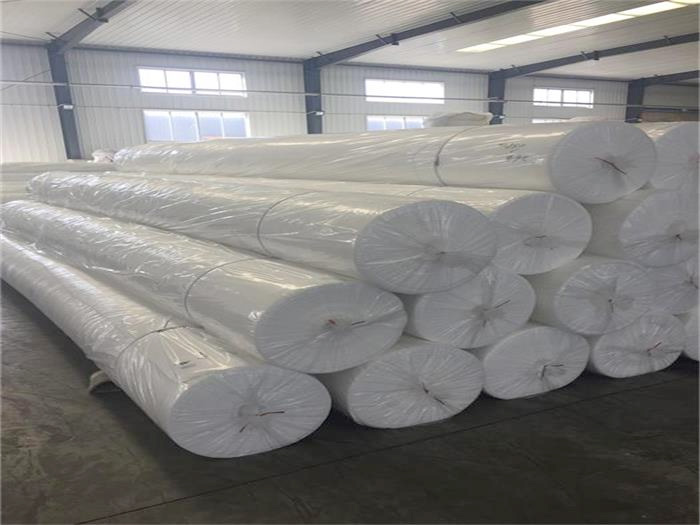
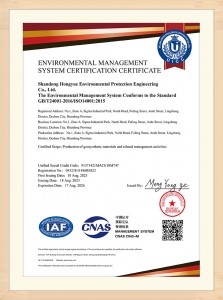
Our materials are utilized globally to support municipal structures, water conservancy works, and heavy civil construction projects.
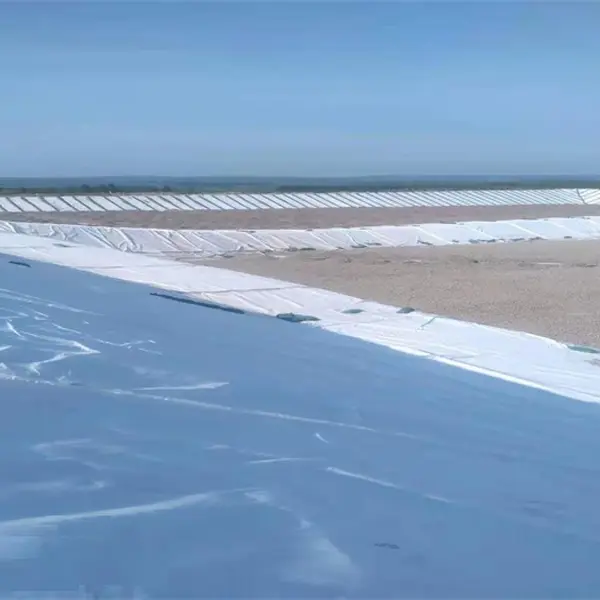
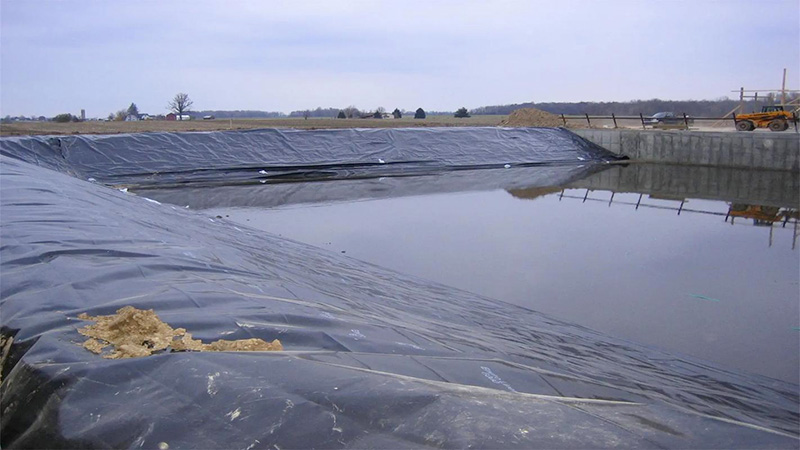
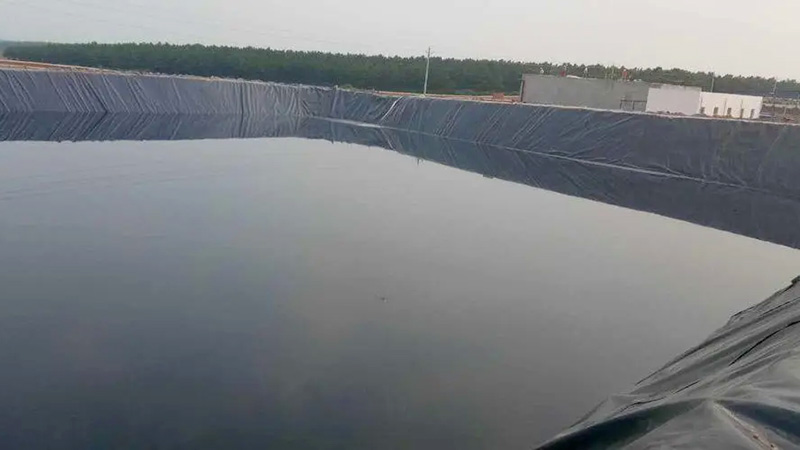
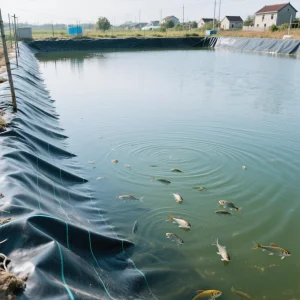
Lining reservoirs and water conservation channels with geomembranes prevents seepage, conserving water resources in dry regions.
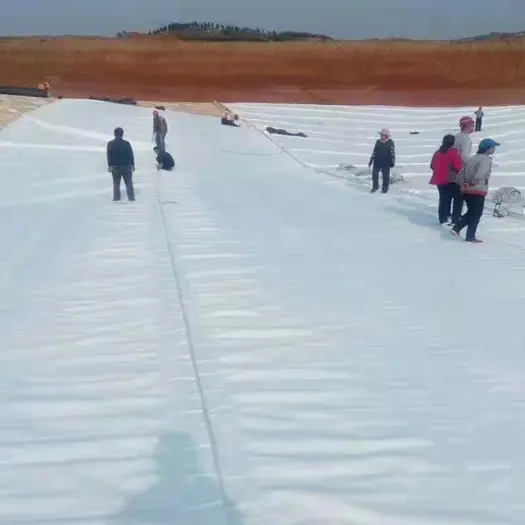
We supply erosion control mats and canal linings to prevent soil erosion and structural damage from turbulent water flow.
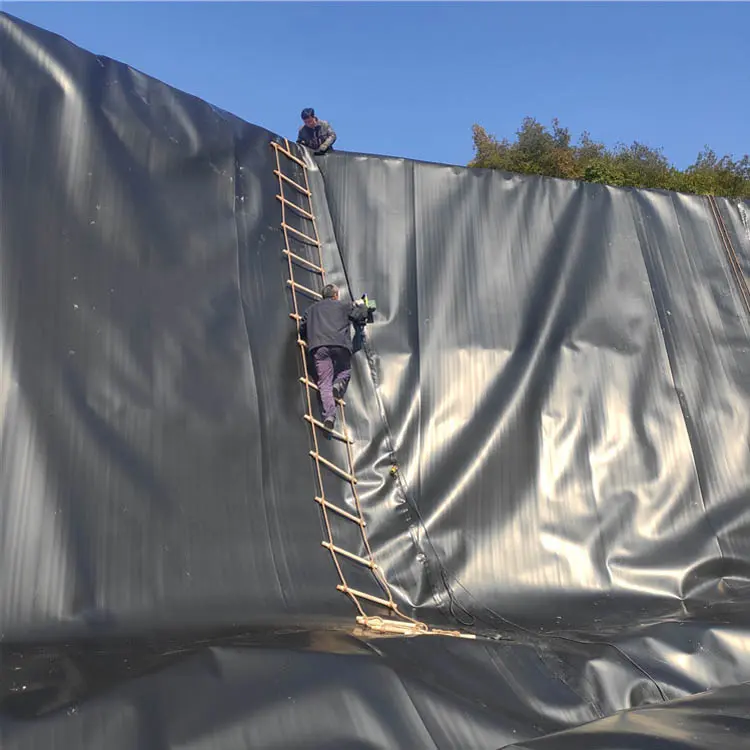
Multi-layered barrier systems protect regional watersheds from industrial waste, ash deposits, and municipal landfill leachates.
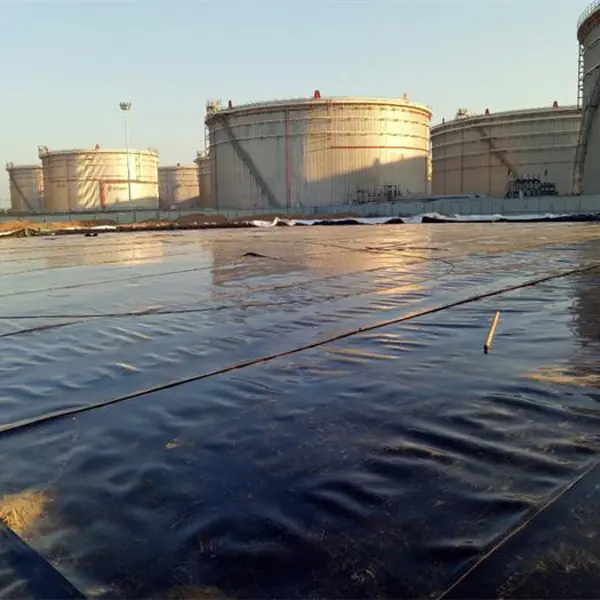
Securing secondary containment zones around petrochemical storage tanks prevents environmental contamination in the event of a leak.
Common questions from engineering procurement managers and design firms regarding geogrids, geomembranes, and composite systems.
Technical composites and drainage systems designed to complete your project's containment and stabilization needs.
 Hongyue