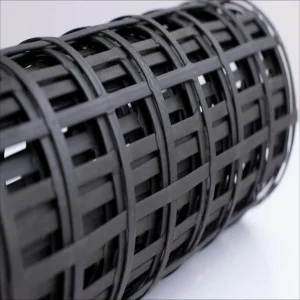
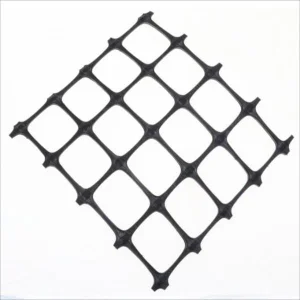
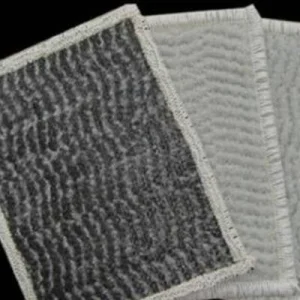
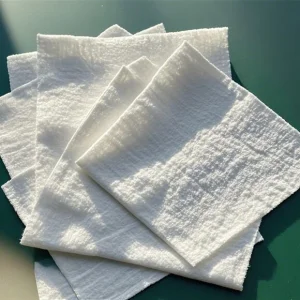
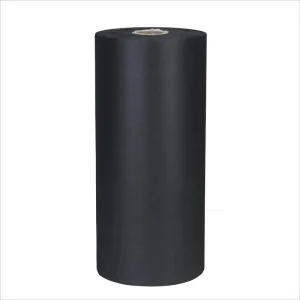
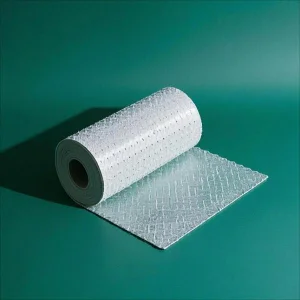
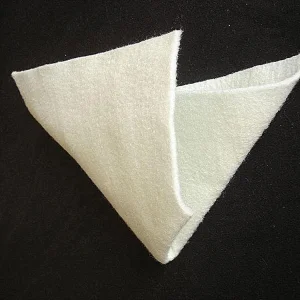
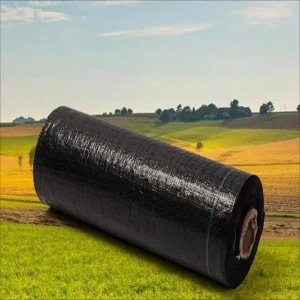
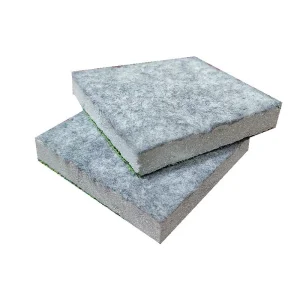
White geotextile fabric serves as a foundational component in civil engineering, geotechnical applications, and environmental management. Typically manufactured from high-purity virgin synthetic polymers—primarily polyester (PET) or polypropylene (PP)—these materials are processed into non-woven needle-punched webs or woven high-tensile structures. The pristine white color is not merely aesthetic; it signifies the utilization of high-grade raw materials devoid of unregulated recycled contaminants that could impair structural integrity, UV stability, or tensile uniformity over prolonged lifespans.
Allows high water flow rates while retaining fine soil particles, preventing subgrade erosion and keeping drainage networks free-flowing without clogging.
Distributes concentrated dynamic and static loads across weak subgrades, thereby reducing rutting depths and extending pavement structure longevity.
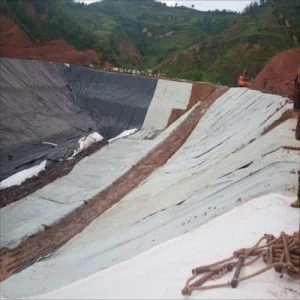
Protects geomembranes in landfill lining and dam construction, offering cushion protection against mechanical punctures from sharp aggregates.
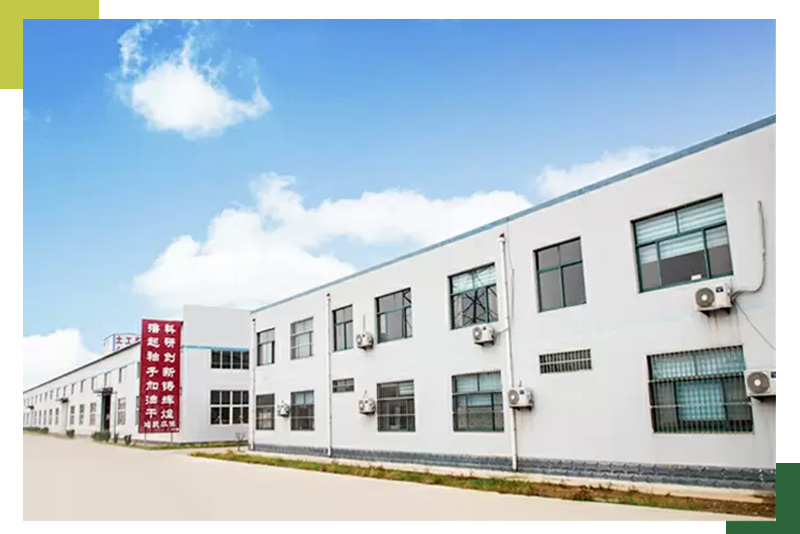
Located at the north end of Fufeng Street, Lingcheng District, Dezhou, Shandong Province, Shandong Hongyue Environmental Engineering Co., Ltd. is a scientific and technological geotechnical material manufacturer integrating engineering material production, sales, design, and construction services.
Registered with the Lingcheng District Market Supervision and Administration Bureau of Dezhou City with a registered capital of 105 million yuan, our facility stands as one of the largest and most advanced production bases of geotechnical materials in China. Our superior geographical location and convenient transport networks allow for seamless distribution to global sea and land terminals.
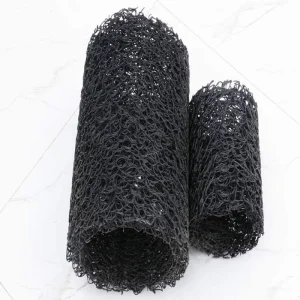
Since our establishment, our business scale has expanded rapidly. We specialize in producing high-quality geotextiles, geomembranes, composite geomembranes, waterproof boards, bentonite waterproof blankets, 3D composite drainage nets, (composite) drainage boards, weaving cloths, woven cloths, membrane bags, blind ditches, waterproof/drainage combinations, ecological bags, cement blankets, fiber plant blankets, and flexible pervious pipes.
As the global demand for durable green infrastructure escalates, the design specs and application modes of white geotextiles are changing rapidly.
Increasing pressure on civil engineers to reduce carbon footprints has driven manufacturers to innovate with high-grade, bio-based polymers and highly refined, low-emission virgin PP/PET materials without compromising tensile strength.
Global projects now dictate rigorous alignment with international benchmarks. Materials must exhibit documented hydraulic permittivity, specific grab tensile ratings, and long-term durability metrics verified by third-party testing labs.
Modern engineering leverages wider rolls (up to 6m or 8m width) to minimize seam-joining labor and automate placement using heavy deployment attachments, lowering overall subgrade construction costs.
Large-scale international procurements demand high compliance clarity. Procurement officers must factor in Total Cost of Ownership (TCO) including freight logistics, testing certifications (ISO 9001/14001/45001), customs clearance compliance, and technical support. Shandong Hongyue addresses these aspects with integrated custom supply chains, dedicated technical support desks, and multi-language engineering advisory services, exporting directly to Europe, the Americas, Australia, and Southeast Asia.
The structural performance of Shandong Hongyue geotextiles is governed by an advanced, highly controlled, six-stage production process.
Geotextiles are critical civil engineering materials delivering filtration, separation, reinforcement, and protective functions. The production process involves raw material preparation, melt extrusion, mesh rolling, draft curing, winding/packaging, and final QA inspection. Implementing advanced automation controls and state-of-the-art extrusion lines ensures high efficiency, consistent thickness, and superior mechanical uniformity.
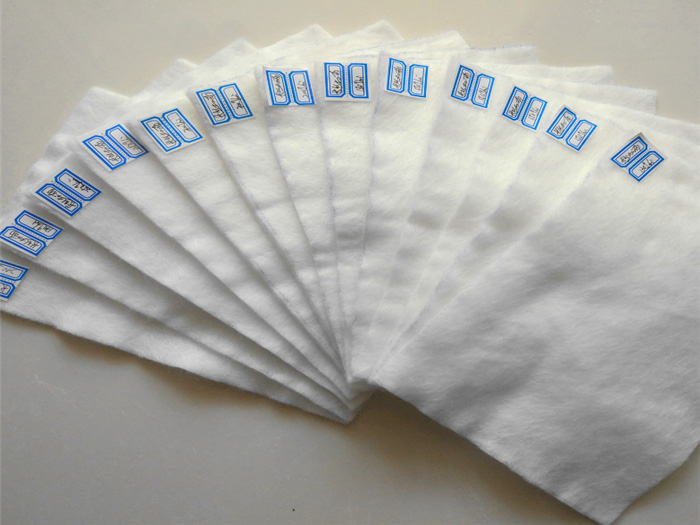
High-purity polyester (PET) chips and polypropylene (PP) filaments are analyzed and stored. Virgin polymers prevent structural weakness during long-term field deployment.
Polyester chips are melted at high temperatures and extruded through a screw extruder. Temperature, pressure, and viscosity are continuously monitored by automatic control systems.
The melted polymer is spun through custom spinnerets to form continuous micro-fibers, which are laid down on a conveyor belt to build a uniform web structure.
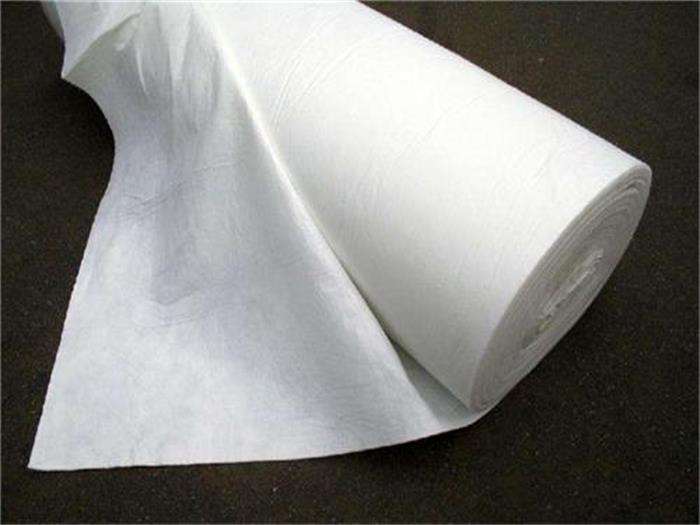
Mechanical needle-punching or thermal bonding aligns and locks the fiber matrix, enhancing structural density, puncture resistance, and tensile strength.
Finished geotextiles are rolled to precise project dimensions, wrapped in thick protective film, and labeled to prevent handling damage during transit.
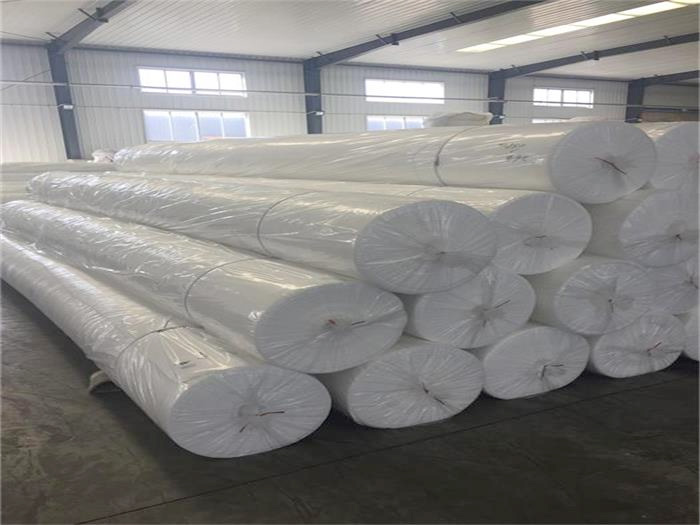
Strict testing of mechanical and physical parameters (grab tensile, CBR puncture, hydraulic permittivity, tear resistance) prior to dispatch.
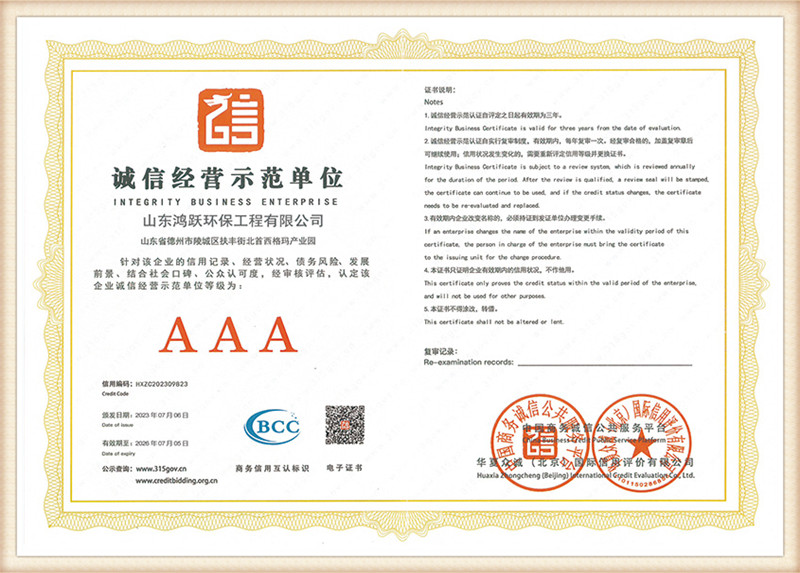
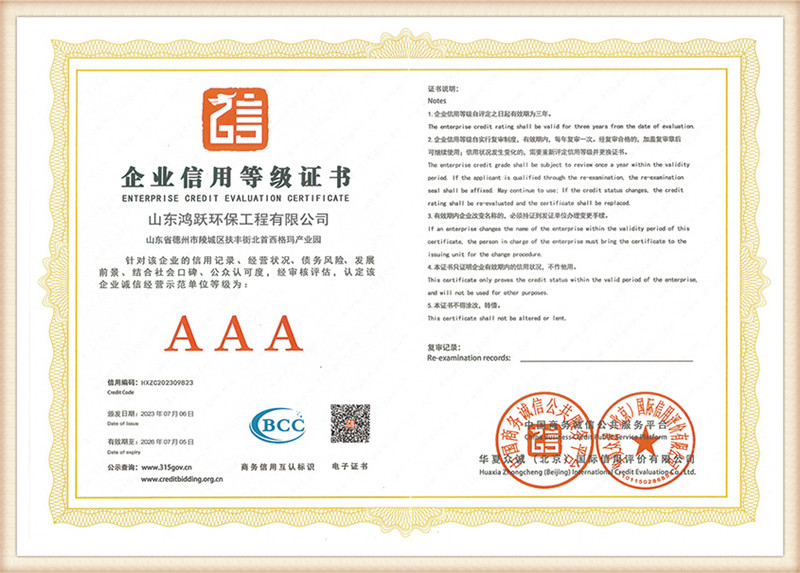
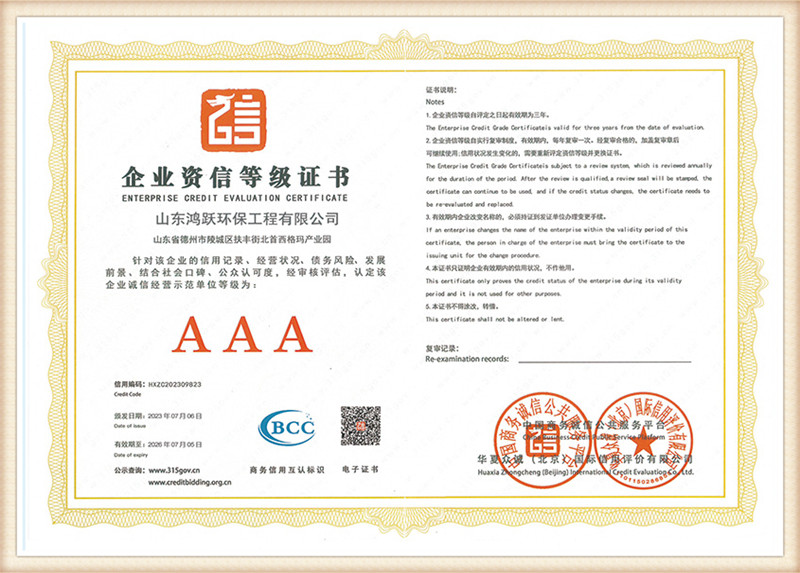
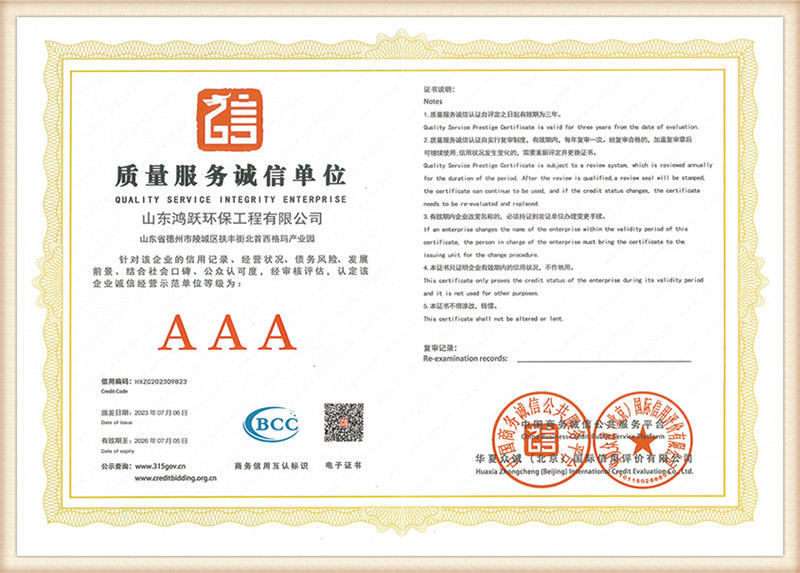
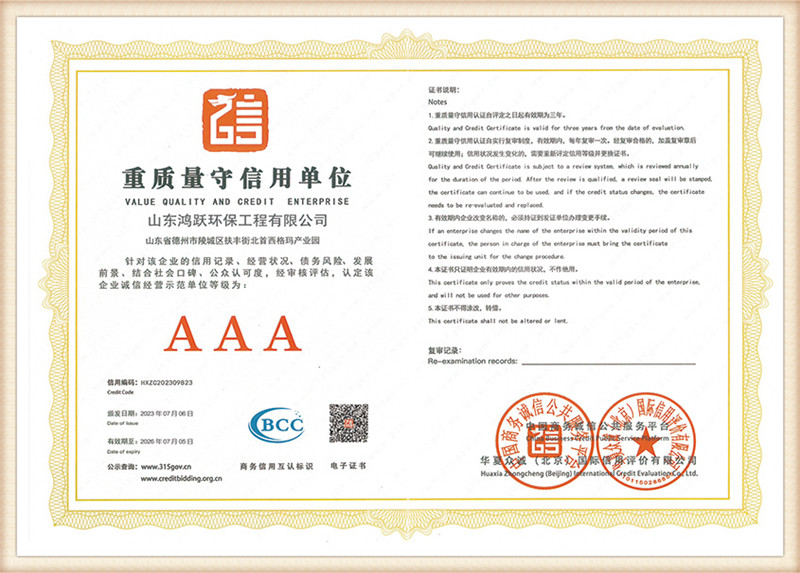
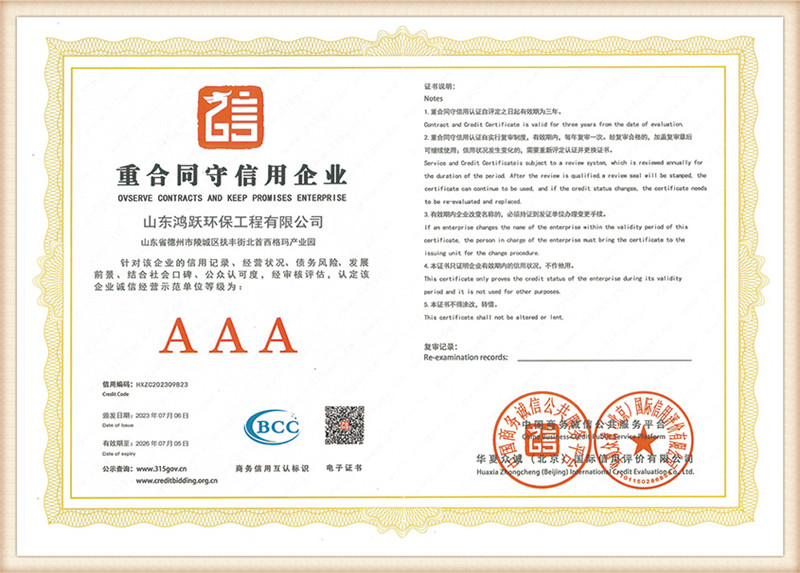
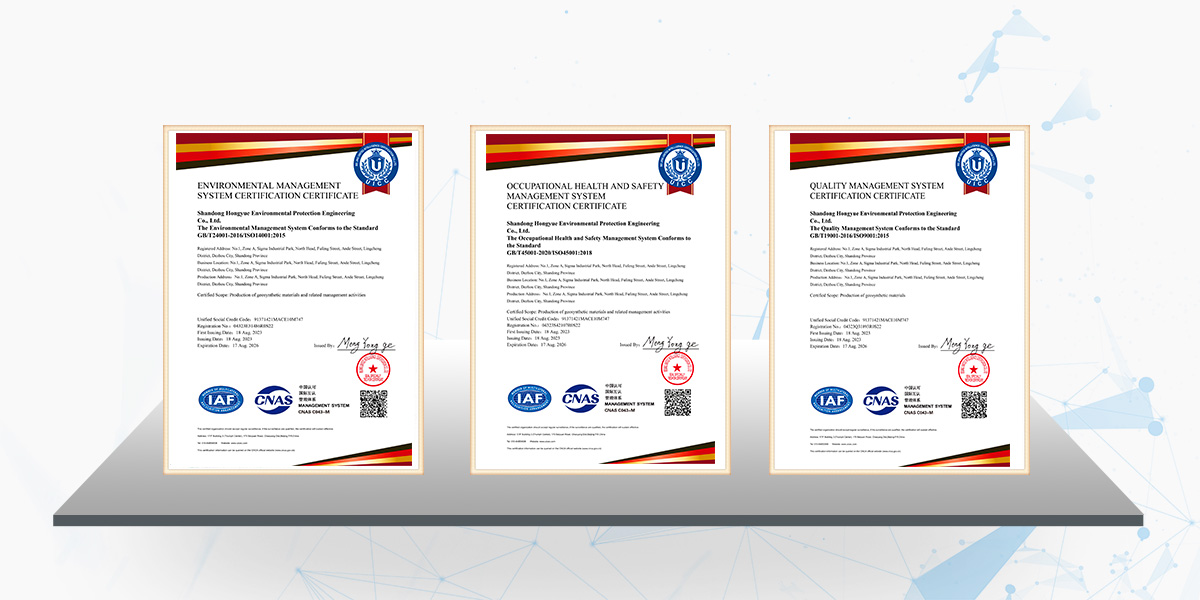
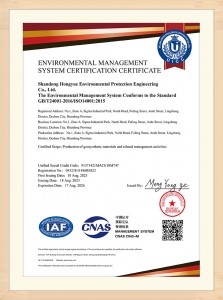
Shandong Hongyue operates a comprehensive quality monitoring program. Our factory conforms to the ISO9001 international quality system, ISO14000 environmental management standard, and ISO45001 occupational health and safety system.
Our facility has been awarded numerous distinctions, including "Green Building Materials Brand," "National High-Tech Industry," and "Quality Service Unit." Testing is conducted via advanced instruments that check weight uniformity, thickness, tensile elongation, and hydraulic performance to ensure complete alignment with ASTM and GB/T standards.
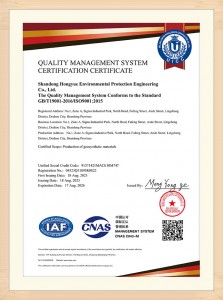
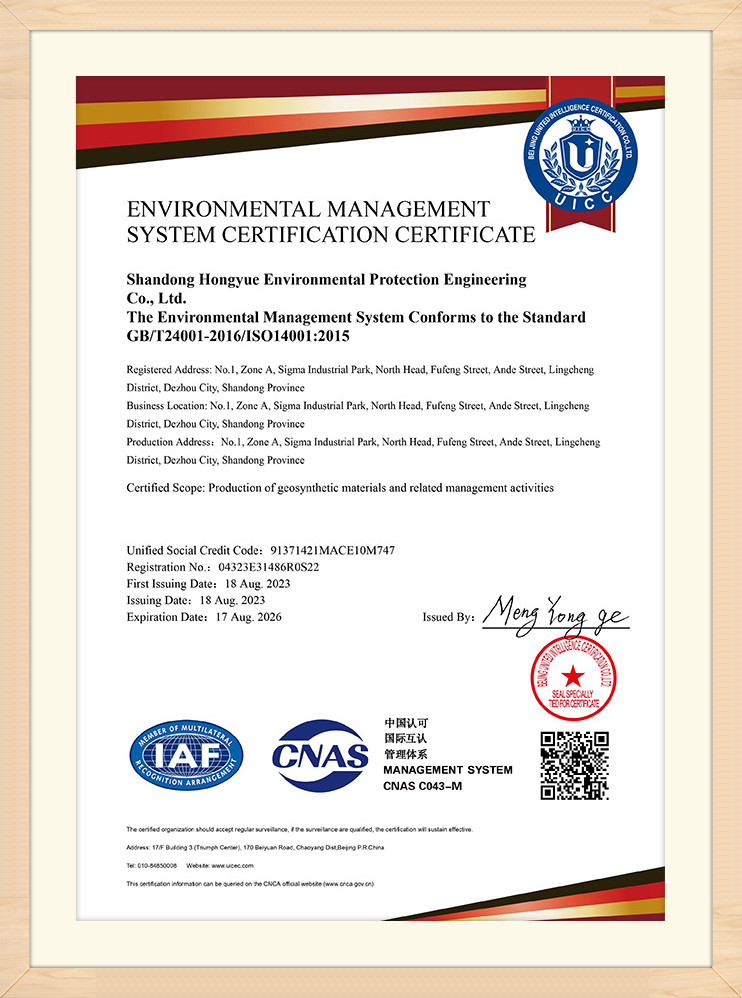
Deploying advanced geosynthetics to resolve critical seepage control, erosion containment, and structural load challenges.
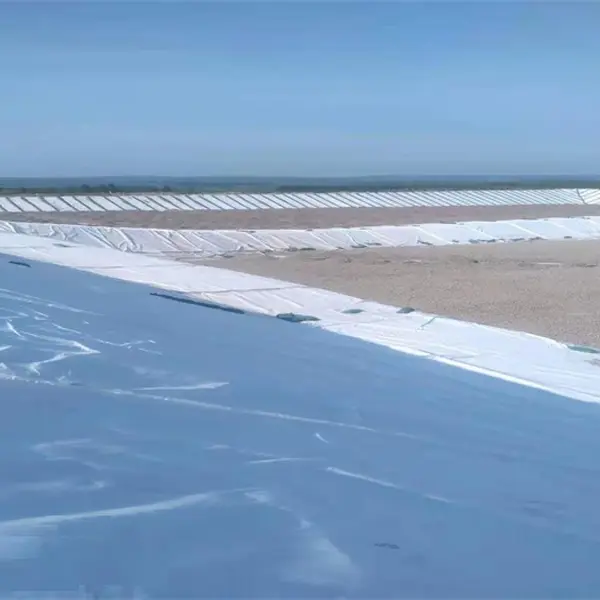
Provides reliable containment and anti-seepage linings for large reservoirs, dams, and distribution canals.
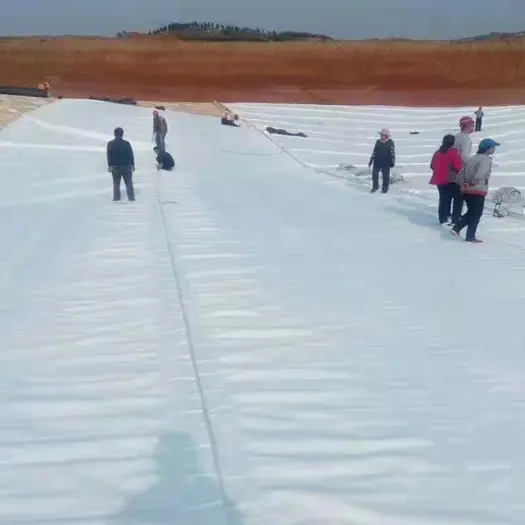
Mitigates water loss in artificial irrigation networks and protects structural river channels from bank erosion.
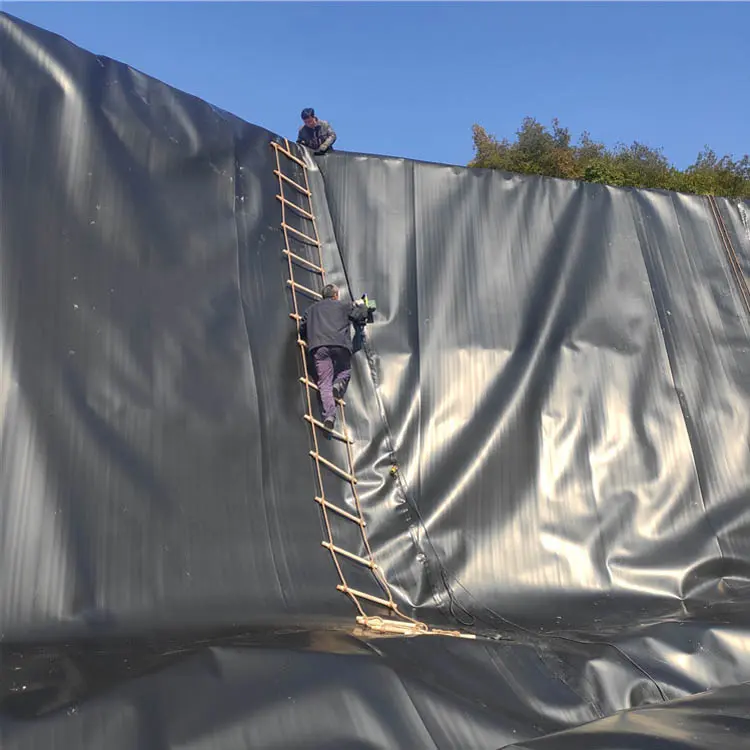
Acts as an essential lining component to prevent leachate migration into local aquifers.
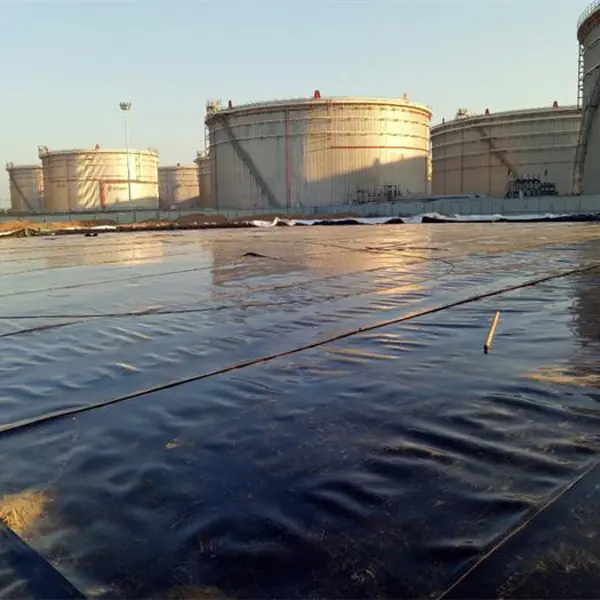
Protects petrochemical storage farms by providing robust chemical and puncture-resistant barriers.
To ensure peak geotextile performance in hydraulic and civil projects, strict adherence to site preparation, seam overlaps, and fastening standards is required:
Clear all sharp stones, roots, and debris. Grade and compact the subgrade to a uniform profile to avoid point loading or local shear stress.
Provide minimum overlaps of 300mm to 500mm. For high-flow or weak-soil projects, utilize industrial sewing machines with high-strength UV-resistant thread.
Secure all loose edges in anchor trenches and backfill with structural soil. Avoid drag placement of geotextiles to protect physical integrity.
A visual tour of our modern production line, raw material inventory, and technical infrastructure in Dezhou, Shandong Province.
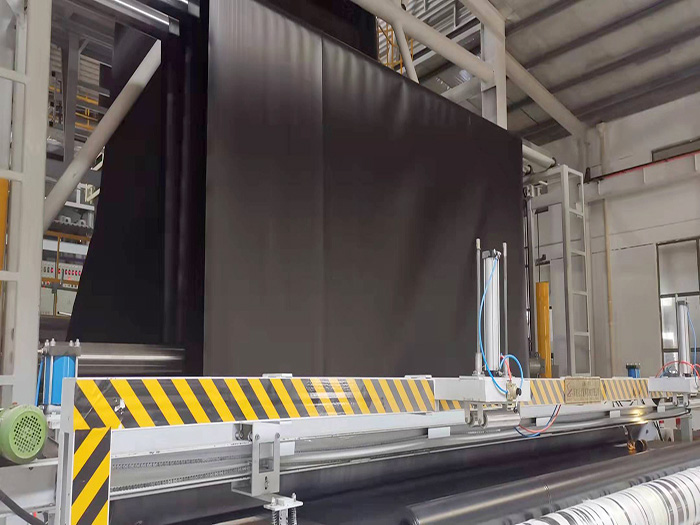
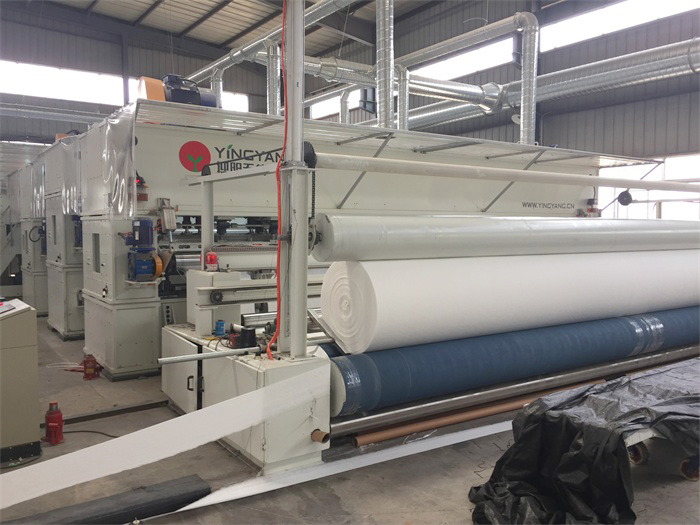
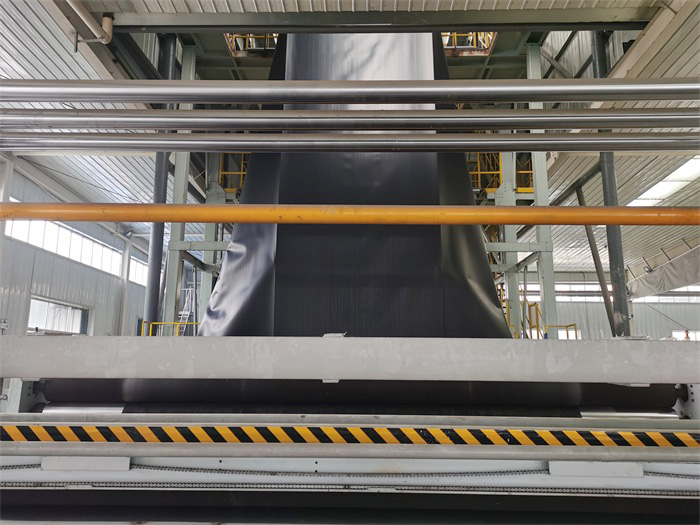
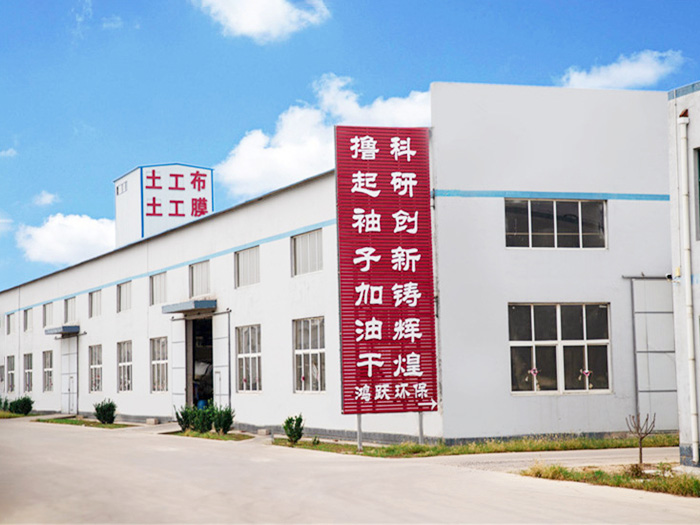
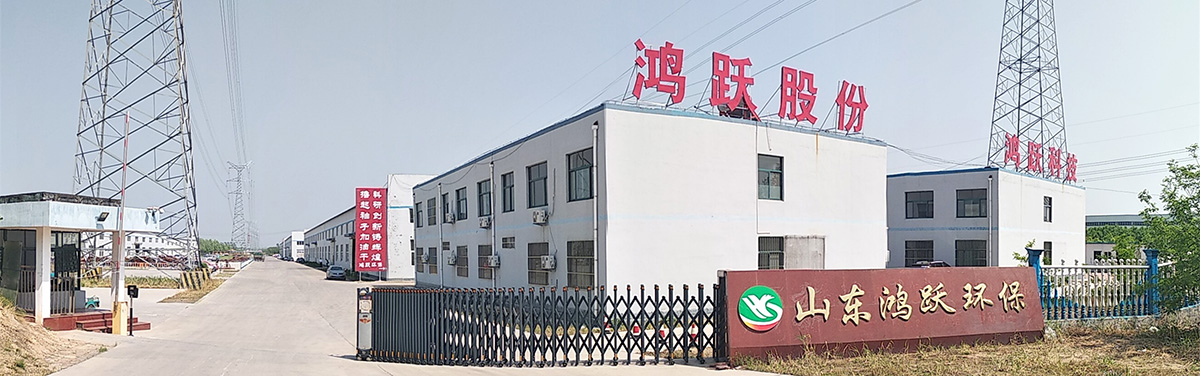
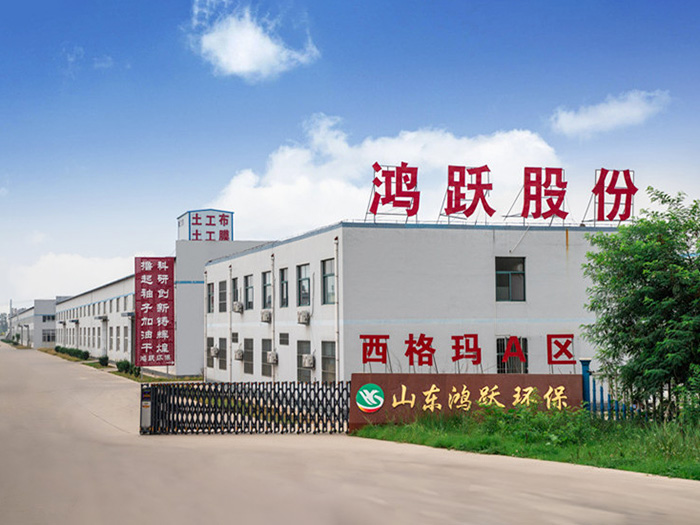
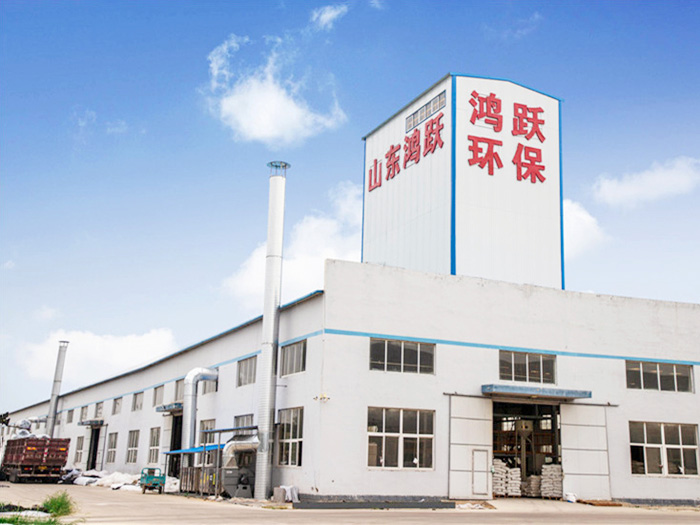
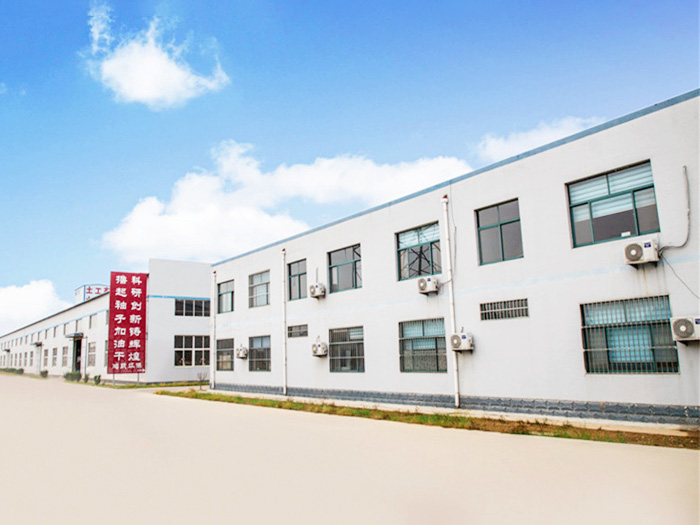
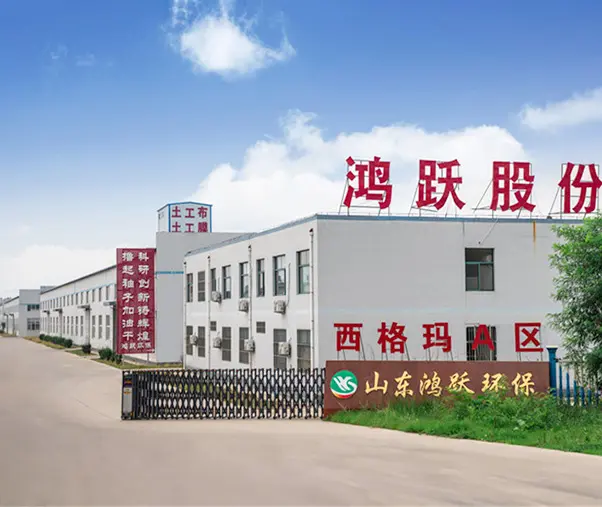
Advanced engineered products designed to meet challenging design demands in infrastructure, pond lining, and stabilization projects.
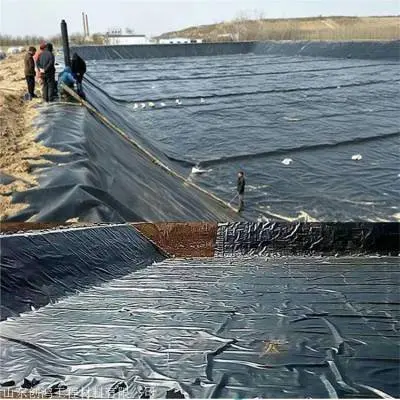
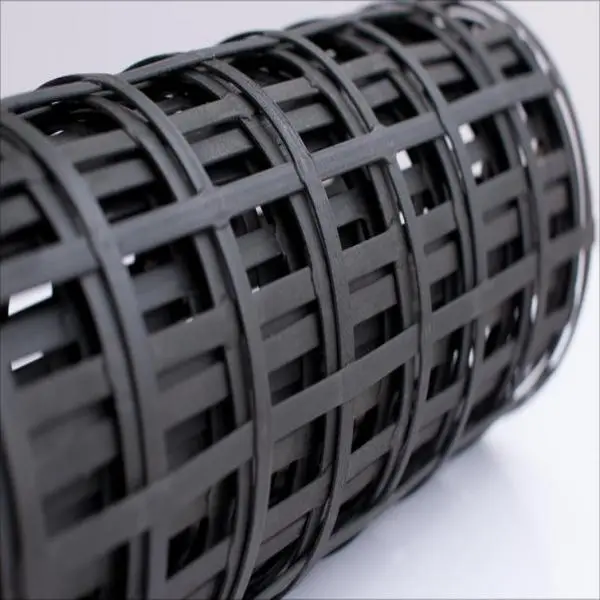
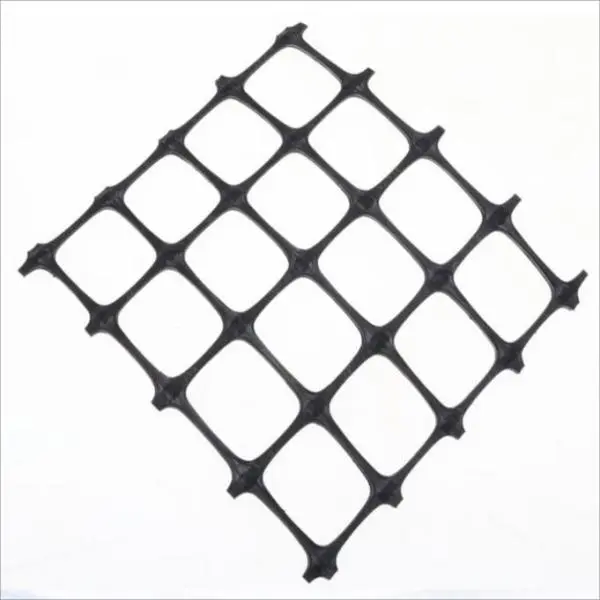
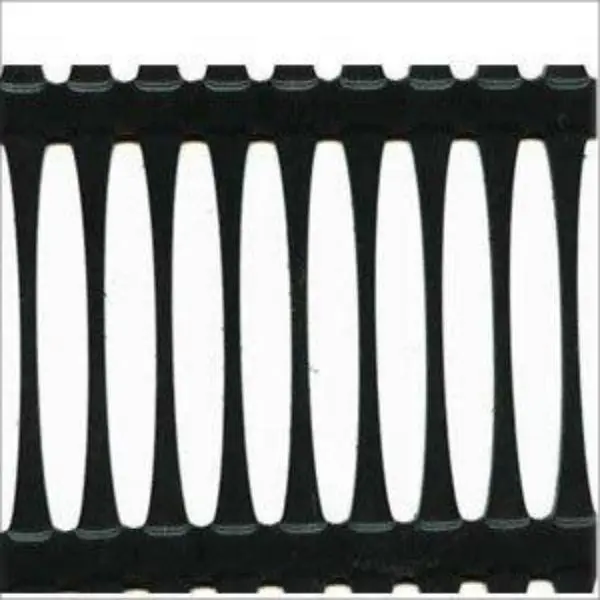
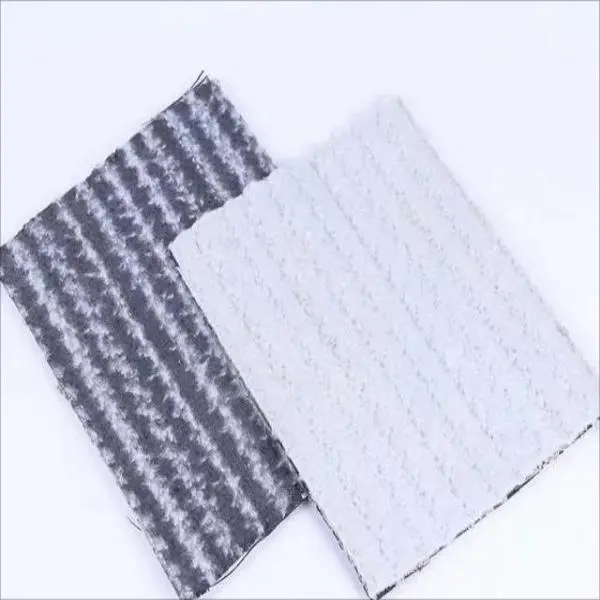
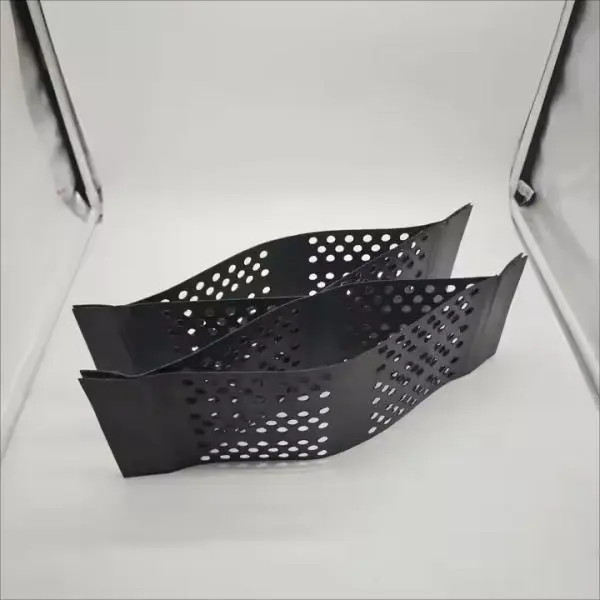
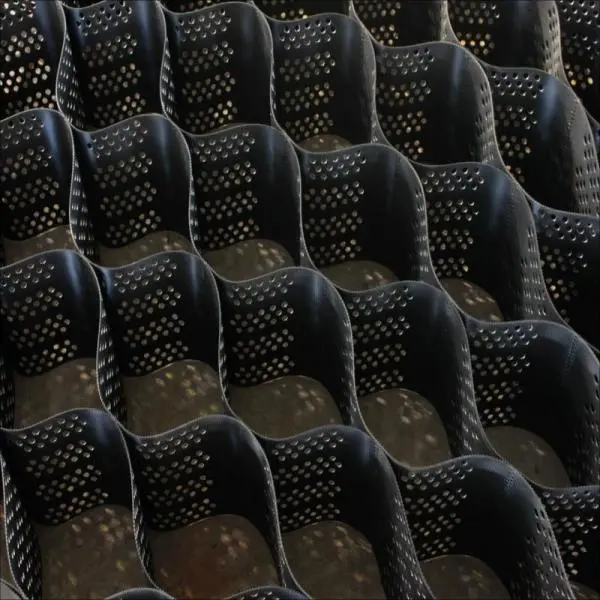
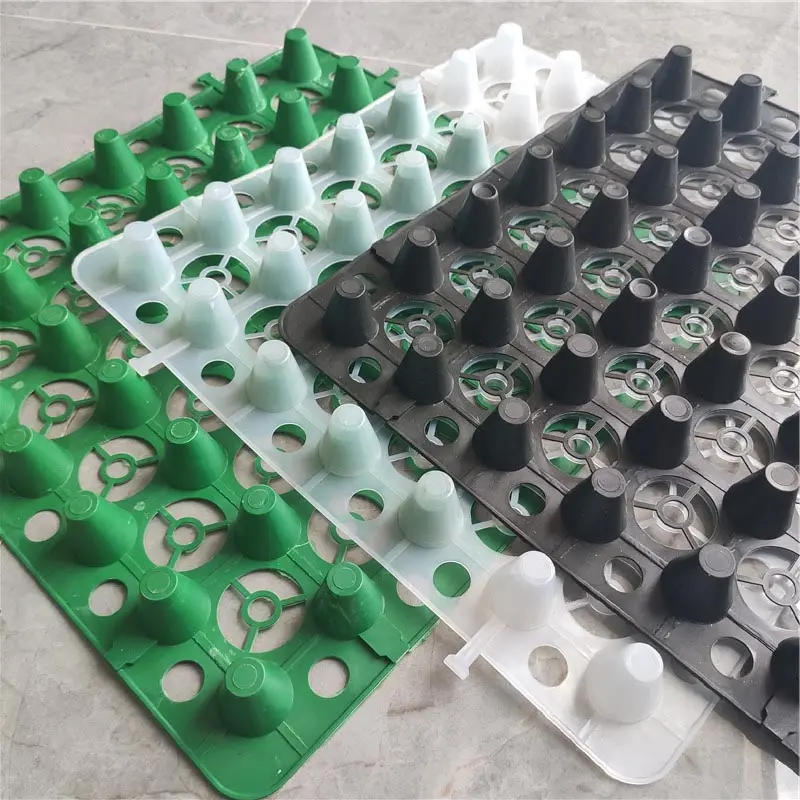
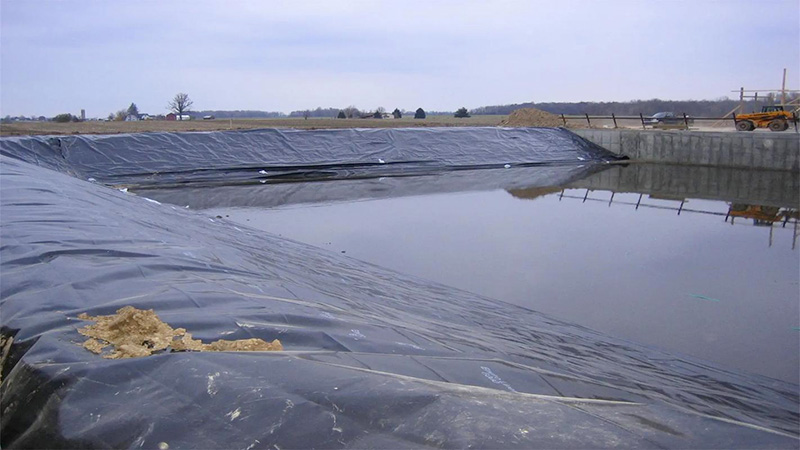
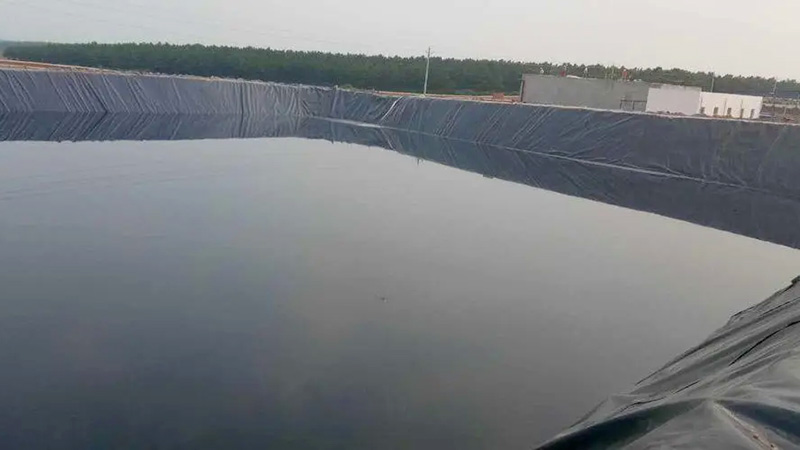
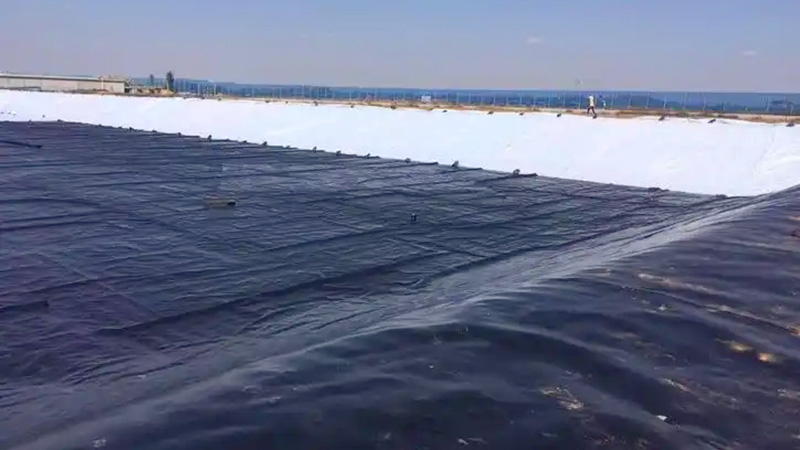
How geomembranes work in integration with white geotextiles to build impermeable hydraulic barriers.
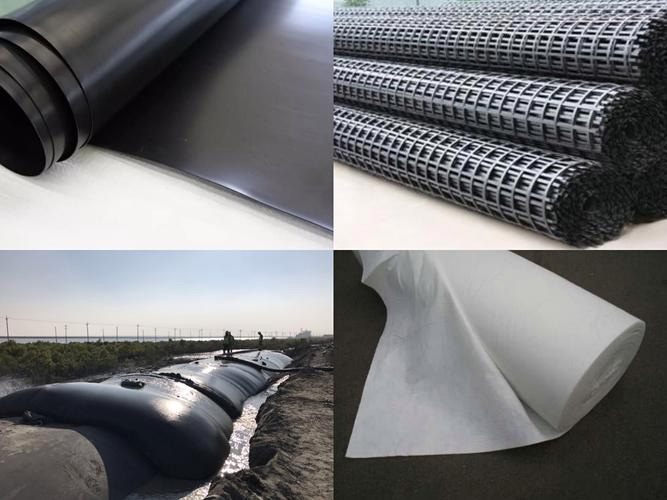
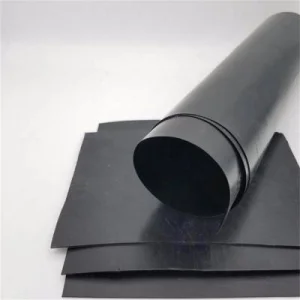
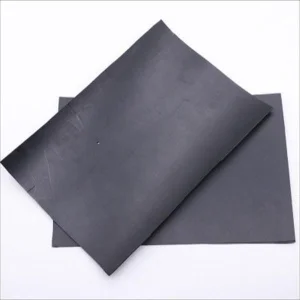
Geomembranes serve as highly efficient anti-seepage materials in hydraulic projects. Their low permeability, lightweight profile, and simple field deployment help optimize overall project budgets.
In large-scale reservoirs, geomembranes prevent seepage between the reservoir bottom and the surrounding geological structures. Laying geomembranes effectively mitigates seepage loss and enhances long-term dam stability.
For levee reinforcement projects, deploying a geomembrane helps seal weak zones and prevents internal erosion. River engineering and channel improvement projects also utilize these barriers to protect embankments against structural failure.
To extend service life, regular inspections are recommended. Keep the geomembrane surface clear of sharp debris, inspect the seams for integrity, and protect the polymer from direct mechanical abrasion.
Answers to common technical queries about white geotextile fabrics, geogrids, and geomembranes.
Polyester (PET) geotextiles generally offer higher melting points and excellent tensile strength, making them highly stable in temperature-varying environments. Polypropylene (PP) geotextiles are known for their lighter weight, high chemical resistance, and excellent performance in highly alkaline or acidic soil conditions. Choosing between them depends on site-specific pH values and soil chemistry.
Needle-punching mechanically entangles synthetic fibers using thousands of barbed needles. This process creates a dimensionally stable, three-dimensional porous structure that retains high water permeability while effectively blocking fine soil migration. It also increases the fabric's puncture resistance and elongation properties, allowing it to conform to uneven subgrades without tearing.
To provide an accurate quote, suppliers require the geotextile weight (e.g., 100g/m² to 1000g/m²), roll width (ranging from 1m to 8m), roll length, mechanical requirements (grab tensile strength, CBR puncture strength), raw material preference (PET vs. PP), and delivery location. Compliance standards (AASHTO M288, CE, ASTM) should also be specified.
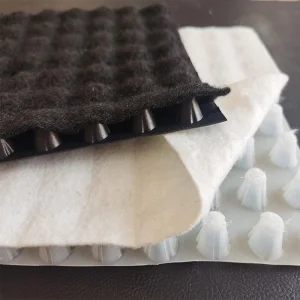
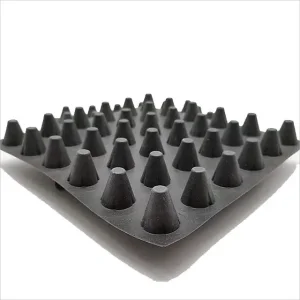
A composite drainage board features a dimpled plastic core heat-bonded to a non-woven geotextile. The geotextile filters out soil particles while allowing water to pass into the dimpled core's channels. This ensures efficient water drainage in applications such as retaining walls, underground garage roofs, and foundation tunnels.
Yes, our white geotextiles are formulated with premium UV stabilizers. However, we advise covering the installed geotextile with aggregate or fill within 14 days to prevent prolonged exposure and ensure the material retains its original design strength.
 Hongyue