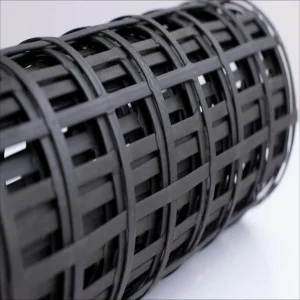
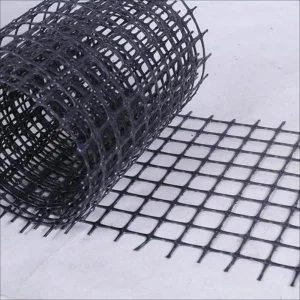
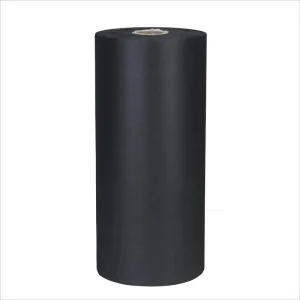
In modern civil engineering, soil retaining systems must withstand enormous lateral earth pressures. Mechanically Stabilized Earth (MSE) retaining walls utilize geosynthetic reinforcement structures—primarily uniaxial and biaxial geogrids—to turn unstable fill material into a structurally cohesive mass. The primary mechanics behind a retaining wall with geogrid is the interlocking mechanism between the soil particles and the geogrid apertures. As the fill soil is compacted over the grid layers, the aggregate blocks pass through the mesh grids, creating a passive restraint that restricts lateral soil movement and increases shear resistance.
Distributes vertical structural loads over a wider base area, transforming tensile force from soil friction into geogrid ribs to prevent catastrophic slope shear failures.
Utilizes high molecular weight polyester (PET) or high-density polyethylene (HDPE) polymer filaments that resist long-term structural deformation under sustained mechanical stress.
Engineered aperture dimensions match local aggregate sizes, maximizing the mechanical shear transfer and lateral anchorage length within the wall structure.
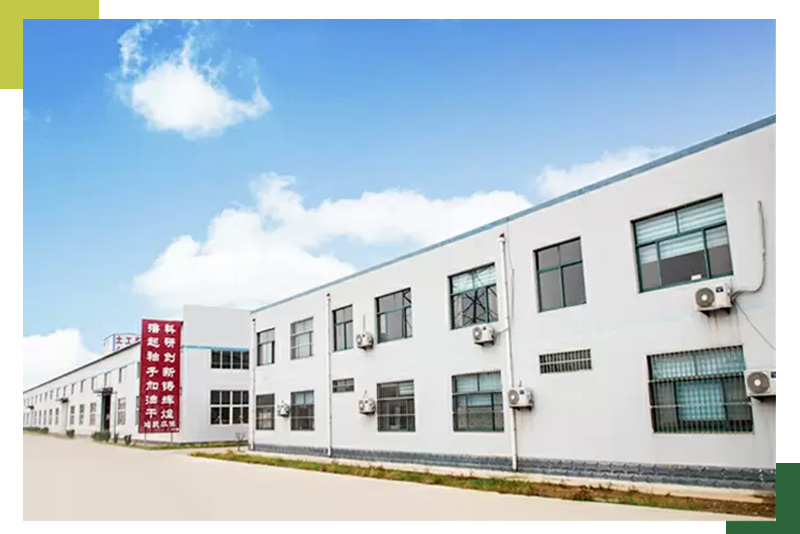
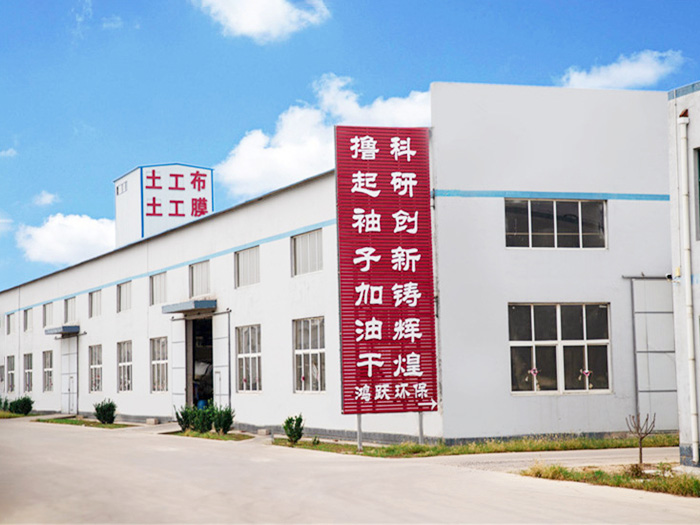
Located at the north end of Fufeng Street, Lingcheng District, Dezhou, Shandong Province, Shandong Hongyue Environmental Engineering Co., Ltd. is a scientific and technological geotechnical material manufacturer integrating engineering material production, sales, structural design, and field construction services. Established with a registered capital of 105 million yuan, we are recognized as one of the largest specialized production bases of geotechnical materials in China.
Our strategic geographic coordinates in Dezhou, Shandong Province, afford us convenient logistical channels to major domestic shipping ports, facilitating streamlined international export operations. As an authoritative member of the Dezhou Geotextile Association, our engineered materials serve key national infrastructures, municipal developments, and environmental protection projects across multiple continents.
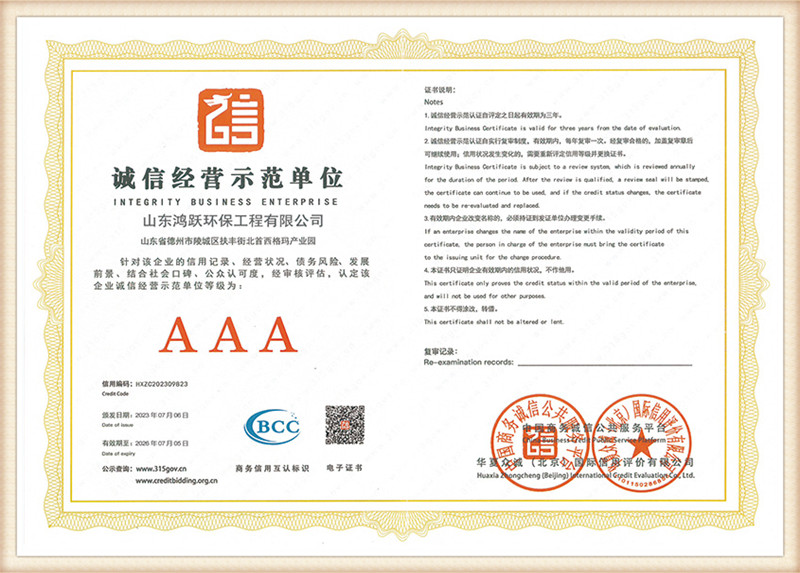
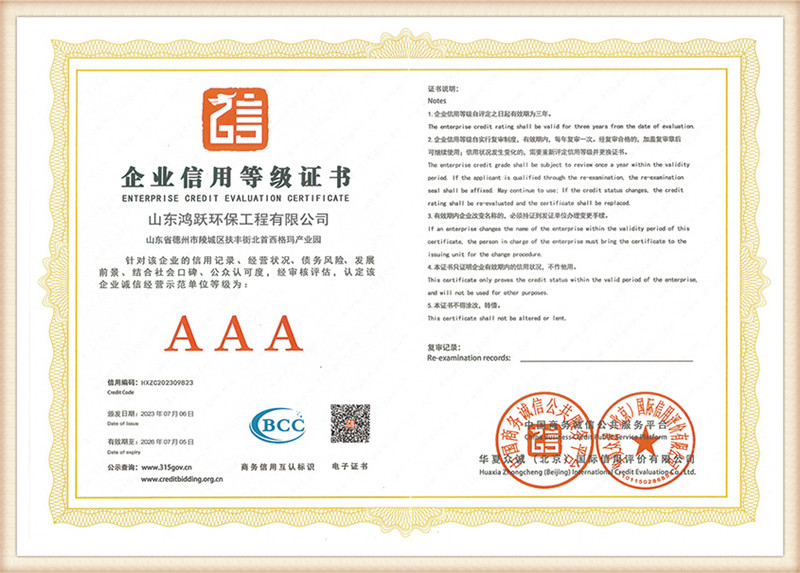
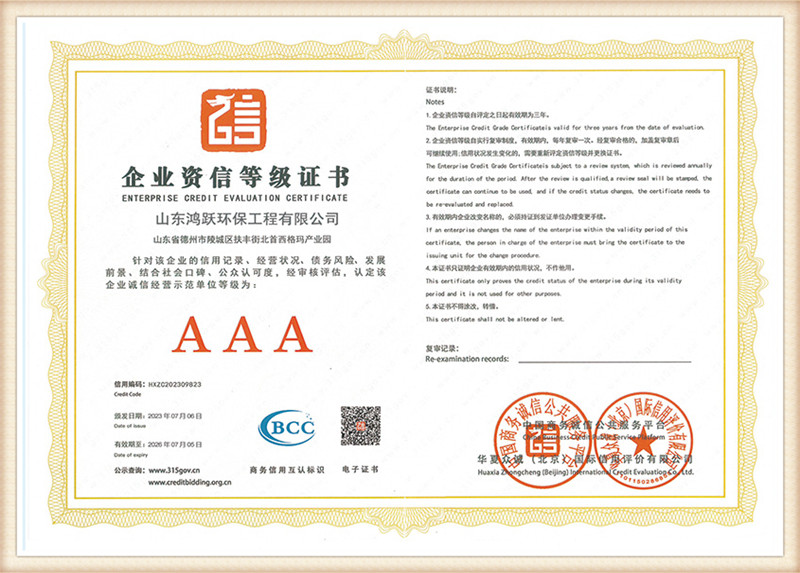
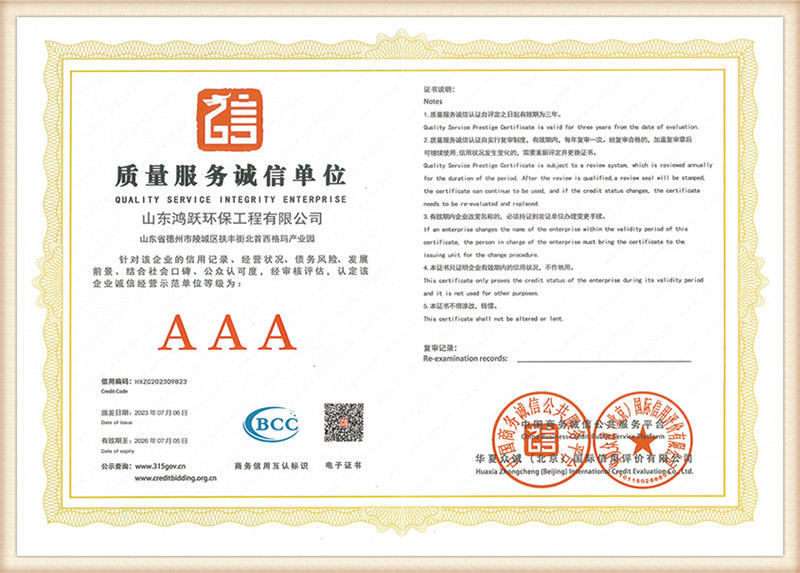
ISO9001 International Quality System Certification, ISO14000 Environmental Management Certification, and ISO45001 Occupational Health and Safety Certification. Recipient of "Green and Environmentally Friendly Building Materials", "China Famous Brand", and "High-tech Enterprise" status.
To achieve high efficiency, retaining walls require specific geogrid types depending on structural load vectors. Design parameters must specify Ultimate Tensile Strength (UTS), junctions efficiency, and soil interaction coefficients (pullout resistance) to comply with international codes such as ASTM D6637 and AASHTO LRFD design standards.
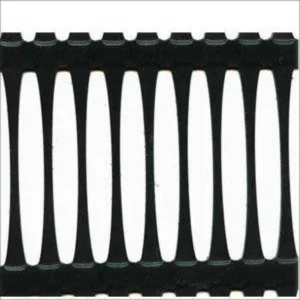
Extruded from high-density polymers, then stretched in one direction under precise temperature controls. This process creates high tensile strength and modulus along the longitudinal direction. It is the primary reinforcement material used in retaining walls, extreme steep slopes, and abutments.
Stretched in both longitudinal and transverse directions to form uniform square or rectangular apertures. This structure provides high structural stability and multi-directional load distribution, making it suitable for soft soil base consolidation, road base stabilization, and soft clay slope retaining.
The interface direct shear coefficient and the pull-out interaction coefficient are measured using large-scale direct shear and pull-out boxes. These parameters determine how well the grid anchors back into the compaction zone, preventing retaining block pull-out under heavy hydrostatic loads or seismic stresses.
Our manufacturing facility in Lingcheng District, Dezhou, utilizes automated extruders, warp knitting machines, and high-precision stretching lines. As a primary exporter, Shandong Hongyue Environmental Protection maintains a resilient supply chain that mitigates global trade disruptions.
Direct relationships with tier-1 petrochemical suppliers ensure high-quality polymers (LLDPE, HDPE, PP) and steady material access, stabilizing manufacturing lead times even in fluctuating markets.
In-house tensile testing, carbon black dispersion analyzers, and creep assessment units ensure every product batch matches ASTM standards before leaving our warehouse.
Convenient access to Dezhou-Beijing-Shanghai transit hubs and major international ports allows us to fulfill custom bulk orders and arrange rapid export shipping.
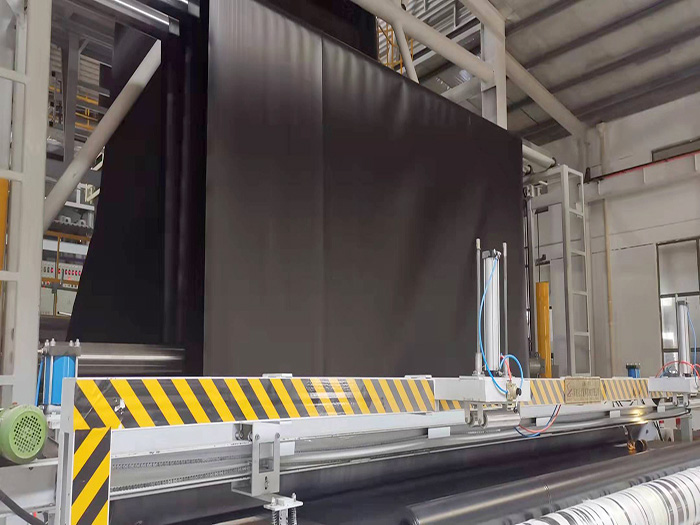
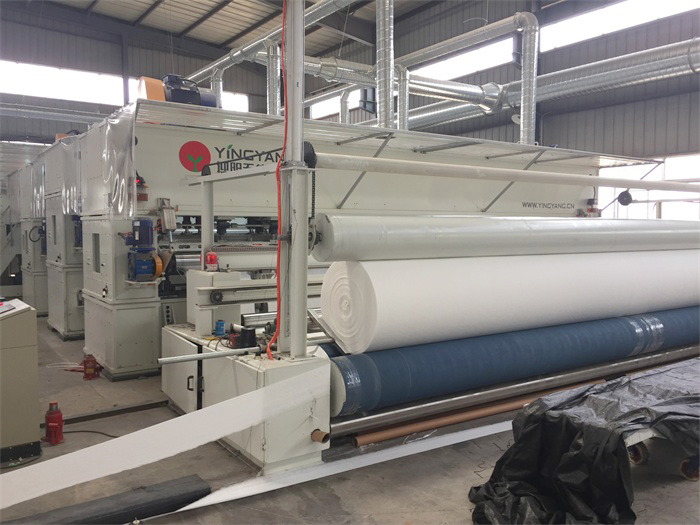
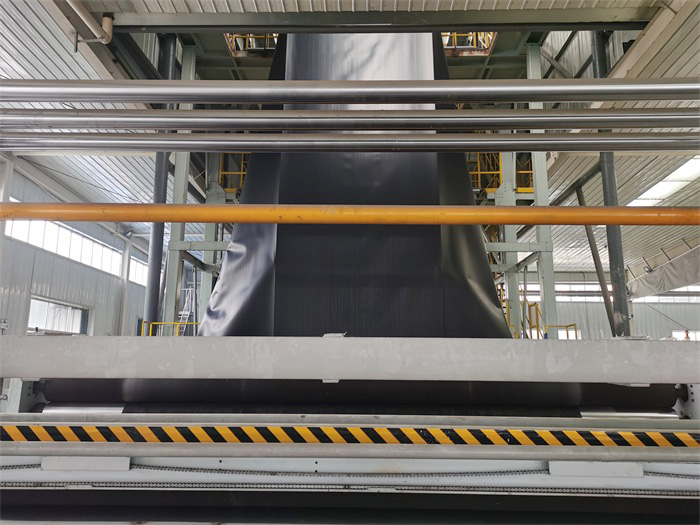
Our manufacturing facility uses automated extruders, warp knitting machines, and high-precision stretching lines to produce geogrids and geotextiles. Continuous quality checks ensure consistent mechanical properties.
Selection of raw materials, such as high-density polyethylene chips, polypropylene, and polyester filaments, which undergo purity and viscosity tests before extrusion.
Polymers are melted under controlled temperatures and pressures, then extruded into sheet materials. These sheets are slit to form the primary rib structure before punch operations.
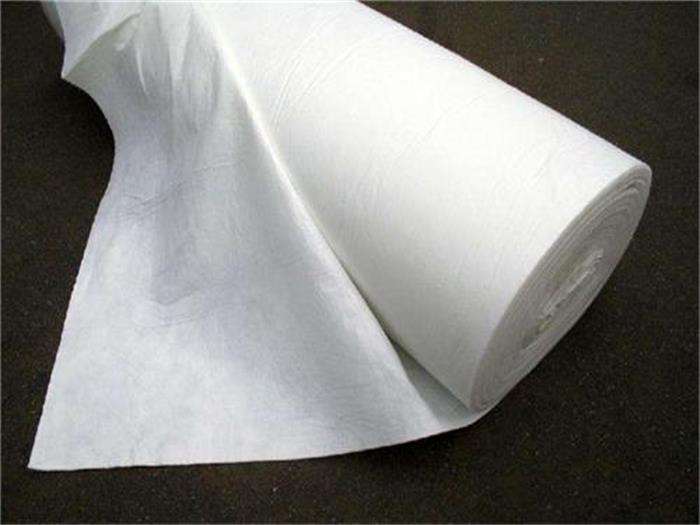
The punched sheet is heated and stretched (either uniaxially or biaxially) to align the polymer molecules. This process gives the geogrid ribs high tensile strength and high modulus.
Finished geogrid rolls are wound to length, wrapped in protective packaging, and inspected for uniform dimensional width, thickness, and rib spacing.
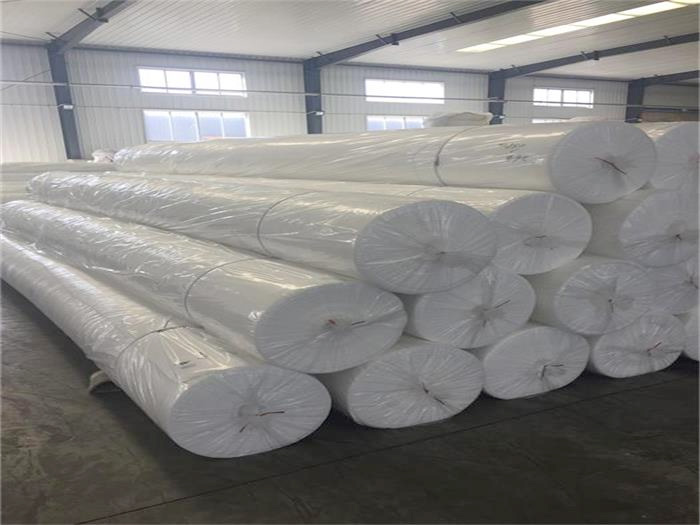
Different geological and environmental conditions require specific geogrid and geosynthetic configurations. Here is how Shandong Hongyue geogrid systems perform across localized engineering environments:
In high-UV and high-temperature environments (such as desert roads or mining walls), polymer degradation is a common point of failure. Our geogrids include specialized carbon black additives to provide UV protection, preventing embrittlement and maintaining soil structural integrity.
In cold climates, soils undergo continuous volumetric shifts due to frost heave and thaw. The high flexibility and high junction efficiency of our HDPE geogrids accommodate these movements, preventing cracks in the face blocks of retaining walls.
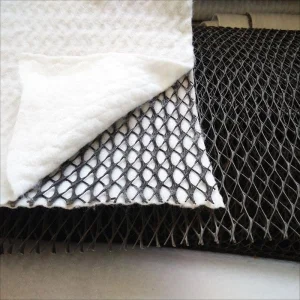
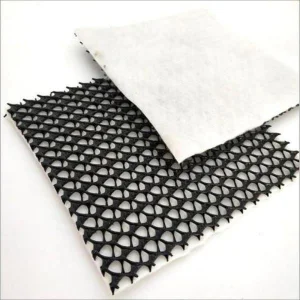
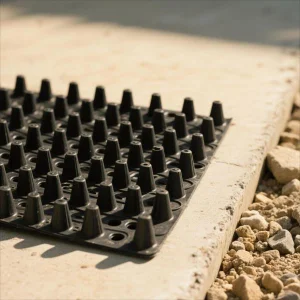
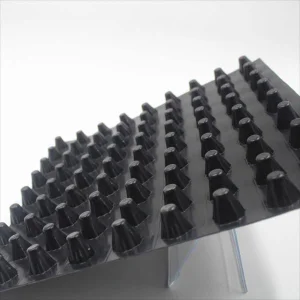
High hydrostatic pressures behind retaining walls can lead to slope failures. Combining geogrid structural reinforcement with composite drainage networks and non-woven geotextiles helps channel water away from the stabilized zone, maintaining structural integrity.
Salty air and chemical exposure accelerate corrosion in traditional concrete-steel reinforcements. Polypropylene geogrids resist acids, alkalis, and biodegradation, making them suitable for seawalls, marinas, and saltwater canal linings.
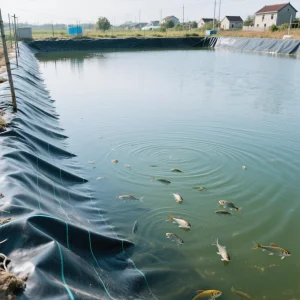
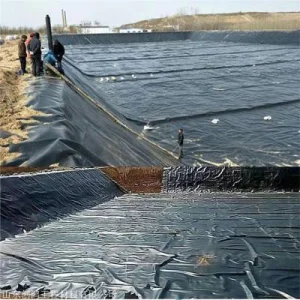
Civil infrastructure often requires integrating multiple geosynthetic layers. When constructing water retention dykes, landfills, or reservoirs, geogrids provide structural slope stability, while geomembranes prevent liquid seepage.
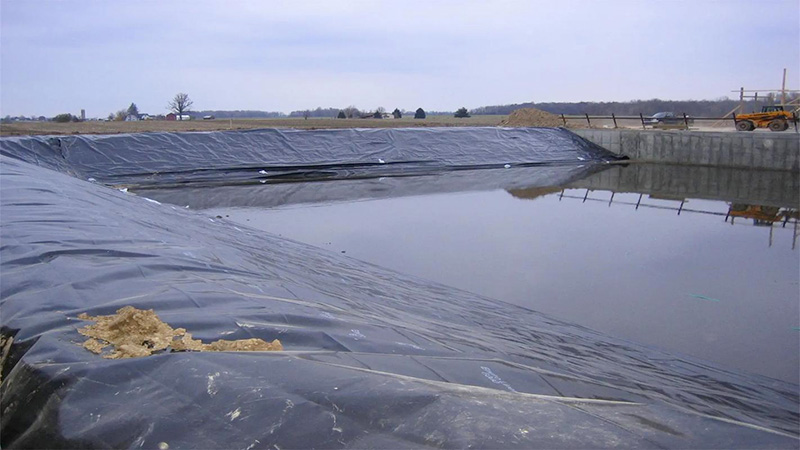
Installing geomembranes along the bottom of the reservoir prevents water loss in complex geological conditions, while geogrids reinforce the surrounding slopes against structural failures.
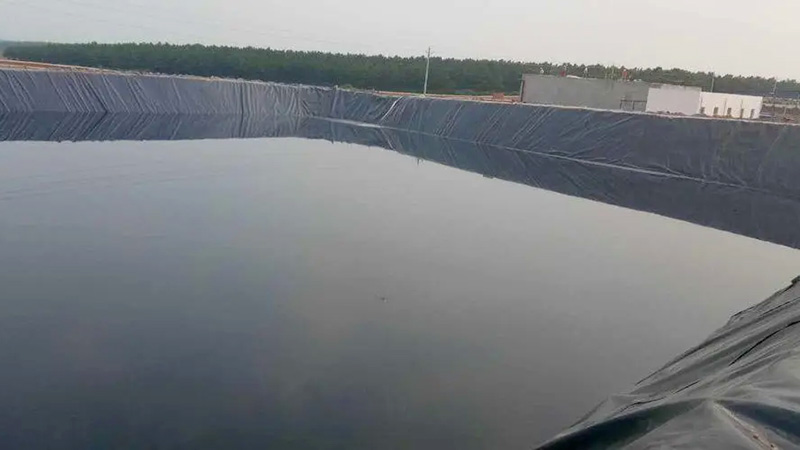
In high-flow areas, geomembranes act as waterproof barriers, and geogrid-reinforced soil slopes prevent erosion from water currents.
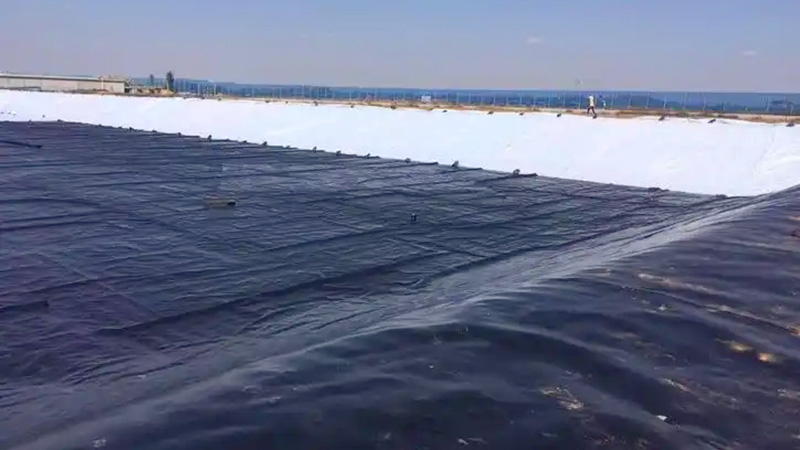
Combining geomembranes with cement blankets and geogrids provides long-term protection against riverbed scour and slope erosion.
To ensure our geotextiles, geomembranes, and geogrids meet global standards, Shandong Hongyue maintains an in-house laboratory equipped with precision testing tools. These testing processes verify physical, chemical, and mechanical properties.
All products are tested using ASTM, ISO, and GB standards. We perform tensile tests, creep assessments, junction strength tests, and carbon black content analyses.
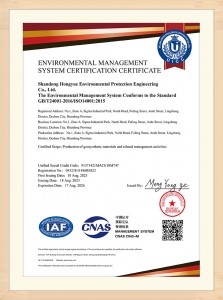
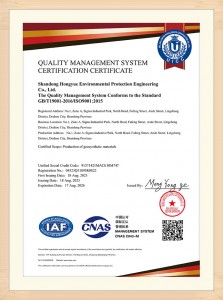
Find technical details regarding geogrid selection, installation, and procurement.
 Hongyue