Explore our high-performance geotechnical inventory, optimized for retaining structures, civil road foundations, slope stabilizations, and landfill containment. Direct factory supply with comprehensive quality verification.
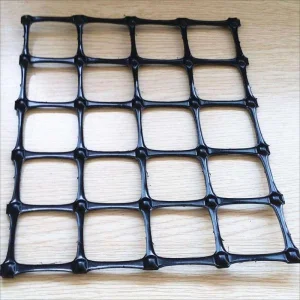
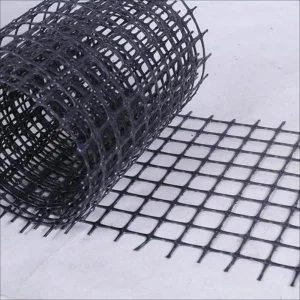
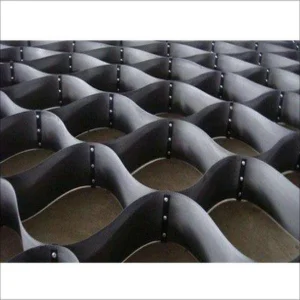
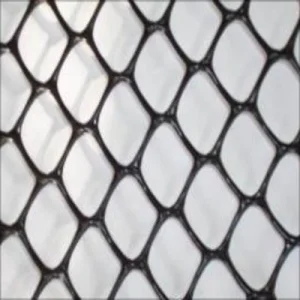
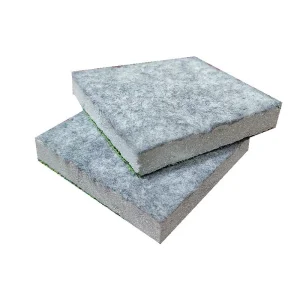
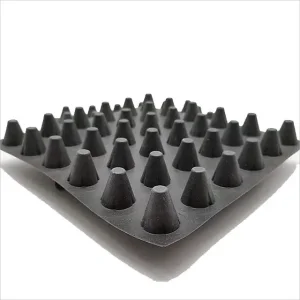
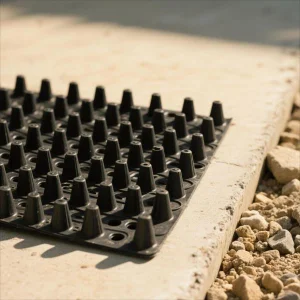
Retaining wall grids, primarily categorized into structural geogrids and dynamic geocells, form the mechanical backbone of modern Mechanically Stabilized Earth (MSE) structures.
In civil and geotechnical engineering, soil possesses high compressive strength but inherently lacks tensile resilience. Retaining wall grids address this limitation by distributing localized stresses across a broad geometric grid aperture. Through friction, interlocking forces, and passive resistance of the transverse ribs, the geogrid locks soil particles in place, restricting lateral displacement. This interlocking phenomenon increases the soil's apparent shear strength, allowing developers to build walls steeper, taller, and more structurally stable than traditional gravity retaining structures.
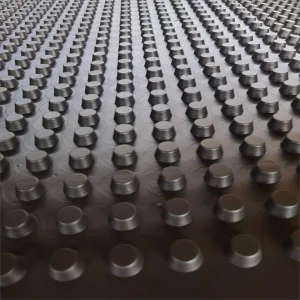
Furthermore, the introduction of three-dimensional containment systems—such as high-density polyethylene (HDPE) geocells—modifies the stress-strain behavior of the fill material. When loads are applied, the geocell walls create vertical and horizontal confinement, shifting the structural load distribution into a rigid mattress behavior. This significantly reduces overall and differential settlement, rendering it highly effective for heavy rail embankments, highway subgrades, and load support systems over soft soils.
To optimize cost-efficiency and ensure structural safety, engineers must specify the correct geogrid material type based on loading directionality, tensile strength thresholds, and soil chemistry.
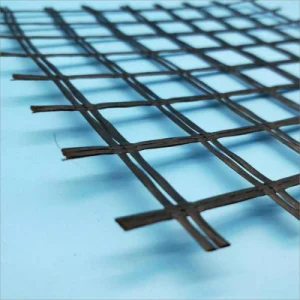
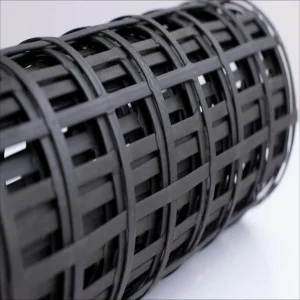
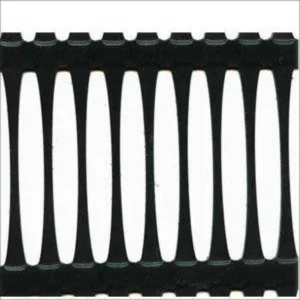
Engineered with primary high-tensile resistance oriented along a single direction (machine direction). Typically manufactured using HDPE extrusion or warp-knitted polyester (PET) fibers. Uniaxial geogrids are primarily utilized in vertical walls, steep slope rehabilitations, and landslide remedial systems.
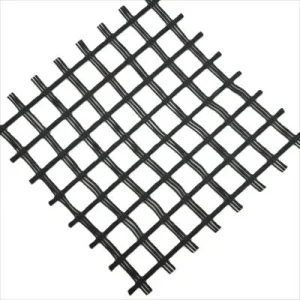
Engineered with equal tensile strengths in both longitudinal (machine) and transverse (cross-machine) directions. Ideally suited for base reinforcement, pavement life extension, runway foundations, and soft soil stabilization over swampy subgrades.
Steel-plastic composite geogrids combine high-tensile steel wire wrapped in an HDPE protective sheath, creating an extremely low-creep reinforcement element. Glass fiber geogrids, coated with bitumen, exhibit outstanding thermal stability and low elongation, optimized for asphalt overlays.
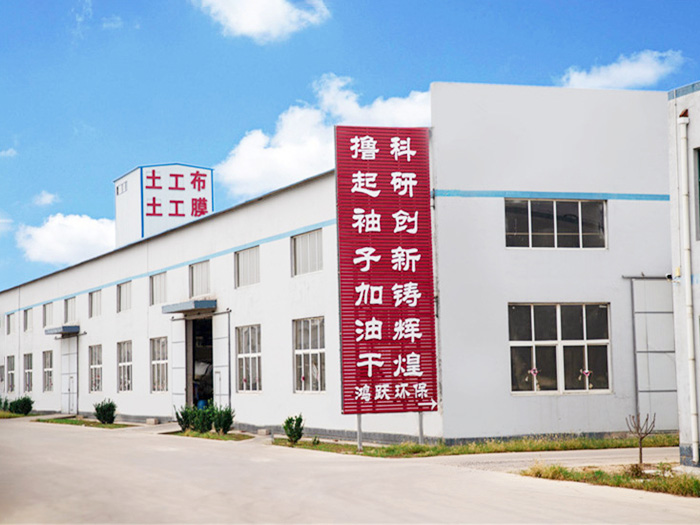
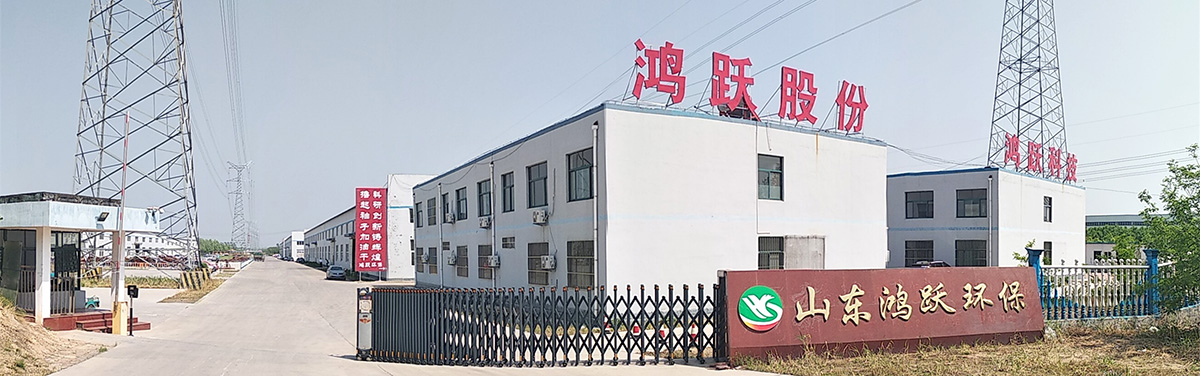
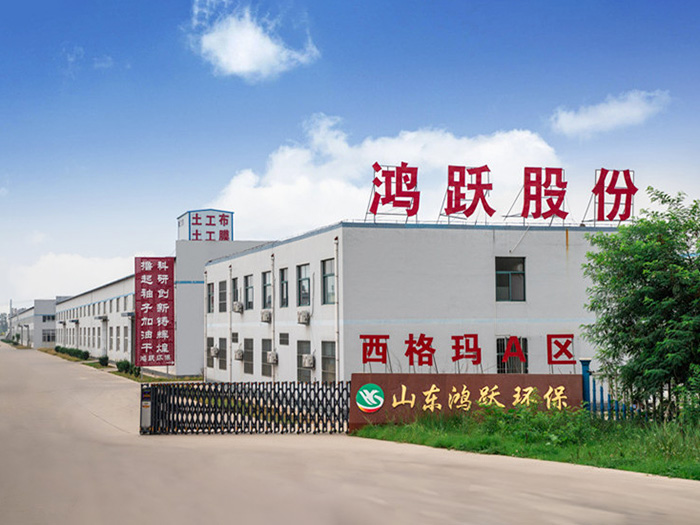
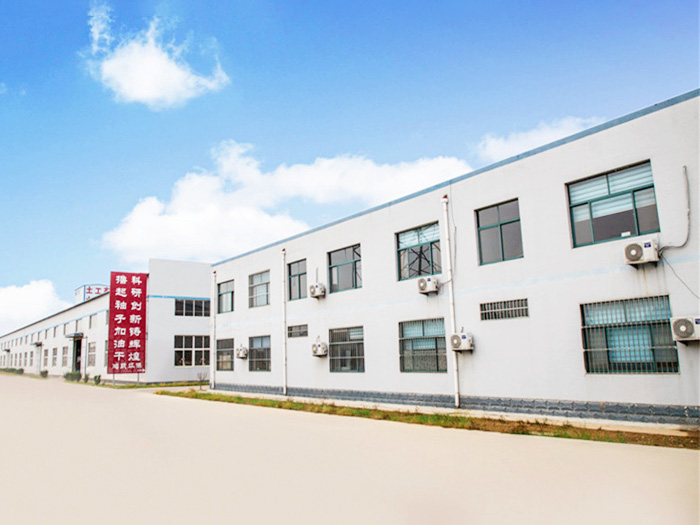
Shandong Hongyue Environmental Engineering Co., Ltd., located at the north end of Fufeng Street, Lingcheng District, Dezhou, Shandong Province, is a scientific and technological geotechnical material manufacturer integrating engineering material production, sales, design and construction services.
The company was registered in Lingcheng District Market Supervision and Administration Bureau of Dezhou City on April 6, 2023, with a registered capital of 105 million yuan. It is one of the largest production bases of geotechnical materials in China at present, located in Lingcheng District, Dezhou, Shandong Province, with superior geographical location and convenient transportation.
Since the establishment of the company has developed rapidly, business continues to grow and expand, our company mainly deals in geotextiles, geomembrane, composite geomembrane, waterproof board, bentonite waterproof blanket, 3D composite drainage net, (composite) drainage board, weaving cloth, woven cloth, geotextiles, geotextiles, geotextiles, geotextiles, geotextiles, geotextiles, geotextiles, geotextiles, membrane bags, blind ditches, waterproof and drainage combinations, woven bags, ecological bags, cement blankets, fiber plants blankets, geotextiles, flexible pervious pipes.
Our business includes geosynthetics, waterproofing membrane production, sales, construction, import and export of goods. Under the laws of the relevant departments, we have high quality products and professional sales and technical team. Our company belongs to Dezhou Geotextile Association, and our products are widely used in highways, railways, bridges and tunnels, reservoirs and canals water conservancy, artificial lakes, environmental protection, aviation, mining, agriculture and other fields.
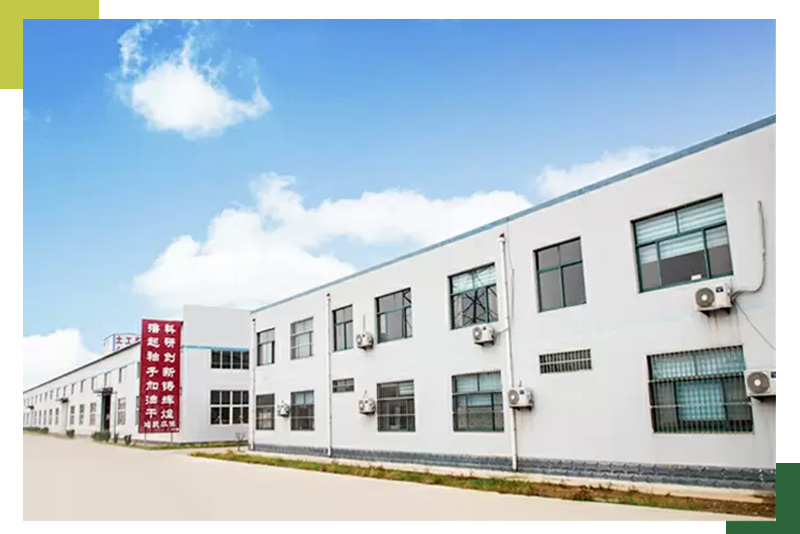
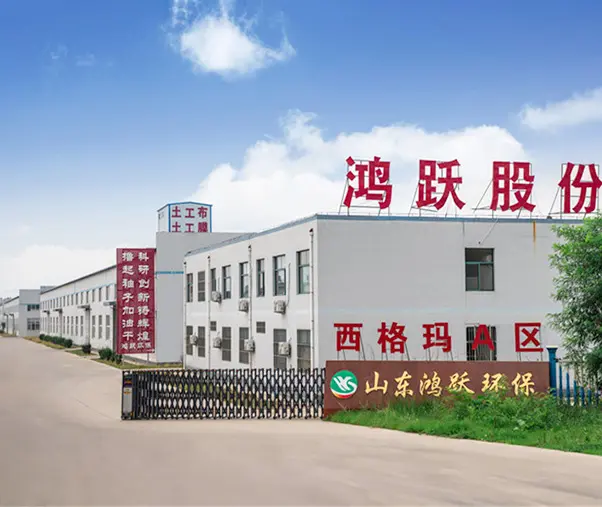
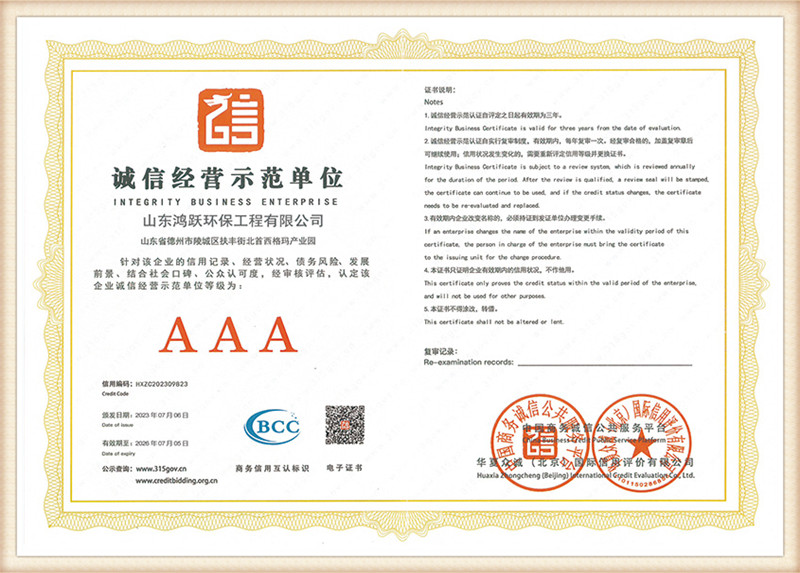
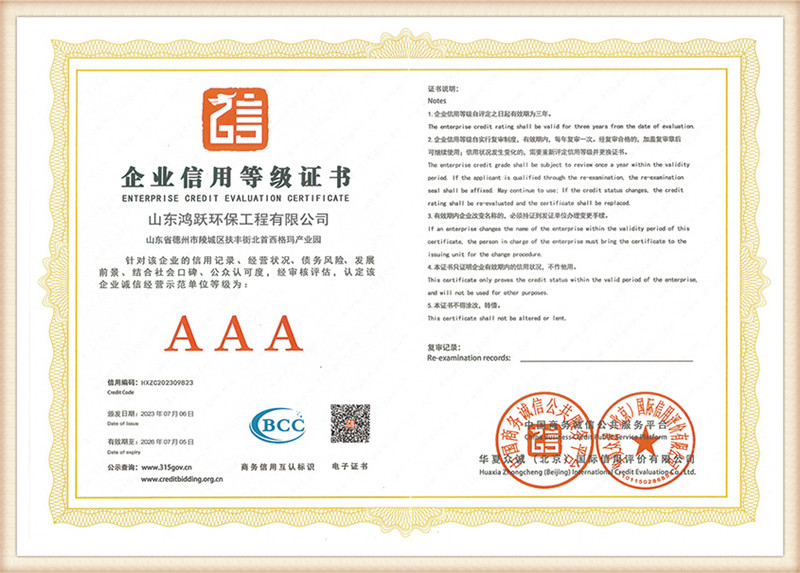
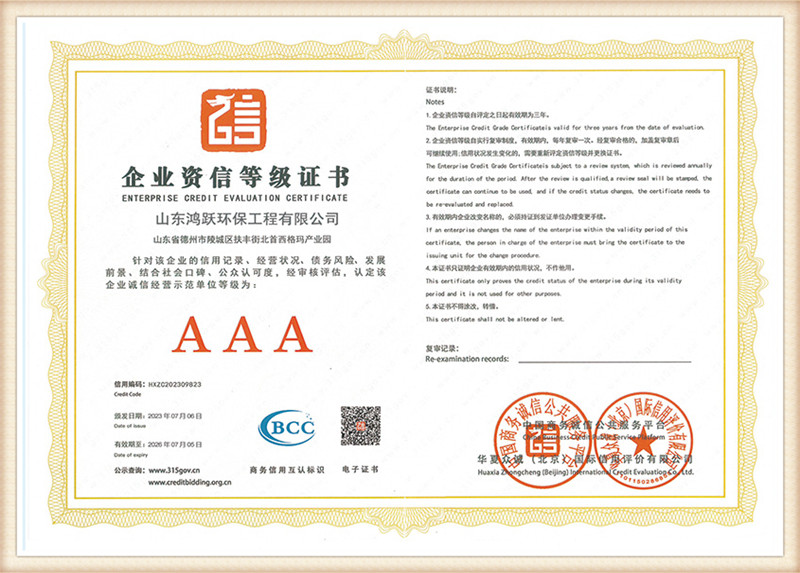
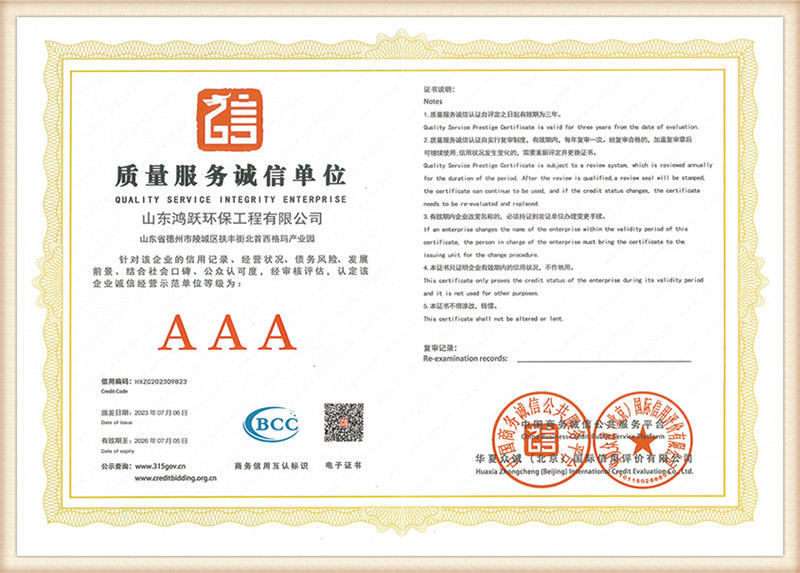
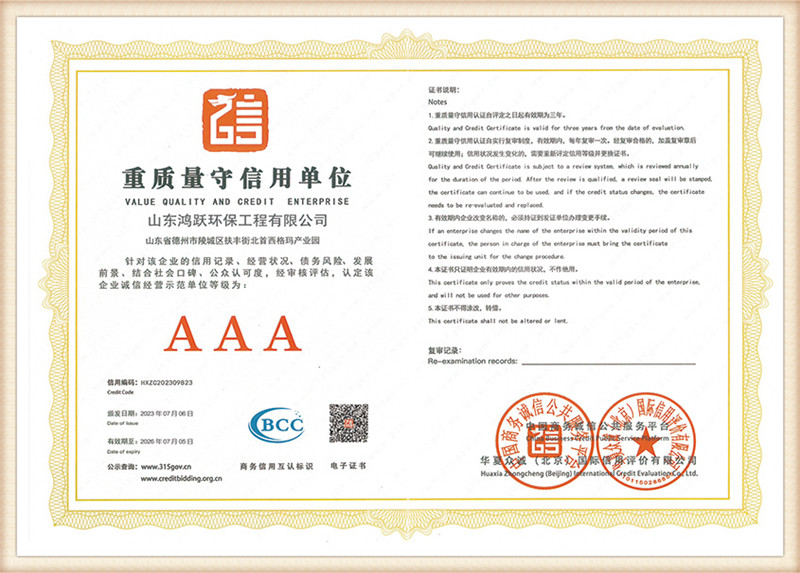
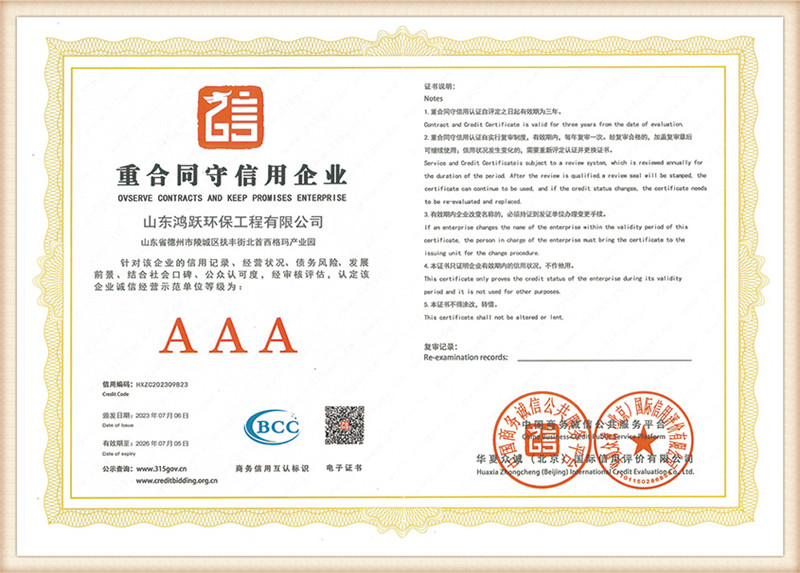
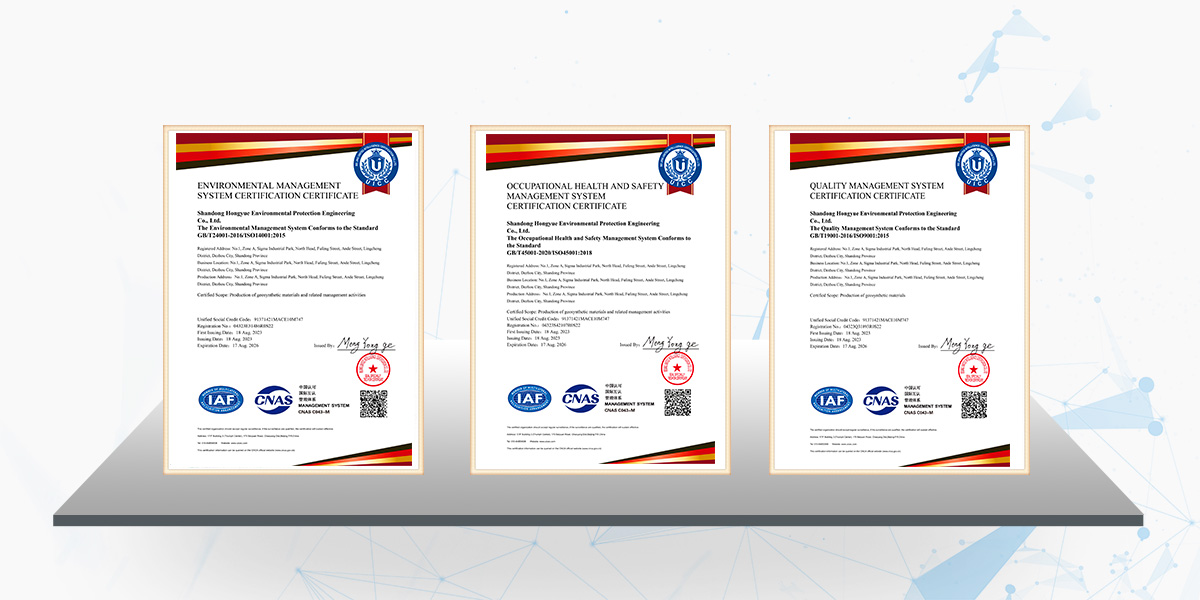
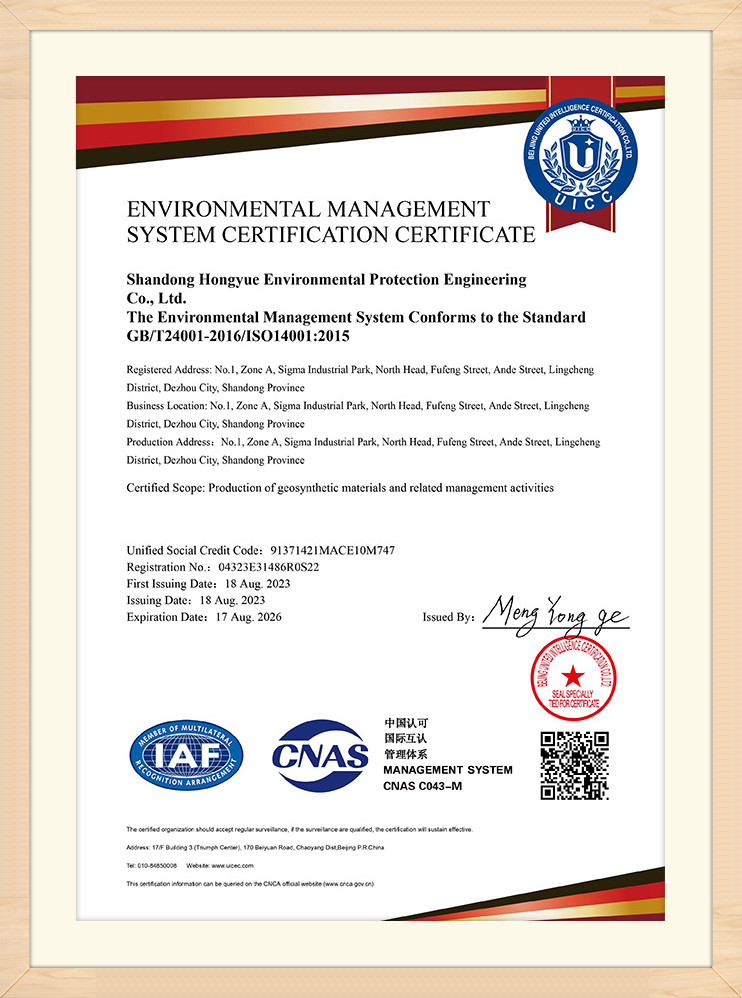
The company has successively passed the ISO9001 international quality system certification, ISO14000 environmental system certification, and ISO45001 occupational health and safety management system certification, and has won multiple honors such as "green and environmentally friendly building materials products", "no consumer complaints", "famous Chinese brands", "high-tech industries", "quality service double excellent units", and "provincial-level poverty alleviation leading enterprises".
The company has established sales networks or agency agencies in more than 40 large and medium-sized cities such as Shanghai and Beijing, and its products are exported to multiple countries such as Europe, the United States, Australia, and various parts of the country. The products are widely used in key projects in various provinces and cities. The products are widely used in various fields such as highways, railways, bridges and tunnels, reservoir and canal water conservancy, artificial lakes, environmental protection, aviation, mining, agriculture, etc.
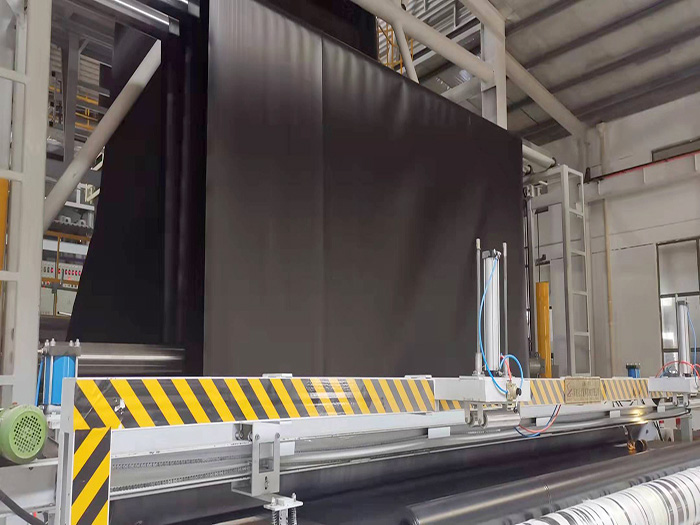
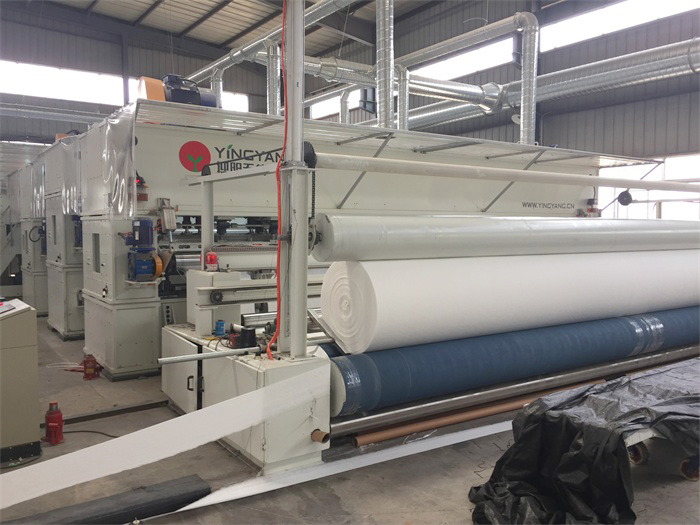
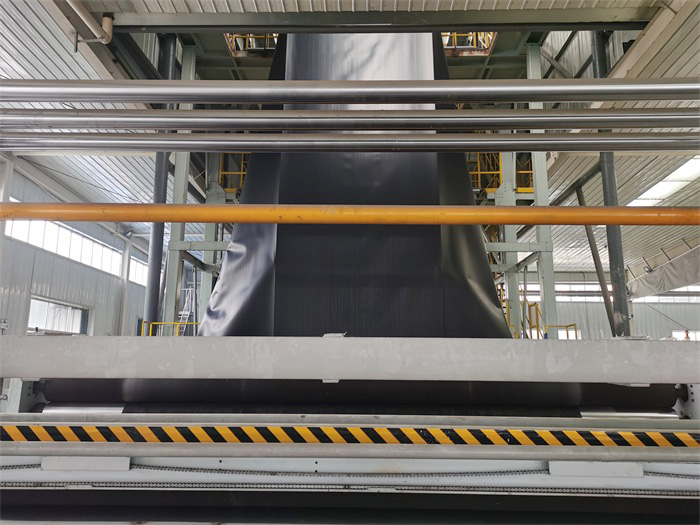
High-grade geosynthetic fabrication demands strict control over melt temperatures, fiber drawing ratios, and polymer consistency. Learn about our state-of-the-art production pipeline.
Geotextile production process
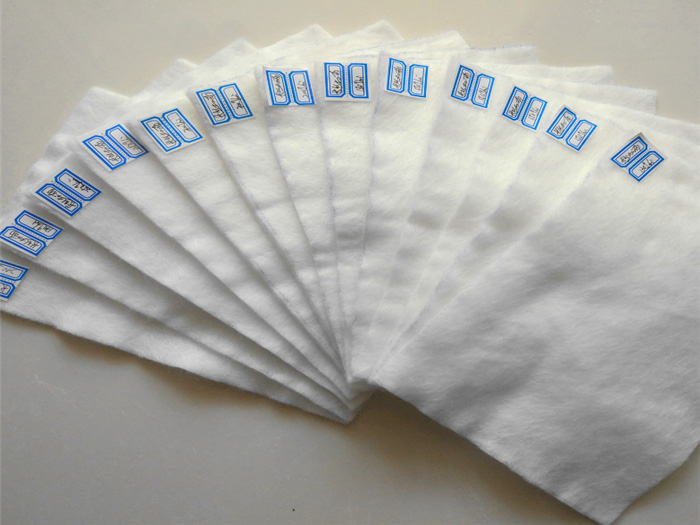
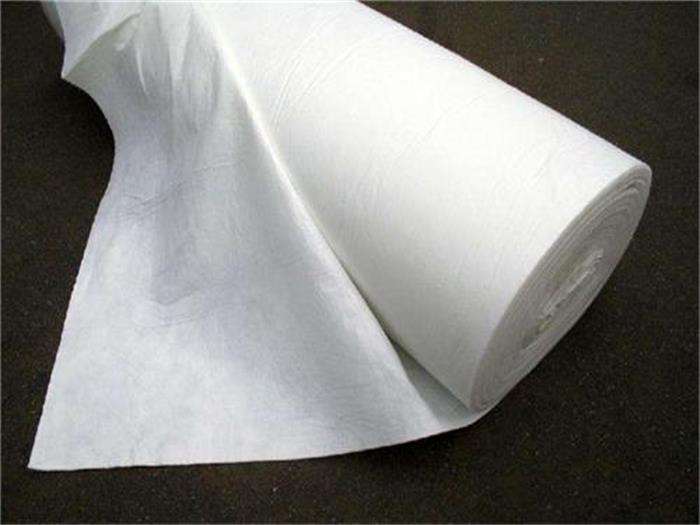
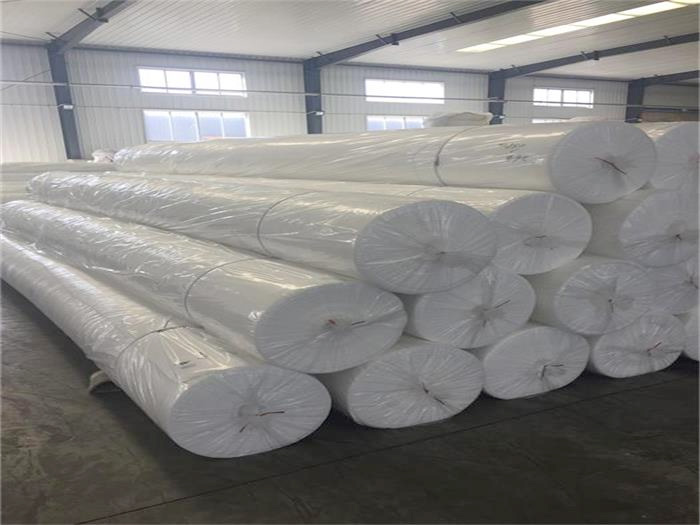
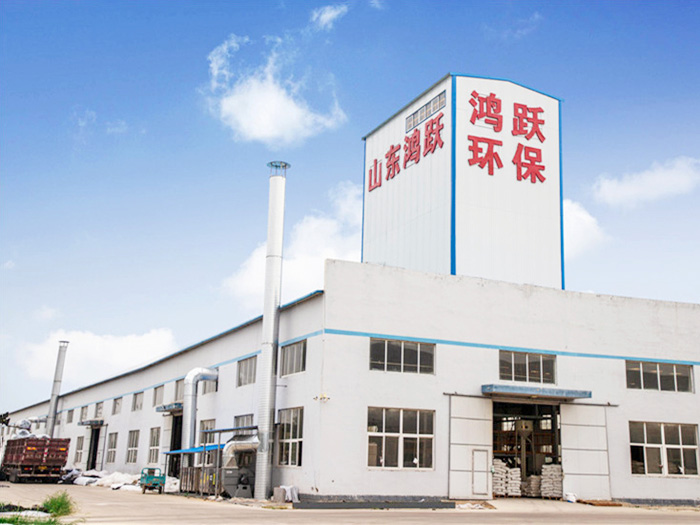
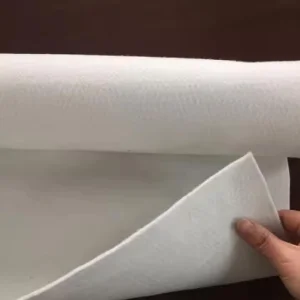
Geotextile is widely used in civil engineering materials, with filtration, isolation, reinforcement, protection and other functions, its production process includes raw material preparation, melt extrusion, mesh rolling, draft curing, winding packaging and inspection steps, need to go through multiple links of processing and control, but also need to consider its environmental protection and durability and other factors. Modern production equipment and technology have been widely used, making the production efficiency and quality of geotextiles have been significantly improved.
Geomembrane application technology
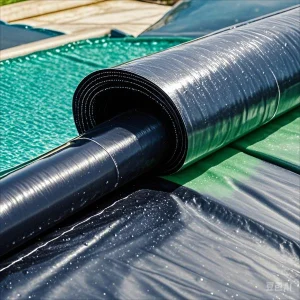
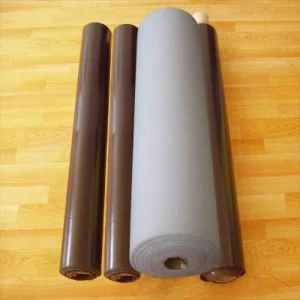
Geomembrane is a kind of material widely used in engineering projects, which has the functions of seepage prevention, isolation and reinforcement. This section introduces the application technology of geomembrane, including selection, laying and maintenance.
It is very important to choose the suitable geomembrane. Here are some key points to choose geomembrane:
- Material properties: Geomembranes are divided into different materials, such as high density polyethylene (HDPE) and linear low density polyethylene (LLDPE). Select the appropriate material according to the engineering requirements.
- Thickness: Select the appropriate thickness according to the needs of the project. The thickness of the geomembrane is usually 0.3mm to 2.0mm.
- Impermeability: Ensure that the geomembrane has good impermeability to prevent water in the soil from penetrating into the project.
The laying of geomembrane needs to follow certain steps and techniques:
- Land preparation: Ensure that the land where the geomembrane is laid is level and clean, and sharp objects and other obstacles are removed.
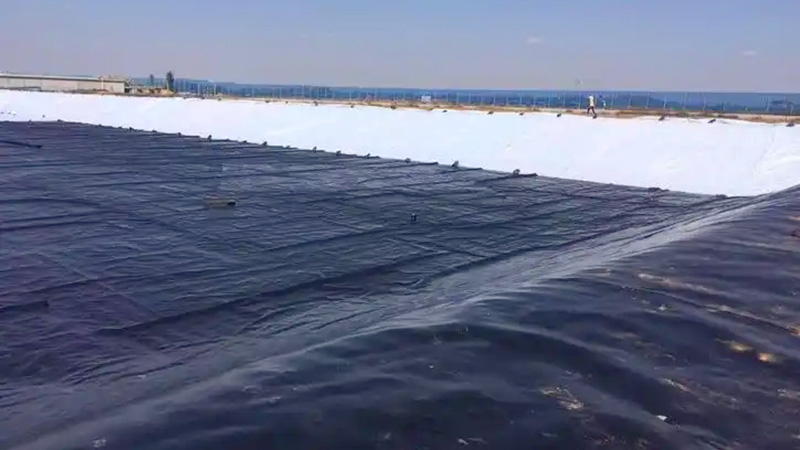
- Laying method: Geomembrane can be covered laying or folding laying. Select the appropriate laying method according to the project requirements.
- Joint treatment: Joint treatment is performed at the joint of the geomembrane to ensure that there is no leakage at the joint.
- Fixing method: Use fixed parts to fix the geomembrane and ensure that it is closely attached to the ground.
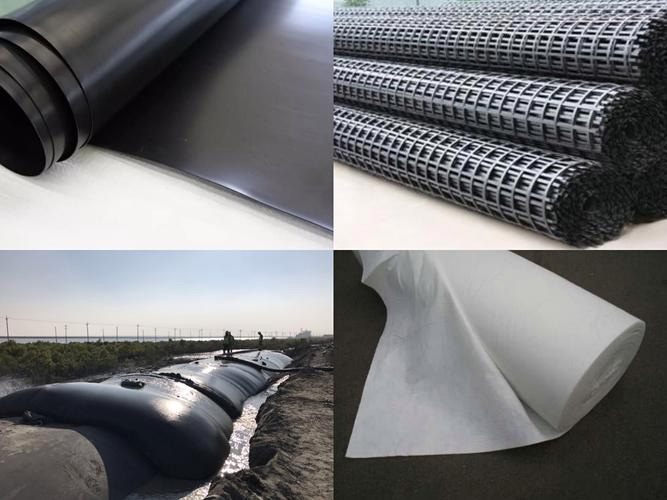
Maintenance of geomembrane can extend its service life and function:
- Cleaning: Regularly clean the surface of the geomembrane to remove dirt and debris to maintain its impermeability.
- Inspection: Regularly check whether the geomembrane is damaged or aging, repair or replace the damaged part in time.
- Avoid sharp objects: Avoid sharp objects from touching the geomembrane to prevent damage.
Shandong Hongyue integrates advanced material systems to resolve complex geotechnical challenges in hydraulic barriers, waste containment, and storage protection.
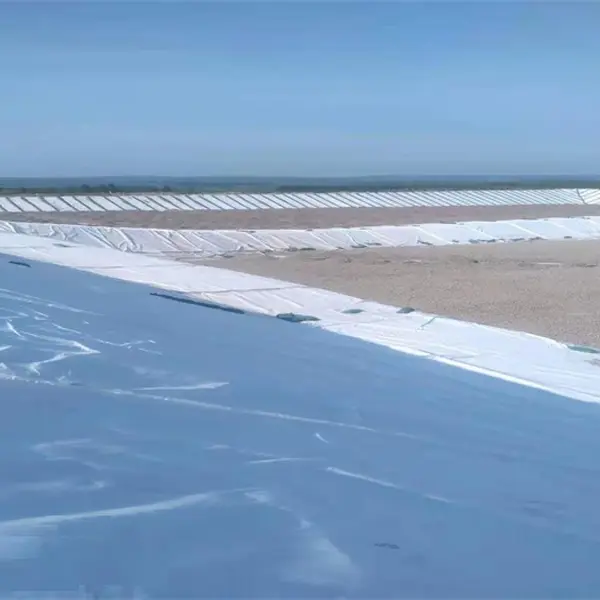
Maximizing retaining structures, reservoirs and canal systems stability against seepage loss.
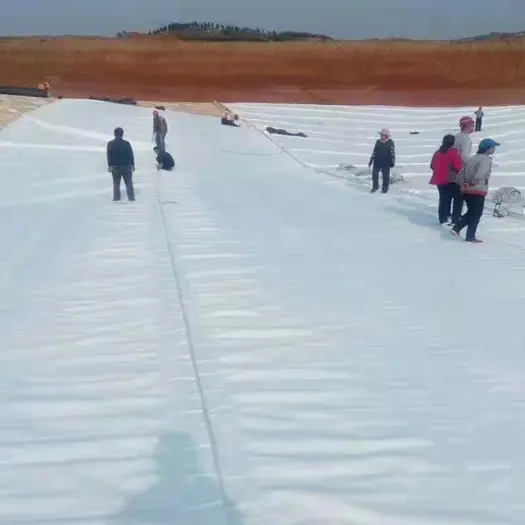
Ensuring municipal canals and ecological waterways prevent localized erosion and soil washouts.
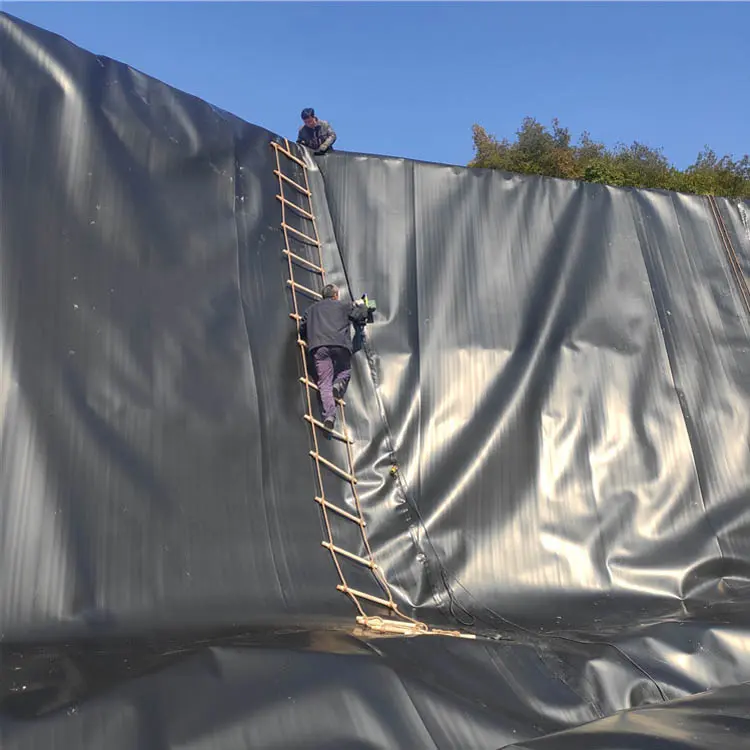
High-grade double lined barrier systems to secure soil and groundwater from leachate migration.
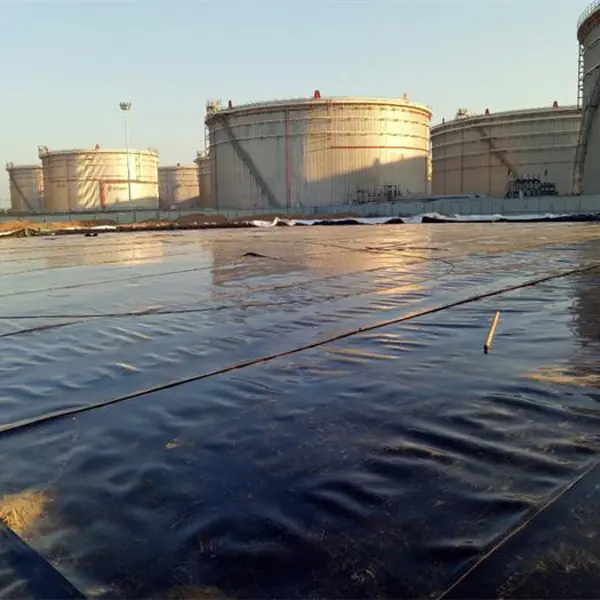
Preventing chemical and hydrocarbon spills into adjacent soils using high-resistance barrier sheets.
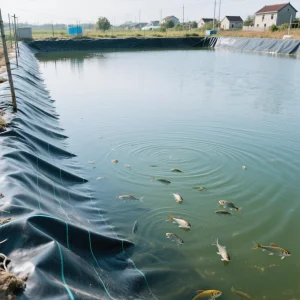
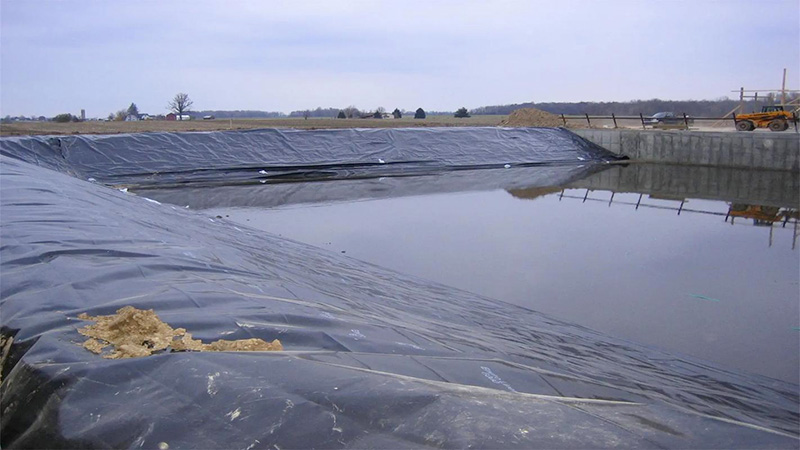
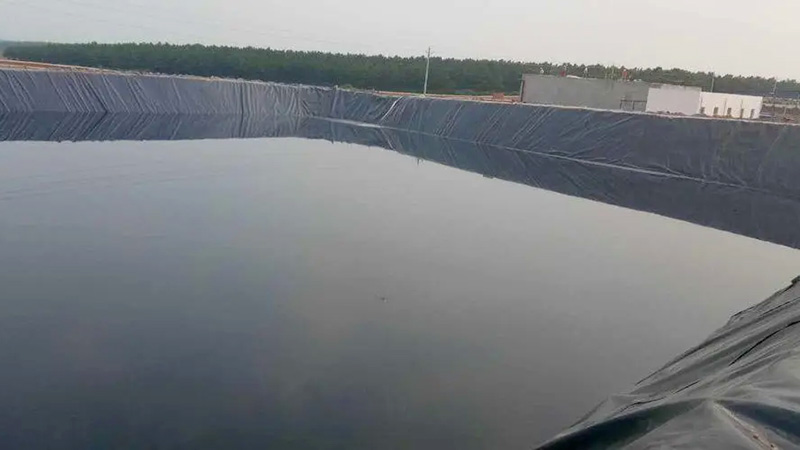
Geomembrane, as an efficient anti-seepage material, plays a vital role in water conservancy projects. Its excellent anti-seepage performance, light and easy construction characteristics and relatively low cost make geomembrane become an indispensable part of water conservancy projects.
First of all, in the construction of reservoirs, geomembrane can play a very good anti-seepage role. Because reservoirs are usually built in valleys or low-lying areas, the geological conditions are more complex, so effective measures need to be taken to avoid leakage between the bottom of the reservoir and the surrounding rock. The use of geomembrane can effectively solve this problem, and can also improve the safety and stability of the whole reservoir.
Secondly, it is also necessary to use geomembrane to strengthen the anti-seepage effect during the construction of levees. A dike is a man-made structure whose main purpose is to protect the downstream area from flooding. However, in the construction process, there will be many unpredictable factors leading to loopholes, at this time, it is necessary to use geomembrane for remedial measures.
Third, in the river and channel governance, geomembrane also has a wide range of applications. Rivers and channels are very important components of water conservancy projects, they can not only regulate water flow, protect farmland and urban infrastructure, but also improve the ecological environment of the entire region. However, in the governance process will encounter some difficult problems, such as loopholes, landslides and so on. At this time the use of geomembrane can be a good solution to these problems.
Dezhou City in Shandong Province stands as the globally recognized capital for geotechnical material production. Sourcing Retaining Wall Grids and geomembranes directly from this cluster offers unparalleled value:
Geosynthetic quotation parameters are strictly dependent on structural properties. When reviewing our pricelist, please note the following dynamic cost drivers:
Get answers to complex technical queries, installation procedures, material performance metrics, and pricing structures directly from our senior engineering team.
Browse our comprehensive geogrid, geomembrane, and geotextile selection to obtain immediate price lists and customized specifications for global projects.
 Hongyue