High-performance engineering materials designed for complex soil stabilization and environmental management.
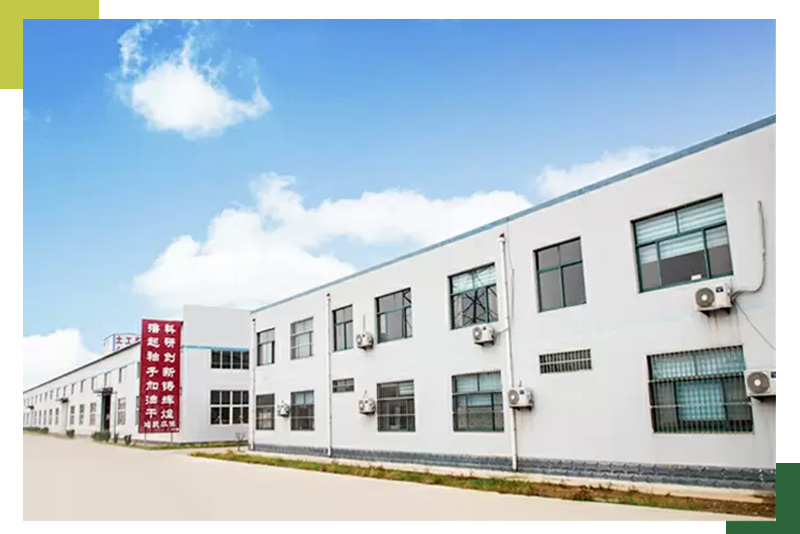
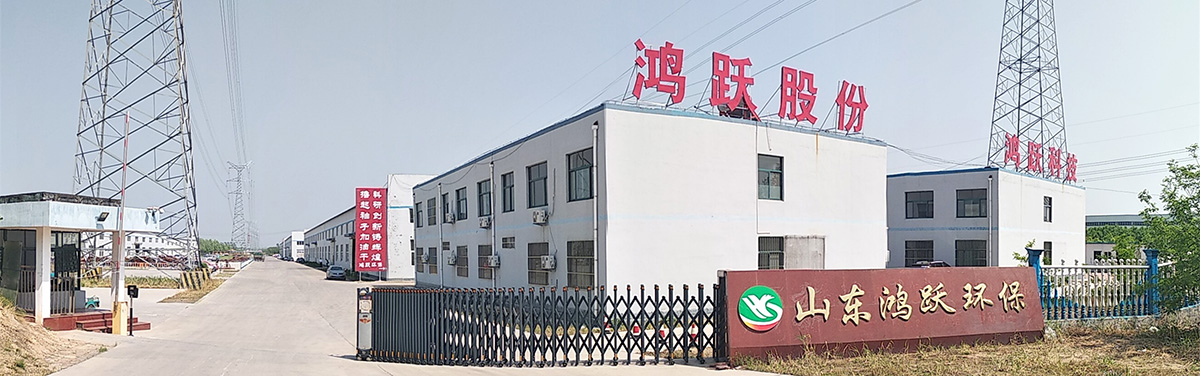
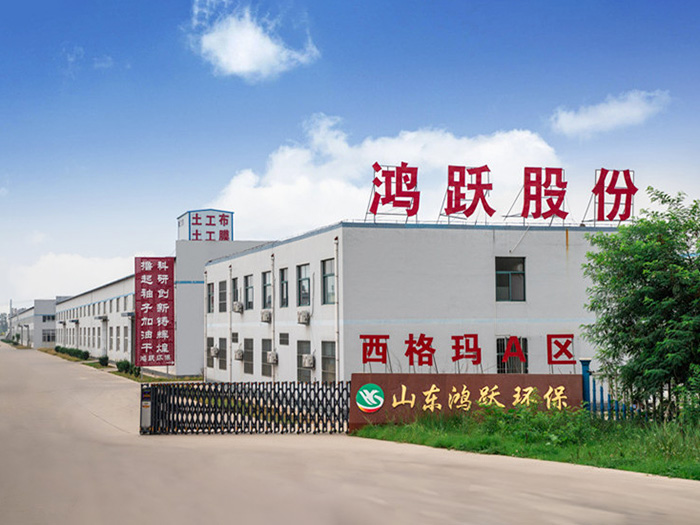
Founded with a registered capital of 105 million Yuan, Shandong Hongyue Environmental Engineering Co., Ltd. stands as an industry benchmark in China's geotechnical manufacturing sector. Located at the northern end of Fufeng Street, Lingcheng District, Dezhou, Shandong Province, we offer a strategic geographical position backed by high-capacity transit and logistics infrastructure.
As a pioneer and an active member of the Dezhou Geotextile Association, we specialize in the comprehensive production, research and development, design, and construction services of high-grade geosynthetic systems. Our vast product profile ranges from advanced uniaxial and biaxial plastic geogrids, steel-plastic composite geogrids, to state-of-the-art geomembranes, bentonite waterproof blankets, and multi-functional drainage boards.
Our organization is built upon strict international quality control systems. We have proudly secured the ISO9001 International Quality Management Certification, ISO14001 Environmental Management Certification, and ISO45001 Occupational Health and Safety Certification. These credentials demonstrate our ongoing commitment to safety, ecological preservation, and engineering precision.
Understanding the structural mechanics of soil reinforcement and dynamic load distribution.
Our geogrids are engineered with precision-oriented polymers, offering robust tensile strengths in both longitudinal and transverse directions. By generating high junction efficiency, these grids confine aggregate materials within the apertures, mitigating lateral displacement and maximizing subgrade load-bearing capacities.
For high-stress applications such as bridge abutments and steep slope retention, we provide advanced steel-plastic and fiberglass geogrids. These structures are coated with protective UV-resistant layers to prevent environmental corrosion, ensuring high design lives under extreme weather and soil conditions.
By redistributing concentrated dynamic vehicle loads over a wider surface area, our geogrid designs decrease structural fatigue, prevent differential settlement, and reduce base-course thickness requirements by up to 30% to 40% on major highways.
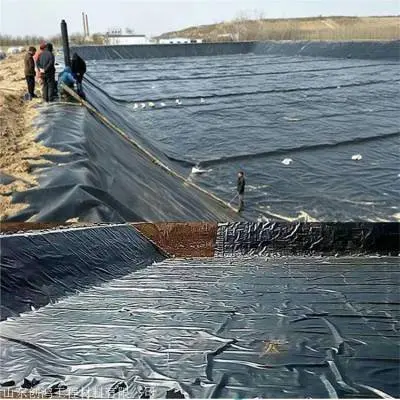
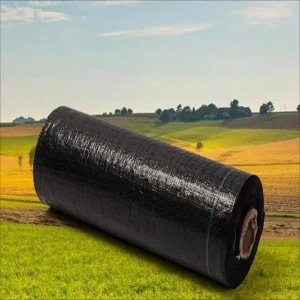
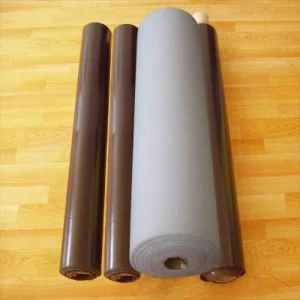
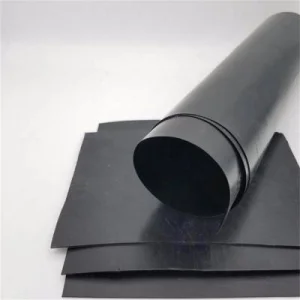
High-density impermeable membrane for stable agricultural aquaculture liners.
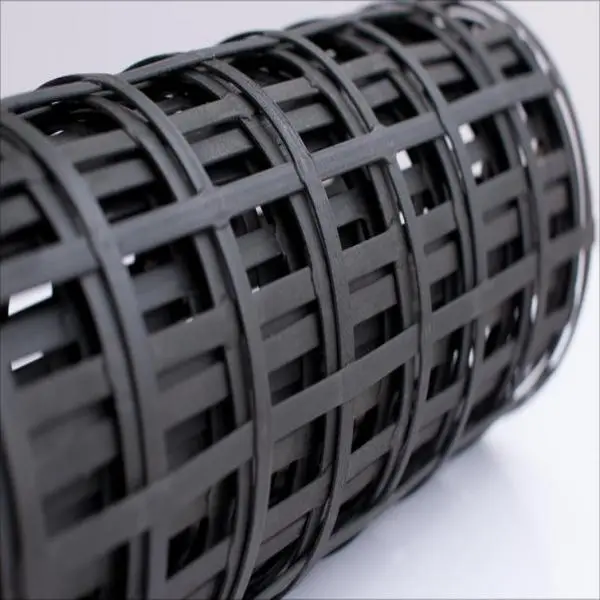
High-tensile composite grid utilizing steel wire core wrapped in polymer protection.
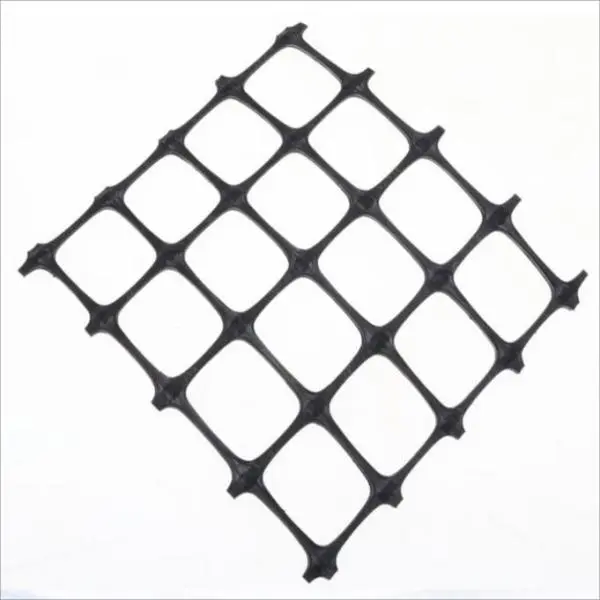
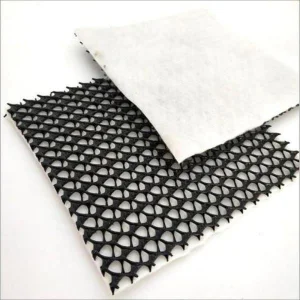
High performance PP/PE grids featuring optimized aperture geometry.
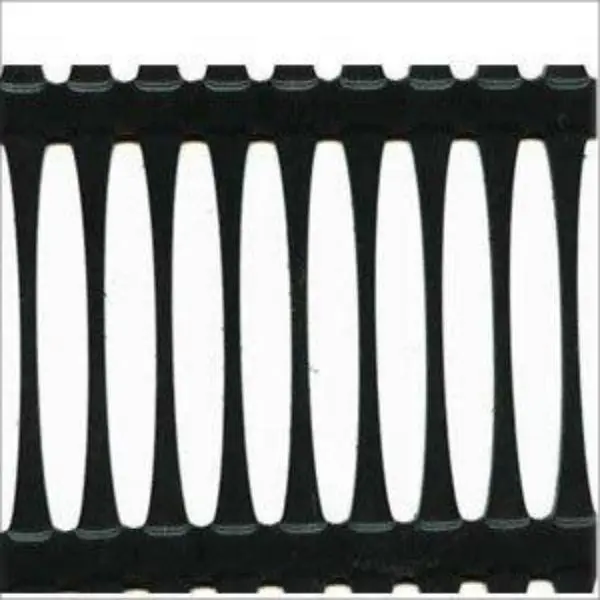
Optimized for unidirectional soil reinforcement and high retaining wall structures.
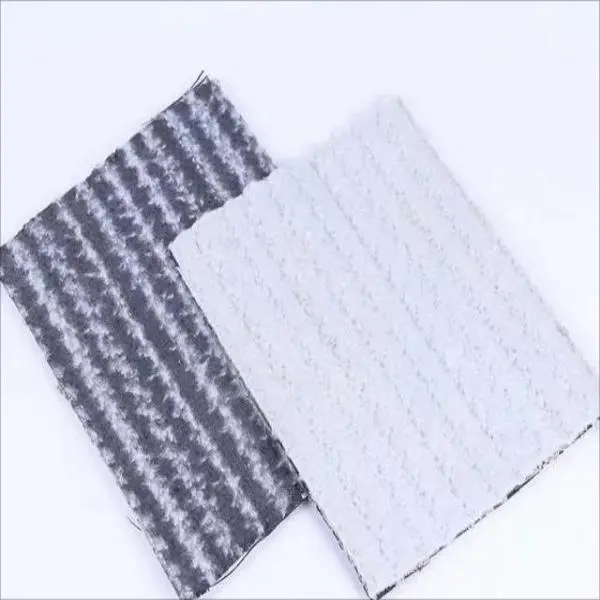
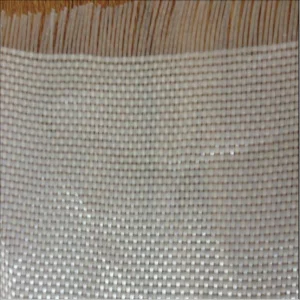
Reinforced concrete canvas for rapid slope erosion protection and channel lining.
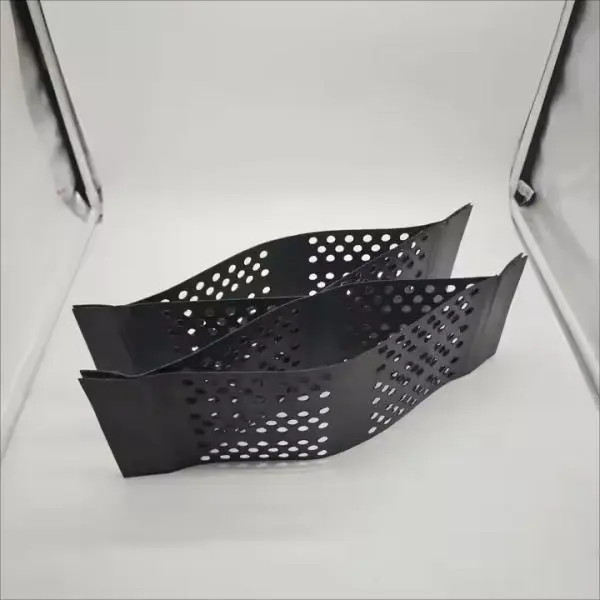
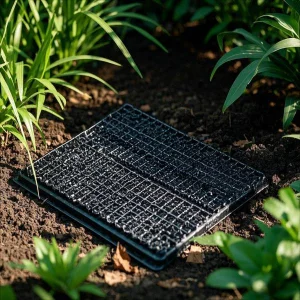
Cellular confinement systems for steep slope protection and heavy-duty load support.
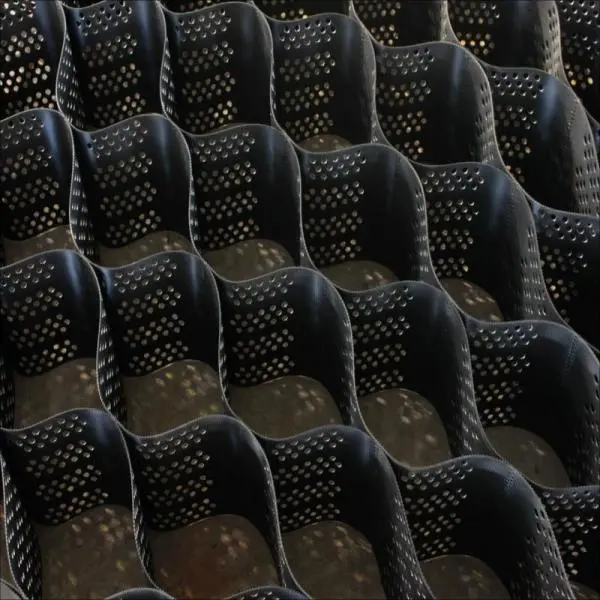
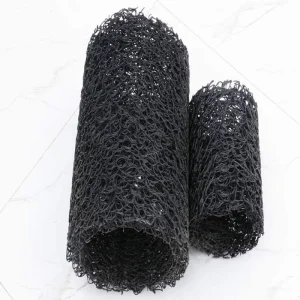
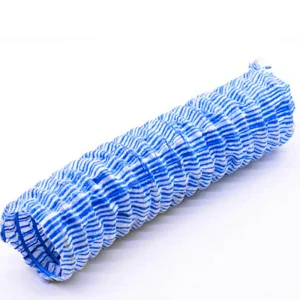
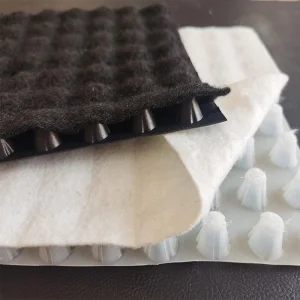
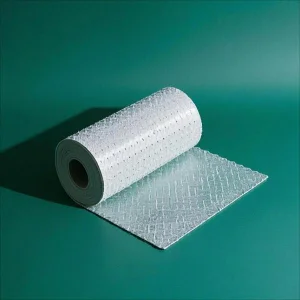
Textured and perforated cellular containment for flexible geotechnical solutions.
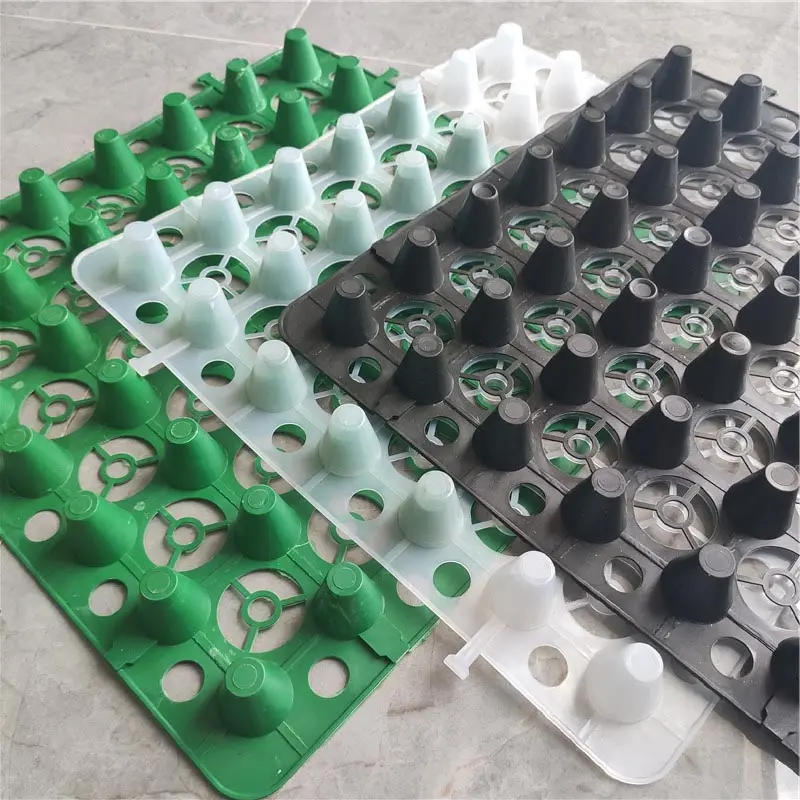
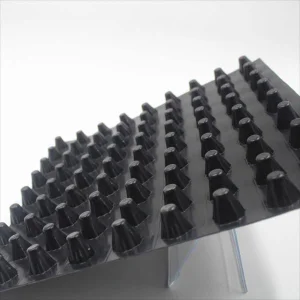
Provides water storage and effective root barriers for roof greening projects.
Proven engineering applications targeting water conservancy, environmental protection, and ground stabilization.
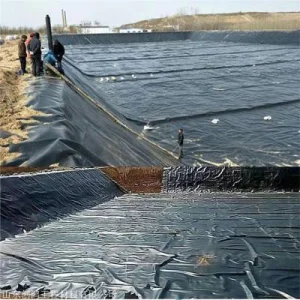
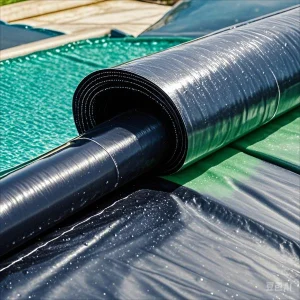
In municipal canals, dam linings, and river rehabilitation projects, our composite geomembranes prevent subgrade soil erosion and water loss. They provide robust barrier options that stand up to constant water flows and high hydraulic pressures.
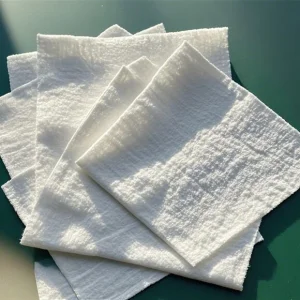
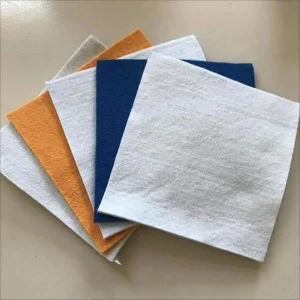
Modern landfills demand strict environmental isolation. Our multi-layered barrier designs, incorporating bentonite blankets, thick geomembranes, and heavy-duty protective non-woven geotextiles, guarantee long-term leachate containment.
In high-risk chemical storage facilities, we deploy heavy geomembranes underneath tank beds. This protects surrounding aquifers against hazardous fuel spills or long-term chemical leakage.
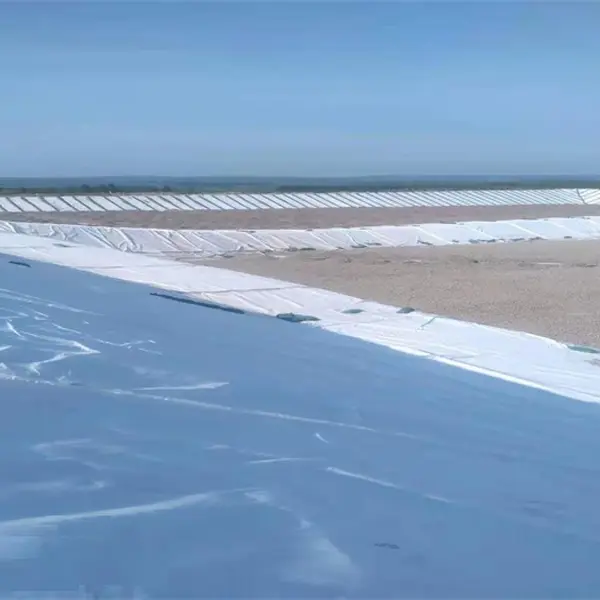
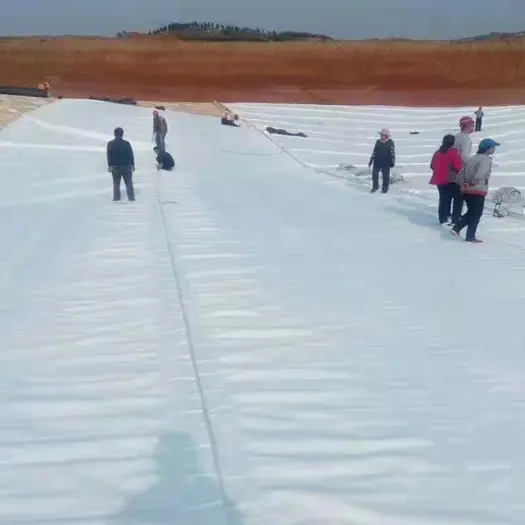
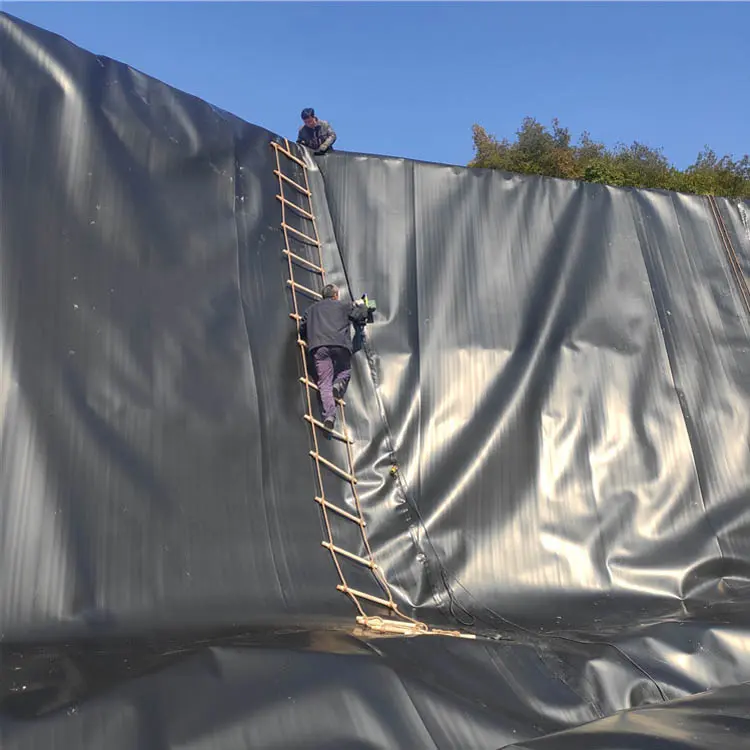
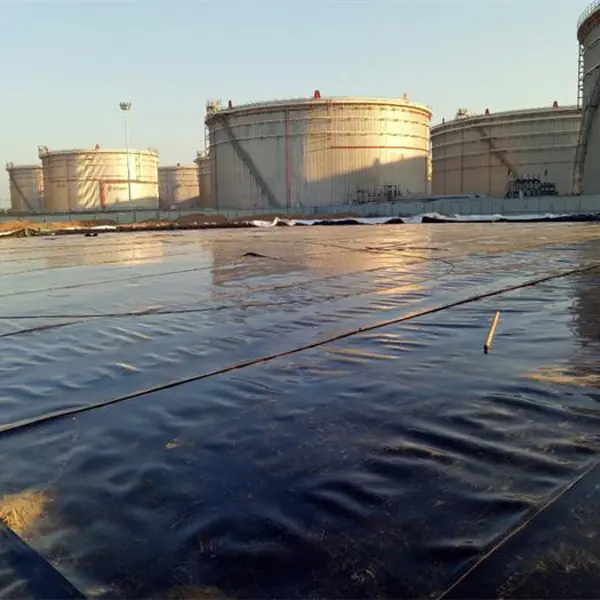
Tracing the technical roadmap of geosynthetic engineering from raw materials to QA inspection.
High-performance geotextiles and geogrids require precision polymer processing. At Shandong Hongyue, our operations utilize state-of-the-art automated manufacturing lines that govern molecular orientation and physical configuration.
By controlling parameters such as draw ratio, temperature profiles, and extrusion speeds, we ensure that every batch of geosynthetics achieves or exceeds international engineering requirements, providing predictable long-term performance.
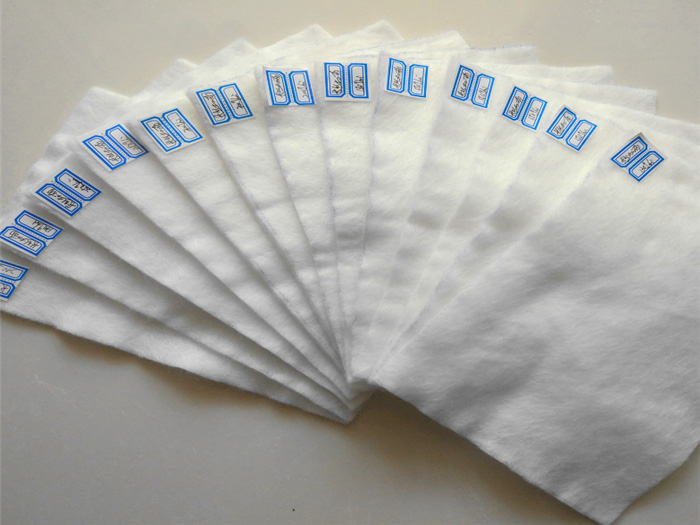
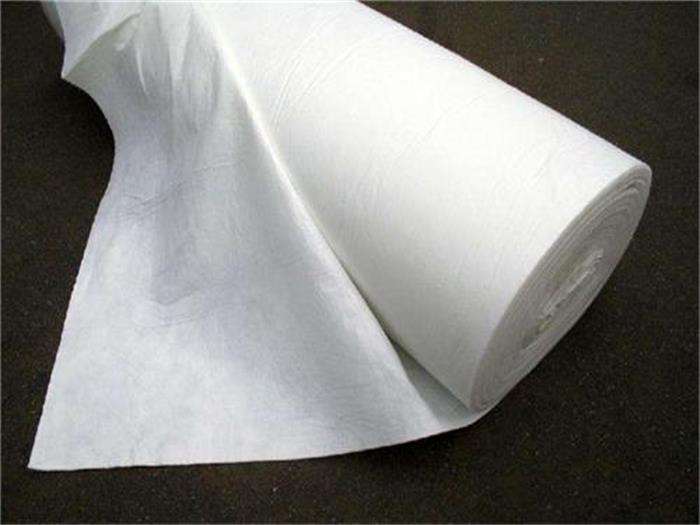
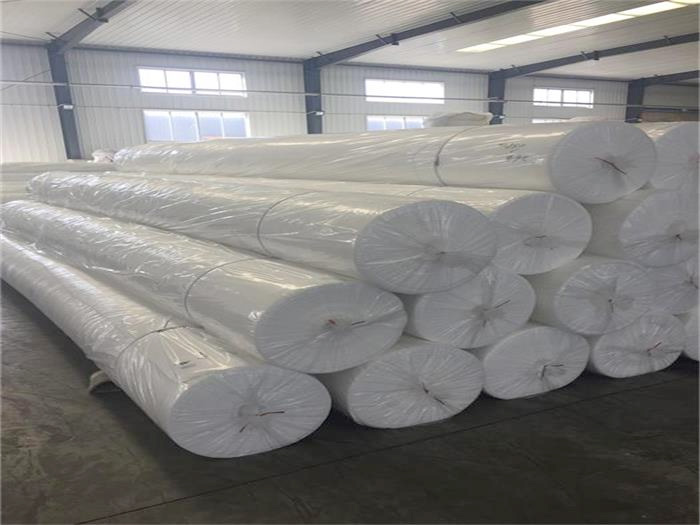
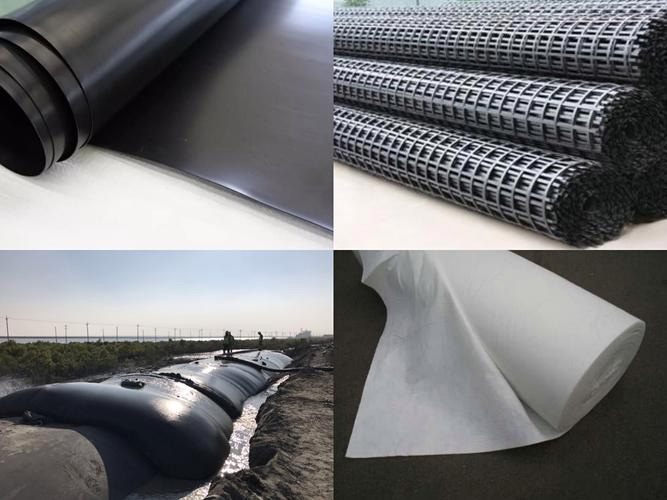
Successful containment projects rely on three factors: choosing the correct polymer formulation, implementing proper on-site seam welding protocols, and performing regular quality-control checks.
Every shipment undergoes rigid mechanical and chemical testing to ensure performance under real-world loads.
Shandong Hongyue Environmental Engineering Co., Ltd. operates a state-of-the-art testing facility staffed by geotechnical engineers with over a decade of industry experience. Every order is verified against Chinese and international standards, including ASTM and ISO norms.
Our testing includes index tests (tensile strength, junction strength, tear resistance, and carbon black dispersion) and performance tests (long-term creep, puncture resistance, and chemical compatibility). This comprehensive QC system ensures consistent performance and durability on large-scale infrastructure projects.
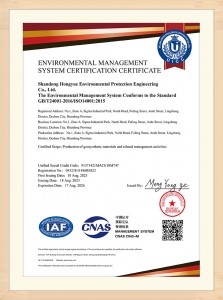
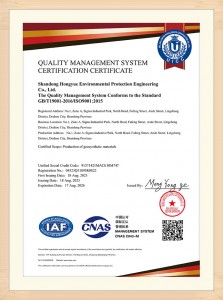
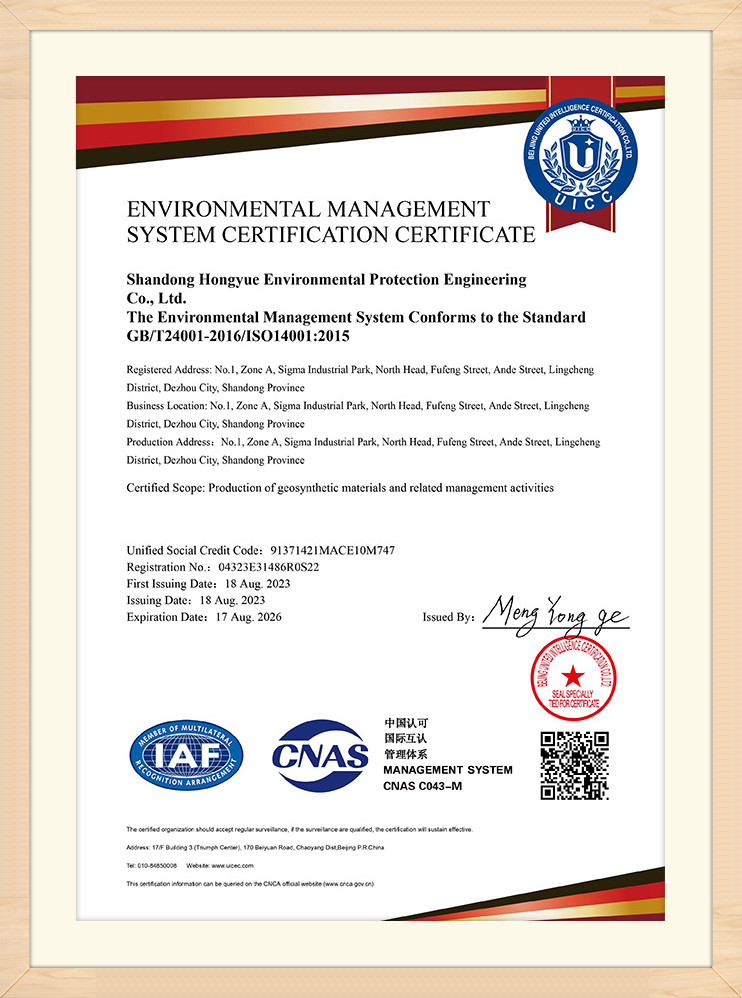
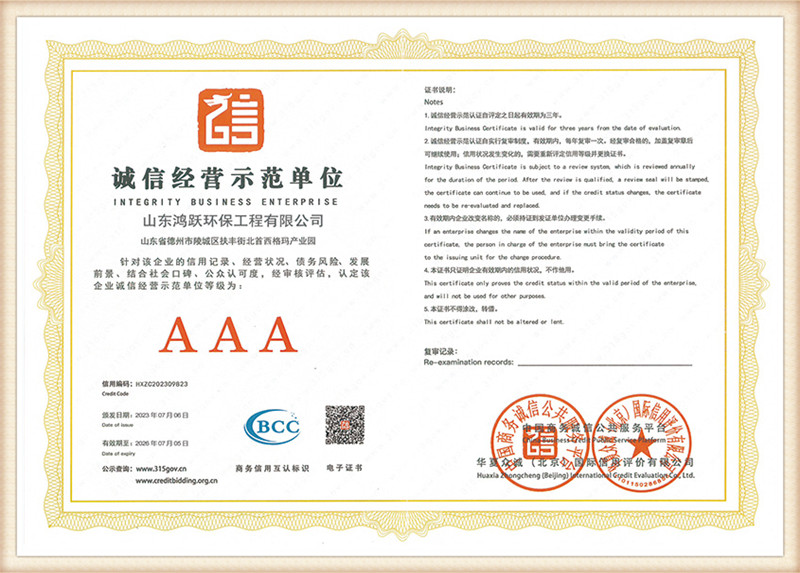
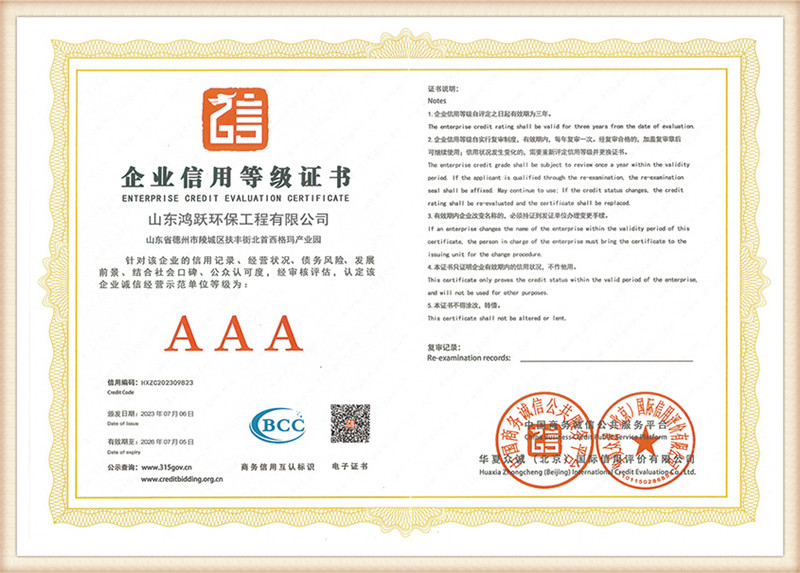
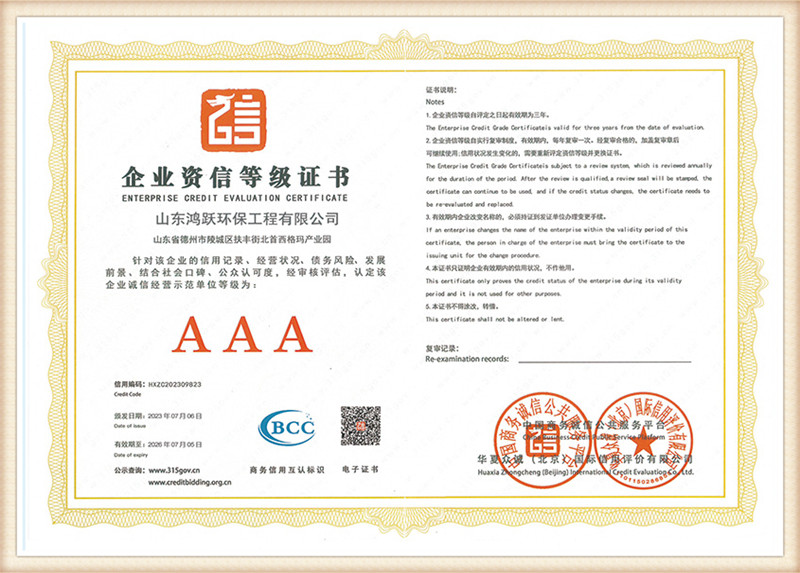
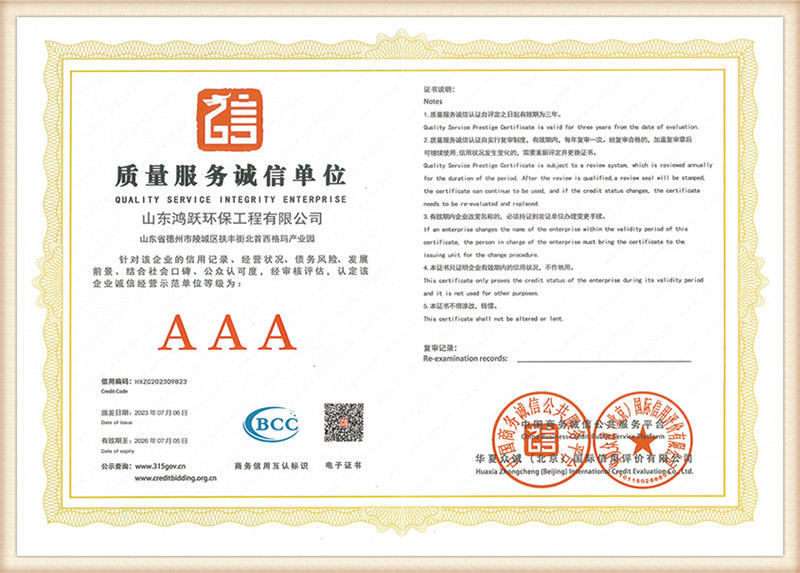
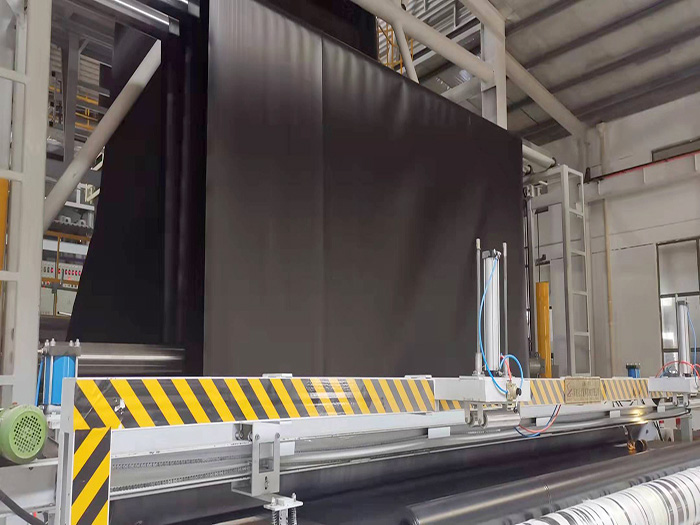
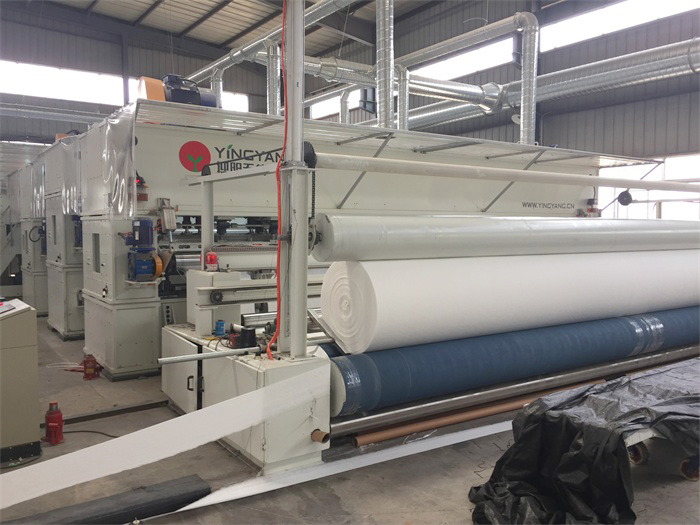
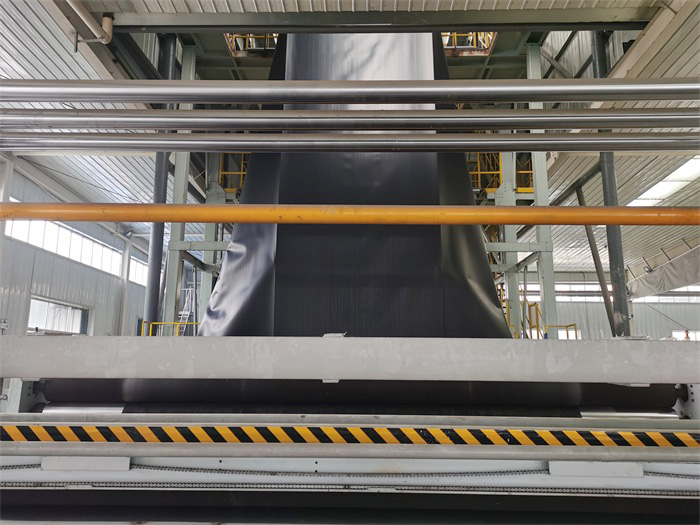
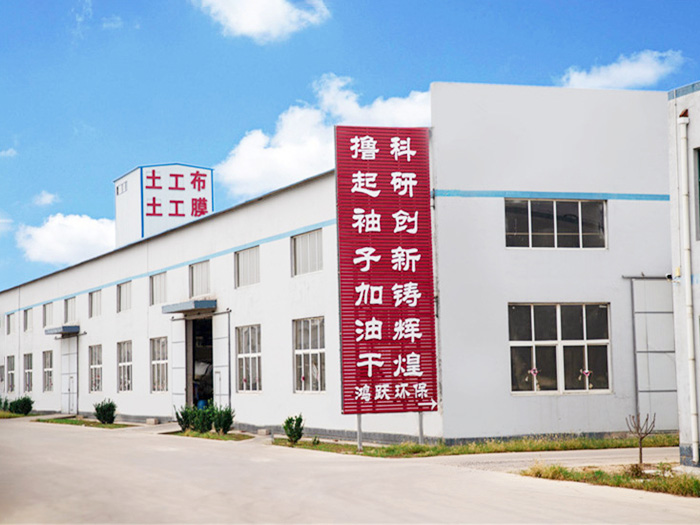
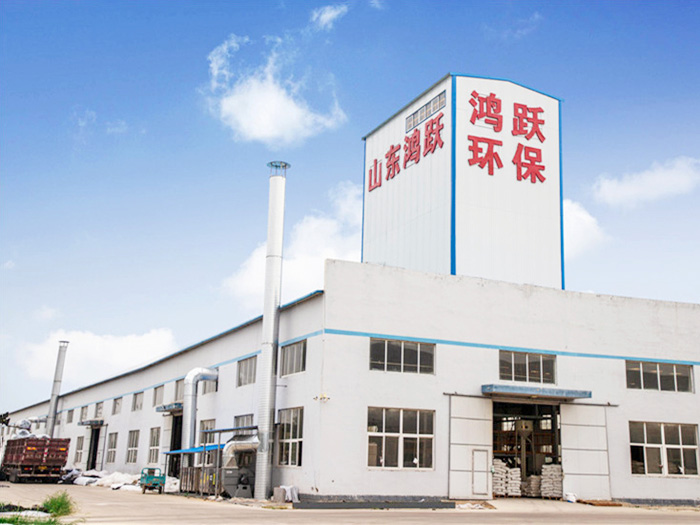
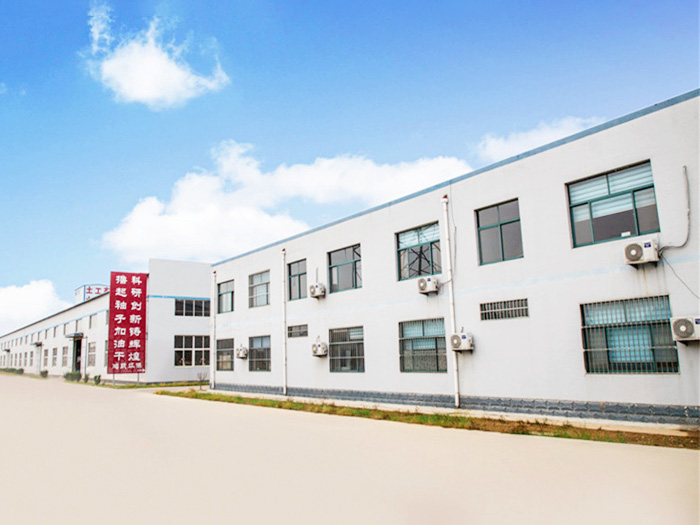
Inside China's premier geosynthetics production base in Dezhou, Shandong Province.
Our facility spans specialized halls for weaving, non-woven carding, sheet extrusion, and geogrid drawing. Supported by a skilled logistics team and proximity to regional transport networks, we maintain quick delivery times and reliable order processing for global engineering clients.
Real-world performance of our geosynthetic materials on international infrastructure and environmental projects.
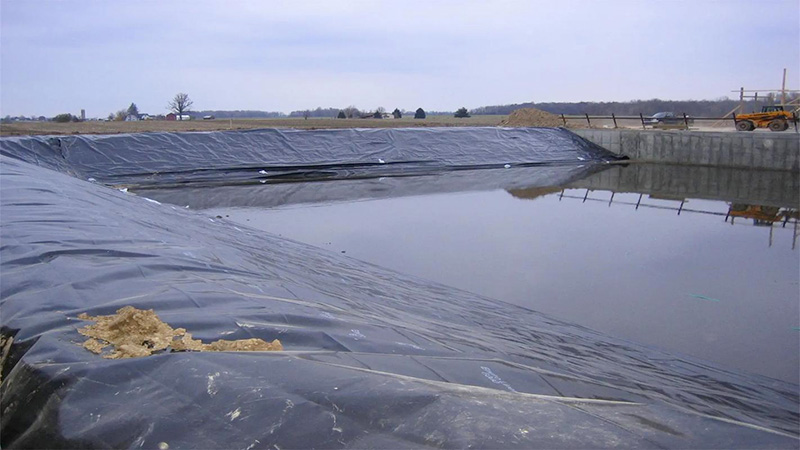
Reservoir Impermeable Lining Installation
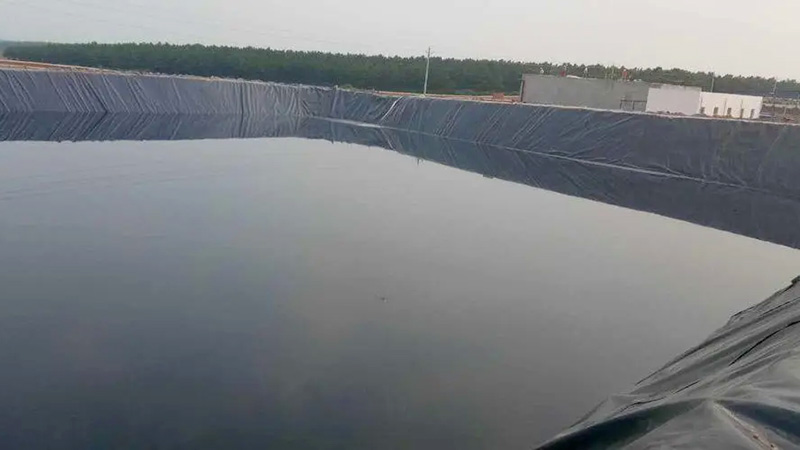
High-Pressure Levee Stabilisation Works
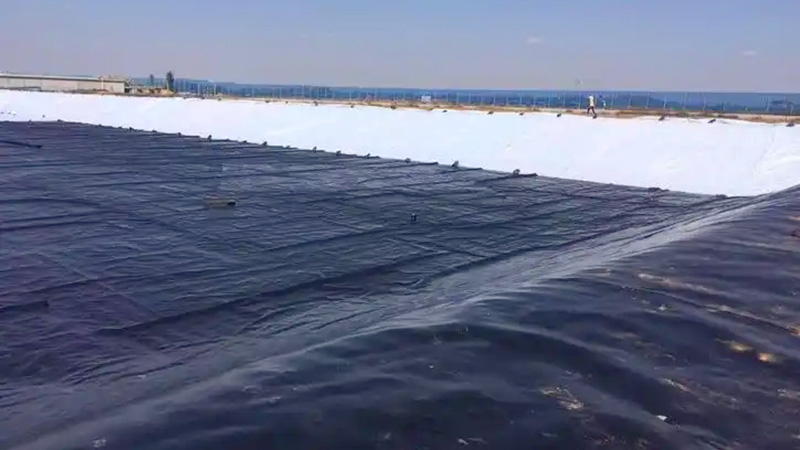
River Channel Erosion Prevention & Flow Control
In remote mining locations and logging routes, soft, waterlogged soils compromise heavy transport efficiency. Installing our bi-oriented geogrids increases base course stiffness, reduces deep rutting, and extends the operational intervals of unpaved heavy-haul roads.
High-speed rail and multi-lane highways require strict settlement control. Our geogrids reinforce the sub-ballast zone, mitigating dynamic track deflection and maintaining foundation stability under high-speed traffic cycles.
Stabilizing steep embankments and bridge abutments requires durable reinforcement. Our uniaxial geogrids provide dependable tensile resistance within Mechanically Stabilized Earth (MSE) walls, allowing engineers to design steep, space-efficient slopes safely.
How our Dezhou base ensures global compliance, cost advantages, and next-generation geosynthetic innovation.
Shandong Province is a major center for chemical and textile manufacturing, providing us with reliable access to high-grade polymer resins. Our facility in Dezhou is directly connected to regional highway networks, offering efficient overland transport to major shipping hubs like Qingdao and Tianjin Port.
This strategic location allows us to coordinate volume shipments and maintain steady lead times. Our partners benefit from streamlined logistics that minimize delays on critical infrastructure projects.
International construction projects require strict adherence to local engineering codes. Our laboratory is equipped to test materials under ASTM, EN, and ISO methods.
Whether meeting AASHTO criteria in North America, CE requirements in the European Union, or local standards in APAC and Middle Eastern markets, we supply complete, third-party certified verification documentation with every shipment.
We continue to invest in advanced geosynthetic research. Our current development pipeline focuses on high-modulus, low-creep polypropylene grids engineered for long-term load stabilization in demanding environments.
We are also researching sustainable options, including bio-based polymers for temporary soil stabilization and carbon-reinforced geosynthetics designed to maximize lifetime performance while reducing project footprints.
Expert technical answers to common queries regarding geogrids, geomembranes, and soil reinforcement systems.
Factory-direct supplies for construction, water management, and soil stabilization.
 Hongyue