Explore our high-performance geotechnical & structural filtration systems designed for extreme soil conditions
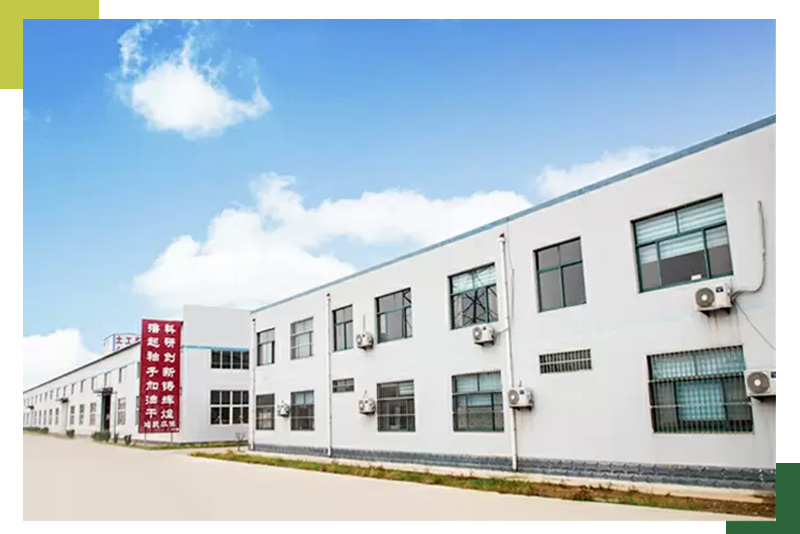
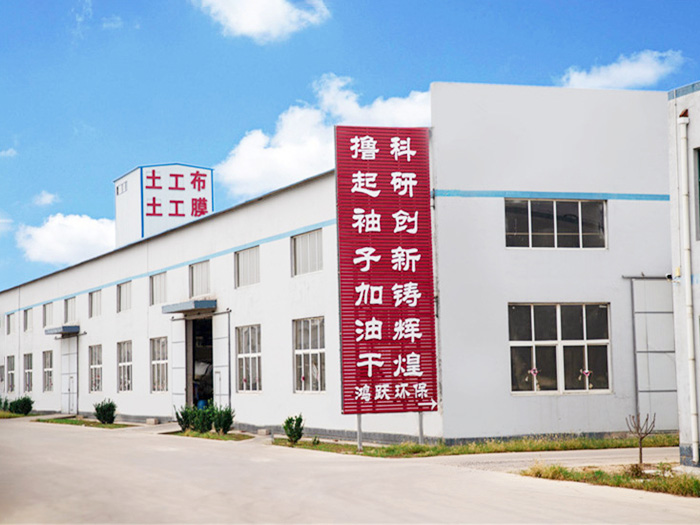
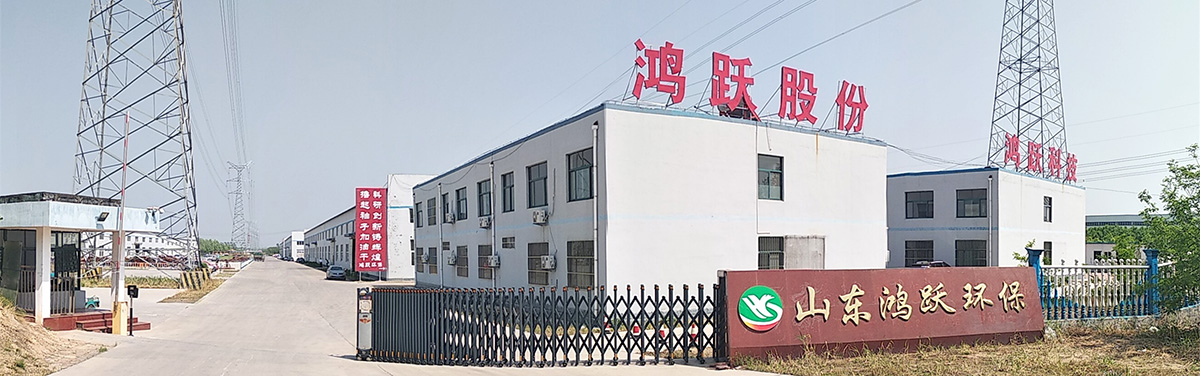
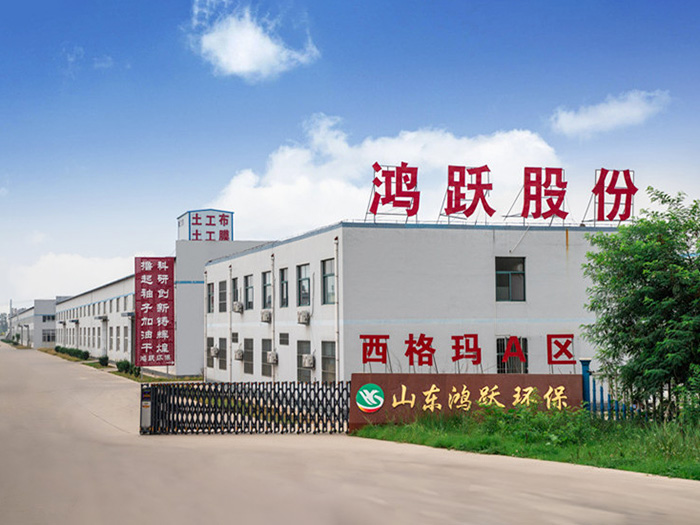
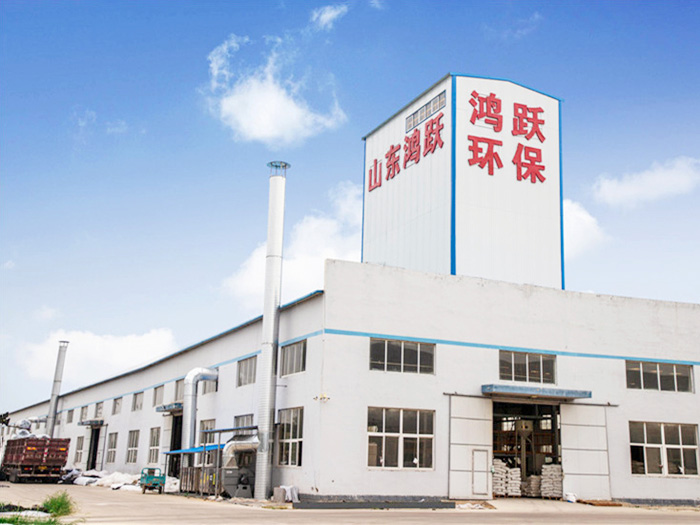
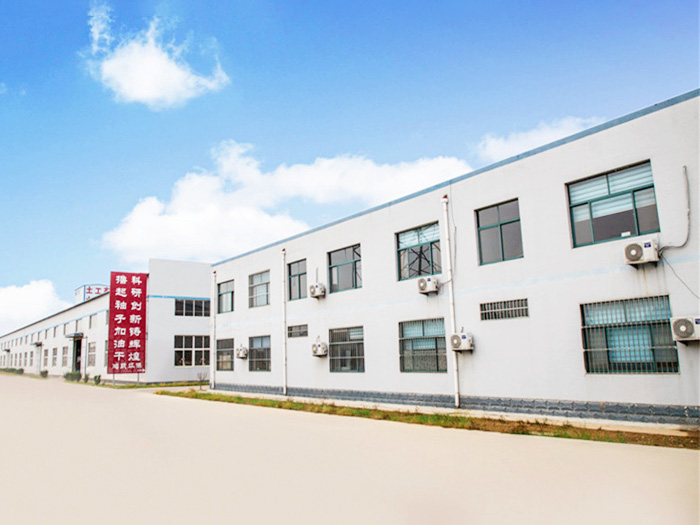
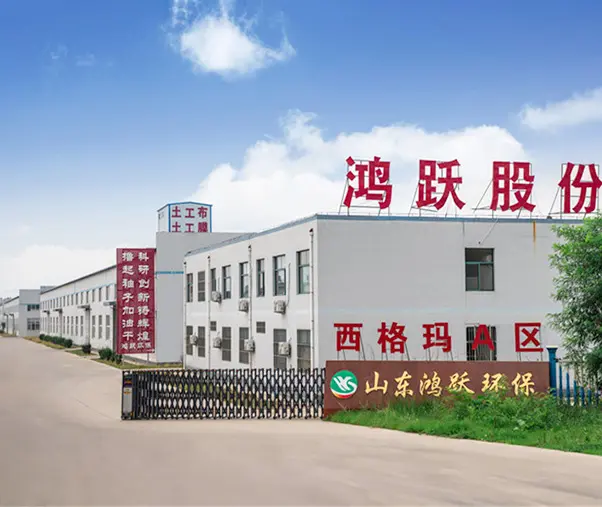
Located at the north end of Fufeng Street, Lingcheng District, Dezhou, Shandong Province, Shandong Hongyue Environmental Engineering Co., Ltd. is a scientific and technological geotechnical material manufacturer integrating engineering material production, sales, design, and construction services. The company was registered in the Lingcheng District Market Supervision and Administration Bureau of Dezhou City on April 6, 2023, with a registered capital of 105 million yuan. It stands as one of the largest production bases of geotechnical materials in China at present, possessing a superior geographical location and exceptionally convenient transport systems.
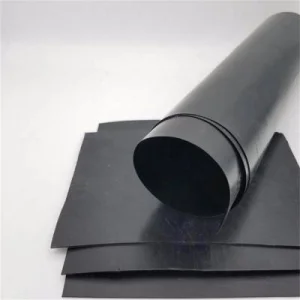
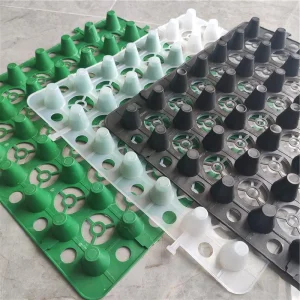
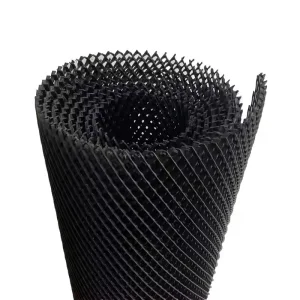
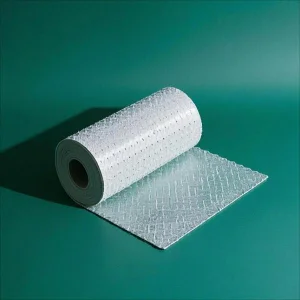
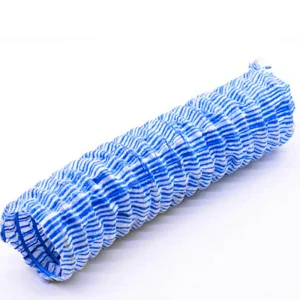
Since our establishment, we have developed rapidly, expanding our scope to provide holistic geotechnical solutions. Our main product line comprises premium geotextiles, geomembranes, composite geomembranes, waterproof boards, bentonite waterproof blankets, 3D composite drainage networks, (composite) drainage boards, weaving cloths, woven cloths, membrane bags, blind ditches, waterproof/drainage combinations, woven bags, ecological bags, cement blankets, fiber plant blankets, and flexible pervious pipes.
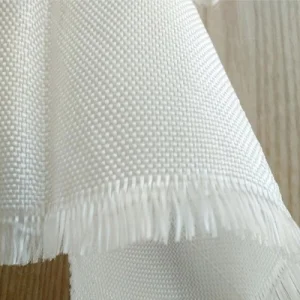
Our needle-punched non-woven and woven fabrics are specially treated for high permittivity and optimal Apparent Opening Size (AOS), ensuring long-term filtration under high hydraulic pressures typical in retaining walls.
Understanding hydrostatic pressure, soil erosion prevention, and long-term structural durability
Water build-up behind retaining walls is the number one cause of structural failure. Our geotextile fabric acts as a high-permeability barrier, allowing water to escape freely into the drainage zone while preventing fine soil particles from washing out.
By keeping structural backfill separate from native soils, our filter fabric prevents subgrade contamination. This maintains the mechanical strength of the gravel drainage channel, ensuring structural stability over a multi-decade design life.
Engineered from top-grade polypropylene and polyester resins, our fabrics withstand soil chemical variations, heavy alkalines, and UV radiation during construction phases, retaining over 80% tensile strength under harsh conditions.
For municipal and commercial retaining walls, specifying the correct geotextile class under the AASHTO M288 standard is paramount. Class 1 geotextiles are utilized for severe survivability conditions, whereas Class 2 and Class 3 are optimized for moderate and mild conditions. By selecting the correct elongation (woven vs. non-woven), engineers prevent fabric tearing during coarse aggregate placement, preserving the integrity of the hydraulic pathway.
Geotextiles are widely used in civil engineering materials, providing critical functions such as filtration, isolation, reinforcement, and protection. Our manufacturing process involves precise temperature, pressure, and mechanical adjustments, backed by modern technology and equipment to ensure unparalleled material uniformity.
The primary materials are high-grade polyester chips, polypropylene filament, and viscose fibers. Every batch undergoes strict index testing before storage to ensure thermal stability and chemical purity.
Polyester chips are melted at high temperatures and extruded via advanced screw extruders. Polypropylene and viscose fibers are systematically blended under precise heat and pressure controls.
The molten blend is extruded through custom spinnerets to form continuous micro-fibers, distributing them in an aligned, multi-directional web structure to maximize lateral tensile resistance.
The loose web undergoes mechanical or thermal needle-punching. In this stage, speed, needle density, and temperatures are optimized to increase the fabric's dimensional stability.
Cured fabrics are rolled, measured for length, width, and uniform density, and wrapped in protective UV-resistant polymer sheets for global ocean shipping.
Our onsite lab runs checks on tensile elongation, CBR puncture resistance, grab strength, and hydraulic flow rate to guarantee the roll complies with international certifications.
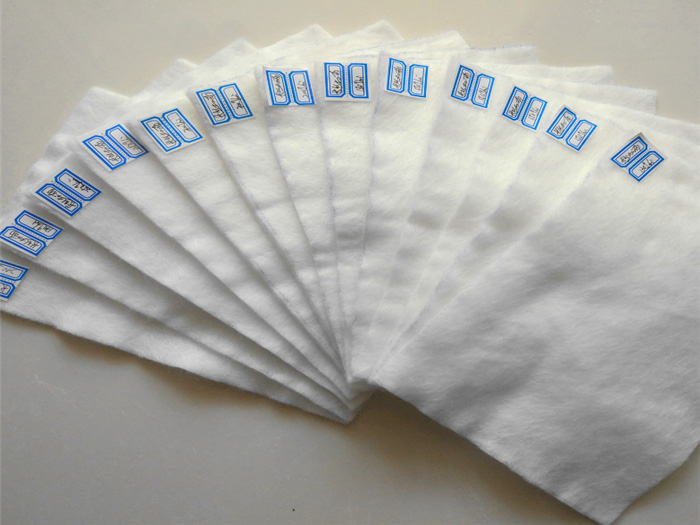
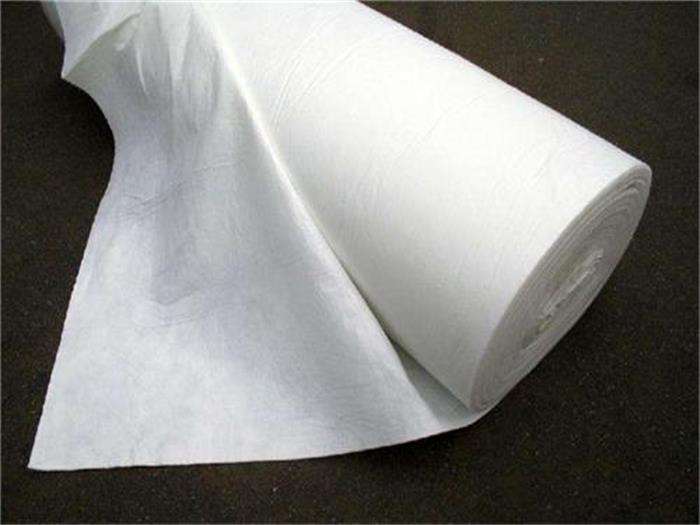
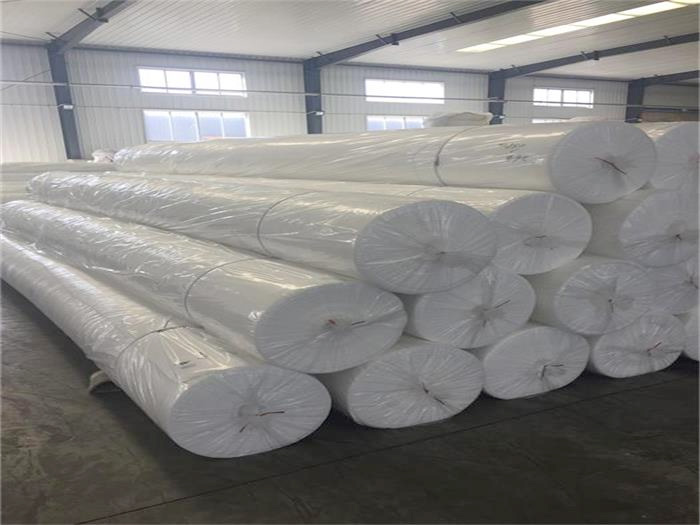
Our commitment to reliable, high-performance geosynthetics across global markets
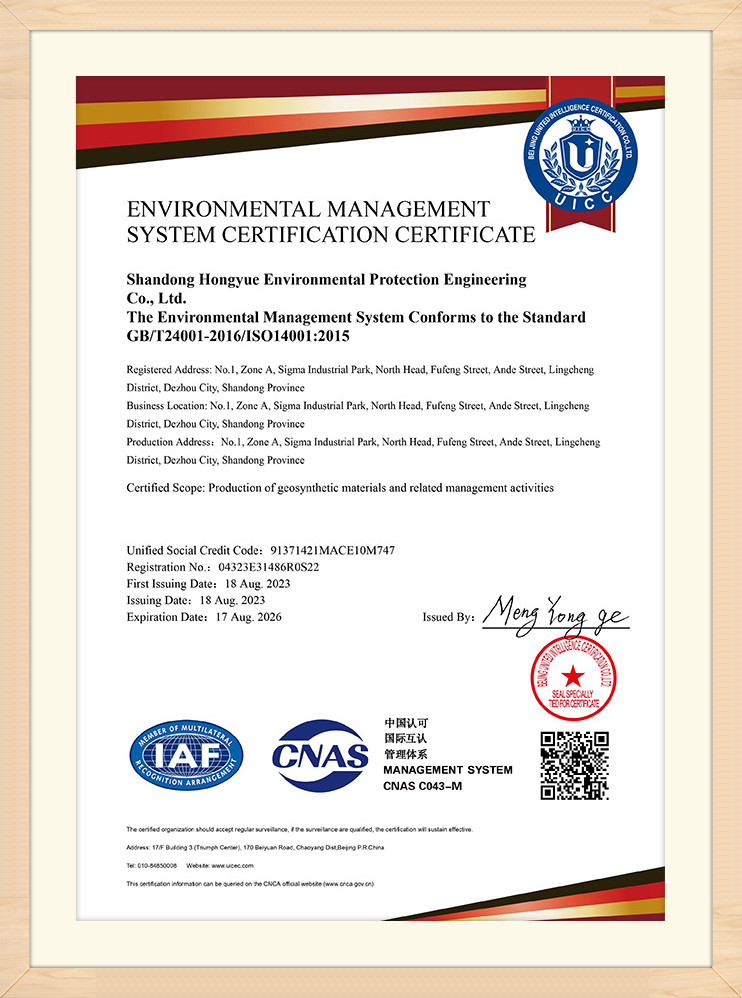
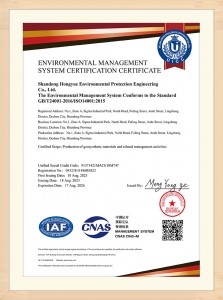
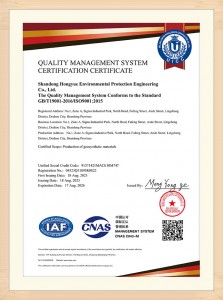
Shandong Hongyue Environmental Engineering Co., Ltd. has established a complete and scientific quality management system. We have successfully obtained the ISO9001 International Quality System Certification, ISO14000 Environmental System Certification, and ISO45001 Occupational Health and Safety Management System Certification.
Our products have won multiple awards and honors including "Green Building Materials Products", "No Consumer Complaints", "China Famous Brand", "High-Tech Industry", "Quality Service Double Excellent Unit", and "Provincial Poverty Alleviation Leading Enterprise".
We utilize state-of-the-art production technologies and testing instruments to verify the physical properties of our geotextile fabrics. The performance values of our products reach or exceed standard parameters, verified by the China National Testing Center and verified by random sampling inspections commissioned by the State Administration of Quality Supervision and Inspection.
Leveraging scale, geographical advantages, and technical consultation to optimize project budgets
China's manufacturing sector provides unmatched cost-efficiency due to local access to raw polypropylene and polyester chips. Lingcheng District, Dezhou, Shandong Province, is widely known as the hub of geotechnical material production in China.
This close concentration of raw materials and engineering specialists allows Shandong Hongyue to provide premium geotextiles at highly competitive wholesale rates. Combined with our massive 105 million yuan registered capital, we easily manage large-scale bulk orders for international infrastructure projects without compromising delivery timelines.
Convenient transportation routes are essential to prevent construction site delays. Our manufacturing plant in Dezhou is located close to key highways and railways, enabling fast transit to major shipping ports such as Qingdao and Tianjin.
Additionally, Shandong Hongyue has built an extensive domestic network with dedicated agencies in over 40 large and medium-sized cities, including Beijing and Shanghai, allowing us to coordinate complex international container shipments efficiently.
In retaining wall construction, material delivery delays can lead to open trench exposure, increasing the risk of soil collapse during rainy seasons. Shandong Hongyue's large manufacturing capacity guarantees continuous production run-rates, keeping bulk supplies aligned with structural site schedules.
Providing long-term barrier solutions and environmental containment
Geomembranes are critical geosynthetic barriers used for anti-seepage, isolation, and reinforcement in civil and environmental structures. In retaining wall drainage and landfill cells, selecting and installing these materials correctly prevents environmental contamination and water leaks.
Choosing the correct polymer base depends on the chemical exposure of the site. High-Density Polyethylene (HDPE) provides excellent chemical resistance and durability, making it ideal for landfills. Linear Low-Density Polyethylene (LLDPE) provides higher flexibility, which is beneficial for irregular terrains. Standard thicknesses range from 0.3mm to 2.0mm.
Before laying the geomembrane, the subgrade must be level and free of sharp rocks or organic debris. Depending on the design, the membrane can be laid flat or folded. Seam joints must be thermal-welded to prevent leaks, and anchors should be used to fix the membrane securely to the subgrade.
Regular inspections are necessary to identify potential damage or aging in the exposed areas of the geomembrane. The surface should be kept clean of debris, and sharp tools should be avoided near the material to prevent puncture damage.
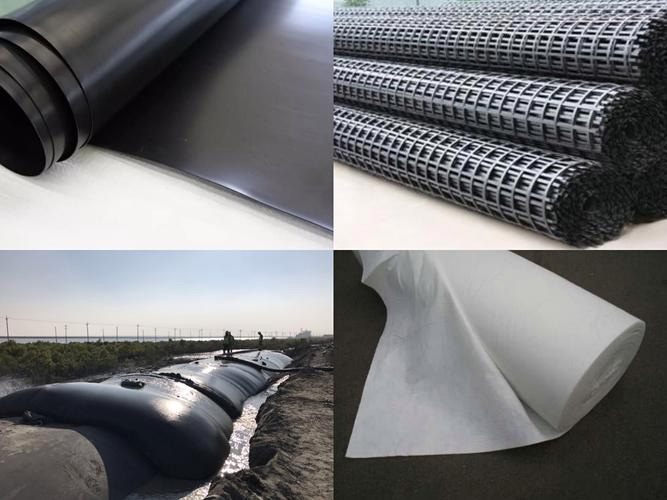
Field-proven performance across reservoirs, canals, levees, and drainage networks
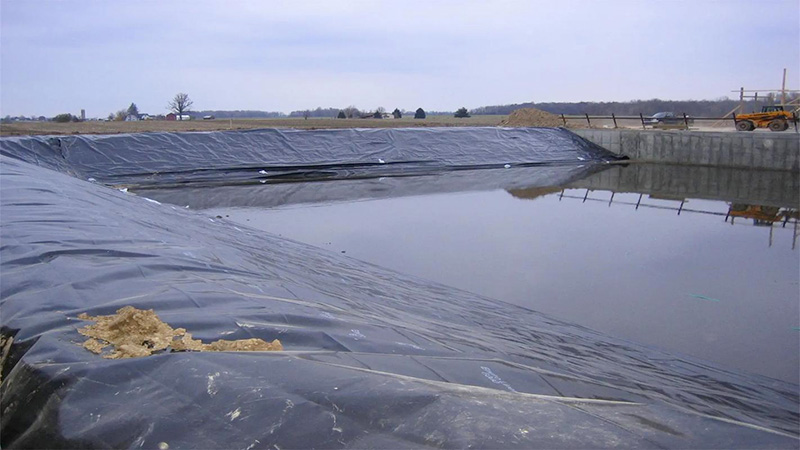
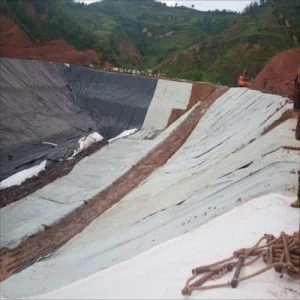
Reservoirs are often built in valleys with complex geological profiles. Incorporating geomembranes and protective geotextile cushions prevents leakage between the reservoir bottom and the rock foundation, improving overall stability.
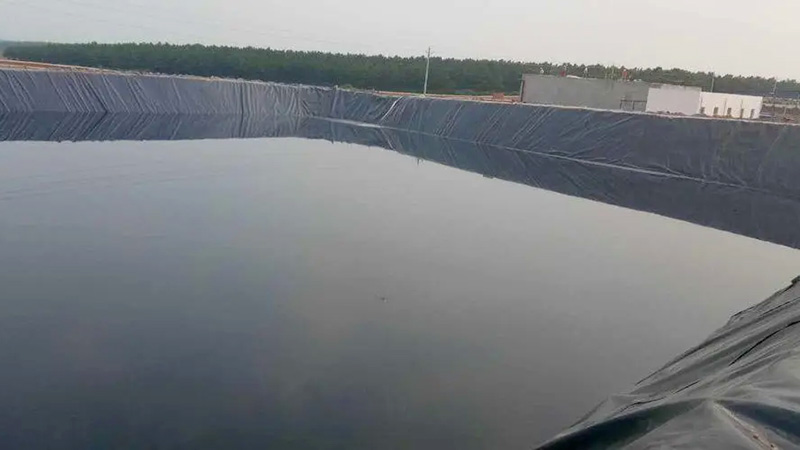
Levees protect low-lying communities from floods. During high-water events, unpredictable seepage paths can develop within the dike. Incorporating a geotextile filter fabric prevents soil piping and internal erosion.
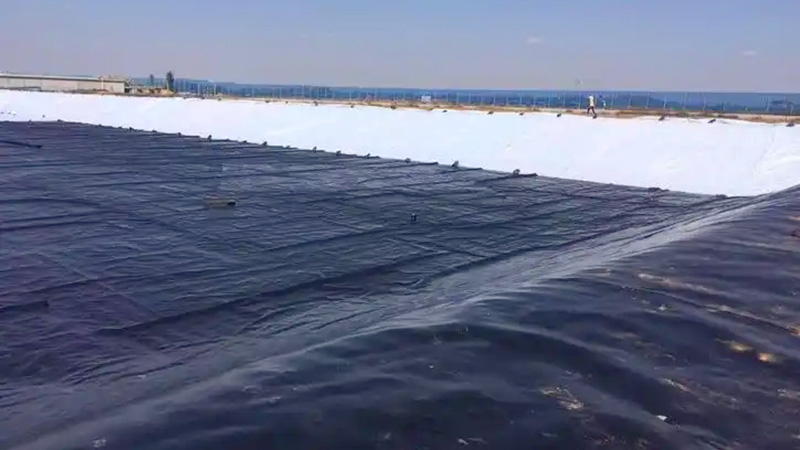
Channels control regional water flow and irrigate agricultural zones. Geosynthetic linings prevent lateral water loss, stabilize soil banks against high-velocity flows, and improve local water resource management.
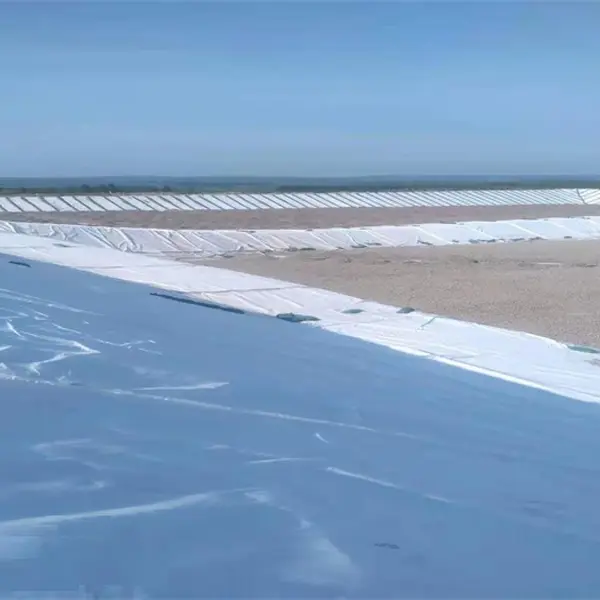
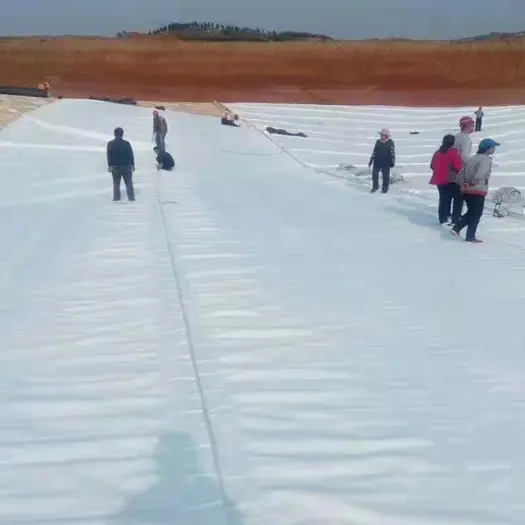
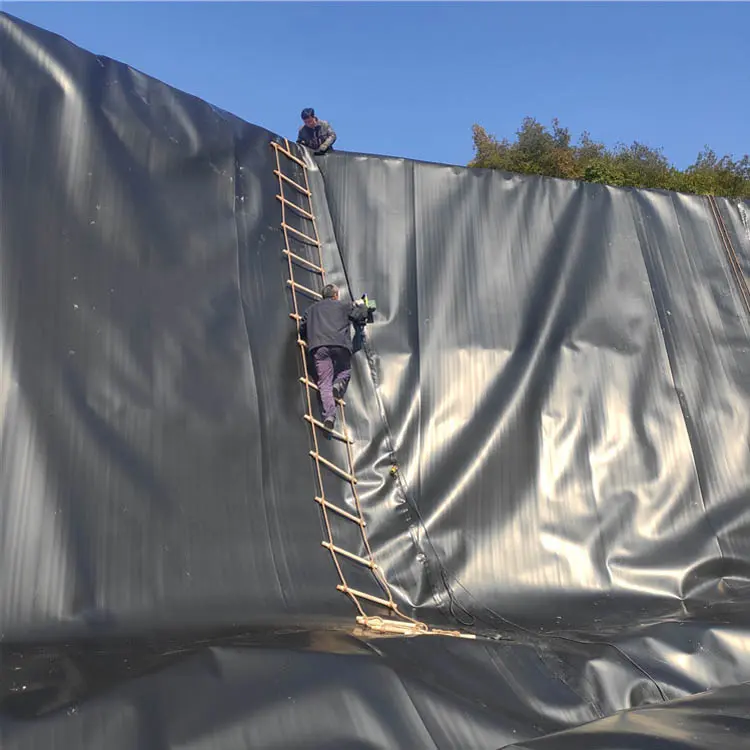
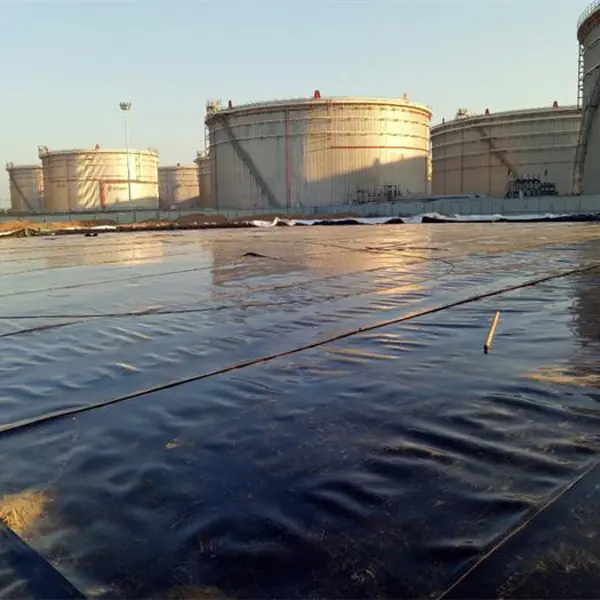
Continuous quality monitoring and bulk product storage capacity
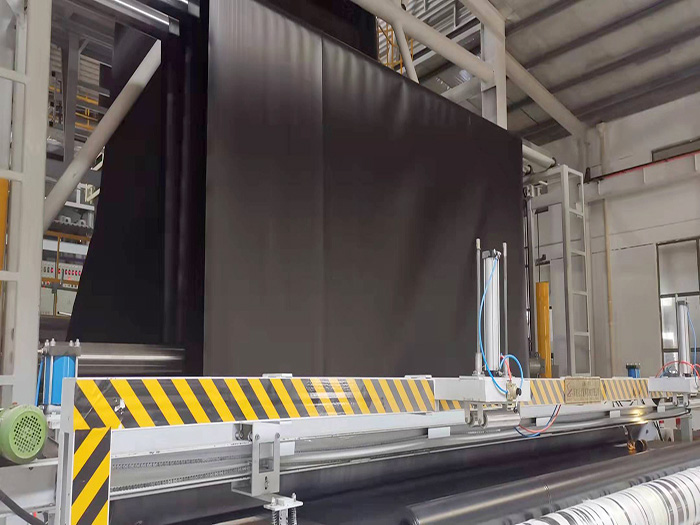
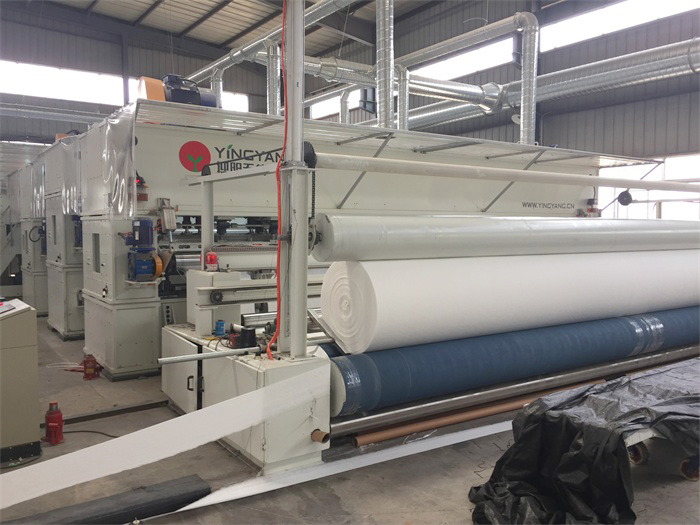
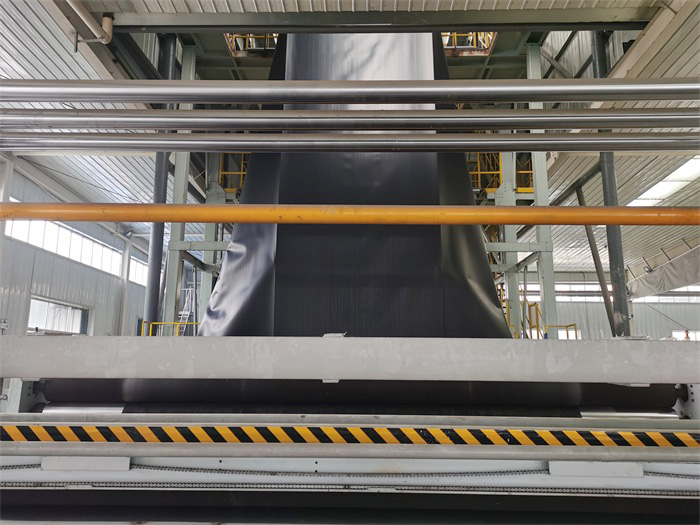
High-grade geocells, geogrids, and drainage boards for heavy load stabilization
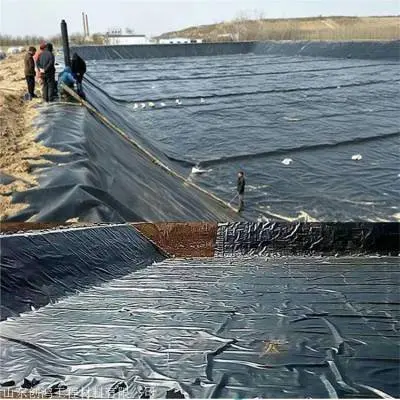
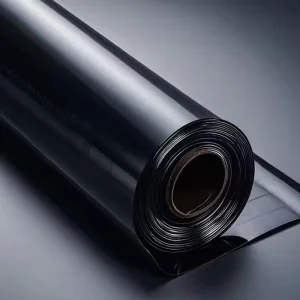
Durable, non-toxic waterproof membranes designed to prevent water loss in aquaculture projects.
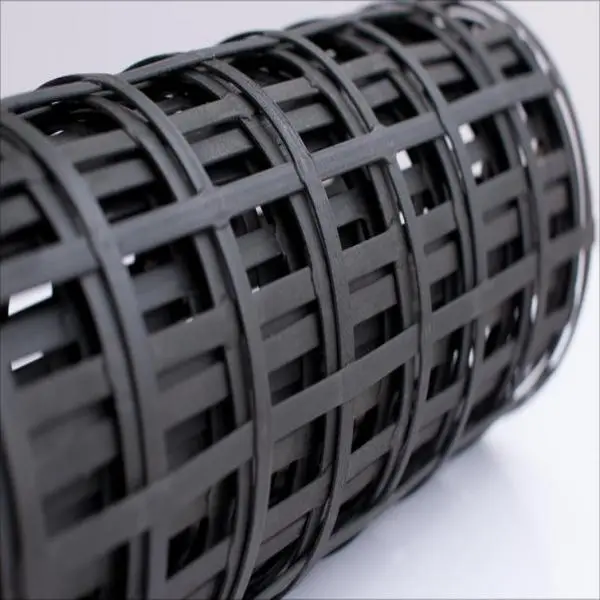
High-tensile reinforcement grids designed to distribute loads across soft subgrades.
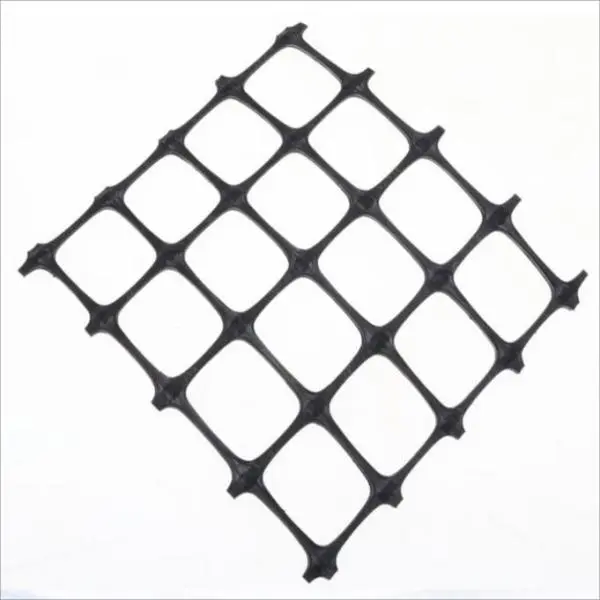
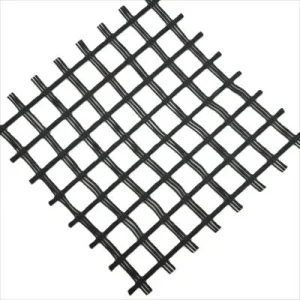
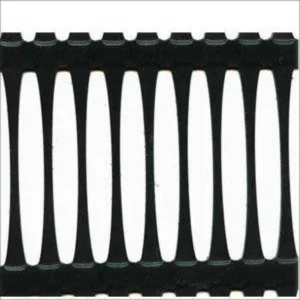
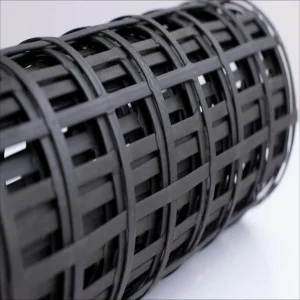
Biaxial and uniaxial plastic geogrids designed to stabilize highway foundations.
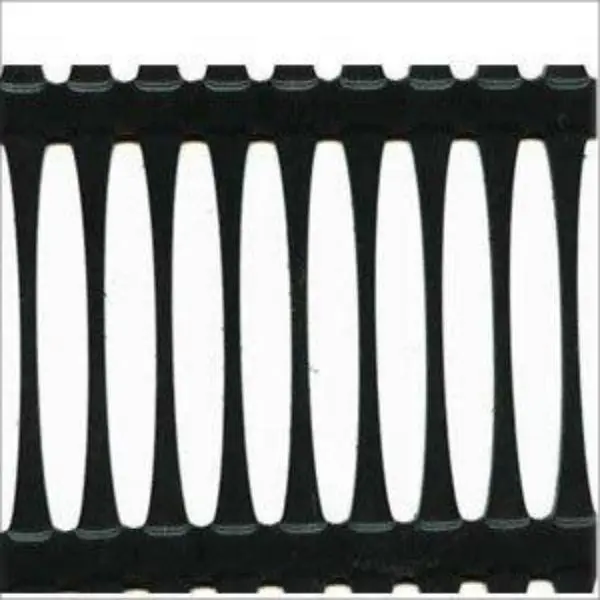
Engineered to support heavy soil loads in retaining walls and steep slope designs.
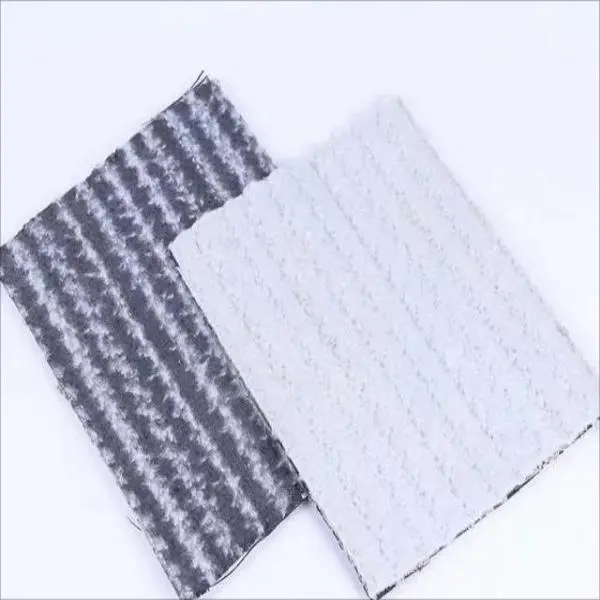
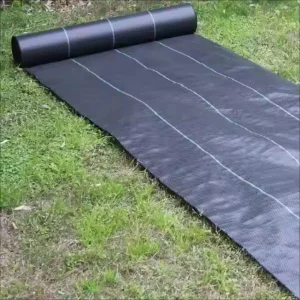
Innovative composite concrete fabric that hardens upon hydration to protect slopes.
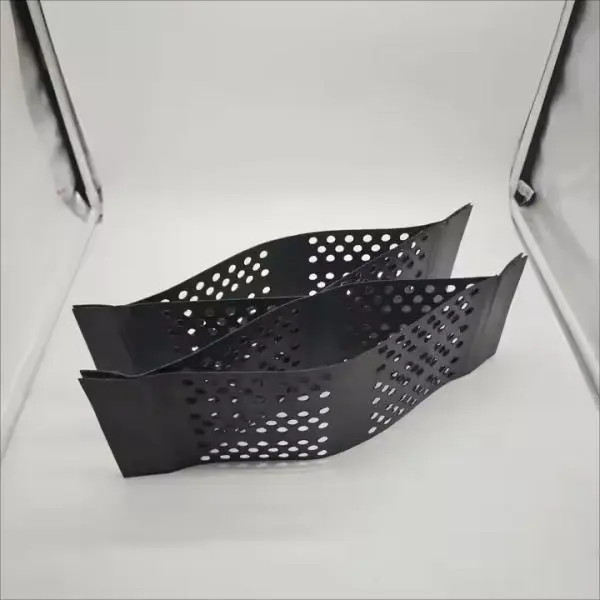
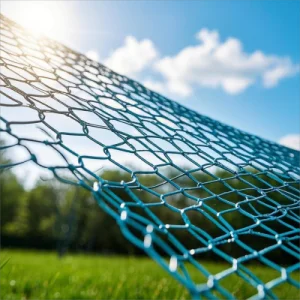
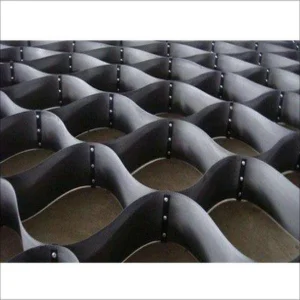
Three-dimensional cellular confinement systems designed for slope protection.
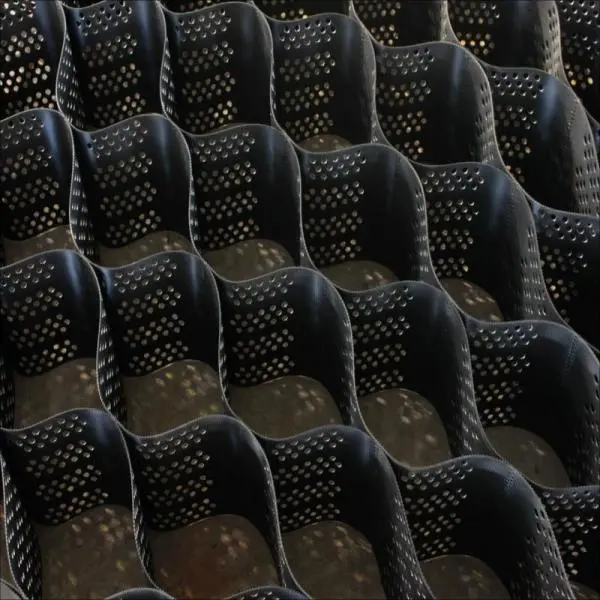
High-density confinement cells designed to stabilize soft subgrade foundations.
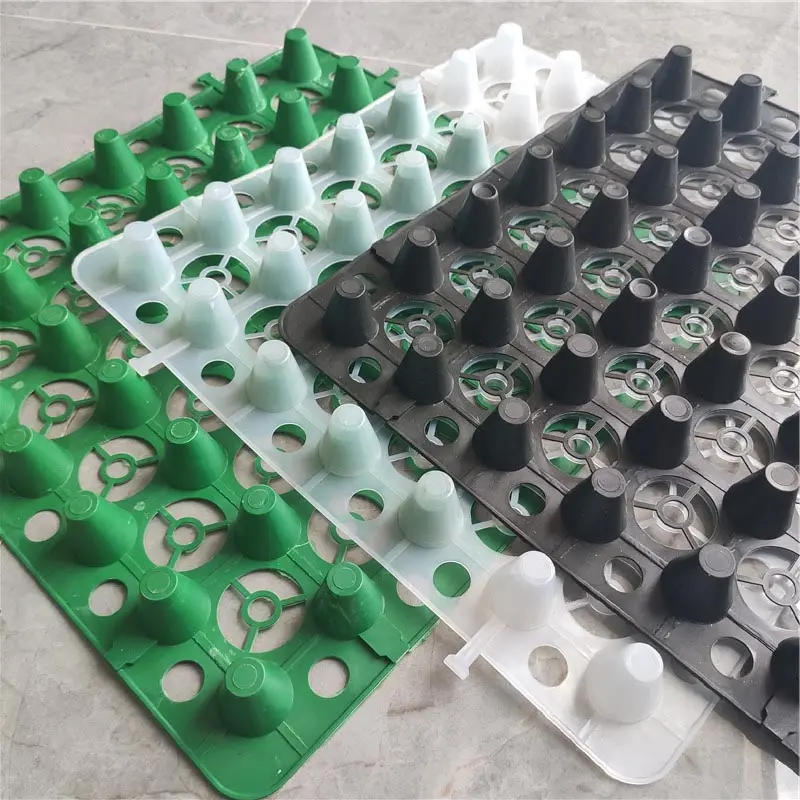
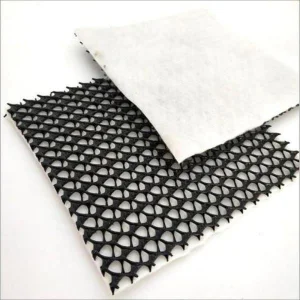
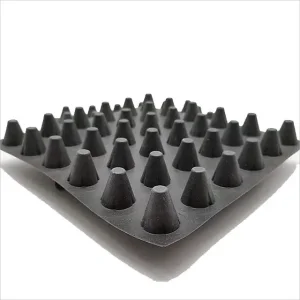
Lightweight drainage boards designed to protect underground structures from water build-up.
How we streamline the procurement process for international civil contractors
We provide full verification documentation, including Tensile Strength, CBR Puncture, UV Resistance, and Permittivity rates, ensuring our geotextile fabrics meet localized project design specifications.
To reduce waste and speed up installation, we customize geotextile roll widths from 2m to 6m, and lengths up to 100m, depending on the requirements of the project site.
Our export team manages customs clearances, coordinates maritime shipping, and provides regular tracking updates to deliver geosynthetics directly to your construction sites worldwide.
Addressing engineering, installation, and procurement questions for project managers
Non-woven needle-punched geotextiles feature a three-dimensional pore structure with high permittivity, enabling water to drain through the fabric while retaining fine soil particles. Woven geotextiles, while having higher tensile strengths, have lower water flow rates and are more prone to clogging, making them better suited for stabilization and reinforcement rather than critical drainage filtration.
The key properties to consider are Permittivity (ensuring water flows through the fabric faster than the soil drains), Apparent Opening Size (AOS, ensuring the pore size matches the grain distribution of the native soil to prevent piping), and Puncture Resistance (ensuring the fabric withstands contact with sharp aggregate backfill).
Yes. We customize width, roll length, thickness, unit weight, and tensile configurations to match specific project requirements. We also offer custom UV stabilizer additives for geotextiles that will be exposed to sunlight during installation phases.
Our manufacturing processes follow ISO9001 quality management protocols. Our in-house testing lab evaluates every production batch, and we provide material test reports (MTRs) certifying that our products meet or exceed the required project specifications.
Our products hold CE certification and comply with ISO9001, ISO14001, and ISO45001 standards. We have also passed independent audits by the China National Testing Center, confirming compliance with international civil engineering requirements.
Explore our complete product catalog for environmental containment and subgrade reinforcement
 Hongyue