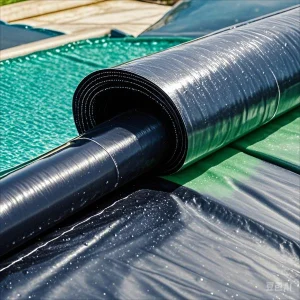
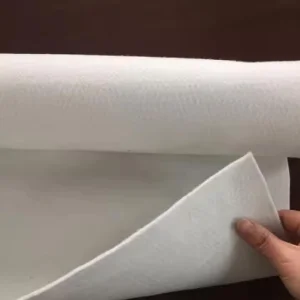
Premium geosynthetic solutions engineered for civil infrastructures, environmental containment, and heavy-duty stabilizing operations.
In modern civil engineering and infrastructure design, the interface between aggregate courses (such as gravel, crushed stone, or ballast) and the underlying subgrade soil is a critical zone of structural vulnerability. Without a stabilizing medium, mechanical stress from cyclic loading induces subgrade soil pumping and aggregate intrusion. Muddy subgrade soils migrate upward into the clean gravel layer, filling voids and completely destroying its load-bearing capacity and drainage properties. Concurrently, aggregate particles sink into the soft soil, leading to localized shear failure, ruts, and catastrophic structural failure.
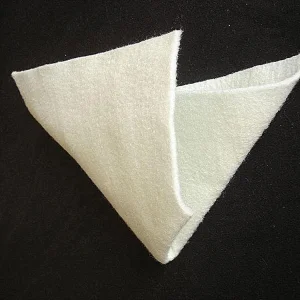
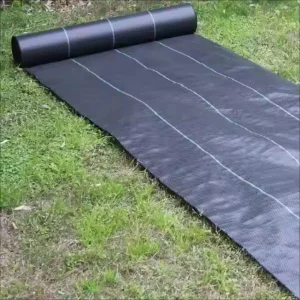
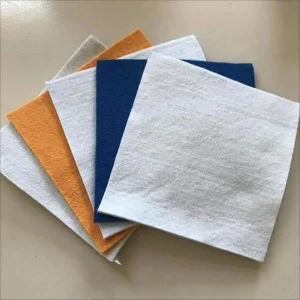
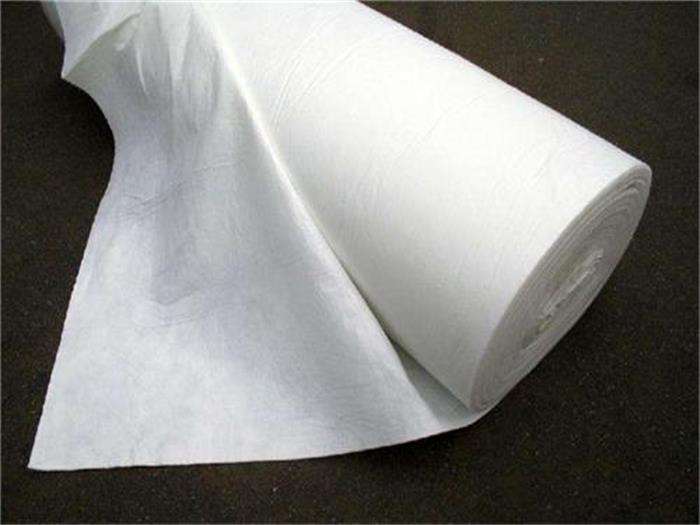
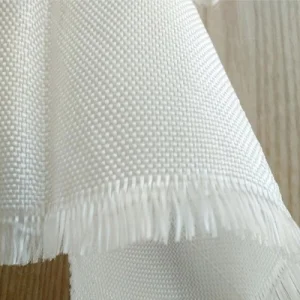
Integrating a high-performance geotextile fabric under gravel serves three main functions:
When engineering gravel bases for highways, railways, and commercial parking lots, design engineers must evaluate geotextile fabrics based on precise hydraulic and physical properties. Key parameters include grab tensile strength (typically specified in Newtons/lbs according to ASTM D4632), CBR puncture resistance (ASTM D6241), apparent opening size (AOS, ASTM D4751), and permittivity (ASTM D4491).
Using sub-standard, recycled-fiber geotextiles under gravel runs the high risk of premature polymer oxidation, clogging, and mechanical tearing under heavy construction traffic. Shandong Hongyue Environmental Engineering Co., Ltd. utilizes 100% virgin polyester (PET) and polypropylene (PP) polymers, ensuring long-term chemical durability in pH environments ranging from acidic mining soils to alkaline concrete washouts.
A leading scientific and technological geotechnical material manufacturer integrating advanced production, custom design, and global logistics support.
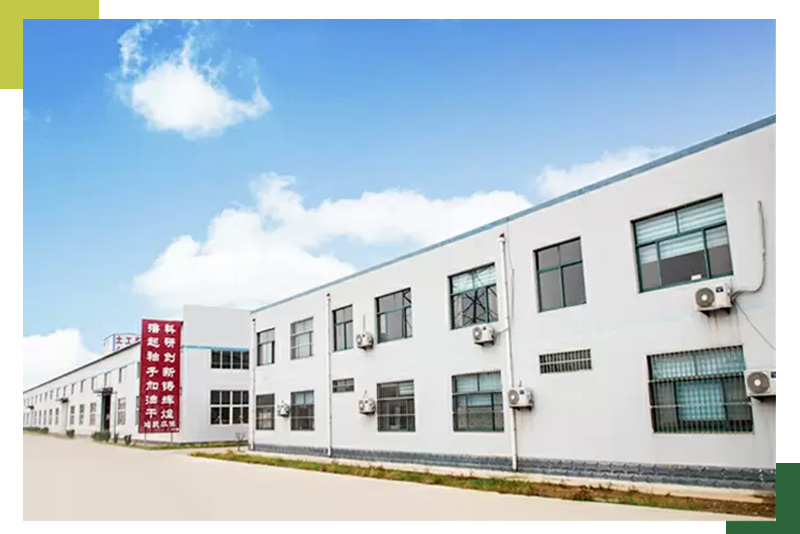
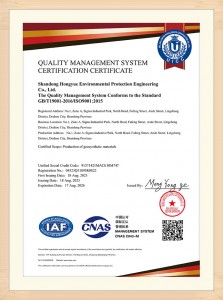
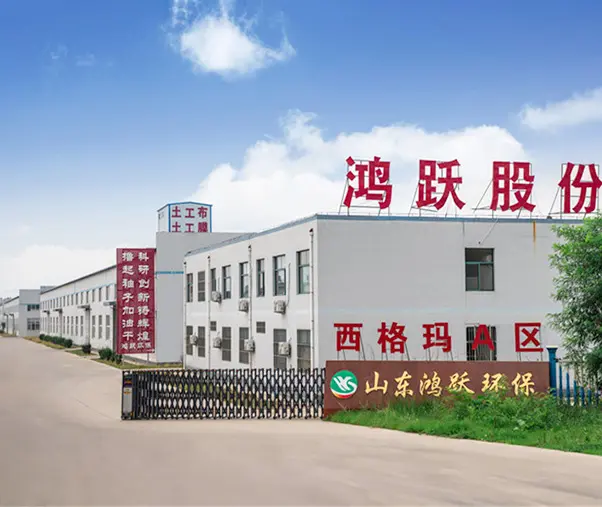
Established on April 6, 2023, and registered under the Lingcheng District Market Supervision and Administration Bureau of Dezhou City, Shandong Province, Shandong Hongyue Environmental Engineering Co., Ltd. has a registered capital of 105 million yuan. Headquartered in one of China's largest manufacturing clusters for geotechnical materials, our enterprise has built a comprehensive infrastructure that meets demanding global project standards.
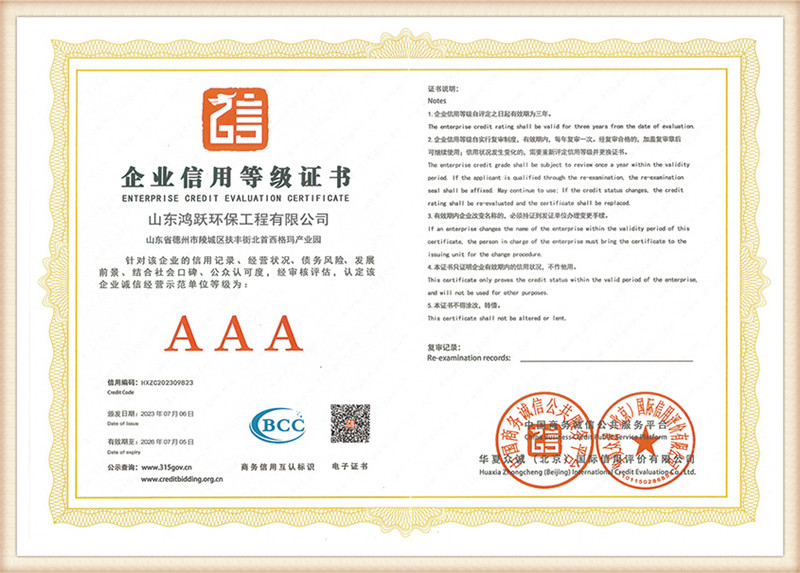
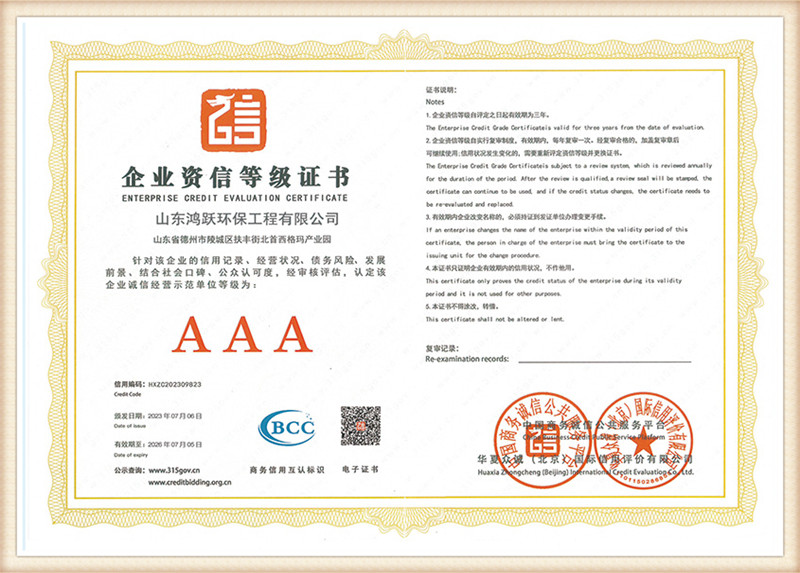
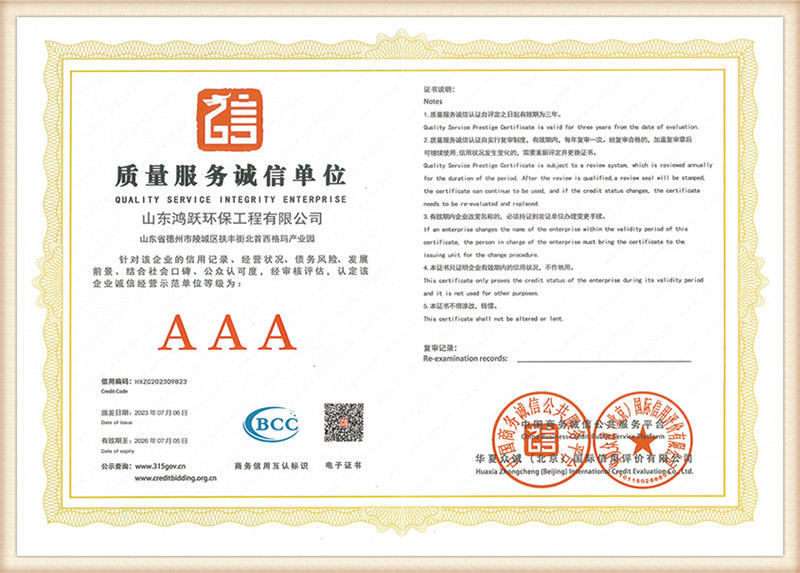
How we engineer high-performance needle-punched and woven geotextiles from raw polymers to certified rolls ready for site installation.
We source premium polyester (PET) chips, polypropylene (PP) filament, and viscose fibers. These materials undergo raw chemical stability testing, ensuring high resistance to mechanical stresses and long-term soil acids.
Polyester slices are melted at precise high temperatures and extruded through screw extruders. Polypropylene filament and viscose fibers are mixed to obtain the exact mechanical properties requested by the design blueprints.
The molten polymer mix is forced through advanced spinnerets to form highly uniform microfibers. These fibers are laid onto conveyor systems to form a homogeneous, isotropic cross-lapped network structure.
The fiber web is passed through automated needle looms. Thousands of barbed needles mechanically entangle the fibers. We carefully control needle density, speed, temperature, and draft ratio to ensure high puncture and tear strength.
Once draft cured, the geotextile fabric is rolled, measured for length and width, and trimmed. The thickness is continuously monitored via electronic sensors to verify compliance with mill specifications.
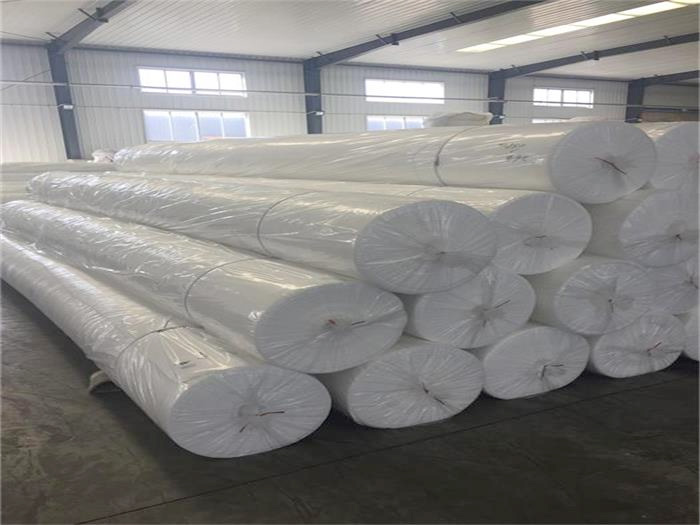
Before leaving the factory, samples from every batch undergo tensile testing, apparent opening size (AOS) verification, and water flow analysis. Only certified rolls are cleared for global distribution.
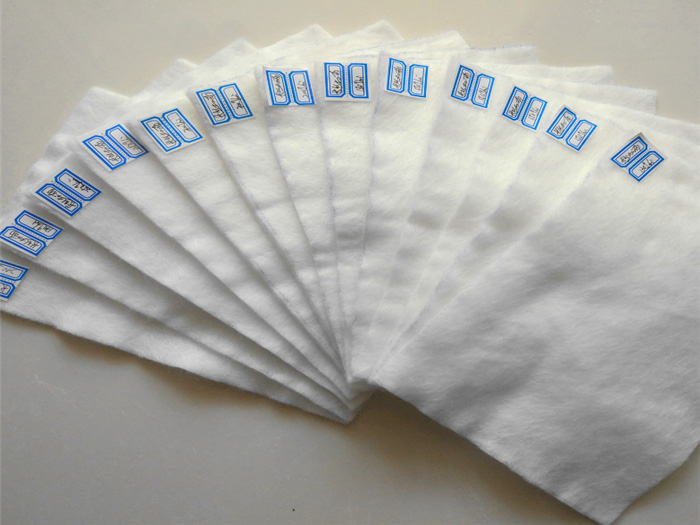
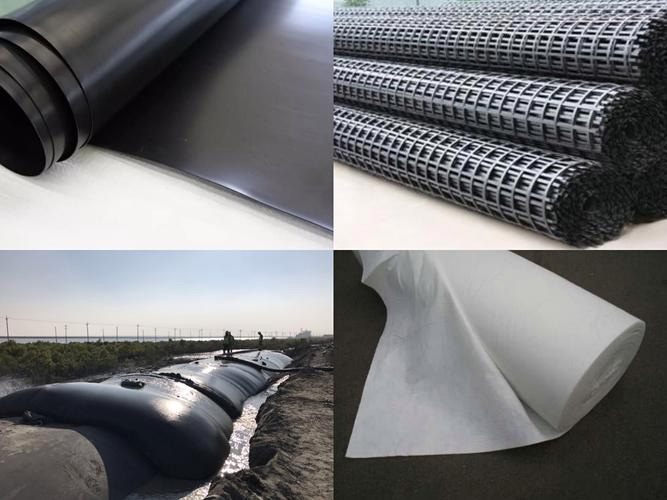
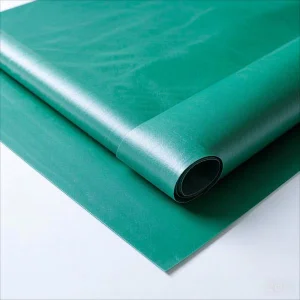
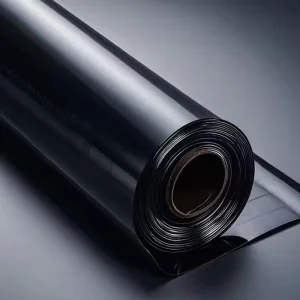
For applications where liquid containment and absolute seepage prevention are required alongside mechanical stabilization (such as chemical basins, landfills, reservoir beds, and oil containment areas), combining geotextiles with high-density polyethylene (HDPE) or linear low-density polyethylene (LLDPE) geomembranes is the industry standard.
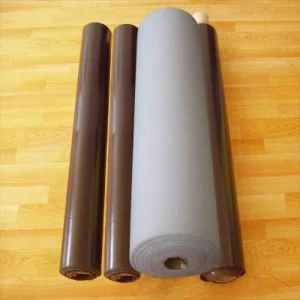
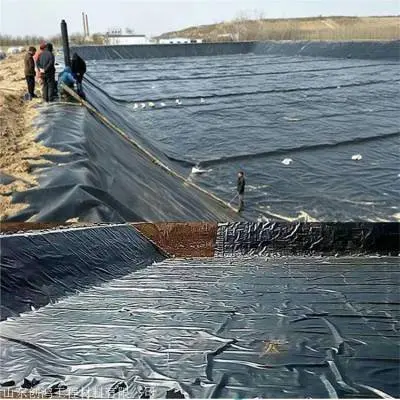
In these composite configurations, the geotextile fabric acts as a protective cushion under and above the geomembrane liner. It prevents jagged stones and subgrade gravel from puncturing the impermeable membrane during backfilling and operational loading.
Subgrade Preparation: The site must be completely leveled, compacted, and cleared of all sharp objects. Laying Methods: Unroll the geomembrane and protective geotextile down slopes to prevent wrinkles. Joint Treatment: Join adjacent panels using dual-track hot wedge welding or extrusion welding, followed by non-destructive air pressure testing (typically at 250 kPa for 5 minutes) to verify joint integrity. Fixing Methods: Secure the liner system using concrete anchor trenches at the crest of slopes to prevent sliding.
| Geotechnical Material Type | Common Thickness / Weight | Primary Functional Role | Typical Applications |
|---|---|---|---|
| Non-Woven Geotextile (PET/PP) | 100 g/m² - 1200 g/m² | Filtration, Separation & Cushioning | Roadway sub-bases, drainage trenches, landfill liner protection |
| HDPE Smooth Geomembrane | 0.3 mm - 3.0 mm | Absolute Impermeability / Seepage Control | Landfills, mining tailing dams, agricultural reservoirs |
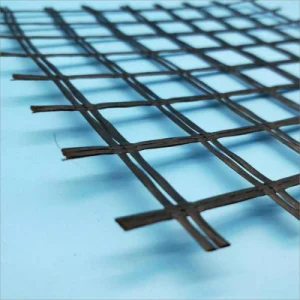
| Glass Fiber Geogrid | Tensile: 50 kN - 200 kN/m | Structural Reinforcement & Crack Mitigation | Asphalt overlays, highway base course stabilization |
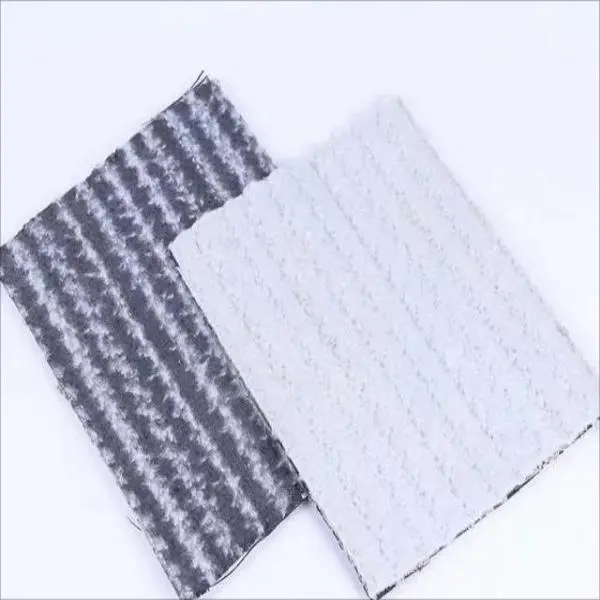
| Bentonite Waterproof Blankets (GCL) | 4000 g/m² - 6000 g/m² | Self-Sealing Hydraulic Barrier | Artificial lakes, canal linings, structural foundations |
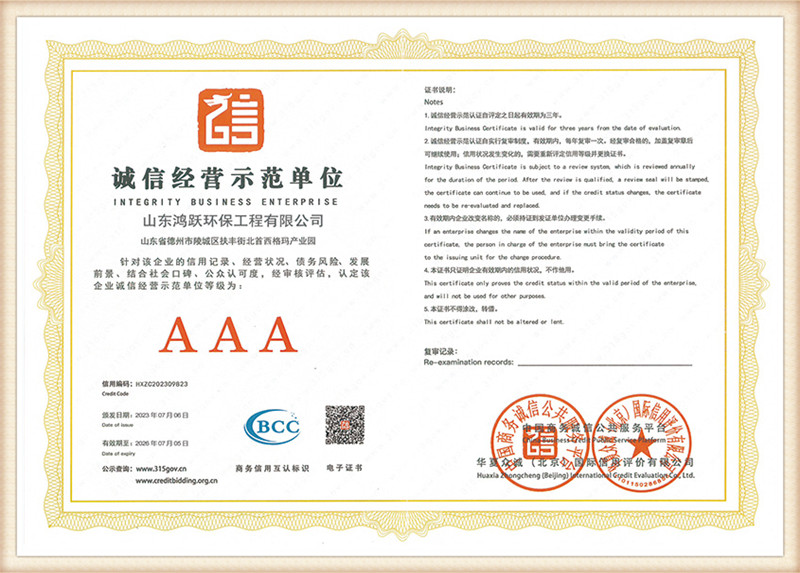
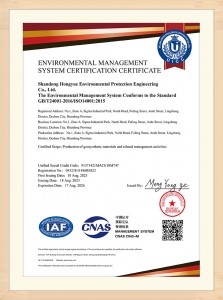
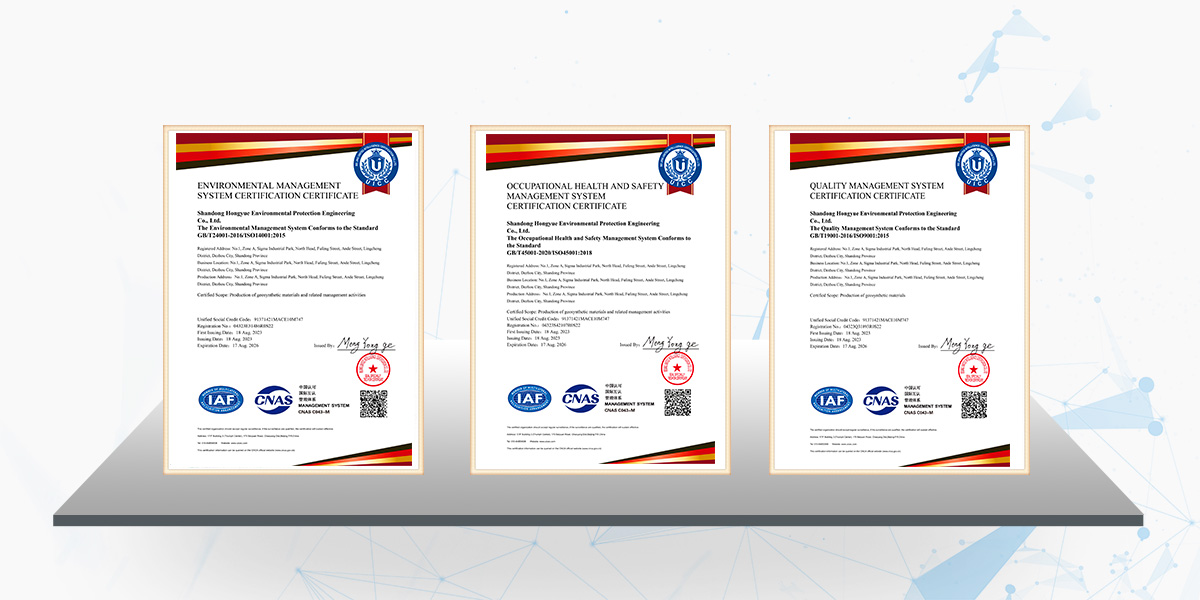
Shandong Hongyue's materials are engineered to meet global standards, ensuring direct compliance with ASTM (American Society for Testing and Materials) guidelines in North America, EN ISO (European Standards) in Europe, and AS/NZS in Australia. Our environmental containment products carry CE certification, verifying compliance with European health, safety, and environmental protection standards.
By tailoring our materials to specific regional criteria, we assist international civil contractors in obtaining fast engineering approvals. Common localized use cases for our gravel-stabilization geotextiles include:
Developing next-generation solutions for infrastructure monitoring, environmental safety, and sustainable construction.
As civil projects grow in scale and face more extreme environmental conditions, the demand for smart, sustainable geosynthetics increases. Shandong Hongyue is investing in research and development to align with these trends:
Addressing the technical questions, design considerations, and logistical queries of procurement managers and design engineers.
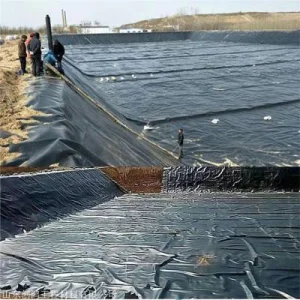
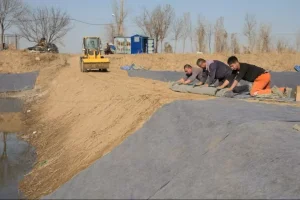
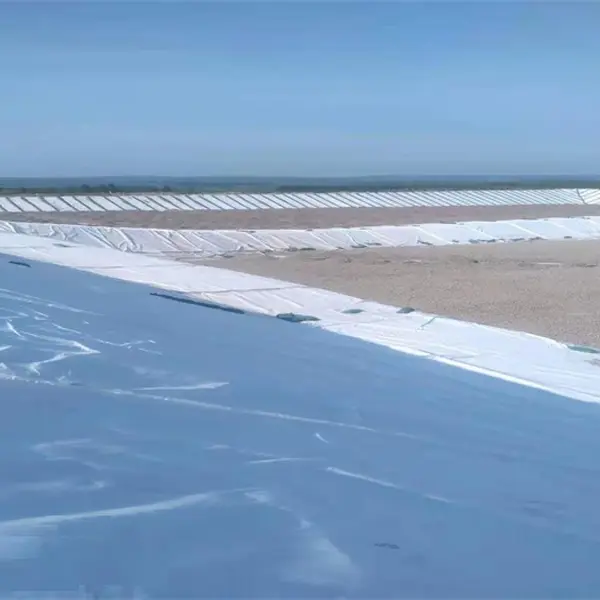
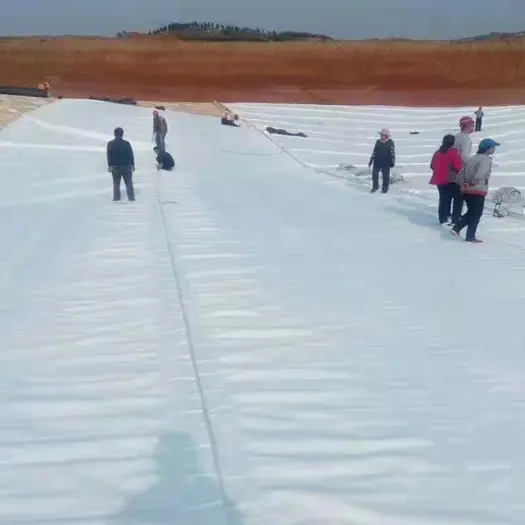
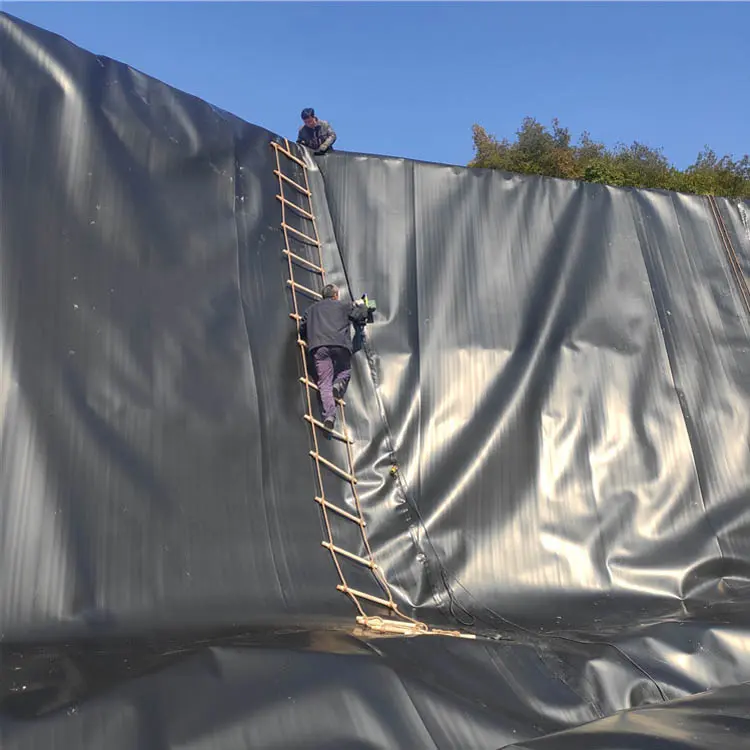
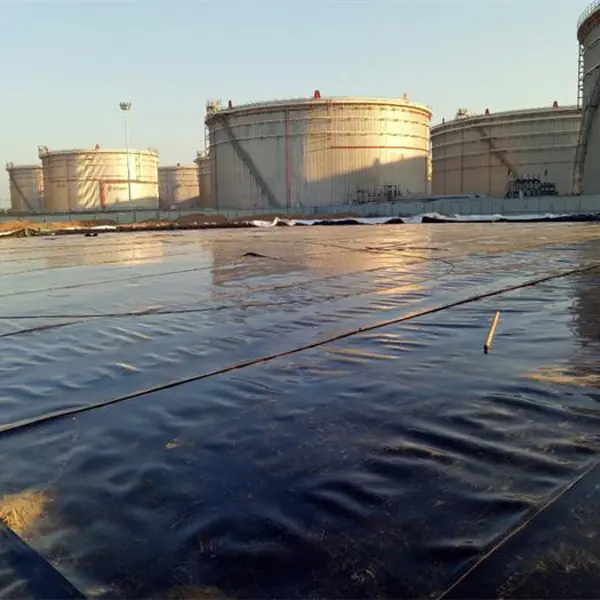
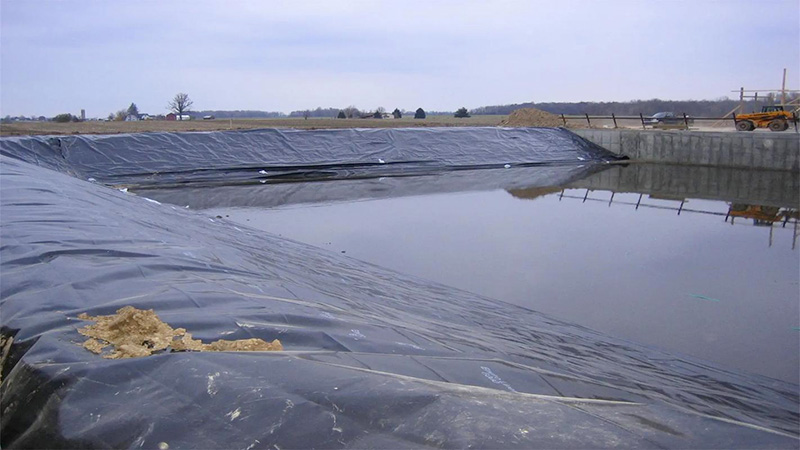
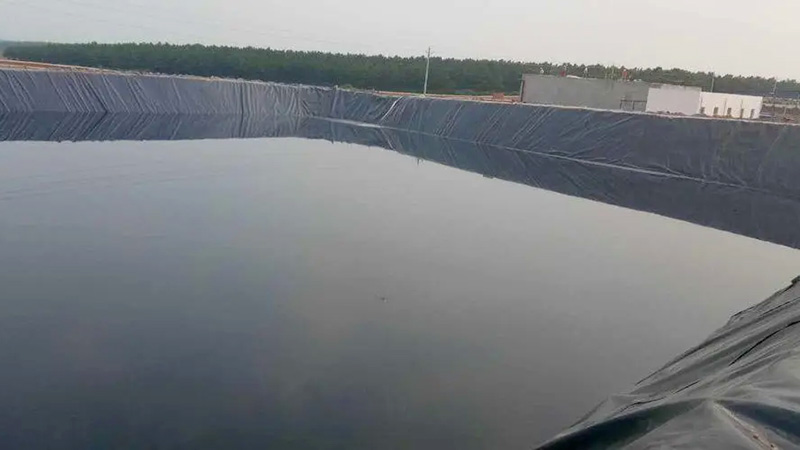
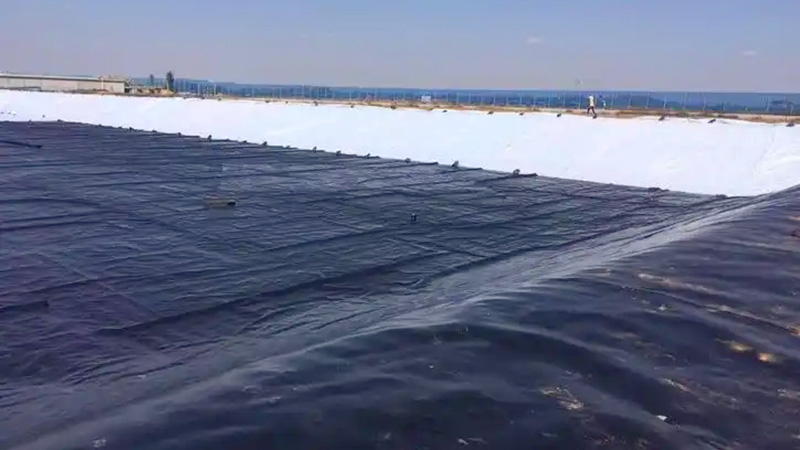
Field installations showing geomembranes and protective geotextile cushions in water conservancy, river regulation, and industrial containment.
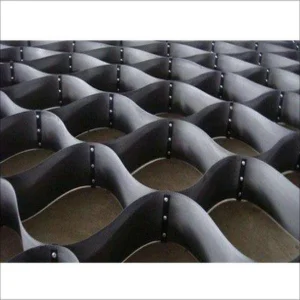
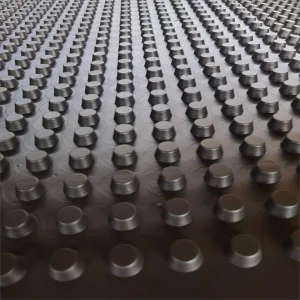
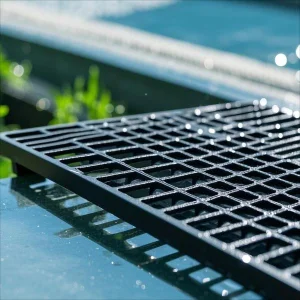
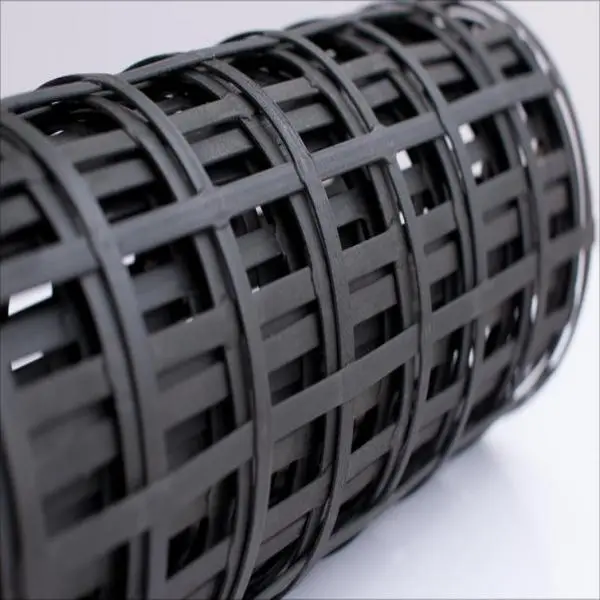
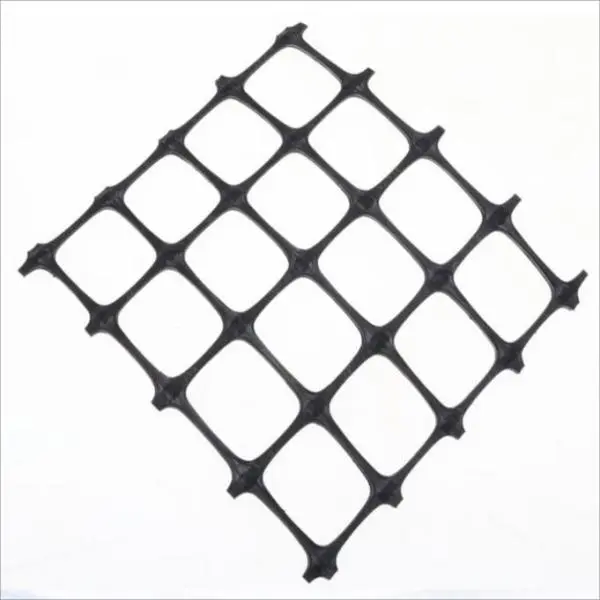
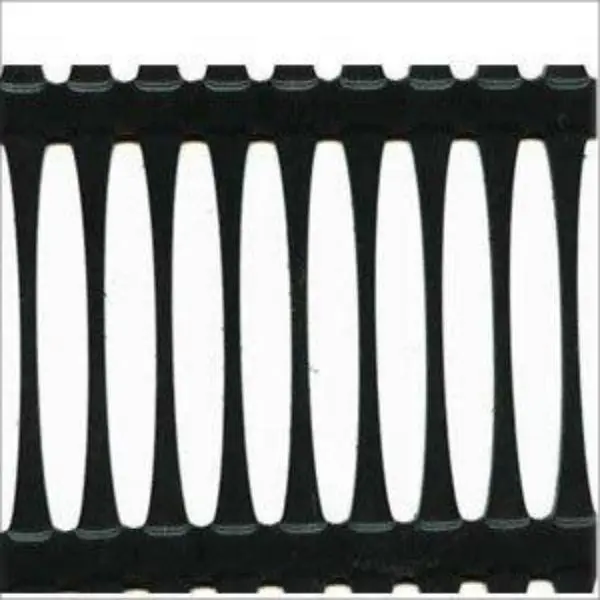
Reinforcement grids, drainage matrices, and bentonite barriers designed to complement gravel stabilization projects.
High-integrity containment and reinforcement products built to withstand demanding field conditions.
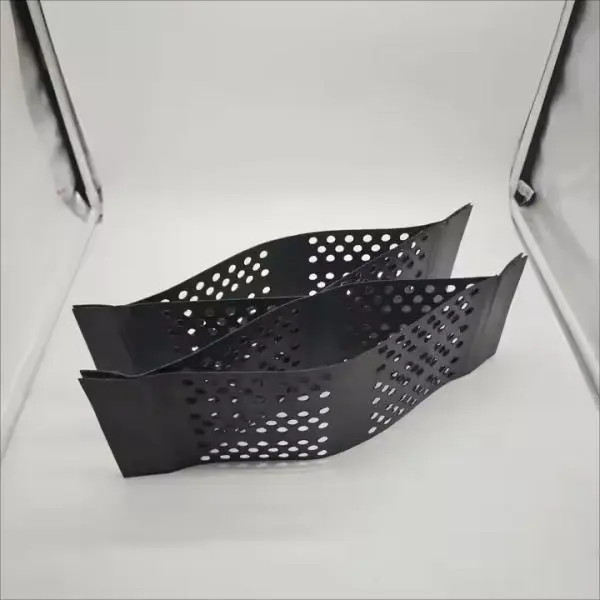
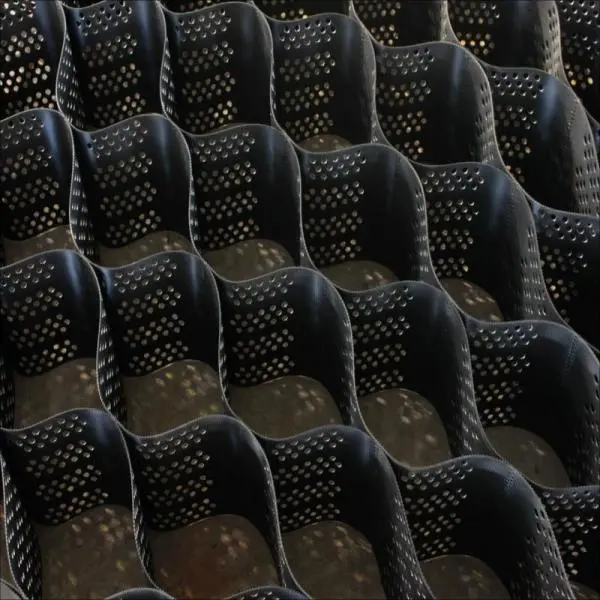
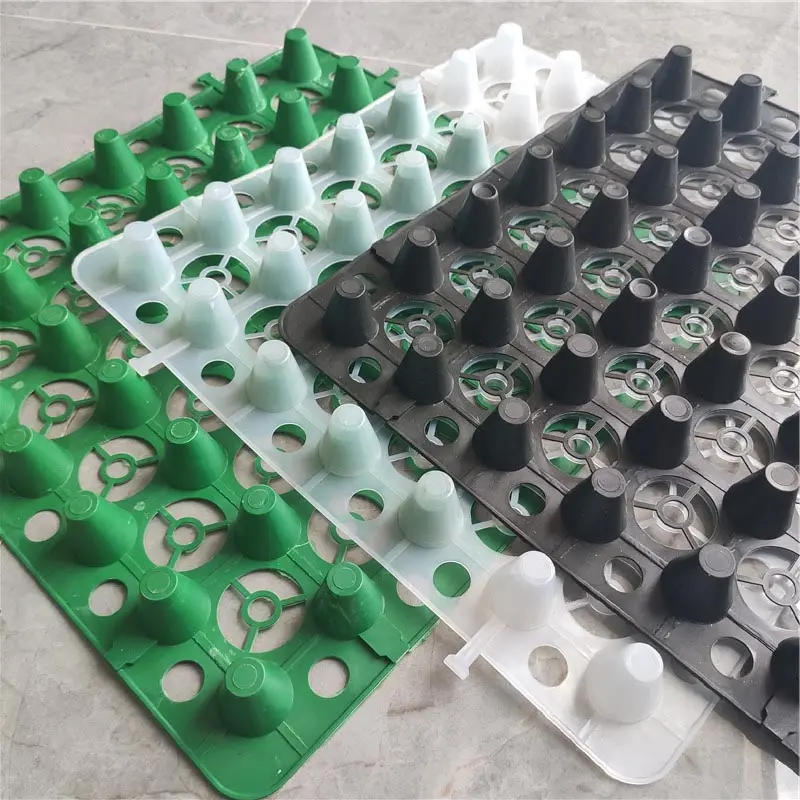
Shandong Hongyue Environmental Engineering Co., Ltd. continues to expand its manufacturing capabilities, supporting infrastructure projects globally. With standard ISO certifications, a strategic logistics location in Dezhou, Shandong, and an experienced technical team, we offer reliable geosynthetic products tailored to your project requirements.
Whether you require standard non-woven geotextile rolls under gravel, high-strength reinforcing geogrids, or custom impermeable geomembrane liners, our team can provide detailed engineering quotes, compliance certificates, and technical support. Reach out to coordinate material testing or request a factory tour.
 Hongyue