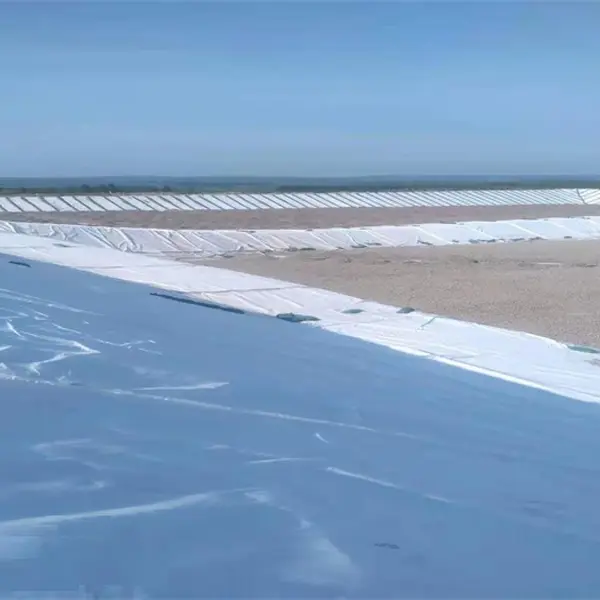
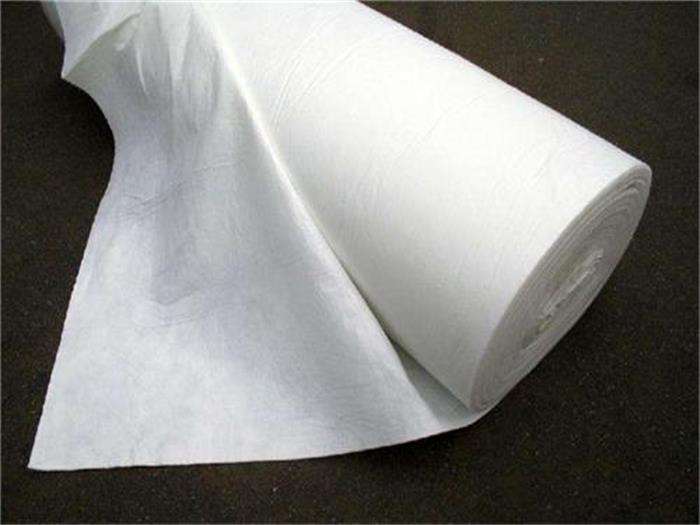
Engineered to deliver exceptional filtration, separation, and reinforcement capabilities under structural loads.
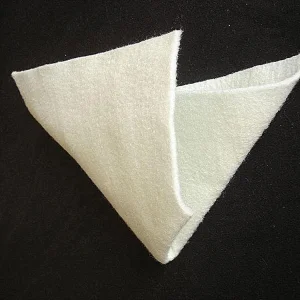
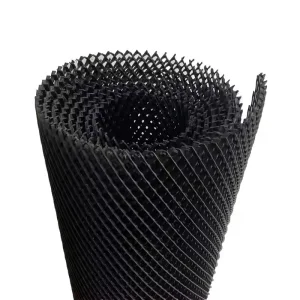
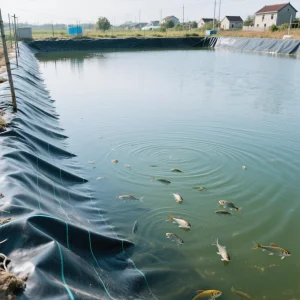
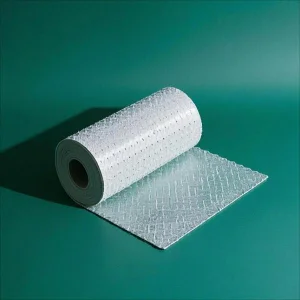
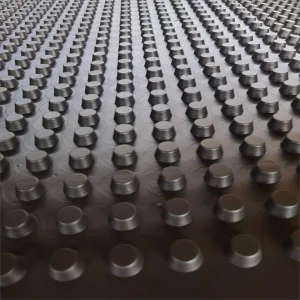
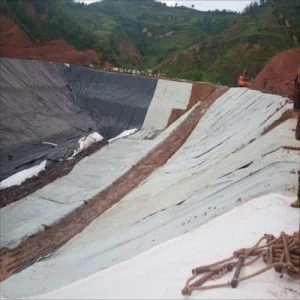
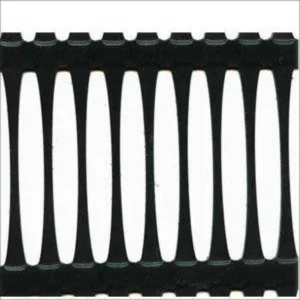
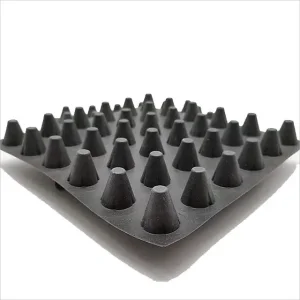
Retaining walls are subject to continuous lateral earth pressures, hydrostatic stresses, and environmental dynamics. Without proper stabilization interfaces, fine particles from the backfill soil migrate into drainage channels, causing progressive structural settlement and ultimate wall failure.
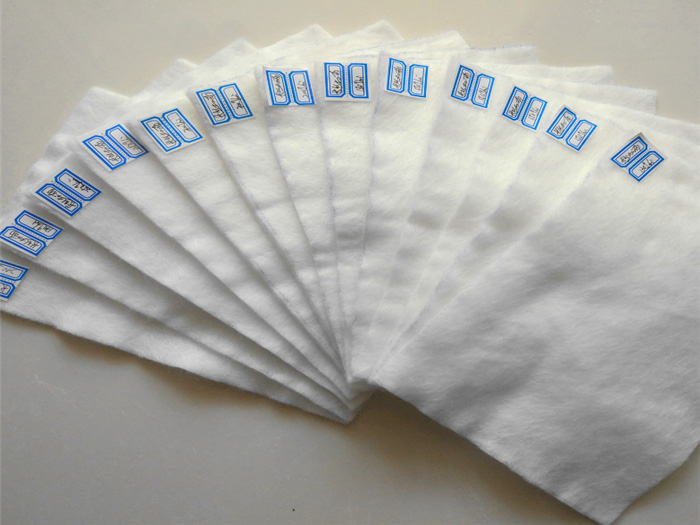
By integrating high-performance geotextile fabrics, civil engineers implement a permanent physical separation barrier that acts simultaneously as a high-capacity filter. The non-woven structure provides a tortuous path that allows water to escape freely—preventing pore pressure buildup—while trapping micro-fine soil particles inside the soil matrix.
Analyzing key shifts in commercial, residential, and environmental engineering sectors globally.
Global warming has triggered extreme rainstorms and rapid soil erosion. Retaining walls must now handle surges in hydrostatic pressures. Consequently, high-permeability needle-punched geotextiles are replacing traditional sand filters in standard specifications globally.
International procurement agents from Europe and North America demand full compliance with ISO 9001 and CE certifications. Materials must meet exact ASTM standards for puncture resistance (ASTM D4833) and trapezoidal tear strength (ASTM D4533).
Contractors focus heavily on minimizing carbon emissions. Using locally sourced, high-durability polymer resins during formulation guarantees a service lifespan of over 100 years, drastically reducing carbon replacement costs.
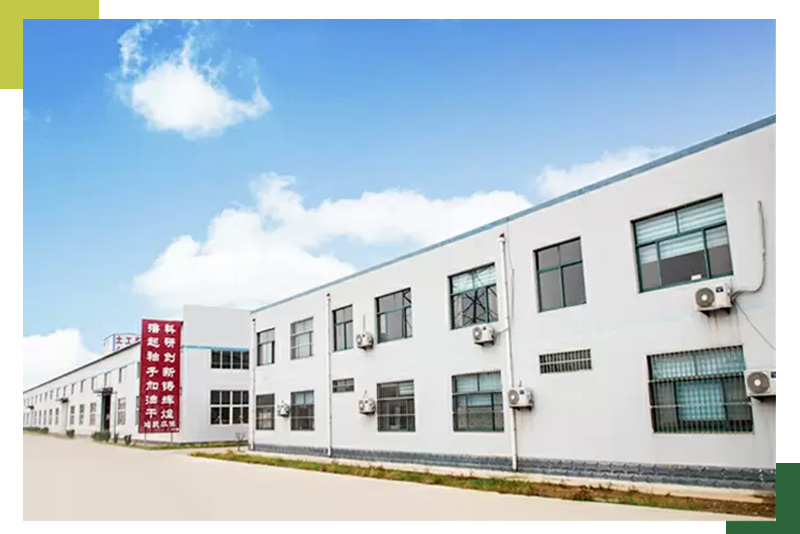
Shandong Hongyue Environmental Engineering Co., Ltd. operates in Dezhou, Shandong, which is the heart of China's geosynthetic manufacturing industry. This strategic geographic position links us directly to key industrial clusters, raw polymer suppliers, and deep-water ports.
Our manufacturing facility incorporates Industry 4.0 smart controls, allowing real-time calibration of fiber thickness, thermal bond parameters, and unit weights. This automated monitoring reduces variations in tensile strength, ensuring consistent quality across large-volume orders.
By coordinating directly with reliable raw material suppliers, we keep our production capacity stable even during volatile global market conditions. This integration helps us prevent delays, making us a dependable partner for large-scale municipal projects.
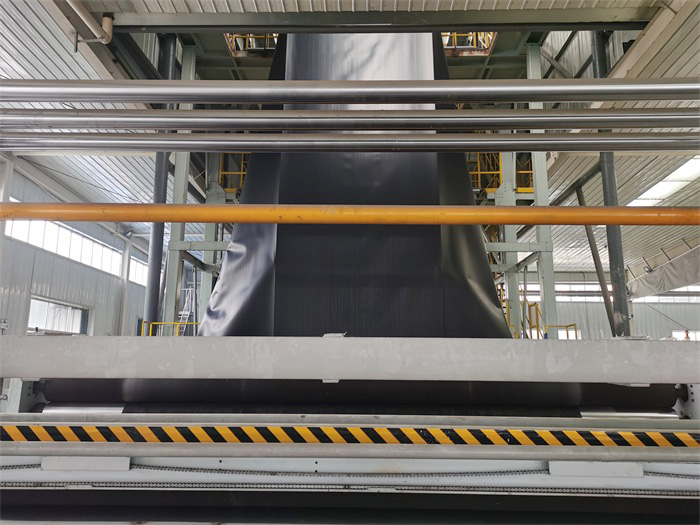
Tailored geosynthetic systems designed to excel in challenging geomorphological environments.
Under heavy, cyclic traffic loads, our geosynthetic materials separate subgrade soils from base aggregates. This layer prevents intermixing, limits rutting, and extends the overall service life of pavements.
Used to protect canals and channels from erosion, our geotextile liners stay stable against fast-flowing currents. This structure allows groundwater to discharge safely while keeping structural soils firmly in place.
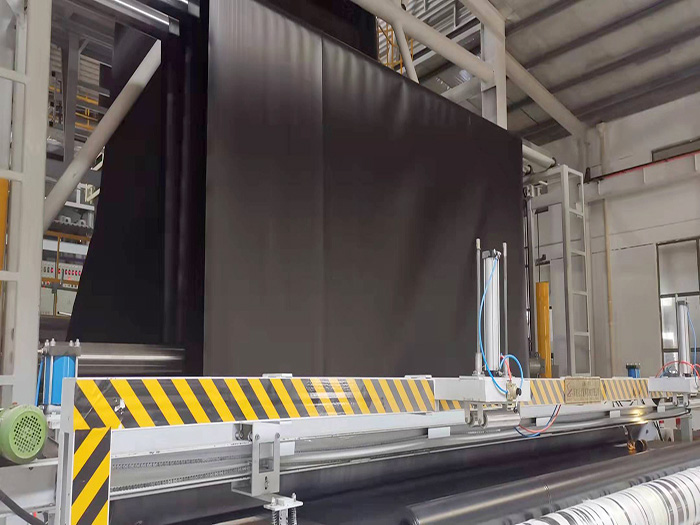
Our high-density barriers prevent hazardous leachate from contaminating surrounding groundwater. These heavy-duty composites provide puncture resistance to protect geomembranes from damage during placement.
Scientific and technological geotechnical material manufacturer integrating production, sales, design and construction services.
Shandong Hongyue Environmental Engineering Co., Ltd., located at the north end of Fufeng Street, Lingcheng District, Dezhou, Shandong Province, is a scientific and technological geotechnical material manufacturer integrating engineering material production, sales, design and construction services. The company was registered in the Lingcheng District Market Supervision and Administration Bureau of Dezhou City on April 6, 2023, with a registered capital of 105 million yuan. It is one of the largest production bases of geotechnical materials in China at present, with a superior geographical location and convenient transportation.
Since its establishment, the company has developed rapidly, expanding its business into geosynthetics, waterproofing membranes, and import/export operations. Our materials are used widely across highways, railways, bridges, tunnels, reservoirs, canals, artificial lakes, environmental protection, aviation, mining, and agriculture.
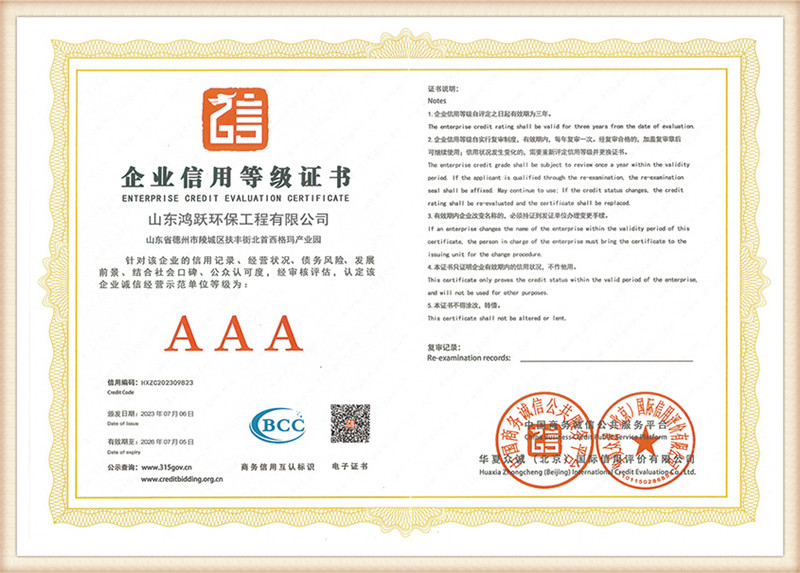
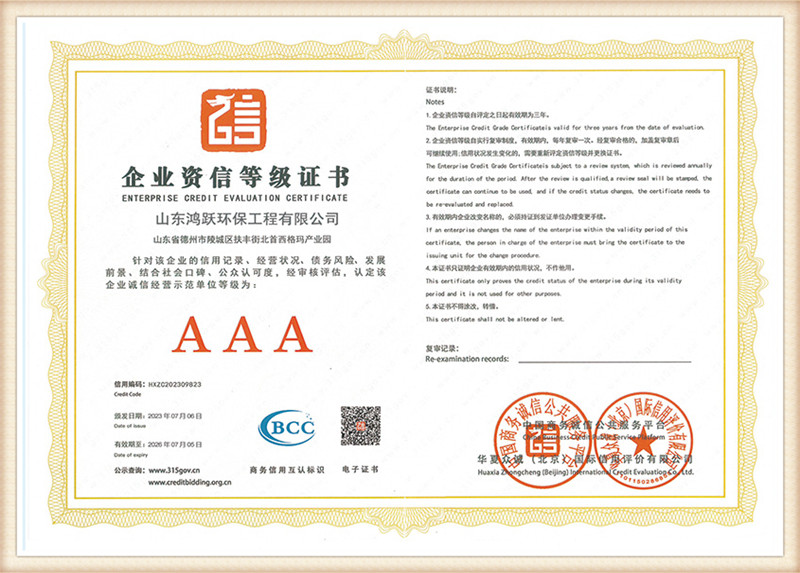
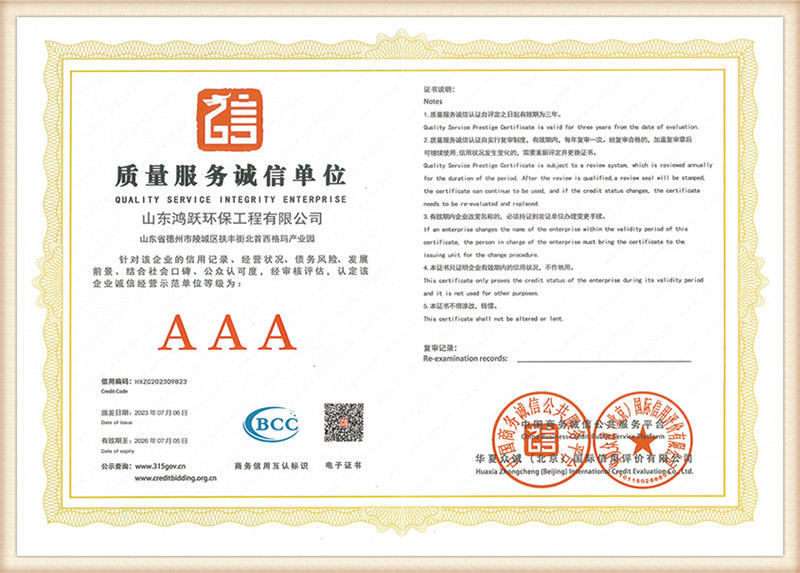
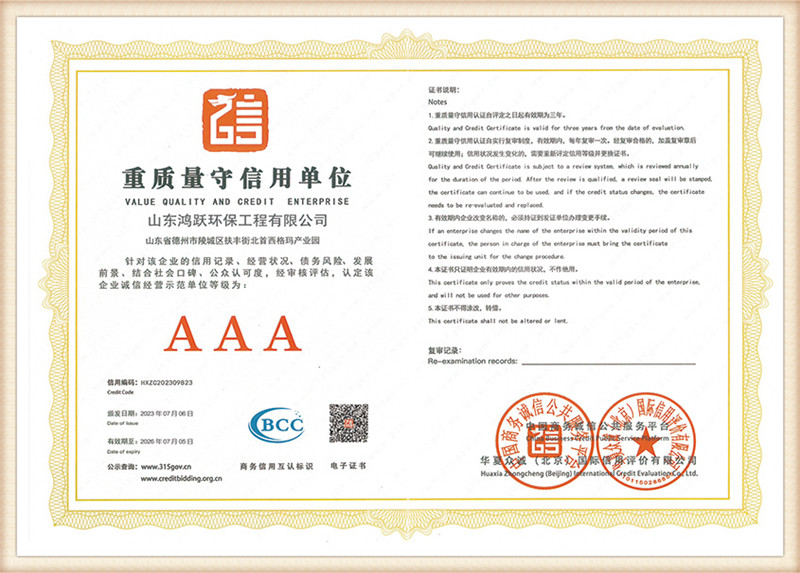
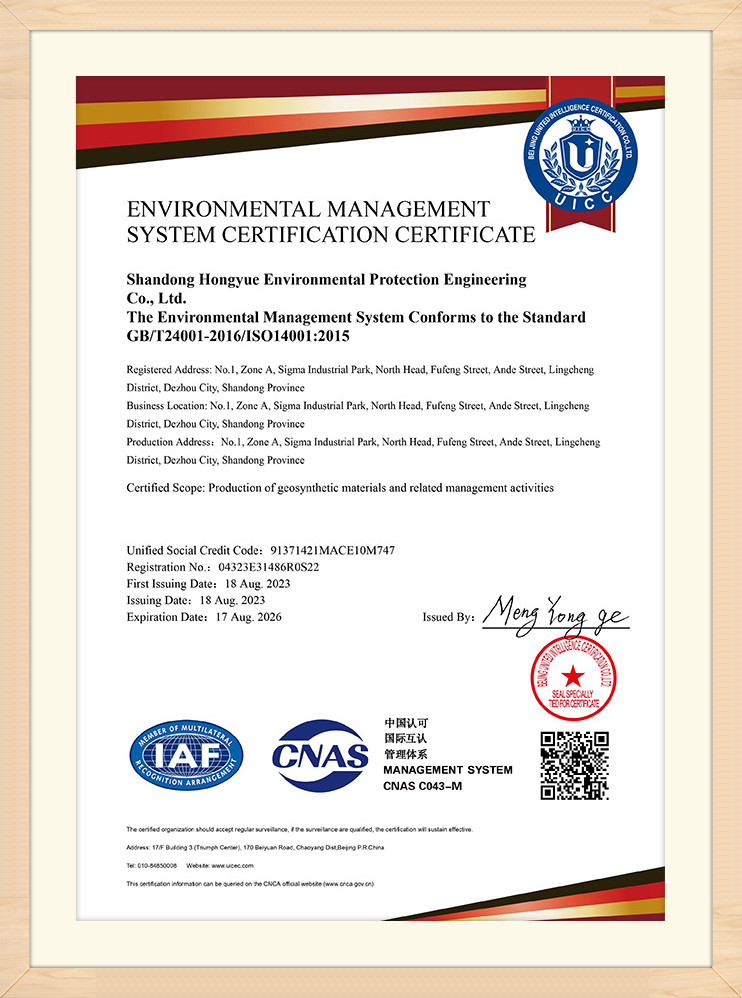
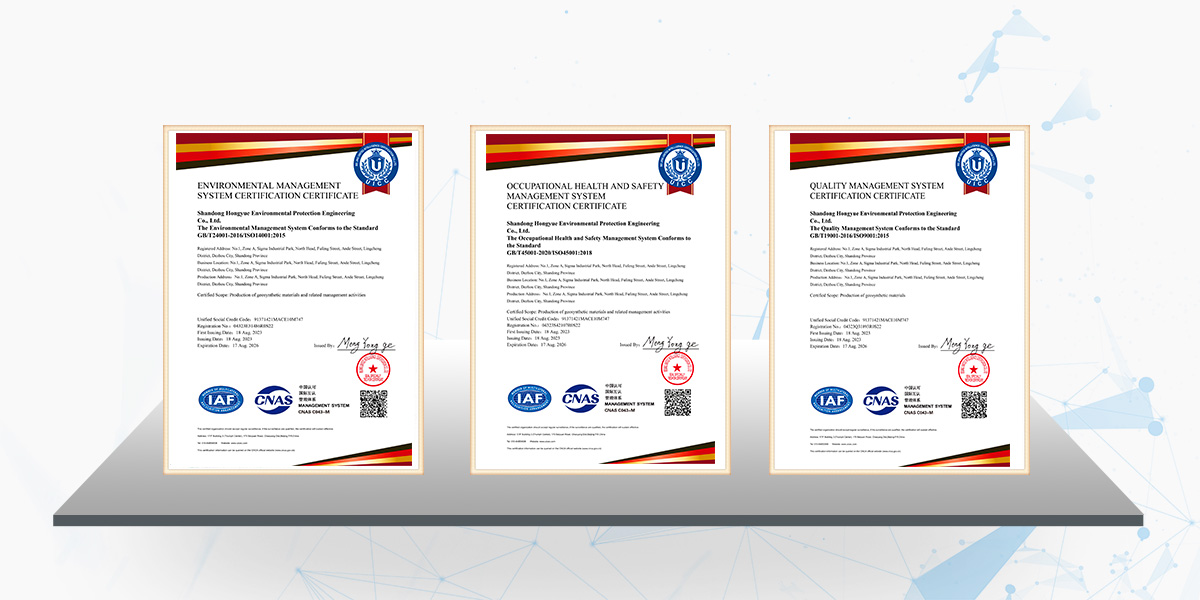
The company has passed the ISO9001 international quality system certification, ISO14000 environmental system certification, and ISO45001 occupational health and safety management system certification. We have won multiple honors such as "green and environmentally friendly building materials products", "famous Chinese brands", "high-tech industries", and "quality service double excellent units".
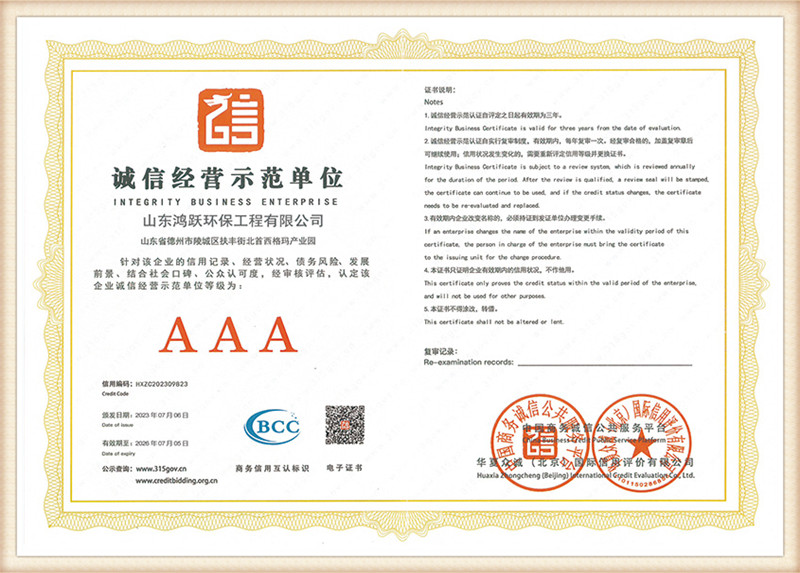
Ensuring compliance, high physical performance, and structural consistency in every batch.
Polyester chips (PET), polypropylene (PP), and viscose fibers are thoroughly inspected for purity, moisture content, and molecular weight distribution prior to melting.
Raw materials are melted at high temperatures and extruded through a screw extruder. Precise temperature controls ensure complete homogenization of the polymer melt.
The melted polymer is pushed through fine spinnerets to form continuous filaments, which are then distributed on conveyor belts to create a uniform structural web.
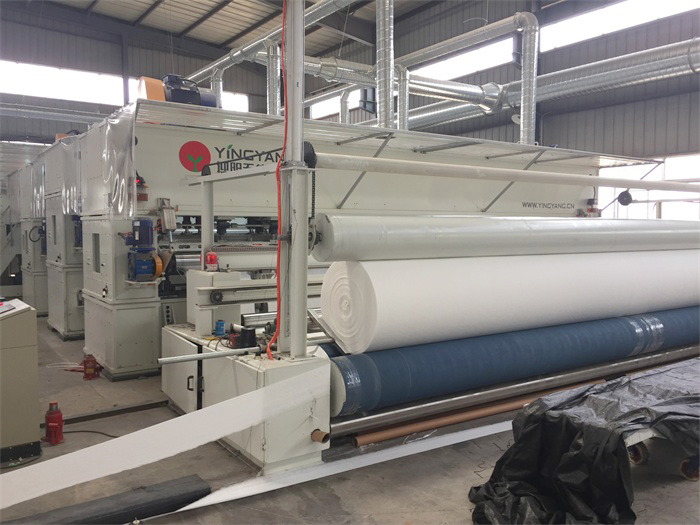
Thousands of specialized needles entangle the web mechanically. This step optimizes mechanical properties, including tensile strength and water permeability.
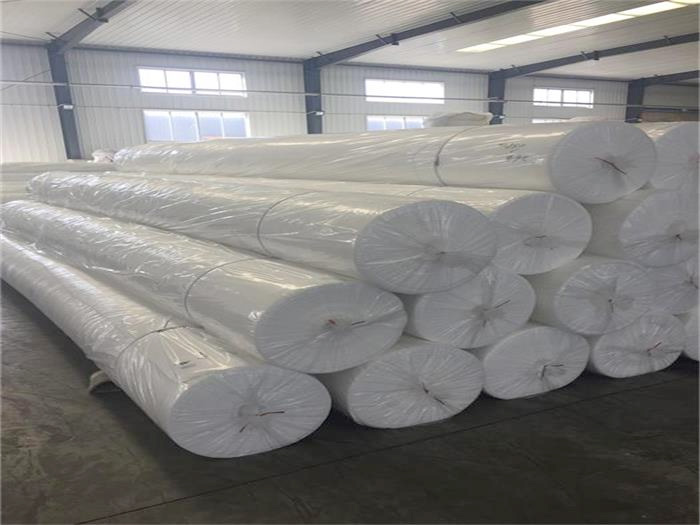
The stabilized geotextile sheet is trimmed to precise widths, rolled onto cores, and packaged with protective UV-resistant wraps.
Samples from each roll undergo testing for thickness, tensile strength, tear resistance, and hydraulic flow before being approved for shipping.
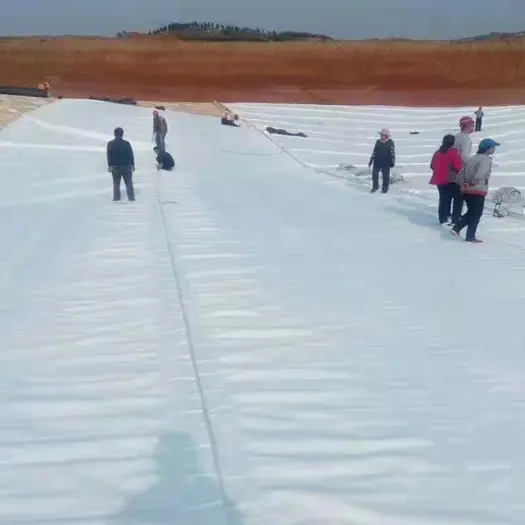
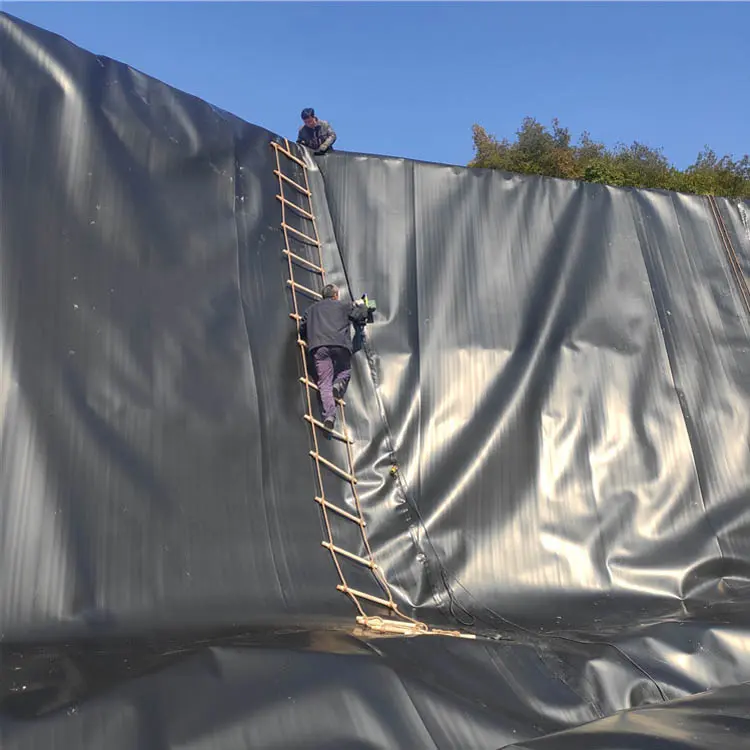
Correct installation is critical to achieving the design life of retaining structures. Below are the key steps for laying geomembranes and geotextiles on-site:
1. Site Preparation: The subgrade surface must be graded, compacted, and cleared of sharp rocks, roots, or standing water. This step prevents punctures in the synthetic layers.
2. Placement: Roll out the sheets along the contour lines of the wall, keeping tension even to prevent folds or wrinkles. Ensure adjacent sheets overlap by 300mm to 500mm depending on soil stability.
3. Seam Bonding & Quality Checks: For waterproof applications, run continuous thermal welds along the overlaps. Verify the integrity of all seams using air pressure testing.
4. Backfilling: Place clean drainage aggregate over the geotextile in lifts. Compact the backfill carefully, avoiding direct contact between heavy construction equipment and the fabric.
Shandong Hongyue operates a strict quality management system. The company has passed ISO9001 quality system certification, ISO14000 environmental system certification, and ISO45001 health and safety management system certification.
Our in-house laboratory uses advanced testing equipment to measure physical and chemical properties. All products undergo regular national quality audits, ensuring compliance with international standards for engineering applications.
We run automated thickness scanners and tensile testers on every batch. Each shipped roll includes a batch certificate verifying its performance, giving project engineers full confidence in the material.
Addressing key engineering questions regarding geotextile fabrics, drainage boards, and soil reinforcement systems.
Woven geotextiles offer high tensile strength and load distribution but have lower water permeability, making them ideal for subgrade reinforcement. Non-woven geotextiles, with their high flow rates, are better suited for filtration, separation, and subsurface drainage behind retaining walls.
High-quality polypropylene (PP) and polyester (PET) geotextiles are resistant to chemical weathering. Our materials are formulated to withstand soil conditions ranging from pH 2 to pH 12, protecting them from acid rain and alkaline runoffs.
For standard flat surfaces, use a minimum overlap of 300mm. For soft, unstable subgrades, increase this overlap to 500mm to 1000mm, or sew the seams together to prevent soil from entering the gaps.
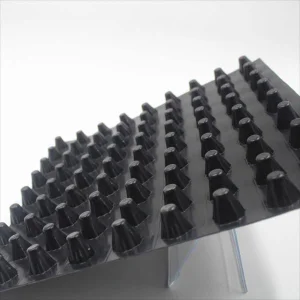
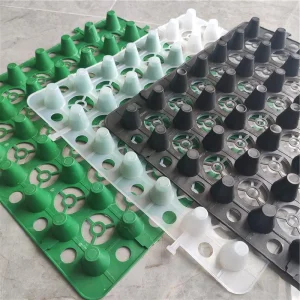
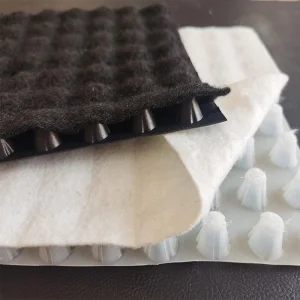
Dimpled plastic drainage boards collect and direct water flow to discharge pipes. Adding a non-woven geotextile cover keeps fine soil particles out of the dimples, preventing clogs and keeping the system working efficiently.
When buried and protected from direct sunlight, our high-durability polymer geotextiles are designed to last over 100 years. We include carbon black and UV inhibitors to protect the fabric during installation.
Yes. Shandong Hongyue can supply custom widths up to 6 meters and variable lengths to reduce seams on-site, helping contractors speed up installation.
A closer look at our raw material quality, testing protocols, and laboratory facilities.
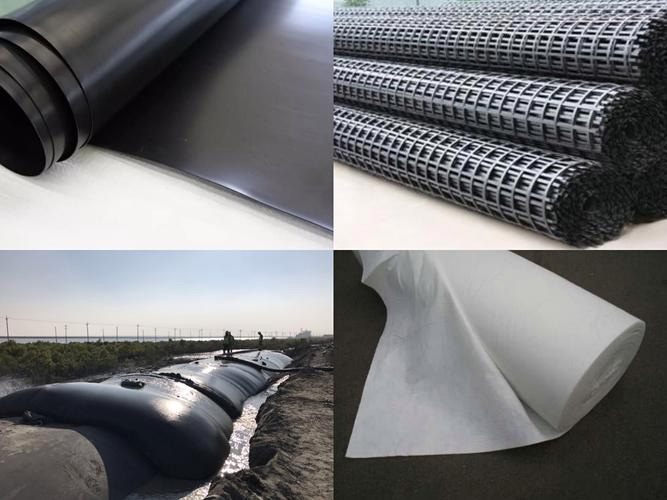
Engineered barrier solutions, composite nets, and soil confinement matrices.
 Hongyue