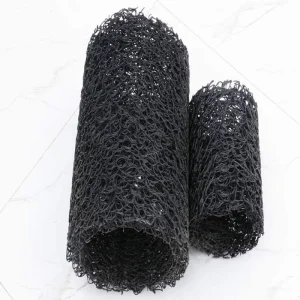
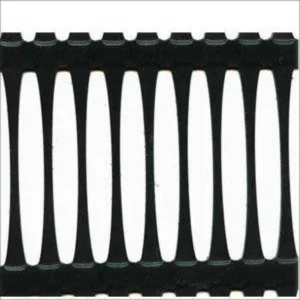
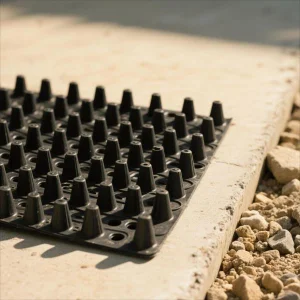
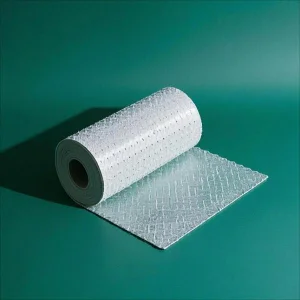
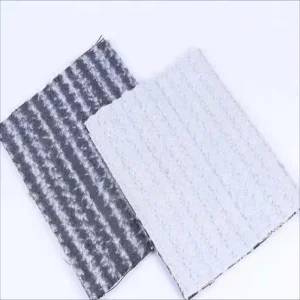
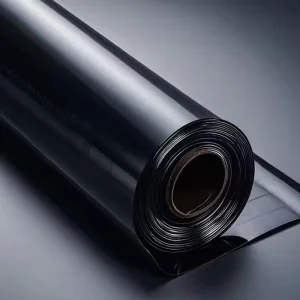
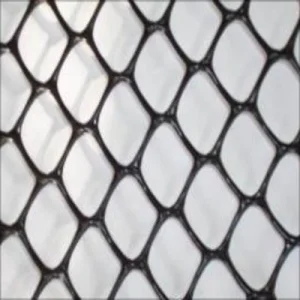
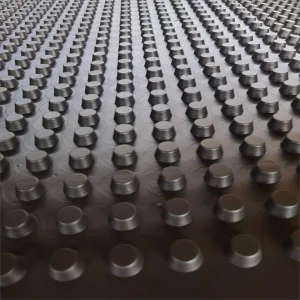
Explore our core manufacturing line. Click each high-durability geosynthetic product below to request custom quotes and bulk pricelists.
Understanding the engineering demand, structural advantages, and global supply chain of light-duty non-woven geotextiles.
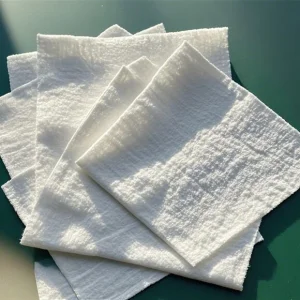
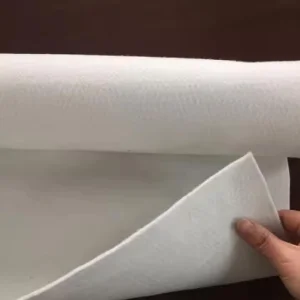
The global infrastructure sector relies on advanced engineering materials to ensure the long-term stability and integrity of modern structures. Among these, the 100g/m² geotextile (100g M2) stands out as a highly specialized, lightweight non-woven material. Primarily engineered for filtration, separation, and soil stabilization, this specific grade of geosynthetic material provides critical functions in road networks, subgrade systems, environmental containment facilities, and residential civil engineering.
By leveraging high-performance polymer fibers—chiefly Polyethylene Terephthalate (PET) and Polypropylene (PP)—the non-woven 100g/m² geotextile functions as a permeable membrane that allows moisture movement while preventing soil migration. Its dynamic structure serves to distribute load stress, mitigate subgrade mixing, and form a stable filter barrier. As global investments in transit, water resource preservation, and waste containment continue to rise, the commercial demand for optimized geotextiles has reached unprecedented levels.
Key Strategic Trends Driving the Global Market:
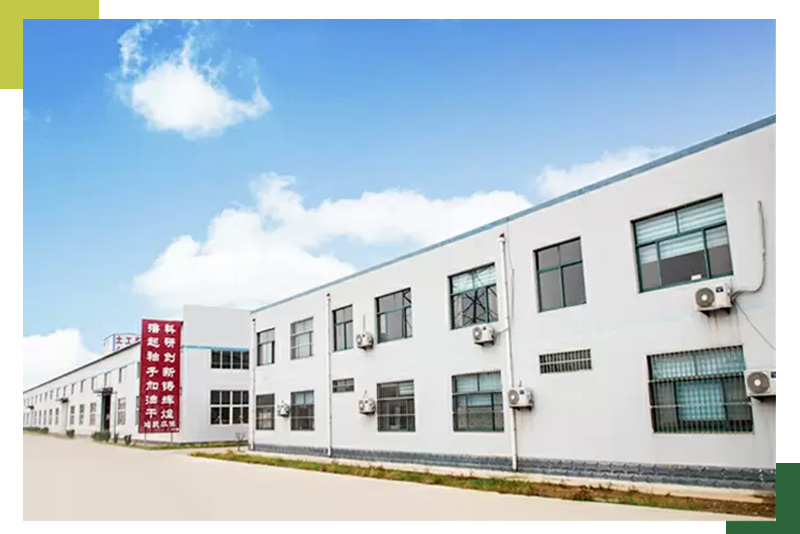
A premier Chinese state-recognized manufacturing hub integrating engineering material production, sales, design, and construction services.
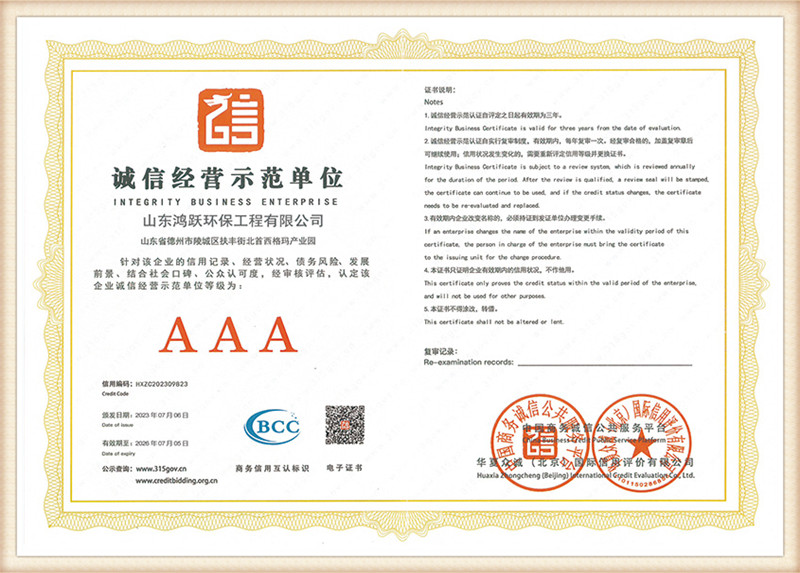
Established on April 6, 2023, with a registered capital of 105 million yuan, Shandong Hongyue Environmental Engineering Co., Ltd. is strategically situated at the north end of Fufeng Street, Lingcheng District, Dezhou, Shandong Province. As one of China’s largest production bases of geotechnical materials, the company enjoys superior geographical placement and convenient transit networks, enabling streamlined bulk export operations.
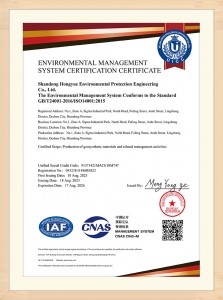
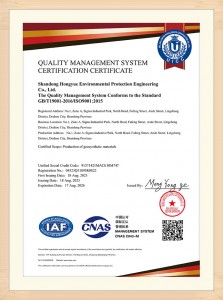
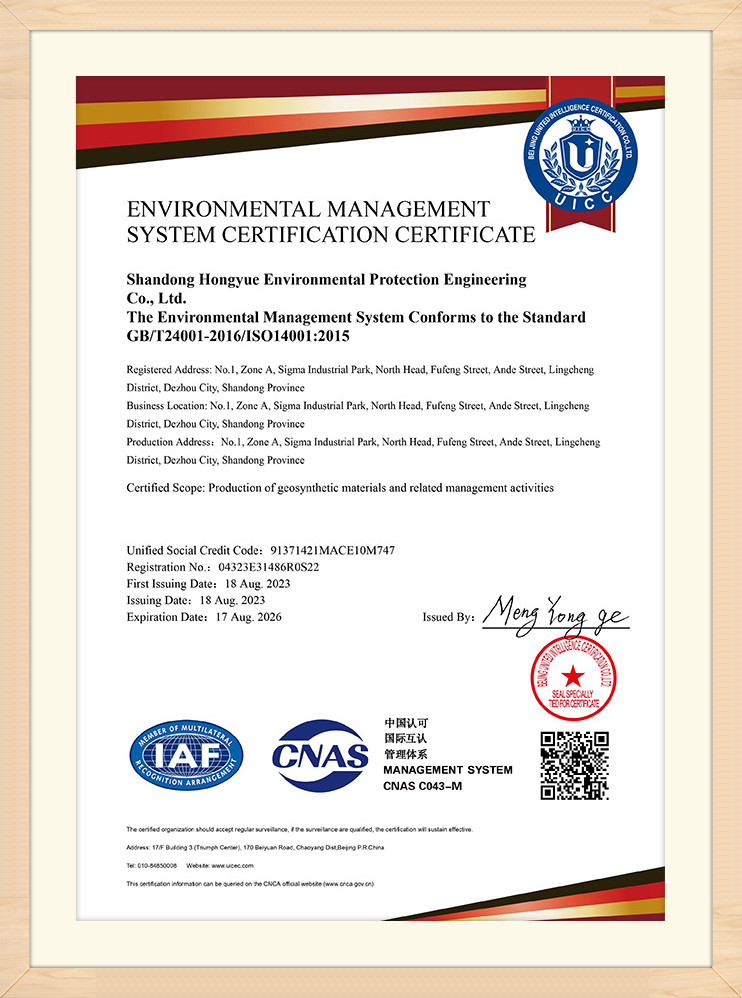
We are registered under the Dezhou City Market Supervision and Administration Bureau and operate as a proud member of the Dezhou Geotextile Association. Our vast production plants feature cutting-edge automated lines capable of extruding high-density polyethylene (HDPE), processing polyester filaments, and needle-punching non-woven materials. Our systems meet and exceed international benchmarks, earning certifications such as ISO9001 Quality Management, ISO14000 Environmental Management, and ISO45001 Occupational Health and Safety Management.
Located in the heart of the Dezhou geotechnical cluster, we benefit from complete upstream raw material supply chains, minimized shipping overheads, and highly skilled technical labor. This translates directly to ultra-competitive global pricing (pricelists) and rapid turnaround times for multi-container configurations.
From melting raw polyester chips to continuous quality testing, each step is systematically recorded. Our testing laboratory conducts extensive physical tests (grab tensile, CBR puncture, hydraulic transmissivity) to ensure every geotextile roll surpasses ASTM and EN standards before export.
We do not just export products; we deliver end-to-end engineering consultancy. Our specialist team, comprised of veteran structural and environmental engineers with over a decade of hands-on job site experience, supports your project design, installation guidance, and material optimization.
An overview of how Shandong Hongyue manufactures standard-setting 100g/m² non-woven geotextiles using state-of-the-art melt extrusion and curing.
The manufacturing process begins with the strict validation of raw polymer feeds, specifically polyester (PET) chips, polypropylene (PP) filaments, and auxiliary viscose fibers. These raw materials must demonstrate absolute chemical stability and moisture-free composition to prevent anomalies during thermal phases.
PET chips are fed into high-temperature screw extruders, reaching melting points around 250°C to 260°C. The molten polymer is filtered and precisely dosed through spinnerets to produce continuous filaments, ensuring uniform denier distribution and tensile strength properties.
The continuous filament layers are deposited onto a continuous moving belt to form a web structure. Automated sensors monitor thickness, weight uniformity (ensuring the target 100g/m² metric weight), and multi-directional fiber orientation.
The loose web is mechanically consolidated using multiple needle boards. Thousands of barbed needles penetrate the web, entangling the fibers to establish high mechanical friction. Thermal draft curing is subsequently applied to achieve optimal physical stability and dimensional integrity.
Once cured, the geotextile is wound onto heavy-duty cores and packed in protective UV-resistant bags. Sample cuts from every batch undergo rigorous mechanical and hydraulic laboratory tests (checking water flow rate, apparent opening size, grab tensile strength, and elongation limits).
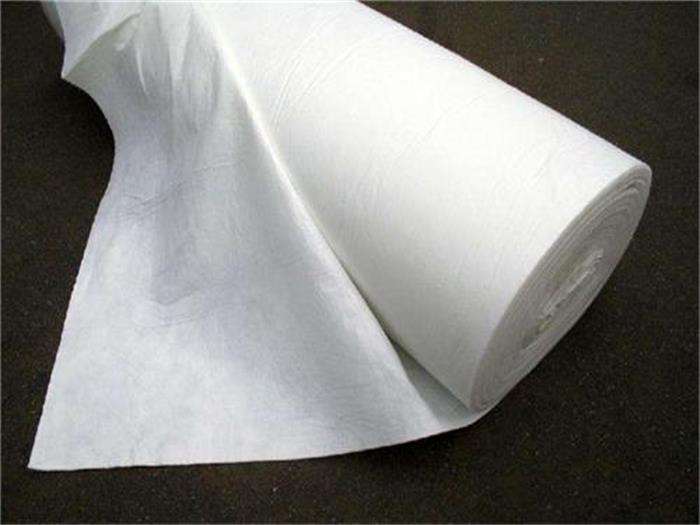
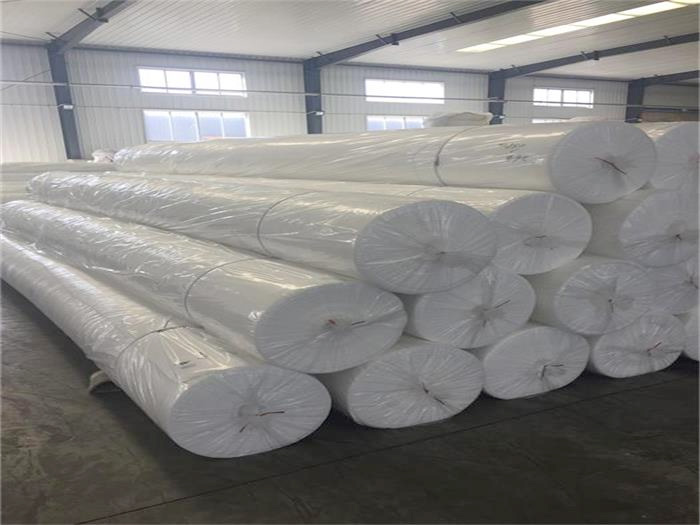
| Property / Characteristic | Standard Test Method | Value (PET Type) | Value (PP Type) |
|---|---|---|---|
| Mass per Unit Area | ASTM D5261 / ISO 9864 | 100 g/m² (±8%) | 100 g/m² (±6%) |
| Grab Tensile Strength | ASTM D4632 / ISO 10319 | ≥ 4.5 kN/m | ≥ 6.0 kN/m |
| Elongation at Break | ASTM D4632 | 50% - 80% | 35% - 60% |
| CBR Puncture Resistance | ASTM D6241 / ISO 12236 | ≥ 0.8 kN | ≥ 1.2 kN |
| Apparent Opening Size (AOS) | ASTM D4751 / ISO 12956 | 0.07 - 0.2 mm | 0.08 - 0.18 mm |
| Permeability (Water Flow Rate) | ASTM D4491 / ISO 11058 | ≥ 110 l/(m²·s) | ≥ 140 l/(m²·s) |
| UV Resistance (after 500 hrs) | ASTM D4355 | ≥ 70% retention | ≥ 80% retention |
How our geosynthetic portfolios work synergistically to solve complex engineering challenges across hydraulic, environmental, and infrastructure projects.
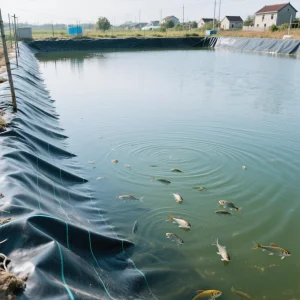
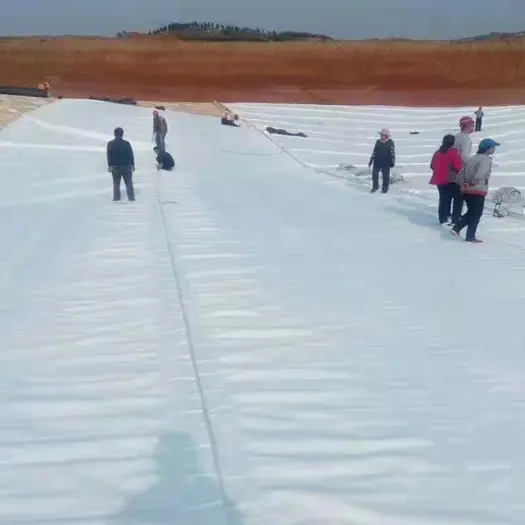
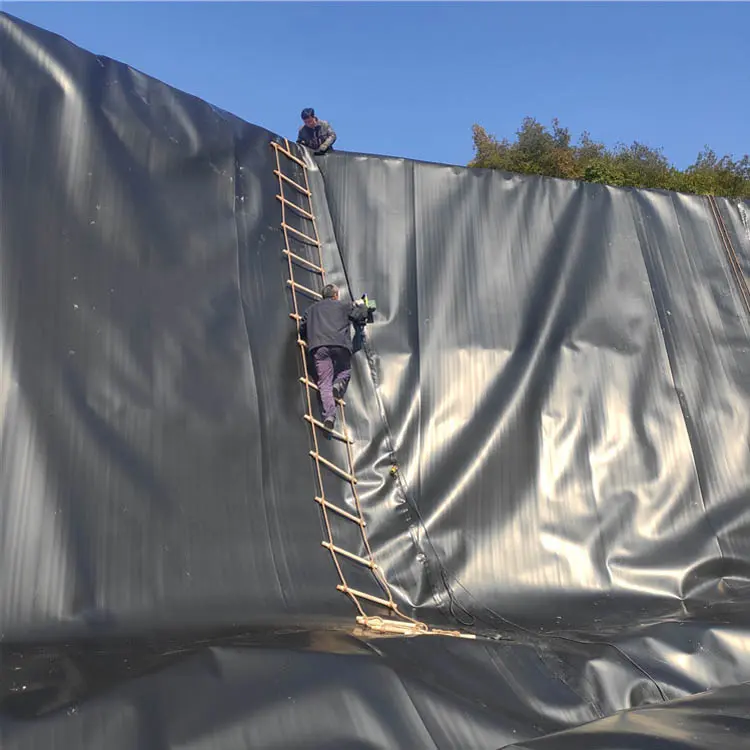
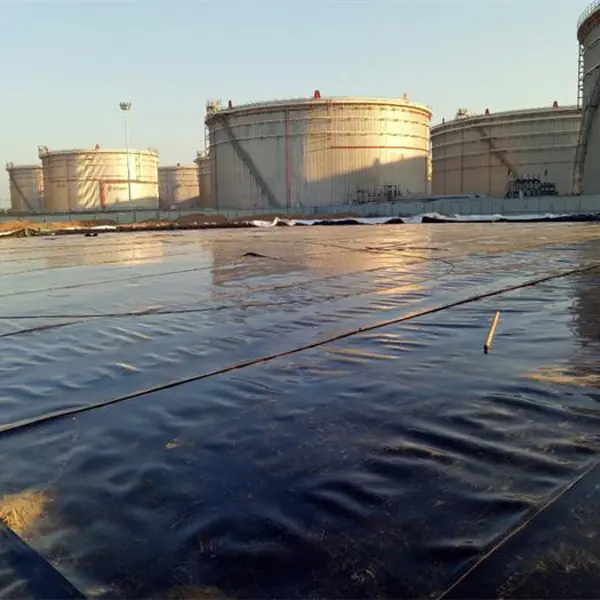
In reservoir construction and water channel governance, geotextiles act as a critical protection layer for geomembranes. By placing the 100g/m² geotextile under and over the geomembrane, it prevents local stones, roots, and physical debris from puncturing the sealing barrier, ensuring maximum seepage control.
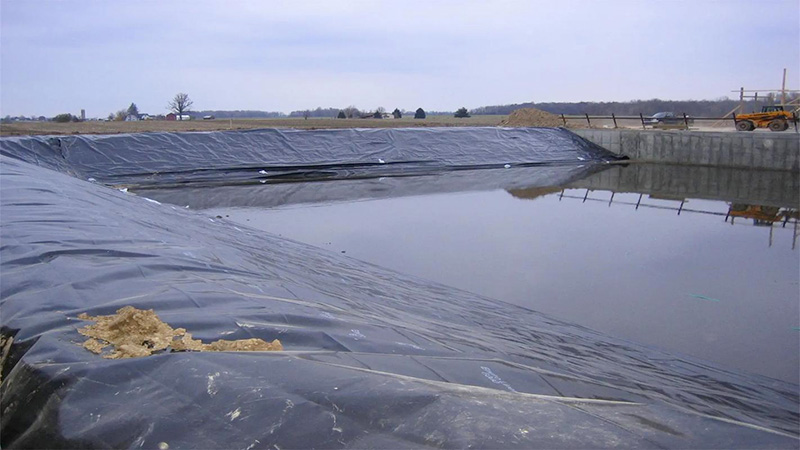
For roadways, railways, and bridges, dynamic traffic loads force subgrade clay into the upper stone aggregate layer, leading to structural deformation. A 100g/m² geotextile separation layer prevents this mixing, preserving aggregate integrity and keeping drainage paths completely clear.
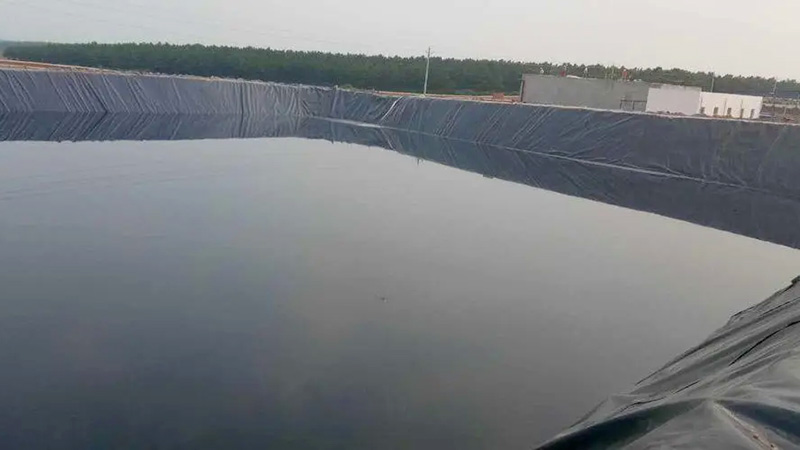
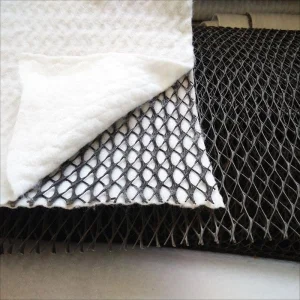
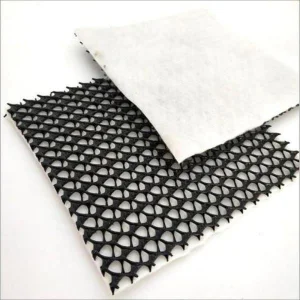
In landfill capping systems, waste cell leachate must be drained without clogging the drainage pipes. Utilizing 100g/m² geotextiles in conjunction with 3D drainage networks or geonets forms a multi-tier filtration matrix that isolates contaminants and pathways for liquid extraction.
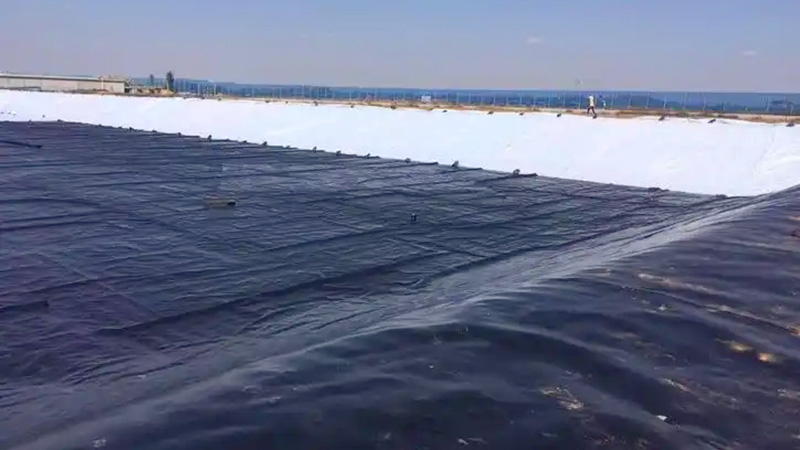
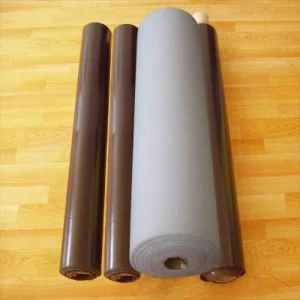
Shandong Hongyue provides integrated material configurations comprising Geomembranes, Geotextiles, and GCLs (Bentonite Waterproof Blankets). Our field engineers suggest laying a 100g/m² to 200g/m² non-woven geotextile beneath our high-density polyethylene (HDPE) membranes. This dual-layer application mitigates shear stresses and tensile stretching, ensuring that hydraulic installations withstand decades of continuous service without experiencing structural integrity failure.
Our company offers complete, customizable engineering solutions that address watercourse rehabilitation, landfill bottom sealing, tailing dams, artificial lake creation, airport runways, and mining site heap leach containment pads.
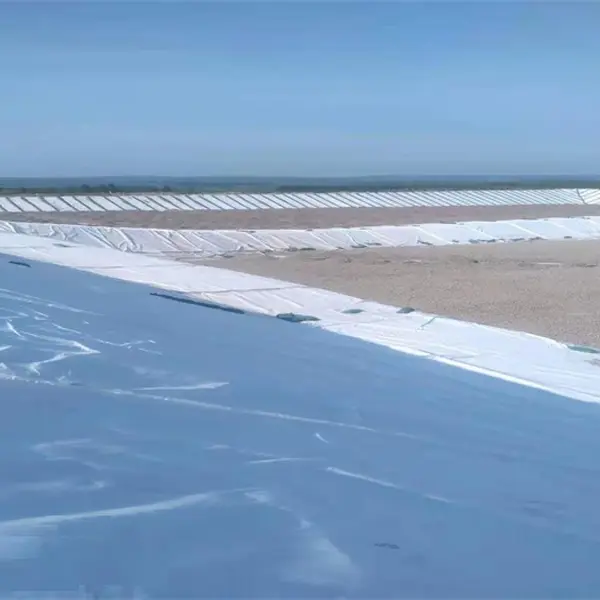
Key considerations for international buyers sourcing 100g/m² geotextiles from Chinese manufacturing hubs.
Sourcing large quantities of geotextiles requires careful evaluation of total landed costs, raw polymer index tracking, manufacturing capabilities, and freight routes. As a global exporter, Shandong Hongyue Environmental Engineering Co., Ltd. provides customized contracts and tiered volume-based pricelists.
Factors Influencing the Geotextile 100g M2 Pricelist:
Our sales department processes RFQs (Requests for Quotations) within 24 hours. To ensure accurate pricing, please specify:
Detailed answers to the most common engineering and logistical queries regarding 100g/m² geotextiles.
Take a visual tour inside our advanced manufacturing facility located in Lingcheng District, Dezhou, Shandong Province.
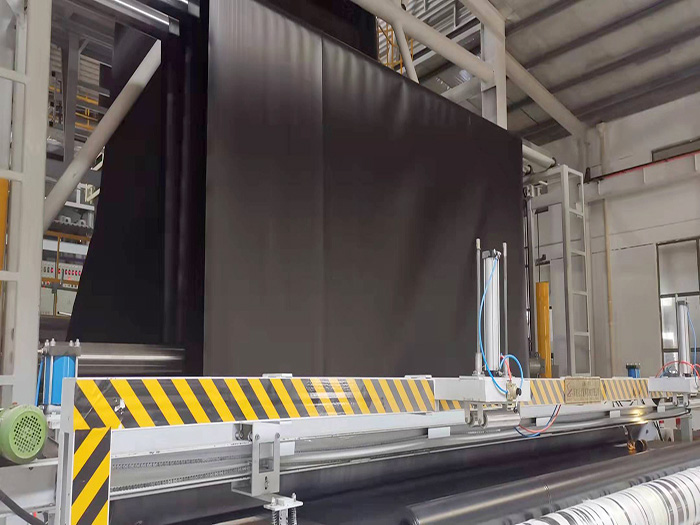
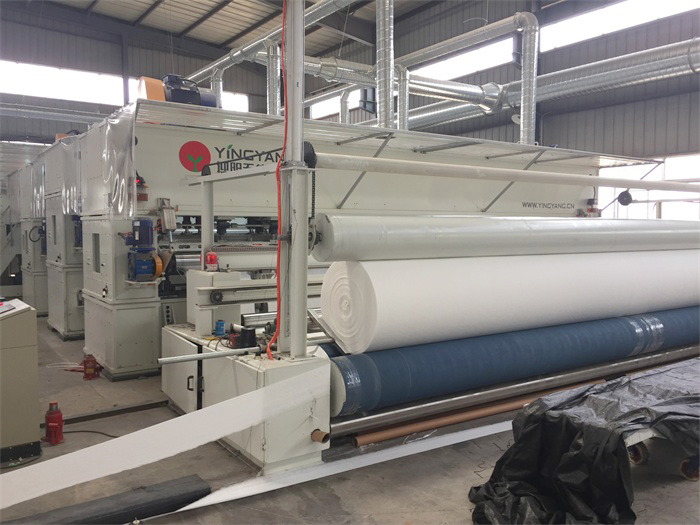
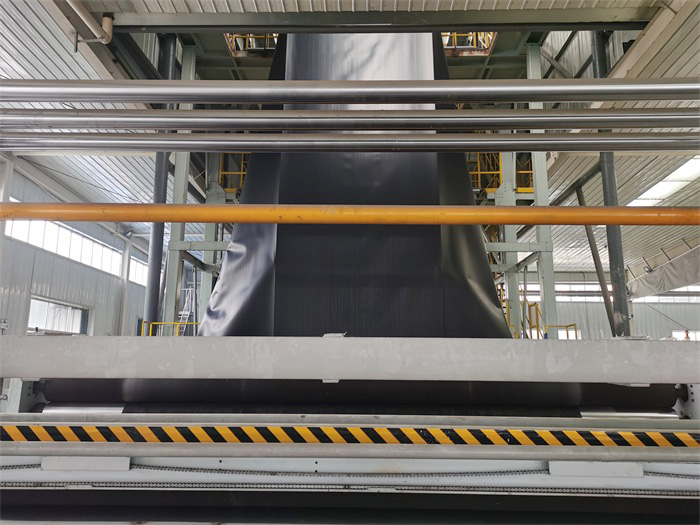
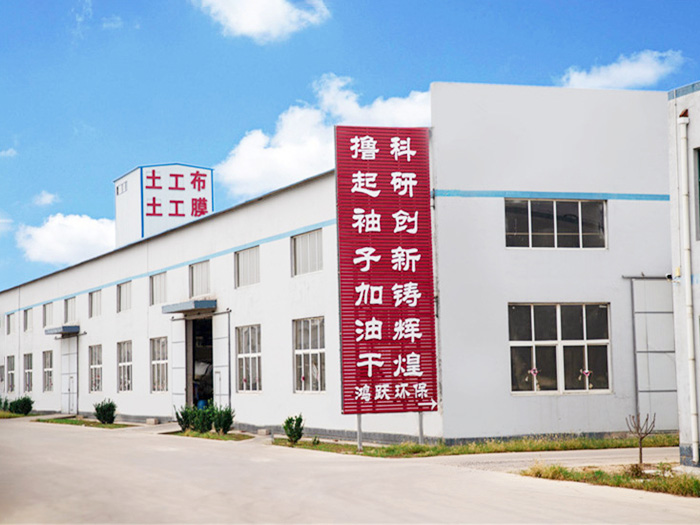
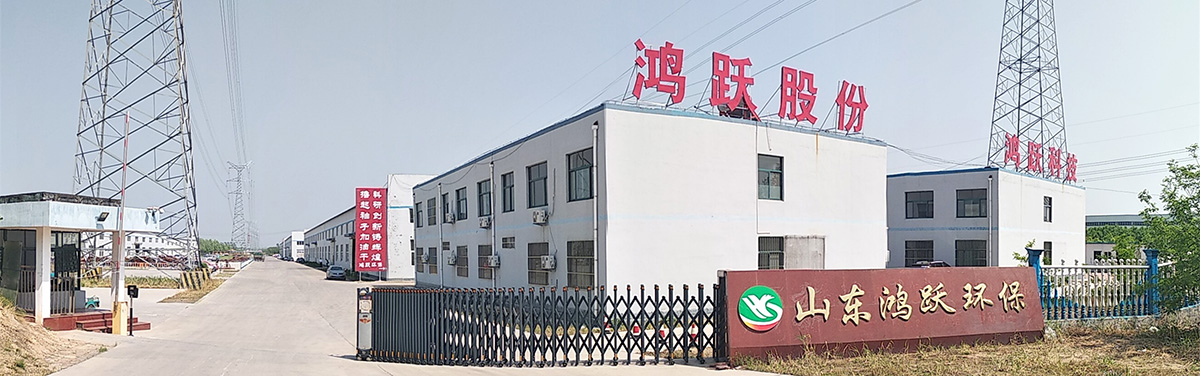
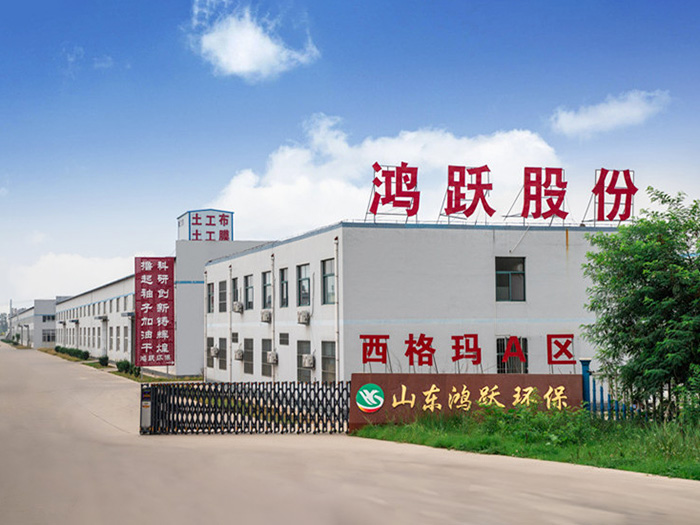
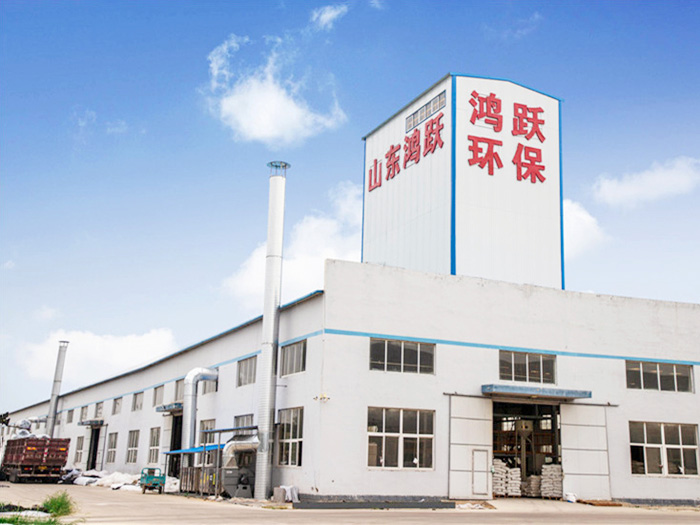
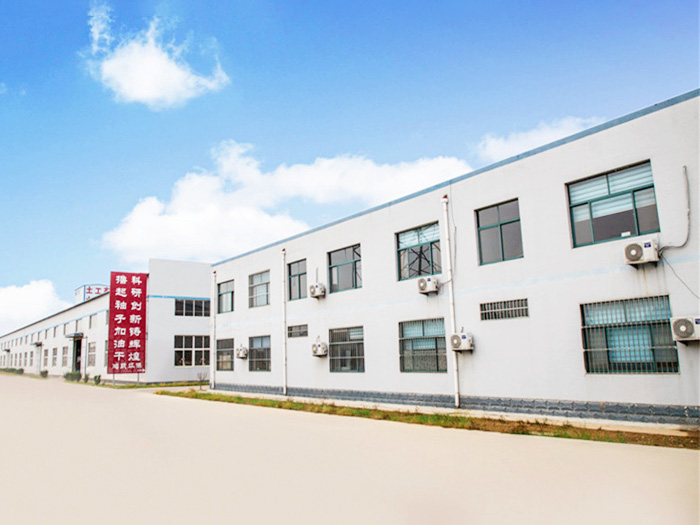
We maintain a rigorous quality assurance laboratory where every production run is tested for tensile strength, puncture limits, and drainage parameters.
Complete your civil engineering design with our auxiliary reinforcement, drainage, and barrier geosynthetic products.
 Hongyue