Explore our top-performing engineering materials manufactured to international standards
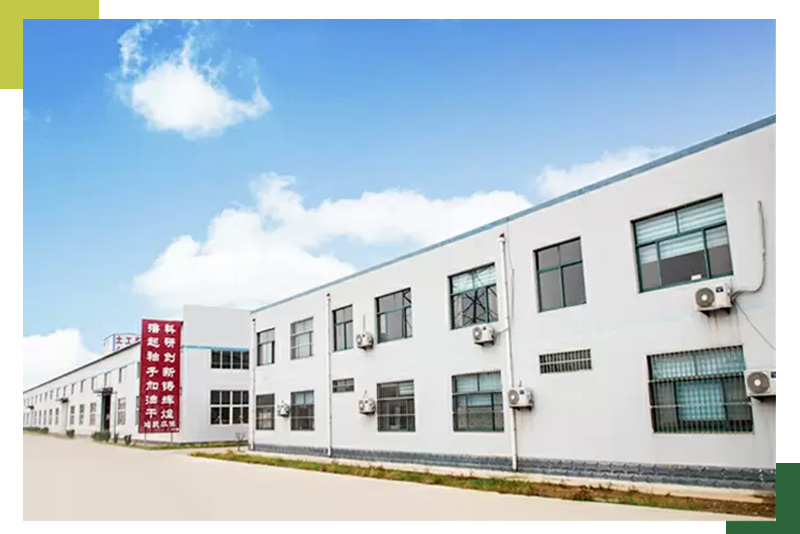
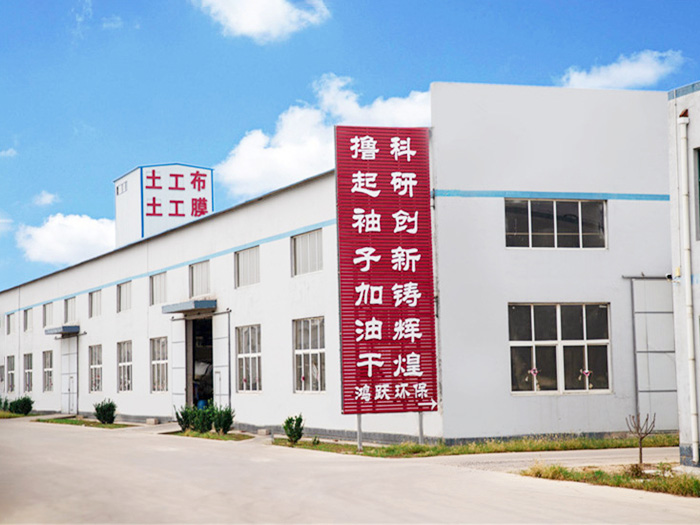
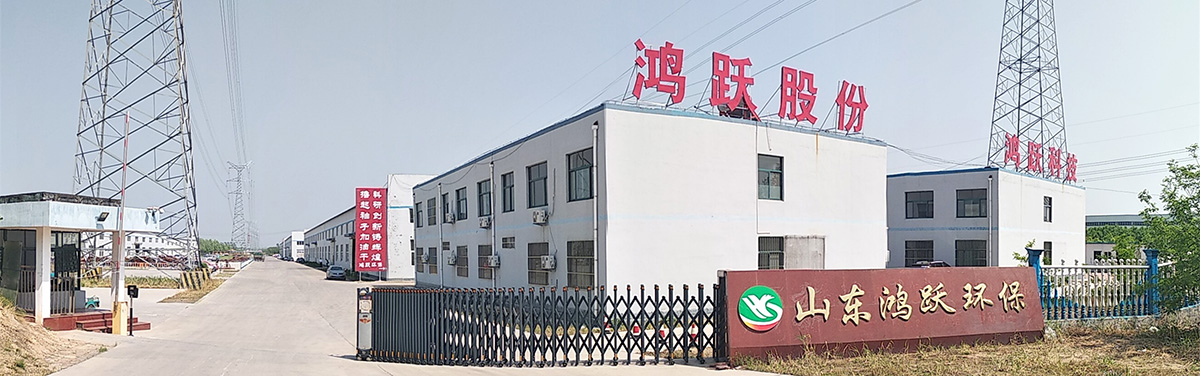
Shandong Hongyue Environmental Engineering Co., Ltd., located at the north end of Fufeng Street, Lingcheng District, Dezhou, Shandong Province, is a scientific and technological geotechnical material manufacturer integrating engineering material production, sales, design and construction services. The company was registered in Lingcheng District Market Supervision and Administration Bureau of Dezhou City on April 6, 2023, with a registered capital of 105 million yuan. It stands as one of the largest production bases of geotechnical materials in China, utilizing a superior geographical location and highly convenient transportation networks to serve global partners.
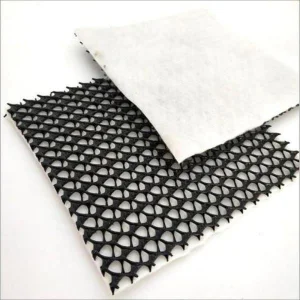
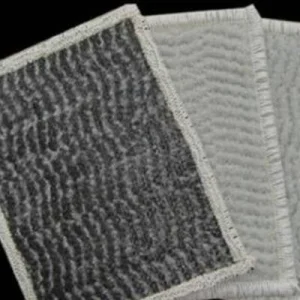
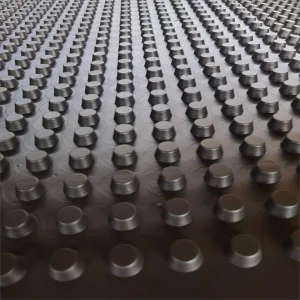
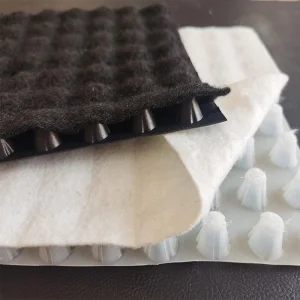
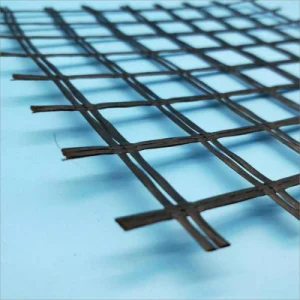
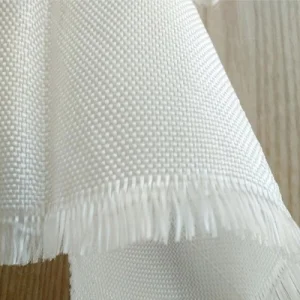
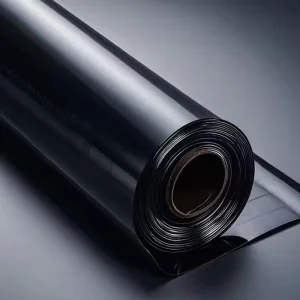
Our business spans a wide portfolio of products including geotextiles, geomembranes, composite geomembranes, waterproof boards, bentonite waterproof blankets, 3D composite drainage nets, drainage boards, woven geotextiles, cement blankets, fiber plant blankets, and flexible pervious pipes. By leveraging state-of-the-art manufacturing lines and high-quality raw materials, we provide professional engineering solutions for projects globally.
Registered Capital
International Quality Certified
Global Sales Networks
Comprehensive Tech Support
How Geosynthetic Cementitious Composite Mats (GCCMs) are redefining rapid concrete solutions
Traditional concrete involves high transportation costs and heavy site emissions. Cement blankets reduce CO2 emissions by up to 90% through thinner structures, lower material usage, and fast deployment without mixing machinery.
Modern GCCMs are built with a three-dimensional high-strength fiber matrix. Once hydrated, the embedded dry concrete forms a high-strength composite shell, minimizing cracking and offering superior resistance to chemical attack.
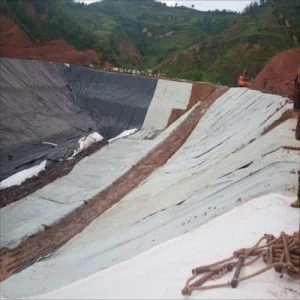
With an impermeable PVC or PE layer at the bottom, cement blankets provide a complete water-barrier solution, widely implemented in slope erosion protection, channel lining, and reservoir retaining structures.
SEO Insight & Information Gain: ASTM D8364 standardizes GCCMs based on thickness, tensile strength, and flexural parameters. When comparing factories, procurement officers must review test sheets to evaluate the long-term performance under local environmental stresses.
Step-by-step technological breakdown of our advanced manufacturing lines
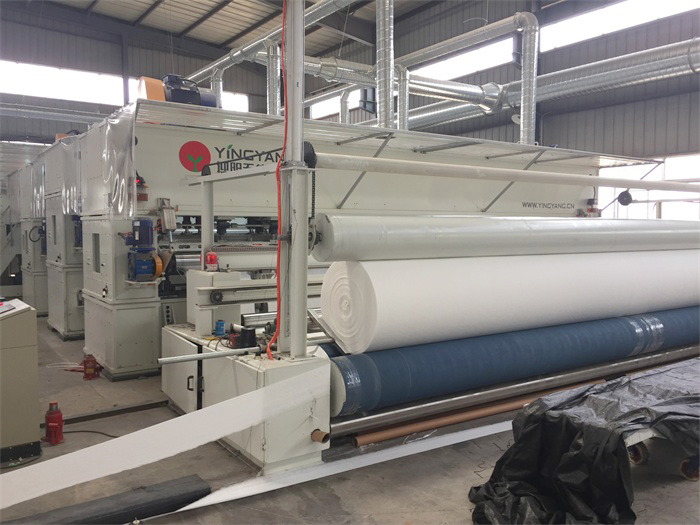
Our raw material inventory consists of premium polyester chips, high-tenacity polypropylene filament, and specialized viscose fibers. These materials undergo physical and chemical testing to ensure complete stability under extreme stresses.
Polyester slices are melted at high temperatures and extruded by computer-controlled screw extruders. Polypropylene filament and viscose fibers are mixed under precision control of temperature and pressure to ensure polymer consistency.
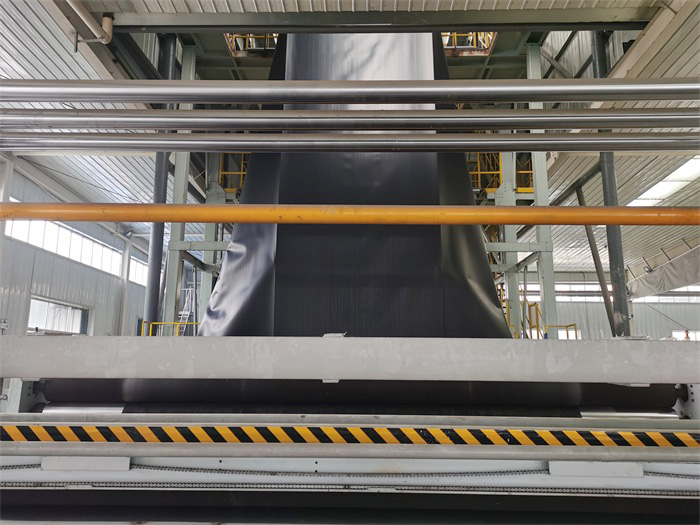
The molten mixture is sprayed through micro-nozzles to form a fine fibrous net on the moving conveyor. Thickness, uniformity, and fiber orientation are continuously analyzed using online sensors to maintain optimal mechanical characteristics.
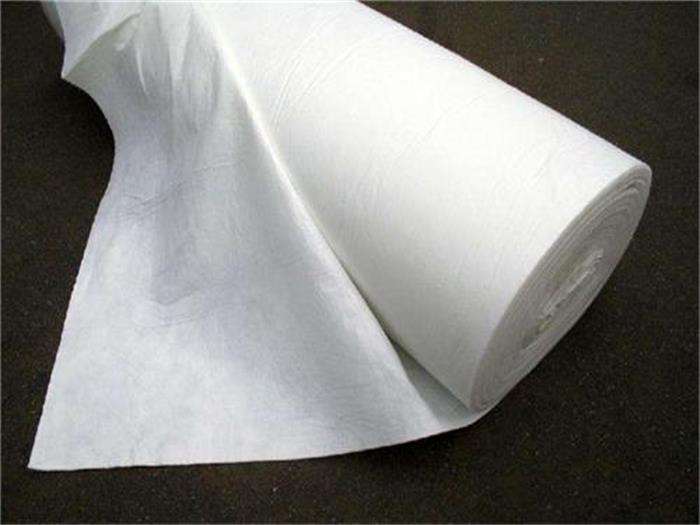
The laid fiber rolls are cured under mechanical draft. Curing temperature, speed, and stretching ratios are dynamically managed to achieve isotropic structural strength across both longitudinal and transverse axes.
Cured geotextile sheets and cement blankets are rolled to specific dimensions. In-line measuring systems verify width, length, and weight parameters against customized clients' orders before automatic packaging.
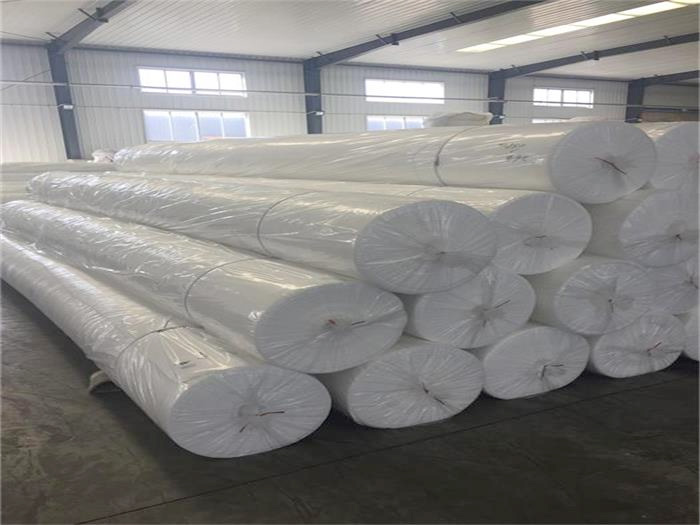
Every batch of cement blankets and geosynthetic products undergoes testing. Physical testing evaluates tensile strength, puncture resistance, and hydraulic conductivity, while chemical testing ensures environmental durability.
Inside our high-capacity production facility located in Dezhou, Shandong Province
Shandong Hongyue Environmental Engineering Co., Ltd. has established a complete and scientific management system. We have successively passed the ISO9001 international quality system certification, ISO14000 environmental system certification, and ISO45001 occupational health and safety management system certification.
With perfect testing means and precision inspection equipment, all products produced by the company reach or exceed national and international standards. All products are verified by the China National Testing Center, ensuring consistent quality for critical municipal, environmental, and hydraulic infrastructure works.
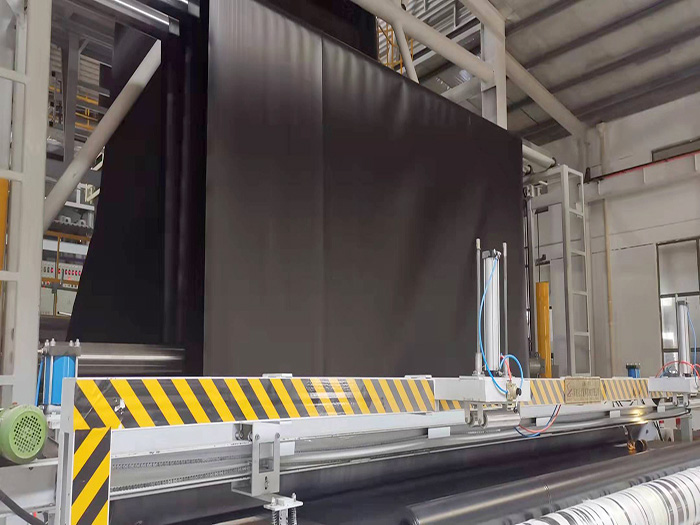
Comprehensive applications of geosynthetics in global infrastructure and environmental projects
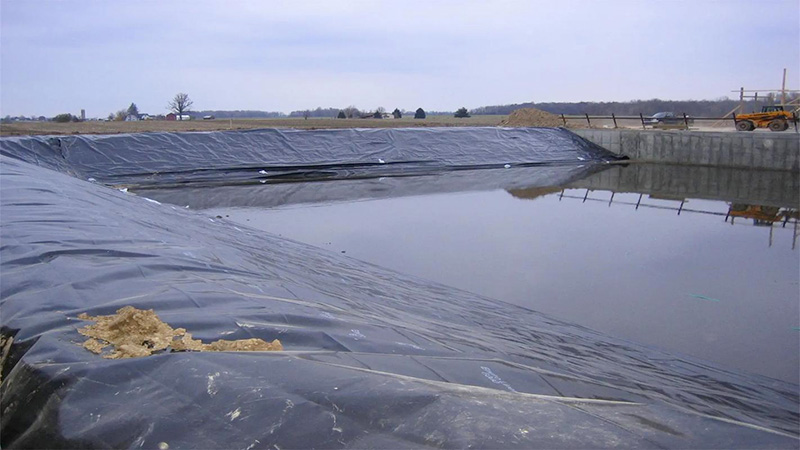
Geomembranes and cement blankets provide anti-seepage layers for major canals, mitigating water loss in arid agricultural systems and protecting embankment slopes from water-induced scour.
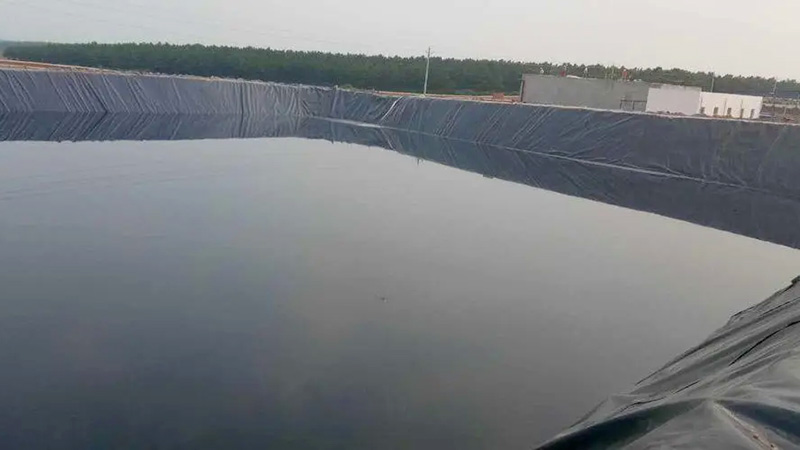
By preventing rain wash and soil shifting, composite geotextiles and cement blankets secure highway slopes, railway cuttings, and river banks against mechanical deformation and structural failure.
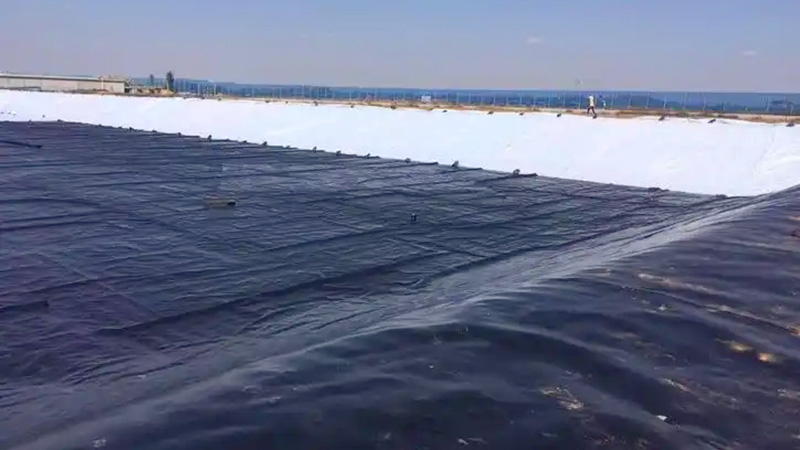
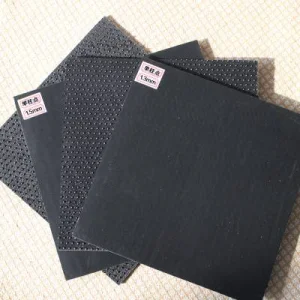
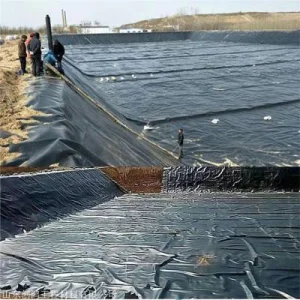
We engineer specialized HDPE geomembranes and bentonite waterproof blankets to manage hazardous waste, landfill caps, and tailing pond containment, safeguarding local groundwater supplies.
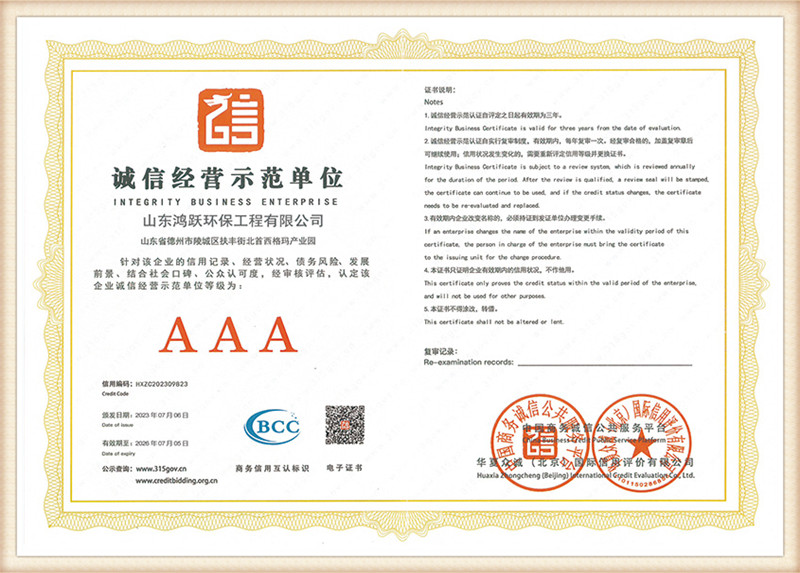
As a leading exporter, Shandong Hongyue Environmental Engineering Co., Ltd. understands the complex regulatory landscapes that global engineering teams navigate. Whether importing to Europe, the Americas, Australia, or across Southeast Asia, our team ensures compliance with international testing frameworks like ASTM, ISO, and EN.
We have developed localized sales networks and agency support structures in major cities to help procurement officers resolve transport logistics, customs declarations, and local compliance protocols. Our engineering consultants are equipped to support on-site laying operations and coordinate local third-party quality inspections to achieve final approvals.
Pioneering the next generation of eco-friendly geosynthetic materials
Developing next-gen cement blankets utilizing mineral-precipitating bacteria to heal micro-cracks automatically, extending the service life of drainage ditches up to 50 years.
Integrating optical fibers within woven geotextiles to allow remote monitoring of slope movement and stress accumulation in high-risk railway structures.
Improving the composition of our geomembranes with specialized carbon-black formulations to withstand prolonged UV exposure in desert environments.
Technical guidance from our senior engineering team
Depending on the environmental conditions and mechanical wear, our high-quality cement blankets (GCCMs) are designed to last over 30 years under normal weather and water exposure conditions, resisting freeze-thaw cycles and UV degradation.
Typically, a minimum water-to-weight ratio of 1:3 is recommended. Over-hydration is generally not an issue as the specialized dry concrete matrix will absorb only the required amount of water to set.
Yes. However, the hydration water must not freeze while the cement cures. In sub-zero conditions, hot water can be used or the surface can be covered with thermal geotextiles during the initial 24-hour setting phase.
We are fully certified with ISO9001:2015, ISO14001:2015, and ISO45001:2018. Additionally, our products carry CE markings where required for compliance in European economic zones.
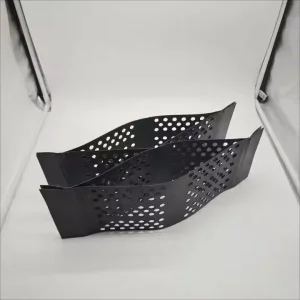
Explore our full range of reinforced geogrids, geomembranes, and specialized drainage boards
 Hongyue