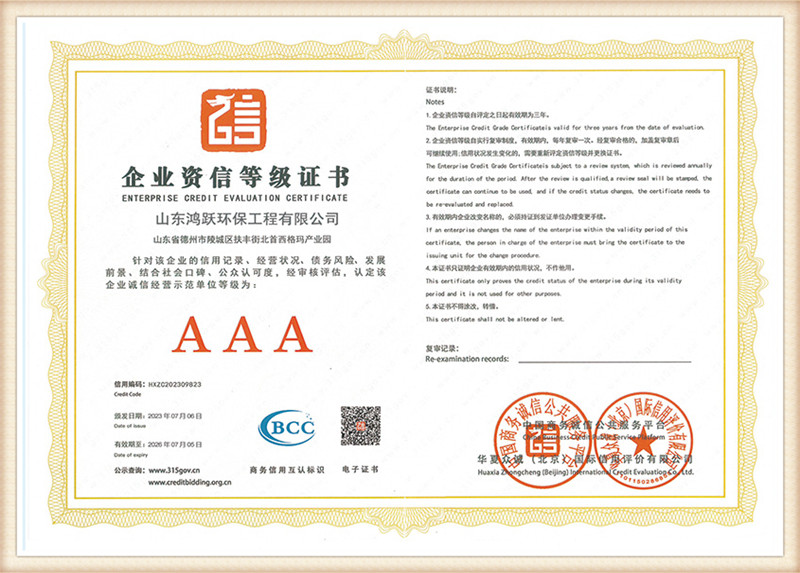
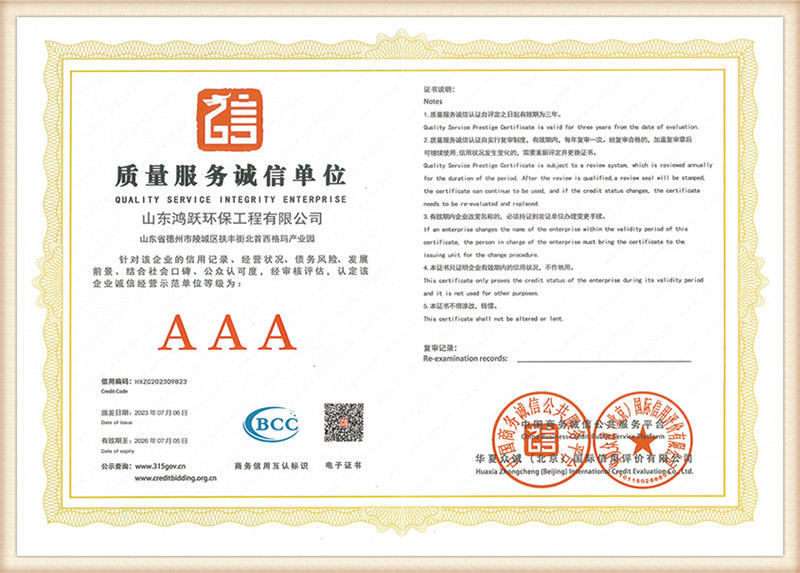
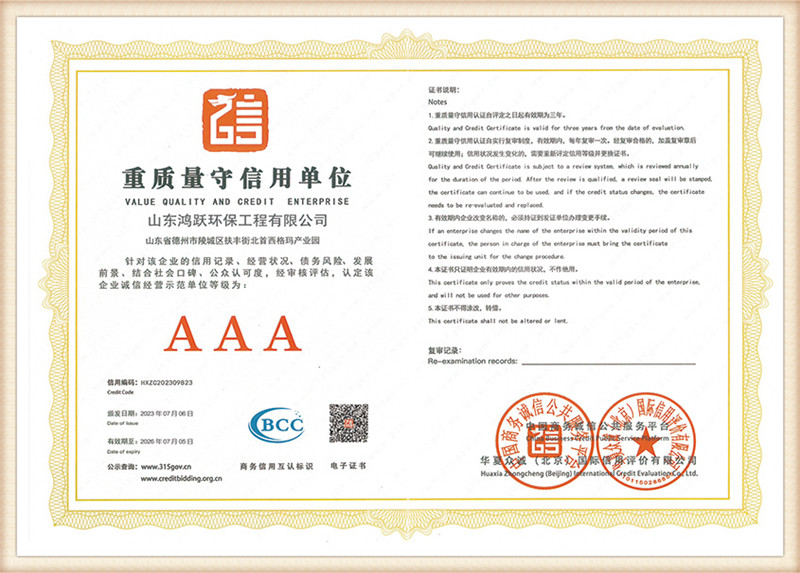
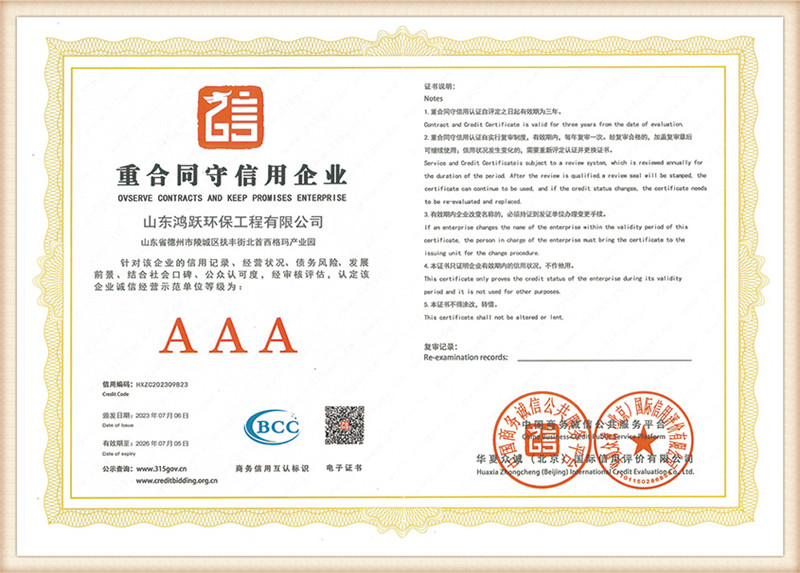
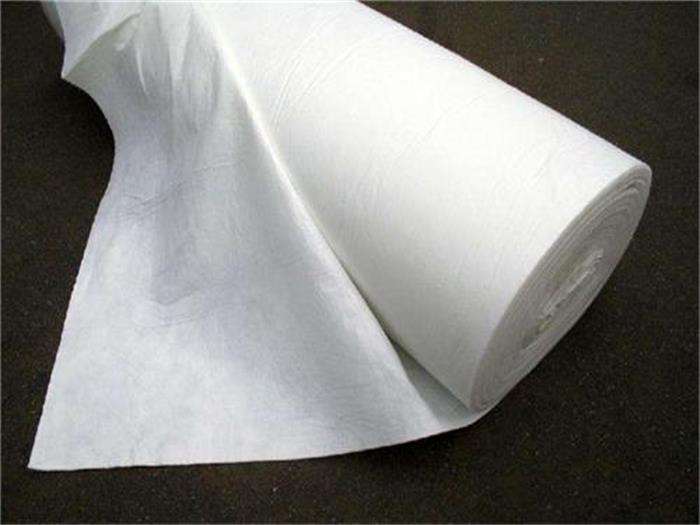
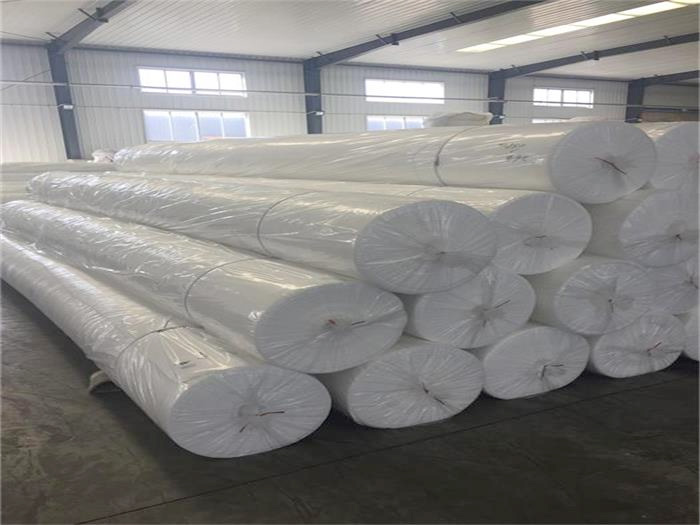
Explore our elite portfolio of composite membranes, reinforced linings, and advanced environmental insulation blankets
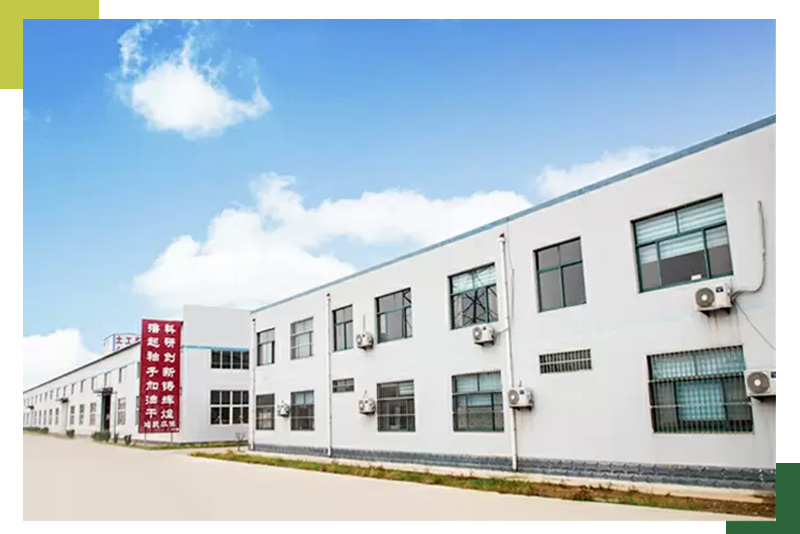
Established as a standard-setting manufacturer of geotechnical materials, Shandong Hongyue Environmental Engineering Co., Ltd. is located at the northern edge of Fufeng Street, Lingcheng District, Dezhou, Shandong Province. We integrate scientific material production, global export supply, detailed design services, and on-site engineering advisory into a single, cohesive customer experience. Founded on April 6, 2023, with a registered capital of 105 million yuan, our enterprise has rapidly scaled to become one of the premier industrial manufacturing bases for high-end geosynthetics in China.
Our strategic facility location in Dezhou affords logistics and transport advantages, facilitating seamless access to major global shipping corridors. We cater directly to the expanding demands of municipal planning, massive water conservancy projects, deep-level ecological landfills, mining developments, and heavy civil infrastructure across Europe, North America, Southeast Asia, and Australia.
Modern containment technology is transitioning away from thick, excavation-intensive compacted clay barriers in favor of high-performance engineered geosynthetics. Chief among these are Geosynthetic Clay Liners (GCLs) and structured water repellent blankets. This change is driven by the global focus on environmental regulations, mining safety, and municipal waste management strategies.
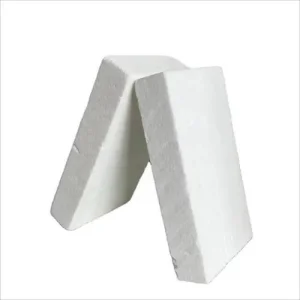
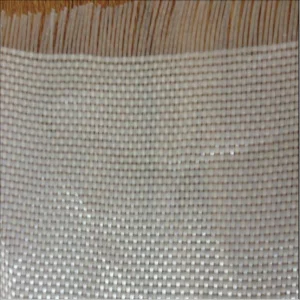
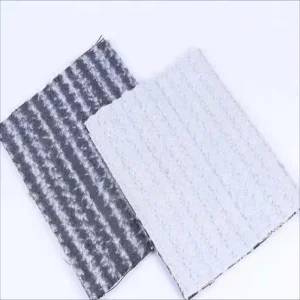
Recent developments in water repellent blankets involve composite systems where high-expansion sodium bentonite is needles-punched between geotextiles, or reinforced with glass-fiber matrices in concrete canvas installations. This layout leverages molecular-level hydration expansion to create a low-permeability physical barrier, offering self-sealing capabilities that traditional geosynthetics cannot match.
"The incorporation of needle-punched fiber locks within GCL systems prevents bentonite shift and maintains structural cohesion even along high-incline channels. This optimization is crucial for long-term containment stability in hazardous containment areas."
In B2B purchasing, engineering firms prioritize products that simplify onsite setup and lower total lifecycle costs. Our global clients focus on specific structural performance benchmarks:
Systems must maintain a hydraulic flux rate below 5 × 10⁻⁹ cm/sec under varying containment loads.
Robust needle-punched fibers secure multi-layered structures, preventing sliding failures on steep slopes.
Protective sheets are treated to resist industrial leachate, salinized runoff, and municipal waste liquids.
Shandong Hongyue operates on advanced automated production principles. Our production lines utilize automated sensor arrays and real-time thickness monitors to ensure each roll meets design requirements. Through modern manufacturing upgrades, we minimize material variations, optimize power usage, and run high-efficiency production shifts.
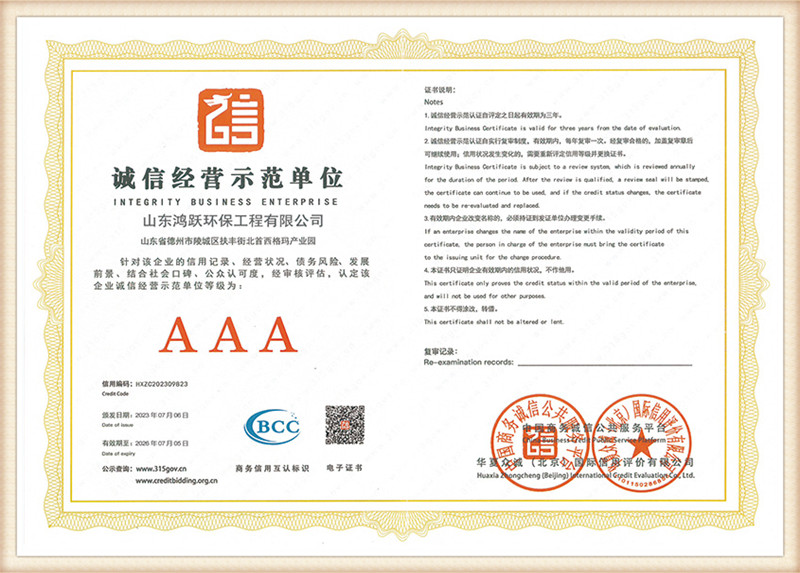
Our Quality Management Systems are backed by recognized certifications, including ISO9001 for international quality standards, ISO14001 for environmental management, and ISO45001 for occupational health and safety. These systems are supported by modern testing equipment and a dedicated engineering team, enabling us to consistently manufacture products that meet international performance standards.
By automating the blending of raw polymer chips and needle-punching clay matrices, we limit material inconsistencies. This processing stability ensures that our bentonite blankets, composite drainage networks, and geotextiles remain reliable throughout large-scale infrastructure projects.
Our domestic supply chains are integrated within Dezhou’s logistics hub, allowing us to manage material transport efficiently and mitigate volatile freight shifts. This secure supply network provides clients with stable lead times for time-sensitive, large-scale civil engineering projects.
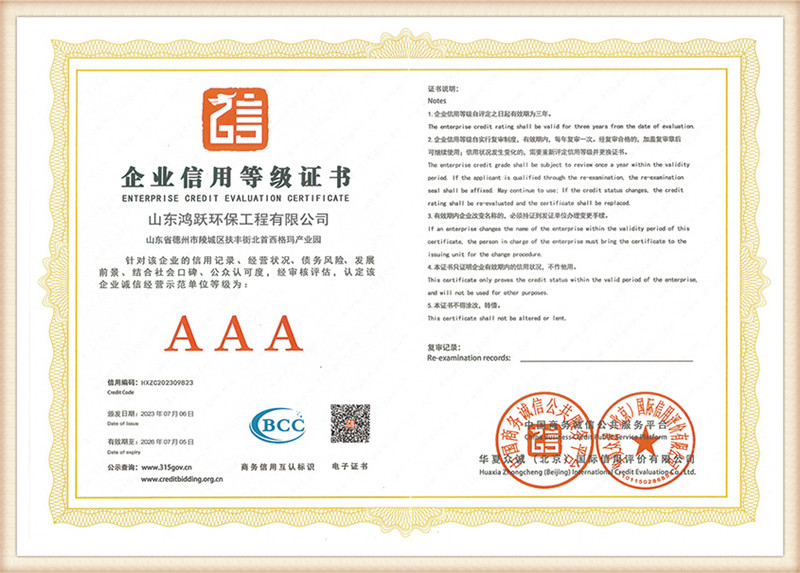
The manufacturing process at Shandong Hongyue uses dedicated, high-speed lines designed to maintain material consistency. This systematic process ensures that all finished rolls perform reliably under heavy mechanical stress.
We source raw polyester chips, polypropylene filament, and viscose fibers. These materials undergo inspections to verify physical properties, ensuring only qualified raw materials proceed to production.
Polymer chips are heated and extruded through a screw extruder. Polypropylene filament and viscose fibers are integrated into the melt under monitored temperature and pressure to ensure structural uniformity.
The molten mixture is pushed through a spinneret plate onto a moving conveyor system, creating a fiber web. Adjustments during this step determine the web's thickness and fiber orientation, which dictate the final physical properties of the geotextile.
The loose web is structured using needle-punching thermal bonding methods. Precise control over process speed and needle frequency locks the fibers into place, providing high tensile strength and puncture resistance.
After curing, the rolls are cut to width and wound onto heavy-duty cores. Rolls are labeled with dimensions and batch numbers to ensure complete traceability from our factory floor to the job site.
Before leaving the facility, each batch is tested for tear strength, hydraulic conductivity, and thickness. These checks ensure our products match international standards, including approvals from China's National Testing Center.
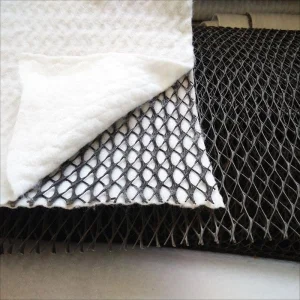
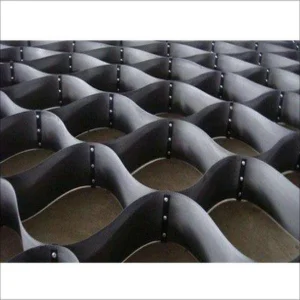
Geomembranes, drainage nets, and composite clay liners perform critical functions in environmental protection and infrastructure projects. Proper installation and site preparation are essential to achieve low-permeability performance.
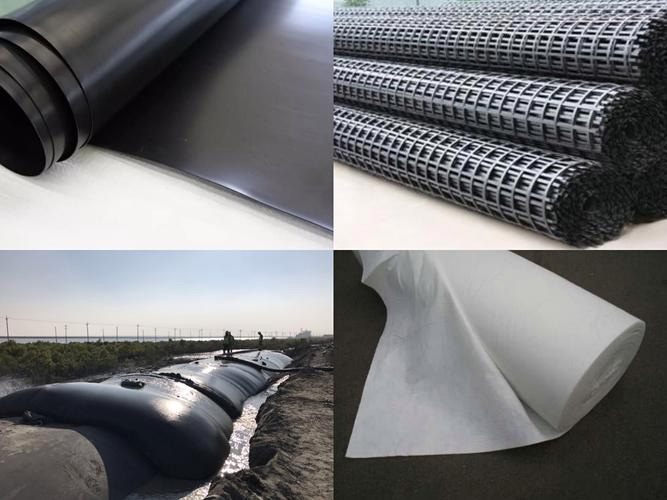
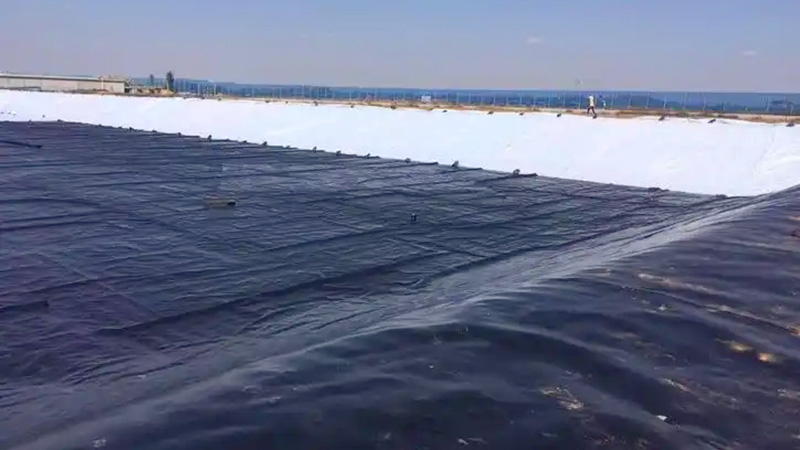
Hydraulic Engineering & Reservoirs: Liners prevent seepage loss in municipal reservoirs and agricultural irrigation canals, conserving water resources.
Municipal Containment: In landfills and toxic waste storage cells, geomembranes and GCLs isolate waste, preventing leachate from contaminating surrounding groundwater tables.
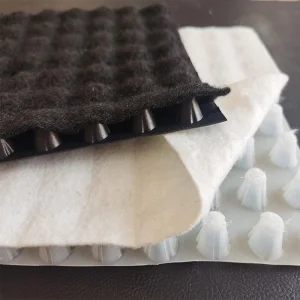
Infrastructure Stability: Used on roadbeds, railways, and tunnels, composite drainage layers manage groundwater pressure, preventing soil shifts and water damage to structural concrete.
Addressing technical inquiries regarding the selection, testing, and application of water repellent blankets and geosynthetics
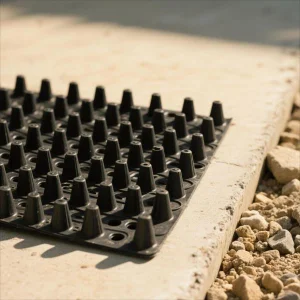
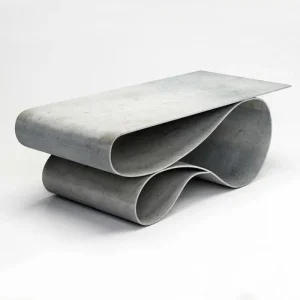
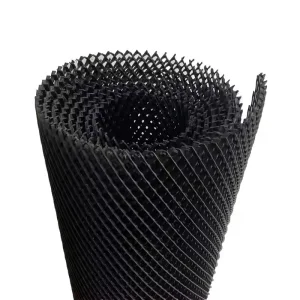
Our secondary collection of protective geosynthetics, drainage lines, and concrete slope protectors
 Hongyue