Verified Manufacturer Profile
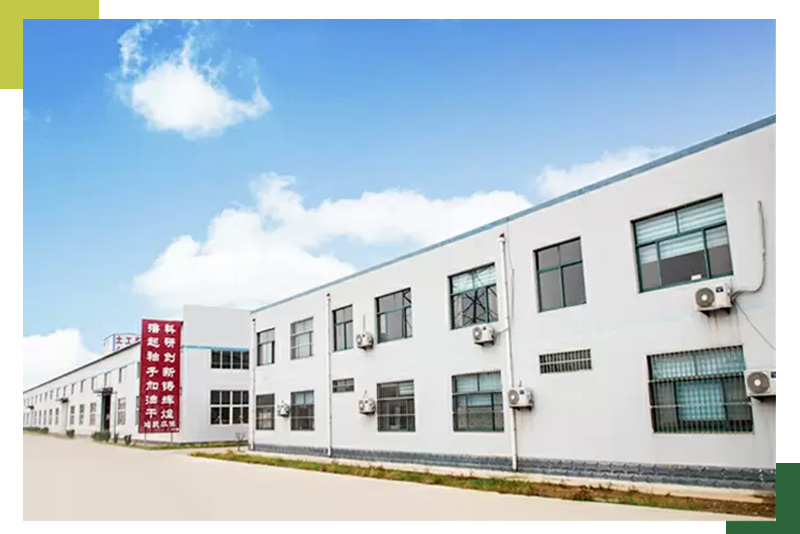
Established in the heart of China's geotechnical innovation hub, Shandong Hongyue Environmental Engineering Co., Ltd. (located at the north end of Fufeng Street, Lingcheng District, Dezhou, Shandong Province) stands as a prominent pioneer in the research, development, and mass manufacturing of modern geosynthetics. With a formidable registered capital of 105 million yuan, registered on April 6, 2023, our facility represents one of the largest and most technically advanced production bases of geotechnical materials in mainland China.
Our strategic location in Dezhou affords us exceptional logistical access, enabling streamlined supply chain execution to deliver premium PP geogrids, geomembranes, and drainage boards to international mega-projects. We cater directly to the rigorous demands of civil engineering entities, municipal governments, and global procurement departments requiring certified civil engineering reinforcing components.
Industry Insight & Market Evolution
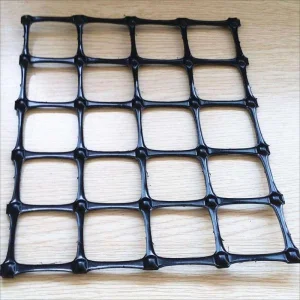
Polypropylene (PP) Geogrids have transformed modern civil engineering by offering unparalleled tensile reinforcement for weak soils and heavy loading areas. Originally formulated as simple extruded meshes, the modern PP geogrid has evolved into highly engineered, multi-axial soil-stabilizing structures.
The global construction market is witnessing a major shift toward structural cost-optimization and carbon emission reduction. Engineers are moving away from traditional thick concrete layers and sub-base over-excavations. Instead, they utilize Biaxially-Stretched PP Geogrids to achieve equivalent or superior load-bearing capacities with significantly reduced aggregate thickness. This change addresses two critical modern mandates: reducing overall project budgets and minimizing carbon footprints through decreased stone quarrying and logistics.
Furthermore, the convergence of AI, structural health monitoring, and polymer chemistry is driving the industry toward smart geogrids. Innovations now include the integration of optical fibers and conductive polymers within the PP grid ribs, allowing real-time telemetry on soil settlement and internal tension changes.
Macro-Level Applications
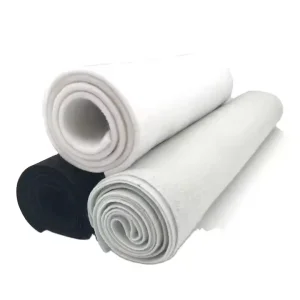
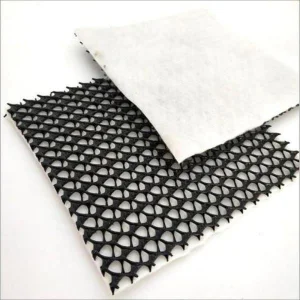
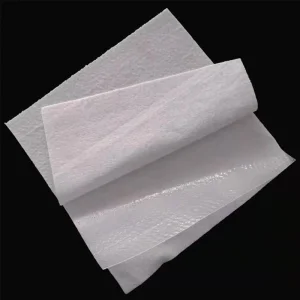
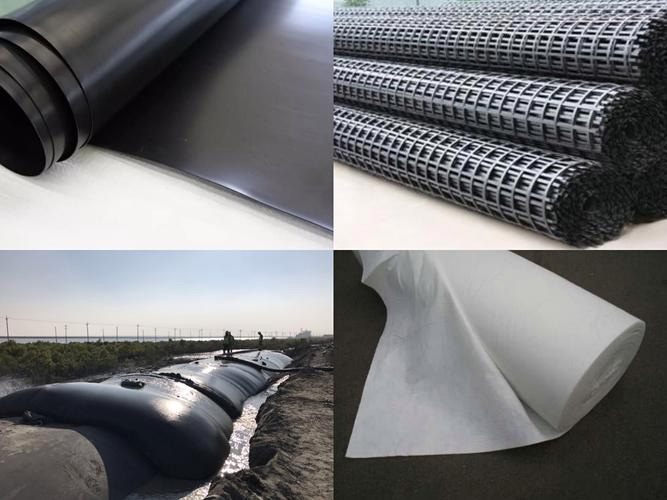
Geosynthetics rarely work in isolation. Modern engineering designs demand composite solutions where PP geogrids, geomembranes, and nonwoven geotextiles collaborate to form a resilient barrier and structural reinforcement layer. At Shandong Hongyue, we specialize in supplying comprehensive systems designed for high-stress environmental conditions:
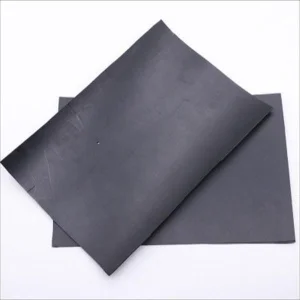
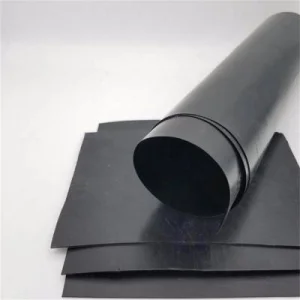
Our advanced geomembranes and geogrids are utilized in dams, artificial lakes, and irrigation channels. By combining high tensile geogrids for slope stabilization and premium HDPE/LLDPE membranes, we prevent localized sliding and fluid loss in complex hydrological structures.
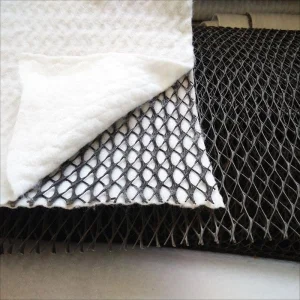
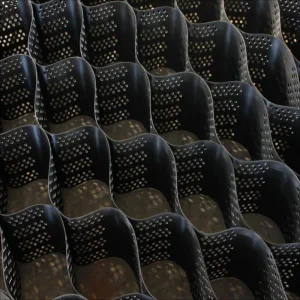
Environmental safety mandates strict anti-seepage controls in waste treatment sites. Our system solutions utilize thick double-sided textured geomembranes combined with composite drainage nets and geocells to contain leachate safely and prevent groundwater contamination.
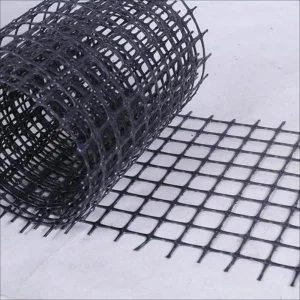
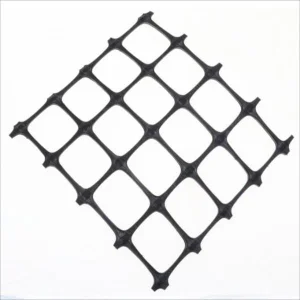
Biaxial PP geogrids provide a lateral restraint mechanism that locks road-base aggregates in place under heavy dynamic loads. This prevents subgrade shifting, reduces rutting depth, and extends the operational lifetime of asphalt and concrete pavements.
Manufacturing & Tech Flow
The structural integrity of a PP geogrid or geotextile depends heavily on control during the production process. Substandard extrusion temperatures or improper drawing ratios can lead to premature failure in the field. Shandong Hongyue Environmental Engineering Co., Ltd. implements a strict multi-stage quality protocol across all product lines:
Using 100% virgin polypropylene chips, polyester chips, and specialized carbon black additives. The molecular weight and moisture levels of all polymer components are verified prior to production.
Polymer chips are fed into computerized screw extruders under precisely regulated heat zones. This ensures high chemical homogeneity of the molten sheet before punching or grid configuration.
For biaxially oriented PP geogrids, the extruded polymer sheet is punched in a precise pattern, then reheated and stretched in both longitudinal (machine) and transverse (cross) directions. This aligns the polymer molecules, giving the ribs high tensile strength and junctions excellent shear resistance.
Finished rolls undergo physical property testing (tensile yield strength, aperture sizing, junction efficiency) and environmental testing. Compliance with ISO9001, ISO14000, and ISO45001 is monitored and documented.
International Operations & Compliance
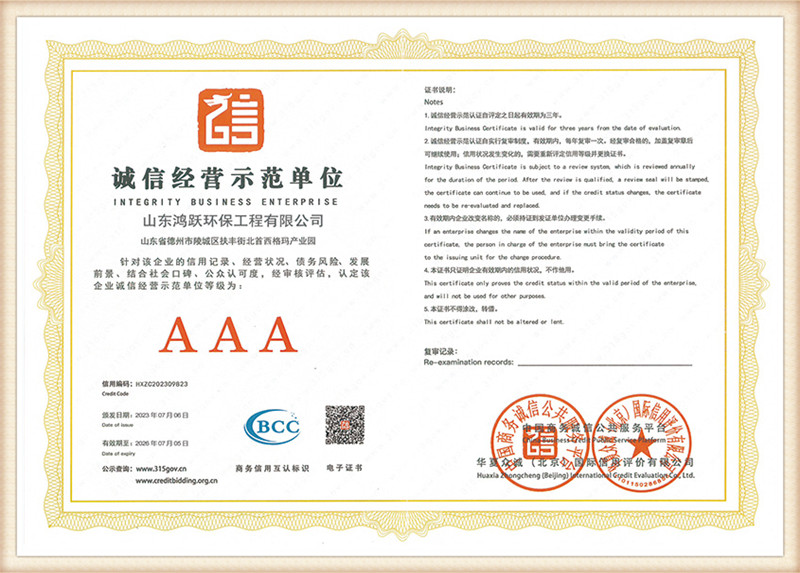
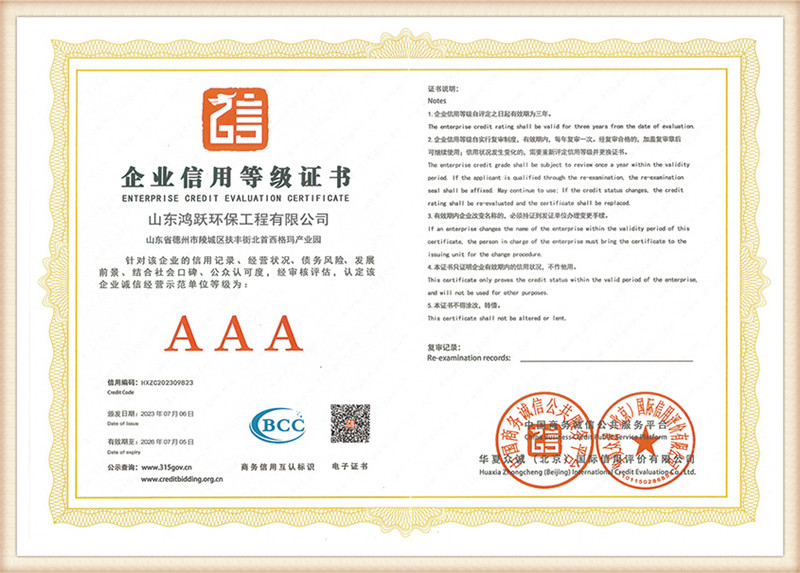
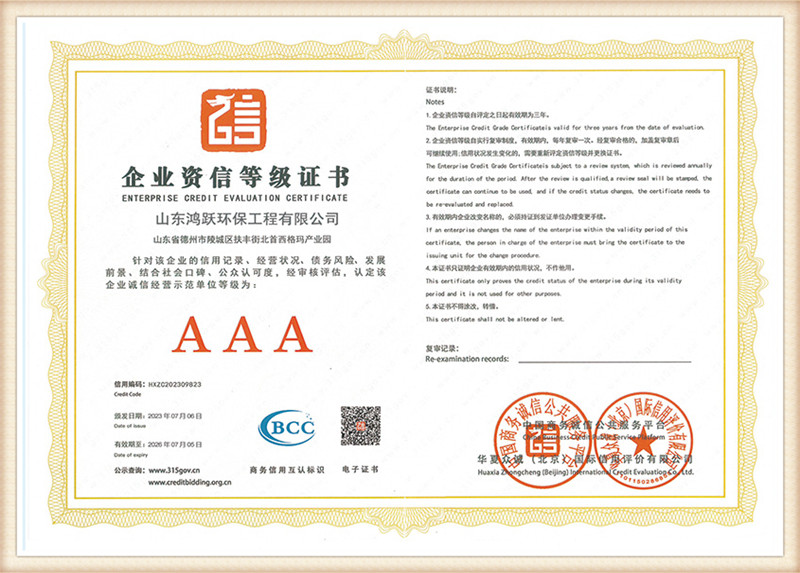
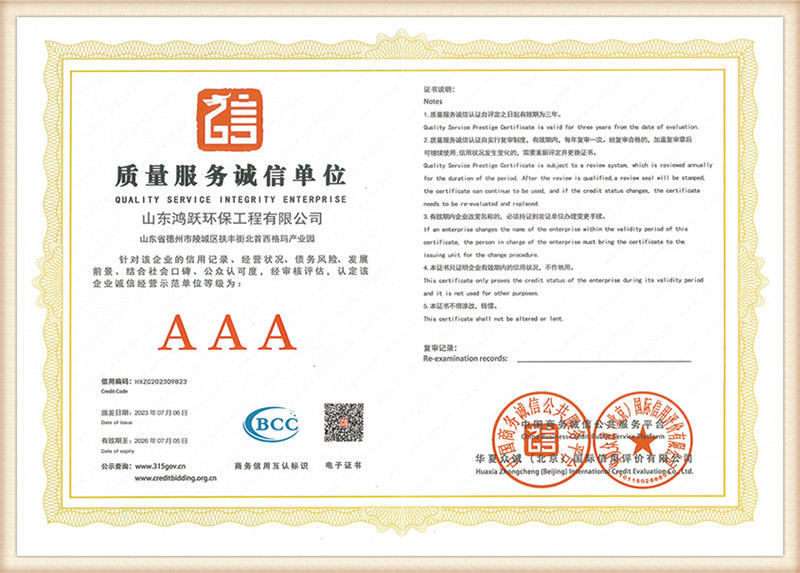
Procuring civil engineering materials internationally requires reliable product quality and solid regulatory alignment. Shandong Hongyue has developed sales networks and agency representation in major international and domestic hubs (including Shanghai, Beijing, Europe, the United States, and Australia). We understand the complex requirements of national testing regimes.
Our complete geosynthetic line holds CE Certification for anti-seepage geotextiles and reinforced geomembranes, meaning our products conform with European Economic Area health, safety, and environmental protection standards. We also meet ASTM (American Society for Testing and Materials) and GRI (Geosynthetic Research Institute) specifications.
To streamline project integration, we provide comprehensive logistical coordination and technical consultation, supported by an engineering team with over ten years of onsite field experience. Whether you are stabilizing a soft railway subgrade in Australia or constructing a landfill liner in Germany, our team delivers custom rolls, matching specifications, and site execution guidance.
Practical Field Guide
The longevity of your engineering works is directly linked to correct installation methods. Below is our verified guideline for deploying containment geomembranes and reinforcing geogrids on-site:
1. Site Preparation: Prior to unrolling any geosynthetic material, the subgrade must be compacted and cleared of sharp stones, roots, or debris that could puncture the polymer. Low areas should be leveled to prevent air pockets beneath the sheet.
2. Deployment & Laying: Align the rolls according to the engineering design. Geocells and geogrids should be stretched to their full dimensions and temporary staked down before backfilling. For geomembranes, avoid stretching the sheet too tight; allow slight slack to accommodate thermal expansion and contraction.
3. Joint Welds & Overlaps: Seams are the critical interface. For geomembranes, use dual-track hot wedge welding with pressure testing channels to verify weld integrity. For PP geogrids, ensure the specified overlap width (typically 300mm to 500mm depending on soil quality) is secured with heavy-duty ties or grid-connectors.
Next-Generation Roadmap
Our research and development pipeline focuses on optimizing durability, sustainability, and real-time utility for geotechnical projects:
Incorporating nano-carbon elements into the polypropylene extrusion to significantly increase long-term UV resistance and reduce creep deformation under constant loading.
Developing high-performance, fully recyclable PP geogrids designed for temporary road subgrades, retaining walls, and short-term civil engineering structures, minimizing post-project waste.
Expert Knowledge Base
 Hongyue