Direct sourcing access to our internationally compliant geocells, drainage tubes, filaments, and specialized barrier fabrics.
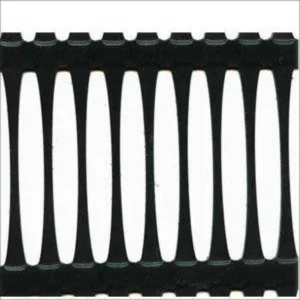
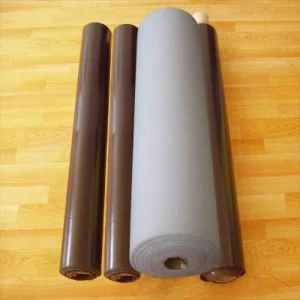
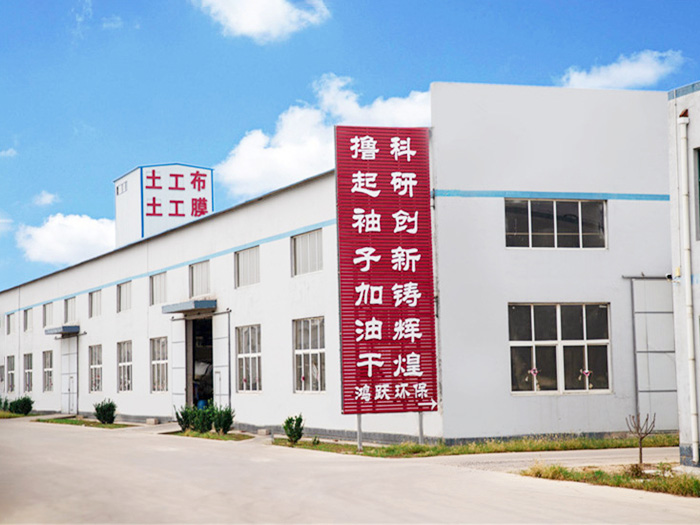
Geotextiles are foundational elements in environmental containment, civil hydrology, transportation infrastructure, and structural stabilization. To select the optimal material—whether it is non-woven needle-punched polypropylene, continuous filament PET, or multi-dimensional composite geogrids—engineers must analyze specific mechanical and hydraulic profiles. As a leading manufacturer, Shandong Hongyue Environmental Engineering Co., Ltd. produces premium geosynthetic barriers designed to withstand severe shear stress, chemical exposure, and mechanical loads.
By integrating advanced polymers with automated extrusion lines in Dezhou, Shandong Province, we offer high-tensile, highly permeable options that replace traditional graded aggregate filters. This whitepaper details how specialized manufacturing translates to real-world performance, matching target civil parameters with cost-effective wholesale prices.
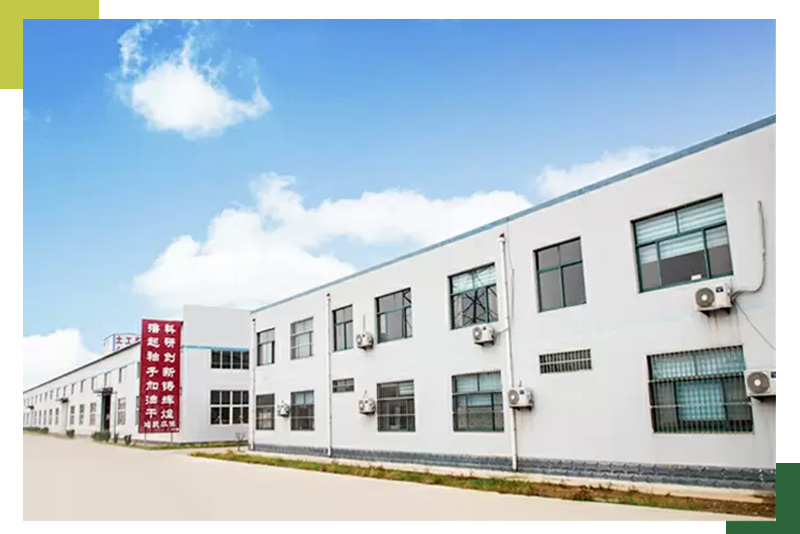
High investment backing up rigorous civil and environmental performance standards.
Ensuring structural integrity and micro-pore consistency through highly regulated thermal, mechanical, and quality verification workflows.
The performance of Duraweb geotextile fabric depends on raw material purity. We source high-grade polyester (PET) chips, polypropylene (PP) filament, and viscose fibers. These materials undergo automated purity tests to check their molecular weight distribution and prevent degradation in acidic or alkaline soils.
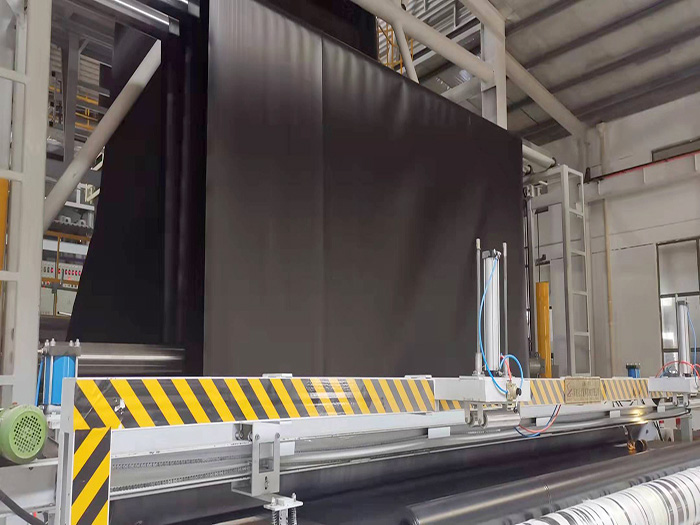
Polyester chips are dried and fed into a high-temperature screw extruder. Modifiers are added to improve ultraviolet (UV) stability. The molten polymer is extruded through spinnerets to form continuous filaments with high tensile strength.
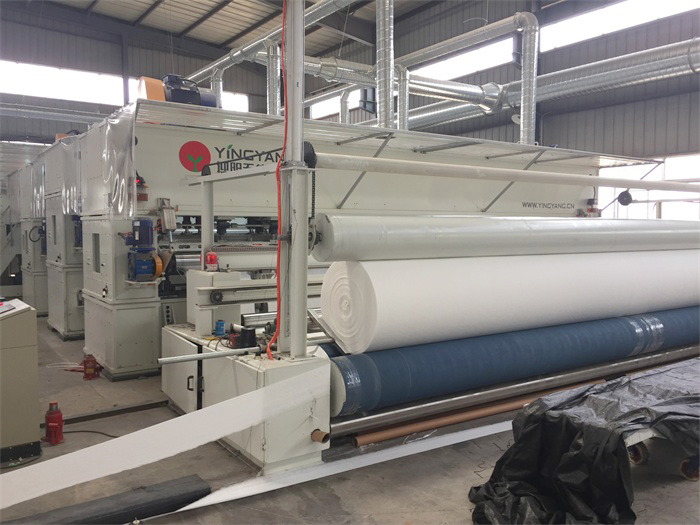
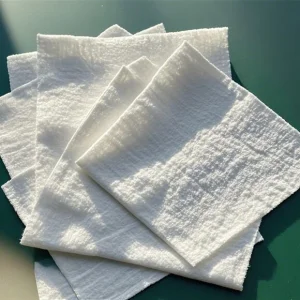
The extruded filaments are laid onto a moving conveyor belt to form a web structure. Pneumatic systems arrange the fibers randomly, providing isotropic tensile strength across both longitudinal and transverse axes.
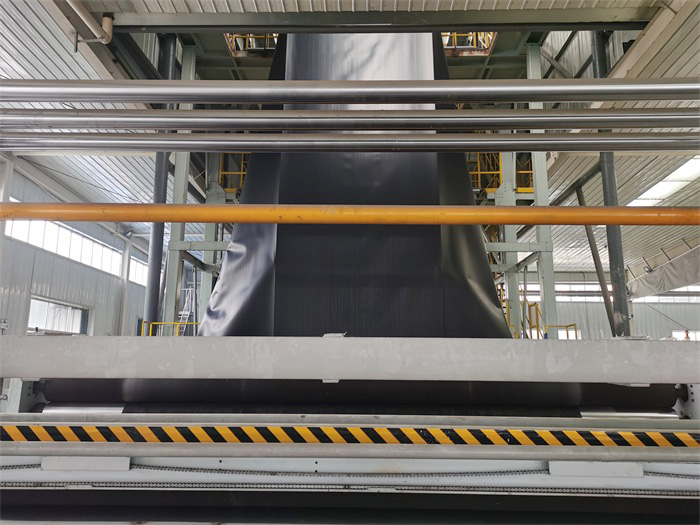
The loose fiber web passes through needle punching looms. Thousands of barbed needles interlock the fibers, increasing density and strength. For specific applications, thermal calendering is used to control thickness and modify hydraulic permittivity.
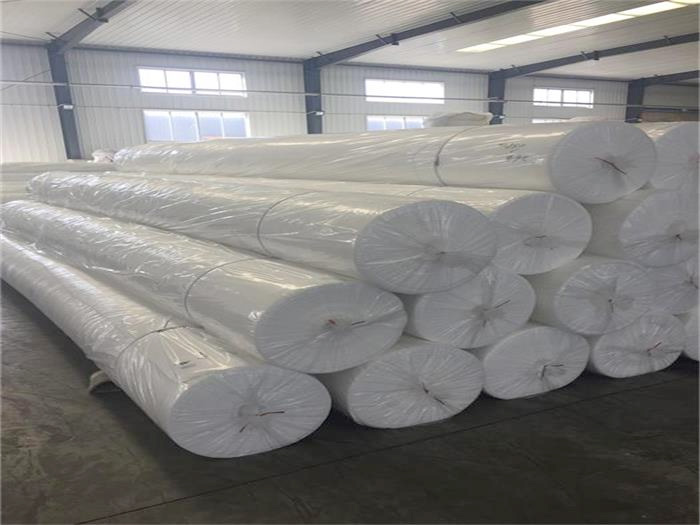
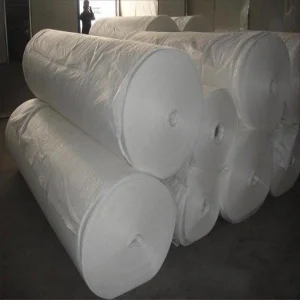
The finished geotextile is rolled to standard widths (typically 2m to 6m) and lengths (50m to 100m). Specialized circular saws slit the fabric to meet custom field requirements. Every roll is wrapped in UV-resistant protective film to prevent pre-installation degradation.
Samples from every batch undergo mechanical testing, including wide-width tensile tests (ASTM D4595), CBR puncture resistance tests (ASTM D6241), and hydraulic tests to verify permittivity and apparent opening size (AOS).
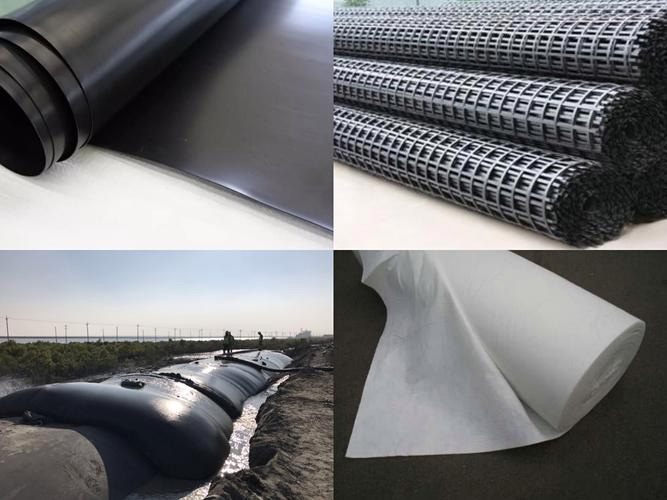
How our combined geotextile and geomembrane systems perform under challenging environmental and geological conditions.
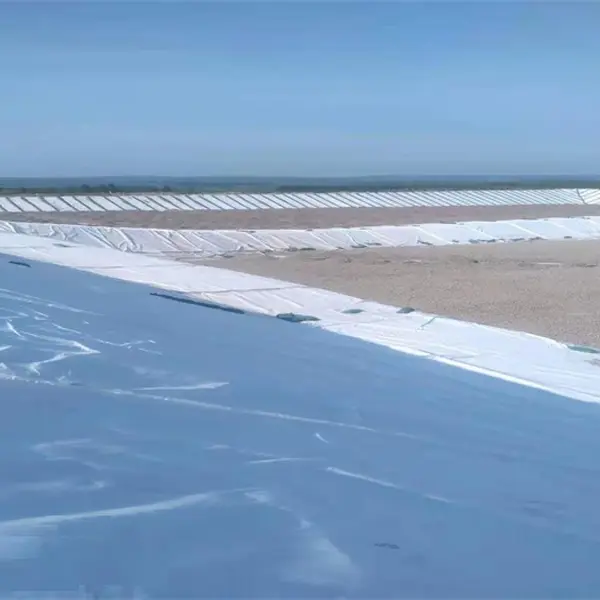
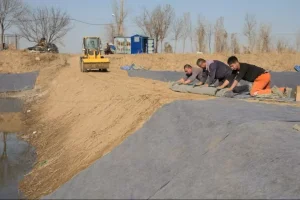
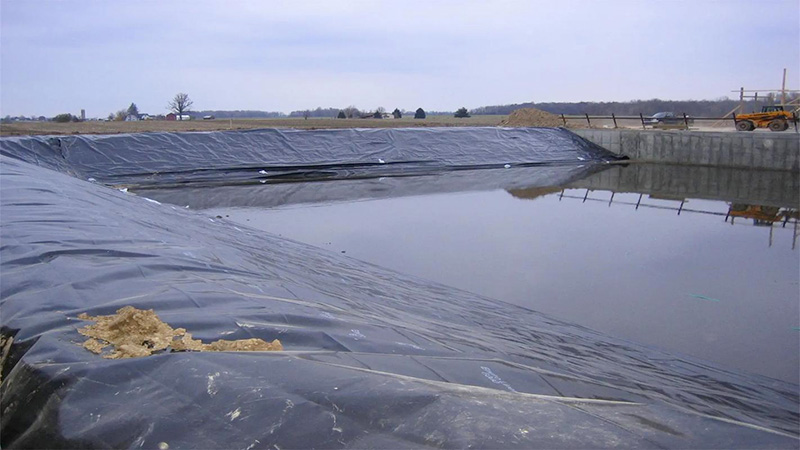
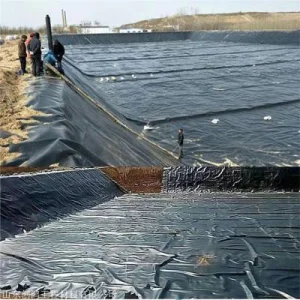
Protects dams, reservoirs, and canals from soil erosion by providing long-term filtration and drainage.
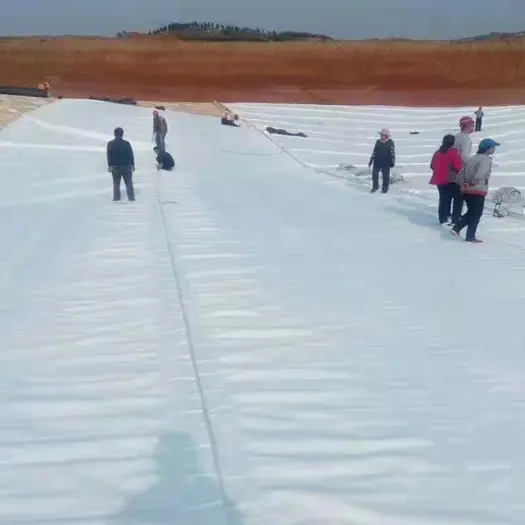
Lines waterways to prevent water loss and protect underlying soil structures from erosion.
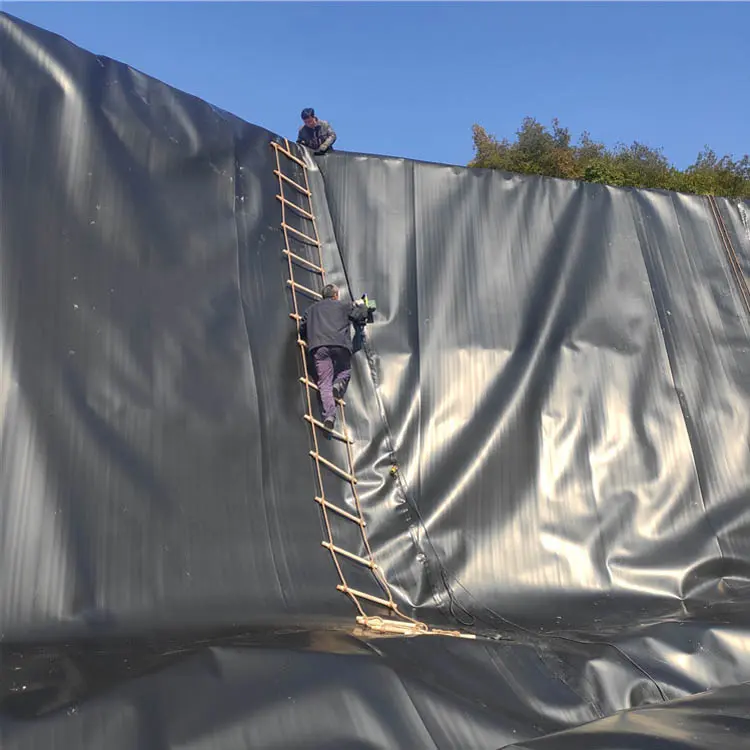
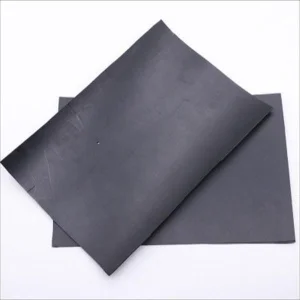
Acts as a protective cushion for geomembranes in municipal waste sites, preventing puncture damage.
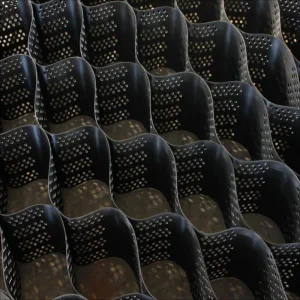
Urban construction projects, such as underground garages, high-speed rail beds, and bridge abutments, require effective moisture control and structural stabilization. Using geocells alongside non-woven drainage fabrics helps distribute static and dynamic loads across weak soils.
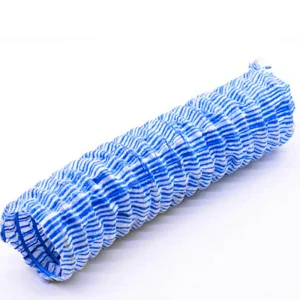
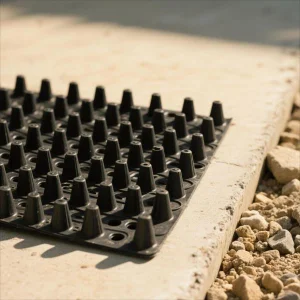
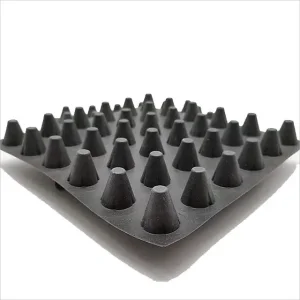
In civil hydrology, our composite geonets and dimpled drainage boards channel water away from concrete foundations. This reduces hydrostatic pressure and prevents water ingress in basement structures.
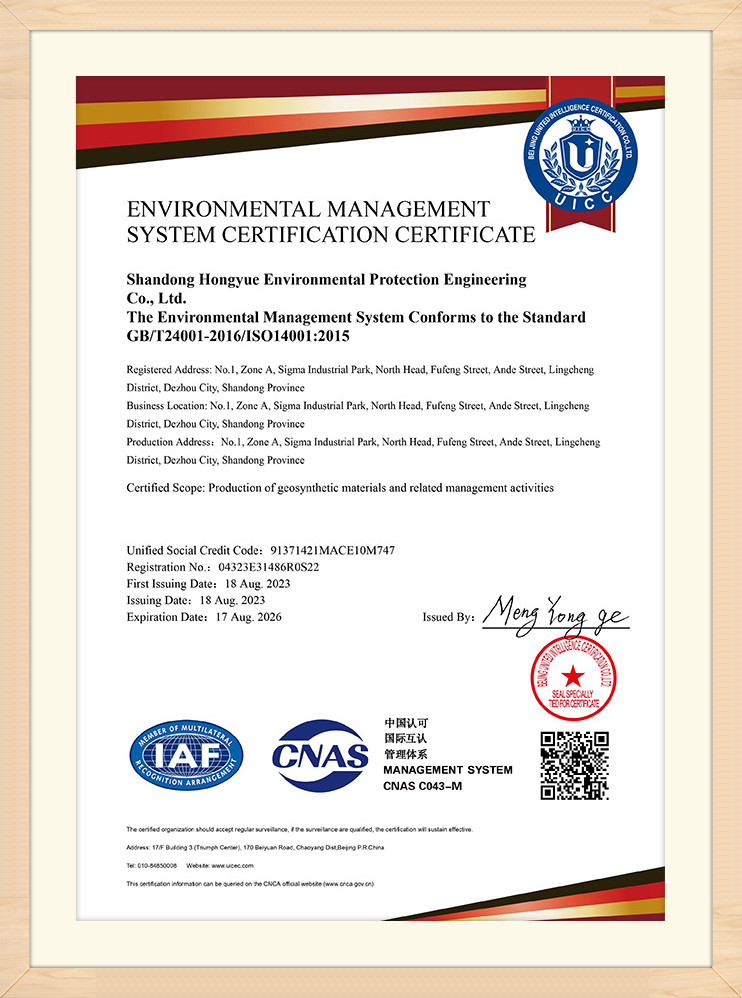
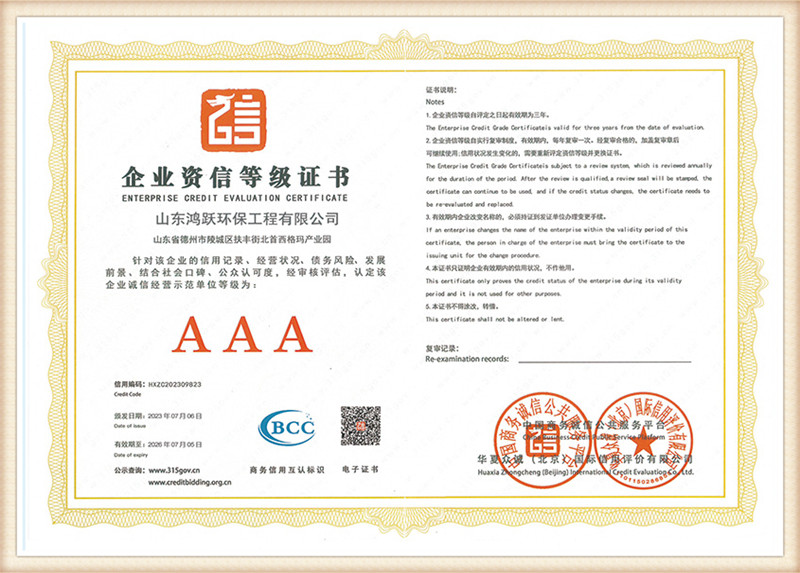
Tested by national agencies and international certification organizations to ensure reliable performance on site.
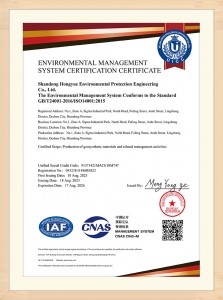
Shandong Hongyue Environmental Engineering Co., Ltd. maintains a comprehensive quality management system. We hold ISO9001 (Quality Management), ISO14001 (Environmental Management), and ISO45001 (Occupational Health & Safety) certifications.
Our geotextiles, geomembranes, and geocells are tested by the China National Testing Center and undergo regular sampling inspections. Our products meet or exceed ASTM, EN, and GB/T standards, ensuring they are accepted by engineering firms worldwide.
| Property Classification | Test Standard | Typical Value (PP Spunbond) | Typical Value (PET Filament) | Engineering Benefit |
|---|---|---|---|---|
| Mass Per Unit Area | ASTM D5261 | 150 - 800 g/m² | 100 - 1000 g/m² | Determines overall thickness and cushion factor |
| Grab Tensile Strength | ASTM D4632 | 750 - 2800 N | 600 - 3200 N | Prevents mechanical failure under heavy stone drop |
| CBR Puncture Resistance | ASTM D6241 | 1600 - 7500 N | 1500 - 9000 N | Resists puncture from sharp subgrade gravels |
| Apparent Opening Size (AOS) | ASTM D4751 | 0.075 - 0.300 mm | 0.050 - 0.250 mm | Controls piping while allowing water flow |
| Permittivity (Water Flow) | ASTM D4491 | 0.5 - 2.2 sec⁻¹ | 0.6 - 2.5 sec⁻¹ | Ensures high drainage efficiency under load |
Key factors influencing manufacturing costs, logistics, and bulk pricing for international procurement managers.
Geotextile pricing depends primarily on polymer raw material costs (PP and PET), weight per square meter, and roll dimensions. As a direct manufacturer, Shandong Hongyue Environmental Engineering Co., Ltd. offers competitive wholesale pricing compared to regional distributors.
Our factory in Dezhou, Shandong Province, provides direct rail and highway access to major ports like Qingdao, helping reduce inland shipping costs for export markets.
Answers to technical and logistical questions from global buyers and civil engineers.
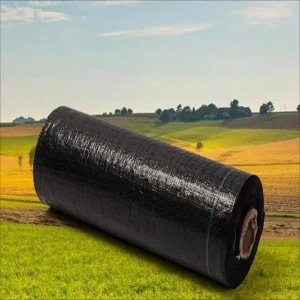
Direct sourcing access to our high-strength geogrids, specialized geomembranes, and agricultural fabrics.
 Hongyue