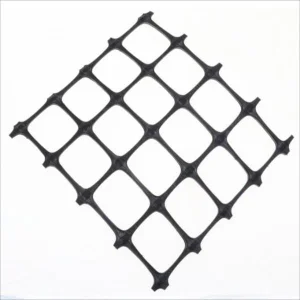
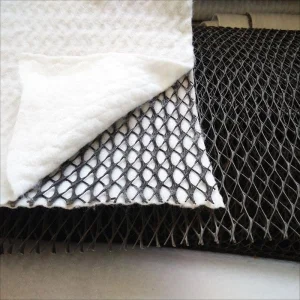
Industrial grade geosynthetics and drainage products manufactured to international standards
Modern civil infrastructure operates under unprecedented load demands, fluctuating climate zones, and stringent budget allocations. The degradation of asphalt pavements—primarily driven by reflective cracking, rutting, and water seepage—costs global economies billions of dollars annually. To combat these structural vulnerabilities, engineering firms, municipalities, and key infrastructure operators are turning to high-modulus asphalt reinforcement systems. At the forefront of this industrial shift are elite manufacturing centers collectively categorized as famous asphalt geogrid factories.
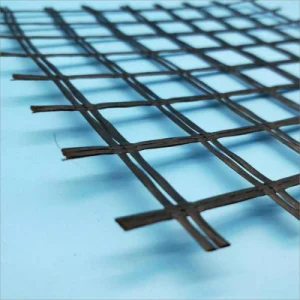
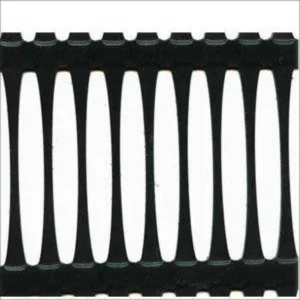
Asphalt geogrids, manufactured using premium glass fibers, polyester, or carbon fiber filaments, are coated with protective bituminous or polymeric substances to guarantee chemical compatibility with hot-mix asphalt (HMA). These reinforcement grids function by distributing concentrated vehicle axle loads across a broader horizontal surface, thereby reducing vertical stress and halting the upward propagation of micro-cracks from aged subgrades.
By confining aggregate movement and transferring tensile stress to the high-strength grid filaments, asphalt geogrids increase the fatigue life of asphalt overlays by up to 300%, offering a highly sustainable solution for contemporary road reconstruction programs.
The global demand for asphalt geogrids is highly correlated with highway extension, airport runway rehabilitations, and high-speed rail projects. In regions such as North America and Europe, pavement preservation is prioritized over new construction, driving massive demand for rehabilitation-grade glass fiber geogrids. Conversely, across rapidly urbanizing zones in the Asia-Pacific region, Latin America, and Africa, massive logistics corridors require robust reinforcement to handle increased commercial cargo transport.
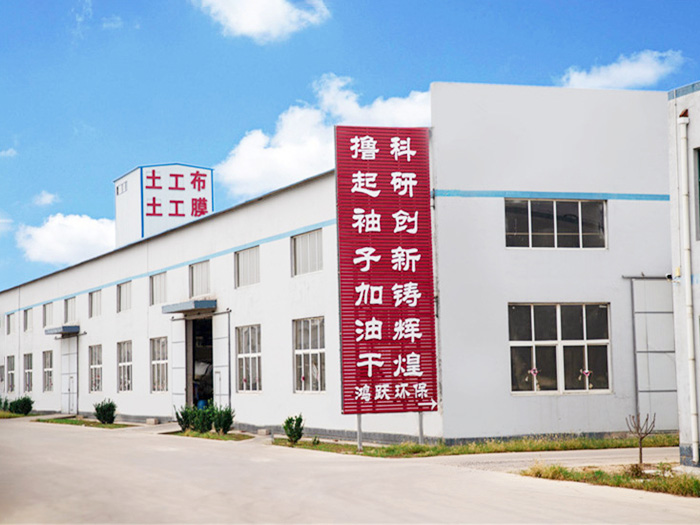
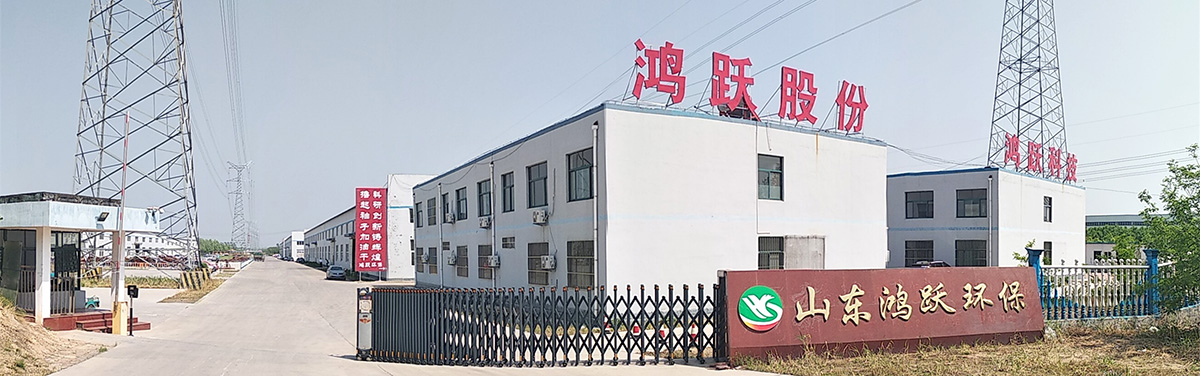
Industrial scale buyers seek relationships with verified famous asphalt geogrid factories capable of guaranteeing raw material purity, strict compliance with ASTM or EN testing protocols, and highly optimized containerized shipping solutions. Shandong Hongyue Environmental Engineering Co., Ltd. serves as an exemplary partner within this domain, providing reliable, high-performance geosynthetics from its major manufacturing base in Dezhou, Shandong Province.
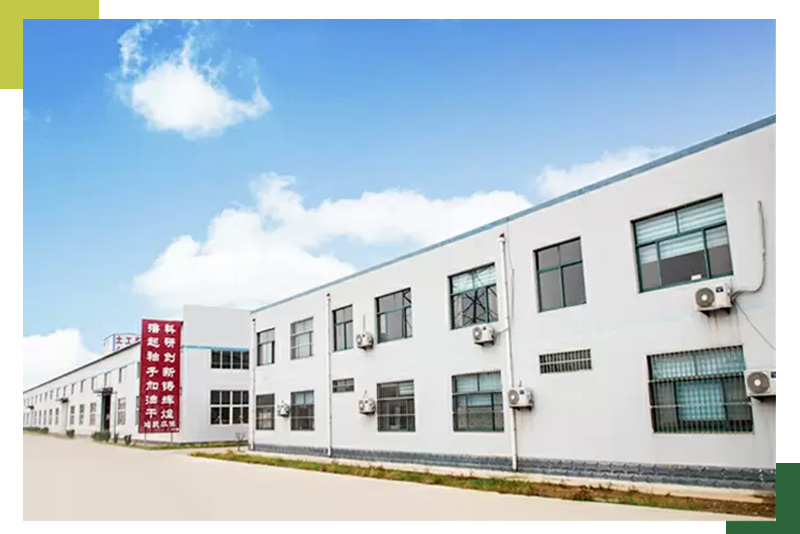
Delivering measurable quality across global geotechnical engineering projects
Modern pavement management systems (PMS) utilize life-cycle cost analysis (LCCA) to assess the financial viability of construction technologies. Integrating asphalt geogrids into design parameters changes the structural coefficients used in AASHTO design software. Because geogrids carry tensile loads that would otherwise fracture the asphalt binder, engineers can specify thinner asphalt concrete (AC) overlay layers while matching or exceeding the design life of conventional thick overlays.
This reduction in required material results in significant sustainability improvements. Thinner asphalt layers mean lower bitumen consumption, reduced aggregate mining, less fuel burned in transport, and fewer operating hours for construction equipment. Famous asphalt geogrid factories are increasingly certifying their products via Environmental Product Declarations (EPD) to help international contractors meet carbon footprint reduction targets.
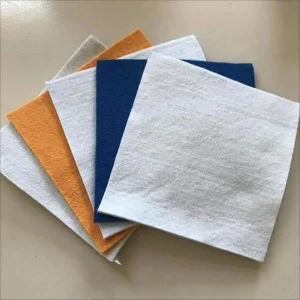
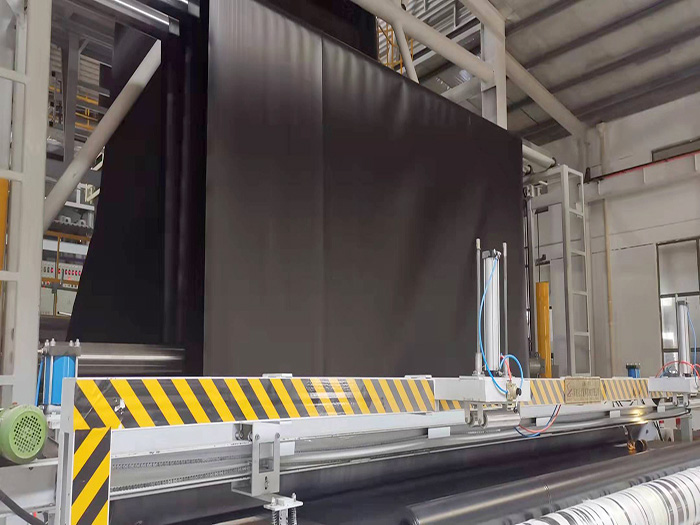
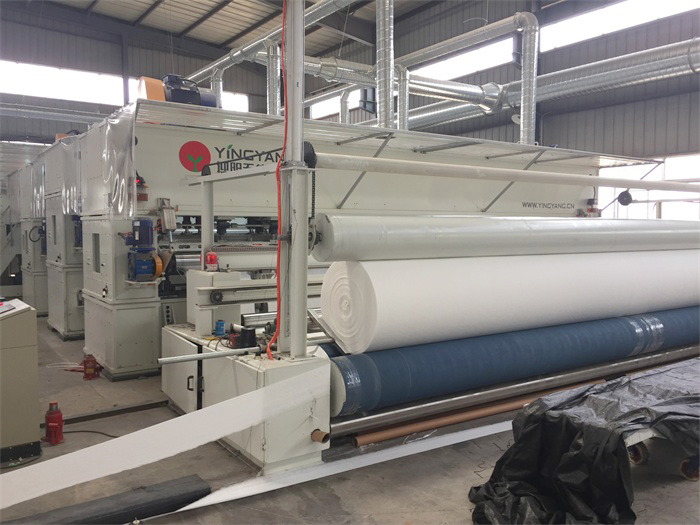
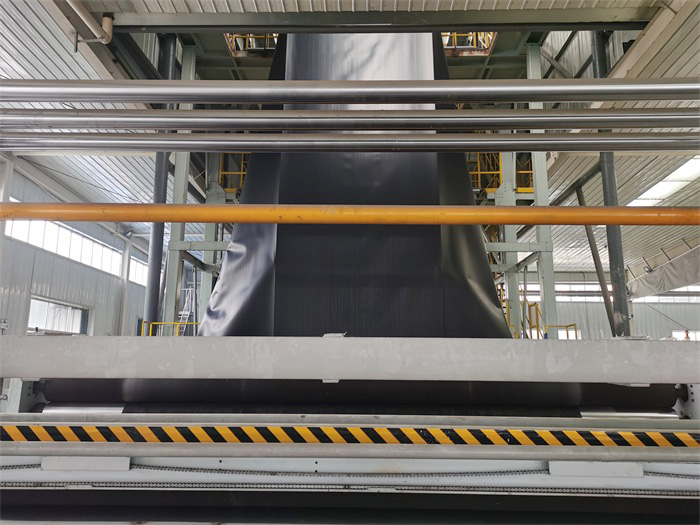
The performance of any asphalt geogrid or geotextile depends on high-quality production processes. Below is the technical breakdown of the geotextile manufacturing sequence operated inside Shandong Hongyue's state-of-the-art facilities:
Even the highest quality geogrid will underperform if installed incorrectly. First, the old road surface must be milled, cleaned of dust, and have all major cracks (>6mm) sealed with crack filler. A light tack coat (emulsified asphalt or hot bitumen) must be sprayed onto the surface.
The geogrid is then rolled out flat using mechanical tensioning frames to prevent wrinkles. Once laid, a heavy pneumatic tire roller is run over the grid to activate the pressure-sensitive adhesive coating or embed the fibers into the tack coat. The new asphalt overlay is subsequently placed. Direct contact with hot mix asphalt (typically between 140°C and 160°C) melts the bitumen coating of the geogrid, creating a strong mechanical bond.
The geosynthetics industry is advancing rapidly. The integration of fiber-optic sensors and piezoelectric elements directly into the geogrid matrix represents the next frontier in infrastructure monitoring. These "Smart Geogrids" can continuously record structural strain data, temperature variations, and moisture levels, transmitting information directly to cloud systems.
Additionally, major research is being directed towards replacing traditional petroleum-derived polymer coatings with bio-based alternatives. Famous factories, including Shandong Hongyue, are piloting production lines that leverage recycled post-industrial plastics to lower the embodied energy of the finished products.
Direct technical answers from our engineering division to help you make informed decisions
Glass fiber geogrids offer a higher modulus of elasticity and lower elongation (typically <3%). This allows them to absorb tensile strain with minimal deformation. Polyester geogrids are more flexible and have higher elongation limits, making them suitable for subgrade reinforcement, soft soils, or projects with anticipated settlement.
The bitumen coating protects the fiberglass or polyester filaments from mechanical damage during installation. It also ensures the geogrid bonds effectively with the hot asphalt mix. Without this coating, the geogrid can act as a slip plane, leading to delamination.
We test each batch for tensile strength (ASTM D6637), grab strength, roll dimensions, aperture size uniformity, and coating compatibility. All testing is conducted in ISO-certified laboratories.
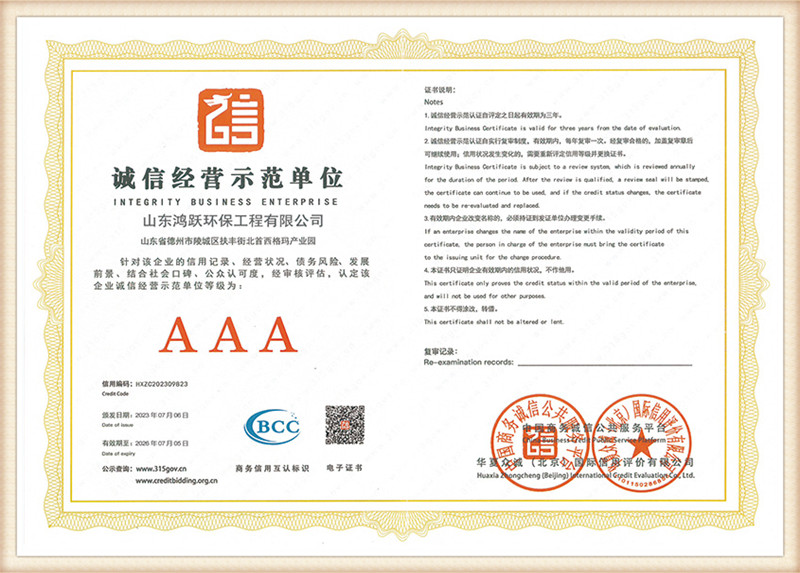
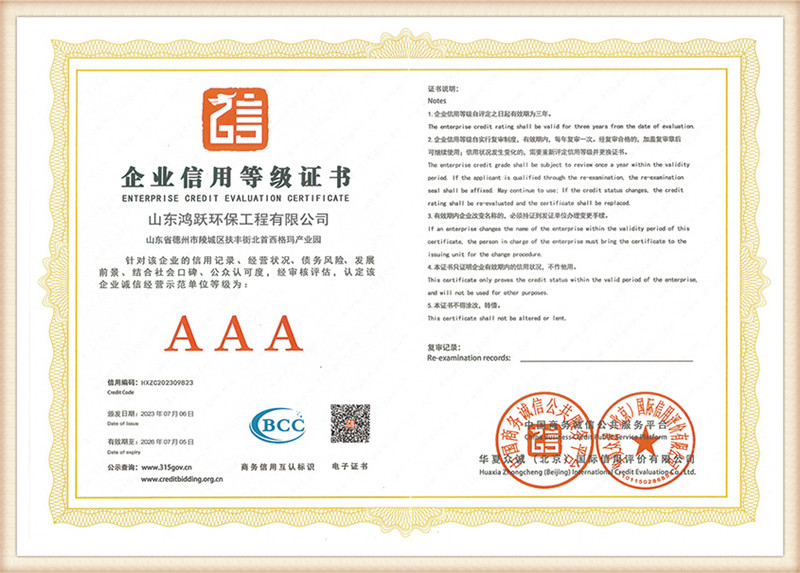
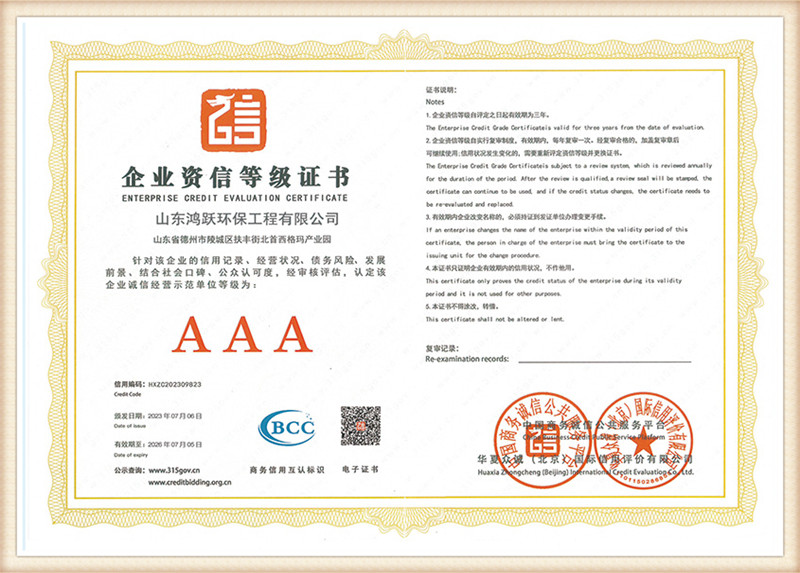
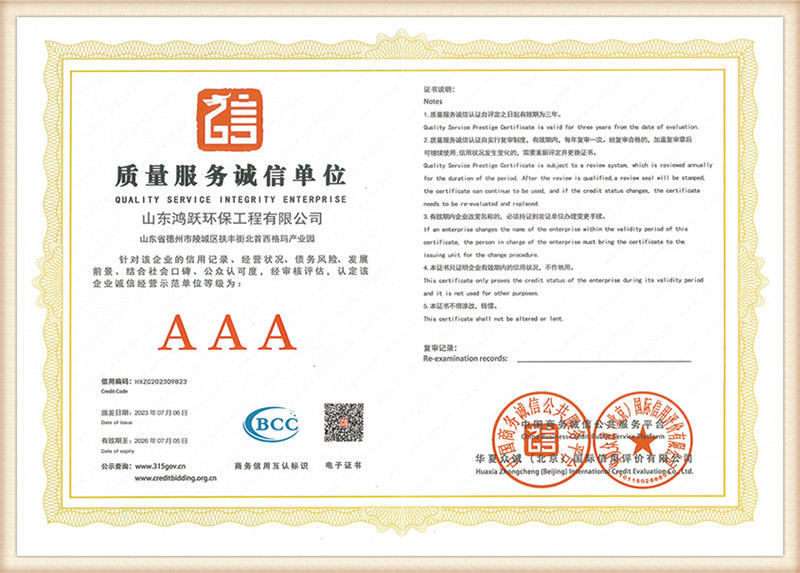
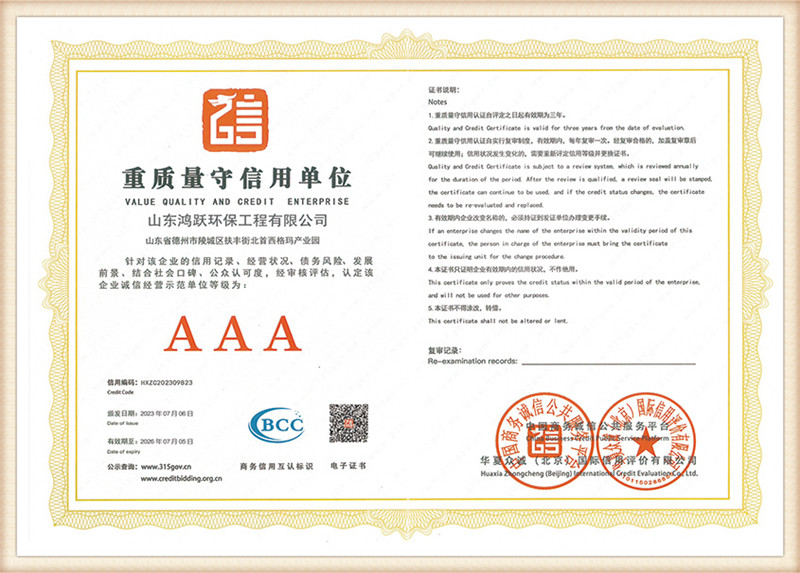
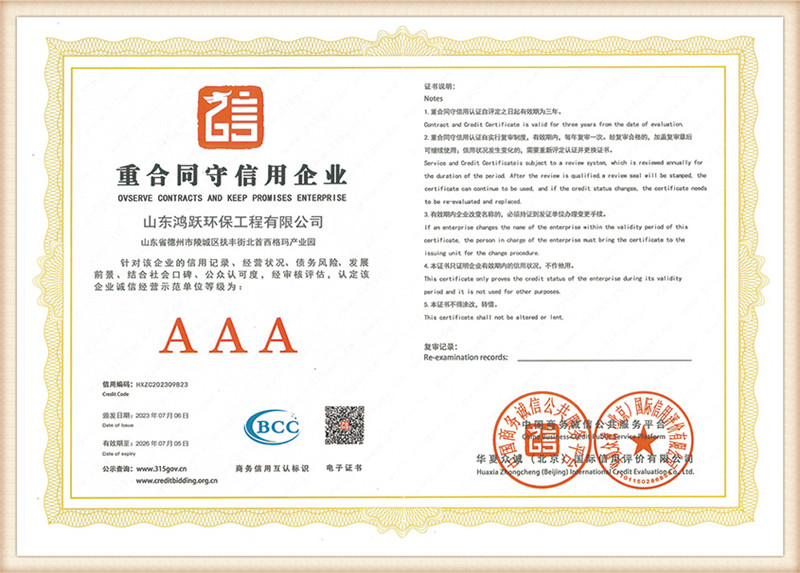
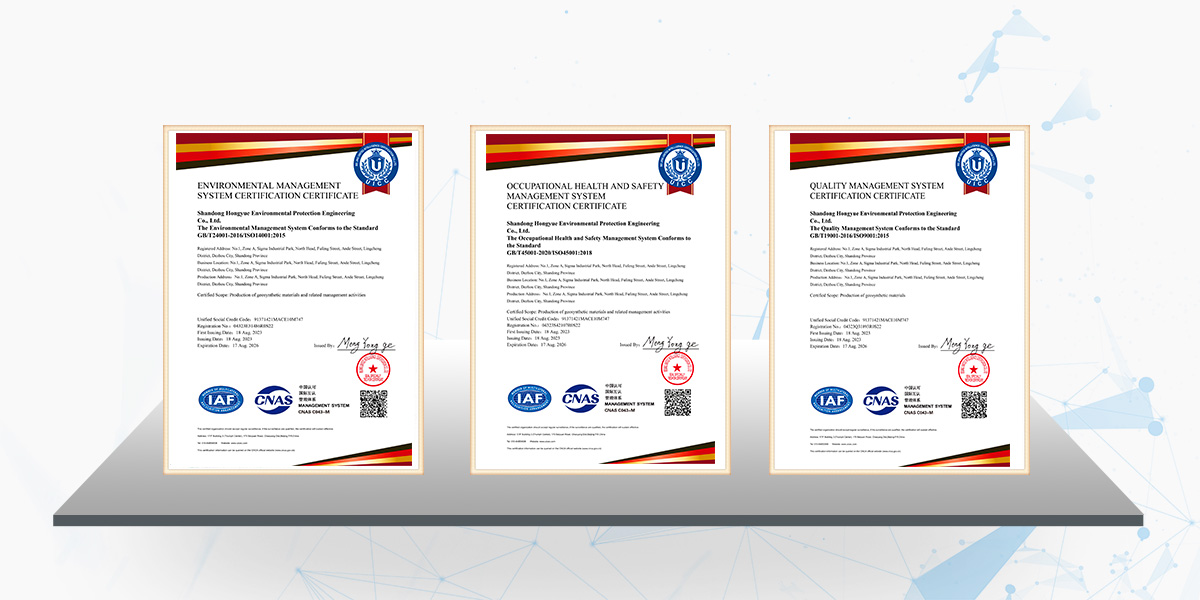
Our company has passed the ISO9001 international quality system certification, ISO14000 environmental system certification, and ISO45001 occupational health and safety management system certification. Key export lines also carry CE certification.
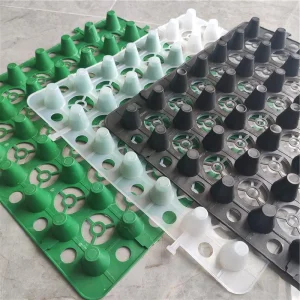
Browse our complete production scope, ready for dispatch to key hubs globally
 Hongyue