Explore our high-performance geotechnical engineering materials designed for infrastructure reinforcement, environmental lining, and robust drainage networks.
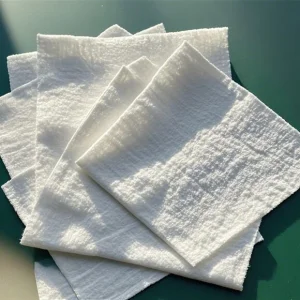
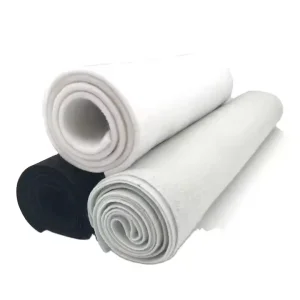
In modern civil engineering, the selection of geotextile parameters directly dictates the service life and structural integrity of infrastructure. Geotextile 300g/m² nonwoven needle-punched fabrics stand at the sweet spot of mechanical resilience, filtration, and hydraulic transmissivity. These materials are engineered by locking fine polymer fibers in a three-dimensional porous structure, offering high multi-directional mechanical performance.
Our custom 300g/m² geotextile products provide an exceptionally balanced physical profile: high grab tensile strength (conforming to global standards like ASTM D4632), reliable CBR puncture resistance (critical for protecting underlying geomembranes against sharp stones and subgrade aggregates), and optimized hydraulic flow rates. These characteristics make it a cornerstone material for challenging geological profiles, structural separation, filtration layers, and hydraulic protection schemes.
Whether formulated from 100% virgin polyester (PET) for long-term critical engineering or high-performance polypropylene (PP) with enhanced chemical resistance for acidic soil environments, our geotextiles ensure your projects remain resilient. In subsequent sections, we dive deep into production, local scenario applications, and comprehensive system designs.
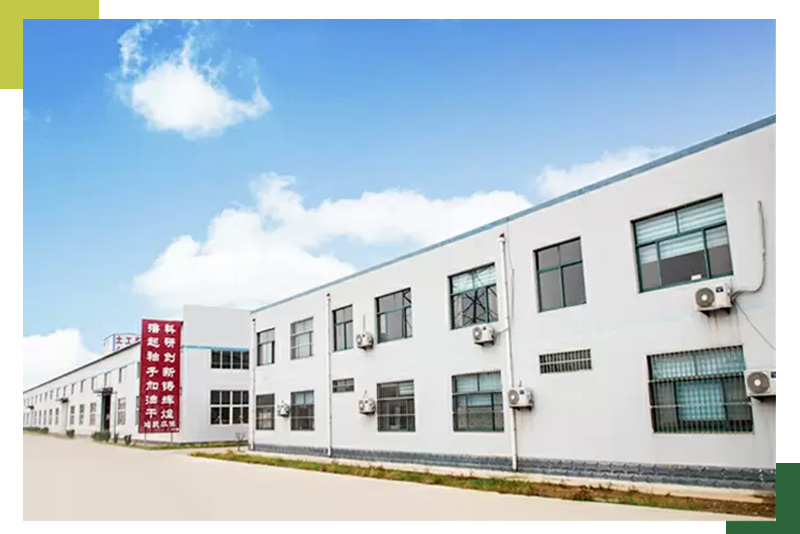
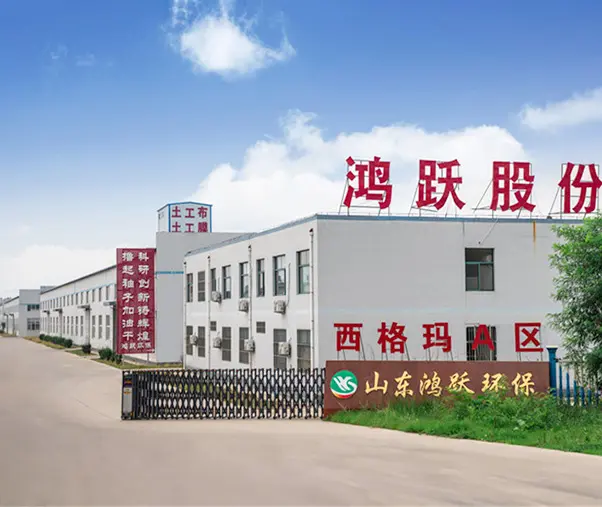
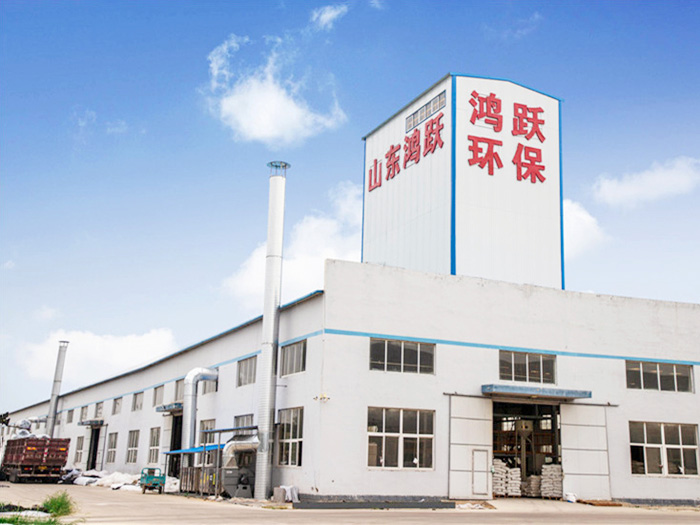
Located at the north end of Fufeng Street, Lingcheng District, Dezhou, Shandong Province, Shandong Hongyue Environmental Engineering Co., Ltd. is a scientific and technological geotechnical material manufacturer integrating engineering material production, sales, design, and construction services.
Registered with a capital of 105 million yuan, we represent one of the premier industrial hubs of geosynthetic solutions in China. Enjoying a highly strategic geographical location and well-connected logistics, we specialize in high-capacity deliveries for global municipal, national, and corporate construction contractors.
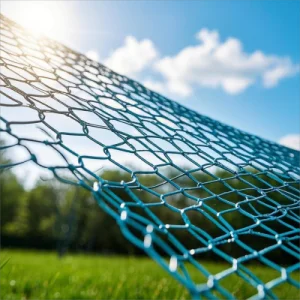
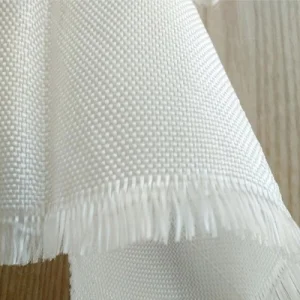
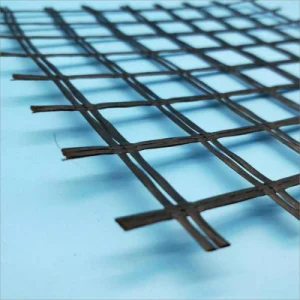
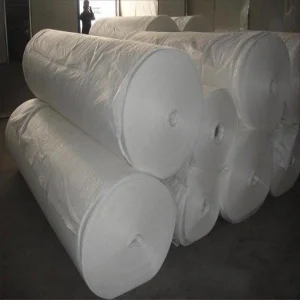
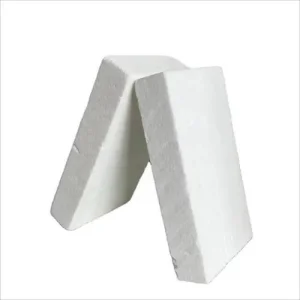
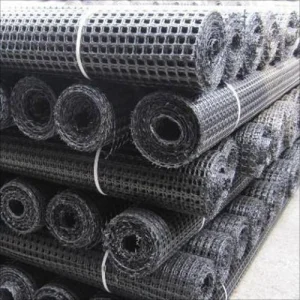
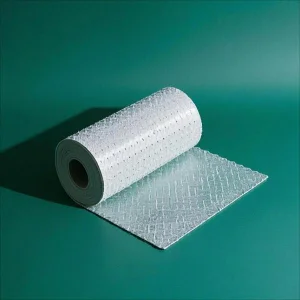
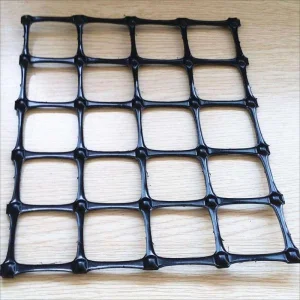
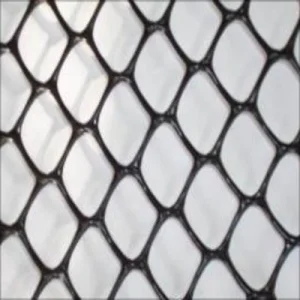
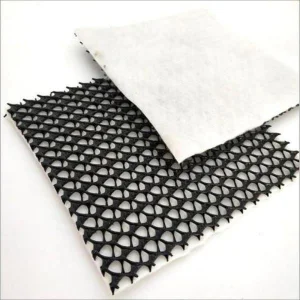
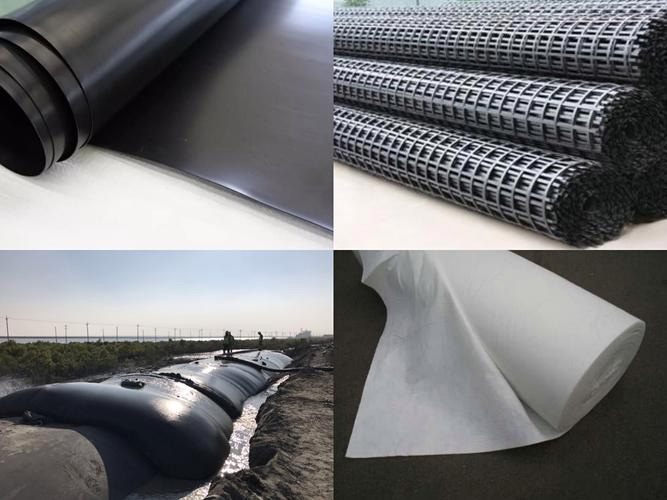
Our comprehensive production system covers high-caliber geotextiles, geomembranes, composite materials, bentonite clay liners, geonets, and geocells. All designed to secure, filter, and drain critical structures globally.
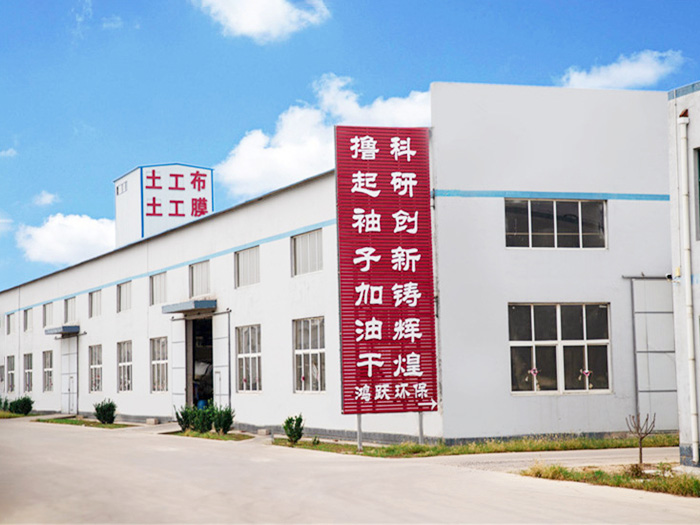
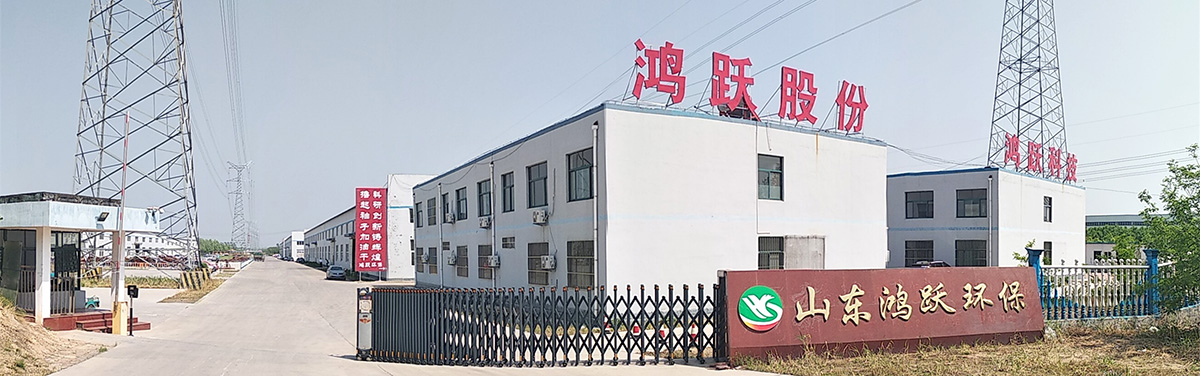
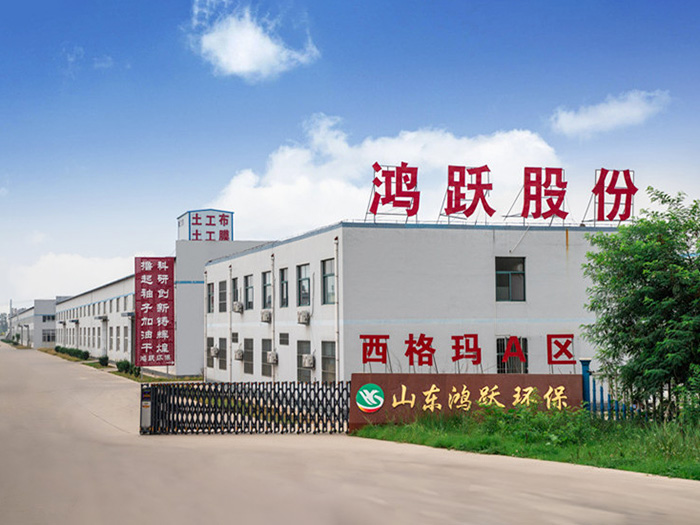
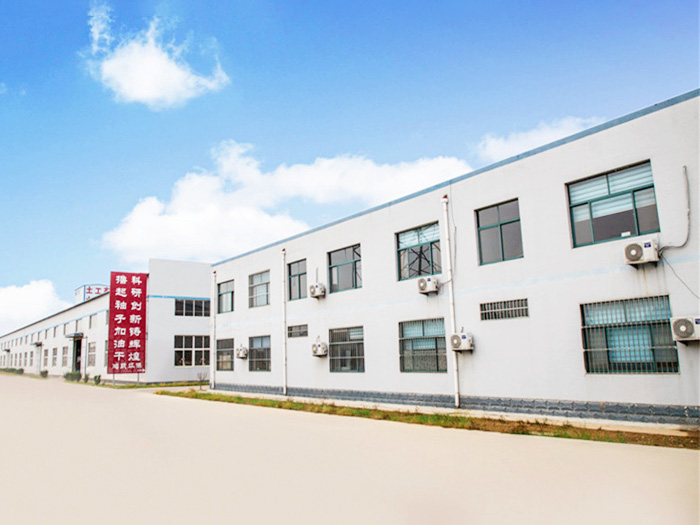
A glimpse into our large-scale, automated manufacturing facility in Shandong. Advanced production floors run 24/7 to fulfill high-volume international orders under strict ISO standards.
We provide unified geopolymer and textile assemblies that meet rigorous civil engineering, environmental protection, and hydro-engineering parameters.
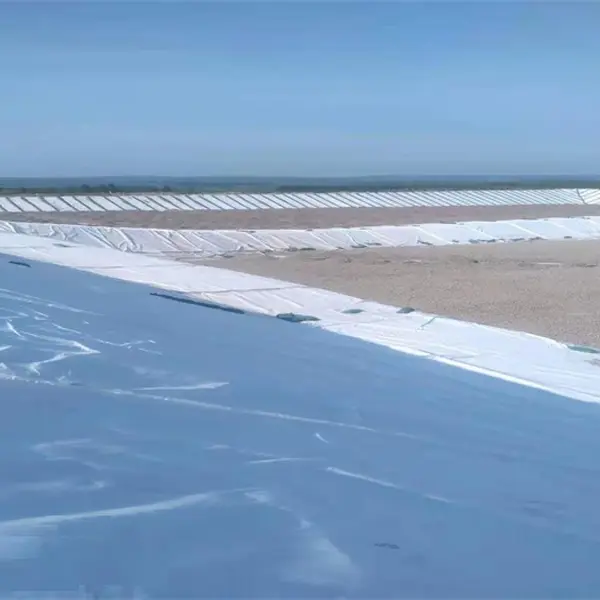
Leveraging premium needle-punched geotextiles alongside HDPE geomembranes prevents seepage, reinforces core barriers, and dissipates pore water pressures efficiently in earthen dams and reservoirs.
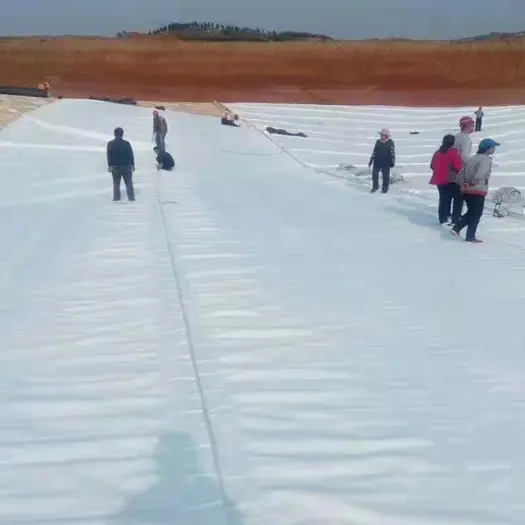
Erosion control and embankment stability require specialized, heavy-duty 300g filter fabrics. Our installations prevent fine sediment loss during continuous wave action and water flow cycles.
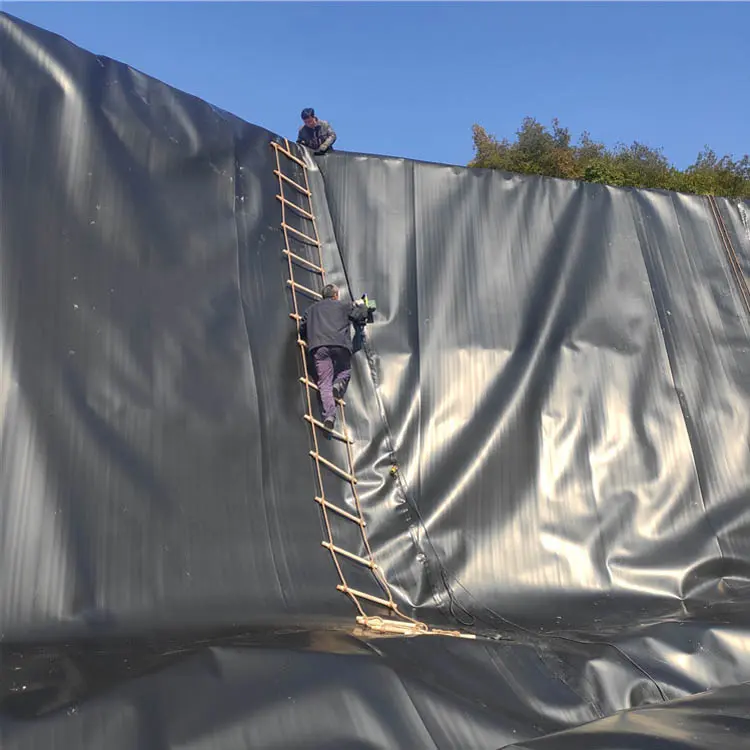
Protecting the water table calls for dense, nonwoven geotextiles acting as defensive protection cushions above geomembranes, preventing rock punctures under massive municipal solid waste (MSW) weight.
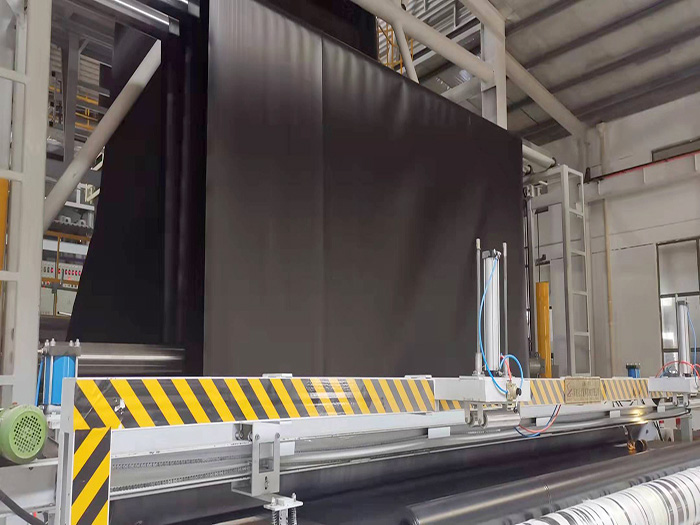
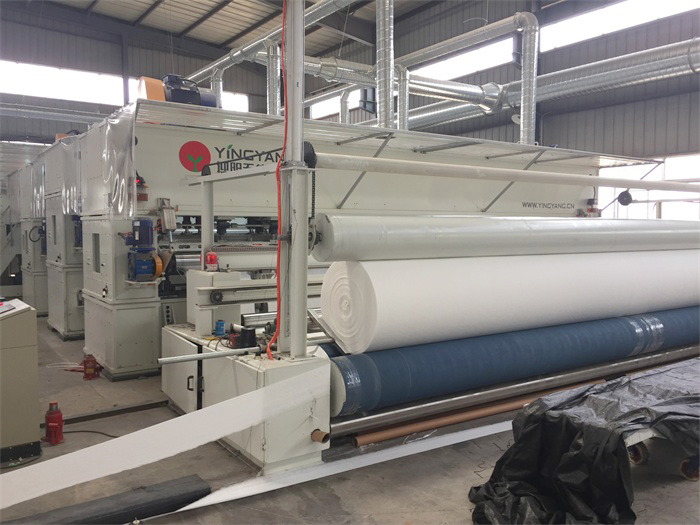
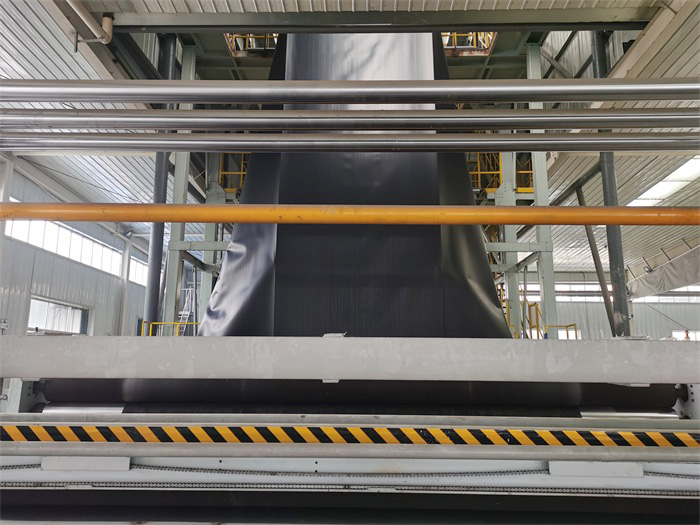
Our precise production workflow is monitored by digital sensors and automated lines, ensuring consistency in weight, density, and thickness across every roll.
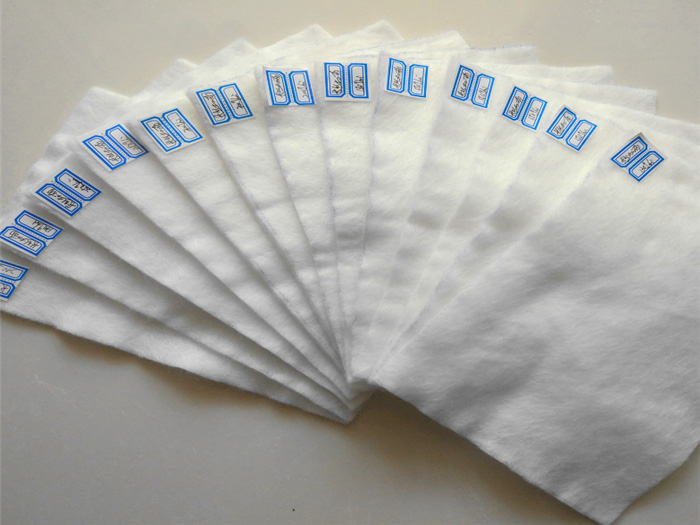
High-grade virgin polyester chips (PET), industrial polypropylene (PP) filaments, and special viscose additives are selected, inspected, and accurately batched in our fully controlled blending stations to achieve the requested chemical resistance and structural durability.
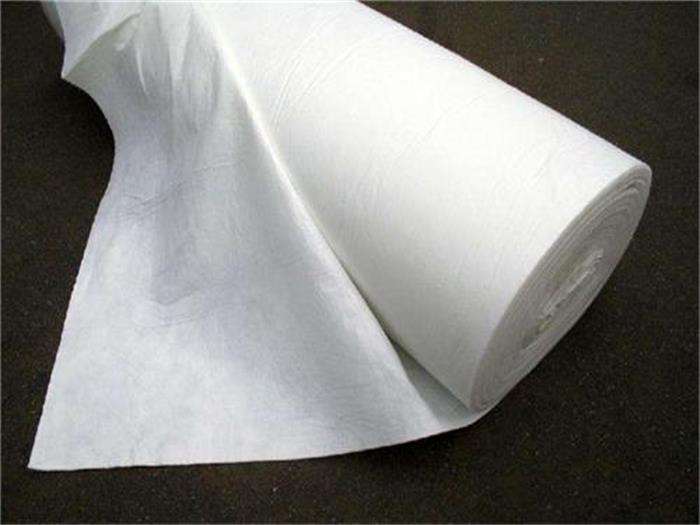
Formulations undergo melt extrusion inside highly precise screw-extrusion zones. After thermal melting, the raw materials are extruded through custom-micro spinnerets, forming high-tensile continuous filaments that are layered uniformly onto moving mesh belts.
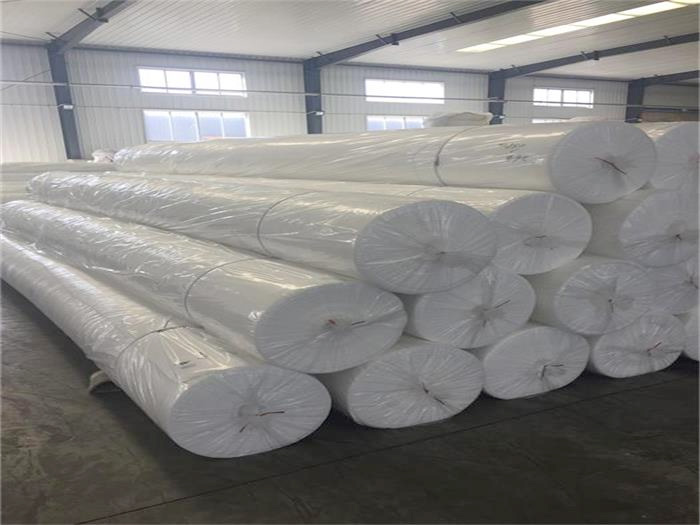
The randomized fibrous networks are fed into high-speed needle-punching boards. Thousands of barbed needles loop the fibers together in a strong mechanical bond. After heat setting, the final 300g geotextiles are rolled, measured, and wrapped in protective sleeves.
To establish perfect structural containment in hydraulic, municipal, and commercial installations, laying geomembranes and geotextiles requires careful subgrade preparation and strict compliance protocols:
1. Subgrade Cleansing & Soil CorrectionBefore unrolling the geotextile protection sheets, the subgrade must be compacted and cleaned. Remove all rocks, biological matter, and sharp objects. Unfavorable structural spots must be leveled and backfilled with fine non-cohesive soils.
2. Roll Deployment & Overlap LayoutGeotextile rolls must be rolled out smoothly without creases. Overlaps should range from 150mm to 300mm depending on ground stability. Overlapping margins must be sewed together or thermal-bonded to prevent displacement during soil backfilling.
3. Continuous Quality AuditsAll completed areas must be visually inspected for tears, punctures, or loose seams. Damaged zones must be patched with a fresh layer extending at least 500mm beyond the perimeter of the defect. Soil backfilling must proceed with light machinery to prevent direct physical impact.
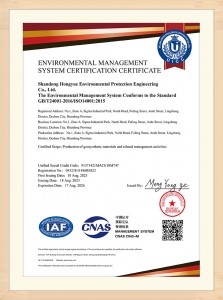
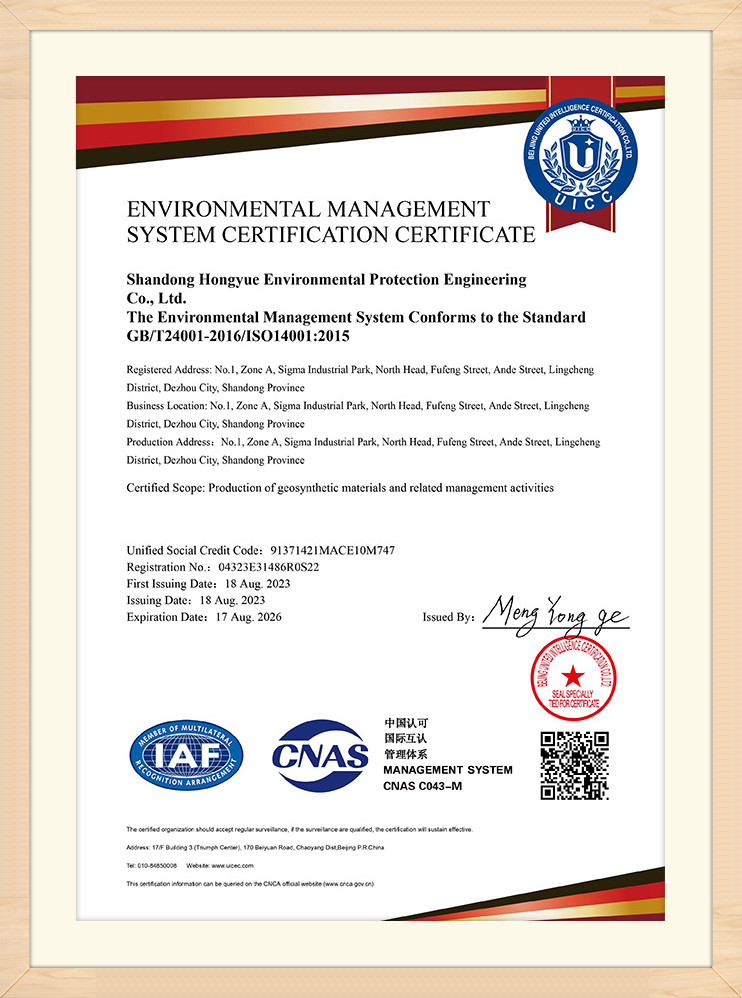
At Shandong Hongyue, our complete testing labs check grab tensile strength, tear-resistance, permittivity, and CBR puncture limits of every production batch before release.
Our quality management systems fully comply with ISO9001 (Quality), ISO14001 (Environmental), and ISO45001 (Occupational Health) certifications. We carry out regular third-party inspections in partnership with accredited national testing institutes to ensure every shipment meets international design criteria.
By using modern, automated inspection systems along our lines, we keep a precise, continuous record of fabric weight and thickness, eliminating weak spots across the entire roll length.
The standard specifications for our custom needle-punched nonwoven 300g/m² geotextiles, engineered to meet international civil and environmental construction codes.
| Performance Parameter | Testing Standard | PET (Polyester) Value | PP (Polypropylene) Value |
|---|---|---|---|
| Mass per Unit Area | ASTM D5261 / ISO 9864 | 300 g/m² (±5%) | 300 g/m² (±5%) |
| Grab Tensile Strength | ASTM D4632 / ISO 10319 | ≥ 1.05 kN | ≥ 1.25 kN |
| Elongation at Break | ASTM D4632 | 50% - 80% | 45% - 75% |
| CBR Puncture Resistance | ASTM D6241 / ISO 12236 | ≥ 2.65 kN | ≥ 3.20 kN |
| Apparent Opening Size (AOS) | ASTM D4751 / ISO 12956 | 0.07 - 0.15 mm | 0.08 - 0.18 mm |
| Water Permeability | ASTM D4491 / ISO 11058 | 1.8 x 10⁻¹ cm/s | 2.2 x 10⁻¹ cm/s |
| Thickness | ASTM D5199 | 2.4 mm | 2.6 mm |
Real-world examples showcasing how our 300g filter, reinforcement, and cushioning layers perform in key infrastructure and environmental projects.
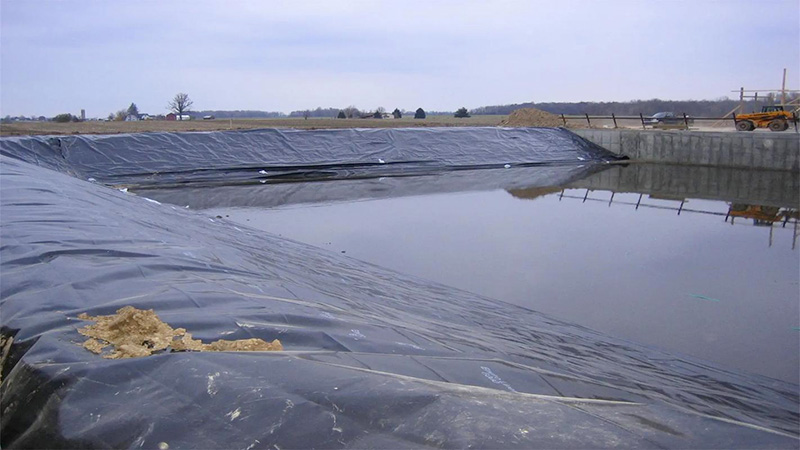
Our 300g geotextiles are rolled out on soft clay foundations before gravel layering. This separation prevents subgrade aggregate migration, reducing potholes and rutting on heavy-haul roads.
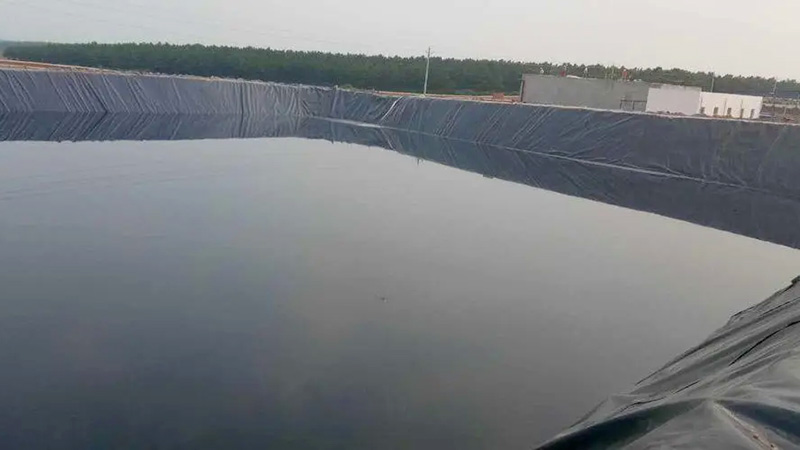
Placed under rip-rap along reservoir slopes, our 300g nonwoven fabric allows water to drain freely while holding back fine soil particles, preventing internal erosion and slope failures.
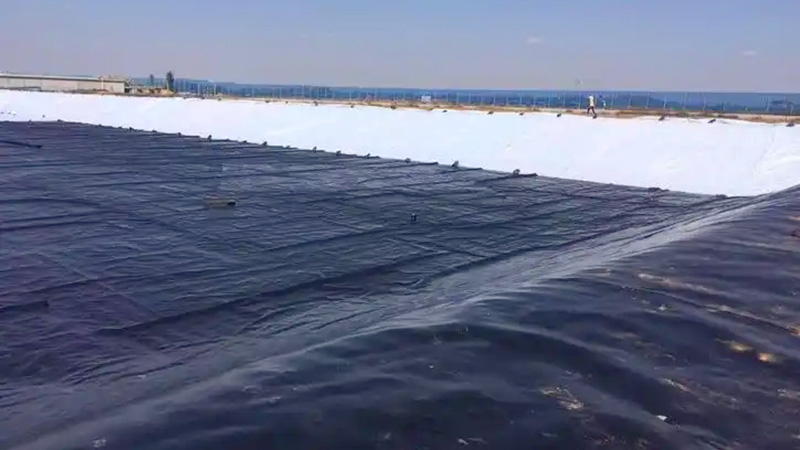
Deployed as a key filter layer in river restorations and coastal channels, our geotextile reduces high shear stresses from tides and currents, maintaining long-term embankment shape.
Expert answers addressing key performance criteria, roll sizing, material selection, and installation techniques for 300g/m² geotextiles.
Polyester (PET) offers high long-term creep resistance and excellent tensile performance, making it ideal for road subgrades and general civil structures. Polypropylene (PP) provides superior chemical resistance, crucial for aggressive alkaline soils, landfill liners, and mine tailings protection.
The 300g/m² thickness acts as a reliable protection cushion over geomembrane barrier liners. It absorbs physical impacts and prevents stone punctures under heavy landfill loads, maintaining the integrity of the environmental protection system.
Yes, we offer customized roll widths from 1.0m up to 6.0m, and roll lengths from 50m to 200m. This allows contractors to minimize on-site cutting, overlap waste, and install materials much faster.
Our geotextiles are treated with specialized UV stabilizers during the extrusion process. This treatment ensures they retain over 70% of their original tensile strength even after 500 hours of continuous direct sunlight exposure during installation.
Explore more specialized products designed to integrate with our 300g geotextiles for comprehensive, multi-layer ground protection and stabilization systems.
 Hongyue