Explore our high-performance product systems designed for civil infrastructure, ecological restoration, and industrial seepage prevention.
Strategic insights into the micro and macro dynamics of modern geosynthetic deployments, with special focus on the optimized 100m² roll specifications.
In modern civil engineering, environmental protection, and infrastructural development, the integration of high-performance geosynthetics is no longer optional—it is a critical design necessity. As a leading custom geotextile 100m² manufacturer, Shandong Hongyue Environmental Engineering Co., Ltd. has stood at the intersection of material science and geotechnical design, responding directly to the shift towards high-durability and installation-efficient formats. The global market is witnessing an accelerating demand for pre-dimensioned geotextile rolls—specifically the 100m² configuration. This exact dimension (most commonly configured as 2m × 50m, 4m × 25m, or 1m × 100m) offers the ultimate optimization index for subgrade reinforcement, agricultural drainage systems, municipal utilities, and slope stabilization projects.
The global push towards sustainable construction has initiated rigorous material regulatory standards. Infrastructure authorities in the European Union (CE markings), the Americas (AASHTO guidelines), and Asia-Pacific are enforcing stricter requirements on polymer purity, UV degradation indexes, and tensile strength endurance profiles. Geotextiles must now serve for half a century or more without structural compromise. This transition requires manufacturers to focus on advanced polymerization, precise raw material selection, and rigorous quality control protocols. High-performance needle-punched non-woven geotextiles and high-strength woven polypropylene geotextiles have emerged as key materials for drainage and stabilization across complex, load-bearing geologic zones.
From a procurement perspective, the 100m² packaging has become the standard specification for modern commercial buyers. It offers unique operational advantages: optimal handling weight for localized, non-heavy machinery installations; lower overlap waste rates compared to smaller, standard consumer rolls; and efficient dimensional sizing that matches standard container shipping volumes. This makes the 100m² roll highly sought after by commercial distributors, municipal contractors, and global logistics managers who aim to maximize loading efficiency and reduce operational installation costs on-site.
A premier Chinese enterprise integrating state-of-the-art geotechnical manufacturing, design consultation, and engineering services.
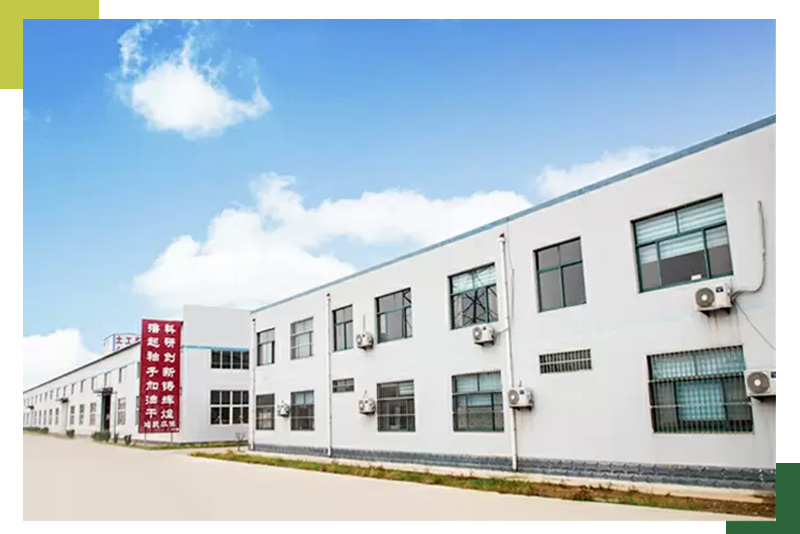
Established on April 6, 2023, and registered under the Lingcheng District Market Supervision and Administration Bureau of Dezhou City, Shandong Province, Shandong Hongyue Environmental Engineering Co., Ltd. has rapidly emerged as one of the largest and most advanced production bases of geotechnical materials in China. Boasting a robust registered capital of 105 million yuan, our state-of-the-art manufacturing campus is strategically situated at the north end of Fufeng Street, Lingcheng District, Dezhou, Shandong Province. Our geographically superior location provides convenient transport connections, enabling prompt global shipping and logistical efficiency.
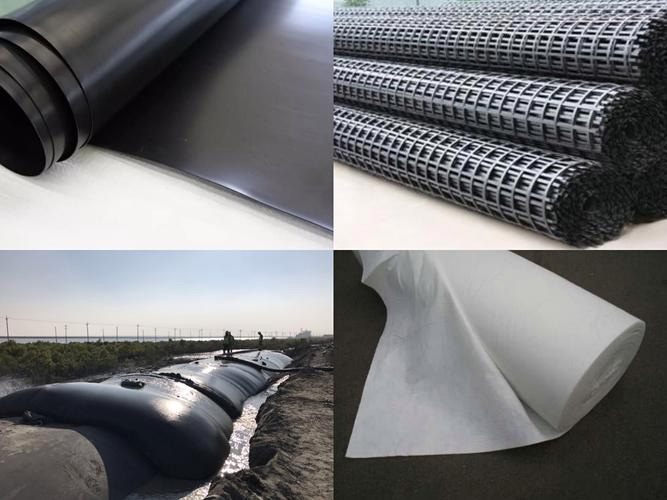
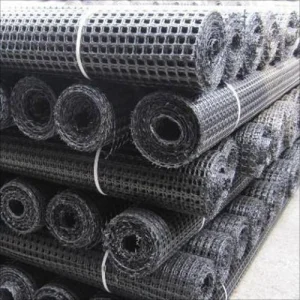
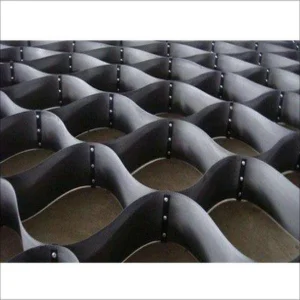
Shandong Hongyue is dedicated to delivering high-performance materials for hydraulic engineering, municipal construction, waste management, and heavy transport infrastructure. Our extensive product portfolio features top-tier geotextiles, geomembranes, composite geomembranes, waterproof boards, bentonite waterproof blankets (GCL), 3D composite drainage nets, geocells, flexible pervious pipes, and custom construction accessories. As a proud member of the Dezhou Geotextile Association, we maintain strong quality assurance, technical expertise, and collaborative R&D relationships with leading civil engineering institutions.
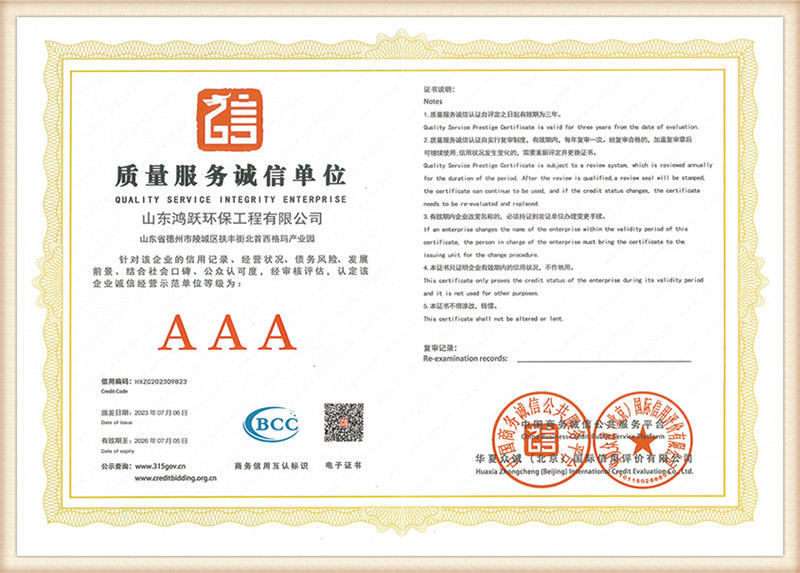
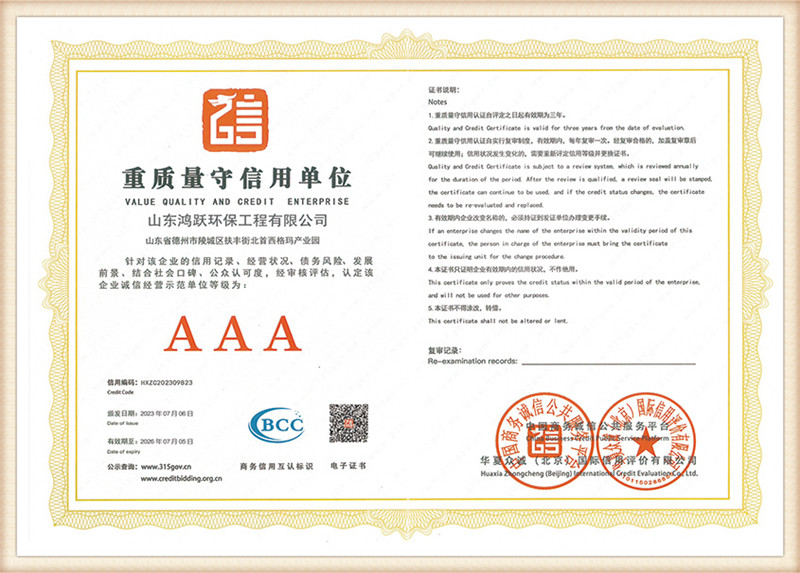
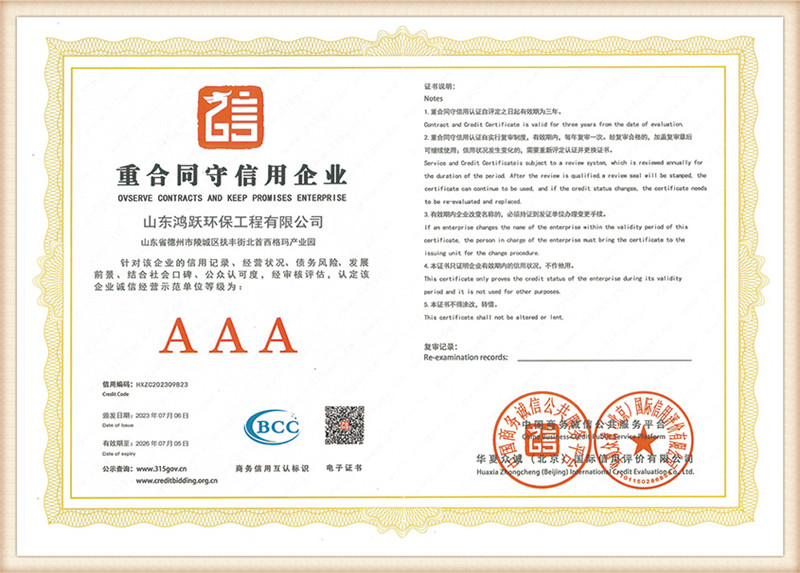
Understanding physical properties, polymer variations, and engineering options for 100m² installations.
Our custom 100m² geotextile options are manufactured using advanced polypropylene (PP) or polyester (PET) fibers. They are processed through carding, cross-lapping, and needle-punching mechanisms to create structurally sound, isotropic fiber webs. For high-tensile roadbed stabilization, we also offer thermal bonding (heat-set) and woven polymer variations that deliver superior modulus ratings at low strain. Below are the core specifications of our primary production line:
| Property Parameter | Non-Woven PP Geotextile | Non-Woven PET Geotextile | High-Strength Woven Geotextile | Testing Standards Reference |
|---|---|---|---|---|
| Roll Dimensions | 2m x 50m / 4m x 25m (100m²) | 2m x 50m / 4m x 25m (100m²) | 2m x 50m / 4m x 25m (100m²) | ASTM D4632 / ISO 9864 |
| Unit Weight Range | 100 g/m² - 1200 g/m² | 100 g/m² - 1200 g/m² | 150 g/m² - 800 g/m² | ASTM D5261 / EN ISO 9864 |
| Tensile Strength | Up to 45 kN/m | Up to 35 kN/m | Up to 150 kN/m | ASTM D4595 / ISO 10319 |
| CBR Puncture Resistance | ≥ 1.5 kN to ≥ 8.0 kN | ≥ 1.2 kN to ≥ 6.5 kN | ≥ 4.0 kN to ≥ 12.0 kN | ASTM D6241 / EN ISO 12236 |
| Permeability Coefficient | 1.0 × 10⁻¹ to 9.0 × 10⁻³ cm/s | 1.0 × 10⁻¹ to 5.0 × 10⁻³ cm/s | 1.0 × 10⁻² to 1.0 × 10⁻⁴ cm/s | ASTM D4491 / ISO 11058 |
| UV Resistance (500 hrs) | ≥ 70% retention | ≥ 75% retention | ≥ 80% retention | ASTM D4355 / ISO 13438 |
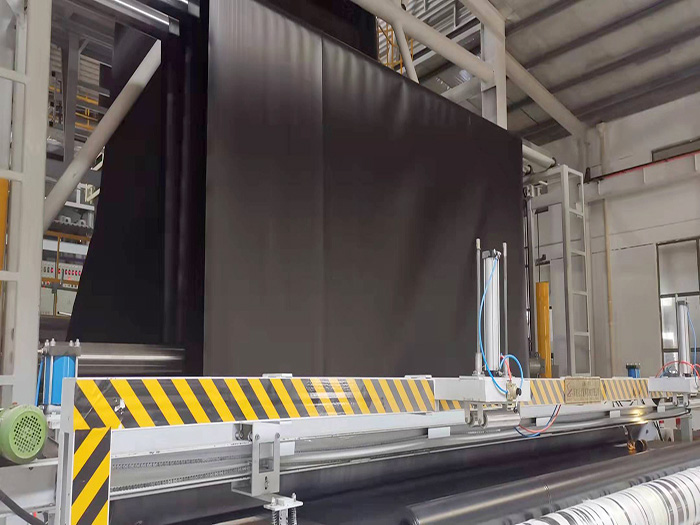
Engineered geosynthetic applications ensuring robust, long-term environmental protection and infrastructural durability.
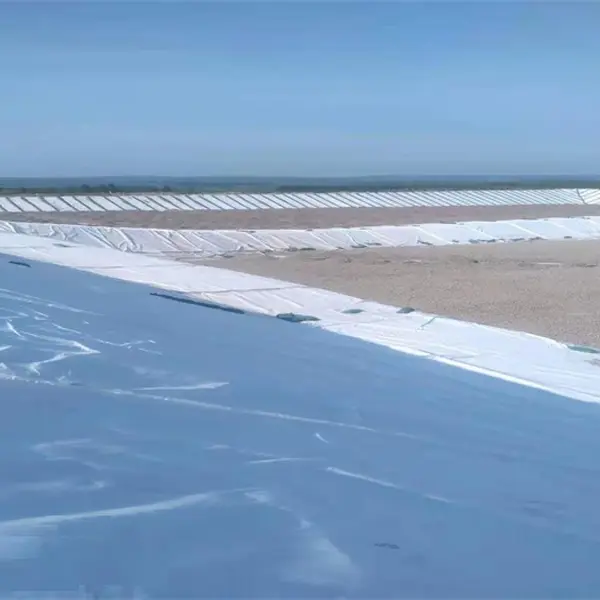
Prevents erosion, stabilizes embankment soils, and facilitates clean, long-term filtration in reservoir constructions.
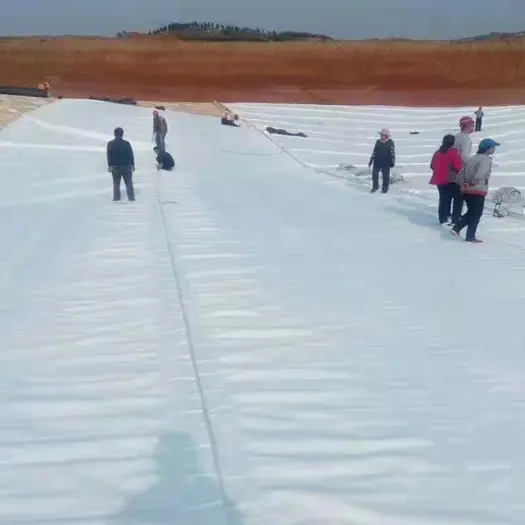
Protects canal beds and river banks from internal erosion, minimizing loss of water resources and channel degradation.
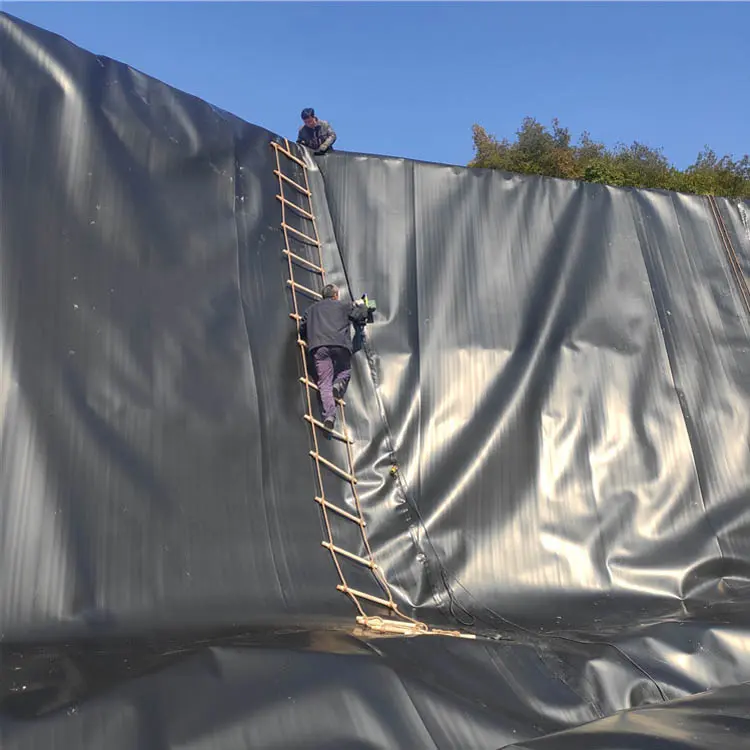
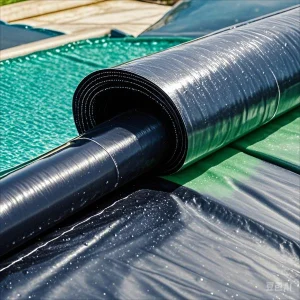
Robust protective cushions paired with impermeable membranes to isolate hazardous chemicals and toxic leachates.
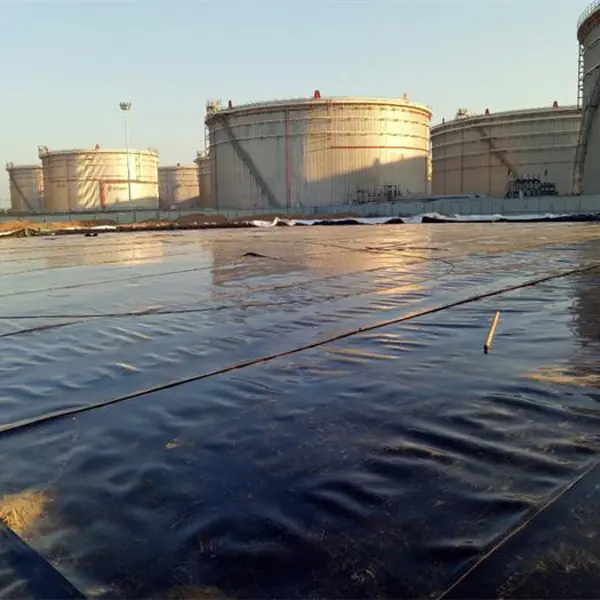
Double-layered containment barriers designed for chemical storage areas and fuel tank farms to prevent soil contamination.
By integrating Shandong Hongyue's high-tech geotextiles with advanced geomembranes, we design comprehensive systems that resist environmental degradation. These materials function as heavy-duty separators, filter networks, drainage pathways, and high-performance reinforcements, reducing the overall carbon footprint of infrastructure projects compared to traditional concrete or crushed stone alternatives.
Step-by-step insight into how raw polymers are transformed into high-performance, quality-certified geotextile rolls.
Premium virgin polyester chips, polypropylene filament, and specialized viscose fibers undergo strict chemical testing to ensure quality stability, heat resistance, and structural longevity.
Polyester slices are melted at high temperatures, then extruded using high-precision screw extruders. Polypropylene and viscose fibers are mixed under automated temperature and pressure controls.
The molten blend is extruded through custom spinnerets, forming fine filaments. These are deposited onto a continuous belt to create a uniform, multi-directional web structure.
Webs undergo mechanical needle-punching or thermal bonding. Standard needle densities are maintained to securely lock the fibers together, maximizing tensile strength and stability.
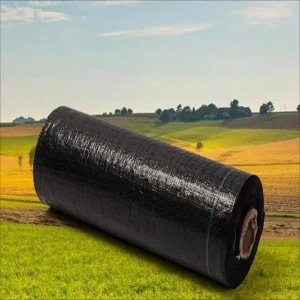
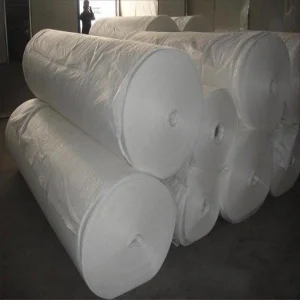
Cured geotextile is measured and cut into standard sizes (e.g., 2m x 50m / 4m x 25m) to yield the 100m² configuration. Heavy-duty woven wrapping protects the rolls during transit.
Every batch undergoes testing in our laboratories. We assess physical properties, hydraulic behavior, and mechanical strength to verify compliance before shipment.
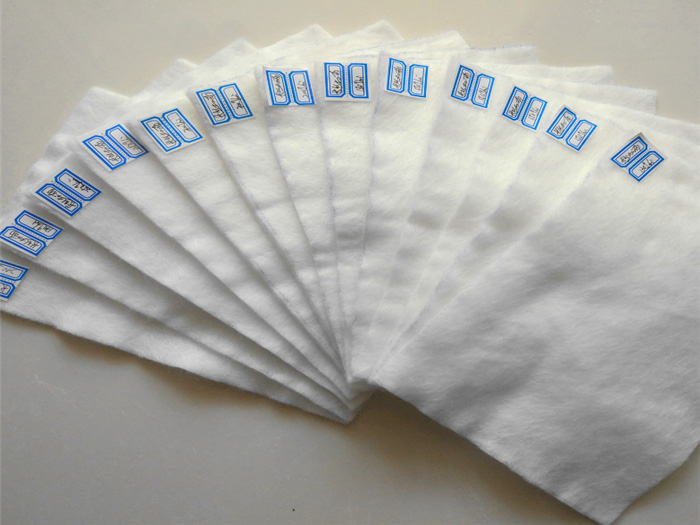
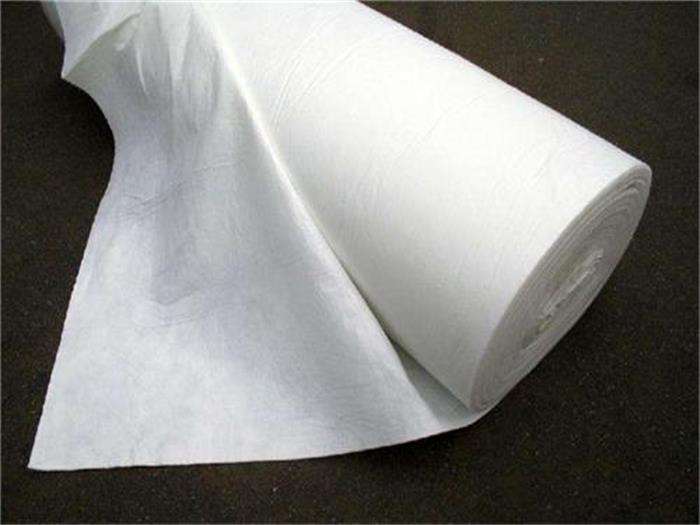
A guide to site preparation, roll positioning, seam overlapping, and maintenance for 100m² geotextile projects.
The installation site must be cleared of all debris, large stones, roots, and organic matter that could puncture the geotextile. Sharp grade changes should be leveled, and soft spots excavated and backfilled. Compact the subgrade to the specified engineering dry density before laying the fabric.
Unroll the 100m² geotextile manually or using mechanical roll-handling equipment. Align the rolls carefully along the project centerline to prevent wrinkles. Laying in the direction of the expected soil or aggregate placement helps reduce shifts or displacement.
Adjacent rolls should overlap by 300mm to 500mm, depending on the bearing capacity (CBR) of the subgrade. For soft soils (CBR < 2.0), mechanical sewing using portable hand-held sewing machines and high-strength polyester thread is recommended. For drainage or filtration projects, thermal bonding can be used to prevent soil intrusion.
Do not drive equipment directly on the exposed geotextile. Spread aggregate to the design thickness using tracked equipment, keeping a minimum lift height of 150mm. Compact the base material with dynamic rollers, avoiding excessive compaction speeds that could damage the underlying fabric layer.
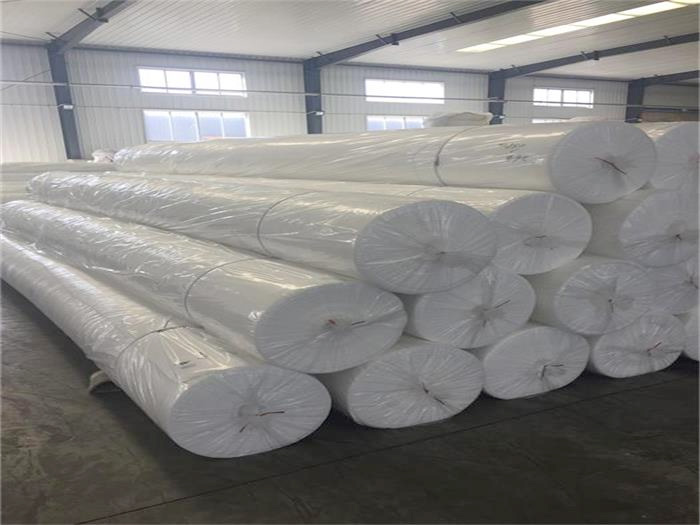
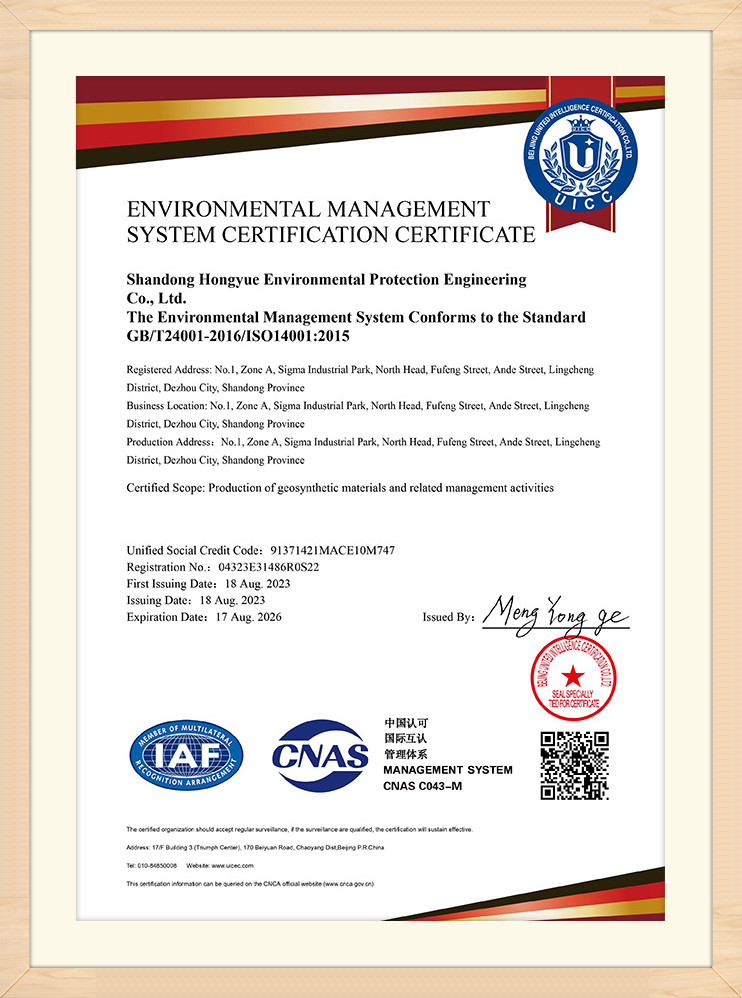
Independent testing, national benchmarks, and ISO compliance systems verifying the durability of every batch.
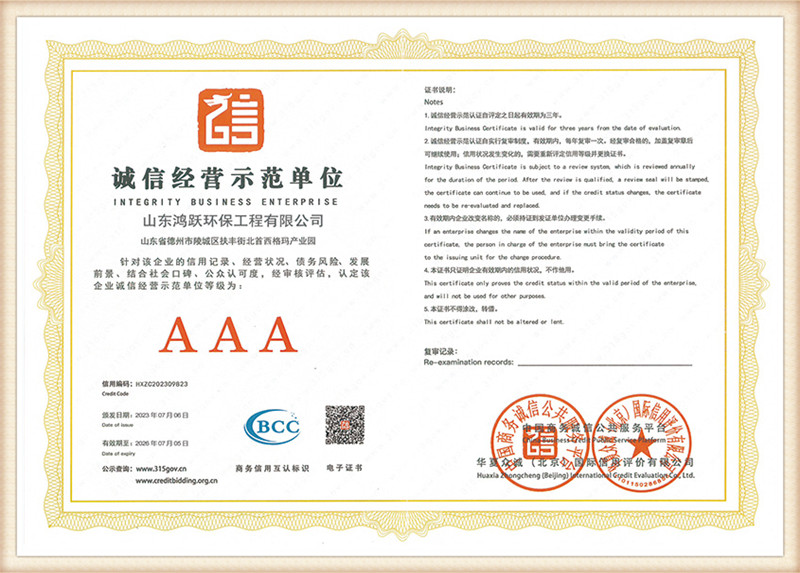
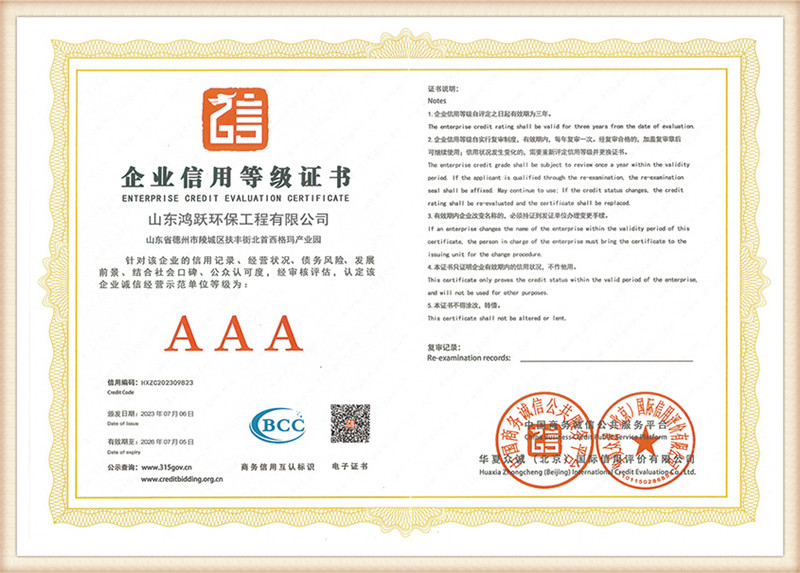
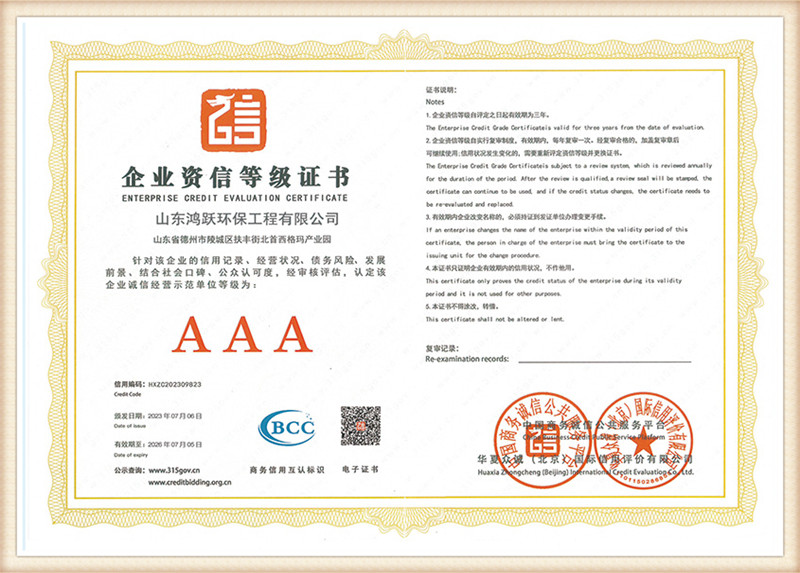
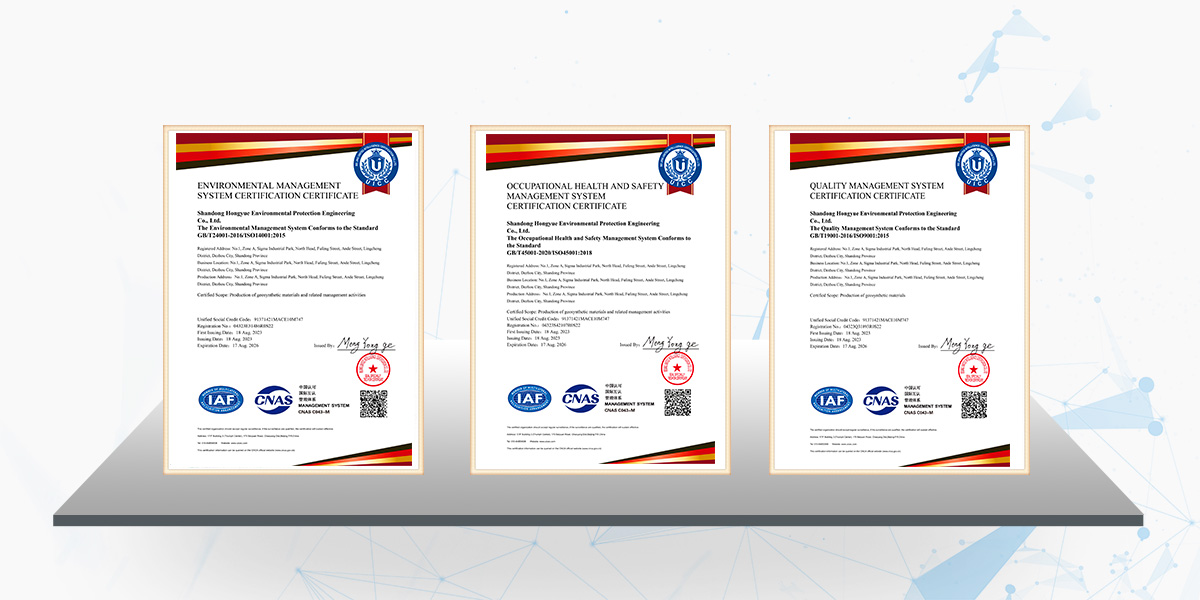
Shandong Hongyue Environmental Engineering Co., Ltd. operates a comprehensive quality management system certified under ISO9001 (International Quality System Certification), ISO14001 (Environmental Management System), and ISO45001 (Occupational Health and Safety Standard). Every production run undergoes automated scanning and laboratory testing to ensure uniform thickness and web density. Our products have received certification from the China National Testing Center and routinely pass national quality supervision audits.
Our internal laboratories are equipped to perform physical, hydraulic, and mechanical tests, including ASTM D4632 for grab tensile strength, ASTM D4595 for wide-width tensile properties, ASTM D6241 for CBR puncture resistance, and ASTM D4491 for water flow permeability. This testing framework ensures that our materials provide reliable filtration, separation, and containment performance under demanding field conditions.
Real-world applications of our products in hydraulic, railway, and municipal infrastructure projects.
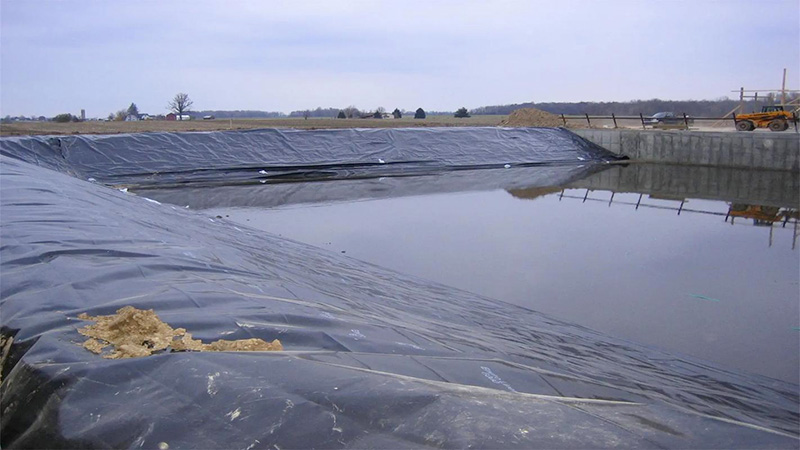
Over 1.2 million m² of composite geomembranes and needle-punched geotextiles deployed to reinforce structural foundations and minimize seepage loss.
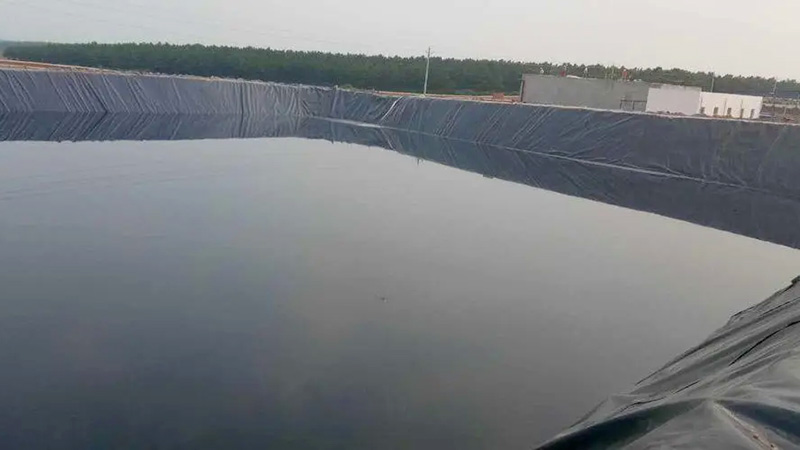
Used to stabilize riverbanks, prevent erosion, and establish natural filtration systems for urban waterway recovery projects.
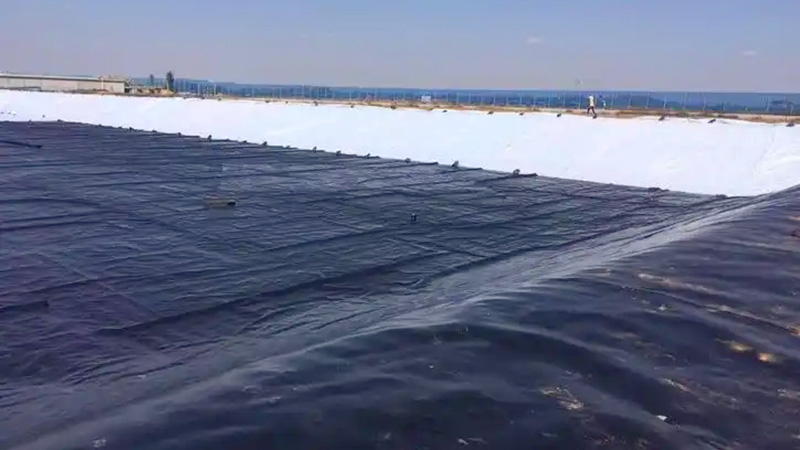
High-strength woven geotextiles deployed beneath ballast layers to prevent clay intrusion and distribute heavy mechanical loads.
Our solutions have been tested in diverse environments, ranging from extreme high-altitude alpine zones to humid tropical regions. They help prevent lateral migration of subgrade soils, control pore water pressure, and protect geomembrane layers from mechanical stress, reinforcing critical civil infrastructure worldwide.
Detailed technical answers addressing common procurement, design, and installation questions.
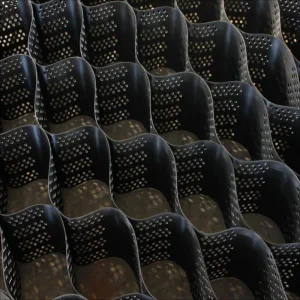
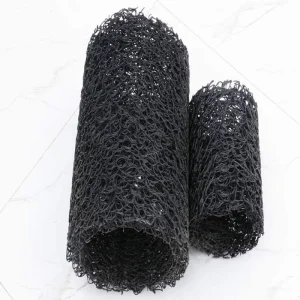
Explore our complete product catalog, designed to work together with our primary geotextile systems for enhanced engineering performance.
 Hongyue