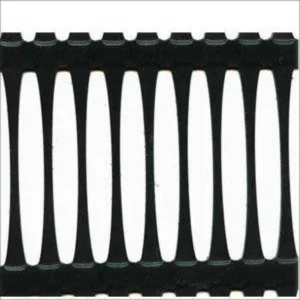
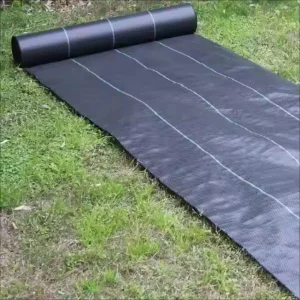
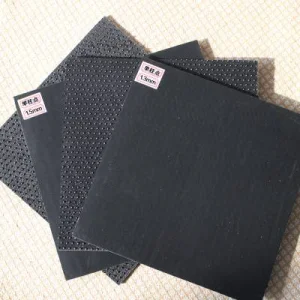
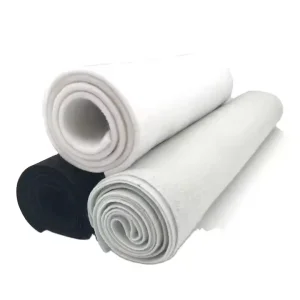
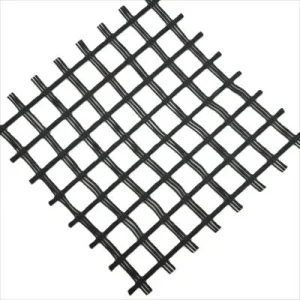
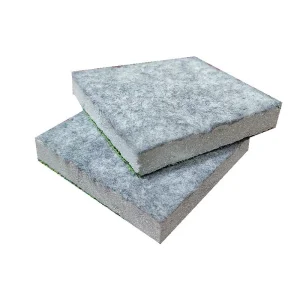
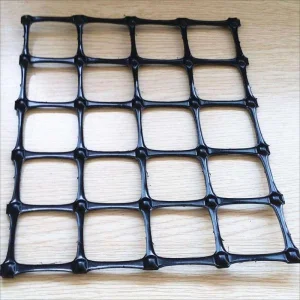
Explore our core manufacturing line of structural, anti-seepage, and environmental reinforcement systems engineered to international standards.
In modern geotechnical engineering, the integrity of a containment facility rests almost entirely on the quality of its welded seams. Whether deploying high-density polyethylene (HDPE), linear low-density polyethylene (LLDPE), or flexible polypropylene (fPP) liners, the welding machine functions as the critical link between raw material and a fully functioning environmental barrier. Sourcing custom geomembrane welding machines requires a granular understanding of thermal dynamics, mechanical pressure limits, and control interface automation.
This whitepaper, curated by environmental engineering specialists, examines the technological pathways, cost indicators, and procurement frameworks for global engineering firms seeking optimized geomembrane welding solutions. By looking past surface-level specifications, we establish the parameters that govern long-term field performance, project safety, and cost efficiency.
The global demand for high-caliber geomembrane welding technology is driven by escalating environmental compliance frameworks in mining, municipal waste management, and agricultural containment. Emerging markets across Latin America, Southeast Asia, and Sub-Saharan Africa are witnessing a paradigm shift. Local regulators are mandating double-lined containment facilities, prompting international civil works contractors to secure highly reliable, certified welding systems.
Key sectors driving procurement include:
Understanding the primary mechanical welding categories is vital for correct field application. In any comprehensive project design, a combination of these systems is typically deployed to handle both long run seams and complex geometric detailing.
| Technology Type | Primary Application | Thickness Range | Testing Modality | Key Limitations |
|---|---|---|---|---|
| Dual-Track Hot Wedge | Long, linear primary seams (HDPE/LLDPE) | 1.0 mm – 3.0 mm | Air channel pressure testing | Requires flat topography & clean overlaps |
| Single-Track Hot Wedge | Civil overlays, thin PVC, textiles | 0.5 mm – 1.5 mm | Vacuum box & destructive peel | No built-in test channel |
| Extrusion Welder | Pipe penetrations, patches, tight corners | 1.5 mm – 5.0 mm+ | Spark testing & vacuum testing | Lower linear speed, requires welding rod feed |
| Hot Air Welder | Tacking sheets, localized repair, thin liners | 0.3 mm – 1.0 mm | Visual & probe tracking | Low mechanical bonding force |
A hot wedge welder uses a heated copper or steel wedge to melt the contact surfaces of overlapping geomembrane sheets. Driven by upper and lower pressure rollers, the molten surfaces are pressed together to achieve a homogeneous molecular bond. A critical parameter here is the dwell time, controlled by the machine's drive speed, and the thermal setpoint, adjusted according to ambient wind, temperature, and sheet thickness. In contrast, extrusion welding works by depositing a bead of molten polymer (derived from a matching feedstock welding rod) onto the pre-heated geomembrane overlap, making it the preferred choice for detailed fabrication and structural attachments.
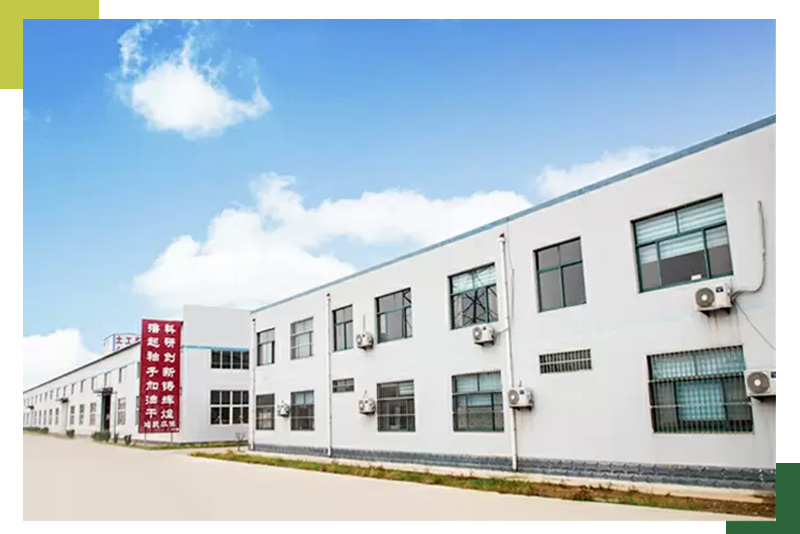
To fully grasp the selection and field utilization of geomembrane installation accessories, one must look at the manufacturers producing the containment materials themselves. Shandong Hongyue Environmental Engineering Co., Ltd., located at the north end of Fufeng Street, Lingcheng District, Dezhou, Shandong Province, is a premier, scientific and technological geotechnical material manufacturer. The enterprise integrates material engineering production, sales, design, and construction services into a unified framework.
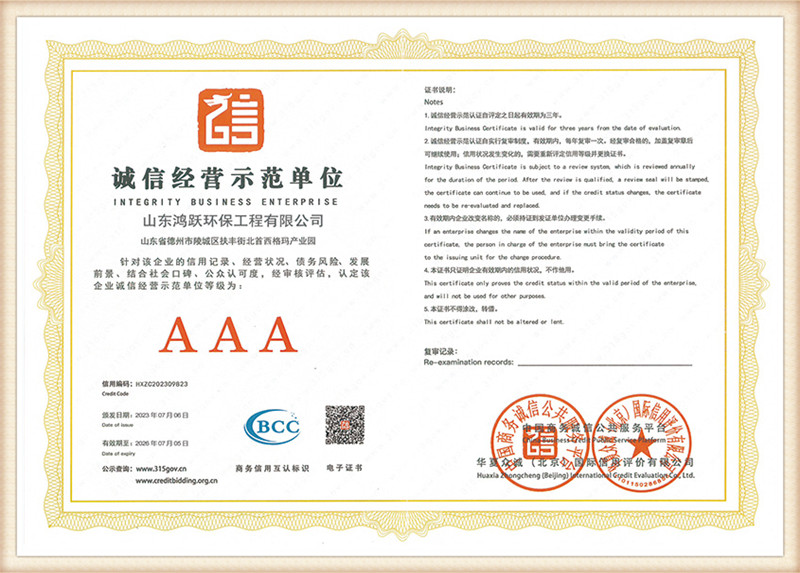
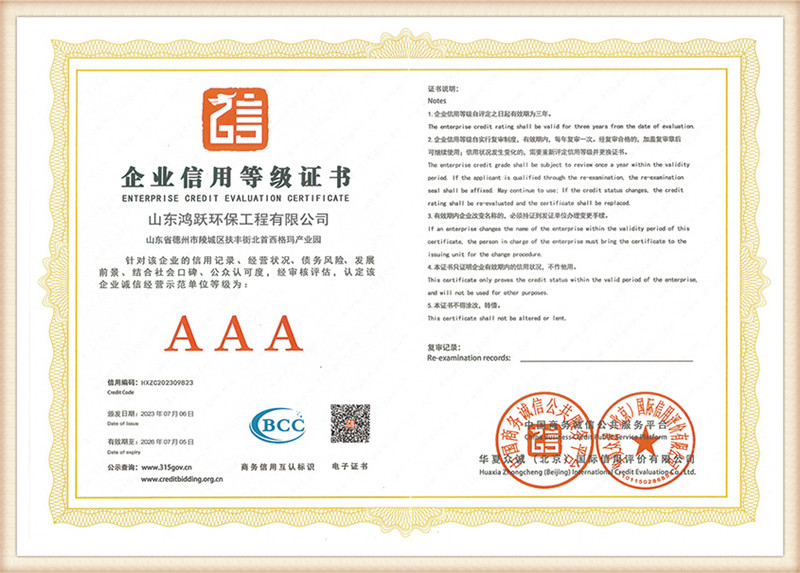
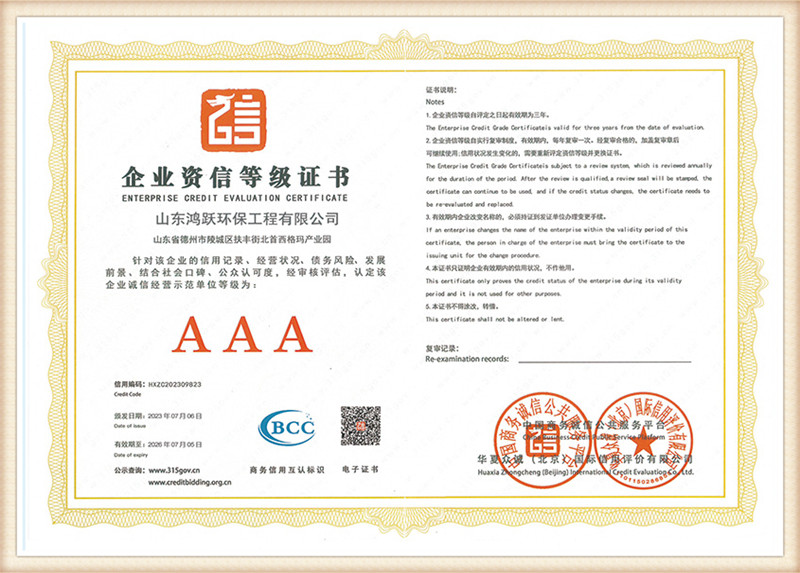
Registered with the Lingcheng District Market Supervision and Administration Bureau on April 6, 2023, with a registered capital of 105 million yuan, the company operates one of the most comprehensive geotechnical production bases in China. Strategically situated in Dezhou, Shandong, the facility benefits from exceptional transport infrastructure, enabling swift global distribution of high-performance geosynthetics.
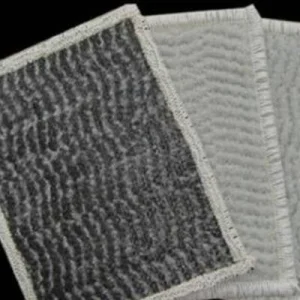
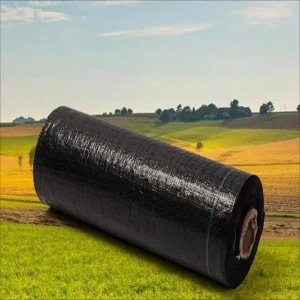
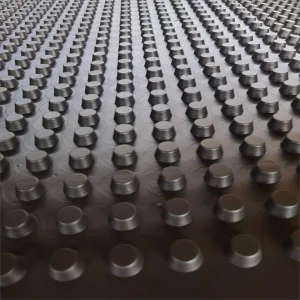
Shandong Hongyue's extensive product portfolio includes: geotextiles, geomembranes, composite geomembranes, waterproof boards, bentonite waterproof blankets, 3D composite drainage nets, (composite) drainage boards, weaving cloth, woven cloth, membrane bags, blind ditches, waterproof/drainage combinations, woven bags, ecological bags, cement blankets, fiber plant blankets, and flexible pervious pipes. These materials serve critical infrastructures in highways, railways, bridges, tunnels, reservoir water conservancy, artificial lakes, environmental protection, aviation, mining, and agriculture.
The geomembrane welding industry is entering a digitalization phase. The integration of IoT technology and real-time parameters logging has redefined field Quality Assurance (QA). Modern welding machines are no longer simple thermo-mechanical devices; they are connected nodes in the engineer's data structure.
Successful environmental containment relies on deploying the right materials alongside high-precision welding processes. Shandong Hongyue provides complete system solutions for challenging containment projects:
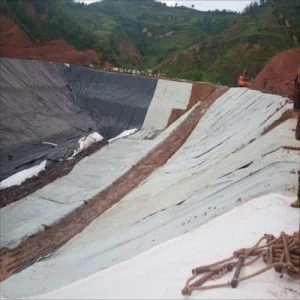
Deploying specialized geomembranes and custom-calibrated hot wedge welders to line major reservoirs and dam faces, preventing reservoir loss and enhancing soil stability.
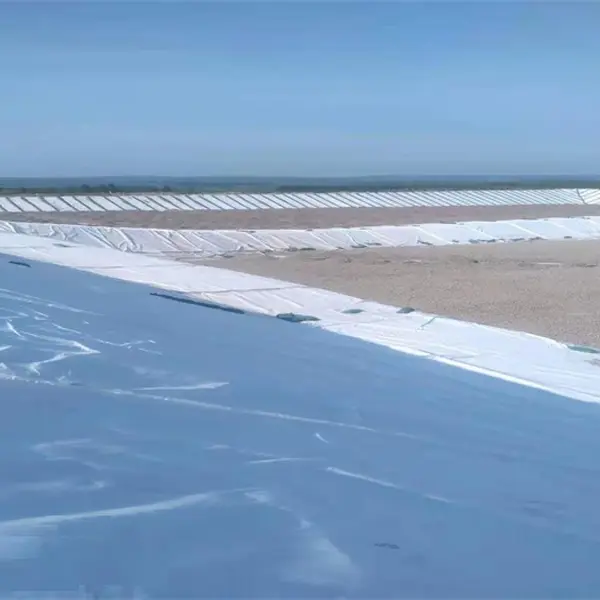
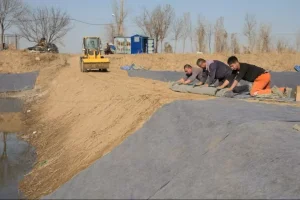
Integrating concrete blankets, geotextiles, and geomembranes to protect riverbeds and channels from erosion while keeping regional water flows safe from soil infiltration.
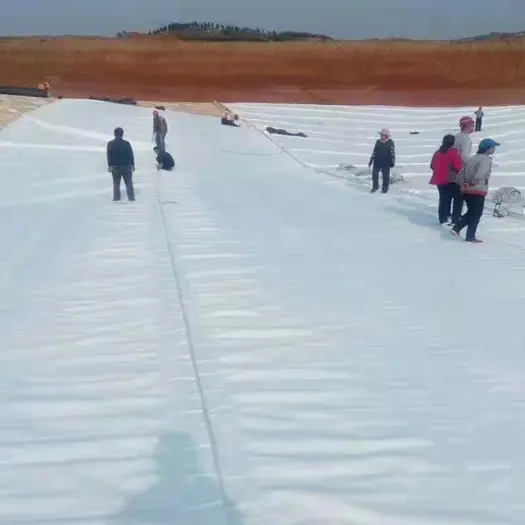
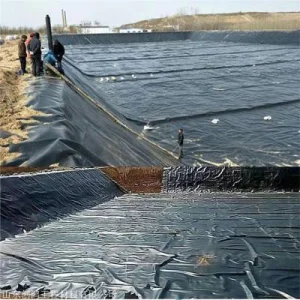
Double-lined containment configurations with a dual-track weld testing channel. This setup helps prevent hazardous leachate from reaching regional groundwater systems.
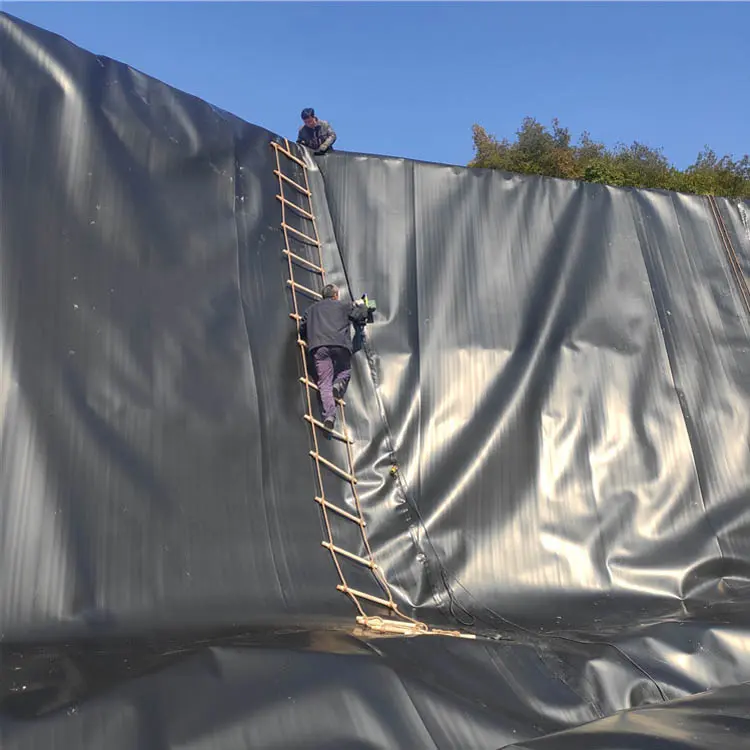
For high-risk environments like oil tank containment fields, we enforce exact weld temperature monitoring to prevent localized stress fractures in LLDPE or HDPE sheets. Properly calibrated thermal profiles maintain material ductility and yield strength, protecting the integrity of the containment barrier.
A professional geomembrane installation must follow a structured, multi-phase Quality Assurance plan. Sourcing the best machine is only half the battle; proper on-site processes are critical to success:
Understanding the factors that affect the pricing of custom geomembrane welding machines is key to making informed procurement decisions. Sourcing teams should look beyond upfront purchase costs and consider total cost of ownership (TCO) variables:
Ensure complete project integrity with our selection of reinforcement geocells, slope blankets, and drainage boards.
 Hongyue