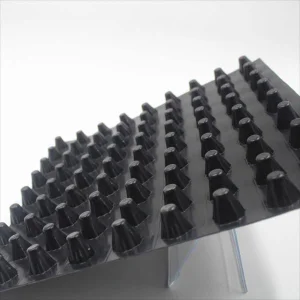
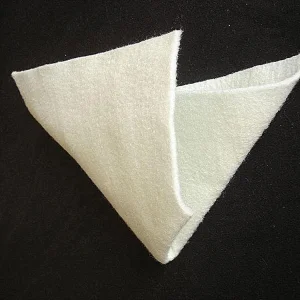
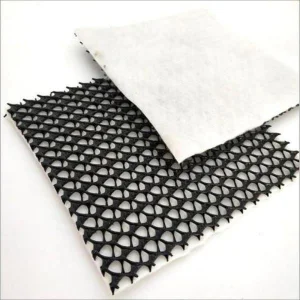
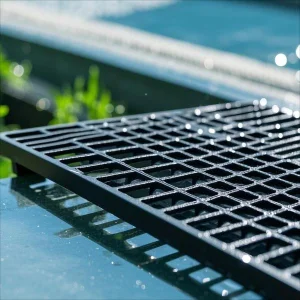
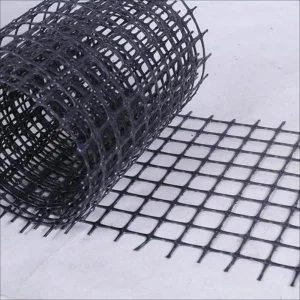
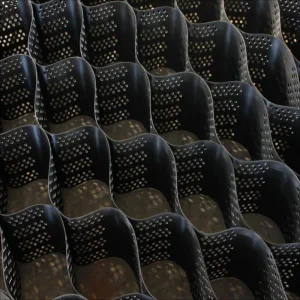
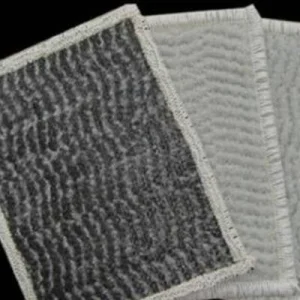
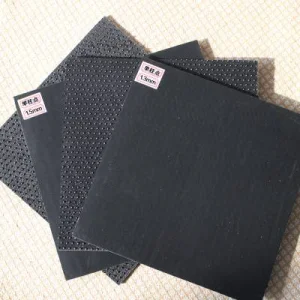
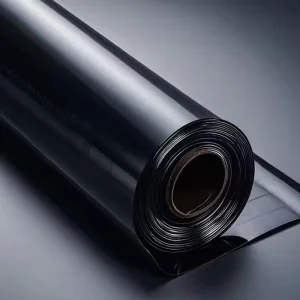
Engineered to withstand high shear forces, chemical deterioration, and extreme loading dynamics.
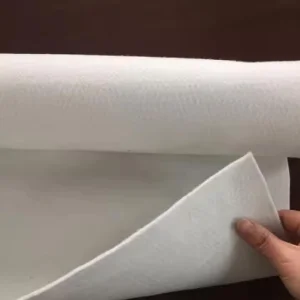
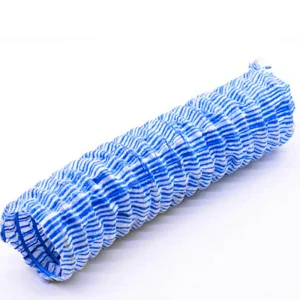
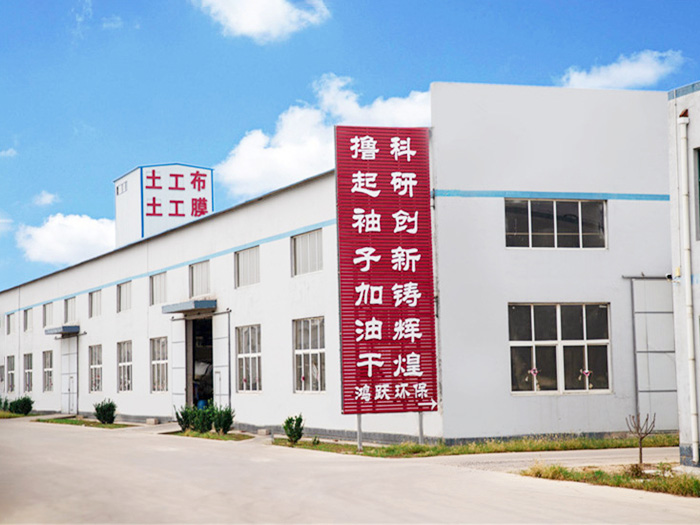
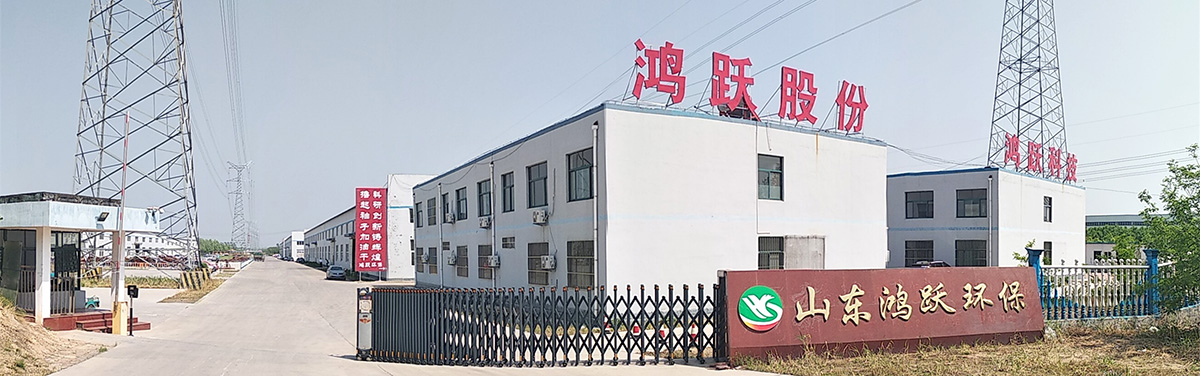
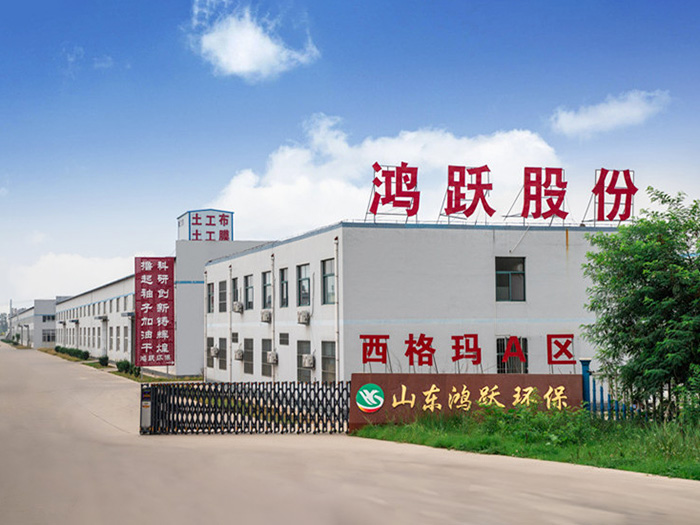
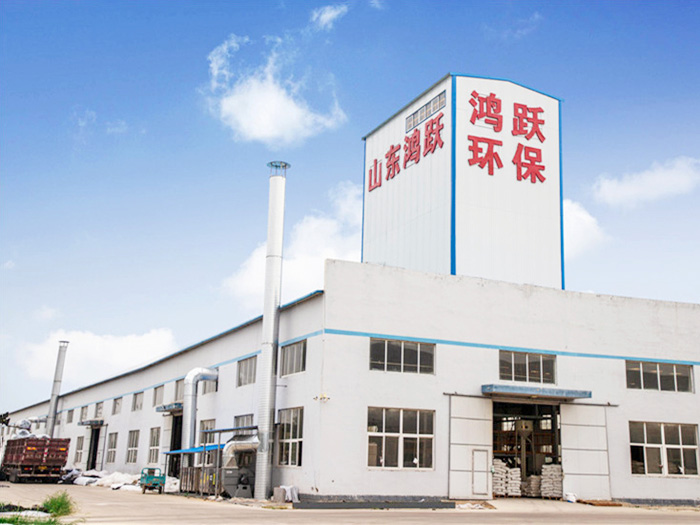
Located at the north end of Fufeng Street, Lingcheng District, Dezhou, Shandong Province, Shandong Hongyue Environmental Engineering Co., Ltd. is a scientific and technological geotechnical material manufacturer integrating engineering material production, sales, design and construction services. The company was registered in Lingcheng District Market Supervision and Administration Bureau of Dezhou City on April 6, 2023, with a registered capital of 105 million yuan. It is one of the largest production bases of geotechnical materials in China at present, with a superior geographical location and convenient transportation.
Since the establishment of the company has developed rapidly, business continues to grow and expand, our company mainly deals in geotextiles, geomembrane, composite geomembrane, waterproof board, bentonite waterproof blanket, 3D composite drainage net, (composite) drainage board, weaving cloth, woven cloth, geotextiles, membrane bags, blind ditches, waterproof and drainage combinations, woven bags, ecological bags, cement blankets, fiber plants blankets, geotextiles, flexible pervious pipes. Our business includes geosynthetics, waterproofing membrane production, sales, construction, import and export of goods. We have high quality products and professional sales and technical team. Our company belongs to Dezhou Geotextile Association, and our products are widely used in highways, railways, bridges and tunnels, reservoirs and canals water conservancy, artificial lakes, environmental protection, aviation, mining, agriculture and other fields.
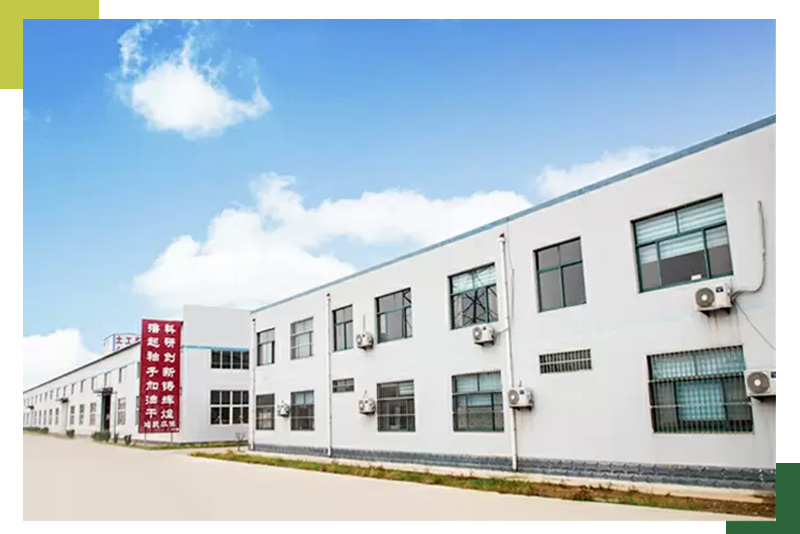
Focusing on the production of new anti-seepage engineering materials with multi-functional applications.
Dedicated to providing professional engineering advice and customized technical design systems.
Optimized logistics and warehouse networks in Dezhou, Shandong ensure fast global dispatch.
Approved and widely deployed in provincial key infrastructure projects and international sites.
The global market for custom drainage networks is witnessing a paradigm shift from traditional civil engineering backfills to engineered geosynthetics. These advanced structures provide high-flow transmissivity under structural loads while preventing soil migration that clogs subgrade soils.
In response to changing global environments, municipal planning, and industrial demands, modern drainage networks must address several evolving engineering realities:
With an emphasis on reducing environmental footprints, engineers prioritize composite drainage networks that bundle filtration, separation, and drainage within a single lightweight geocomposite layer. This multi-functional design reduces installation times by up to 70%, lowering project labor costs.
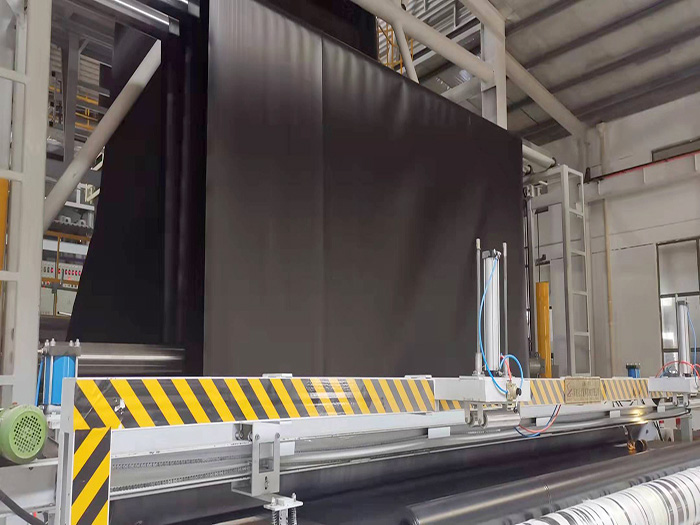
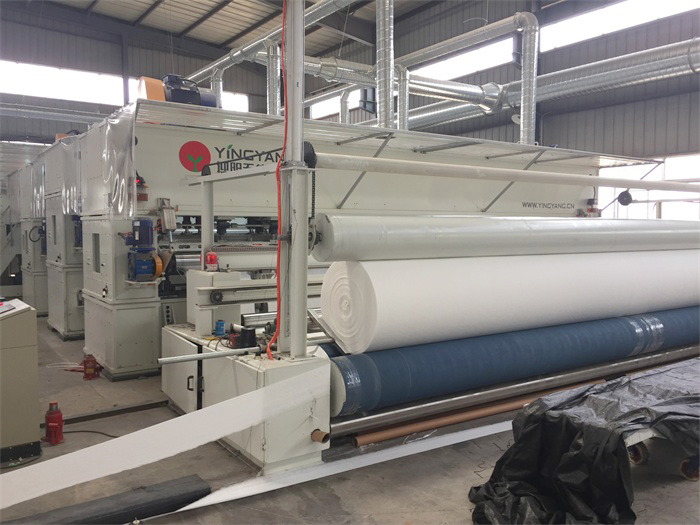
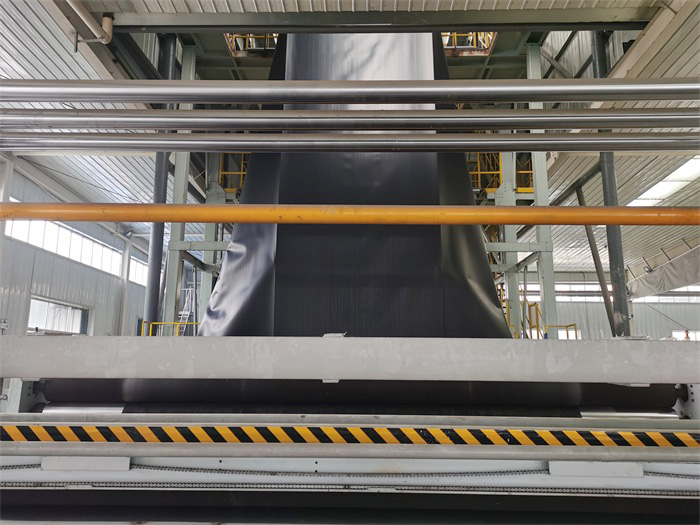
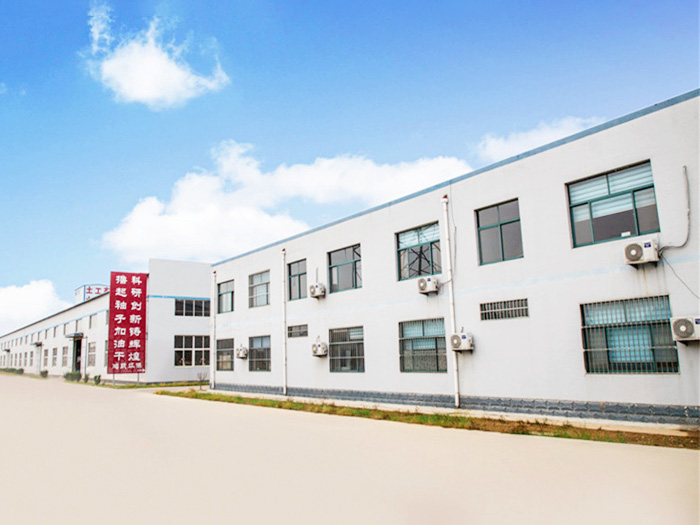
Tour our state-of-the-art production facility in Dezhou, Shandong Province. With registered capital of 105 million yuan, our capability covers extrusion, net fabrication, needle punching, and continuous quality inspection.
Procurement directors and design institutes evaluate geotechnical drainage materials based on engineering performance, strict regulatory compliance, and supply chain reliability. For international tenders, selecting a supplier with robust testing capabilities is essential.
Key criteria for high-specification infrastructure include:
| Performance Indicator | Typical Design Requirement | Test Standard Reference | Engineering Relevance |
|---|---|---|---|
| In-plane Flow Capacity (Transmissivity) | ≥ 1.5 × 10⁻⁴ m²/s at 200 kPa gradient i=1.0 | ASTM D4716 / ISO 12958 | Ensures sufficient hydraulic discharge under overburden stress. |
| Tensile Strength (MD/CMD) | ≥ 18 kN/m for road bases | ASTM D4595 / ISO 10319 | Provides structural reinforcement against subgrade deformation. |
| Puncture Resistance (CBR) | ≥ 3.0 kN | ASTM D6241 / ISO 12236 | Prevents physical damage from sharp aggregates during installation. |
| Carbon Black Content (HDPE) | 2.0% - 3.0% range | ASTM D1603 | Provides long-term UV protection and thermal stabilization. |
Additionally, large procurement programs rely on supply chain security. Shandong Hongyue, with 105 million Yuan registered capital and modern facilities, offers large production volume, fast transit through Shandong shipping hubs, and complete material certification.
Understanding the steps in our manufacturing sequence ensures material performance. We monitor each stage, from raw polymer chips to the final packaged rolls.
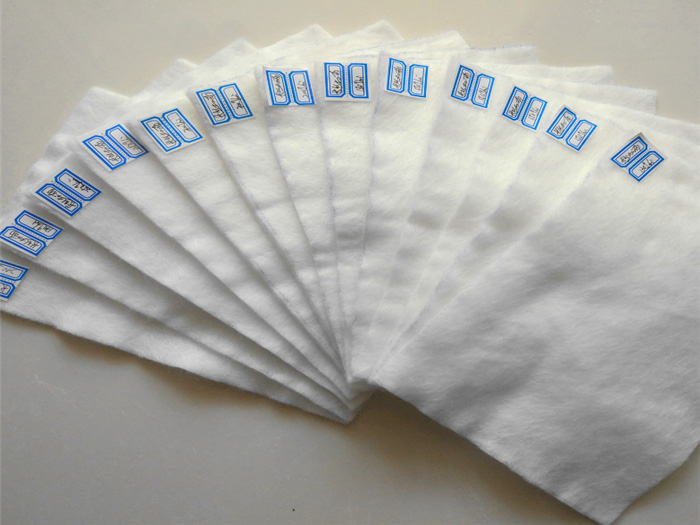
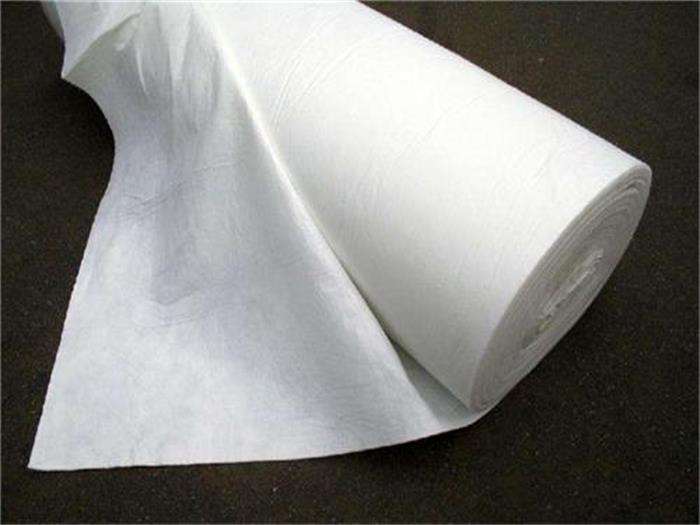
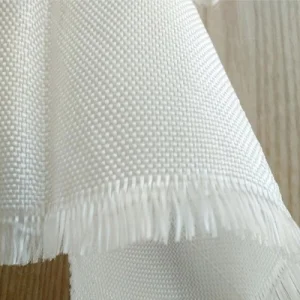
Geotextile production process: Geotextile is widely used in civil engineering materials, with filtration, isolation, reinforcement, protection and other functions. Its production process includes raw material preparation, melt extrusion, mesh rolling, draft curing, winding packaging and inspection steps. This process requires precise control across multiple links and considerations for environmental protection and durability. Modern production equipment and technology have been widely adopted, significantly improving production efficiency and quality.
Polyester chips, polypropylene filament and viscose fiber are inspected and stored.
Polyester slices melt at high temperatures and pass through a screw extruder.
Sprayed fibers form a uniform network structure on the conveyor belt.
Temperature, speed, and draft ratio are controlled to set the sheet strength.
Cured geotextile is wound, measured, and labeled for storage.
Physical, chemical, and dimensional parameters are tested before release.
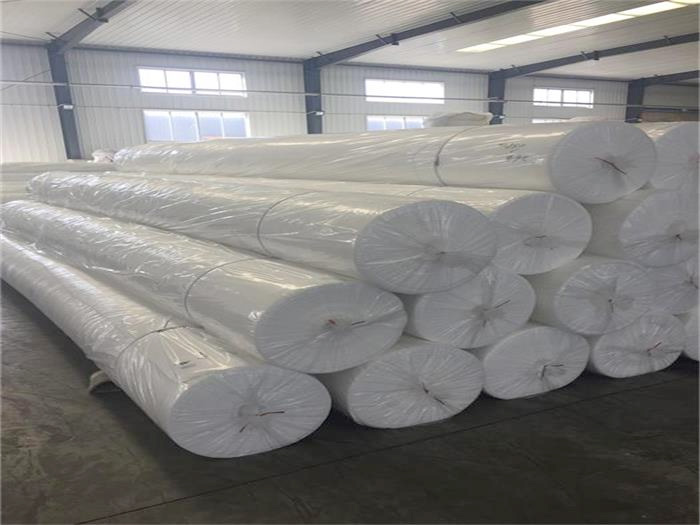
Infrastructure projects require integrated systems rather than stand-alone materials. By matching geomembranes, geotextiles, and structured drainage cores, Shandong Hongyue designs comprehensive barrier and flow systems.
Our typical geotechnical design programs include:
By designing integrated solutions, engineers can address mechanical stresses and chemical actions in soil systems, ensuring reliable long-term performance.
Explore how our geosynthetic solutions are deployed in global hydraulic, transportation, and waste management installations.
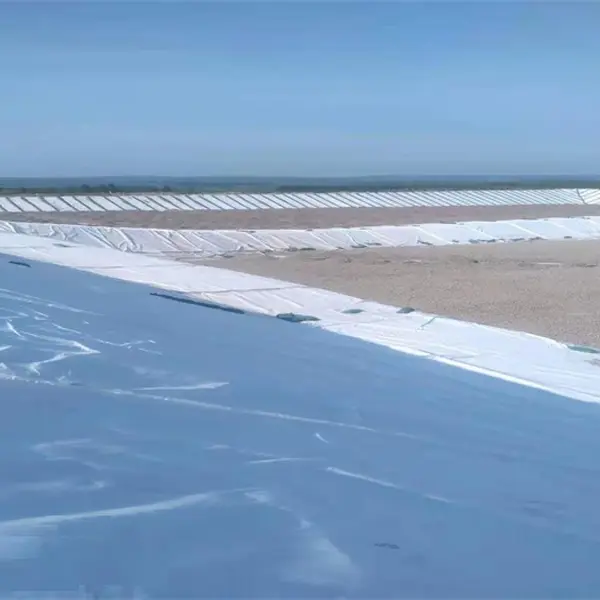
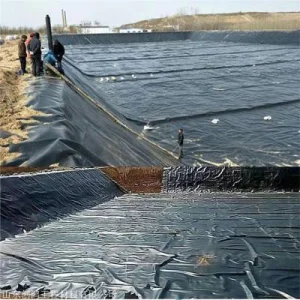
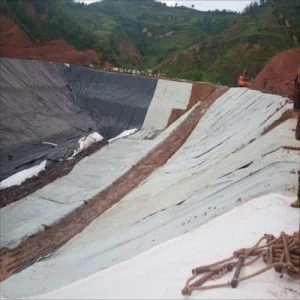
Application of geomembranes in hydraulic engineering for reservoir lining, preventing seepage, and reinforcing dam structures.
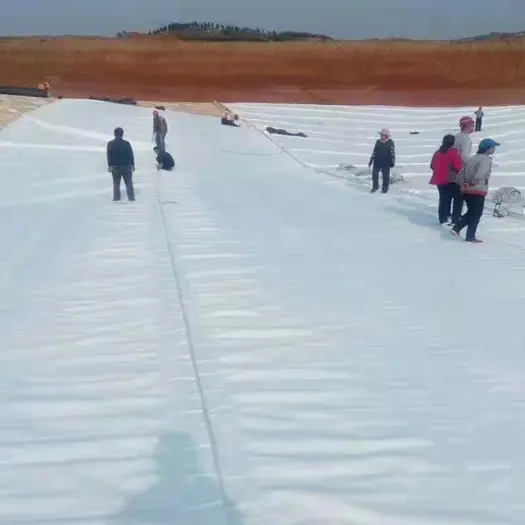
Watercourse seepage prevention works for river channels, managing structural erosion and maintaining ecological stability.
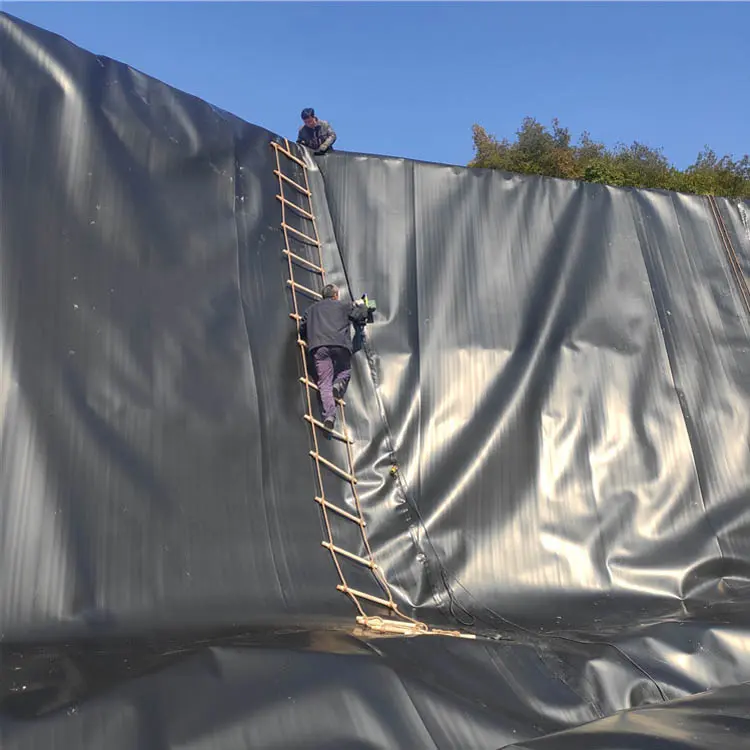
Landfill seepage prevention works with high-density geomembranes and geocomposites for containment.
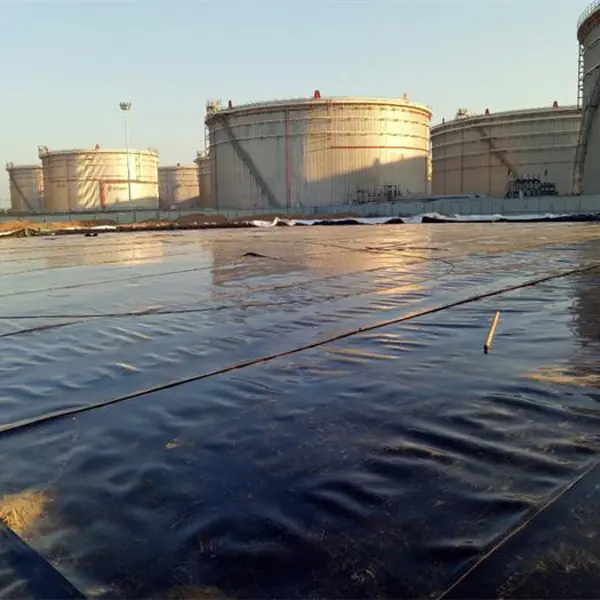
Geomembrane oil tank area seepage prevention construction site, providing barrier protection against hydrocarbons.
Product performance depends on proper installation. We provide technical support guidelines for selection, laying, and site maintenance.
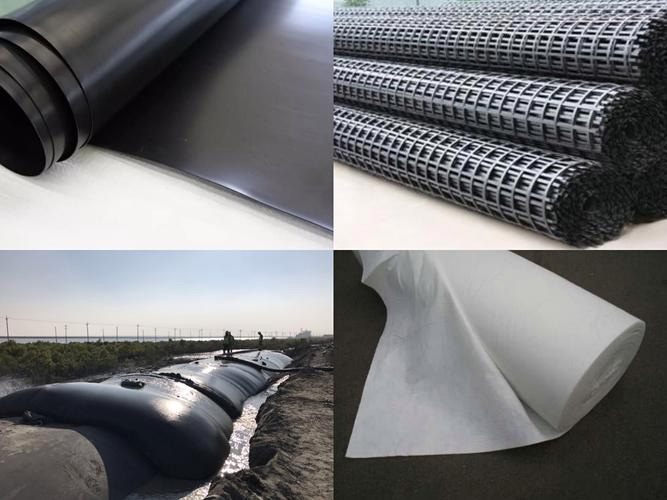
Geomembrane application technology: Geomembrane is widely used in civil engineering, providing seepage prevention, isolation, and reinforcement. Below are key technical procedures for its selection, laying, and maintenance:
In Summary: Selecting appropriate geomembranes, executing standard laying practices, and conducting regular site inspections will extend the design life of containment structures and safeguard environmental quality.
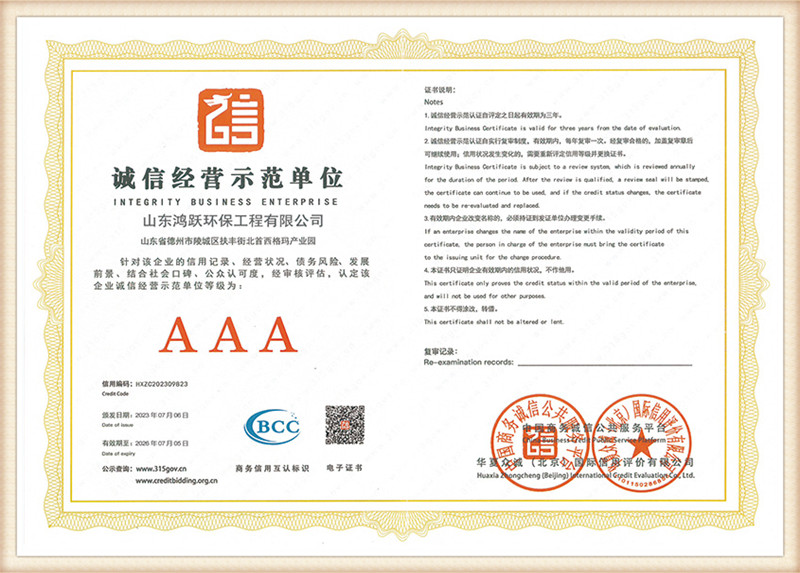
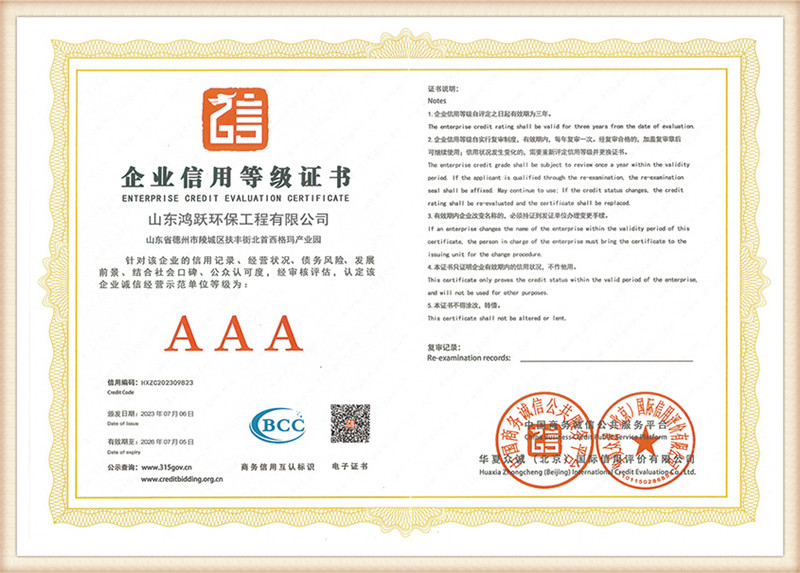
Infrastructure projects require compliance with international engineering standards. Product quality is maintained through strict quality management programs.
Shandong Hongyue Environmental Engineering Co., Ltd. operates in compliance with international standards:
Our quality control laboratory conducts regular sampling tests. Every batch of geomembrane and composite drainage net is checked for thickness, raw material density, carbon black distribution, tensile strength, and multi-axial creep behavior prior to release from the factory.
We test our materials for consistency, tensile properties, and chemical resistance before shipment.
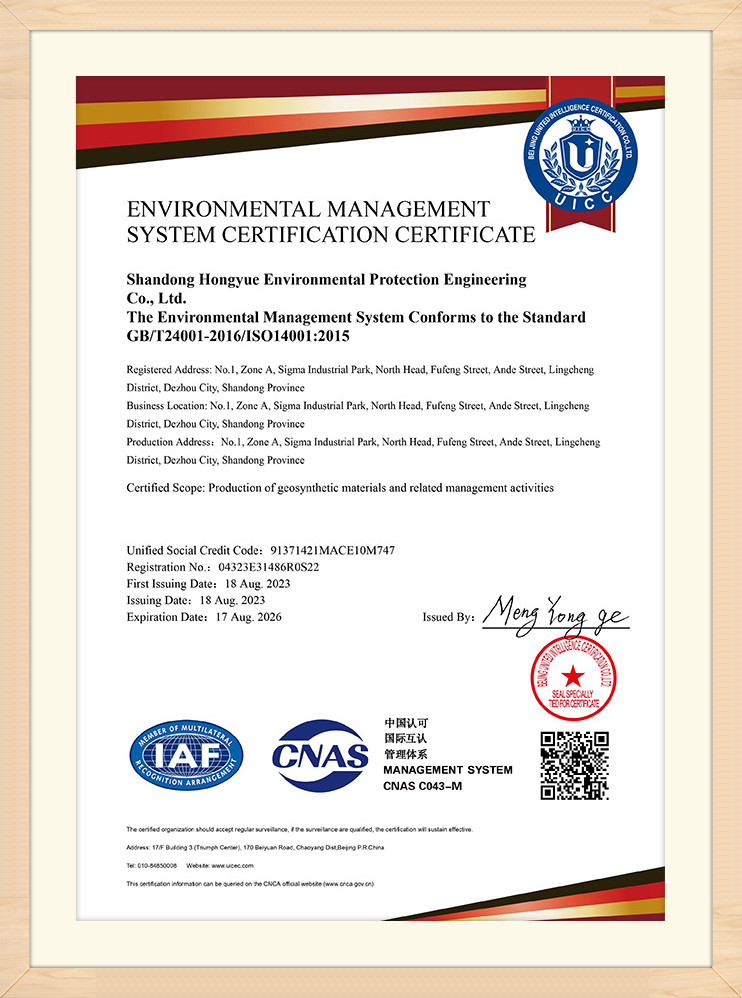
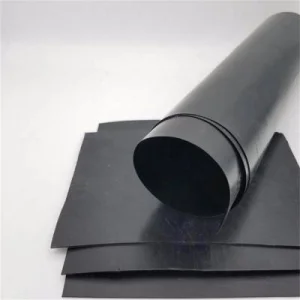
Geomembranes serve as an impermeable barrier in hydraulic projects, controlling water loss, isolating contaminants, and stabilizing structural bases.
We supply solutions for key applications:
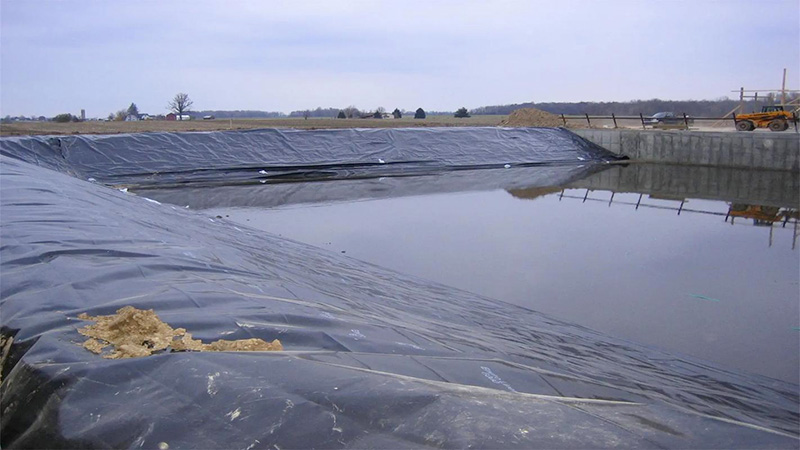
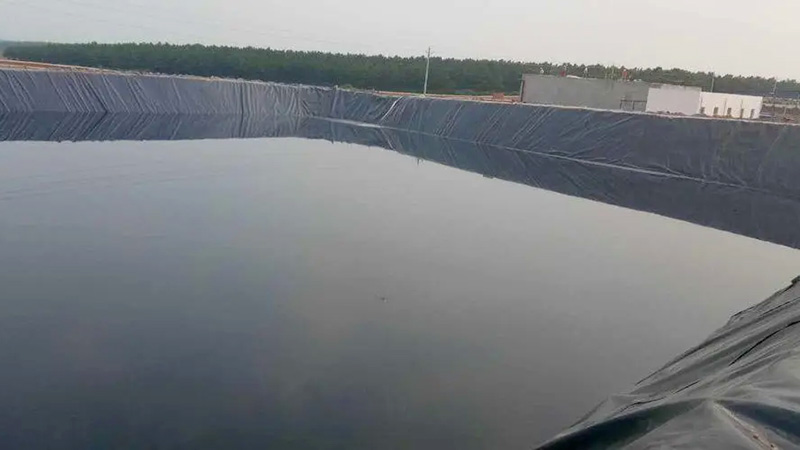
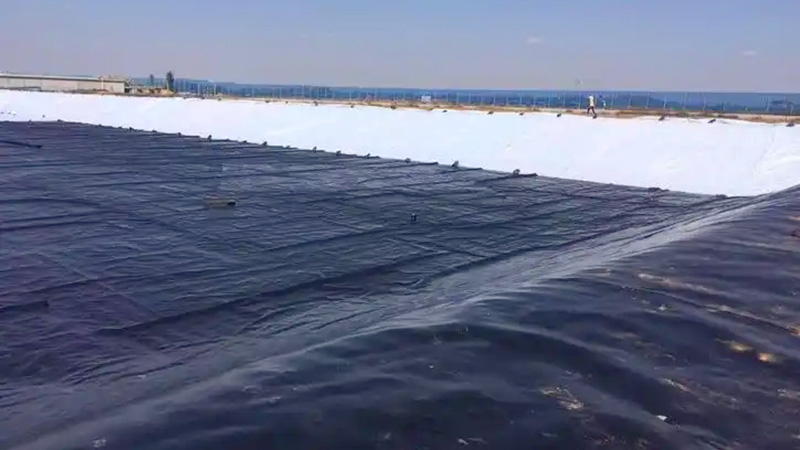
Our commitment to green engineering drives the development of sustainable, durable, and smart geosynthetics.
Developing geotextiles from bio-based polyamides and recycled polymers to reduce reliance on petroleum products while maintaining tensile strength.
Enhancing polymer formulations to resist high mechanical loads and chemical exposure, extending performance lifespans in landfill applications.
Integrating continuous laser scanning and ultrasonic gauge monitors on our production lines to detect thickness variations and defects in real-time.
Find answers to common technical, design, and logistics questions about drainage networks and barriers.
Discharge capacity, or transmissivity, is determined by the core's thickness, shape, and resistance to compression. It is measured under design loading and hydraulic gradients according to ASTM D4716. Our 3D composite systems maintain flow channels under high compressive loads.
Landfills require high chemical and stress crack resistance, typically met with HDPE geomembranes at thicknesses of 1.5mm to 2.0mm. Water projects like canals and ponds often use composite geomembranes or LLDPE, which offer flexibility and easier conformance to irregular subgrades.
We source polymer chips from qualified petrochemical producers. Each shipment undergoes incoming inspection for density, melt index, and purity. Our production lines use auto-dosing systems to maintain consistent properties throughout the run.
Geotextiles must be rolled out smoothly, avoiding folds and wrinkles. Overlaps should be between 300mm and 500mm depending on subgrade stability, and secured with thermal bonding or sewing. Avoid direct heavy machinery traffic on the geotextile before the first aggregate lift is placed.
Yes. Our geomembranes and drainage nets are formulated with carbon black and UV stabilizers. This protection prevents degradation during installation exposure and ensures performance when buried in soil.
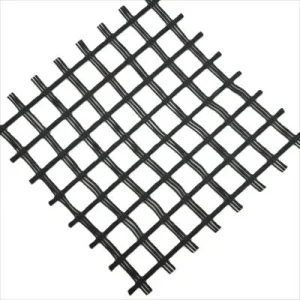
Explore our complete range of structural geogrids, geocells, and composite barrier sheets.
 Hongyue