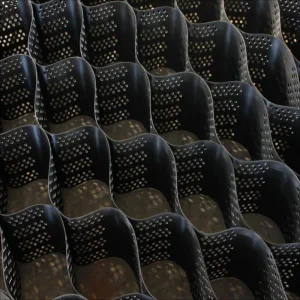
Engineered to withstand structural stress and extreme environmental conditions. Explore our high-performance product collection.
Pioneering Global Geosynthetics Infrastructure from China's Premier Manufacturing Base
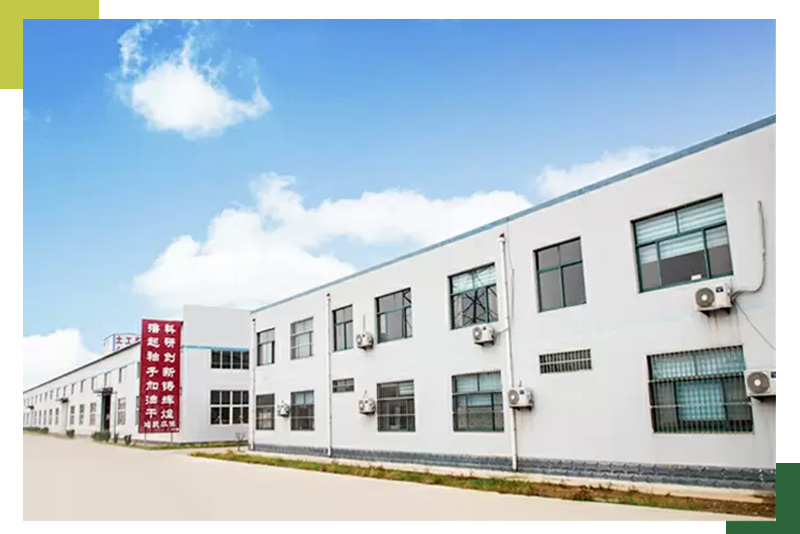
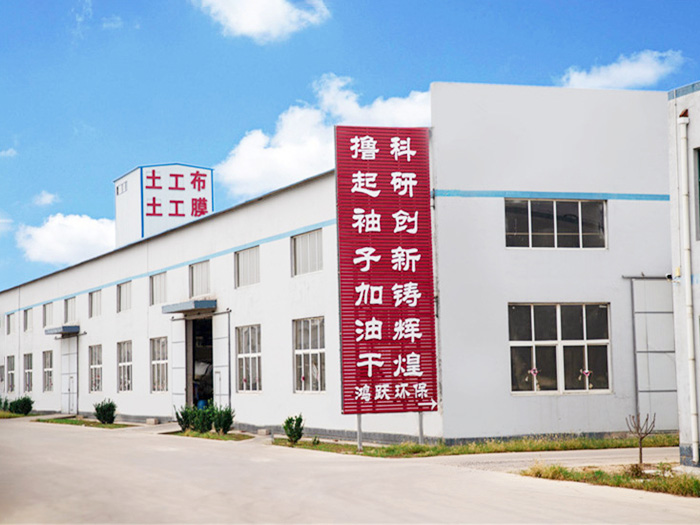
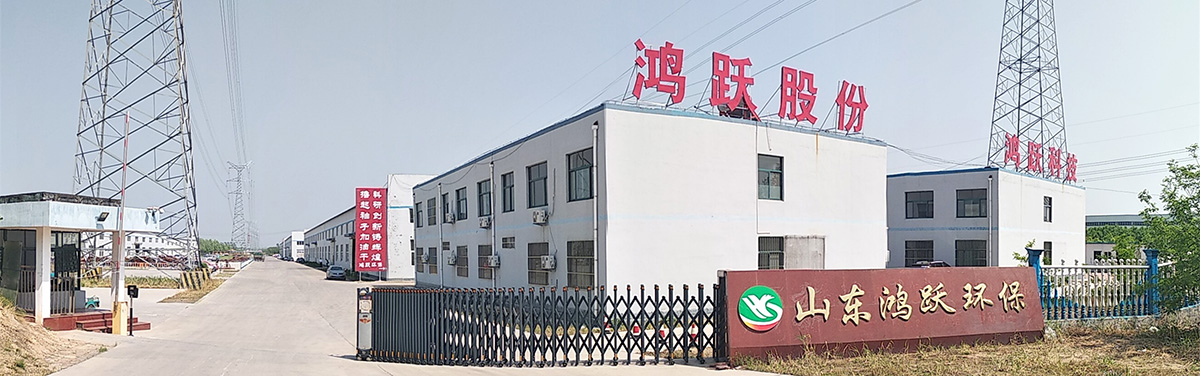
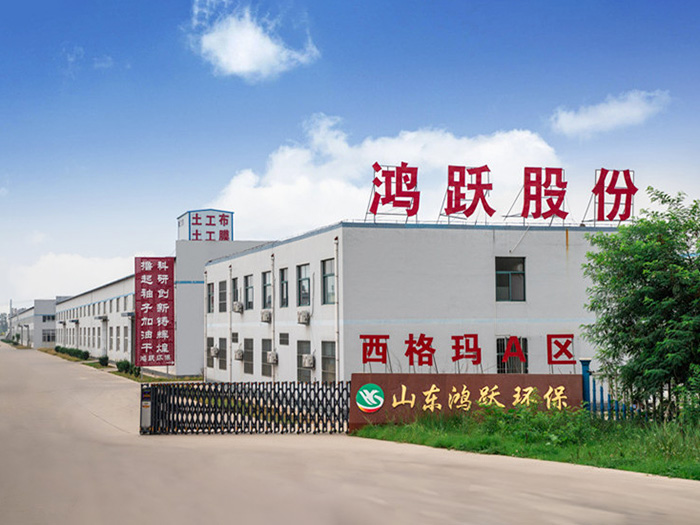
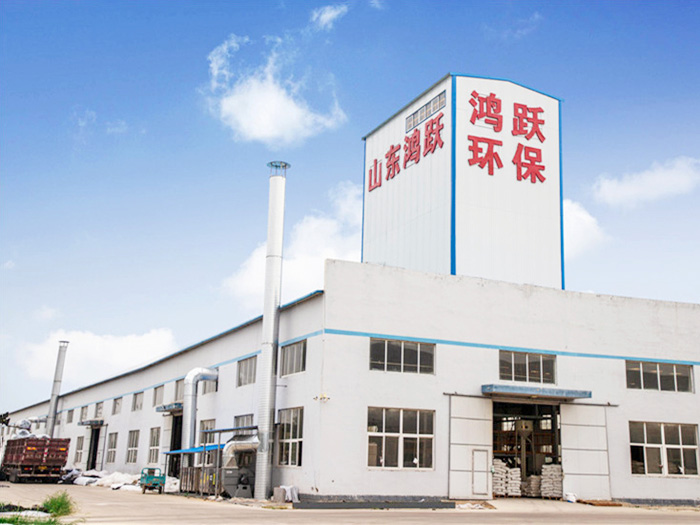
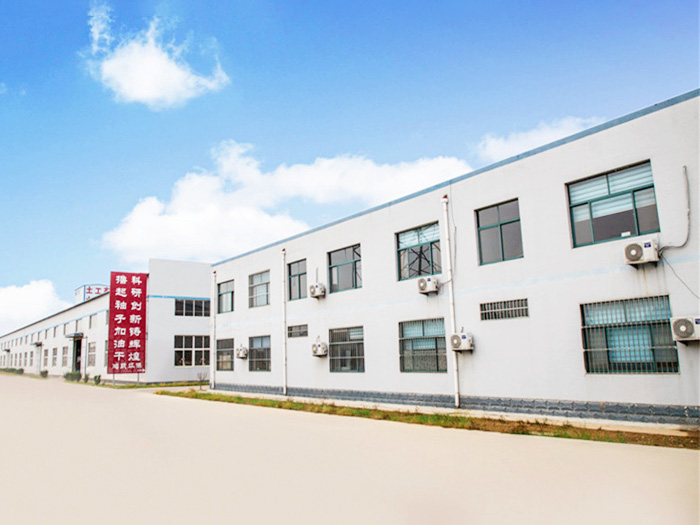
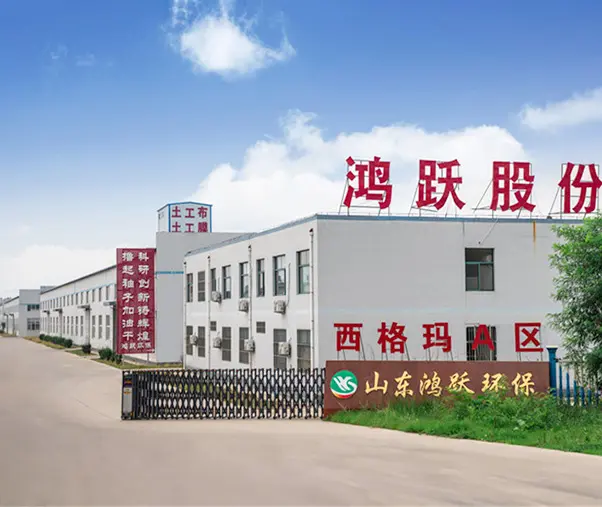
Shandong Hongyue Environmental Engineering Co., Ltd., strategically situated at the north end of Fufeng Street, Lingcheng District, Dezhou, Shandong Province, stands as a scientific and technological geotechnical material manufacturing titan. Officially registered on April 6, 2023, with a registered capital of 105 million yuan, we operate as one of the largest, most technologically integrated geotechnical material production centers in China. Supported by premium geographical connectivity and advanced logistics networks, our manufacturing plant serves global markets with efficiency and unmatched speed.
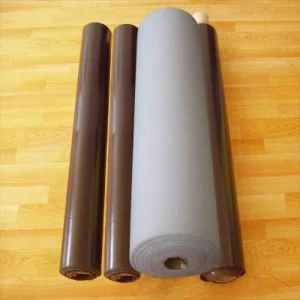
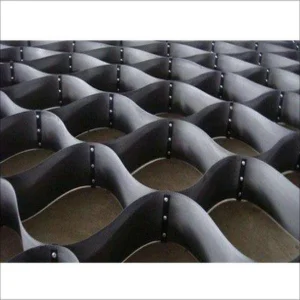
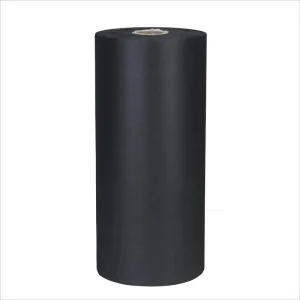
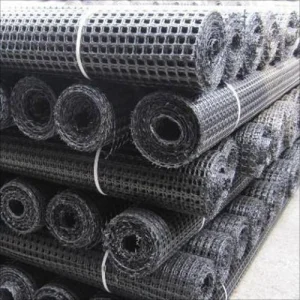
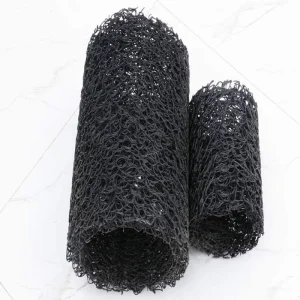
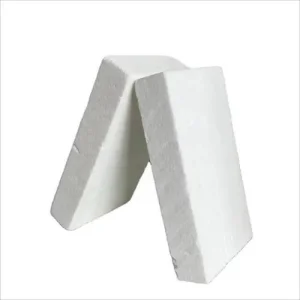
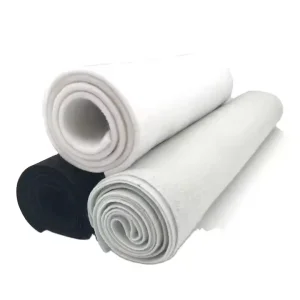
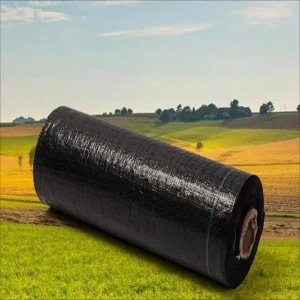
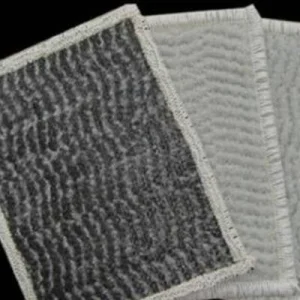
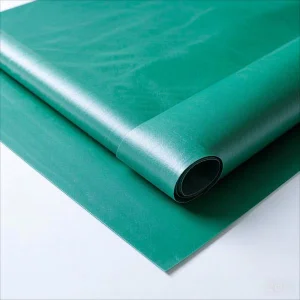
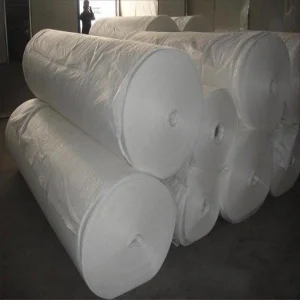
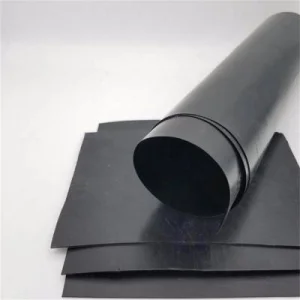
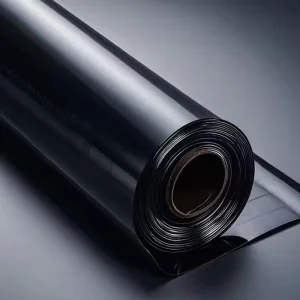
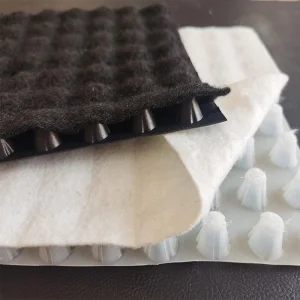
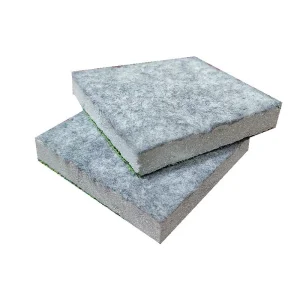
We supply a robust suite of geotechnical products, including needle-punched non-woven and woven geotextiles, geomembranes (HDPE, LLDPE, PVC), composite drainage boards, bentonite waterproof blankets (GCL), 3D composite drainage networks, geocells, cement blankets, ecological erosion-control bags, and flexible pervious pipes. Our comprehensive environmental materials address the rigorous mechanical, hydraulic, and environmental demands of today's civil engineering projects.
Analyzing key structural demand, supply chain dynamics, and regulatory directives shaping the international geotextiles market.
The modern civil engineering sector faces extreme demands due to rapid urbanization, changing precipitation patterns, and the need for durable transport links. Geotextiles are increasingly selected over traditional gravel, sand, and clay aggregates because they optimize construction times and offer predictable physical behaviors under strain. Governments in the Americas, Europe, and the Asia-Pacific region are prioritizing geosynthetics to build resilient highways, high-speed rail corridors, and environmental containment zones.
Sourcing construction geotextiles globally requires careful coordination between petrochemical polymer costs, manufacturing capacity, and maritime logistics. As key players in the Dezhou Geotextile Association, we utilize locally sourced high-grade polymers, enabling competitive custom pricing while maintaining strict compliance with ASTM, EN, and ISO testing standards. This combination of raw material proximity and large-scale manufacturing ensures a reliable supply chain for large infrastructure contractors worldwide.
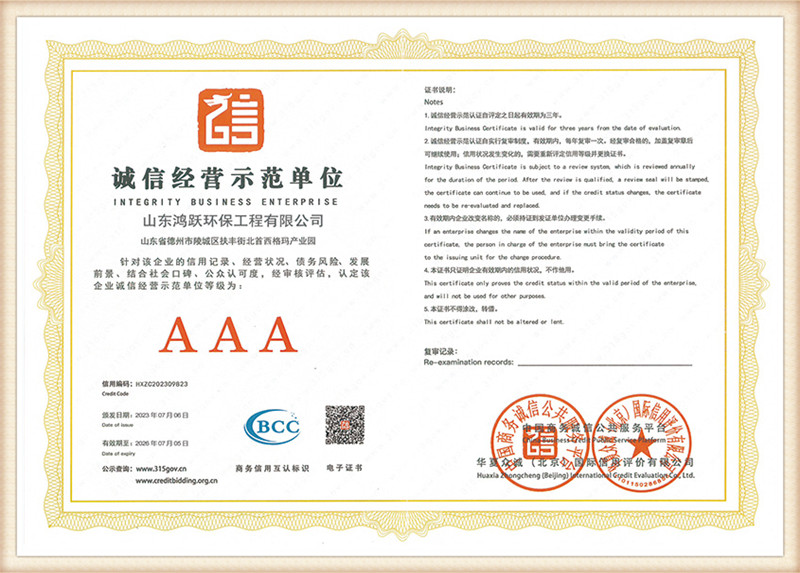
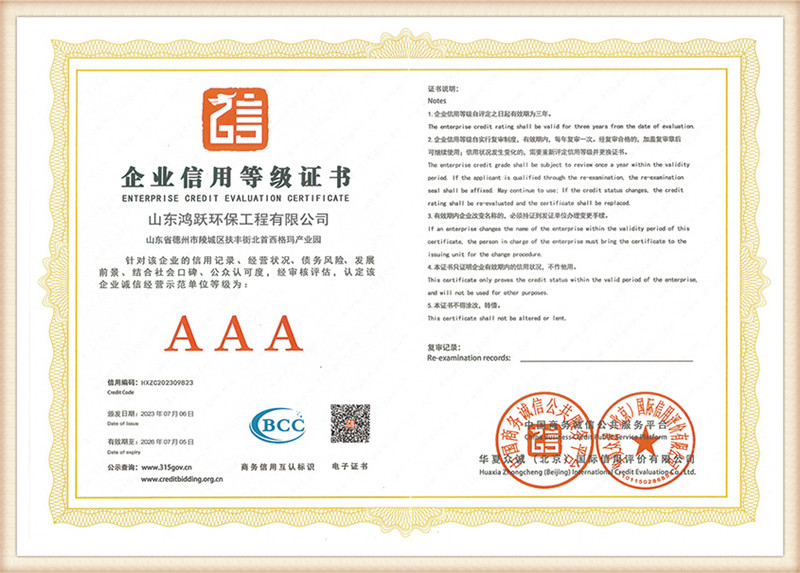
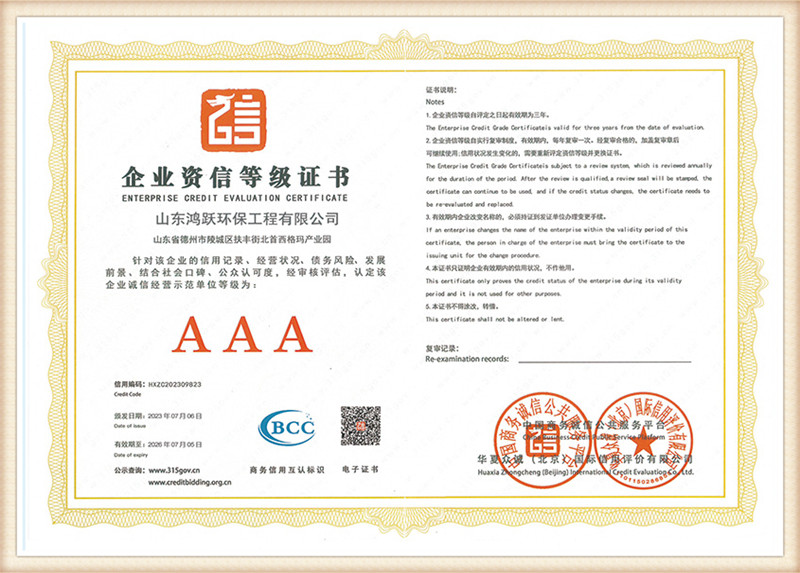
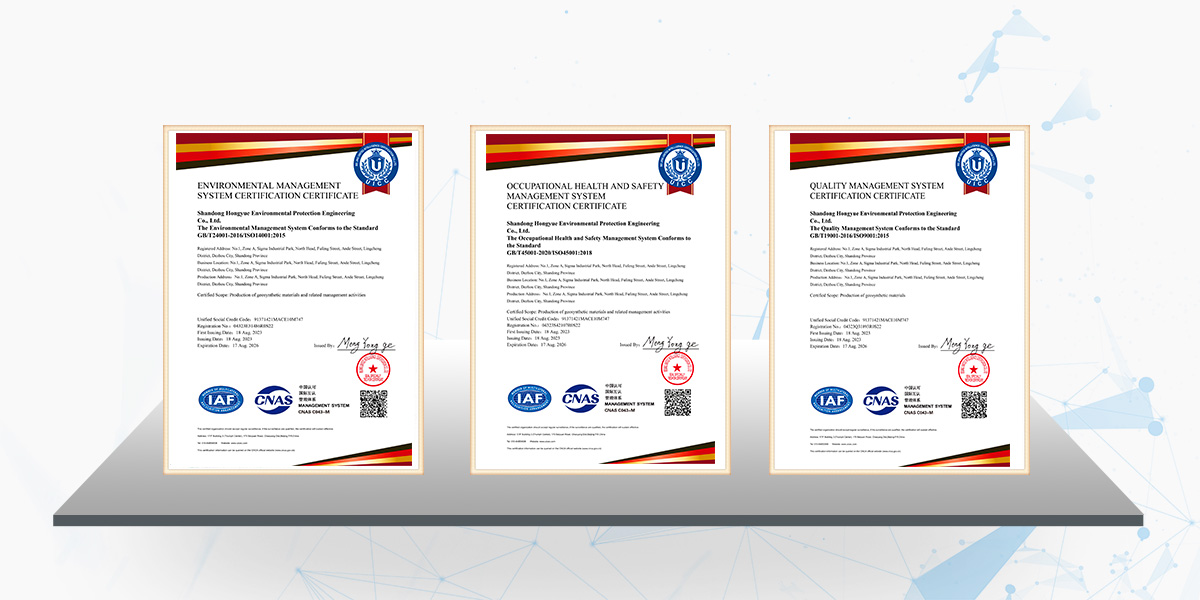
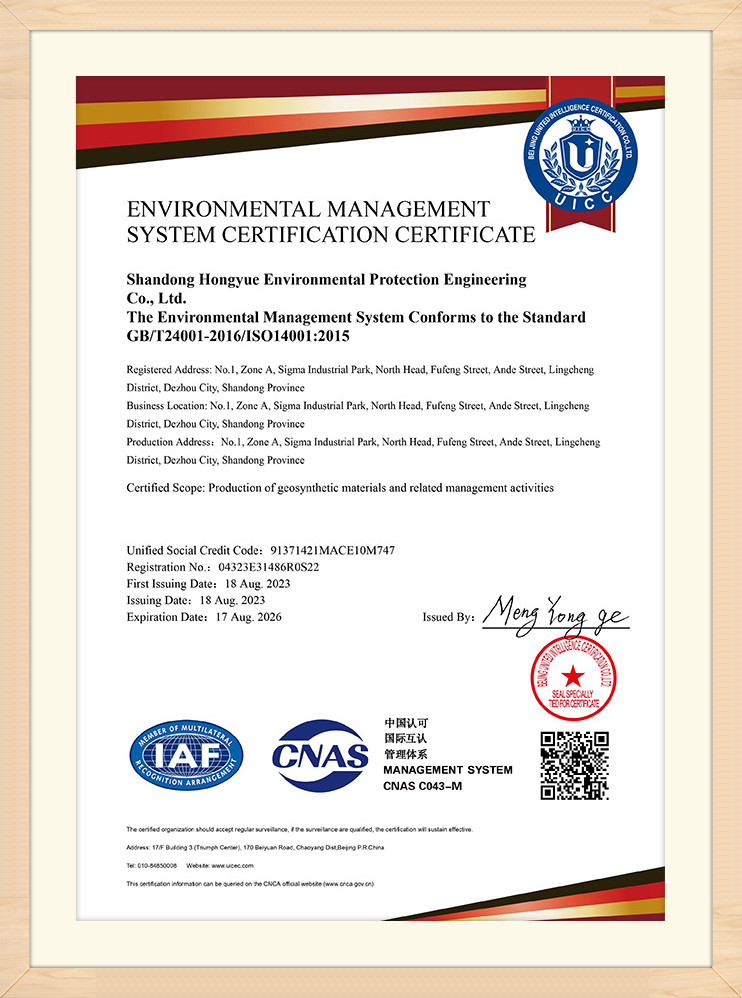
Shandong Hongyue operates on the principle that product quality directly ensures environmental safety. We maintain a comprehensive quality management system certified under ISO9001 (International Quality System), ISO14000 (Environmental Management System), and ISO45001 (Occupational Health & Safety Management System).
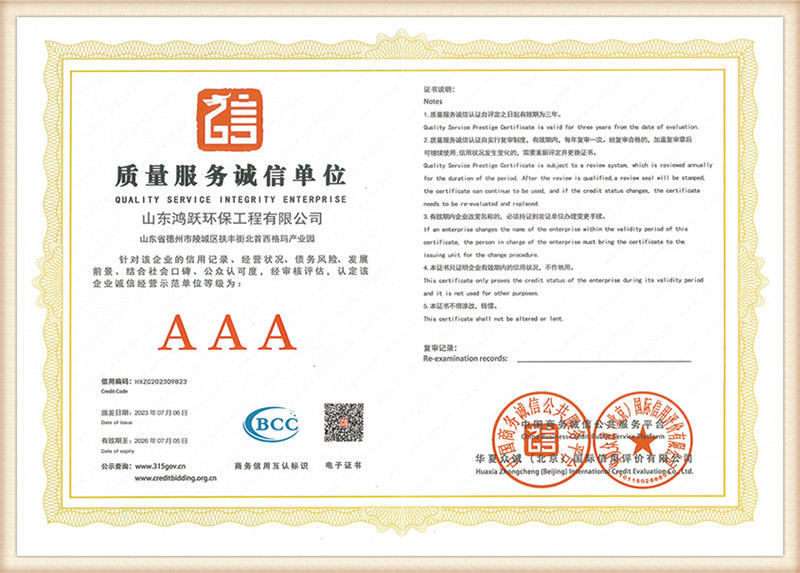
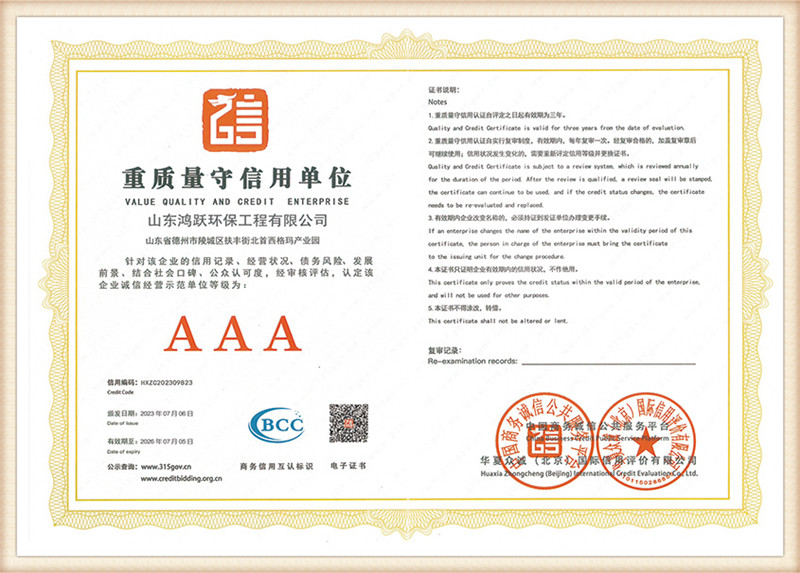
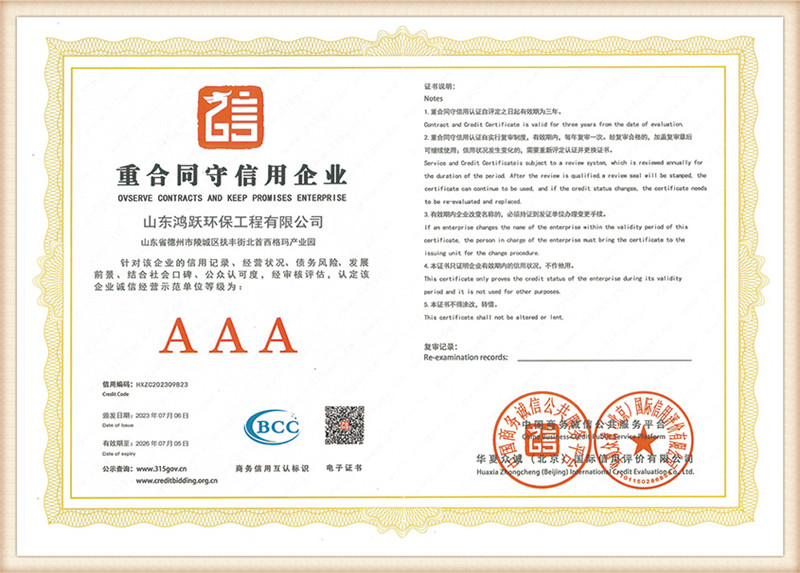
Our dedication to quality has earned us honors like the "Green and Environmentally Friendly Building Materials Products" designation, "Famous Chinese Brand" status, and the "Quality Service Double Excellent Unit" award. Our export-oriented products are CE certified, reflecting our adherence to stringent European construction standards. These products are regularly shipped to major regions, including Europe, North America, Australia, and across East Asia.
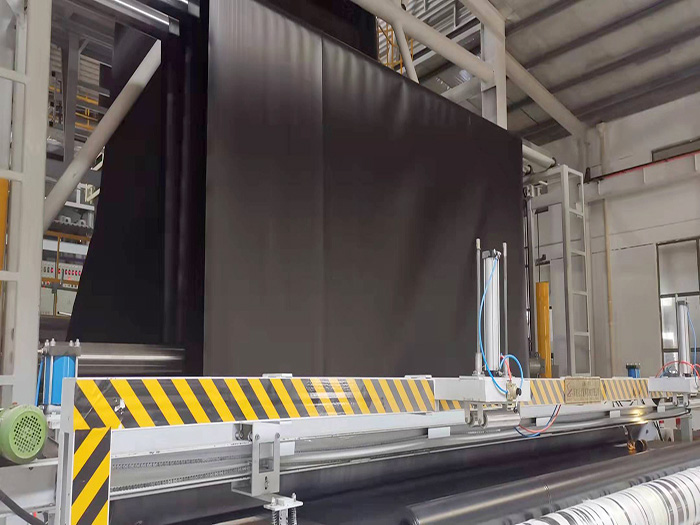
Deploying specialized geosynthetic configurations to address complex filtration, barrier, and reinforcement challenges.
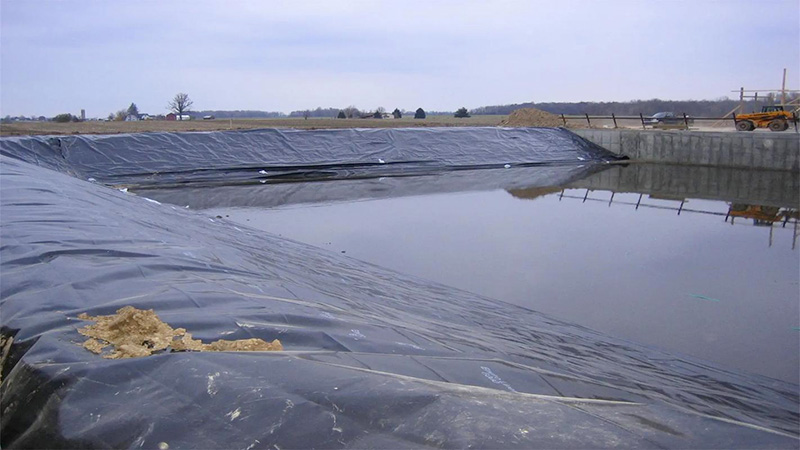
In water conservancy projects, geomembranes and geotextiles are critical for seepage prevention, soil retention, and structural stabilization. Reservoirs built in complex valleys or areas with porous geologies require reliable barrier layers to prevent water loss and protect surrounding structures. Combining non-woven filter geotextiles with HDPE geomembranes prevents seepage while allowing subsurface water to drain without causing piping.
When protecting riverbanks and canals, geotextiles act as separation layers between the native soil and rock armor. This setup allows water to pass through freely while retaining fine particles, preventing erosion during high-flow conditions.
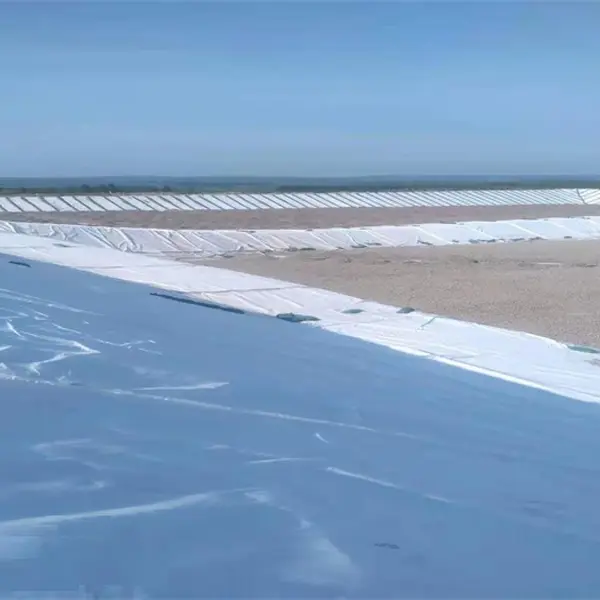
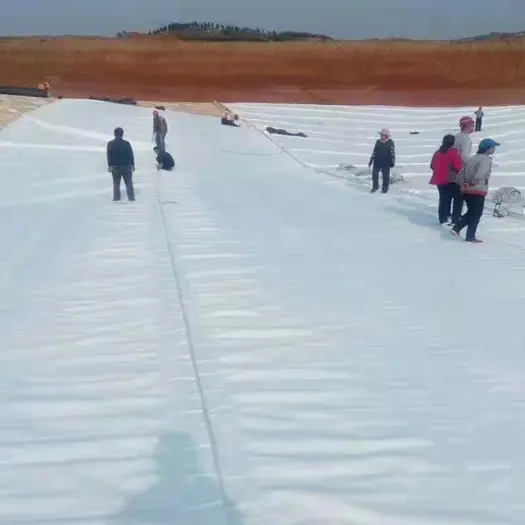
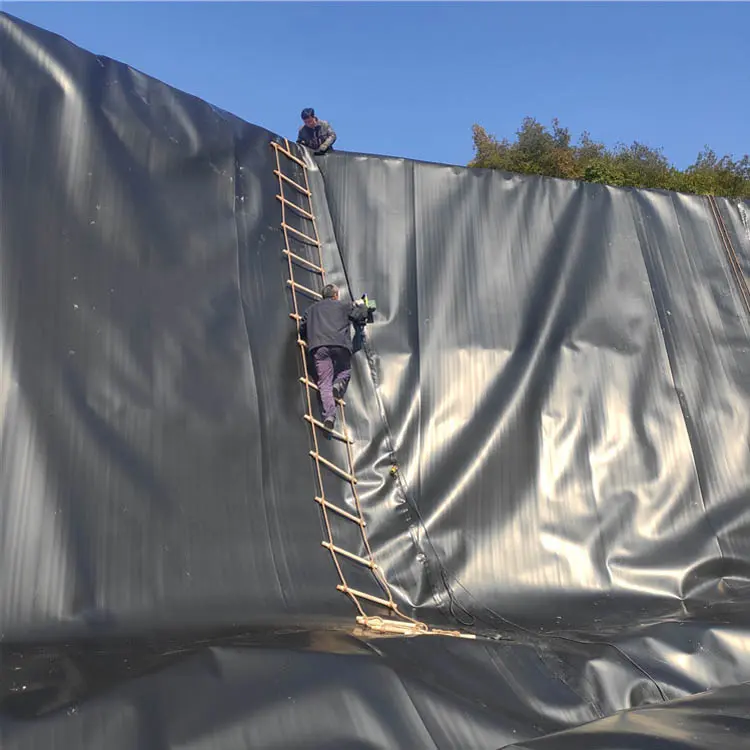
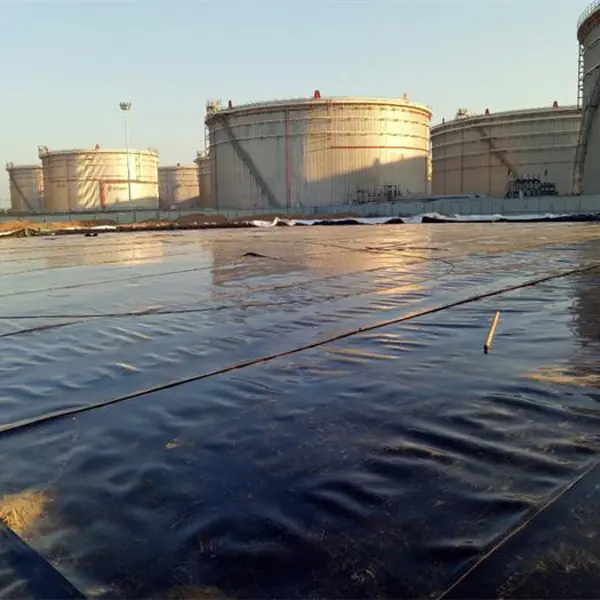
Municipal solid waste (MSW) landfills and mining tailings require robust, long-lasting barrier systems to protect local groundwater from leachate contamination. The standard double-lining system features a low-permeability clay layer, a bentonite waterproof blanket (GCL), and an HDPE geomembrane, all covered by a protective non-woven geotextile cushion.
The geotextile layer acts as a critical buffer, protecting the geomembrane from puncture by gravel in the drainage layer or sharp municipal waste. High-puncture-resistant non-woven geotextiles ensure the containment barrier remains intact under high static loads.
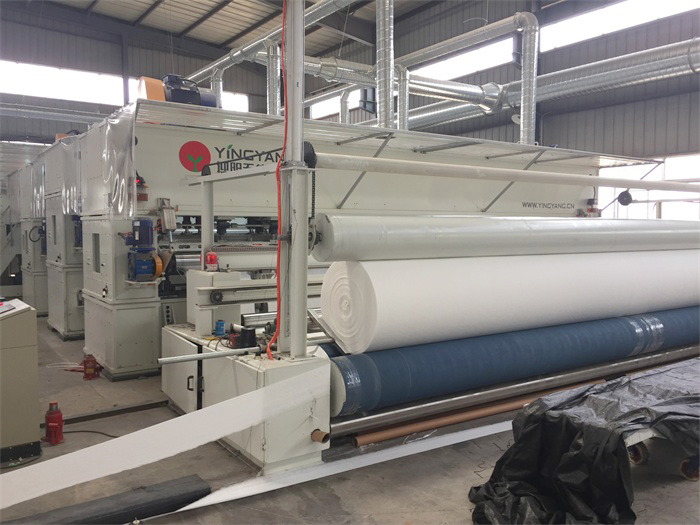
How we process raw polymers into high-performance civil engineering geotextiles through precise, step-by-step manufacturing controls.
We source and inspect high-purity polyester chips, polypropylene filament, and viscose fiber to ensure base polymer stability.
Polymers are melted and extruded using screw extruders, with temperature and pressure controlled to ensure material consistency.
The molten polymer is extruded through spinnerets to form fine fibers, which are laid down on conveyor belts to create a uniform web structure.
The fiber web is needle-punched and thermally bonded to lock in physical strength and dimensions.
Completed geotextile rolls are measured for thickness and width, then rolled and labeled for shipping.
Every batch undergoes testing for tensile strength, CBR puncture resistance, grab strength, and hydraulic flow before release.
Modern, automated production machinery ensures our geotextiles offer consistent thickness, high tensile strength, and reliable hydraulic behavior. By monitoring key parameters like draft ratios, needle-punching densities, and cooling speeds, we produce fabrics that deliver long-term performance under demanding site conditions.
This focus on quality ensures our materials provide reliable filtration, separation, and reinforcement, extending the service life of roads, canals, and embankments.
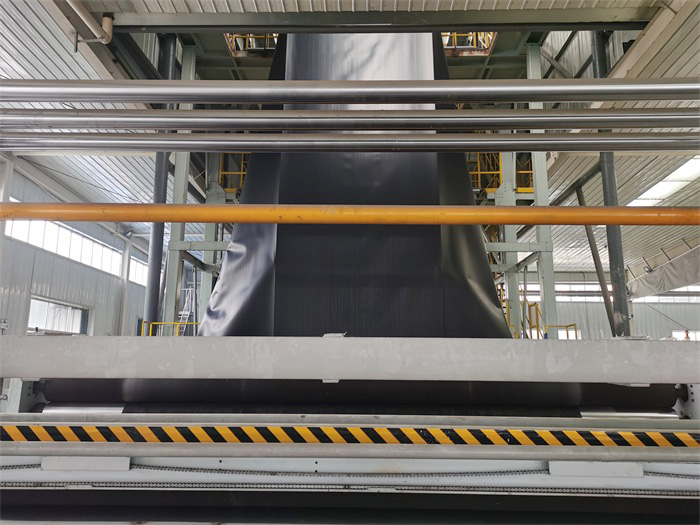
Key technical considerations for geomembrane selection, site preparation, welding, and quality assurance.
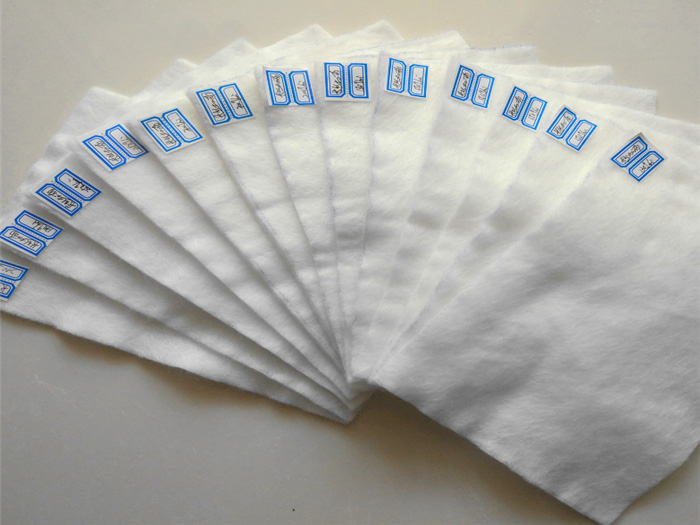
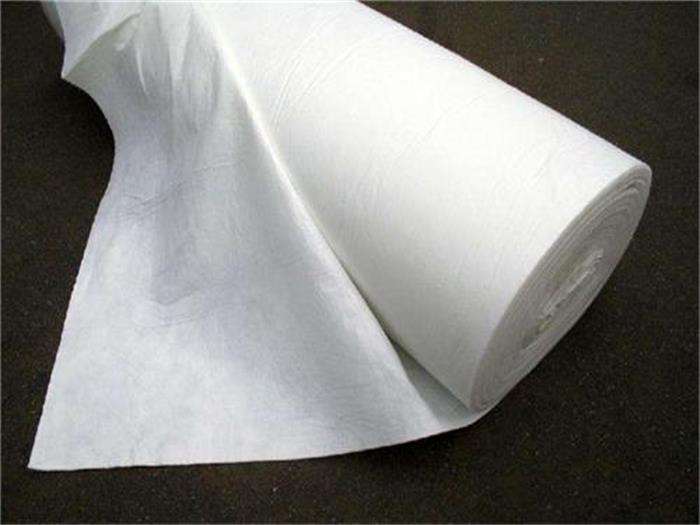
Choosing the right geomembrane requires matching material properties to the project's chemical and structural demands. High-Density Polyethylene (HDPE) is typically chosen for landfills and chemical containment due to its chemical resistance and durability. For projects requiring high flexibility and multi-axial strain capacity, such as irregular reservoirs or steep slopes, Linear Low-Density Polyethylene (LLDPE) is often preferred.
Standard thicknesses range from 0.3mm for basic water containment up to 2.0mm for critical municipal waste barriers.
Proper site preparation is essential to prevent liner damage. The subgrade must be compacted and cleared of stones, roots, and debris. Panels should be laid with overlaps of 100mm to 150mm and joined using double-track hot wedge welding, which creates an air channel for pressure testing.
For detail areas like pipe penetrations, extrusion welding with matching polymer rod is used to ensure a continuous seal.
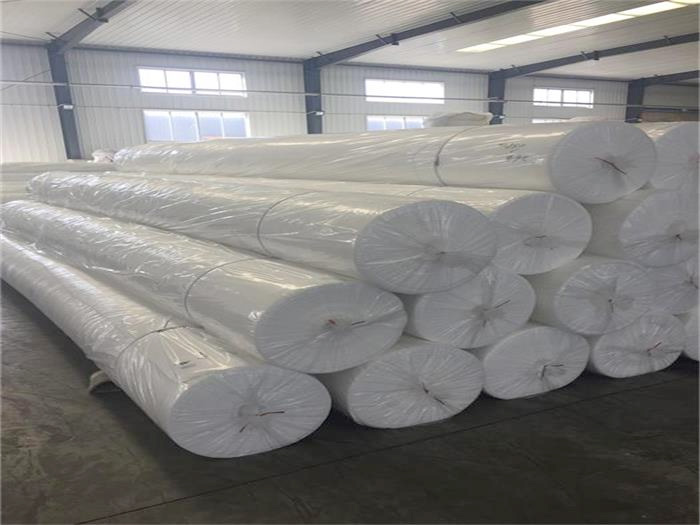
Long-term liner performance depends on regular inspection and maintenance. Installers use non-destructive testing, such as air channel pressure testing and vacuum box testing, to verify seam integrity.
Lined installations should be monitored periodically for sediment accumulation, biological growth, or mechanical damage. Clear protective covers or soil layers help protect the membrane from UV exposure and physical impact, ensuring long-term containment performance.
A closer look at how non-woven geotextiles, geomembranes, and geocells work together in real-world soil reinforcement and drainage projects.
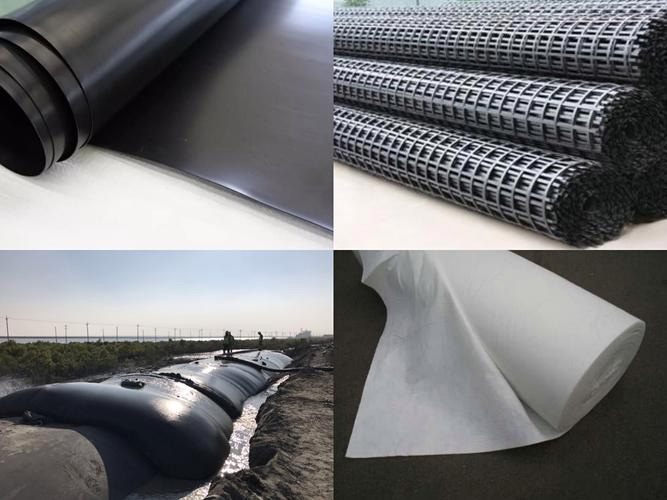
Managing slopes and preventing soil erosion requires high-strength reinforcement materials. Soil retention structures combine geogrids and geocells to trap soils and establish stable root zones. Non-woven geotextiles serve as base filtration liners, letting rainwater pass through while retaining soil particles to prevent subgrade loss.
For steep channels and banks, cement blankets and plant fiber blankets offer quick, durable surface protection. The cement blanket hardens when hydrated, creating a durable concrete layer that guards against high-velocity flows without the need for complex mixing equipment.
Understanding the key variables that influence custom manufacturing costs and project estimates.
Pricing is closely linked to petrochemical polymer markets. Polypropylene (PP) is preferred for applications requiring acid/alkali resistance, while Polyester (PET) offers high tensile strength at a competitive cost.
The mass per unit area (typically 100g/m² to 800g/m²) directly affects raw material use and production speed, making it a primary factor in custom roll pricing.
Adding UV stabilizers, carbon black, or flame retardants to the formulation improves performance in exposed or high-risk settings and affects final unit costs.
Custom widths (up to 6 or 8 meters) can minimize field seams, reducing installation labor and helping control overall project costs.
Addressing key technical and procurement questions for engineering projects.
Non-woven geotextiles are made by bonding fibers together through needle-punching or heat, creating a permeable structure ideal for filtration and drainage. Woven geotextiles are manufactured by weaving parallel threads, offering high tensile strength and load distribution that makes them suitable for soil reinforcement and roadbed stabilization.
Polypropylene (PP) provides excellent resistance to acids, bases, and chemicals, making it ideal for environmental containment and municipal wastewater applications. Polyester (PET) delivers high tensile strength and resistance to creep under constant loads, which is preferred for long-term civil engineering reinforcements.
Installer crews use dual-track hot wedge welding to create a central air channel between seams. This channel is sealed at both ends and pressurized to test weld integrity. For detail areas and repairs, vacuum box testing is used to verify that no leaks remain in the liner.
Yes. Soil retention grids, geocells, and cement blankets work together to stabilize topsoil on steep slopes. They prevent runoff from eroding the surface while allowing vegetation to establish, forming a natural, long-term stabilization system.
Explore our complete range of specialized civil engineering, isolation, and drainage products.
 Hongyue