Engineered to satisfy strict international design criteria. Explore our signature selection of containment, barrier, separation, and reinforcement geosynthetics.
Comprehensive analysis of Cellular Confinement Systems (CCS) and their structural role in modern slope engineering, infrastructure resilience, and erosion mitigation.
The global infrastructure sector faces unprecedented environmental stress due to shifting climatic patterns, intensive land use, and the construction of transport corridors through demanding terrain. High-gradient slopes, soft subgrades, and vulnerable watercourse margins demand advanced reinforcement solutions that are mechanically sound, economically viable, and ecologically neutral. Cellular Confinement Systems (CCS), commonly designated as **Geocells**, have emerged as a foundational technology in high-performance civil engineering.
Originally pioneered to facilitate rapid troop deployment over low-bearing-capacity sands, modern three-dimensional geocells are fabricated from High-Density Polyethylene (HDPE) or other novel polymeric alloys. When expanded, they form a robust honeycomb matrix. This grid structure confines non-cohesive infill materials—such as soil, sand, aggregate, or concrete—significantly reducing lateral soil displacement and boosting the load-bearing capacity of the soil matrix through continuous hoop stress confinement.
As standard slope protection methods like shotcreting or massive retaining walls face strict environmental scrutiny and rising material costs, geocells present a sustainable alternative. By stabilizing soil and retaining moisture, they support structural vegetation. This allows natural plant roots to interlock with the perforated geosynthetic cells, establishing a permanent bio-engineered barrier that blends into the surrounding landscape.
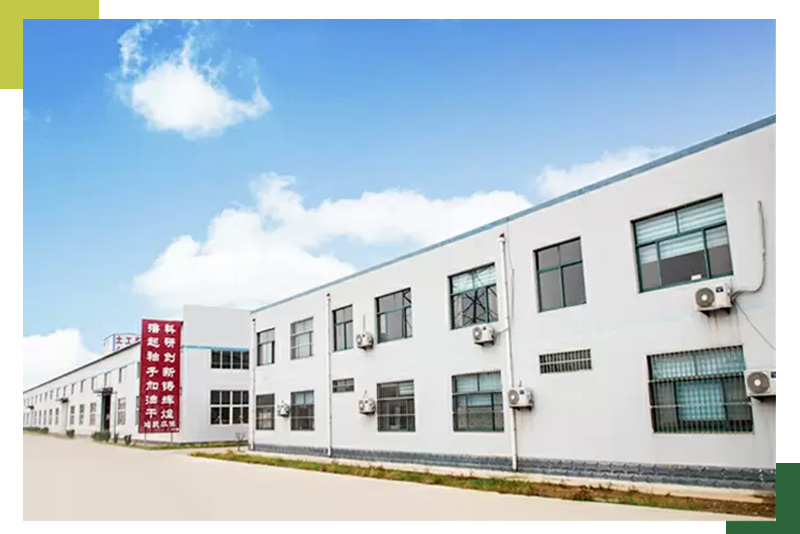
Shandong Hongyue Environmental Engineering Co., Ltd. - Driving sustainable progress through high-capacity manufacturing and strict quality assurance.
Shandong Hongyue Environmental Engineering Co., Ltd., located at the north end of Fufeng Street, Lingcheng District, Dezhou, Shandong Province, stands as a major manufacturing center for modern geotechnical and geosynthetic engineering materials in China. Registered with a capital of 105 million Yuan, the company occupies a strategic position with excellent transport connections, facilitating fast logistics across domestic and global markets.
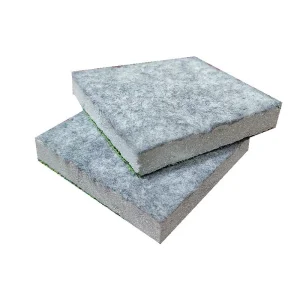
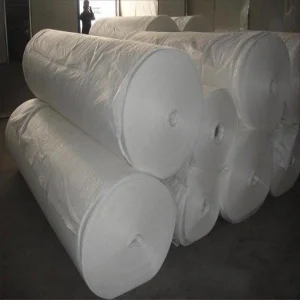
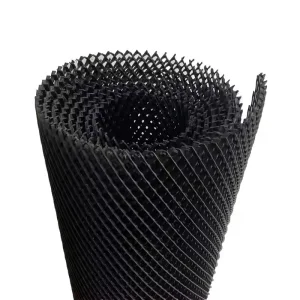
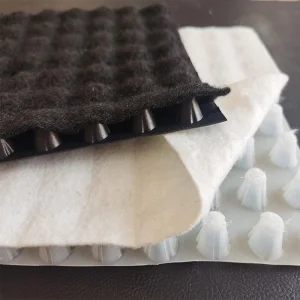
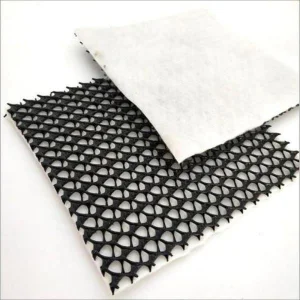
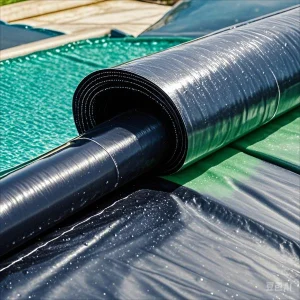
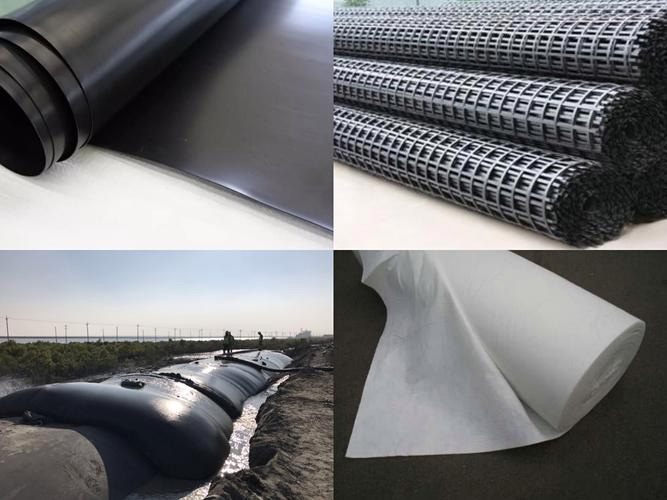
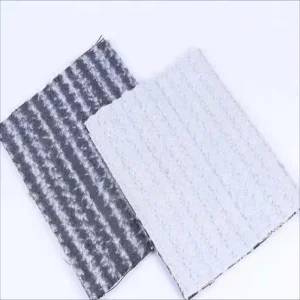
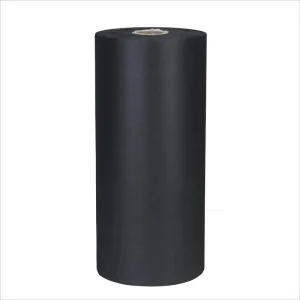
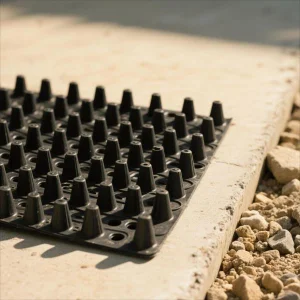
Since our founding, we have developed our capabilities across geotechnical research, design, production, and field installation services. Our diverse catalog features geotextiles, geomembranes, composite geomembranes, waterproof boards, bentonite waterproof blankets, three-dimensional composite drainage networks, cement blankets, ecological bags, and flexible pervious pipes. These products serve key sectors including highway development, railway construction, water conservancy channels, artificial lakes, municipal landfills, aviation, and mining infrastructure.
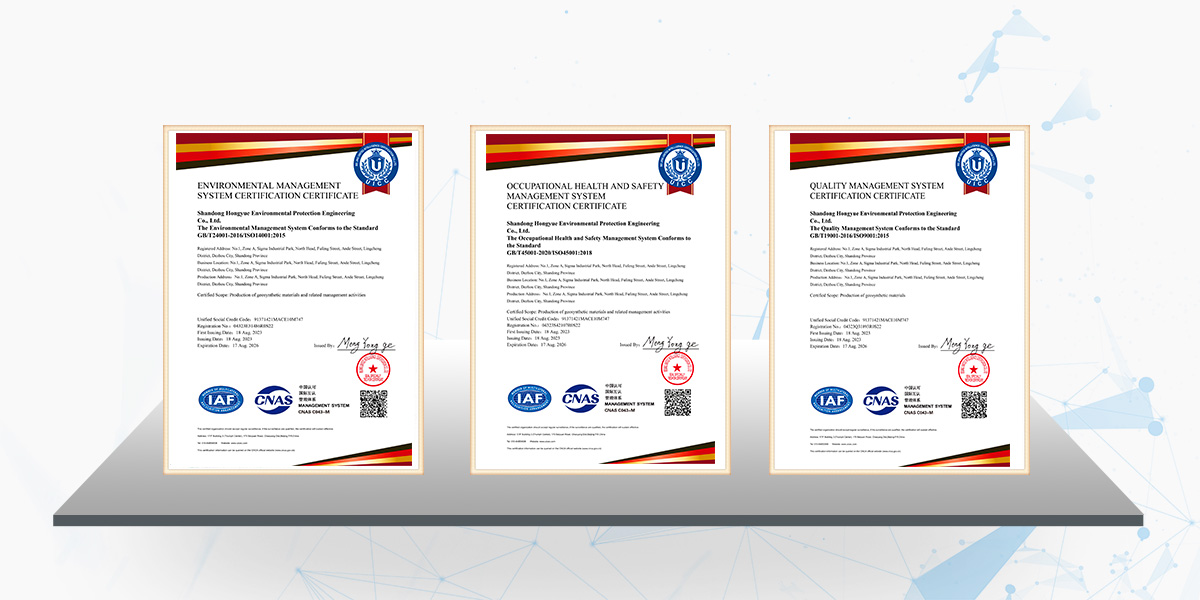
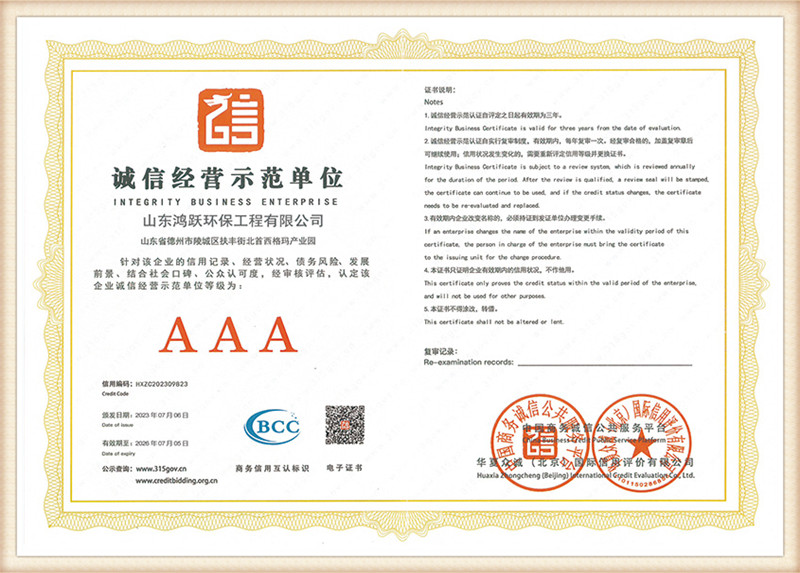
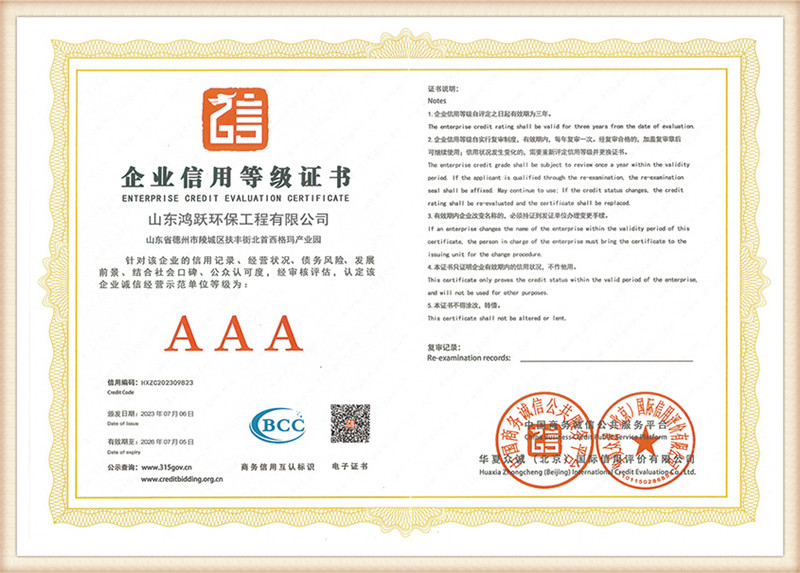
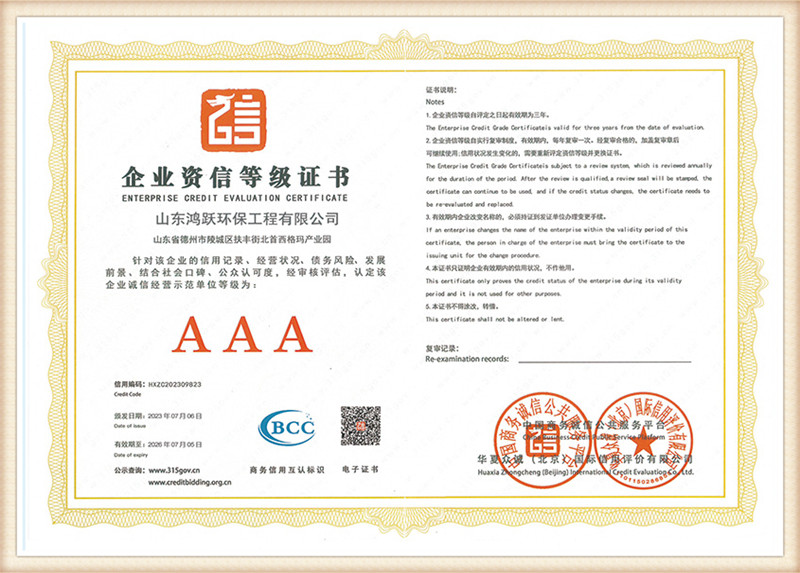
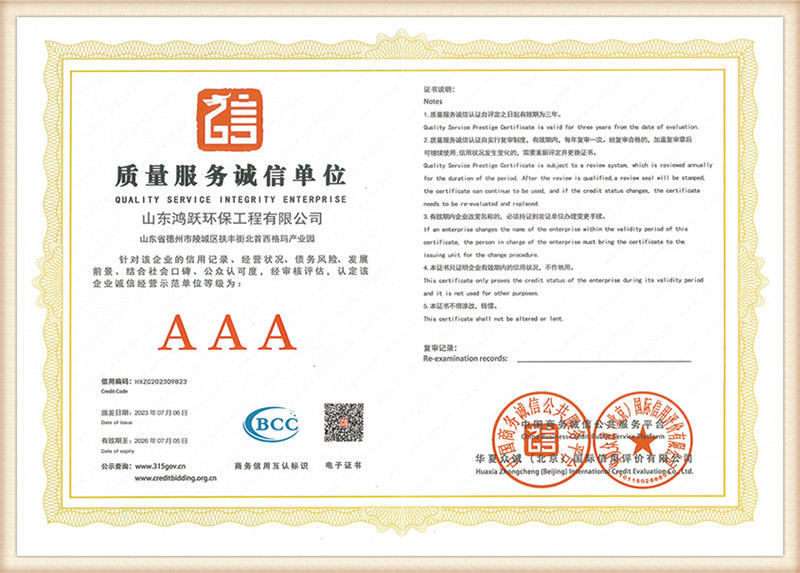
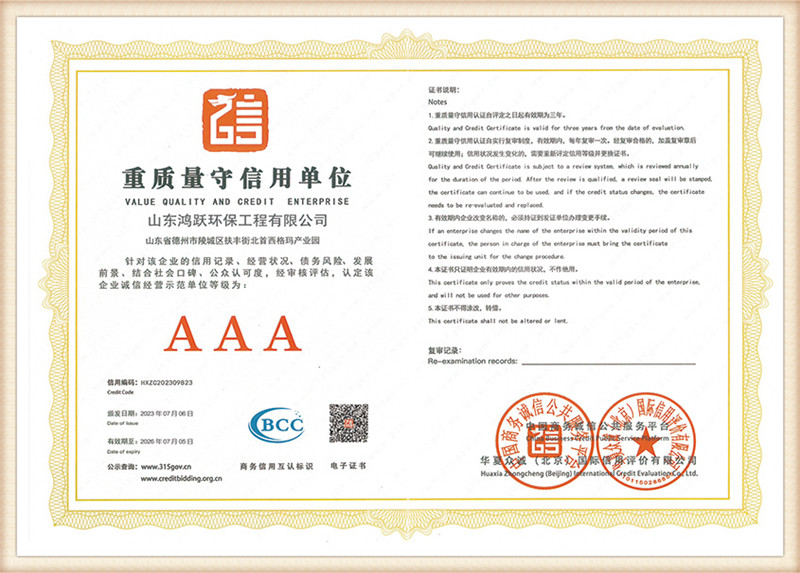
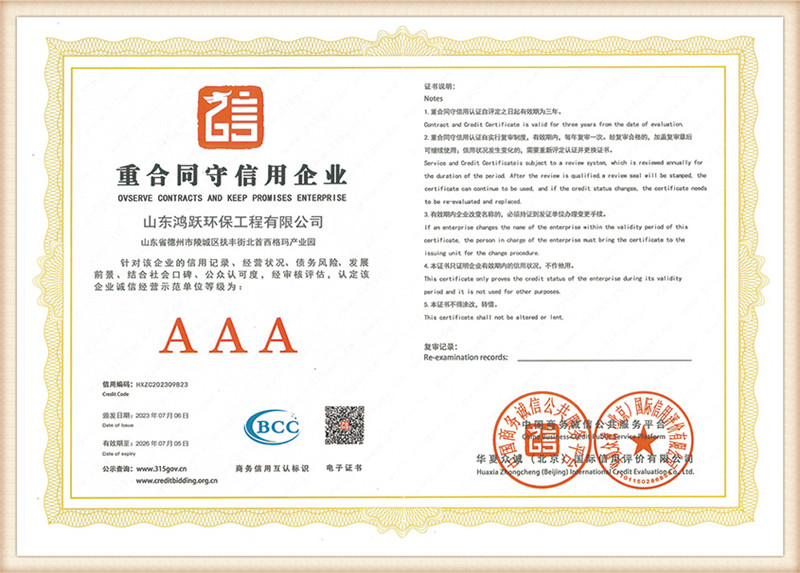
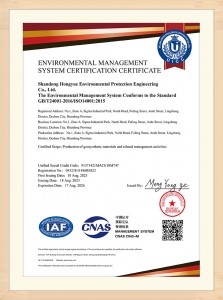
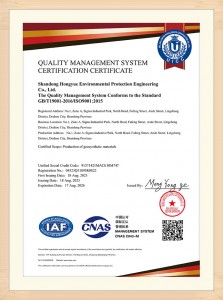
Our commitment to rigorous standards is demonstrated by our certifications, including the **ISO9001** Quality Management System, **ISO14001** Environmental Management System, and **ISO45001** Occupational Health and Safety Management System. Shandong Hongyue products meet and exceed national and international regulatory metrics, verified by the China National Testing Center.
Analyzing how geological conditions, slope gradients, and hydraulic dynamics dictate geocell specification and installation strategies.
Steep highway cuts require robust confinement to resist continuous weathering and rain erosion. Geocells filled with organic soil encourage vegetation growth, restoring local flora and stabilizing slopes of up to 45 degrees. The textured cell walls maintain high friction against the backfill to prevent sliding.
Water channels experience high-velocity currents and wave action. Concrete-infilled geocells act as a flexible protective layer, preventing substrate scour while adapting to underlying soil shifts. This dynamic flexibility prevents the cracking typical of rigid concrete slabs.
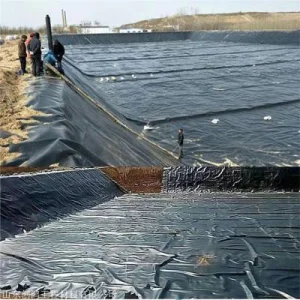
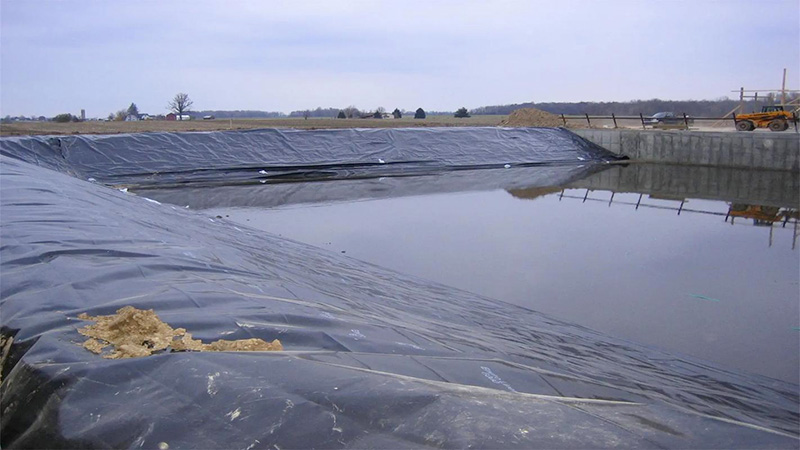
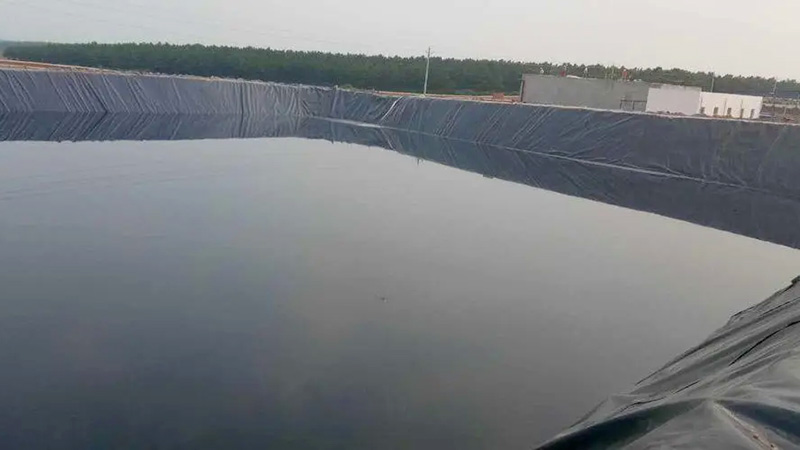
Securing cover soil over slick geomembrane liners on steep landfill slopes is a key engineering challenge. Geocells distribute tensile forces across the slope and prevent down-slope slippage, protecting the underlying geomembrane barrier.
From raw polymer selection to ultrasonic welding: inside Shandong Hongyue's quality-controlled production environment.
Our manufacturing relies on precision compounding, extrusion, and ultrasonic assembly. We select prime virgin HDPE resins to ensure high environmental stress cracking resistance (ESCR) and tensile durability. These base polymers are compounded with carbon black (2.0% to 2.5%) and specialized antioxidants, protecting the geocell from UV degradation in exposed, high-radiation environments.
Extruded HDPE sheets undergo inline mechanical embossing to create a textured surface. This texture increases aggregate interlocking and the friction coefficient between the geocell wall and the infill soil. Sheets are then perforated in a precise offset pattern, which balances tensile strength with drainage capability. These perforations allow water to drain between cells, reducing pore pressure and helping root systems establish across the slope containment network.
Finally, the prepared polymer bands are joined using multi-head ultrasonic welding stations. Precise control of welding temperature, dwell time, and pressure ensures that weld peel strength meets international standards (exceeding 1420 N/10cm weld width), maintaining structural integrity under heavy field loads.
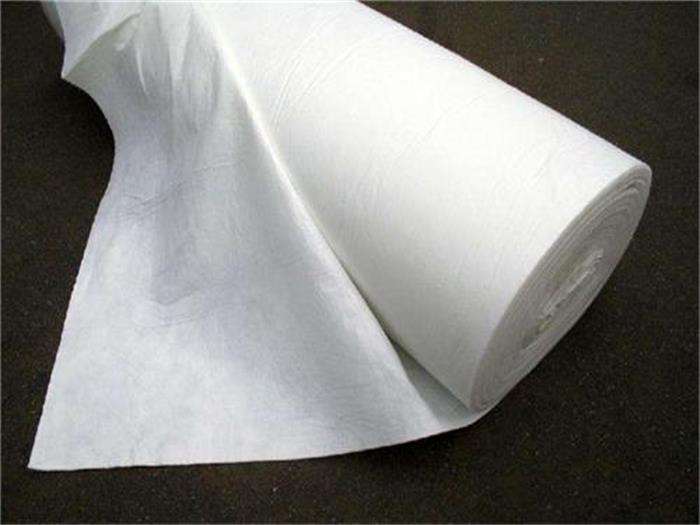
We source premium polyethylene resins. Incoming batches undergo density, melt flow index (MFI), and carbon black dispersion testing to ensure material consistency before processing.
Resins are melted and extruded into flat sheets. Integrated embossing rollers apply a diamond-patterned texture, increasing soil-to-cell friction coefficients to mitigate sliding.
Perforation punches introduce offset drainage channels. This pattern prevents local water pooling while retaining structural stability, allowing roots to migrate between cells.
Computer-controlled ultrasonic welding arrays bond the textured sheets at set intervals (typically 330mm, 400mm, or 500mm), determining the size of the final cell pockets.
We pull-test samples from each production run. The weld joints must meet strict tensile targets to withstand high shear forces on steep slopes.
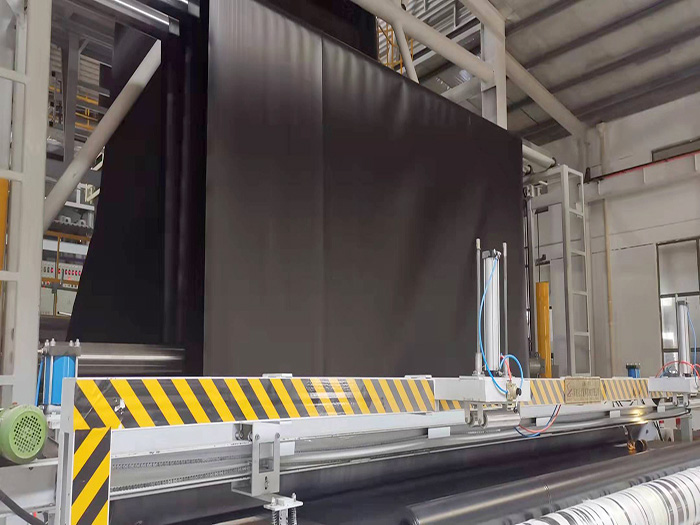
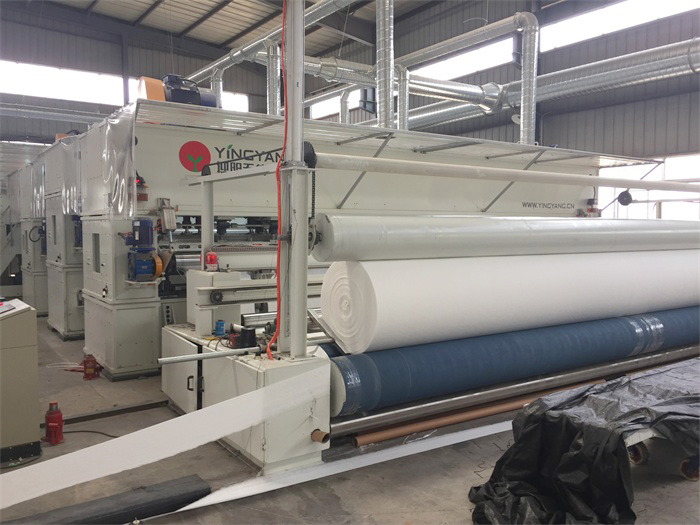
An inside look at our advanced manufacturing lines, automated warehouses, and material testing facilities in Dezhou, Shandong.
How combining geocells, geomembranes, drainage boards, and geotextiles creates resilient, high-performance civil infrastructure.
Geosynthetics rarely work in isolation. Modern engineering relies on multi-layer designs where each material serves a distinct function—such as filtration, drainage, containment, or reinforcement—to secure the overall structure.
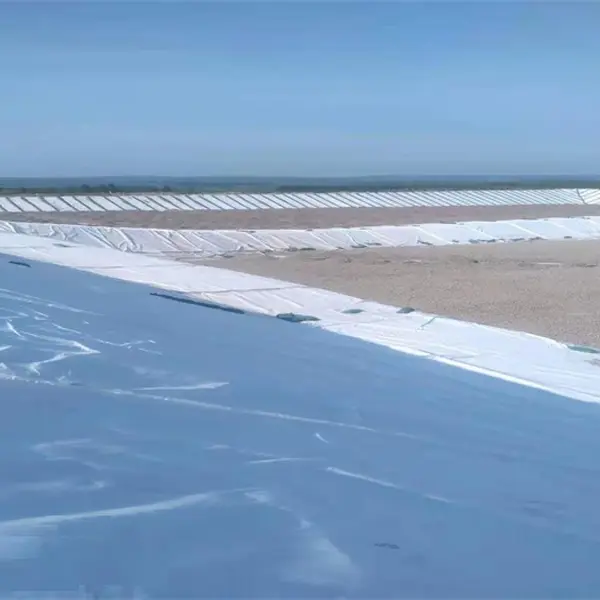
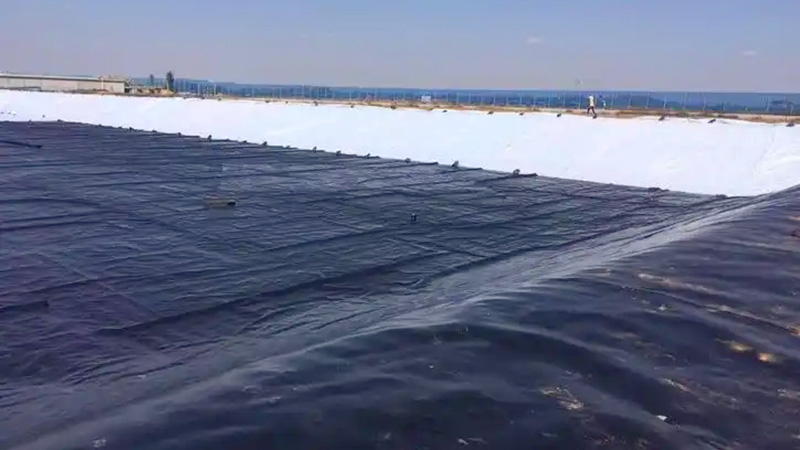
For example, in waste containment or mining basins, a typical layout uses a low-permeability HDPE geomembrane as the primary barrier. This is protected by a non-woven geotextile cushion, which prevents puncture from drainage stone. A 3D composite drainage network sits above to route leachate away, while an outer geocell layer stabilizes soil on the basin's steep side slopes. This combination prevents slope sliding and protects the critical barrier layers beneath.
By supplying a complete range of geosynthetics, Shandong Hongyue simplifies procurement and design for global engineering projects. This integrated approach ensures material compatibility and predictable performance across all site layers.
Step-by-step guidance for deploying geocells and geomembranes to ensure long-term stability on site.
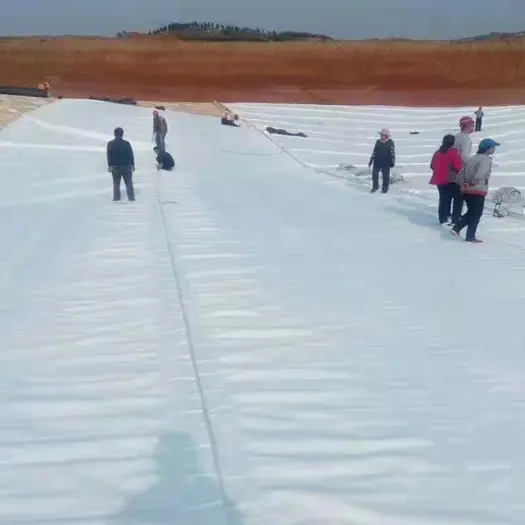
Proper field installation is critical to translate material specifications into long-term site performance. The base substrate must first be graded, compacted, and cleared of sharp rocks, roots, or debris that could damage the geosynthetic backing.
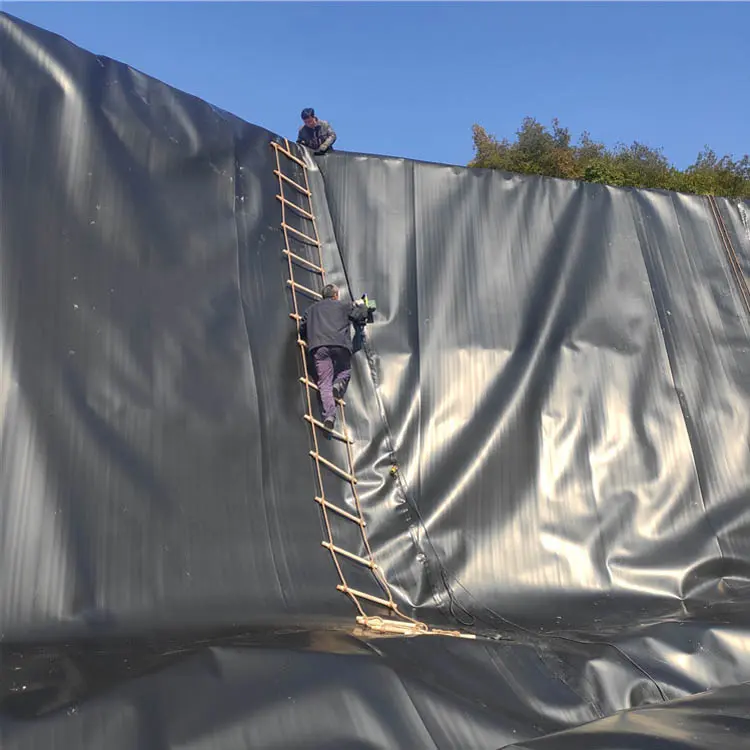
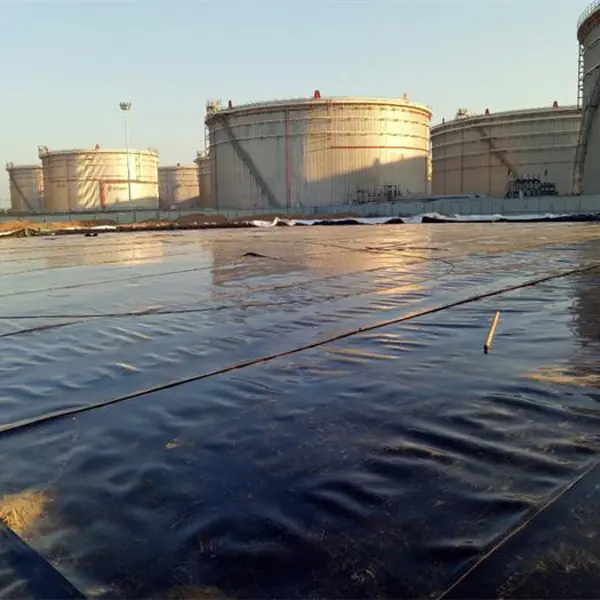
For geomembrane deployment, panels are unrolled with sufficient slack to accommodate thermal expansion and contraction. Connections are made using double-track hot wedge welding, creating a central channel that allows for pressure-testing of the seam's integrity.
For geocell installation, the collapsed panels are stretched down the slope face. Crews anchor the top edge in a crest trench using steel J-pins or concrete anchors. The panels are then tensioned to their specified cell dimensions, joined side-by-side using high-strength staples or key locks, and backfilled. Backfilling proceeds from the top of the slope downward, using a frontend loader or conveyor, with drop heights kept below one meter to prevent cell deformation.
A look at upcoming material developments, smart monitoring systems, and sustainable manufacturing practices at Shandong Hongyue.
Standard HDPE can experience creep deformation under continuous high-stress conditions. We are researching High-Modulus Polymeric Alloys (NPA) to improve structural stability, allowing for thinner cell walls with higher weld reliability on steep rock faces.
We are testing prototype geocells with integrated fiber-optic strain sensors. These allow real-time monitoring of slope deformation and settlement, providing early warning data to asset managers via telemetry.
For temporary stabilization of gentler slopes, we are developing biodegradable geocells made from PLA/PHA blends. These support vegetation growth over a 3-to-5-year period before degrading safely into the organic soil matrix.
Expert answers to common design, calculation, and field installation questions regarding Cellular Confinement Systems.
Complementary engineering components designed to work alongside our cellular confinement systems.
 Hongyue