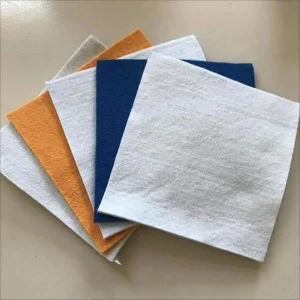
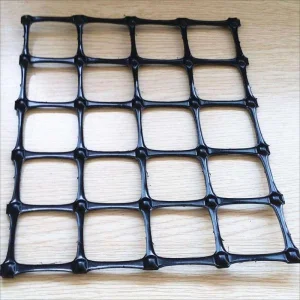
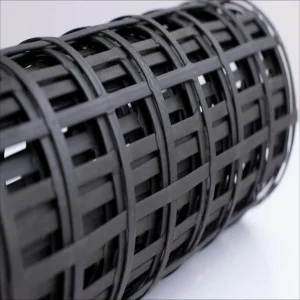
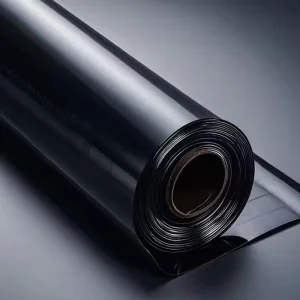
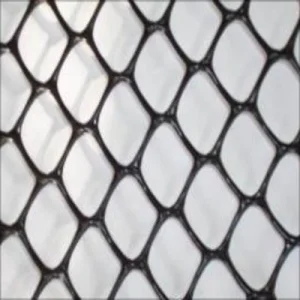
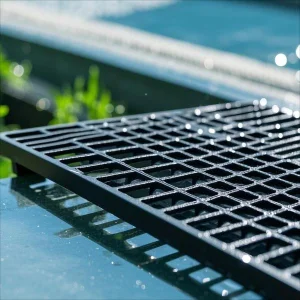
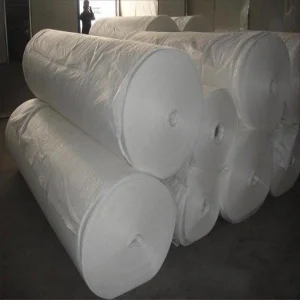
Engineered to international standards for separation, subgrade reinforcement, filtration, and comprehensive drainage control.
Located at the north end of Fufeng Street, Lingcheng District, Dezhou, Shandong Province, Shandong Hongyue Environmental Engineering Co., Ltd. is a scientific and technological geotechnical material manufacturer integrating engineering material production, sales, design, and professional construction services. The company was officially registered with a substantial capital of 105 million yuan on April 6, 2023. Our industrial facility represents one of the largest and most advanced production bases of geotechnical materials in China, benefiting from a superior geographical location and highly efficient transportation networks.
We pride ourselves on having highly advanced products and a professional sales and technical team. As a core member of the Dezhou Geotextile Association, our comprehensive geosynthetic range is widely utilized in major domestic and global engineering projects, including highways, railways, bridges, tunnels, water conservancy reservoirs, canals, artificial lakes, environmental protection sectors, mining, and aviation infrastructure.
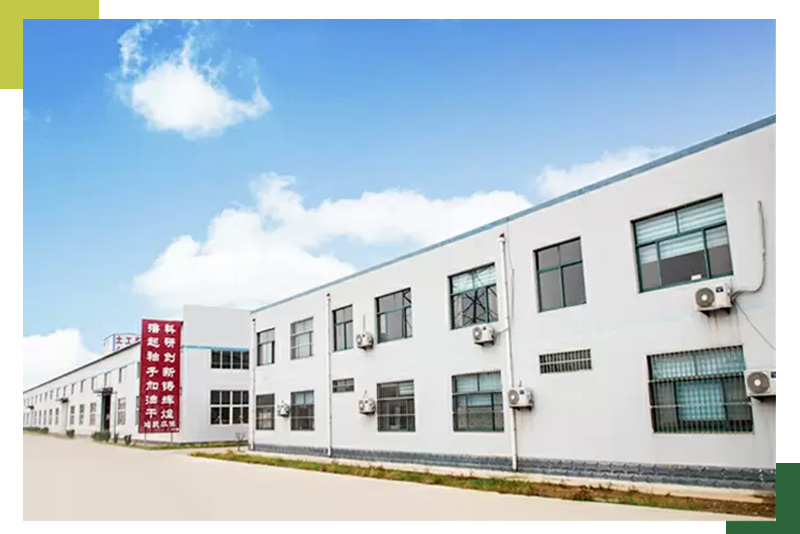
A look inside our modern production facilities featuring high-capacity nonwoven geotextile extrusion lines and cleanroom geomembrane manufacturing.
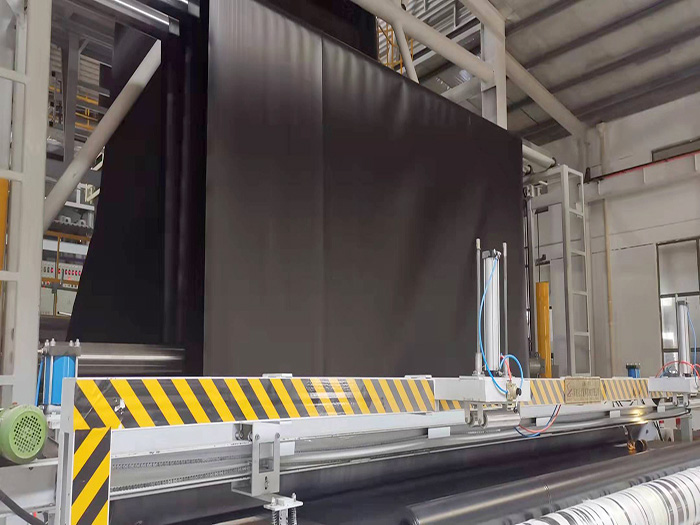
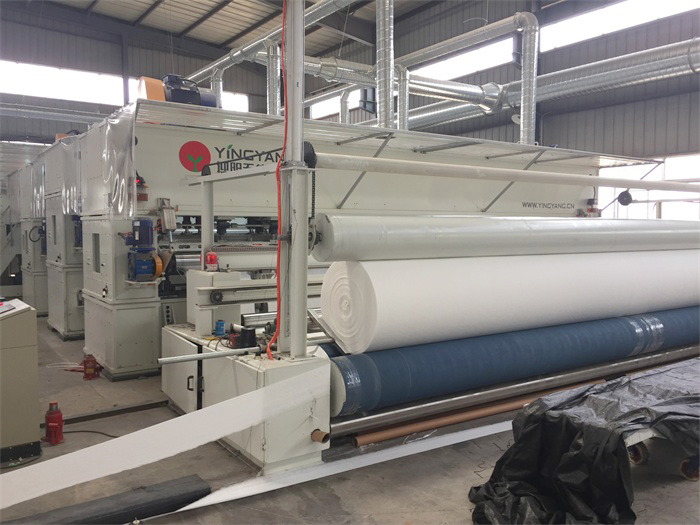
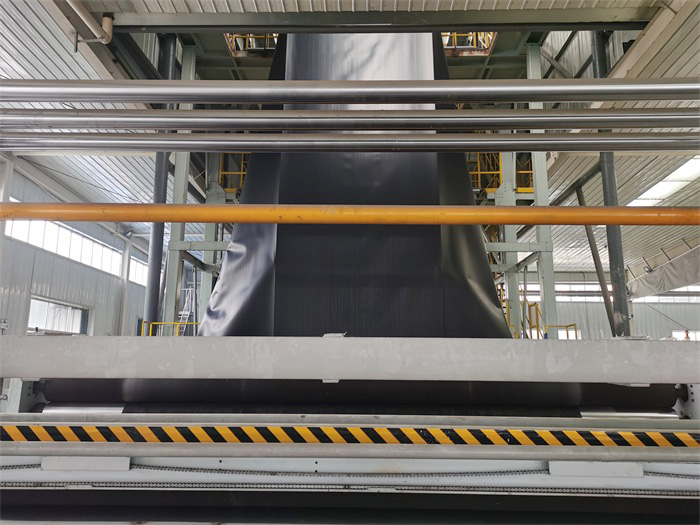
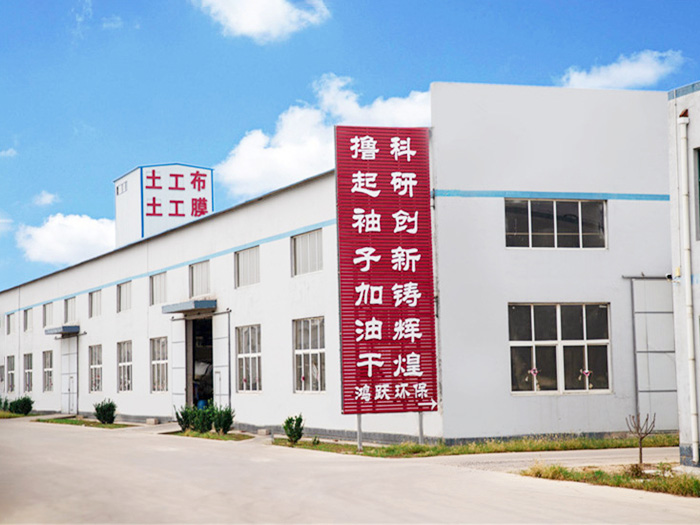
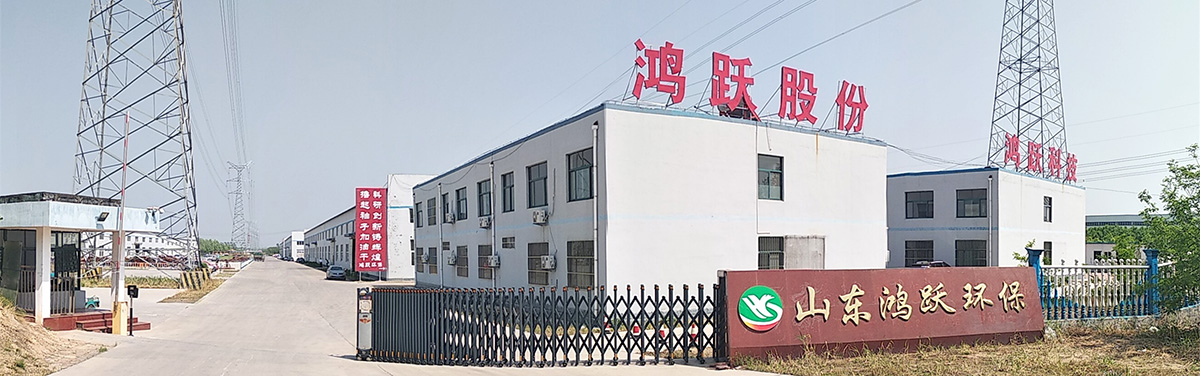
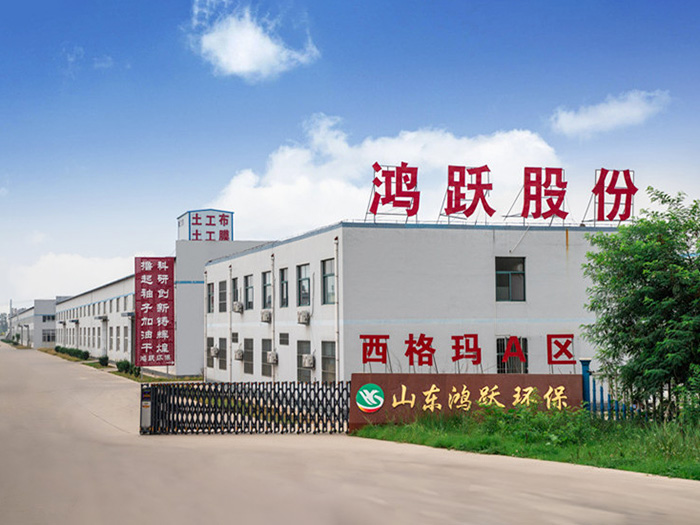
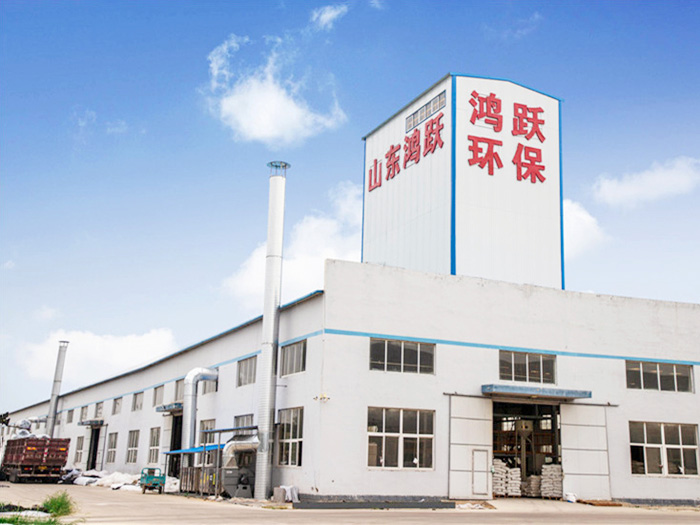
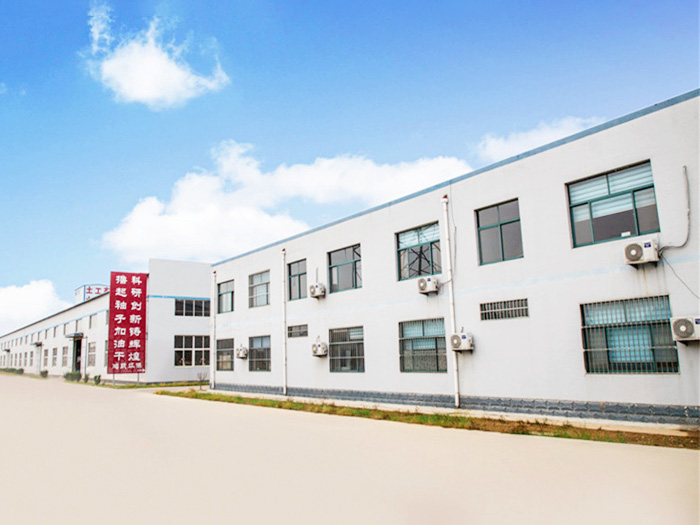
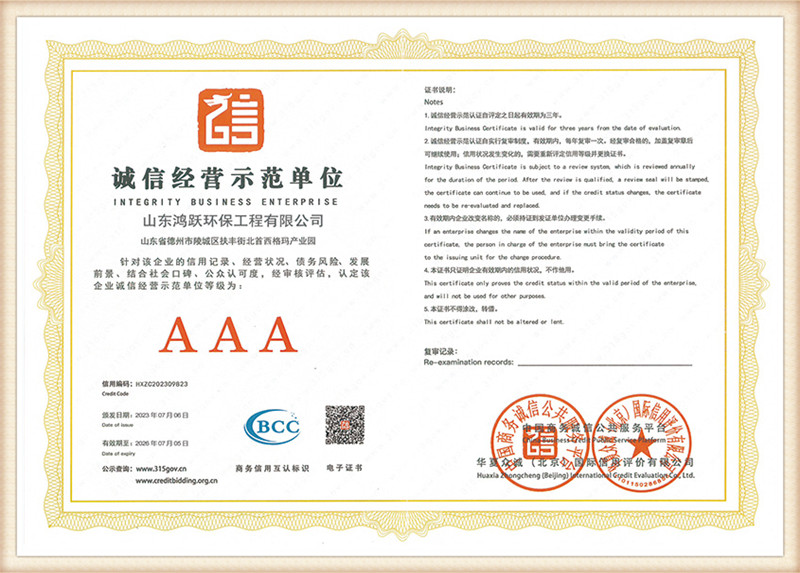
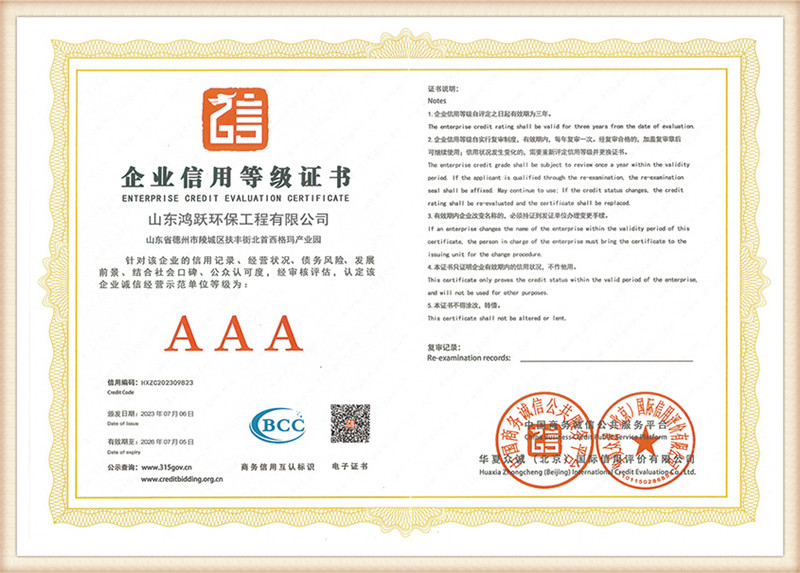
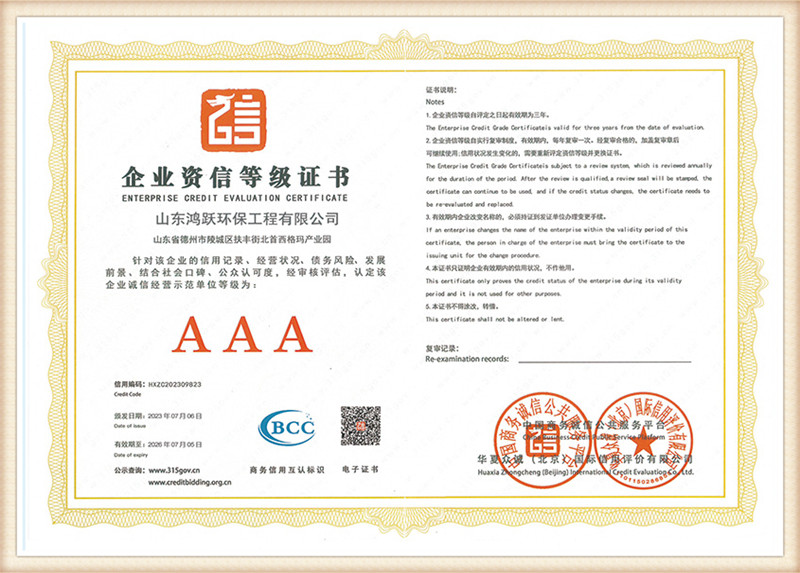
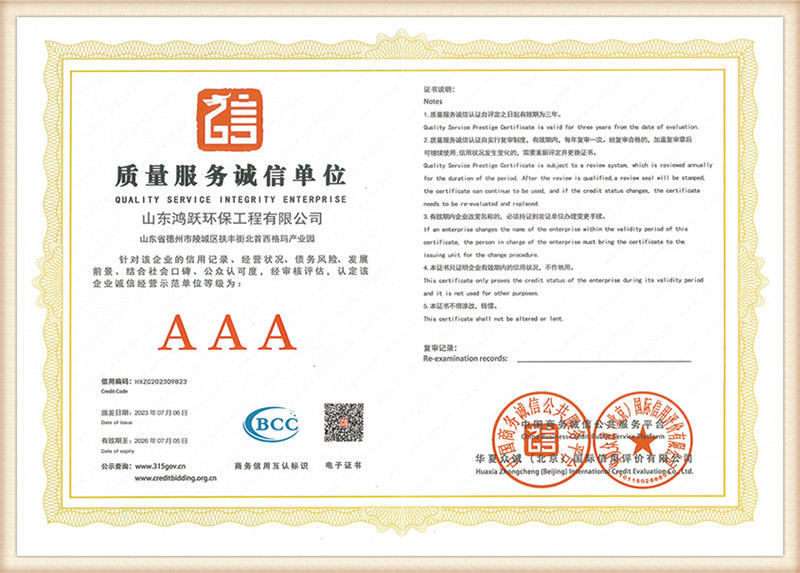
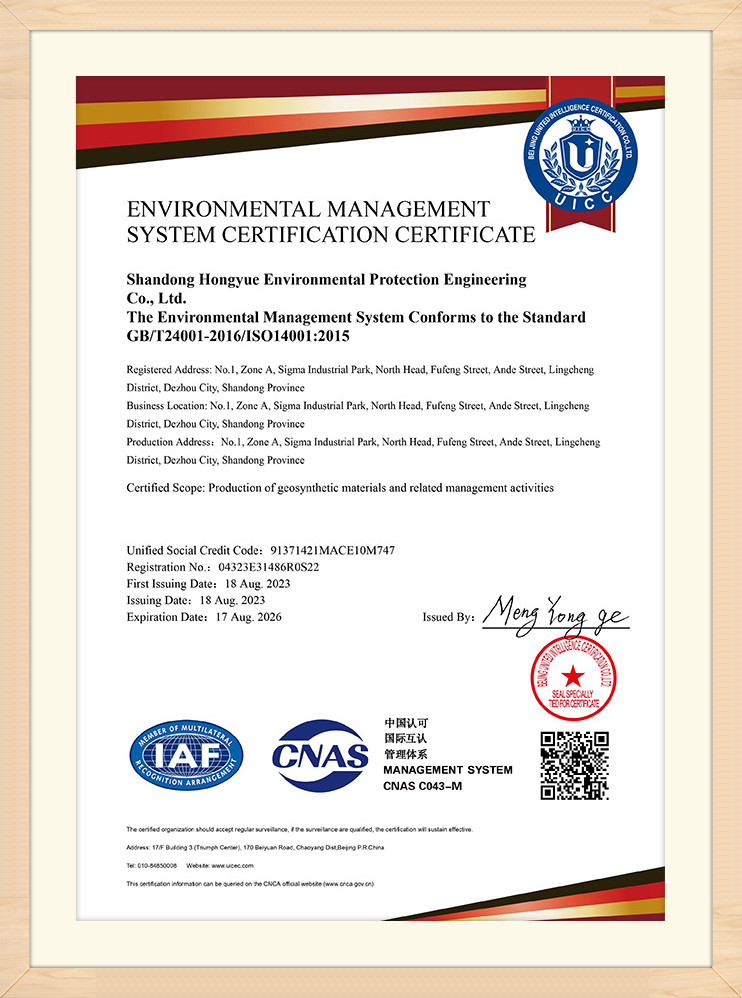
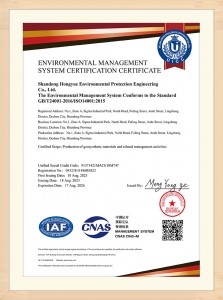
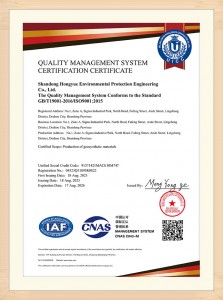
Our quality control system ensures that every batch of road construction geotextile fabric adheres to rigid global engineering specifications. Shandong Hongyue has successively passed the ISO9001 international quality system certification, ISO14000 environmental management system certification, and ISO45001 occupational health and safety management system certification.
Furthermore, our materials have been awarded honors such as "Green and Environmentally Friendly Building Material Products", "High-Tech Industries", and "China Famous Brands". The quality of all materials has reached or exceeded ASTM and international equivalents, fully passing national supervision and sampling inspections conducted by the State Administration of Quality Supervision.
A rigorous breakdown of how raw polymers are transformed into durable, high-tensile engineering fabrics designed to endure subgrade stress for decades.
The main raw materials are high-grade polyester (PET) chips, polypropylene (PP) filament, and viscose fibers. These undergo strict moisture inspection and mechanical classification to guarantee high performance and chemical stability in aggressive soils.
Polyester chips are melted at high temperatures and extruded by a screw extruder. PP filaments are blended precisely under computer-controlled temperature and pressure to ensure an optimal polymeric mix and uniformity.
The molten mixture is sprayed through micro-spinnerets, creating infinite micro-filaments. These form a uniform, overlapping web on conveyor belts. Thickness and orientation are carefully regulated to maximize multi-directional tensile strengths.
After laydown, the loose fiber web undergoes mechanical draft curing and needle-punching. Thousands of barbed needles entangle the fibers, forming a highly stable mechanical bond with optimal hydraulic permeability.
The stabilized geotextile is calendered to set its final thickness and rolled to specified lengths and widths (up to 6 meters wide) to minimize overlapping wastage on construction sites.
Samples from every batch undergo rigorous physical property checks, including mass per unit area (GSM), grab tensile strength, trapezoid tear strength, CBR puncture resistance, and opening size (O95).
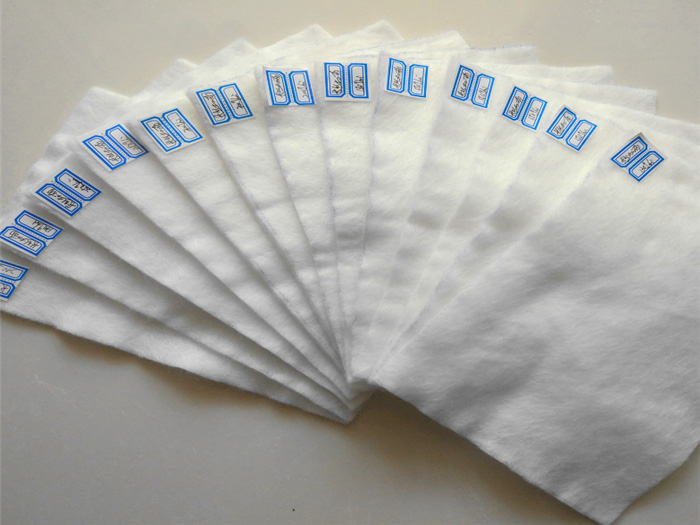
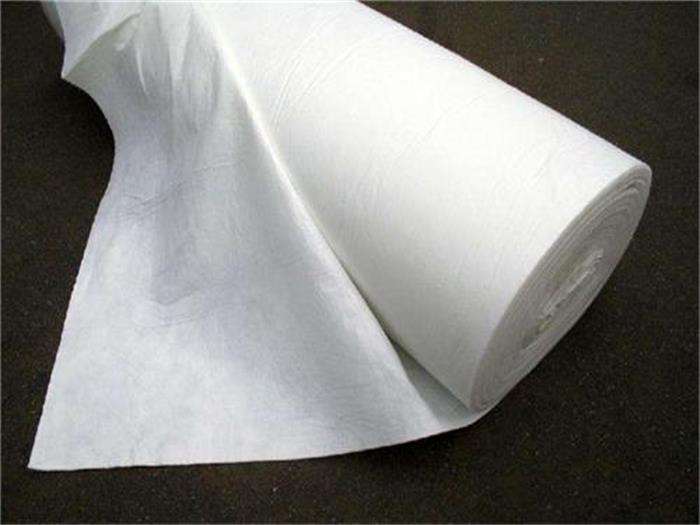
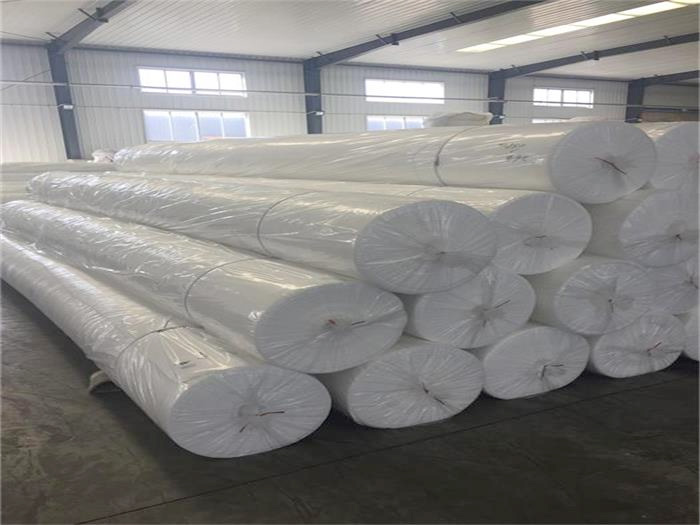
Harnessing Shandong Dezhou's industrial cluster to deliver unmatched scale, cost efficiency, and rigorous technical compliance.
Equipped with wide-width nonwoven lines (up to 6m) and multi-axial geogrid manufacturing. Our high-speed production capability significantly reduces lead times for major municipal tenders and rail subgrade projects.
We customize physical properties—from ultra-heavy 1000g/m² filtration fabrics to high-modulus, low-creep glass fiber reinforcement grids—allowing engineers to optimize subgrade performance based on local soil profiles.
Our strategic location in Dezhou, Shandong, offers convenient railway connections and short transport distances to Qingdao Port. This translates into reliable sea freight scheduling, reduced local logistics costs, and dependable delivery timelines.
Combining high-strength reinforcement with robust impermeable barriers to solve challenging civil, hydraulic, and environmental problems.
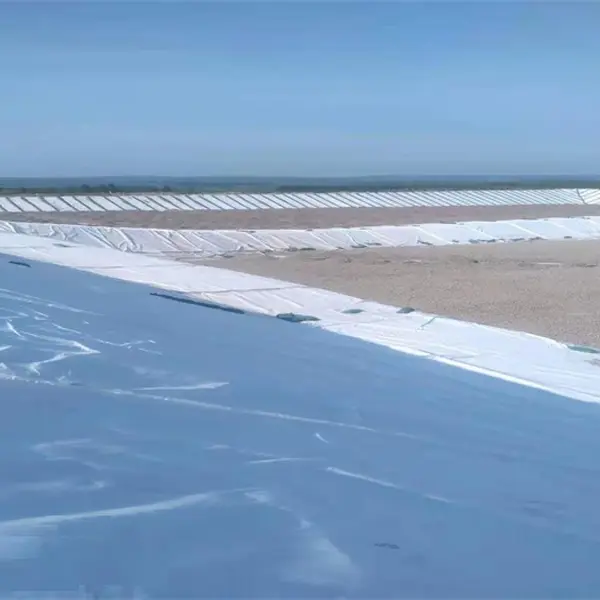
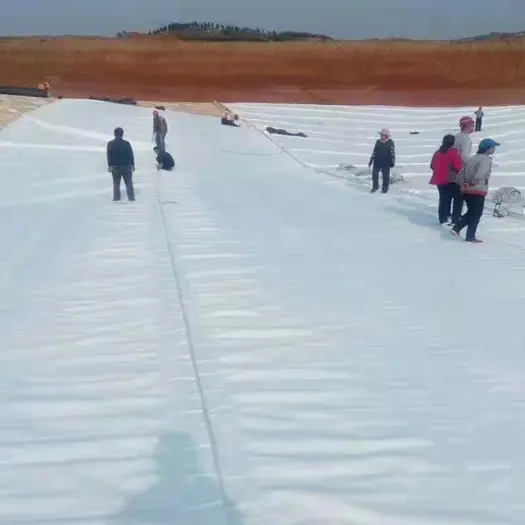
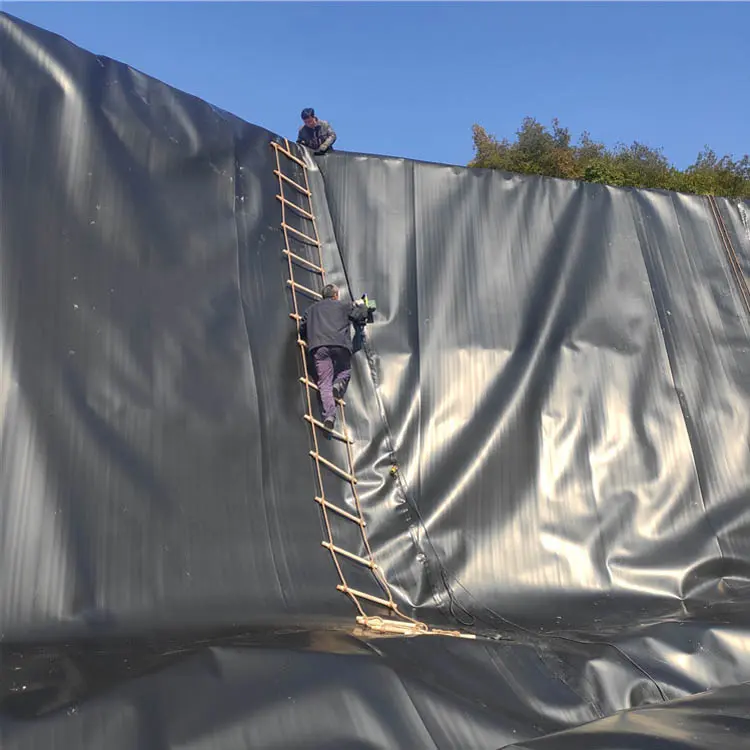
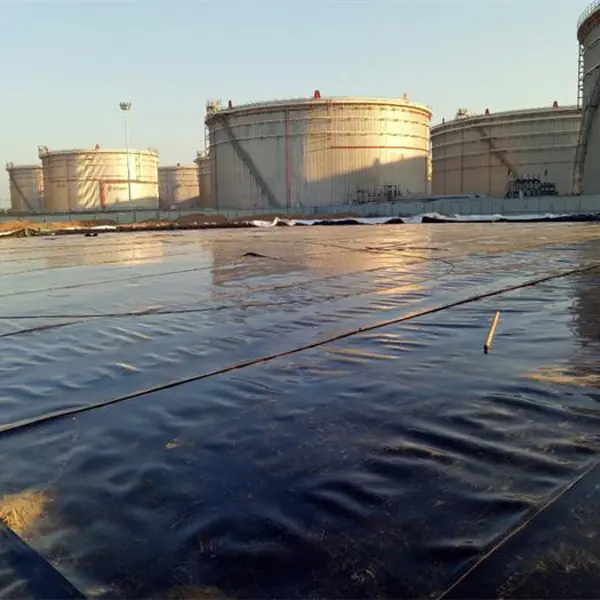
Geosynthetics are key to modern infrastructure durability. Shandong Hongyue supplies comprehensive systems for:
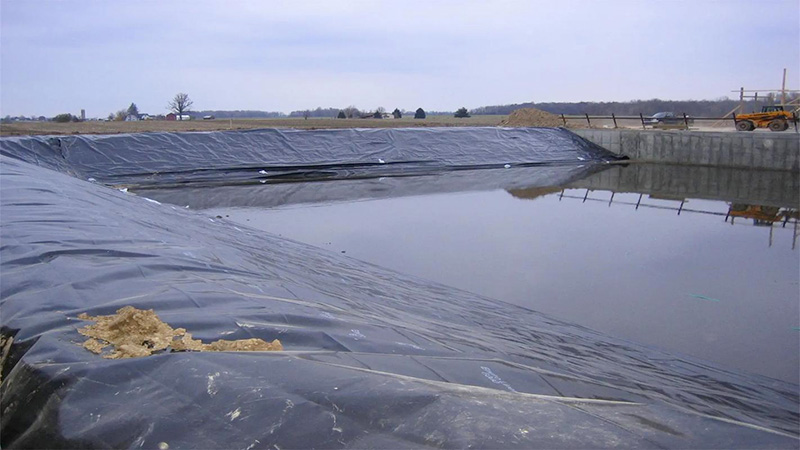
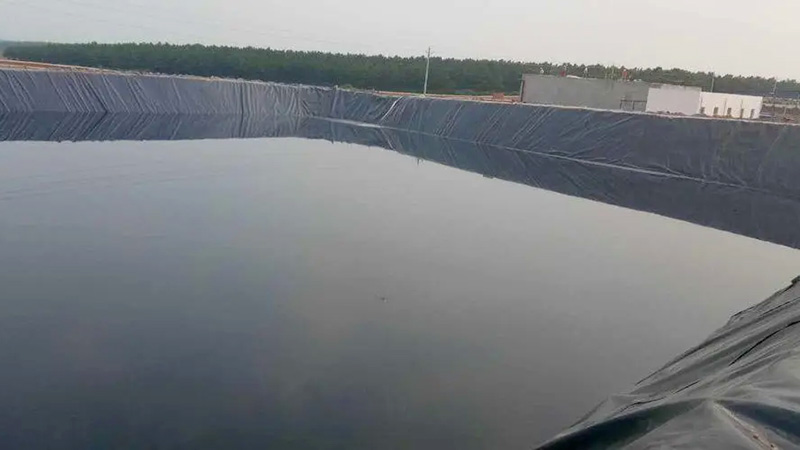
Achieving a zero-seepage barrier requires proper selection, rigorous installation, and consistent maintenance. Understanding these aspects ensures long-term performance.
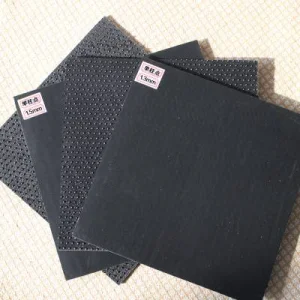
Selecting the correct polymer base is critical. High Density Polyethylene (HDPE) provides excellent chemical resistance and UV durability, ideal for landfills and exposed reservoirs. Linear Low Density Polyethylene (LLDPE) offers superior flexibility and elongation, perfect for irregular surfaces and sites prone to differential settlement. Thickness generally ranges from 0.3mm to 2.0mm depending on hydraulic pressure and aggregate sizes.
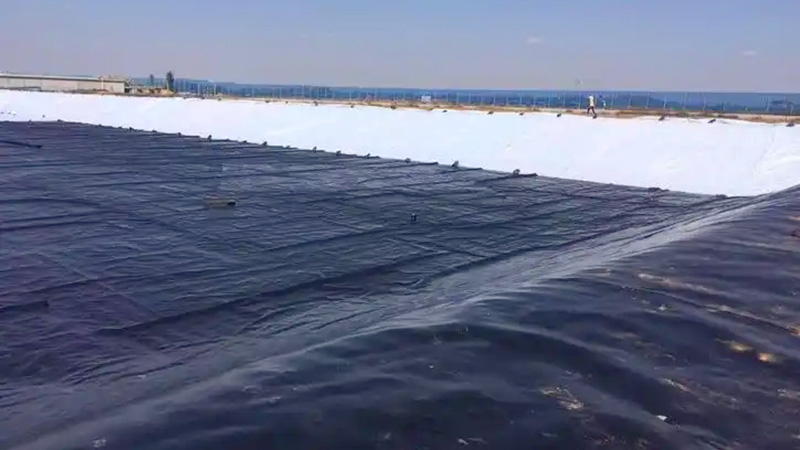
Subgrade preparation is essential—ensure the soil is level, compacted, and free of sharp stones. The liner must be laid flat without excessive tension to accommodate thermal contraction. Dynamic thermal wedge welding forms double-track seams, which are pressure-tested to ensure leak-free joints.
Regular maintenance extends the system's lifespan. We recommend scheduled inspections for physical damage, silt buildup, and liner exposure. Utilizing a nonwoven geotextile protection layer over the geomembrane prevents damage from sharp aggregates during backfilling operations.
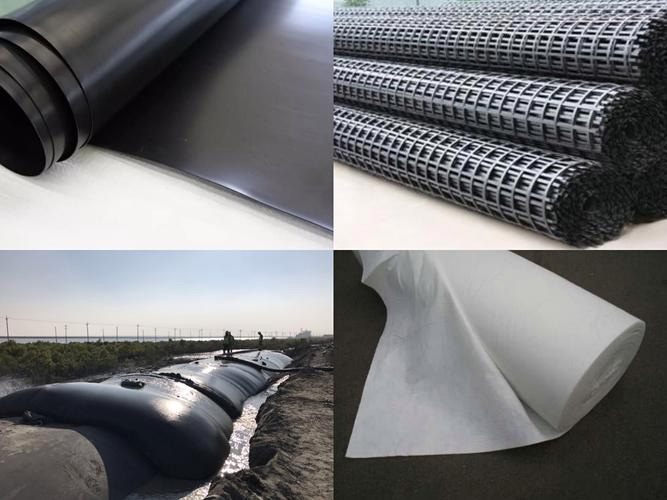
How modern geosynthetic materials prevent pavement distress, extend service life, and reduce maintenance costs.
In modern transportation infrastructure, subgrade failure caused by weak native soils, poor drainage, and frost action is a major challenge for civil engineers. Pavements built directly on soft clay or silty subgrades quickly develop structural rutting, alligator cracking, and base course contamination. Road construction geotextile fabrics solve this problem by performing four key functions:
The industry is shifting toward smart, durable, and carbon-neutral solutions to meet global infrastructure demands.
By optimizing extrusion processes and incorporating recycled polymers, manufacturers are reducing the carbon footprint of geotextiles, aligning with green procurement guidelines for international infrastructure projects.
Integrating optical fibers and sensor arrays into geogrids allows for real-time monitoring of subgrade strain, temperature, and settlement, warning engineers of potential failures before they occur.
Advanced additive packages—such as carbon black and Hindered Amine Light Stabilizers (HALS)—significantly improve UV resistance, ensuring long-term performance even in exposed environments.
Delivering high-performance civil materials backed by scientific testing and years of field engineering expertise.
Shandong Hongyue Environmental Protection Engineering Co., Ltd. features a complete and scientific management system. Our team of experienced production technicians and market service engineers brings over ten years of expertise to domestic and international projects. We have established regional consulting offices to provide technical support and design assistance.
Equipped with advanced lab testing instruments, our technicians run regular tests on tensile elongation, CBR puncture, hydraulic transmissivity, and chemical aging. This ensures our materials perform reliably under demanding conditions, giving project owners and engineers complete peace of mind.
Answering key questions on material selection, ASTM standards, and installation techniques for road projects.
The choice depends on the primary engineering goal. Nonwoven geotextiles (usually needle-punched) offer excellent water permeability and filtration, making them ideal for subgrade separation, base drainage, and filtration. Woven geotextiles provide high tensile strength and high modulus at low strain, making them suitable for subgrade reinforcement, embankments on soft soils, and soil stabilization where drainage is secondary.
For road construction, key ASTM standards include: ASTM D4632 for Grab Tensile Strength and Elongation, ASTM D6241 for CBR Puncture Resistance, ASTM D4533 for Trapezoid Tear Strength, ASTM D4751 for Apparent Opening Size (AOS), and ASTM D4491 for Water Permeability. A reliable manufacturer should provide test reports confirming compliance with these standards.
When buried within road subgrades away from direct UV exposure, high-quality virgin polypropylene (PP) or polyester (PET) geotextiles can last for over 50 to 100 years. They are naturally resistant to chemical attack, soil microbes, and pH levels typically found in subgrades.
Yes. With a registered capital of 105 million yuan and advanced wide-width extrusion lines, we specialize in OEM/ODM production. We customize roll widths (up to 6m), lengths, weights (100g/m² to 1200g/m²), and tensile properties to meet specific project guidelines.
Explore our full range of certified geotechnical materials, including geogrids, geocells, and geomembranes.
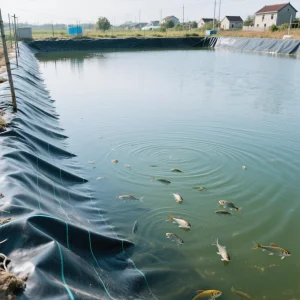
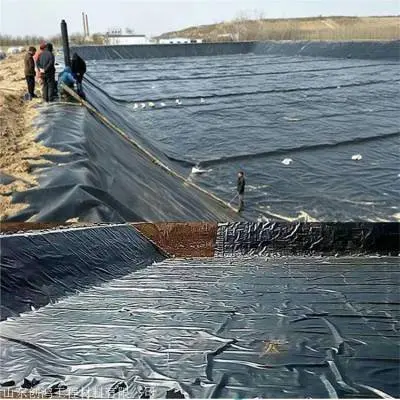
Specifically formulated geomembranes that prevent water loss in aquaculture, protecting local ecosystems.
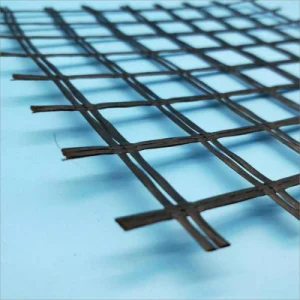
High tensile strength reinforcement grids designed for heavy-load highway foundations and retaining walls.
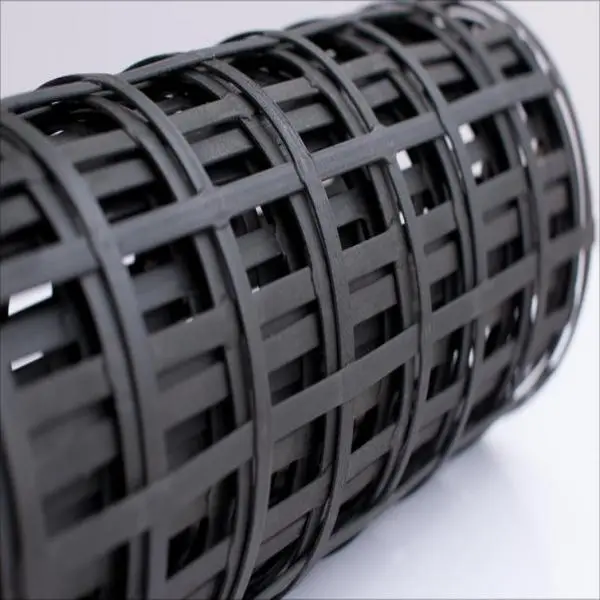
Uniaxially and biaxially stretched geogrids providing structural stabilization for soft soil subgrades.
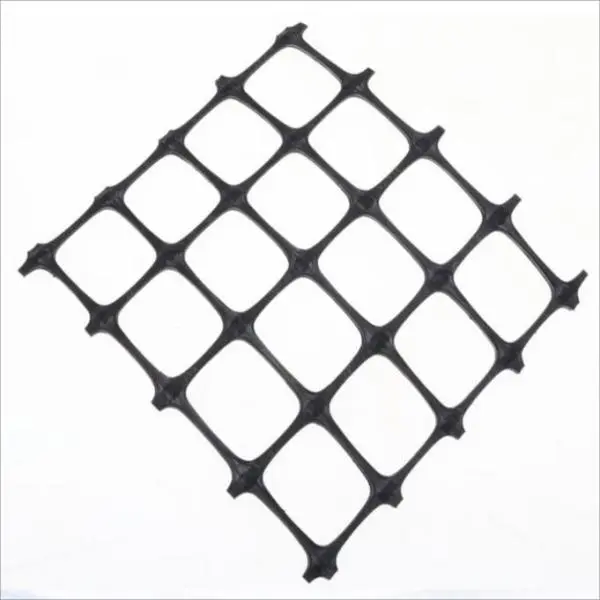
Designed for one-directional load support in steep slopes, embankments, and landfill retaining walls.
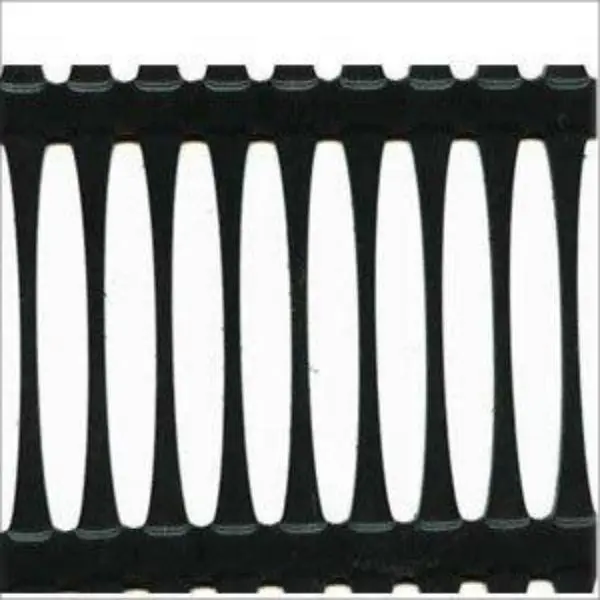
Innovative composite blankets that set into a hard concrete layer upon hydration for channel lining.
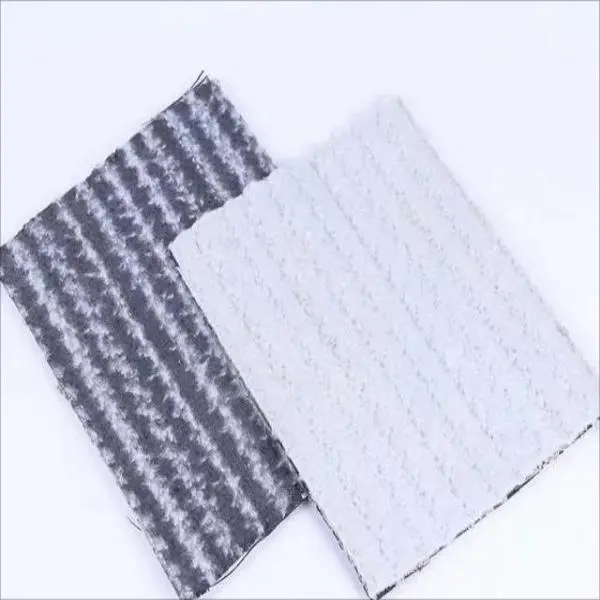
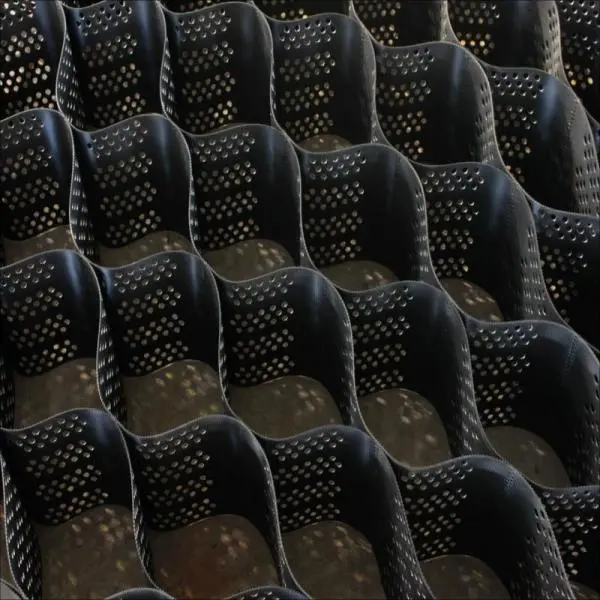
Three-dimensional honeycomb structures that confine aggregate, providing erosion control on steep slopes.
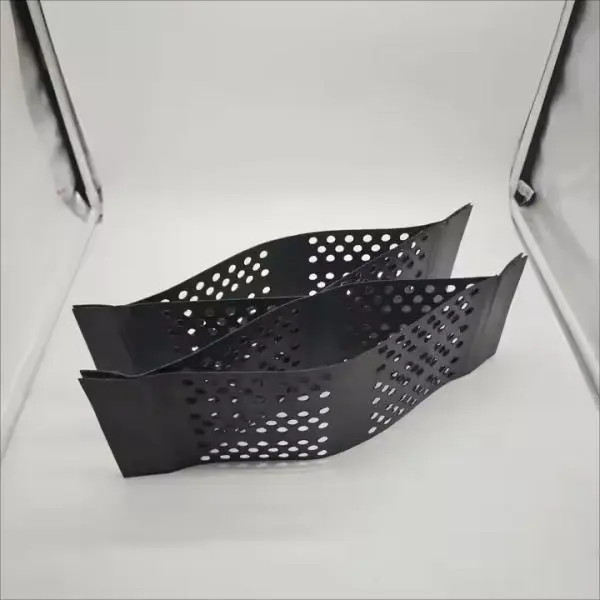
High-density polyethylene geocells offering high seam strength for road base stabilization.
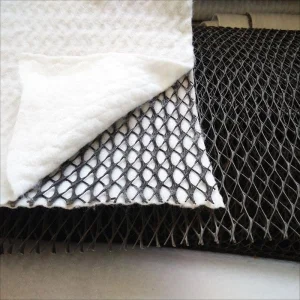
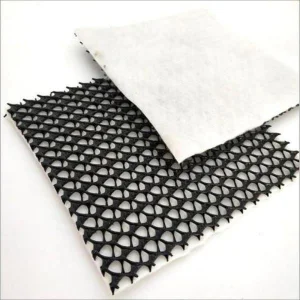
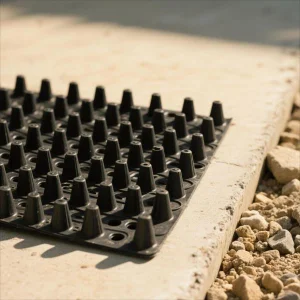
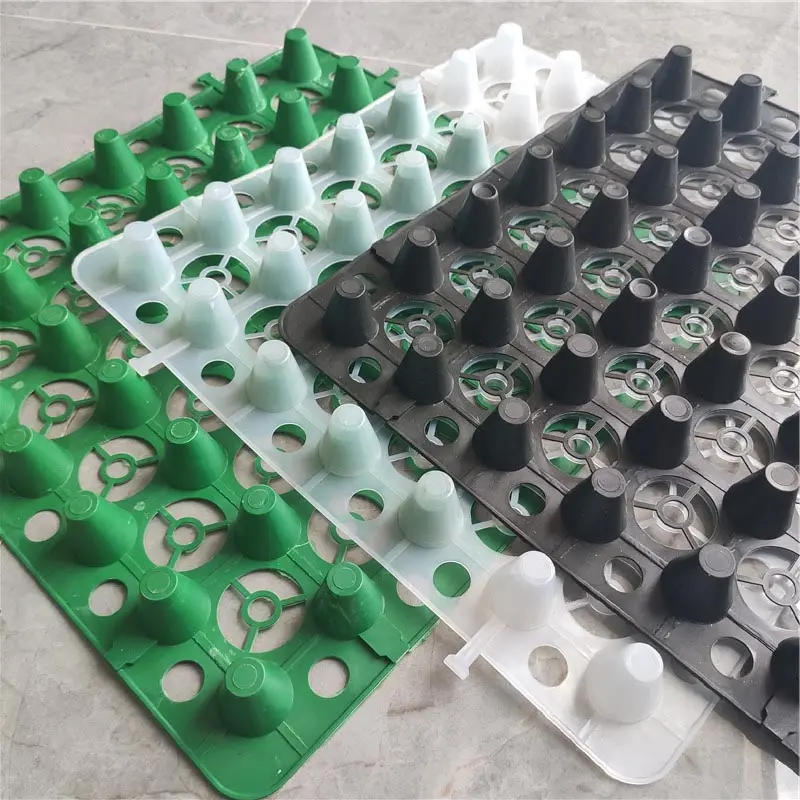
Engineered sheet drainage for underground garage roofs, managing stormwater runoff effectively.
Contact Shandong Hongyue Environmental Engineering Co., Ltd. for technical consultation, material specifications, and project estimates.
 Hongyue