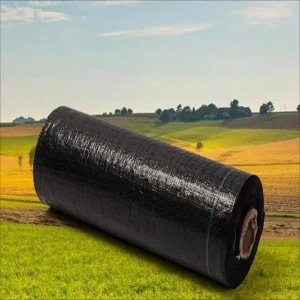
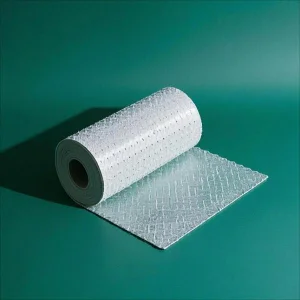
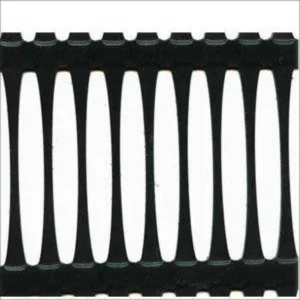
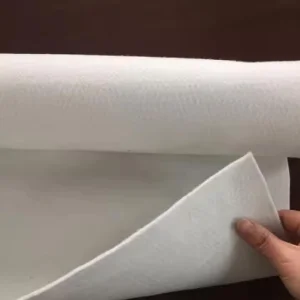
High-performance permeable fabrics and structures custom-designed to manage drainage, soil filtration, and root containment.
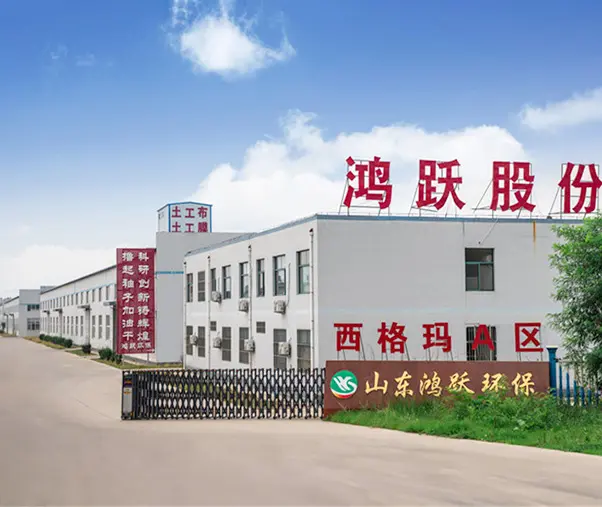
Shandong Hongyue Environmental Engineering Co., Ltd. (located at the north end of Fufeng Street, Lingcheng District, Dezhou, Shandong Province) stands as a prominent, science-driven geotechnical material developer and manufacturer. We offer a comprehensive suite of solutions integrating material production, custom designs, and professional installation consultancies. Established in 2023 with a registered capital of 105 million yuan, our Dezhou site represents one of China's largest advanced production zones for synthetic polymers and woven/non-woven drainage layouts.
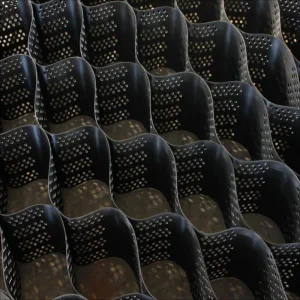
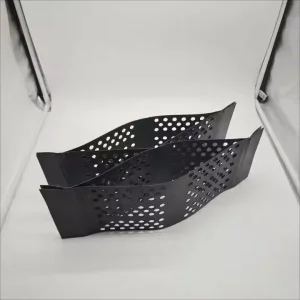
Our strategically situated facilities benefit from major logistics hubs, ensuring prompt delivery of geotextile fabrics, agricultural weed barriers, geocells, and geomembranes to high-profile infrastructural works globally.
As standard-setters in the agricultural and municipal gardening geosynthetics domain, we engineered specialized Geotextile Fabrics for Planters. These specialized materials address the exact mechanical demands of modern planter boxes, structural containers, roof gardens, and bioswales. By balancing high water flow rates with strict soil particles retention, our plant-safe fabrics offer root support and structural integrity in commercial plantings.
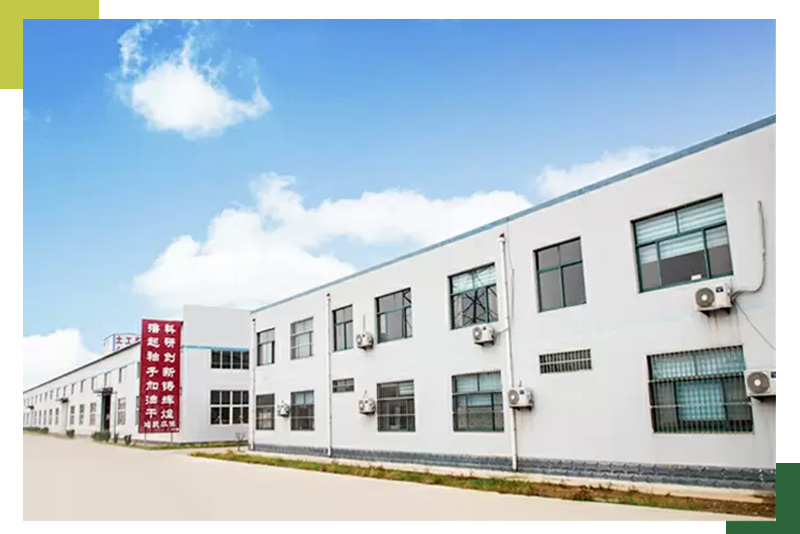
Understading the manufacturing capabilities, raw material integrations, and standards that drive global procurement.
By processing native virgin polyester (PET) chips and polypropylene (PP) polymers in-house, Shandong Hongyue manages tensile resistance, melt-flow index, and UV stabilizers from the chemical level, yielding superior fabric lifespan.
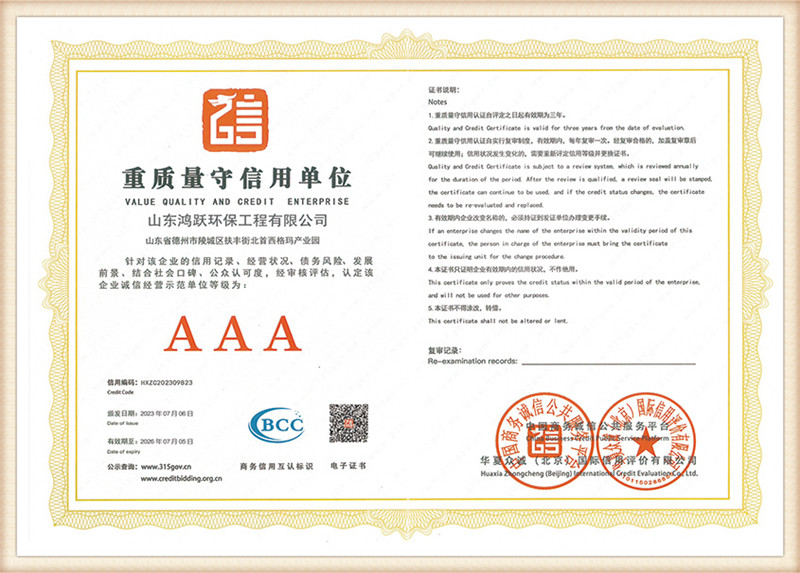
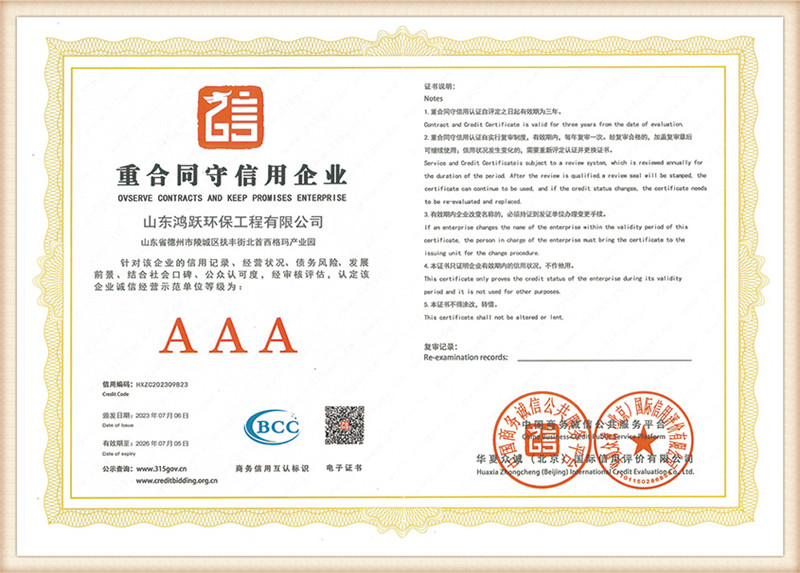
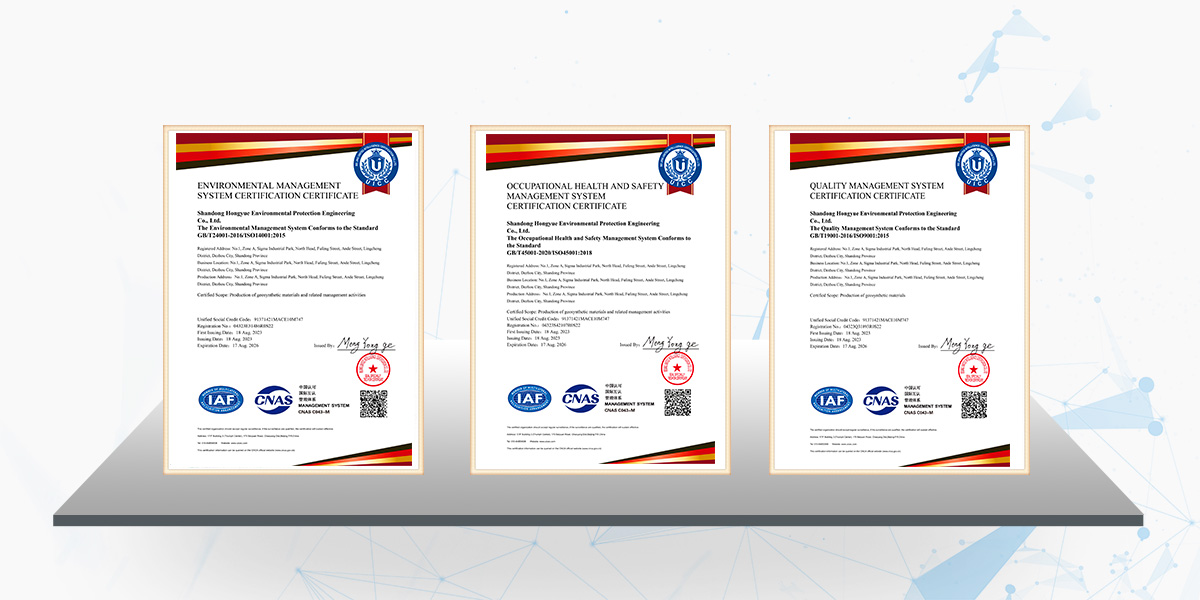
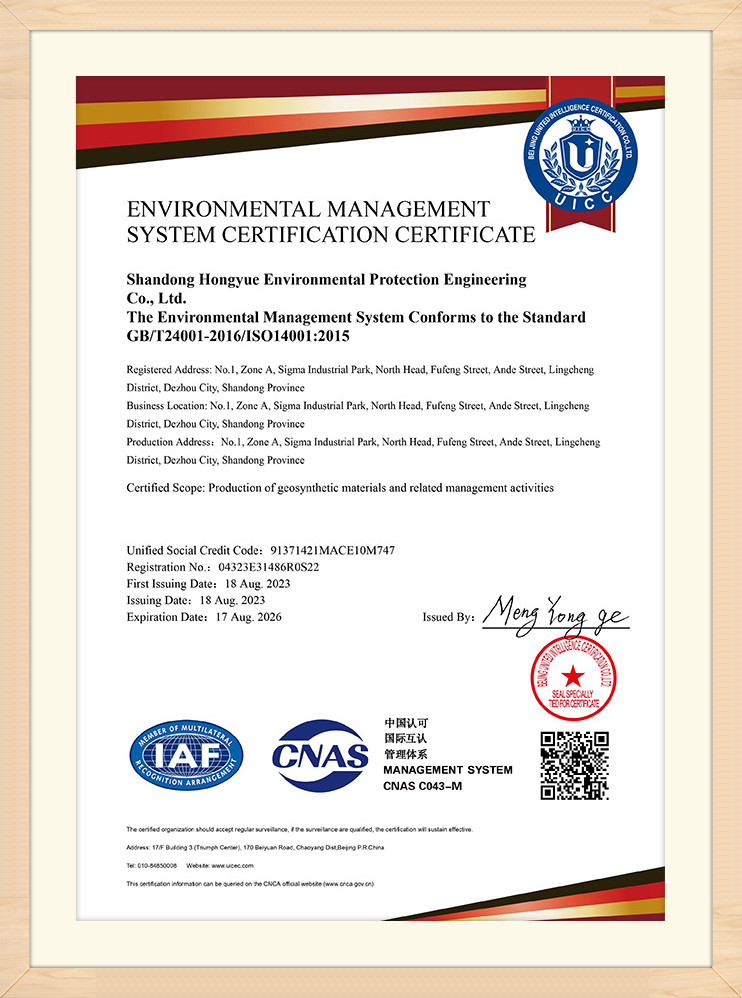
Our facility operates under audited environments adhering to ISO9001:2015 (Quality Management), ISO14001:2015 (Environmental Integrity), and ISO45001:2018 (Occupational Safety Standards), passing state-level audit cycles with zero non-compliances.
Unlike standard civil non-wovens, our planter fabrics feature specialized chemical inertness, ensuring zero toxic leaching while stabilizing micro-nutrients in soil structures and reducing early rot of plant root systems.
How engineering grade geotextiles address critical design challenges in landscaping and urban construction.
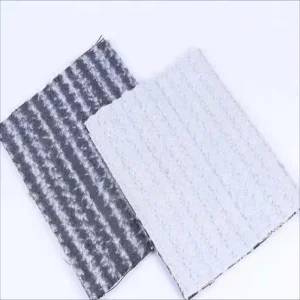
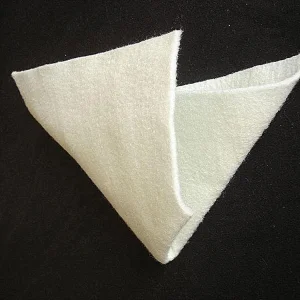
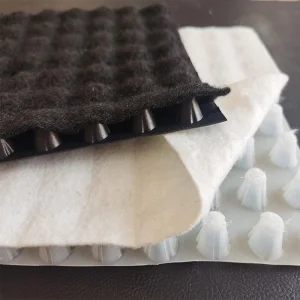
Roof garden systems require long-lasting components to protect underlying structural concrete while keeping plants hydrated. Our needle-punched non-woven geotextiles act as the separation layer between soil substrates and drainage cups. They prevent fines from washing down and clogging the roof drainage outlets, preventing ponding and structural overloading.
In wooden or concrete raised beds, soil moisture and acid can degrade container borders. Laying our non-woven geotextiles prevents direct soil-to-border contact while allowing excess irrigation runoff. This allows root zones to breathe, promoting oxygenation and avoiding water logging.
In municipal rainwater management, our materials line water retention basins and stormwater channels. Working with composite waterproof and drainage boards and geonet structures, they manage runoff, capture sediment, and facilitate infiltration.
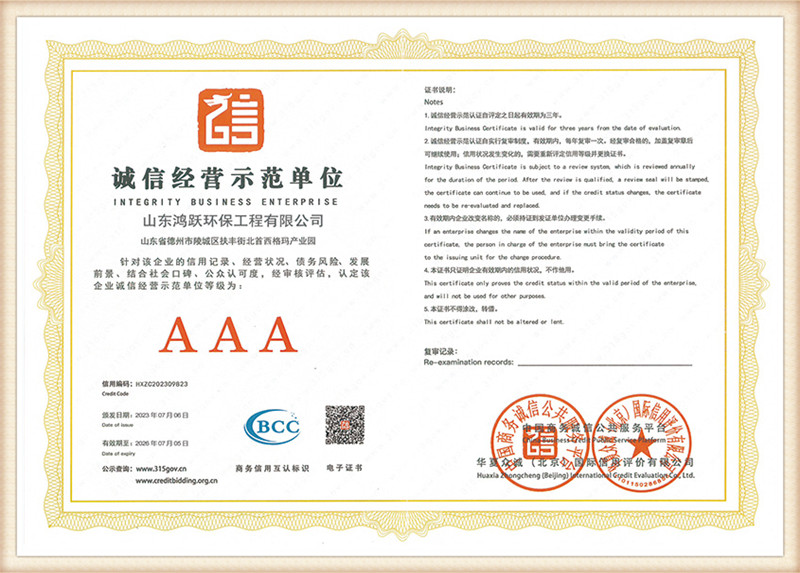
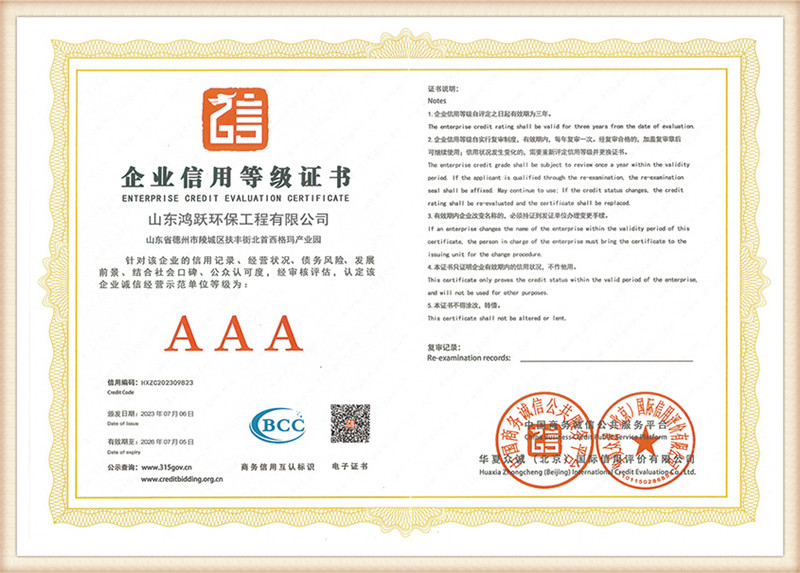
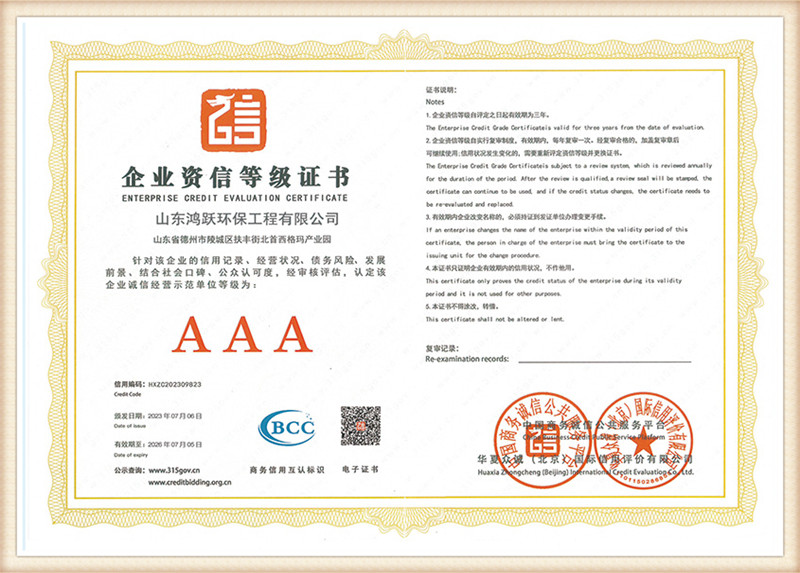
A look into how polymer chemistry becomes heavy-duty filtration non-wovens.
Modern production equipment and technical controls have significantly increased our production efficiency and product quality. From raw material preparation to melt extrusion, needle punching, and curing, each process step is monitored to meet specific physical and chemical requirements.
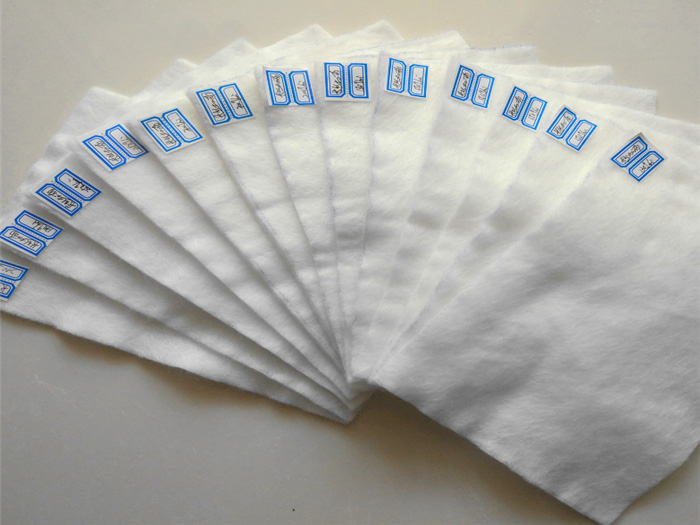
Our main raw materials include polyester (PET) chips, polypropylene (PP) filament, and viscose fibers. These raw materials are inspected and stored under climate-controlled conditions to maintain quality and chemical stability before extrusion.
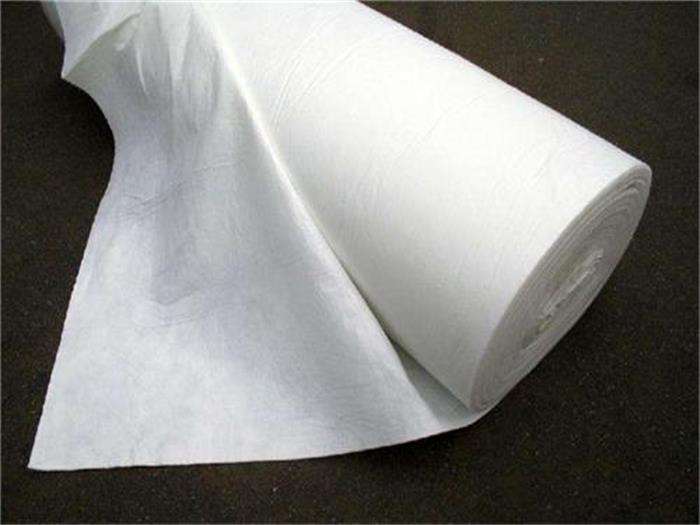
After melting the polymers at temperatures exceeding 260°C, the liquid polymer is forced through a spinneret plate to produce continuous filaments. These fibers are distributed across conveyor beds to form a uniform web structure, controlling thickness and orientation.
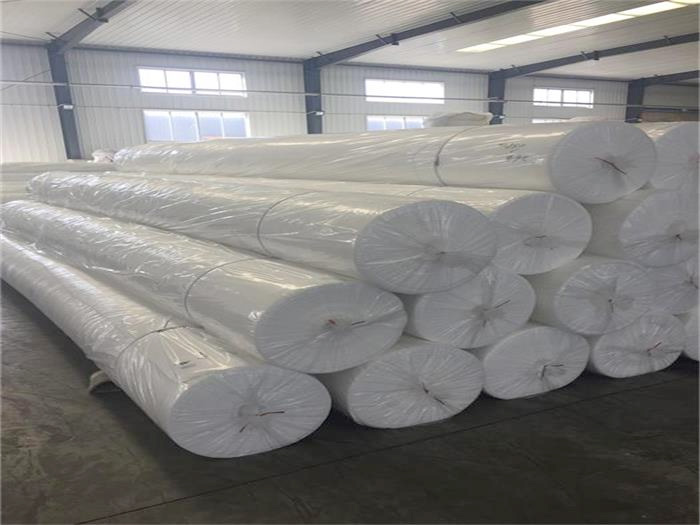
The fibrous web passes through thousands of barbed needles to lock the fibers mechanically. It is then thermal-bonded, rolled, and tested for tensile strength, elongation, hydraulic conductivity, and pore size distribution.
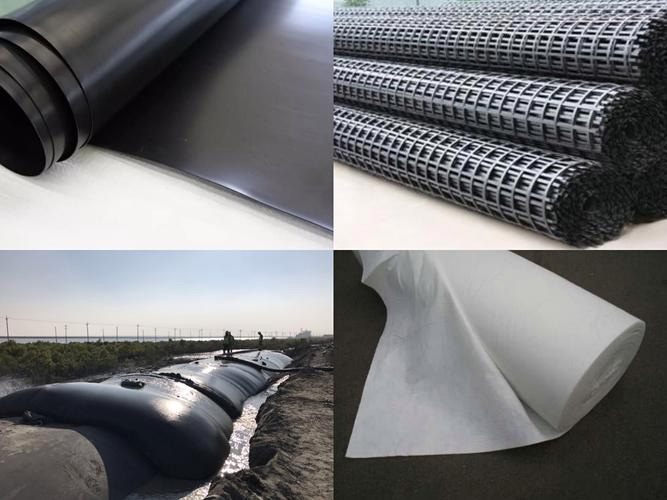
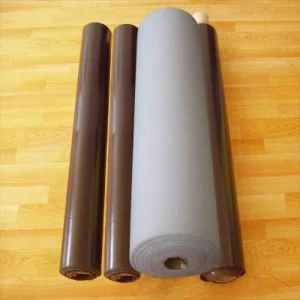
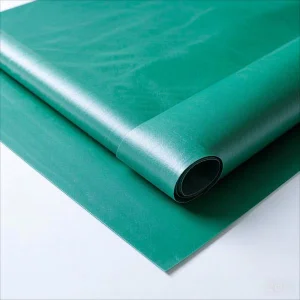
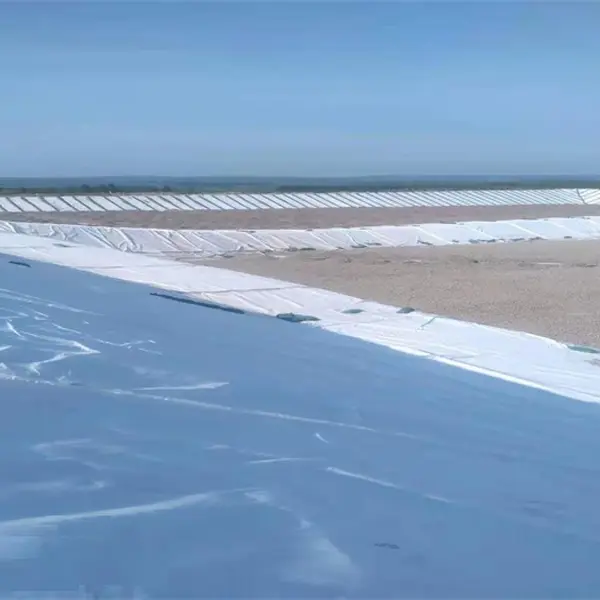
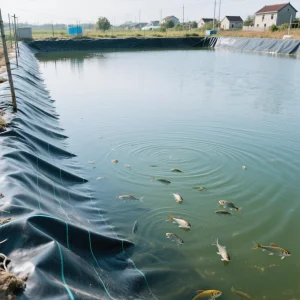
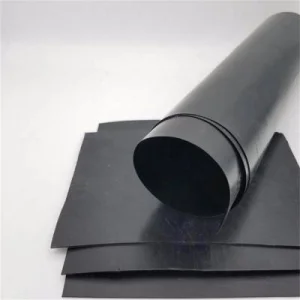
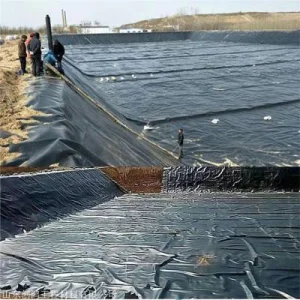
For applications requiring absolute moisture containment rather than filtration—such as pond liners or subterranean barriers—we offer advanced impermeable geomembranes (HDPE and LLDPE options) that complement our geotextiles.
Selection Criteria: Our geomembranes range from 0.3mm to 2.0mm in thickness. Select material specs based on project pressure requirements and chemical exposures.
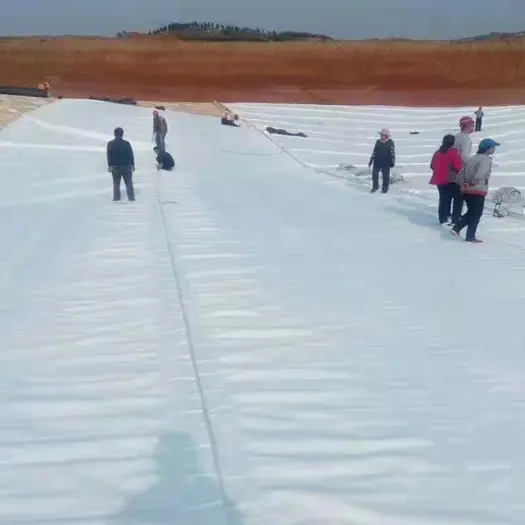
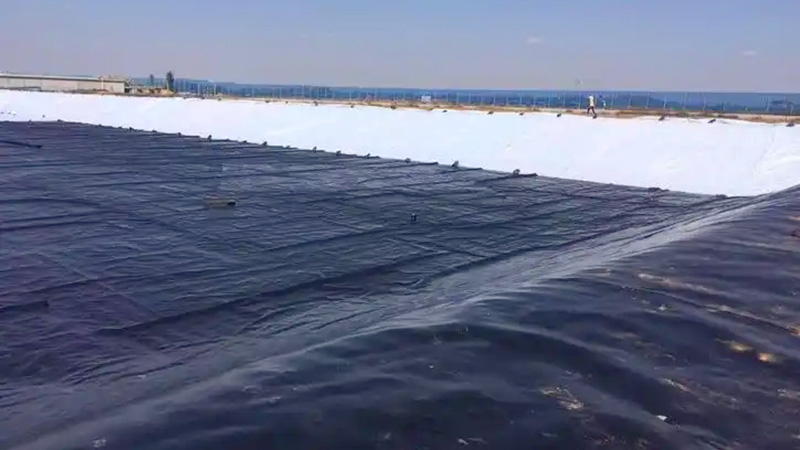
Proper Laying Procedures: Ensure the ground is graded and free of sharp rocks. Our geotextile is typically placed as a protective layer beneath the geomembrane to prevent punctures. For large installations, joints are hot-wedge welded and tested to prevent leaks.
Maintenance Protocols: Regular surface inspections help identify physical wear early. Avoid using sharp tools nearby, and cover exposed sections with soil or concrete to shield against UV aging.
Integrating geosynthetics for long-term ecological and infrastructure protection.
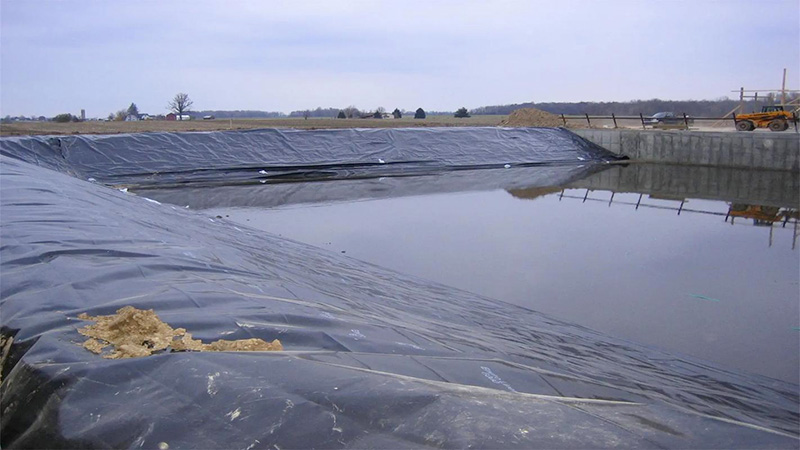
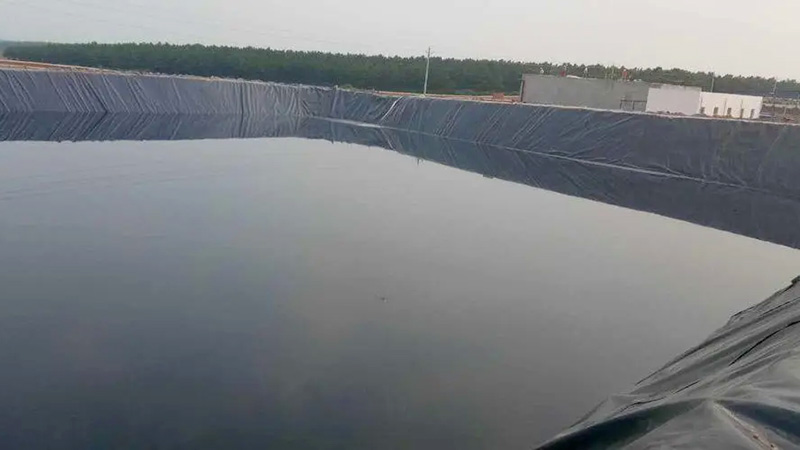
Prevents water seepage into unstable bedrock, stabilizing the reservoir structure. Combined with geocells, it prevents bank erosion from wave action.
Controls flow dynamics and helps stabilize embankment soils. Permeable fabric wraps prevent soil loss while allowing natural vegetation to establish.
Creates impermeable containment systems that isolate hazardous leachate, protecting surrounding groundwater from contamination.
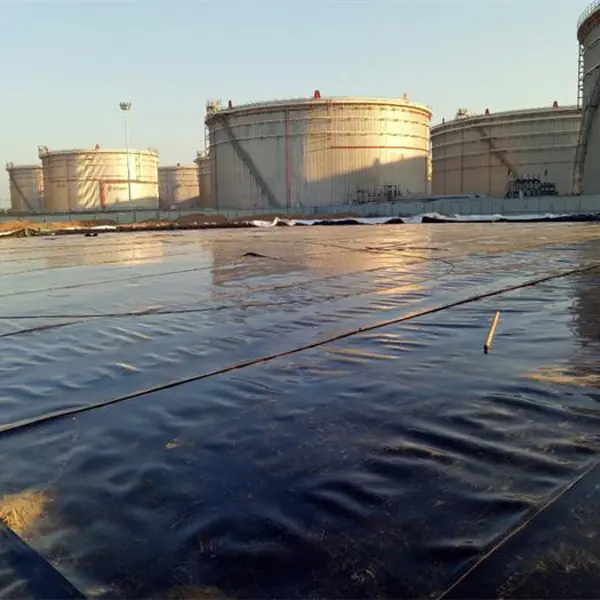
Integrated Oil & Industrial Storage Solutions: Our system designs include primary lining for petrochemical storage areas, combining drainage sheets and high-density geomembranes to manage fuel runoff risk.
Explore our state-of-the-art facilities and quality inspection systems.
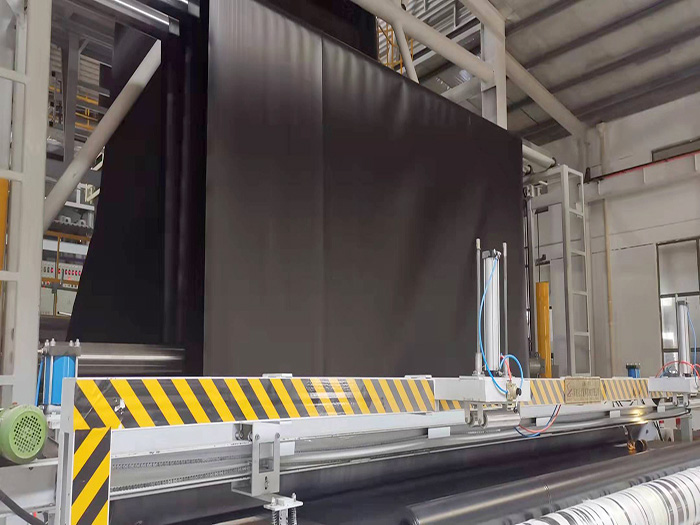
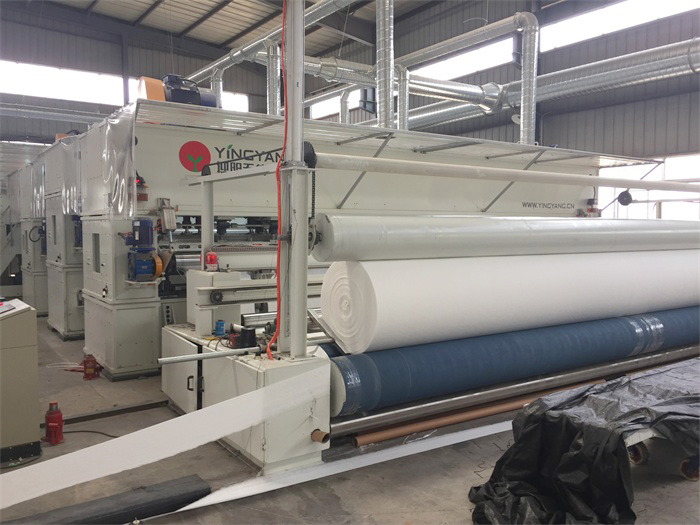
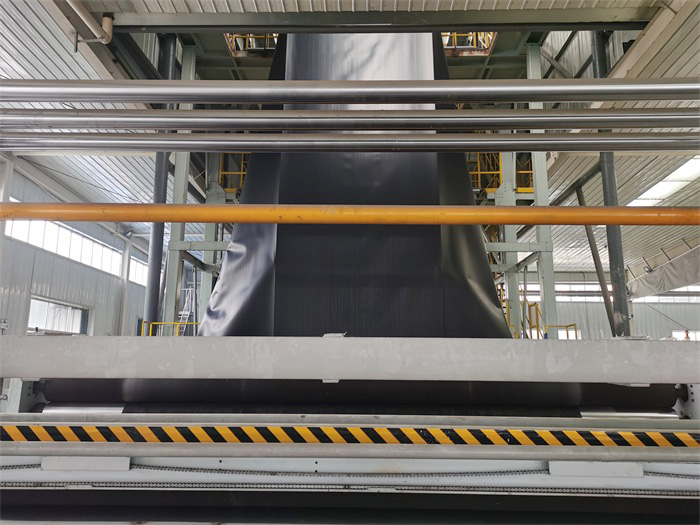
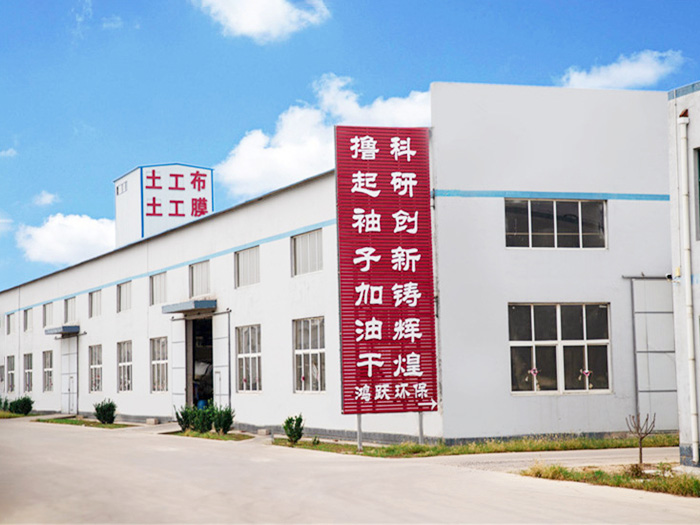
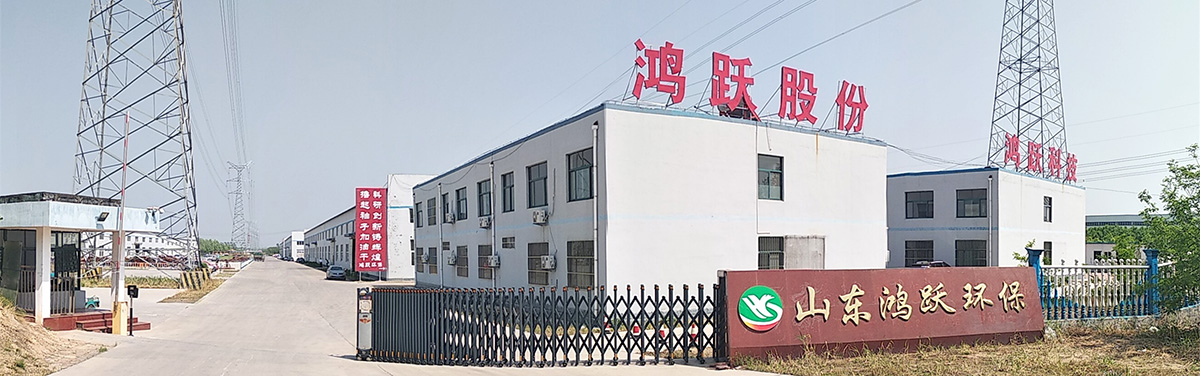
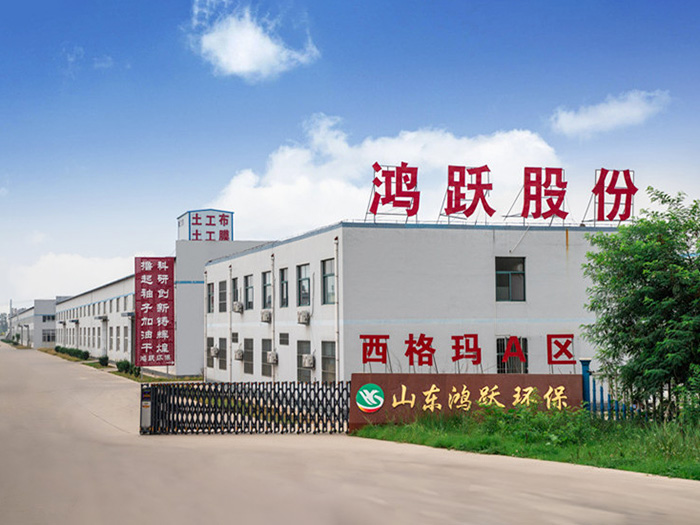
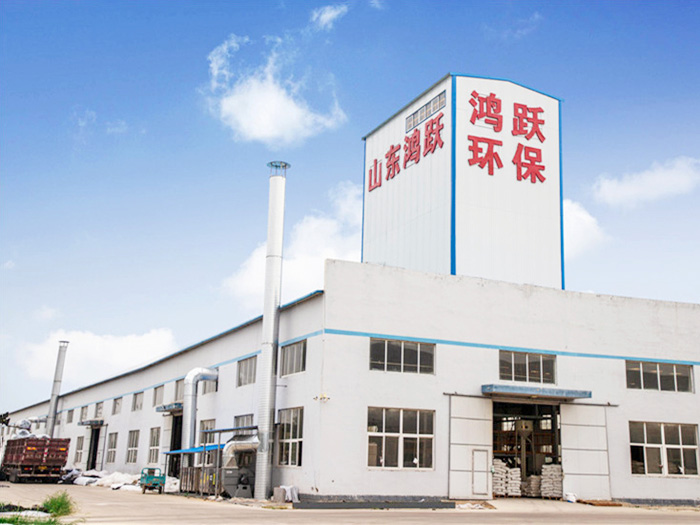
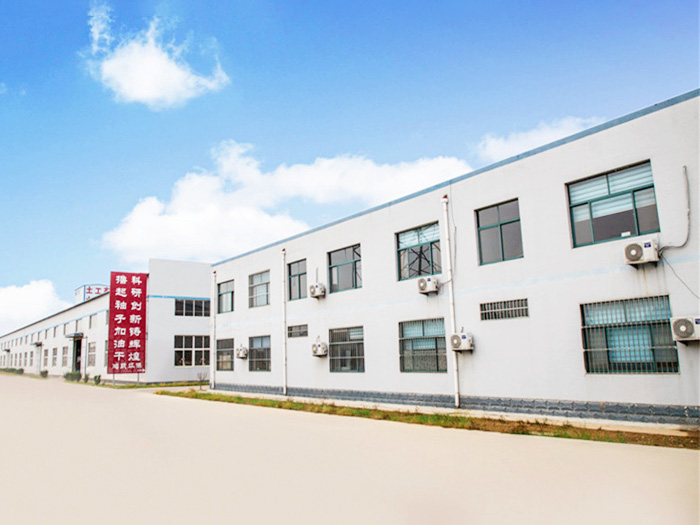
Strict Quality Inspections: Our products are evaluated in our on-site testing laboratory. Measurements include mass per unit area, thickness under pressure, grab tensile strength, puncture resistance, and opening size. This testing ensures consistent batch performance across all shipments.
Technical analysis of composite systems designed for high-pressure hydraulic infrastructure.
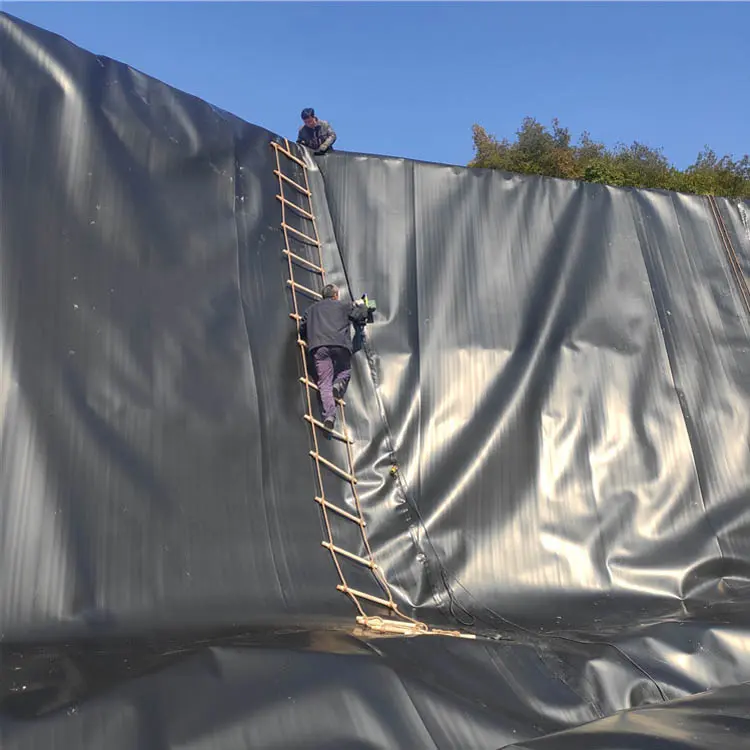
Geomembranes serve as reliable anti-seepage materials in major water conservancy works. Their high impermeability, lightweight properties, and straightforward construction make them key components in containment projects.
During reservoir construction, geomembranes prevent leakage through complex rock fractures. Using a composite system—sandwiching the membrane between protective non-woven geotextiles—minimizes puncture risks from subgrade movements and stabilizes the reservoir bottom.
For canal structures, combining drainage panels with protective geotextiles prevents hydrostatic uplift, helping maintain structural stability during water level drops.
Answers to common technical questions from landscape designers, architects, and procurement managers.
Select from our certified range of drainage sheets, geobags, and geogrids for your site requirements.
 Hongyue