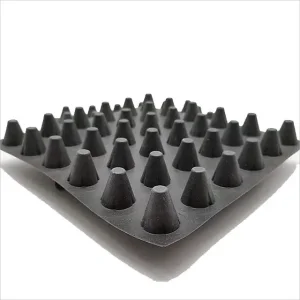
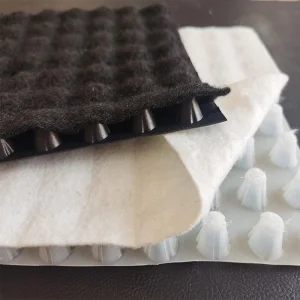
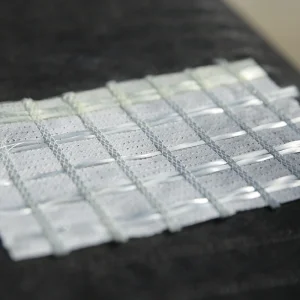
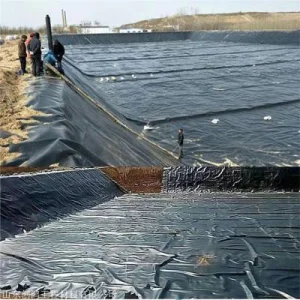
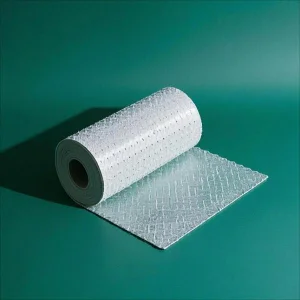
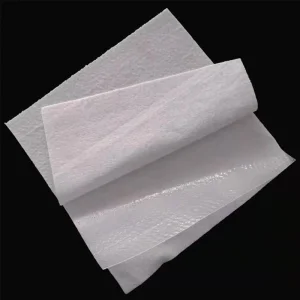
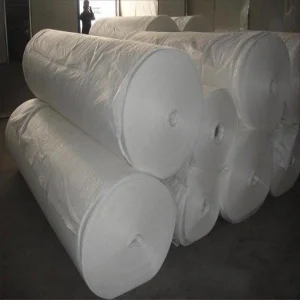
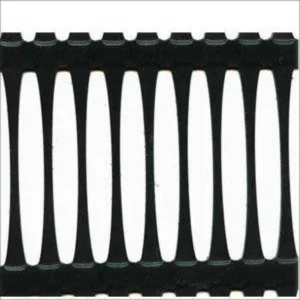
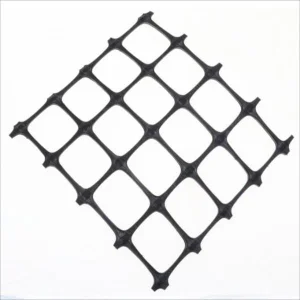
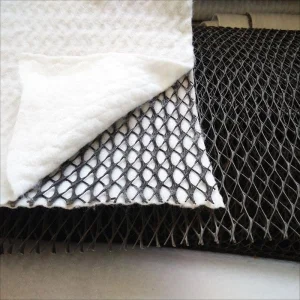
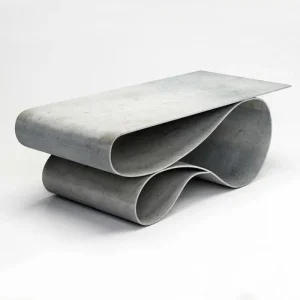
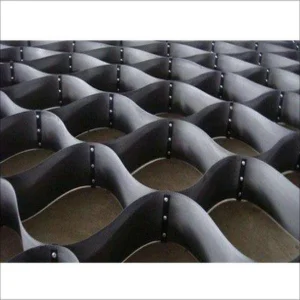
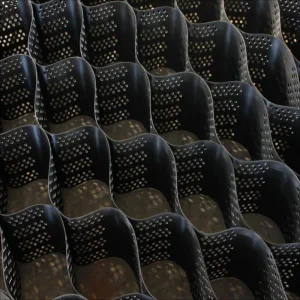
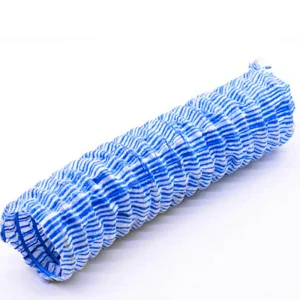
Explore our primary selection of engineering drainage boards, waterproof blankets, and composite geomembranes designed for demanding structural challenges.
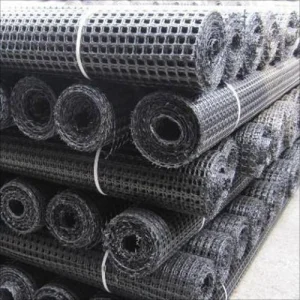
In modern civil engineering, infrastructure longevity, soil stabilization, and load-bearing performance are critical architectural goals. As urbanization accelerates and global transport networks face increasingly extreme climatic loads, the request for reliable ground reinforcement technologies has reached historic highs. At the center of this technological push is the Geogrid Mat, a high-strength polymer structure that is reshaping modern foundation construction. By distributing shear stresses and confining aggregate materials, geogrids prevent structural failure, extend the operating lifecycles of highways, and significantly minimize subgrade deformation.
China has established itself as the global manufacturing hub for geogrids, geocells, and geomembranes, delivering engineering solutions to international markets including the Americas, the Middle East, Europe, and the Asia-Pacific region. High manufacturing capacities, paired with raw material integration and strict quality management systems, allow Chinese exporters like Shandong Hongyue Environmental Engineering Co., Ltd. to provide highly competitive, rigorously certified (ISO/CE) geotechnical materials.
The global geogrid mat market is driven by substantial infrastructure investments, airport runway expansions, high-speed rail systems, and demanding environmental protection engineering. In developing countries, fast-paced urbanization requires roads and bridges built over soft clays or reclamation soils. In developed regions, the focus is on repairing aged roads with minimal material consumption.
Additionally, the growing urgency of global climate initiatives has driven a shift towards ecological geosynthetics. Compared to traditional concrete or heavy subgrade excavation methods, integrating geogrids and geotextiles reduces carbon footprints by minimizing the need to import aggregate fill. Furthermore, soil retention and erosion control strategies depend heavily on composite drainage boards and bentonite blankets to prevent pollution and protect local water tables.
Registered Capital (RMB)
9001 / 14000 / 45001
Exporting Regions & Cities
Years of Engineering Experience
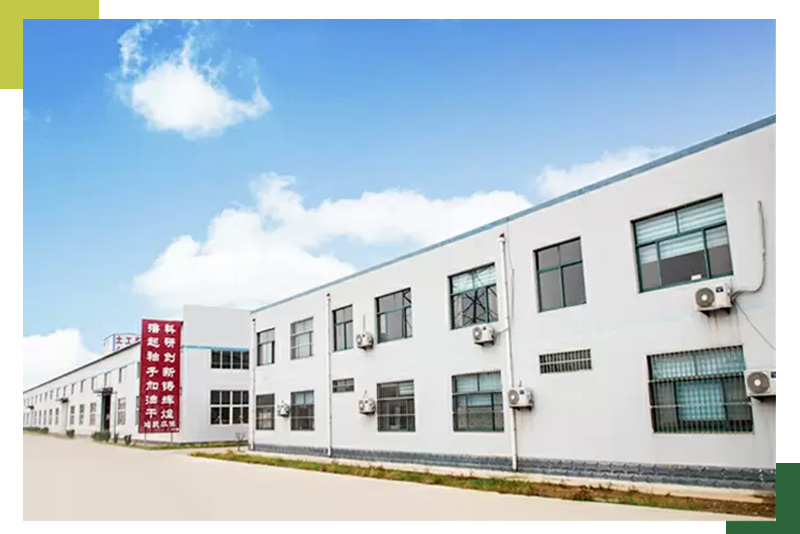
Shandong Hongyue Environmental Engineering Co., Ltd., located at the north end of Fufeng Street, Lingcheng District, Dezhou, Shandong Province, is a scientific and technological geotechnical material manufacturer integrating engineering material production, sales, design, and construction services. The company was registered in the Lingcheng District Market Supervision and Administration Bureau of Dezhou City on April 6, 2023, with a registered capital of 105 million yuan. It stands as one of the largest production bases of geotechnical materials in China, benefiting from a superior geographical location and convenient transportation.
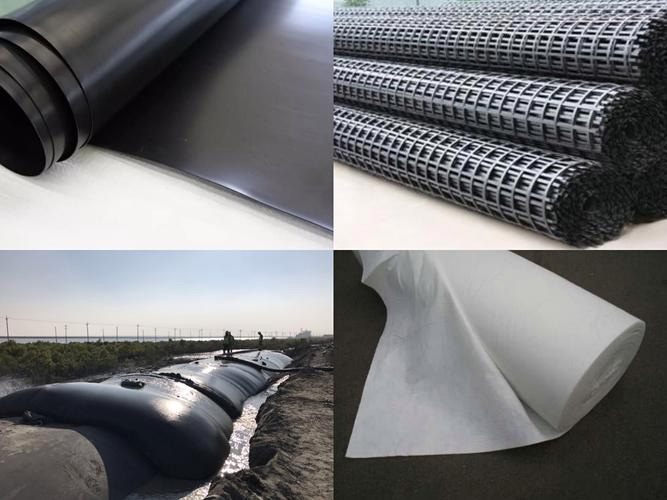
Since our establishment, we have grown rapidly, continuously expanding our business. Shandong Hongyue mainly manufactures and deals in a wide variety of engineering materials including geotextiles, geomembranes, composite geomembranes, waterproof boards, bentonite waterproof blankets, 3D composite drainage nets, (composite) drainage boards, weaving cloths, woven cloths, membrane bags, blind ditches, waterproof and drainage combinations, woven bags, ecological bags, cement blankets, fiber plant blankets, and flexible pervious pipes.
We are proud members of the Dezhou Geotextile Association, and our professional sales and technical teams support projects across highways, railways, bridges, tunnels, reservoirs, canals, artificial lakes, environmental protection, aviation, mining, and agriculture.
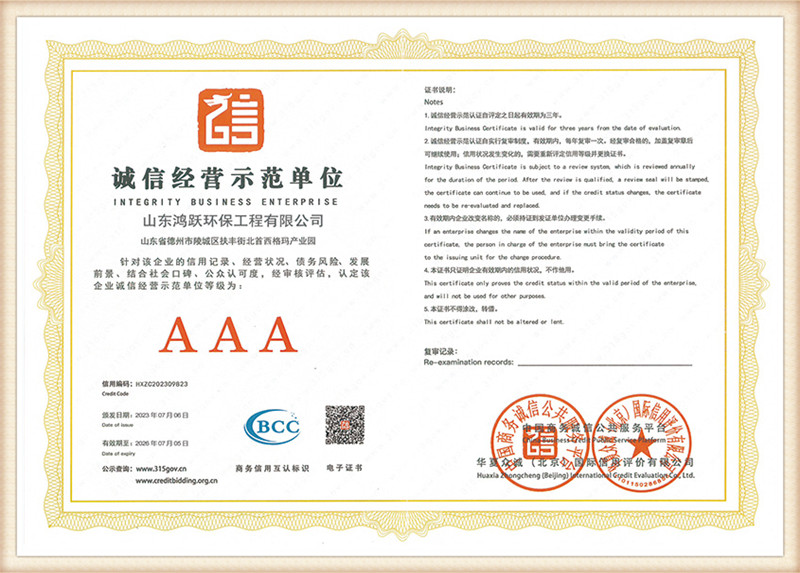
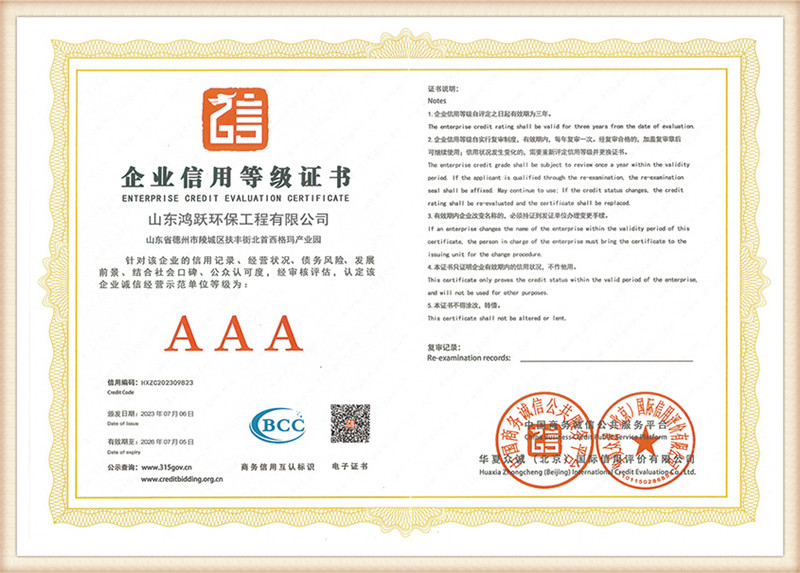
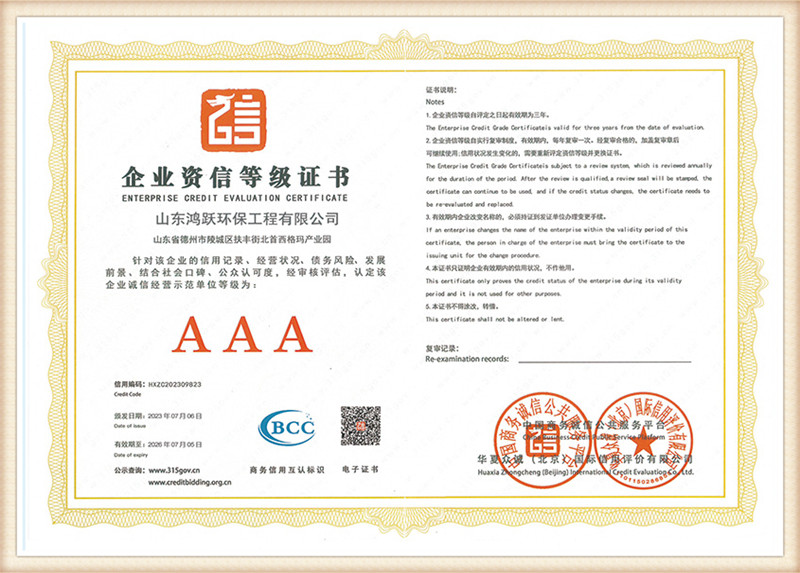
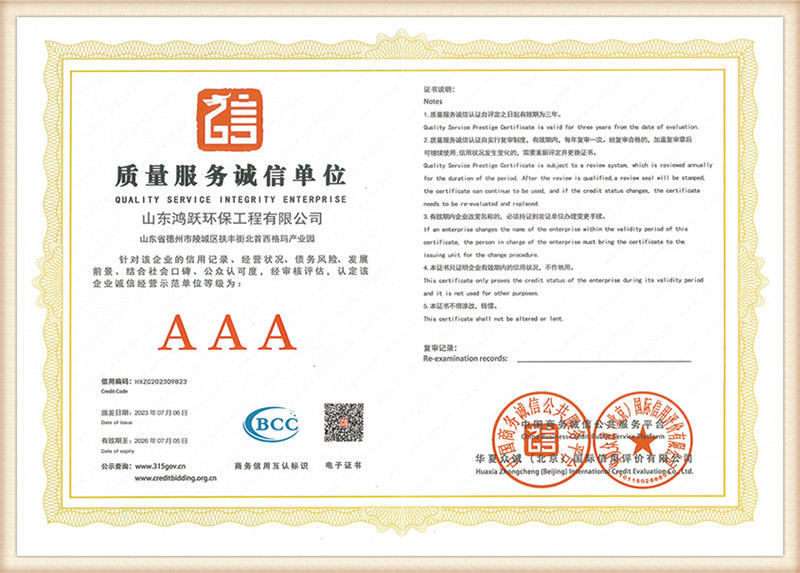
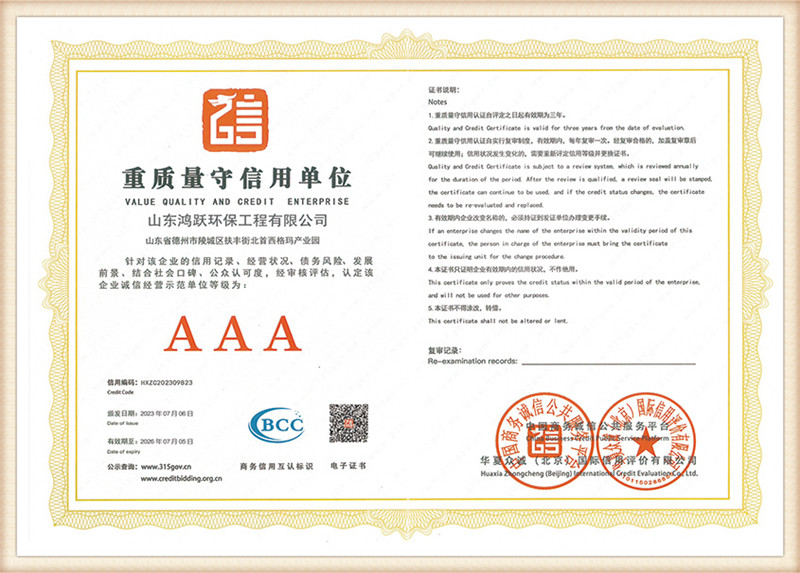
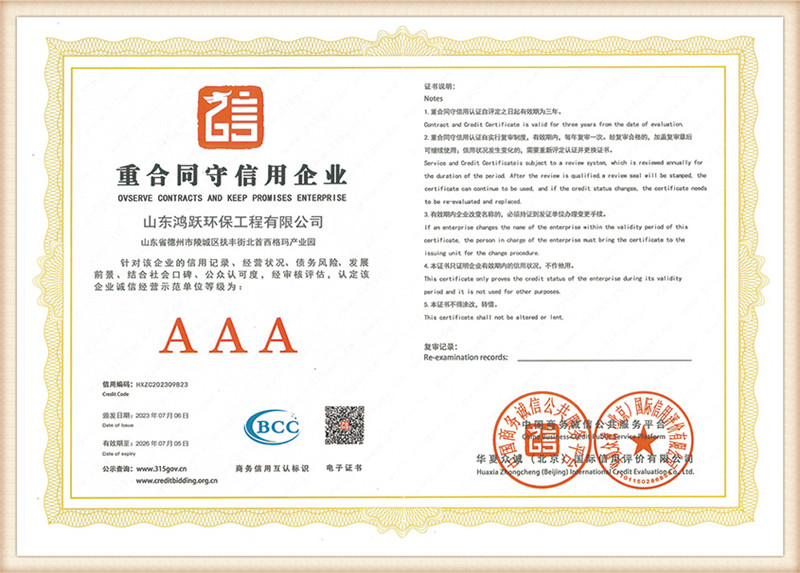
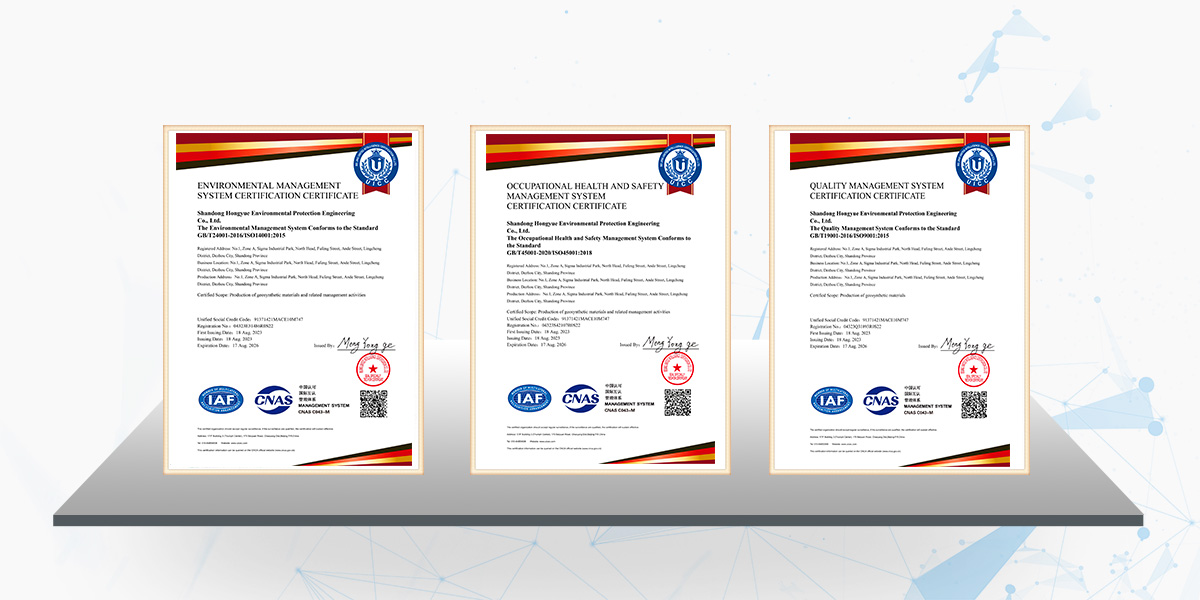
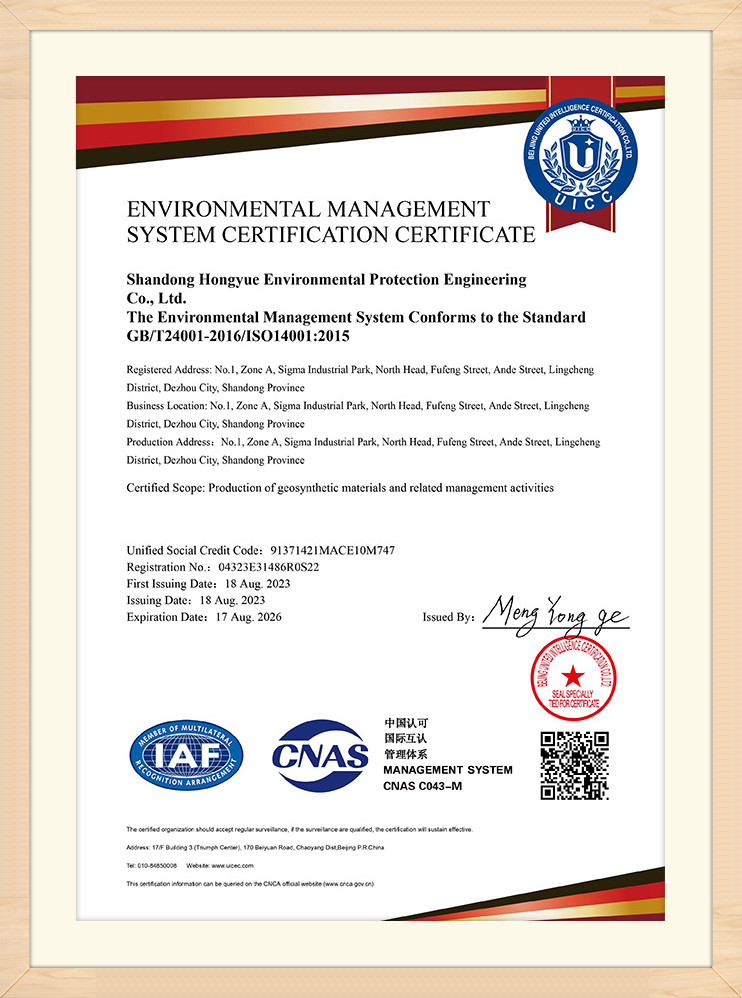
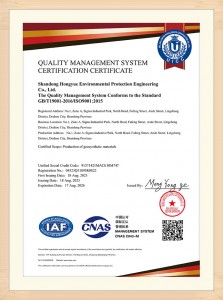
To guarantee consistent quality, we have passed the ISO9001 international quality system certification, ISO14000 environmental system certification, and ISO45001 occupational health and safety management system certification. Over the years, our commitment to excellence has earned us multiple accolades, including titles like "green and environmentally friendly building materials products," "famous Chinese brands," and "high-tech industries."
Today, Shandong Hongyue's sales network reaches more than 40 large and medium-sized cities across China (such as Shanghai and Beijing), with exports shipped to Europe, the United States, Australia, and key international infrastructure sites.
The reliability of geotextiles and geogrid mats depends entirely on raw material purity and execution during extrusion and curing. At Shandong Hongyue, we employ automated, closed-loop machinery that reduces variability in tensile strength, thickness, and elasticity. Below is a detailed look at our 6-step manufacturing workflow:
The primary raw materials—including premium polyester chips (PET), virgin polypropylene filament (PP), and high-density polyethylene (HDPE)—are thoroughly tested. UV stabilizers and carbon black are added to protect the geogrids against long-term sun exposure and oxidation.
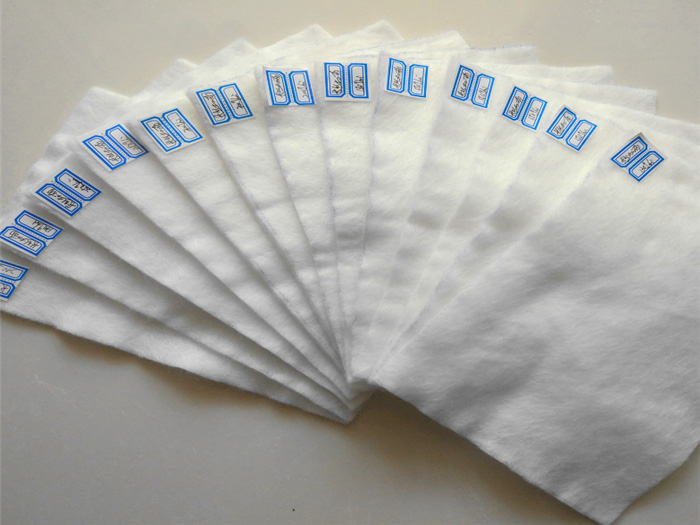
Materials are melted at high temperatures and extruded into sheets using a precision screw extruder. We carefully monitor temperature and pressure profiles to maintain molecular chain alignment and prevent micro-defects.
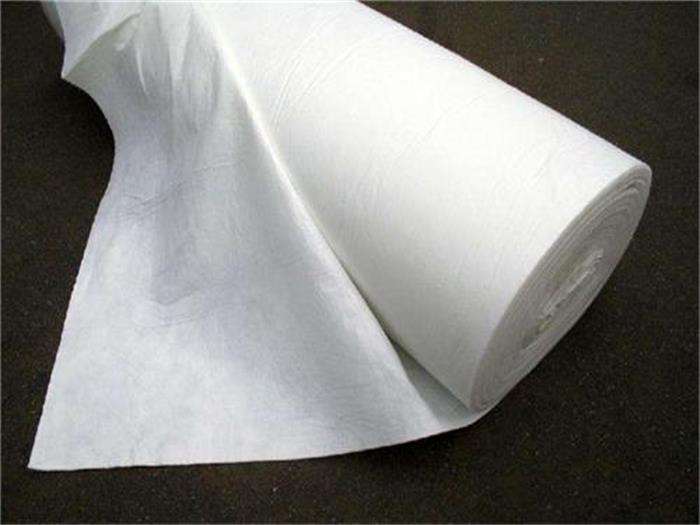
For geogrid structures, the solid sheets are punched with a precise pattern of holes. For geotextiles, fibers are laid down on conveyor systems to establish a web structure with controlled fiber orientation.
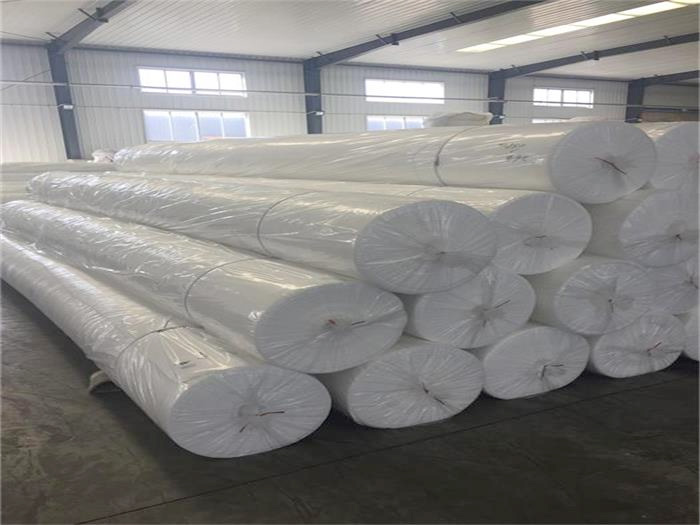
The punched polymer sheets undergo thermal stretching. This process aligns the polymer molecules along the direction of stretch, transforming a low-tensile sheet into highly oriented ribs with exceptional tensile strength and modulus.
Stretched materials pass through a temperature-controlled annealing oven. This step relieves internal stresses, stabilizes the final dimensions, and prevents future shrinkage or creep under long-term environmental loads.
Every batch is tested in our laboratory for tensile strength (ASTM D6637), junction efficiency, carbon black dispersion, and dimensional stability. Approved rolls are packed and labeled for shipment.
The performance of containment systems depends directly on material selection, surface preparation, and installation technique. Minor issues during laying or joint welding can compromise an entire system, leading to subgrade failure or environmental contamination.
Choosing the correct polymer and thickness is the first step in engineering. High-Density Polyethylene (HDPE) is the industry standard for landfills and chemical storage due to its chemical resistance, UV stability, and low permeability. Linear Low-Density Polyethylene (LLDPE) is preferred for projects requiring high flexibility, such as complex slopes and reservoirs.
Thicknesses typically range from 0.5mm to 2.5mm. Subgrade conditions with sharp aggregates require thicker liners, sometimes paired with non-woven protective geotextiles, to prevent puncture damage.
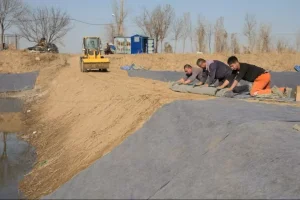
Before rolling out the geomembrane, the subgrade must be compacted and cleared of sharp rocks, roots, standing water, or debris.
When laying the material, avoid pulling it too tight. Allow a small amount of slack (typically 1-2%) to accommodate thermal contraction and expansion caused by temperature fluctuations. Panels should overlap by 100mm to 150mm. In windy conditions, temporary sandbags should be used to secure the edges until welding is complete.
Reliable seams are critical for containment systems. Dual-track hot wedge welding is used for long straight runs, creating a hollow center channel that can be pressurized with air to verify seam integrity. Extrusion welding is reserved for details, repairs, and pipe penetrations.
All welds must undergo Non-Destructive Testing (NDT), such as air pressure tests for double-track seams or vacuum box testing for single-pass welds. Defective areas must be patched, re-welded, and re-tested to ensure leak-free performance.
| Application Area | Recommended Material | Thickness Options | Primary Function |
|---|---|---|---|
| Municipal Solid Waste Landfills | HDPE Smooth / Textured Geomembrane | 1.5mm - 2.5mm | Containment & Leachate Prevention |
| Agricultural Reservoirs & Aquaculture | LLDPE / HDPE Membrane | 0.5mm - 1.0mm | Seepage Prevention |
| Highway Subgrade Reinforcement | Biaxial Plastic Geogrid Mat | N/A (Tensile 20-50 kN/m) | Load Distribution & Lateral Confinement |
| River Channel Slope Protection | Glass Fiber Cement Blanket / Geocells | Typical 100mm - 200mm Geocells | Erosion Control & Soil Retention |
Modern engineering projects require comprehensive containment and stabilization systems. Rather than relying on individual components, projects perform best when using integrated geosynthetic systems. Below are the configurations designed for heavy civil applications:
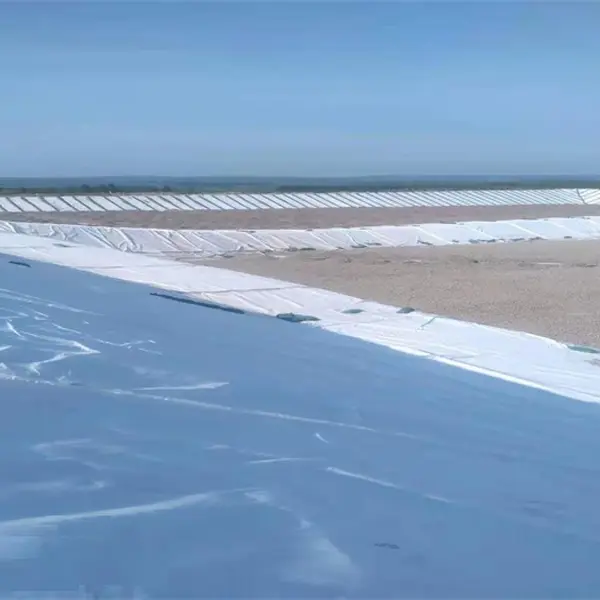
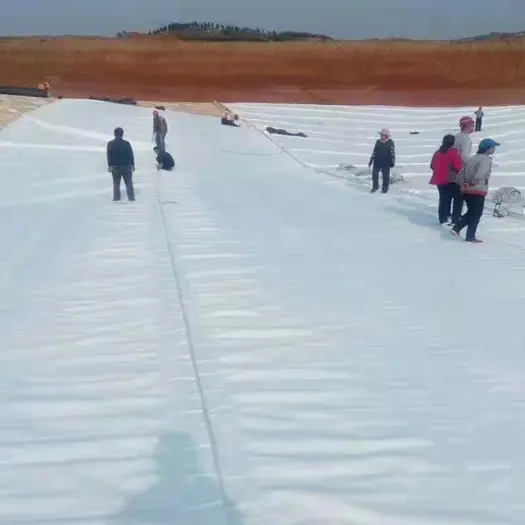
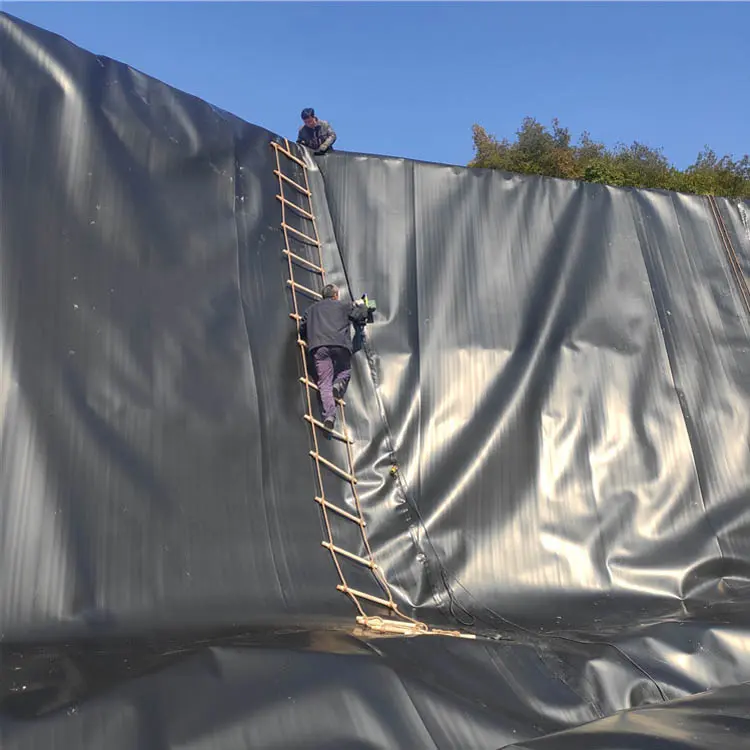
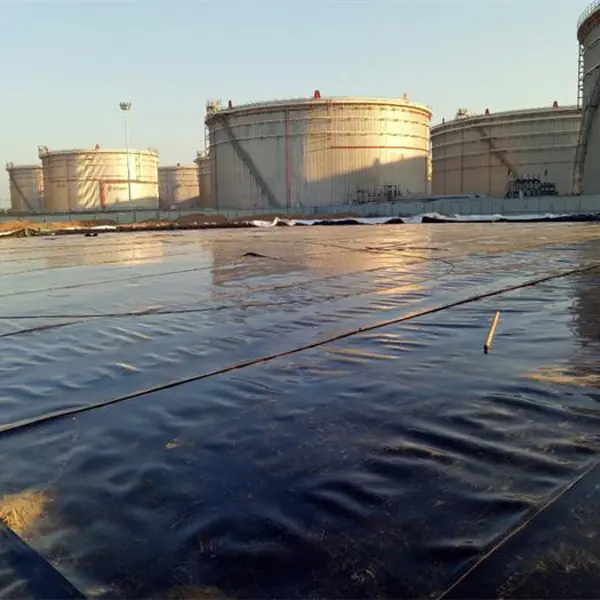
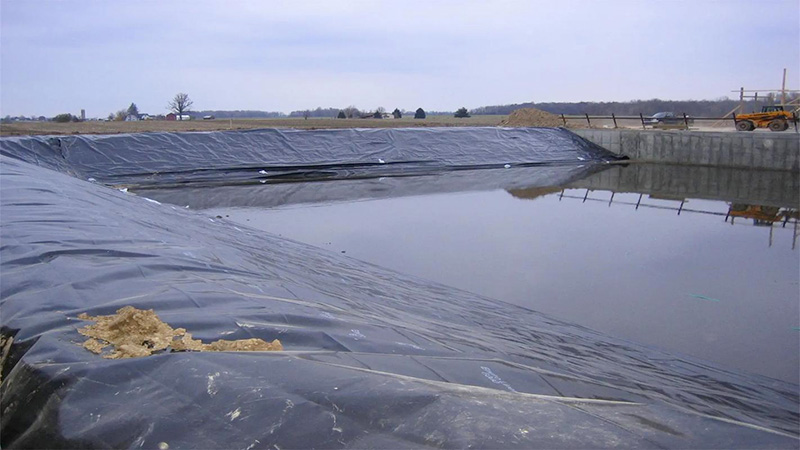
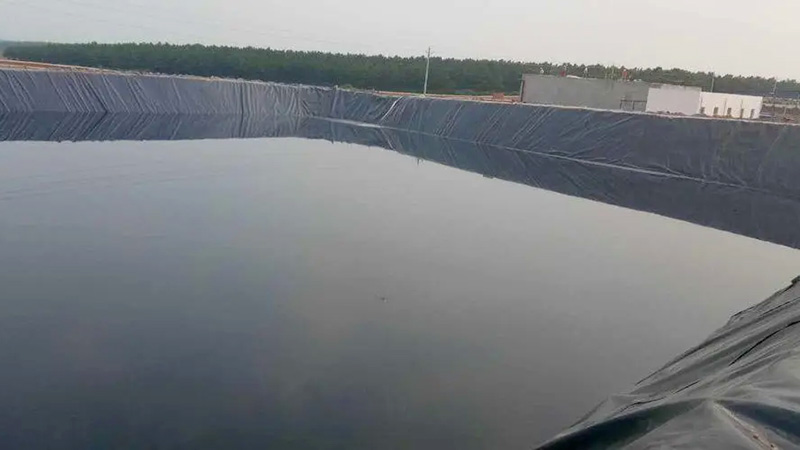
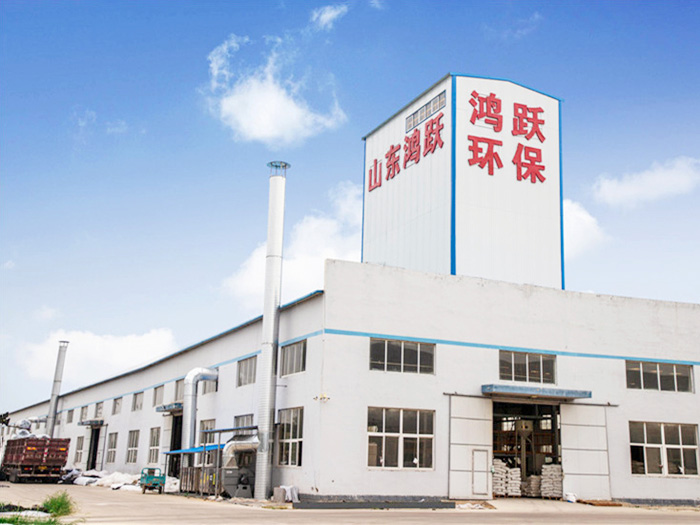
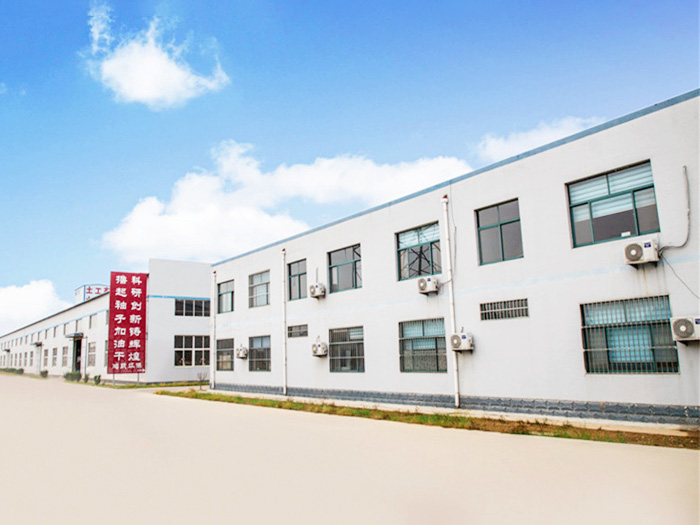
Reliable engineering materials require robust manufacturing infrastructure. Shandong Hongyue operates automated, high-output production lines capable of manufacturing wide-width geomembranes and geogrids. This reduces the number of seams required during field installation, speeding up project timelines and minimizing potential leak paths.
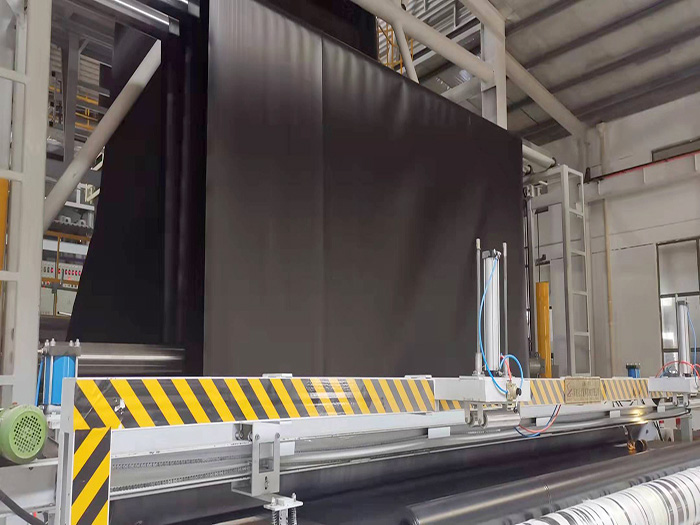
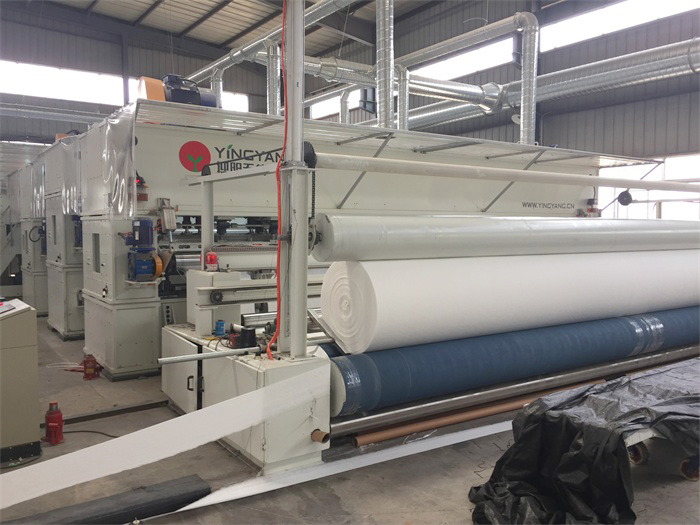
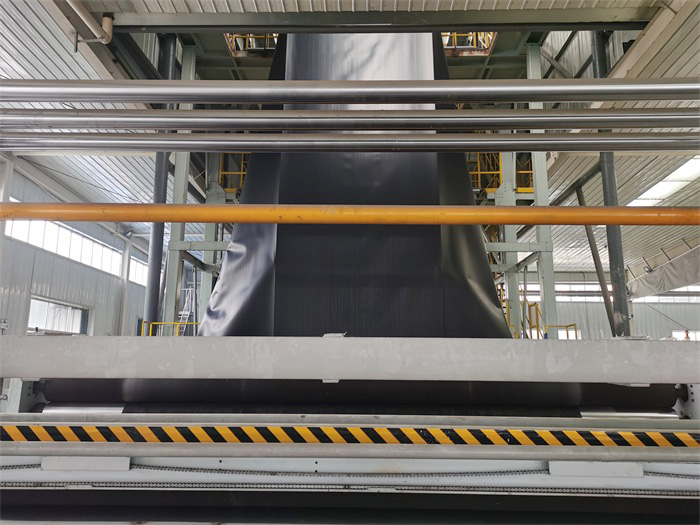
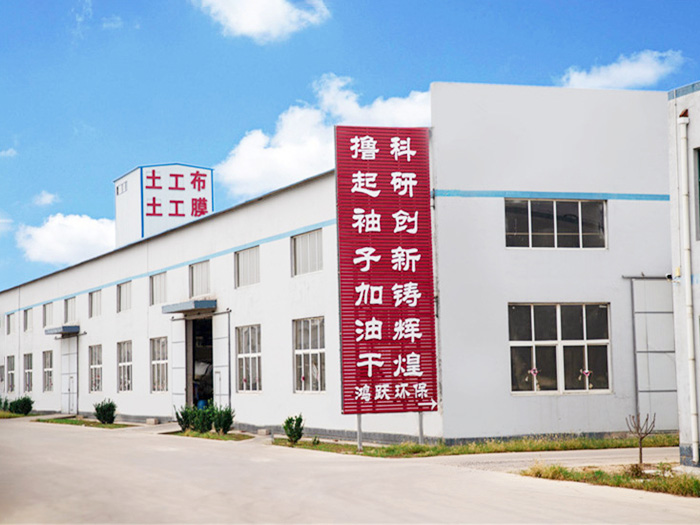
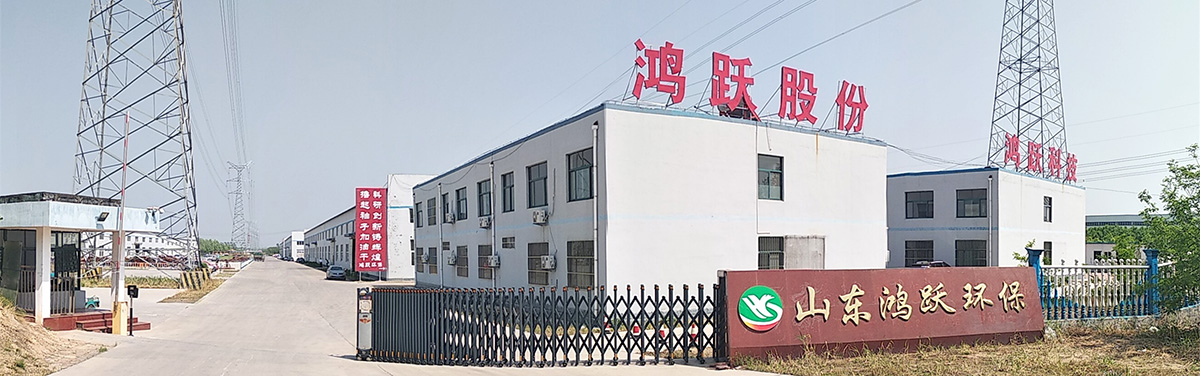
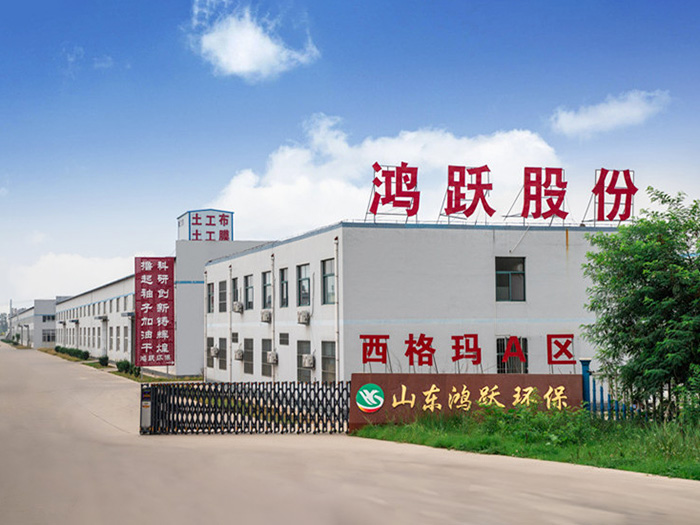
Our facility is situated in the Lingcheng District of Dezhou, Shandong. This strategic location near major transport links allows us to efficiently move large volumes of material to regional ports for prompt international dispatch.
Common questions regarding the selection, application, and design of geogrids, geocells, and environmental barrier systems.
At Shandong Hongyue, our Quality Control team tests every batch against project specifications. We maintain trace records from raw material receipt to final dispatch, ensuring complete transparency for all shipments.
Explore our technical drainage nets, uniaxial and plastic geogrids, concrete canvas options, and geocells designed for high-performance projects.
 Hongyue