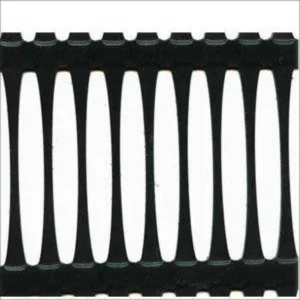
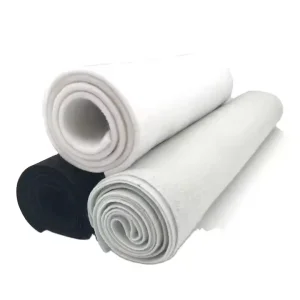
Engineered high-performance materials for drainage, filtration, reinforcement, and containment
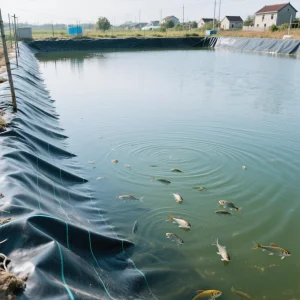
Technical analysis of modern biaxial soil reinforcement solutions
The BX1200 Biaxial Geogrid represents a pinnacle in geosynthetic soil reinforcement, engineered using high-molecular-weight polypropylene (PP) extruded and stretched in both longitudinal and transverse directions. This molecular alignment gives the geogrid an extremely high tensile strength at low elongation values, making it highly effective at distributing mechanical loads and arresting shear stress within civil substrates.
Designed for multi-directional load redistribution, BX1200 geogrids are primarily applied in soft soil stabilization, roadbase reinforcement, airport runways, and heavy railway subgrades. By interlocking aggregates within the aperture openings, the geogrid locks the aggregate base in place, reducing lateral shifting, subgrade deformations, and the overall thickness of aggregate layers required for structural stability by up to 40%.
In modern geotechnical engineering, the implementation of biaxial geogrids like the BX1200 has shifted from an optional enhancement to a standard mandate for high-traffic infrastructure projects. The mechanical benefits are backed by decades of laboratory research and real-world performance validation across multiple continents.
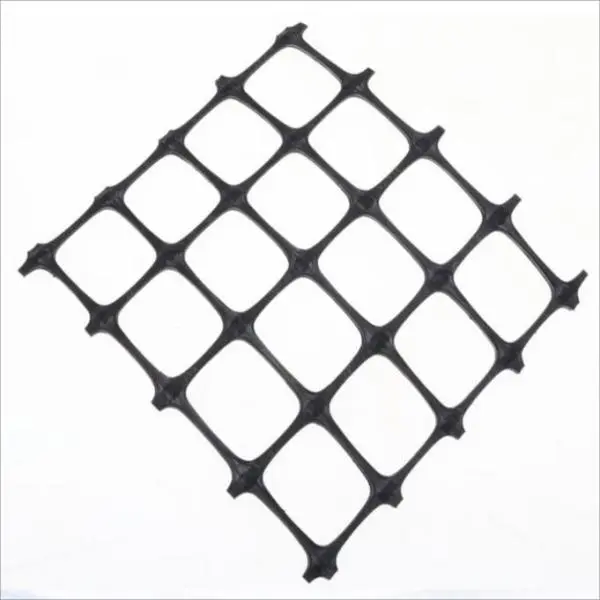
Engineered junctions designed to withstand high torque and stress transfer without structural failure.
Precise square or rectangular apertures that maximize mechanical interlock with varying stone fill sizes.
Fully resistant to biological degradation and high acid/alkaline soil conditions (pH 2 to 12).
Significantly increases the service life of paved and unpaved surfaces by preventing localized shearing.
A premier Chinese base for environmental & geotechnical materials manufacturing
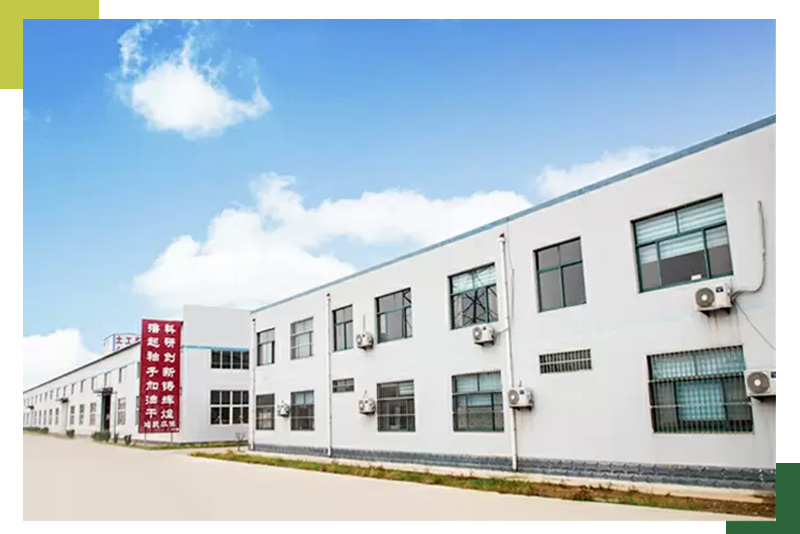
Shandong Hongyue Environmental Engineering Co., Ltd., located at the north end of Fufeng Street, Lingcheng District, Dezhou, Shandong Province, is a scientific and technological geotechnical material manufacturer integrating engineering material production, sales, design and construction services.
The company was registered in the Lingcheng District Market Supervision and Administration Bureau of Dezhou City on April 6, 2023, with a registered capital of 105 million yuan. It is one of the largest production bases of geotechnical materials in China at present, enjoying a superior geographical location and highly convenient logistics transportation networks connected to major international ports like Qingdao and Tianjin.
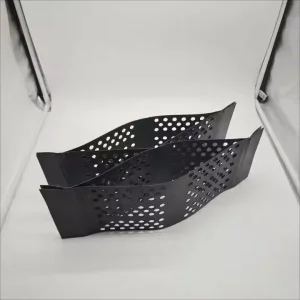
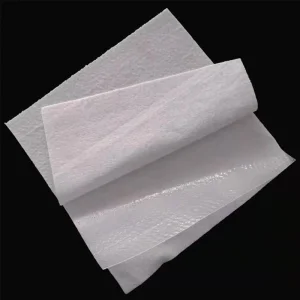
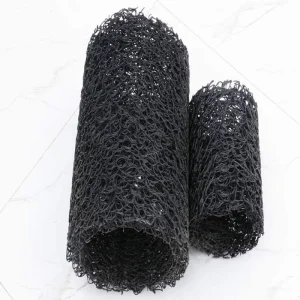
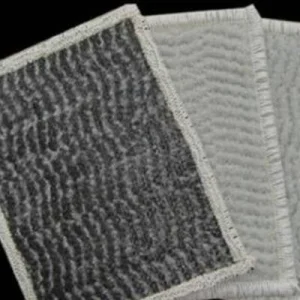
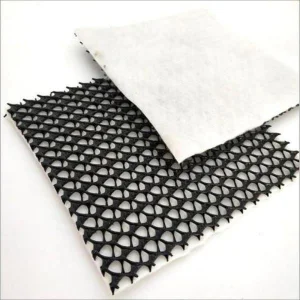
Shandong Hongyue specializes in the production, research, development, and global trade of geotextiles, geomembranes, composite geomembranes, waterproof boards, bentonite waterproof blankets (GCL), 3D composite drainage nets, (composite) drainage boards, geogrids, blind ditches, concrete blankets, and other modern geosynthetic systems.
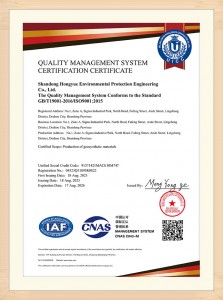
International Quality System
Certified standard production management ensuring consistent roll performance and zero-defect batches.
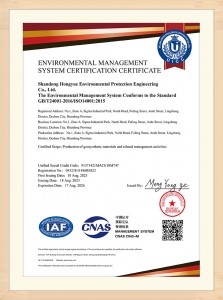
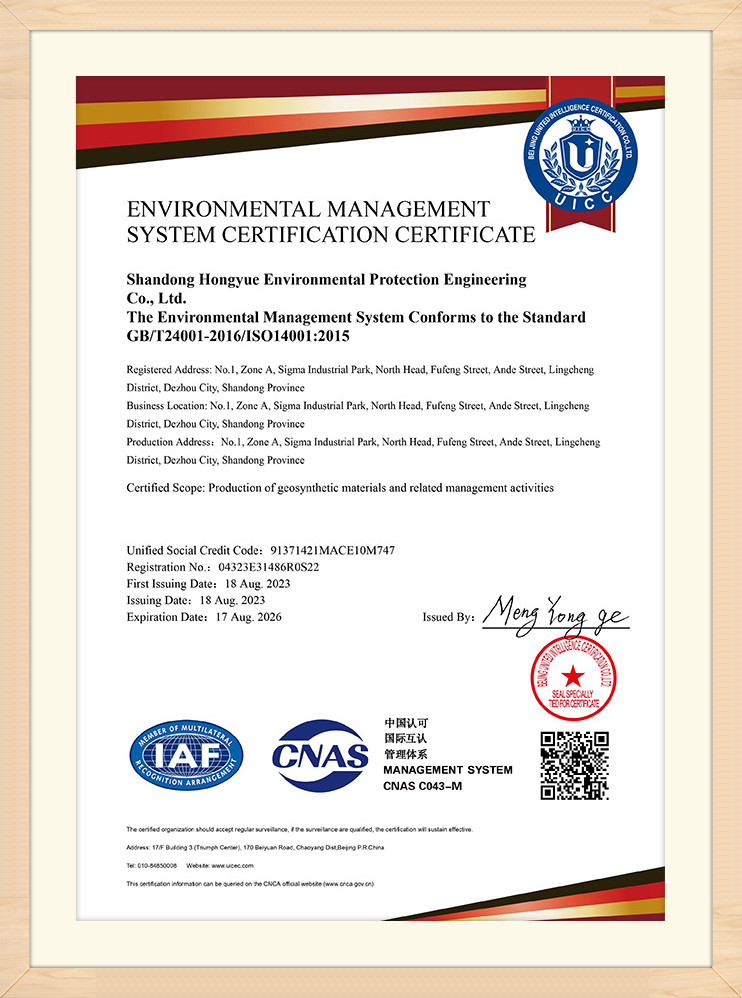
Environmental Management
Environmentally optimized production processes matching global sustainable engineering mandates.
Occupational Health & Safety
Strict labor protection regulations ensuring factory line safety and stable, high-quality production outputs.
Decarbonization, infrastructure resilience, and supply chain demands
In the wake of global environmental challenges, procurement departments for large-scale infrastructure projects are shifting towards solutions that actively reduce carbon emissions. Traditional road construction requires massive amounts of gravel, aggregate, and asphalt. By implementing a high-performance biaxial geogrid like the BX1200, civil engineers can reduce the aggregate base layer thickness by up to 50% while achieving identical structural load capacities.
This translates to fewer aggregate transport trips, less energy consumption in quarrying, and a dramatic decrease in the overall carbon footprint of the project. This makes geogrids a core component of "green building" initiatives internationally.
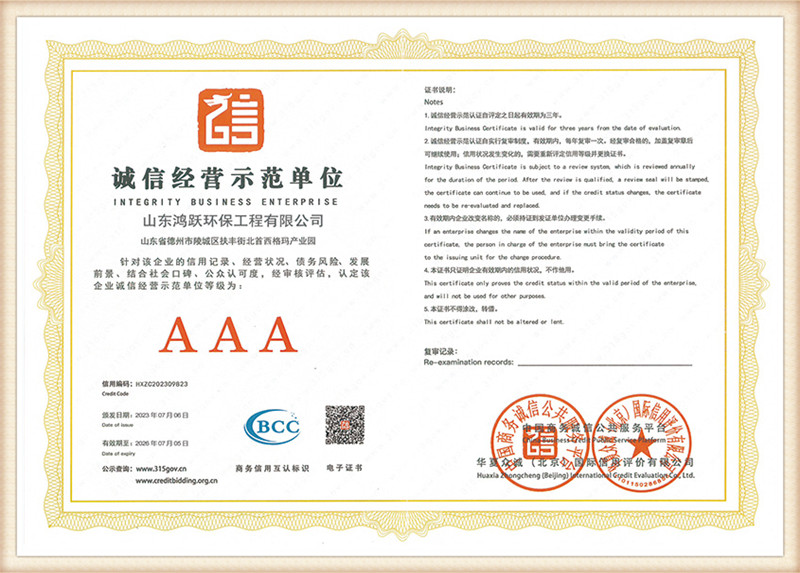
Purchasing agents from North America, Europe, Australia, and parts of Asia require materials that strictly align with certifications like CE marking, ASTM standards, and local DOT (Department of Transportation) approvals. As a verified member of the Dezhou Geotextile Association, Shandong Hongyue manufactures products that undergo testing through accredited third-party laboratories. This ensures that every shipped batch of geogrid meets or exceeds the mechanical properties listed in the technical data sheets.
A step-by-step look at our automated fabrication lines
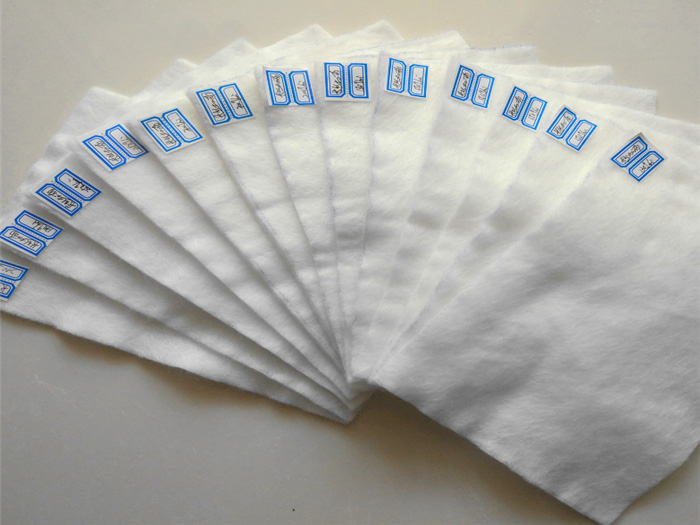
Using virgin polyester chips, polypropylene filament, and high-performance resins. Raw materials are tested for viscosity and density to guarantee baseline performance.
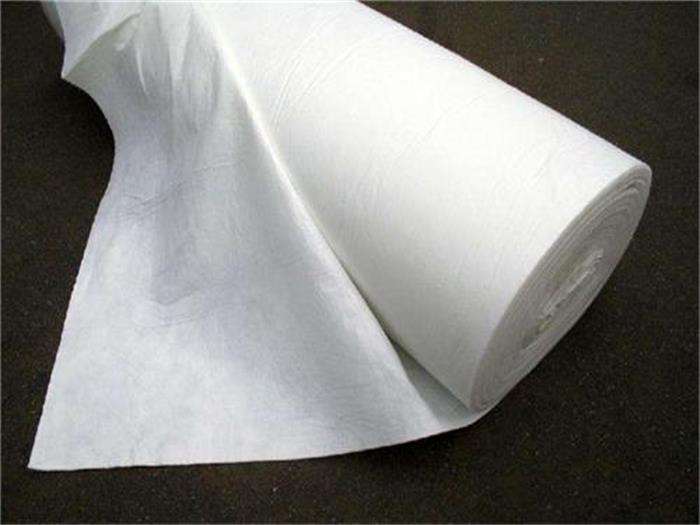
Extruders melt polymers under highly controlled temperatures, transforming them into fibers that lay down uniformly on advanced conveyor belts to form the network.
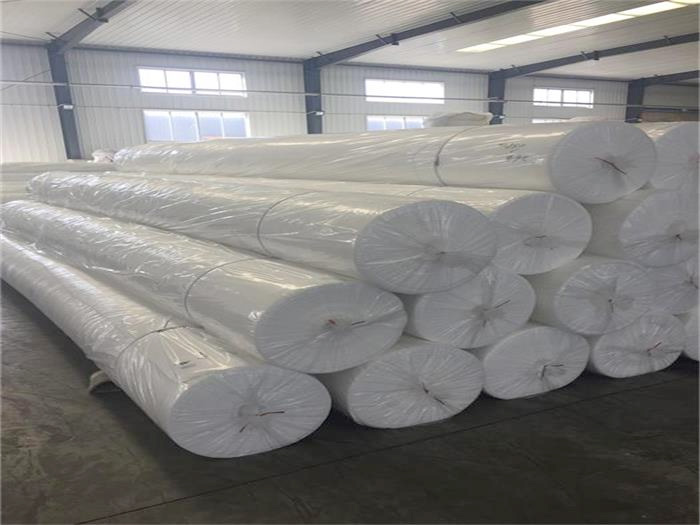
Fibers undergo heat-drafting to lock molecular structures, giving them tensile strength. Rolls are measured, packed, and labeled with QC tracking barcodes.
Geomembranes, Geogrids, and Composites in environmental projects
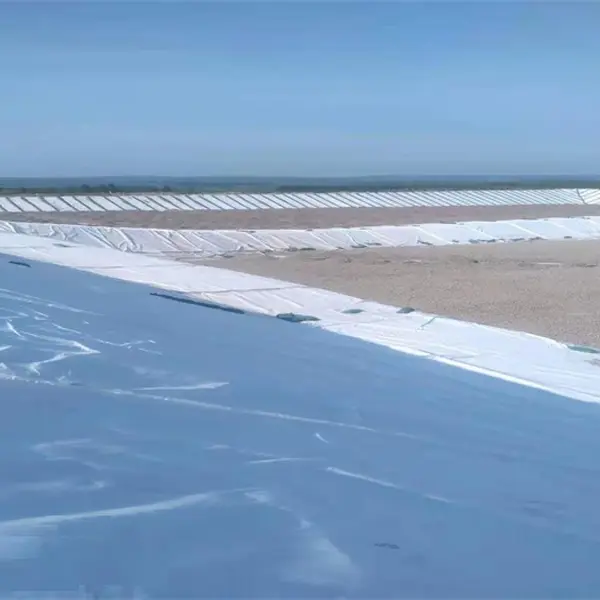
Providing structural waterproof layers for dams, canals, and water containment reservoirs.
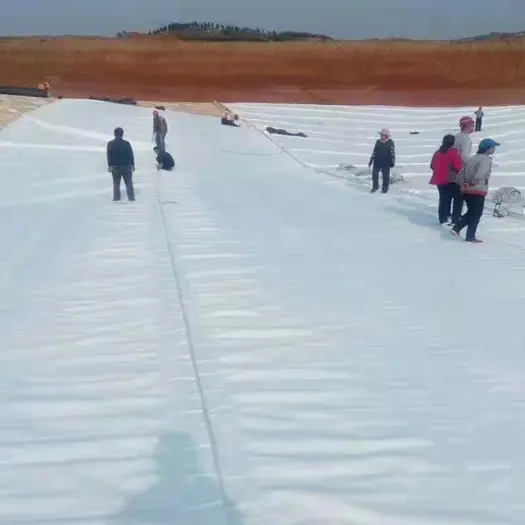
Preventing water loss and bank erosion in ecological water channels and river bypasses.
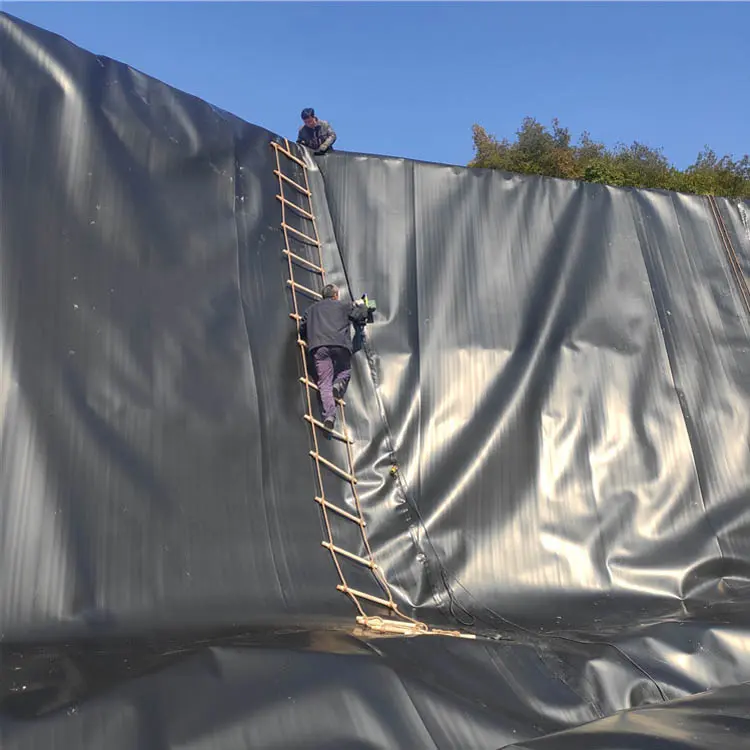
Protecting local water tables and soil systems by capturing toxic municipal runoff/leachate.
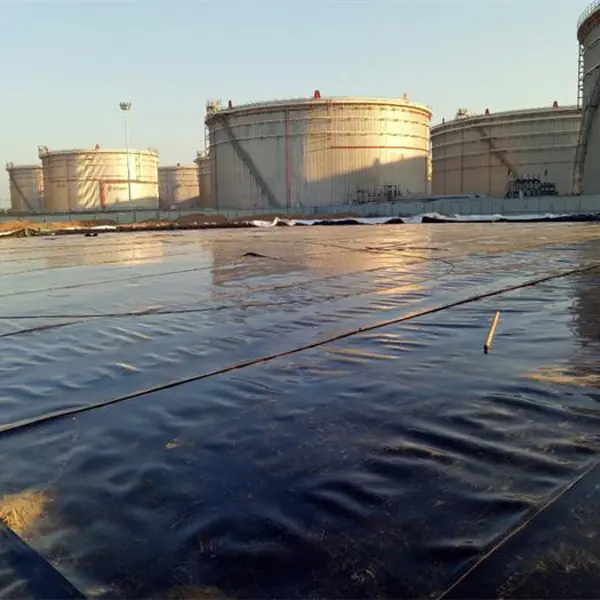
Creating chemical-resistant barriers to safely contain petro-chemical leakages in industrial terminals.
How Shandong Hongyue maintains consistent international standards
Our onsite laboratories are equipped with modern testing instruments to analyze the physical and mechanical properties of our products. Tests include tensile strength, tear resistance, carbon black content dispersion, hydraulic conductivity, and puncture resistance.
All products exceed the inspection standard requirements of the State Administration of Quality Supervision and Inspection of China, and match international testing methodologies defined by ASTM and ISO. Our engineers and technicians have over 10 years of onsite installation support experience, helping our clients execute their projects safely and effectively.
Step-by-step guidance to ensure long-term engineering safety
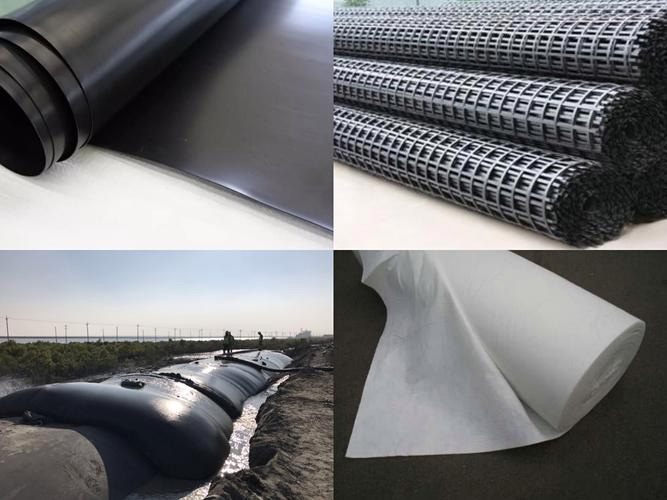
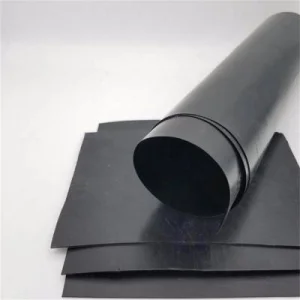
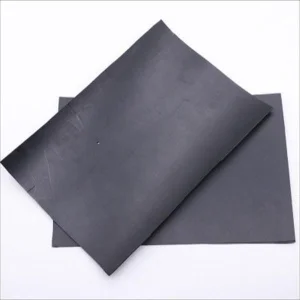
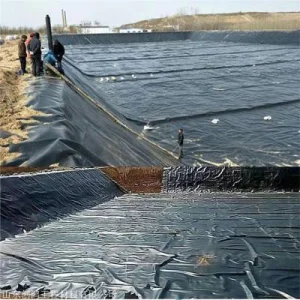
It is crucial to match material selection with local soil chemistry and stress fields. Geomembranes are available in High-Density Polyethylene (HDPE) for peak chemical resistance and UV exposure, and Linear Low-Density Polyethylene (LLDPE) for applications requiring high elongation and flexibility. Standard thicknesses range from 0.3mm to 2.0mm depending on hydraulic pressure profiles.
Before laying, the subgrade must be rolled smooth and cleared of all sharp objects, organic debris, and standing water. The geomembrane must be deployed with adequate slack (typically 2-3% extra) to account for thermal expansion and contraction. Thermal fusion welding should be performed using dual-track wedge welders, with non-destructive air-pressure testing conducted on all seams.
Regular maintenance will prolong structural longevity. Periodically clean the surface of the geomembrane to remove silt and dirt that might harbor harmful vegetation. Perform inspection walks to detect external damage, physical punctures, or signs of localized slope shifts, executing immediate patches using extrusion welds when necessary.
Real-world deployments of geosynthetic systems
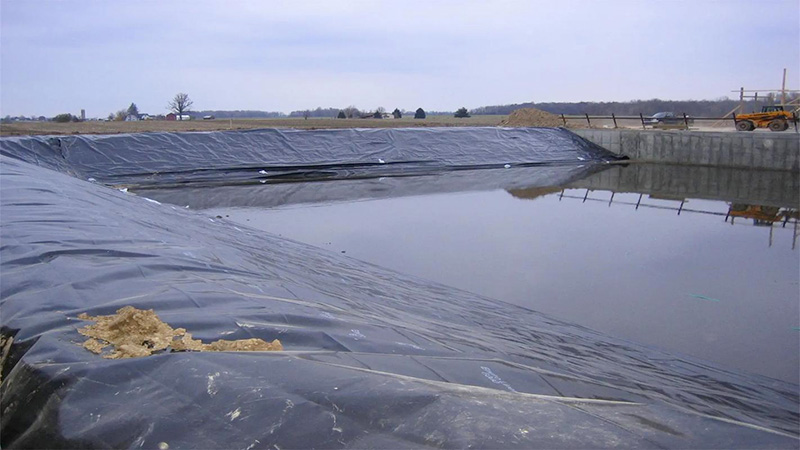
Reservoir construction in complex geological valleys requires highly stable baseline systems. Our HDPE geomembranes prevent sub-base leakage, safeguarding precious water supplies.
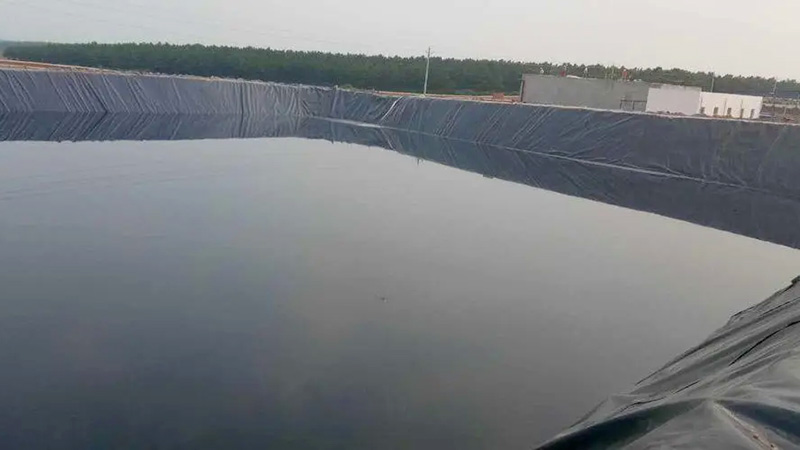
Reinforcing dykes and structural embankments to prevent erosion from high-energy river currents, safeguarding nearby farmland and municipal developments.
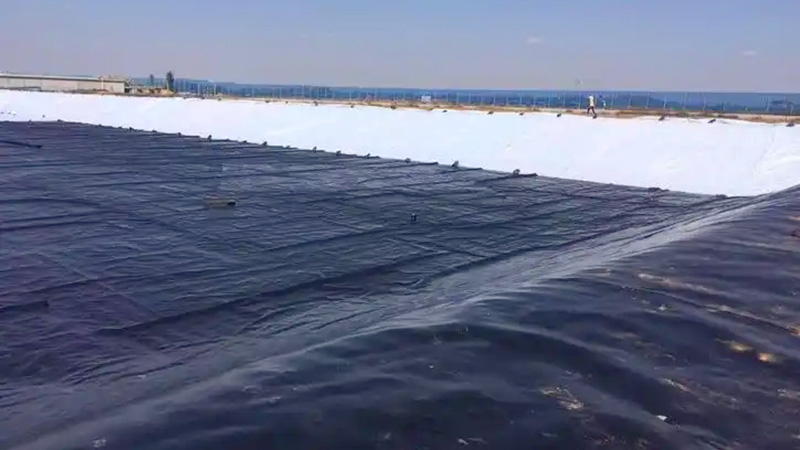
Providing lining systems that stabilize river banks, prevent slope failure, control silt movement, and encourage natural ecological restoration.
Answering critical queries about Geogrid procurement and application
Uniaxial geogrids are stretched in only one direction (machine direction) to provide high tensile strength primarily for retaining walls, steep slopes, and landslide repair. Biaxial geogrids, such as the BX1200, are stretched in both directions (machine and cross-machine directions) to distribute radial stresses over a wide area, making them ideal for roadbed, runway, and railway subgrade stabilization.
By locking aggregate particles in place, the BX1200 geogrid increases the load-bearing capacity of weak subgrades. This mechanism reduces the required thickness of expensive aggregate base courses by up to 50%. It also shortens construction times, minimizes transport costs for backfill materials, and extends the overall pavement life, lowering long-term maintenance costs.
Shandong Hongyue Environmental Engineering Co., Ltd. is certified to ISO9001 quality management, ISO14000 environmental management, and ISO45001 occupational health and safety standards. Our products have also passed certifications by the China National Testing Center, and comply with CE standards for export to European markets.
Yes, our high-density polyethylene (HDPE) geomembranes and polypropylene (PP) geogrids are designed to remain stable and functional in extreme temperatures ranging from -60°C to +60°C. They also contain UV stabilizers and carbon black additives to prevent degradation from sun exposure.
Because our factory is based in Dezhou, Shandong, we enjoy proximity to major shipping terminals like Qingdao Port. For standard specifications, order production and loading can be completed in 7 to 15 days. Customized specifications are scheduled according to order size and raw material requirements.
High-quality geosynthetic materials for international export
 Hongyue