High-performance engineering materials conforming to European CE and ISO quality control standards, ensuring structural integrity and longevity in civil applications.
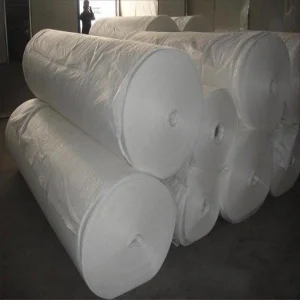
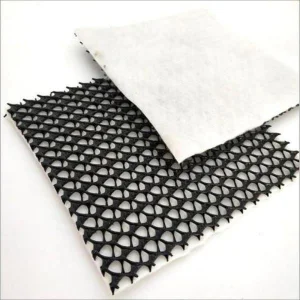
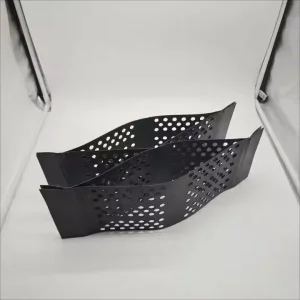
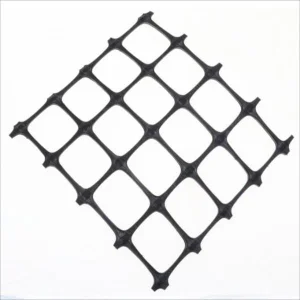
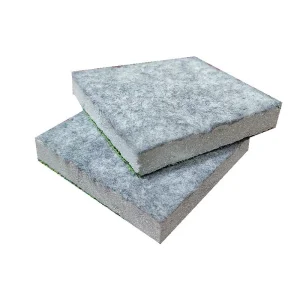
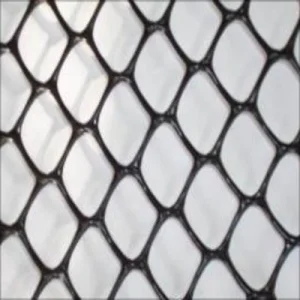
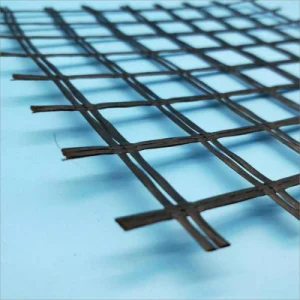
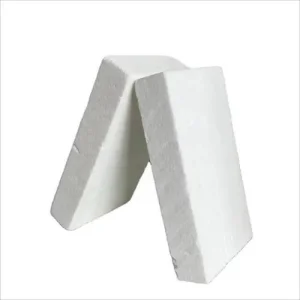
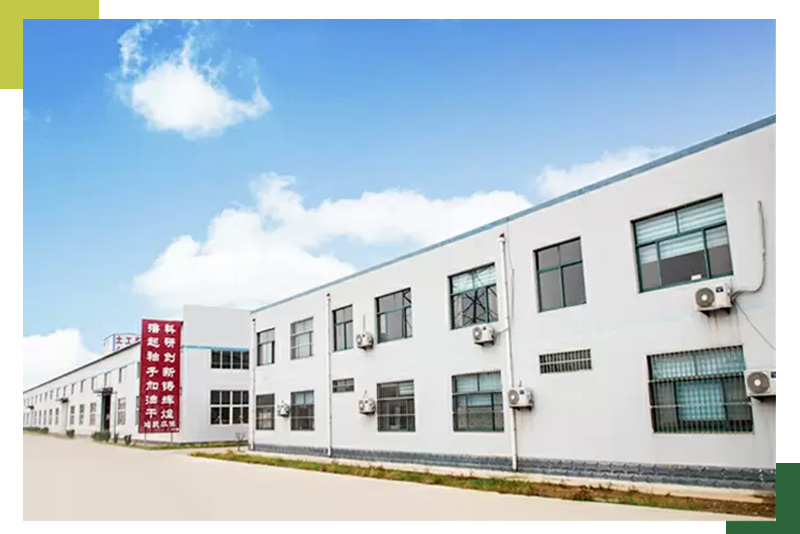
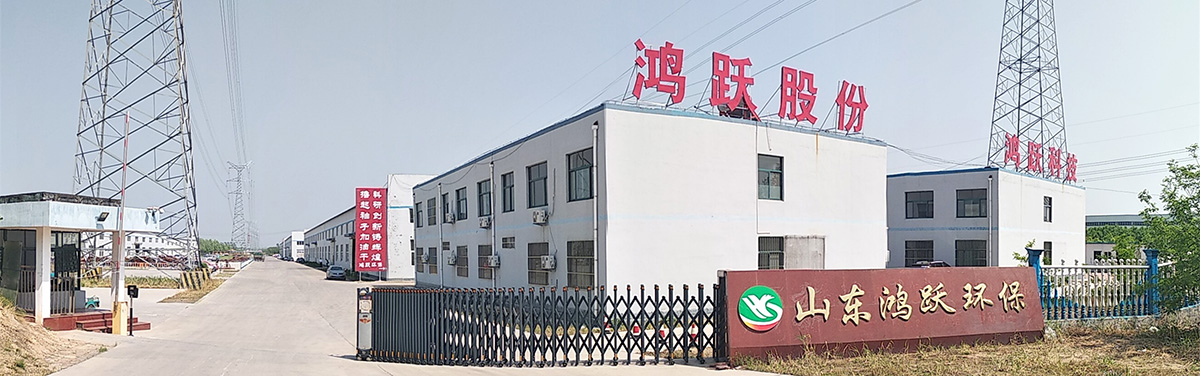
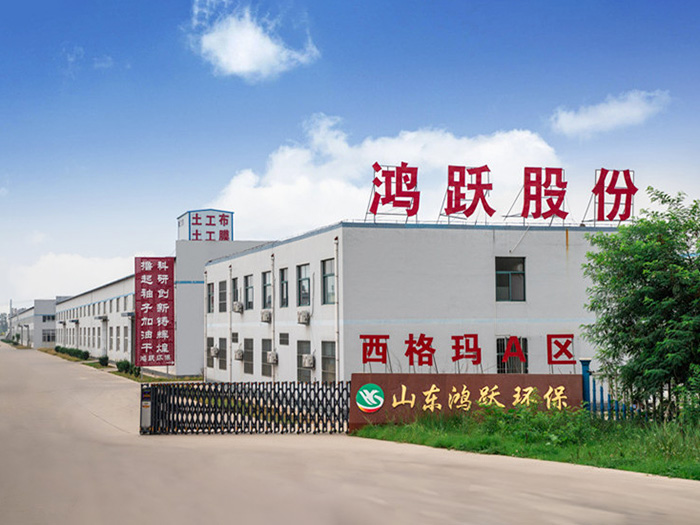
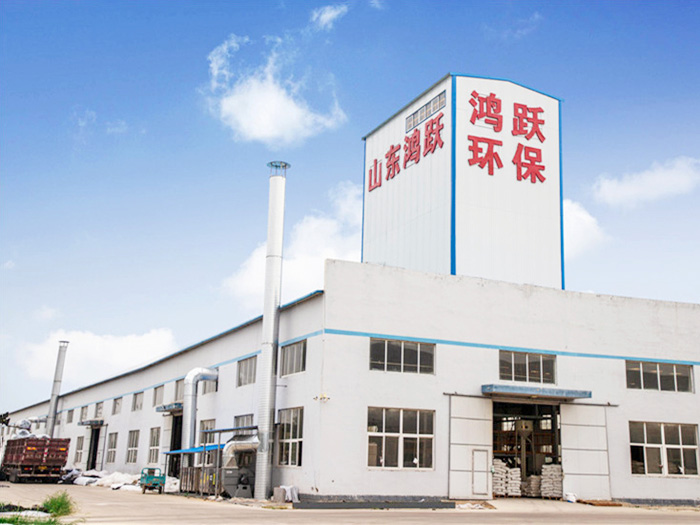
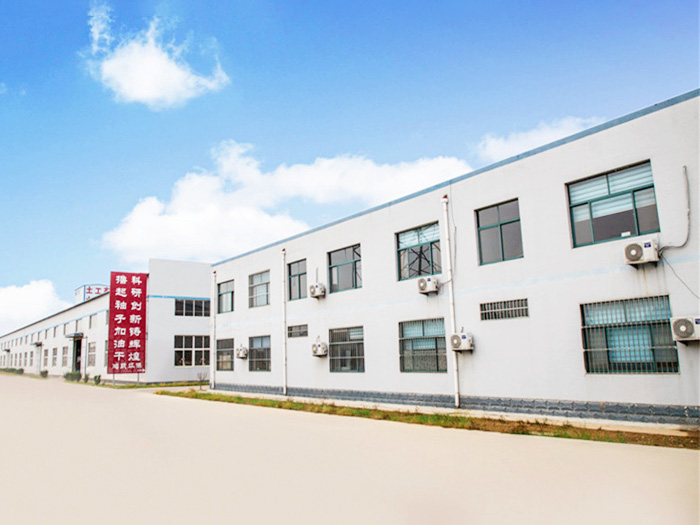
Shandong Hongyue Environmental Engineering Co., Ltd., located at the north end of Fufeng Street, Lingcheng District, Dezhou, Shandong Province, is a scientific and technological geotechnical material manufacturer integrating engineering material production, sales, design, and construction services. The company was registered in the Lingcheng District Market Supervision and Administration Bureau of Dezhou City on April 6, 2023, with a substantial registered capital of 105 million yuan. We have evolved into one of the largest and most advanced production bases of geotechnical materials in China, benefiting from a superior geographical location and highly convenient transportation networks.
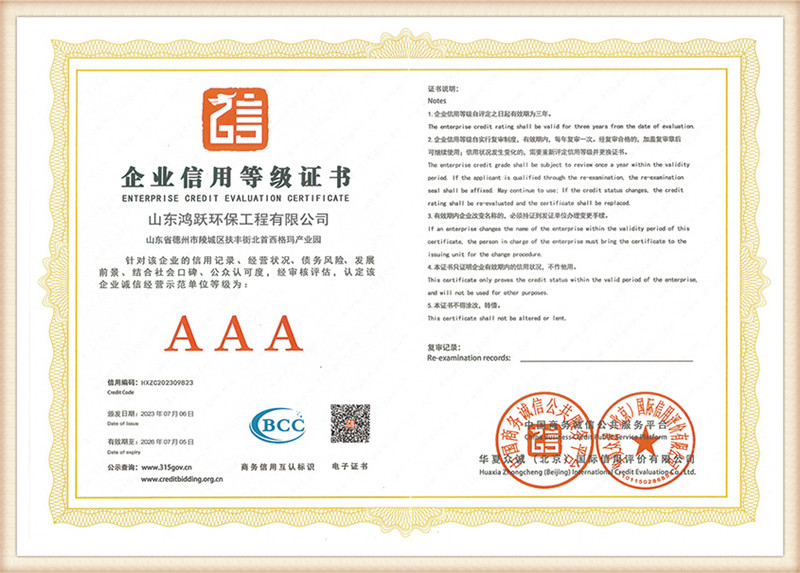
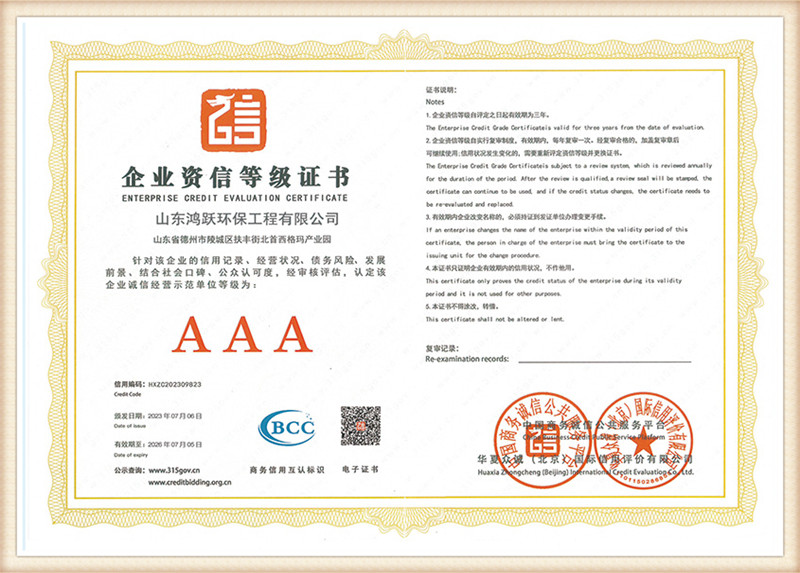
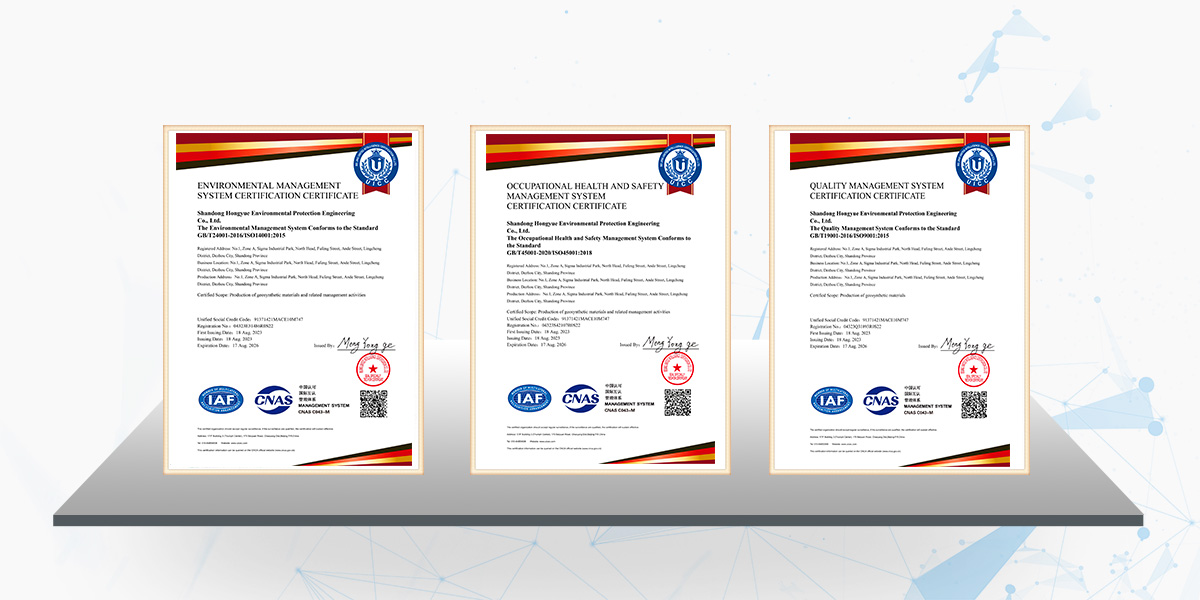
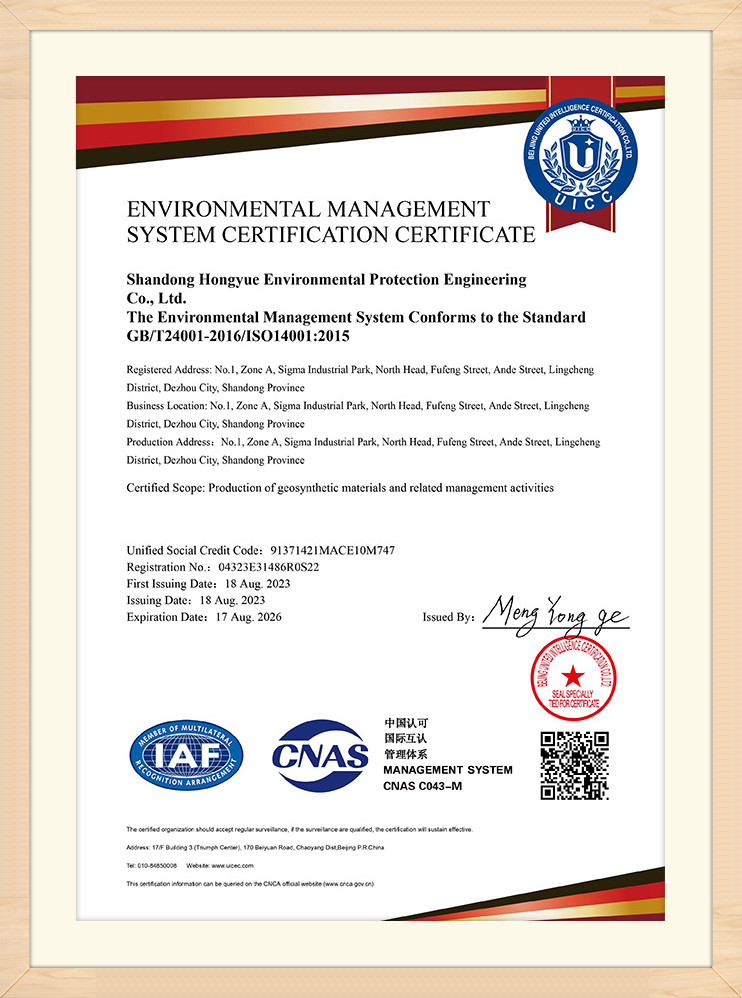
Global Quality Alignment: Our company has successively passed the ISO9001 international quality system certification, ISO14000 environmental system certification, and ISO45001 occupational health and safety management system certification. We have won multiple honors such as "green and environmentally friendly building materials products", "no consumer complaints", "famous Chinese brands", "high-tech industries", "quality service double excellent units", and "provincial-level poverty alleviation leading enterprises".
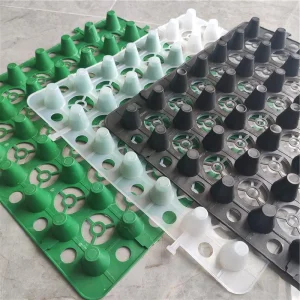
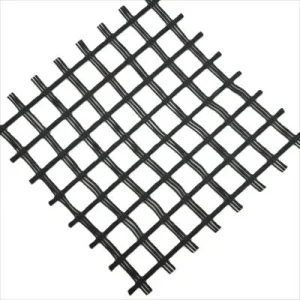
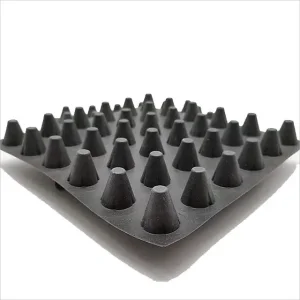
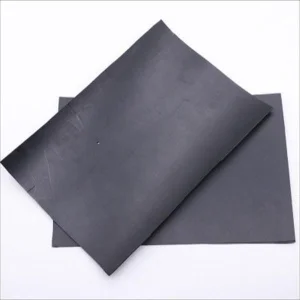
Our core business encompasses an integrated catalog: geotextiles, geomembranes, composite geomembranes, waterproof boards, bentonite waterproof blankets, 3D composite drainage nets, drainage boards, woven and non-woven fabrics, membrane bags, blind ditches, waterproof and drainage combinations, ecological bags, cement blankets, fiber plant blankets, and flexible pervious pipes. The products are widely used in key projects in various provinces and cities across China and exported to multiple countries in Europe, North America, Australia, and Southeast Asia.
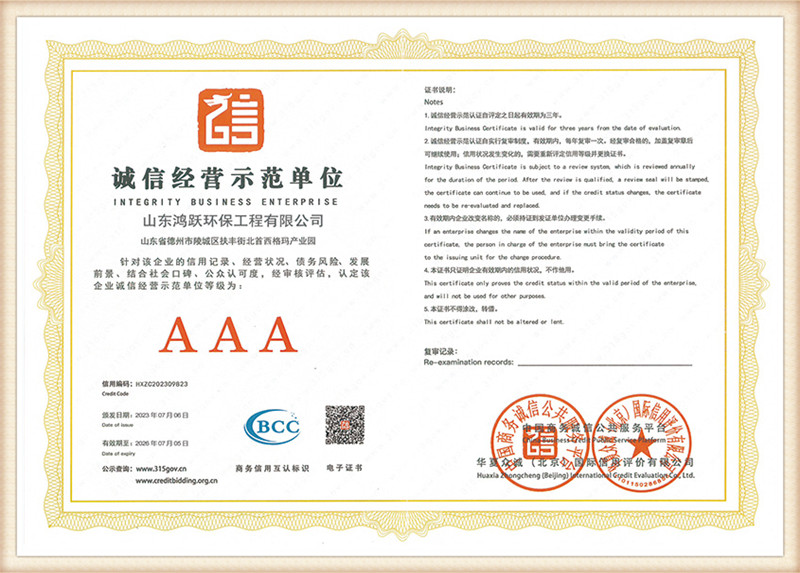
Understanding the technical imperatives driving high-performance geosynthetics in modern structural engineering.
CE Certification (conforming to EN 13249 to EN 13256 standards) guarantees that geotextiles meet rigorous mechanical and hydraulic requirements. In European civil engineering, CE marking validates key indexes: static puncture resistance (CBR test), dynamic perforation (cone drop), pore size distribution (O90), and water permeability normal to the plane.
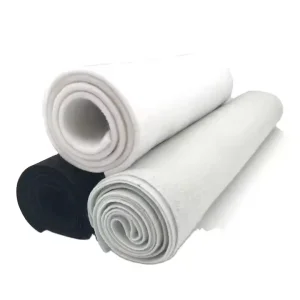
Geotextiles act as a crucial interface between soil structure and drainage elements. Our customized PP and PET non-woven needle-punched geotextiles provide optimum tensile properties coupled with high hydraulic transmissivity, crucial for mitigating structural degradation due to hydrostatic pressure.
With climate change intensifying subgrade erosion, infrastructure requires materials engineered for long-term aging resistance. Shandong Hongyue integrates UV stabilizers and antioxidant formulations during melt extrusion to prevent degradation in alkaline, acid, and biologically active subsoils.
Geotextiles are not uniform commodities; their characteristics must match the localized geo-hydrological conditions of the construction site. For instance, in cold climates like Northern Europe or Canada, frost heave can cause significant damage to transport infrastructure. Implementing non-woven geotextiles as an isolation layer prevents the migration of fine-grained frost-susceptible silts into coarse drainage subbases, securing road integrity.
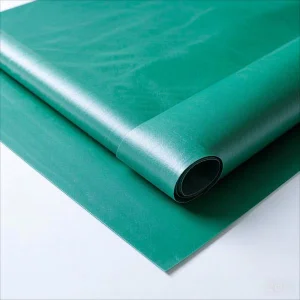
In water conservancy projects—such as the revitalization of rivers, canals, and agricultural reservoirs—geotextiles are combined with high-density geomembranes to create composite barriers. In these environments, the geomembrane provides a zero-permeability barrier, while the geotextile protects it against mechanical puncture from coarse gravel and stone pitching, while facilitating safe pore-water pressure dissipation.
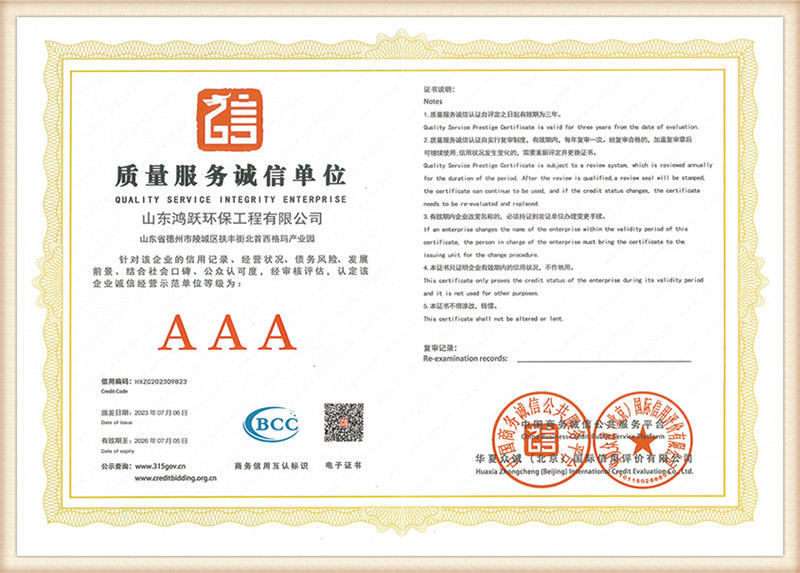
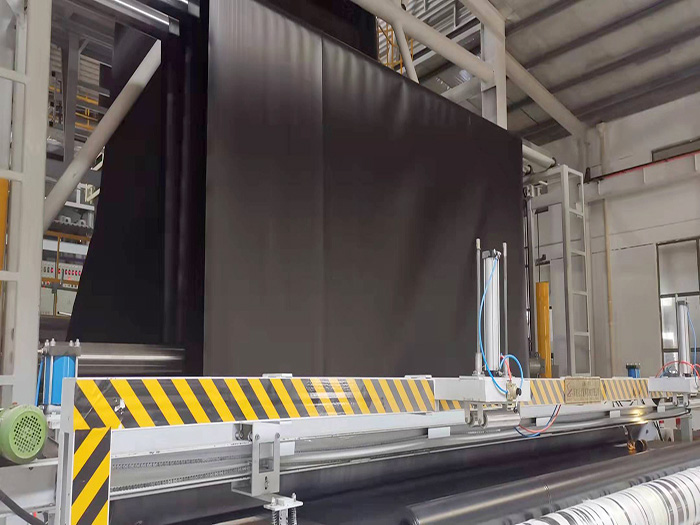
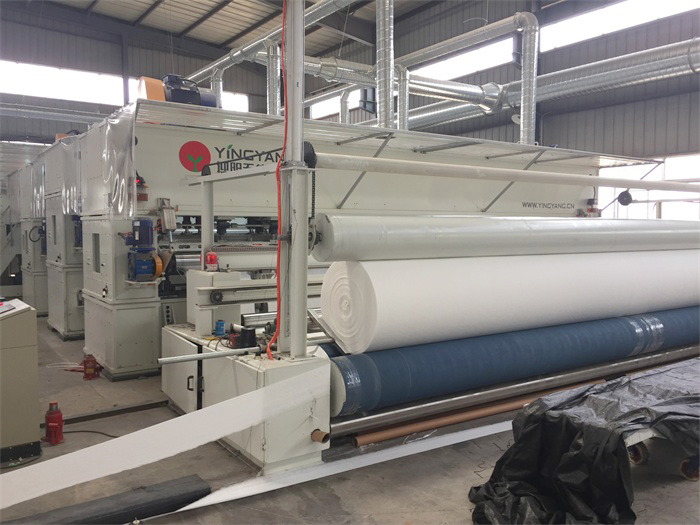
Every roll of Shandong Hongyue geotextile is engineered through a state-of-the-art process that ensures maximum physical uniformity, durability, and stress tolerance.
The manufacturing process begins with the selection of high-grade raw materials: polyester (PET) chips, polypropylene (PP) filaments, and viscose fibers. These materials undergo strict entry inspections to evaluate molecular weight consistency, moisture content, and chemical purity. Only raw materials meeting international safety and technical standards are sent to production.
Polyester chips are heated to their specific melting point inside a screw extruder. Polypropylene filament and viscose fiber are added to create a homogeneous molten blend. Automated thermal control systems maintain temperature and pressure within ±0.5°C to ensure the uniform flow of the polymer without thermal degradation.
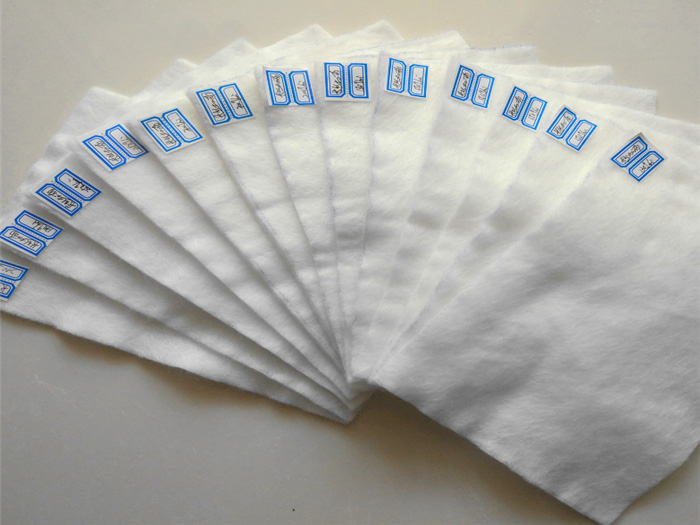
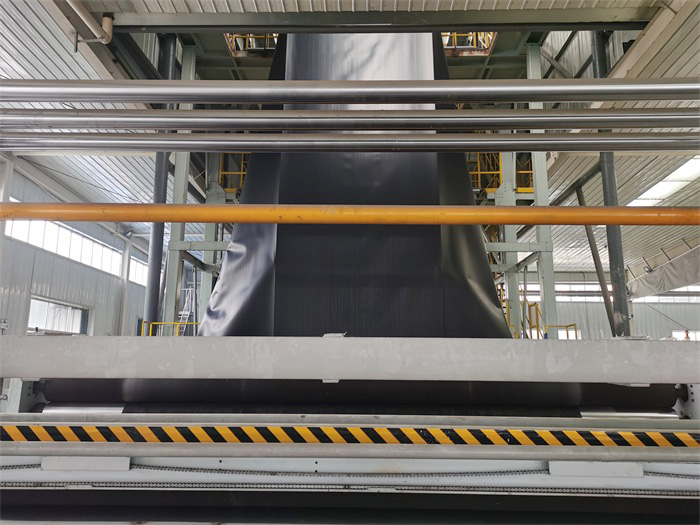
The molten mixture is forced through micro-spinneret nozzles to form continuous micro-fibers. These fibers are laid onto a moving conveyor belt system to form a uniform web structure. Fiber orientation, density, and thickness are monitored continuously using non-contact optical sensors.
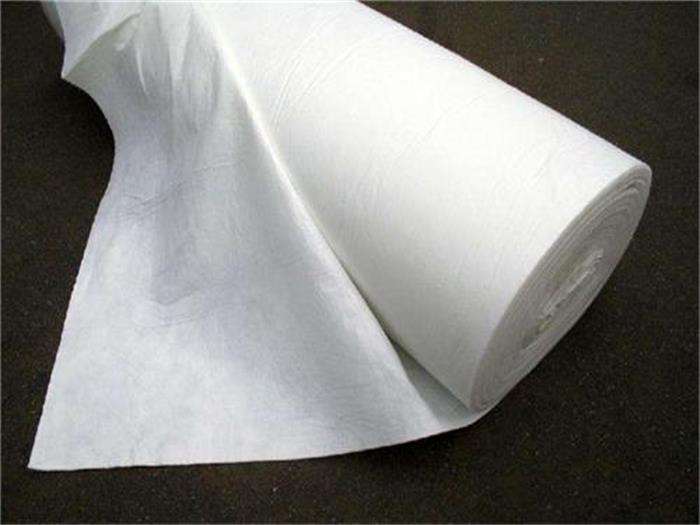
The loose web undergoes structural curing. In non-woven production, mechanical needle punching arrays with thousands of barbed needles interlock the fibers, enhancing the mechanical strength. Control systems manage the needle-punching frequency and speed to guarantee the required tensile strength and pore-size distribution.
Cured geotextiles are rolled, measured for length, width, and thickness, and trimmed to meet project designs. Each roll is packed using protective, moisture-resistant packaging to prevent weathering during international transport.
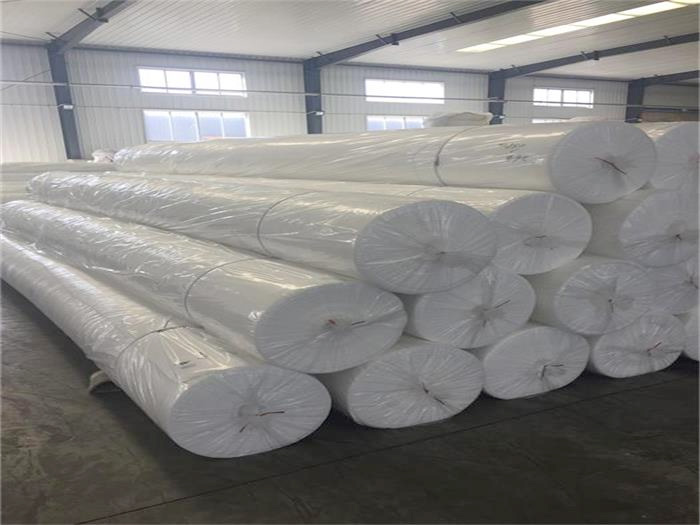
Samples from every batch are tested in our certified laboratory. Physical inspections include checking tensile strength, CBR puncture resistance, elongation at break, and permeability. Chemical testing verifies UV resistance and acid-alkali tolerance. Only certified batches are cleared for delivery.
Technical parameters for successful site preparation, material deployment, and long-term maintenance.
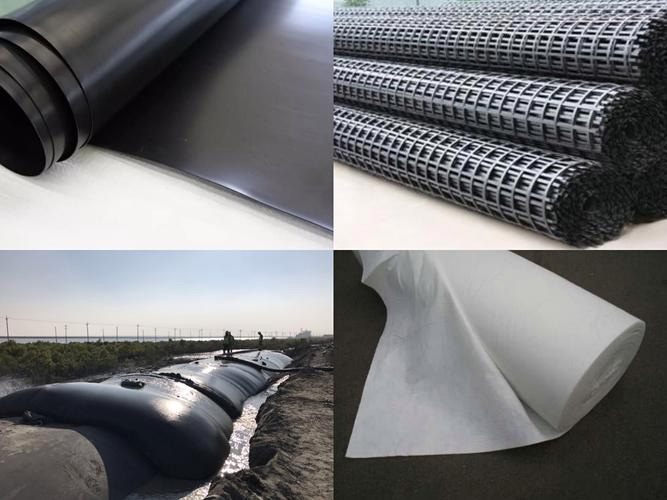
Material Properties: Geosynthetics must be specified based on project requirements. High-density polyethylene (HDPE) geomembranes are preferred for high chemical resistance, while linear low-density polyethylene (LLDPE) offers superior flexibility for irregular terrains.
Thickness Selection: Product thickness typically ranges from 0.3mm for decorative lagoons to 2.0mm+ for industrial containment cells.
Impermeability Standard: Ensure the barrier structure offers a hydraulic conductivity coefficient low enough to prevent structural seepage.
Subgrade Preparation: The installation area must be compacted, leveled, and free of debris, roots, or sharp stones.
Laying Alignment: Materials should be laid flat without excessive tension, accounting for thermal expansion.
Welding & Jointing: Thermal double-track fusion welding is used for geomembrane joints, creating a channel for pressure testing. Geotextile joints should be sewn or thermally bonded.
Cleanliness: The surface must remain clean during installation. Debris should be removed promptly to prevent puncture.
Regular Inspections: Periodically inspect exposed installations for signs of physical damage or movement.
Physical Protection: Cover the barrier with a protective soil layer or geotextile cushion to prevent puncture from maintenance equipment.
Practical engineering implementations demonstrating the efficiency and security of Hongyue geosynthetic systems.
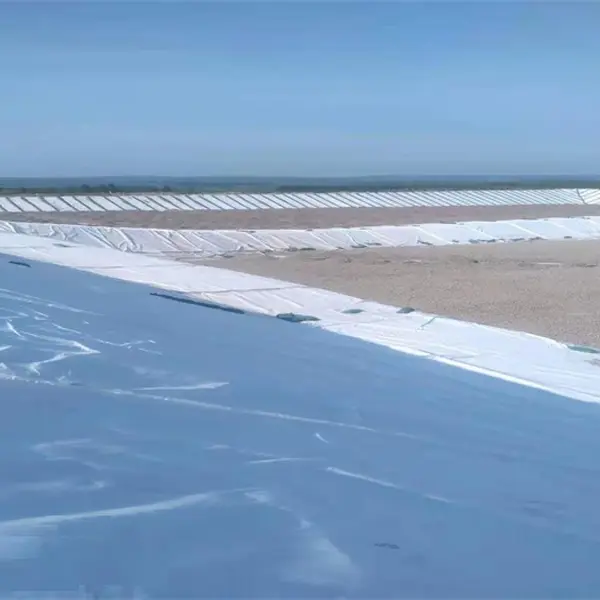
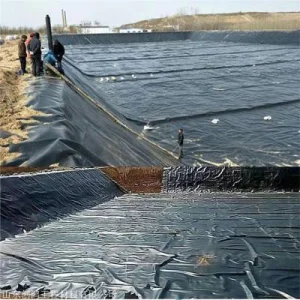
Reservoirs require continuous, zero-loss containment. Installing composite geomembranes on complex geostructures prevents water loss and helps stabilize the surrounding rock formations.
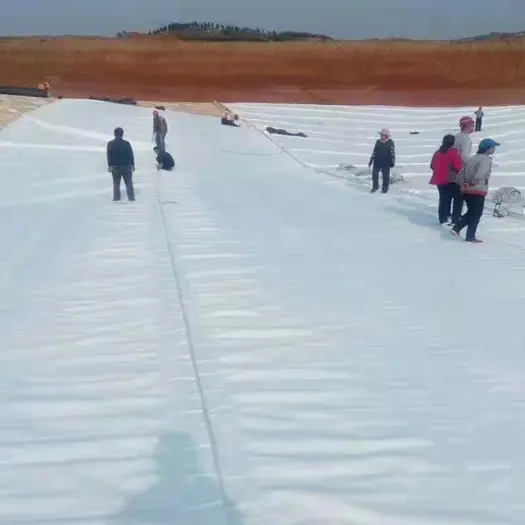
Exposed canals are prone to erosion and lateral seepage. Our geotextile-geomembrane systems protect waterways against soil erosion, helping stabilize channel banks.
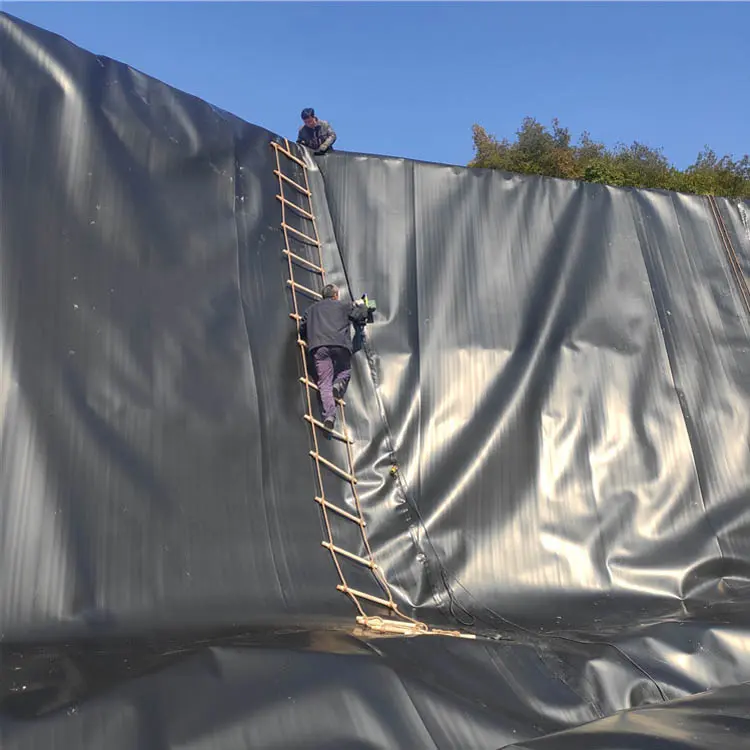
Municipal landfills require high-performance bottom liner systems. The combination of geotextiles, geomembranes, and GCLs isolates leachate, protecting surrounding groundwater sources.
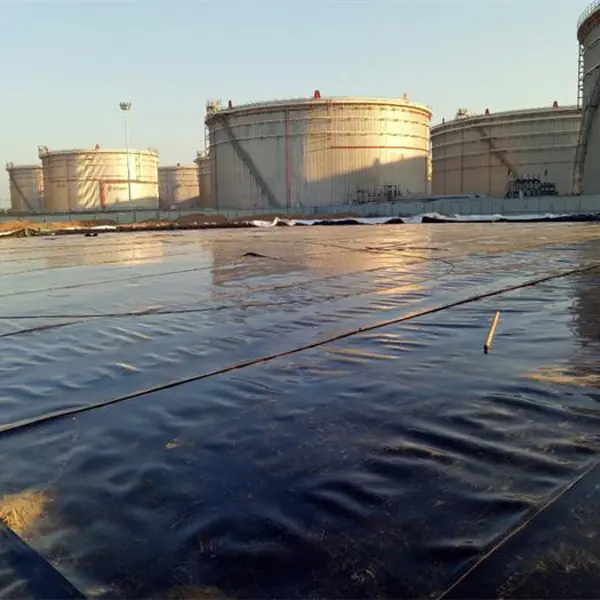
In petrochemical tank farms, secondary containment liners must offer chemical resistance against hydrocarbon leaks. Our high-density polyethylene systems provide reliable protection in the event of primary containment failure.
Shandong Hongyue's production facility in Dezhou, Shandong Province, leverages one of the world's most concentrated geosynthetics manufacturing hubs. This cluster provides immediate access to high-quality polymers, competitive raw material costs, and specialized engineering support.
Our facility maintains direct highway and rail connections to major deepwater ports, including Qingdao and Tianjin. This proximity allows us to secure reliable shipping lanes, optimize freight transit times, and manage transport costs effectively for bulk orders to Europe, the Americas, and Australia.
The next generation of civil engineering requires materials that are both functional and environmentally sustainable. Shandong Hongyue is investing in research and development focused on:
Answering key technical and regulatory questions for engineers, procurement officers, and project managers.
Select from our specialized line of environmental, protection, and drainage products.
 Hongyue