Explore our certified range of civil materials engineered for global infrastructure and structural applications.
An in-depth look at structural load distribution, environmental resilience, and modern civil engineering requirements.
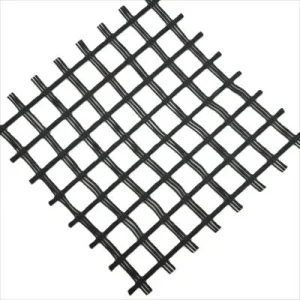
International engineering contractors are shifting towards high-tensile polymeric structures like biaxial and uniaxial plastic geogrids to stabilize soft subgrades. Reducing aggregates requirement by up to 35% translates directly into project cost reduction and lower carbon emissions.
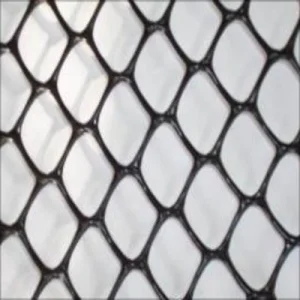
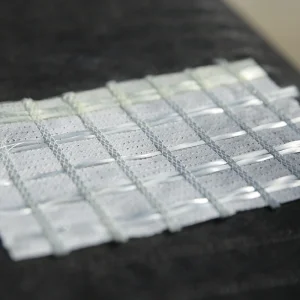
Modern commercial patios and pavements face increased dynamic loads. Incorporating a certified geogrid grid system provides lateral confinement to base materials, preventing shearing and interlocking the aggregate particles to create a stiffened composite platform.
Under the European Construction Products Regulation (CPR), civil works require geogrids to bear the CE Certification. This guarantees long-term design strength, durability against mechanical damage, biological degradation resistance, and certified junction efficiency.
Geosynthetic stabilization is no longer limited to heavy highways. In local municipal development and architectural landscaping, utilizing geogrids for patio installations prevents pavers from shifting and sinking due to frost-heave cycles or high-traffic commercial use. Whether deployed in European pedestrian areas with heavy clay soils or arid regions of Australia requiring erosion control, geogrids act as a tensioned membrane, distributing stress concentrations over a wider area.
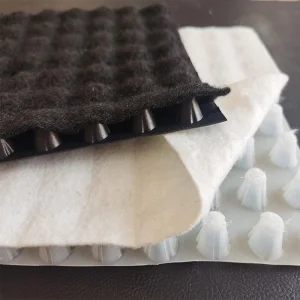
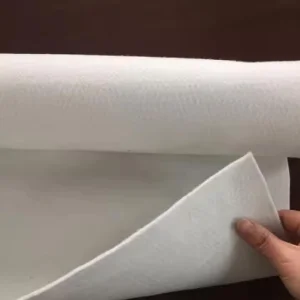
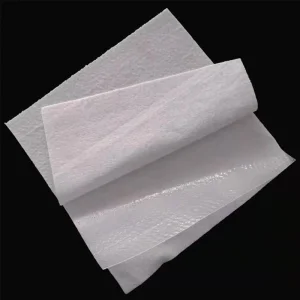
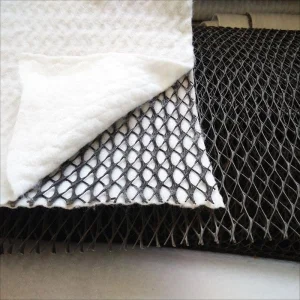
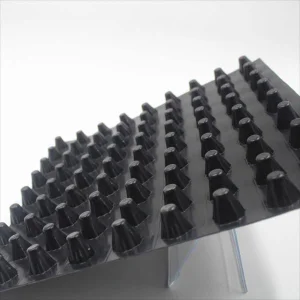
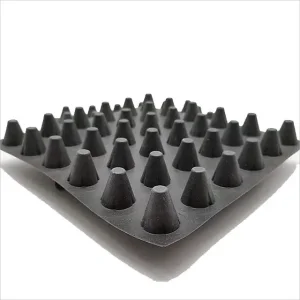
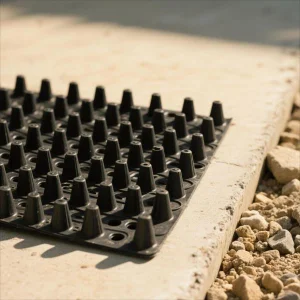
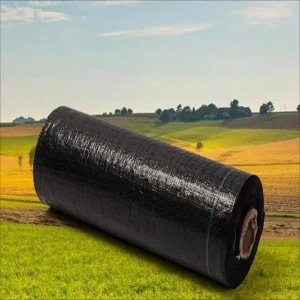
Additionally, combining geogrids with composite drainage networks and high-quality non-woven geotextiles creates an optimized system. The geotextile provides critical filtration and separation—preventing fine soil particles from migrating into the aggregate base—while the geogrid locks the aggregate in place. The result is a highly permeable, self-draining patio substrate that withstands severe weather and excessive moisture runoff.
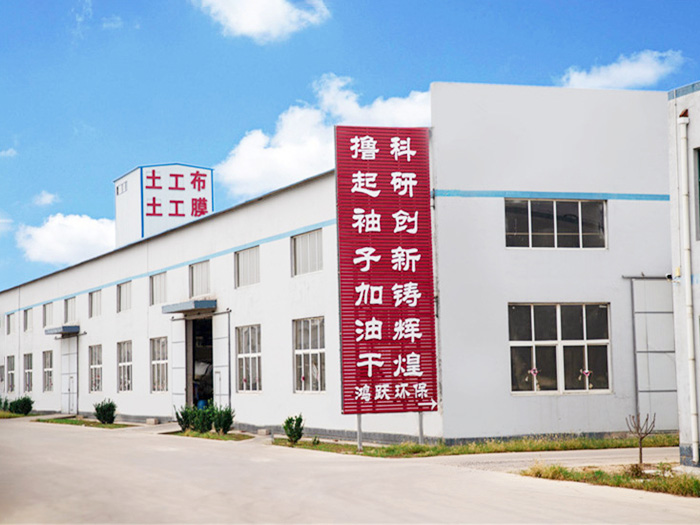
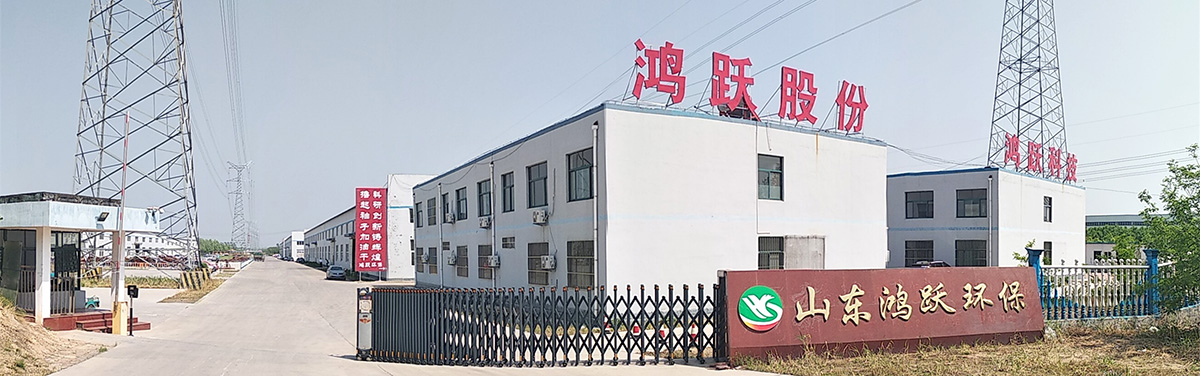
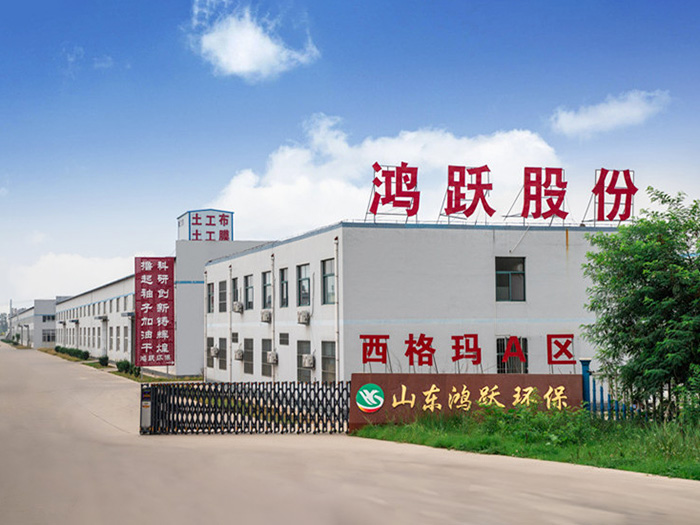
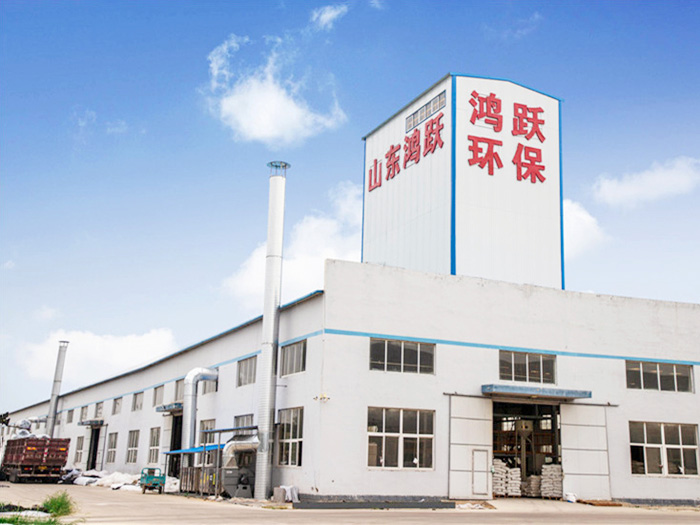
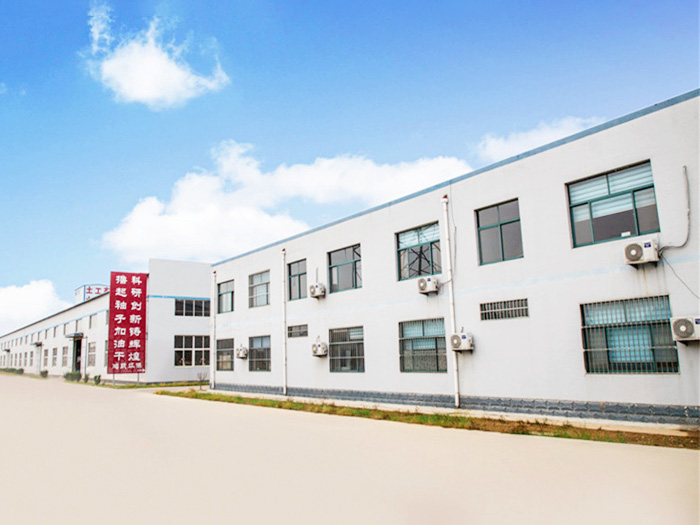
Located at the north end of Fufeng Street, Lingcheng District, Dezhou, Shandong Province, Shandong Hongyue Environmental Engineering Co., Ltd. is a leading scientific and technological geotechnical material manufacturer integrating engineering material production, sales, design, and construction services.
The company was registered in the Lingcheng District Market Supervision and Administration Bureau of Dezhou City on April 6, 2023, with a substantial registered capital of 105 million yuan. As one of the largest production bases of geotechnical materials in China at present, we leverage our superior geographical location and convenient transport networks to supply large-scale global projects with fast delivery turnarounds.
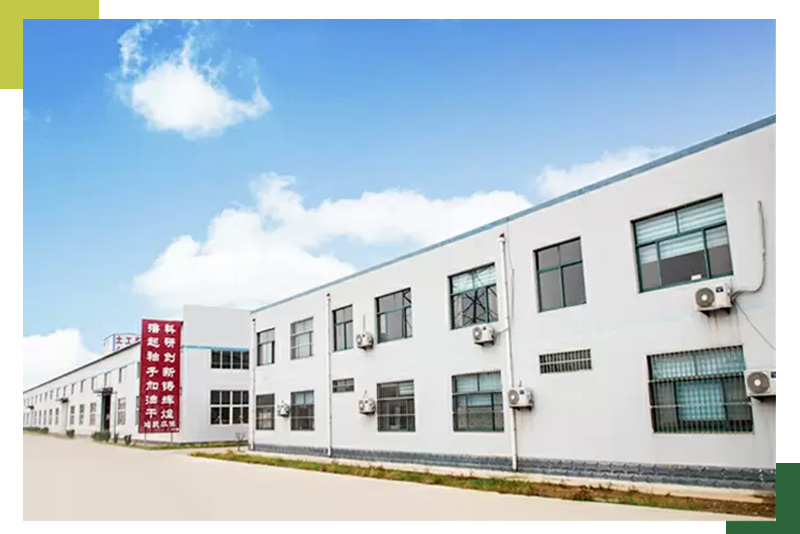
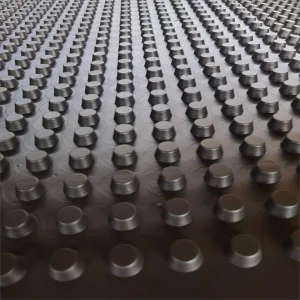
Since our establishment, our business has rapidly expanded globally. We deal extensively in high-tensile geotextiles, geomembranes, composite geomembranes, waterproof boards, bentonite waterproof blankets, 3D composite drainage networks, (composite) drainage boards, weaving cloths, woven cloths, membrane bags, blind ditches, waterproof and drainage combinations, woven bags, ecological bags, cement blankets, fiber plant blankets, and flexible pervious pipes. Our professional sales and technical teams are active members of the Dezhou Geotextile Association, serving critical infrastructure sectors like highways, railways, bridges, tunnels, water conservancy canals, artificial lakes, environmental protection, aviation, mining, and agriculture.
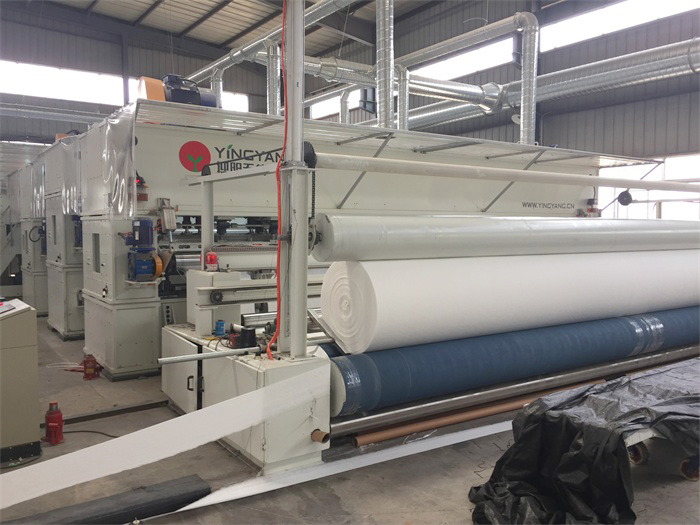
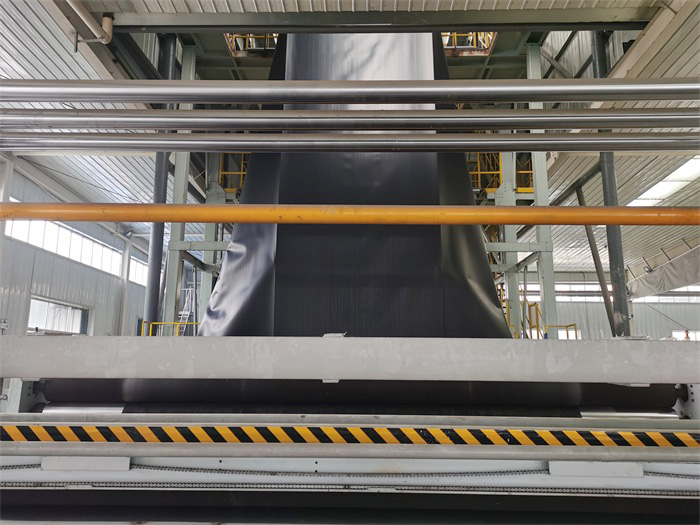
Employing state-of-the-art extrusion and testing equipment to assure structural stability for international buyers.
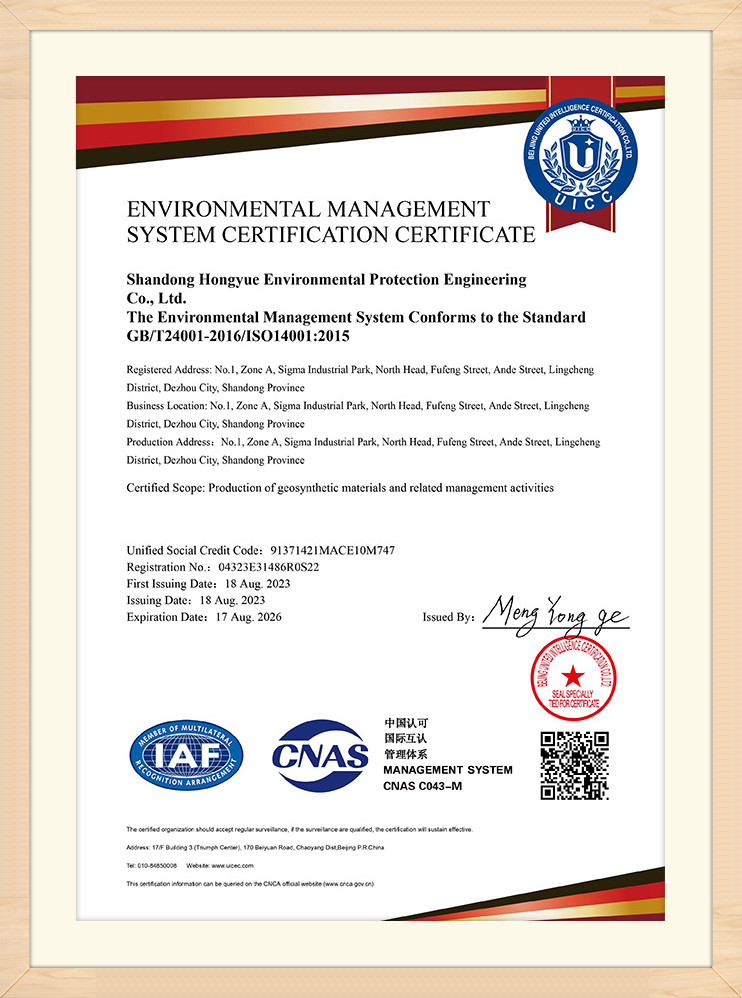
Our products are exported to multiple countries and regions, including Europe, the United States, and Australia. By adopting the most advanced production technology and maintaining perfect detection devices, our quality levels consistently meet or exceed international standards. All products are verified by the China National Testing Center and pass national quality supervision sampling inspections.
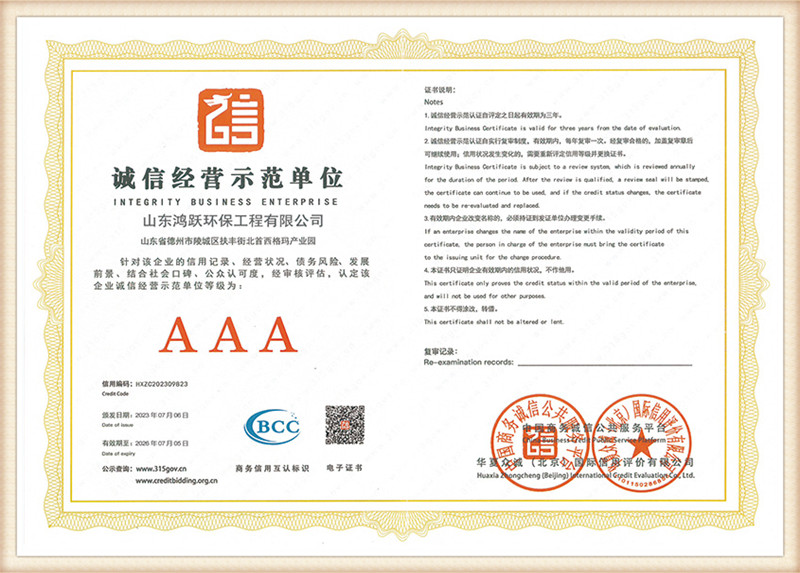
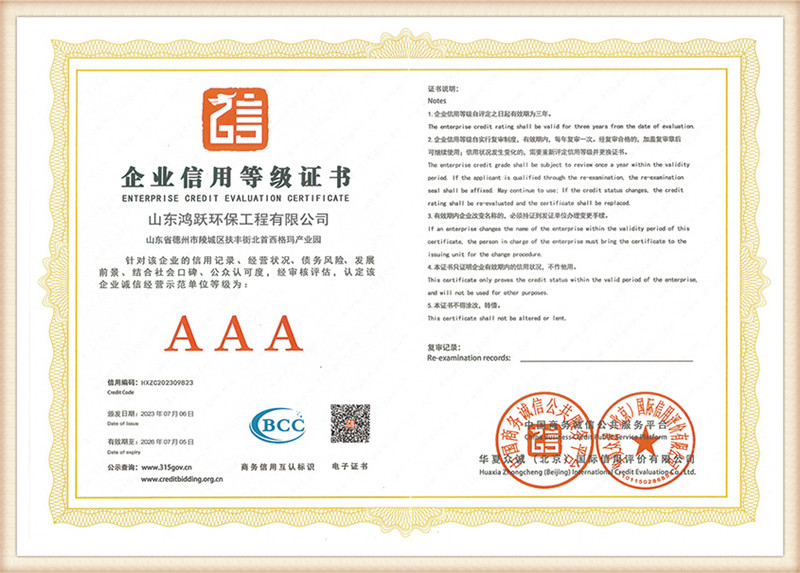
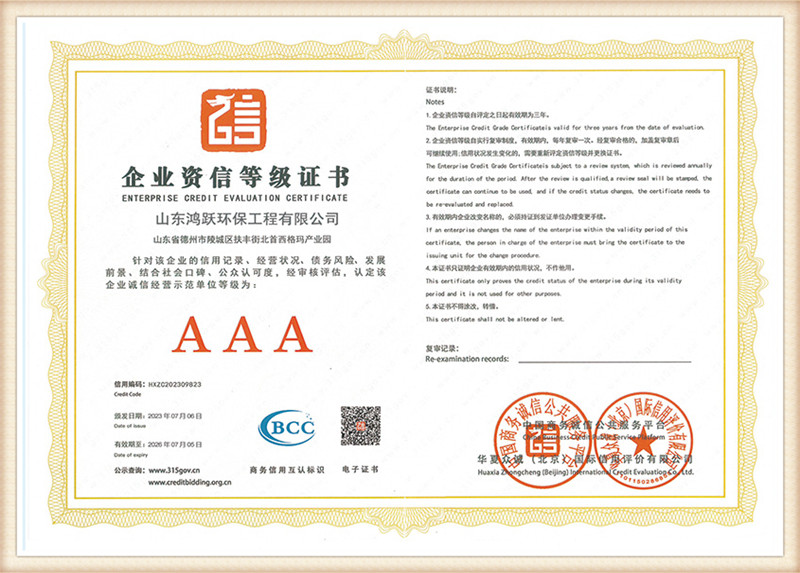
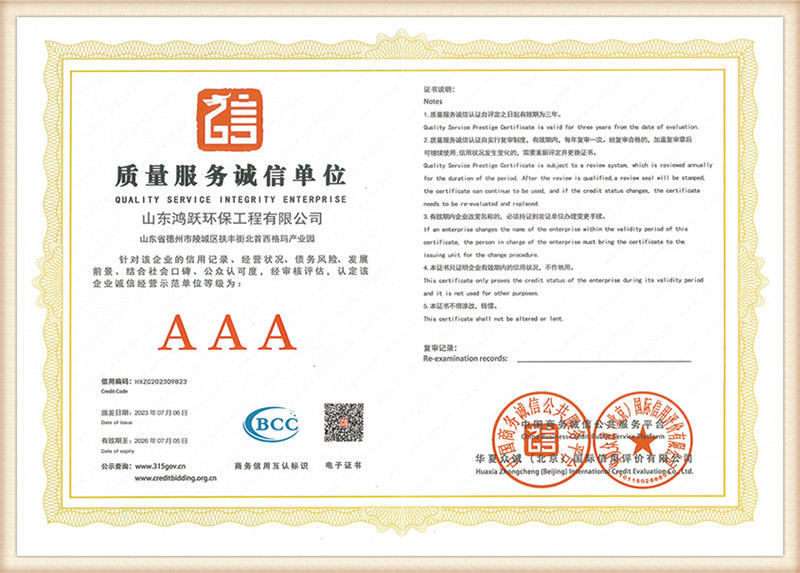
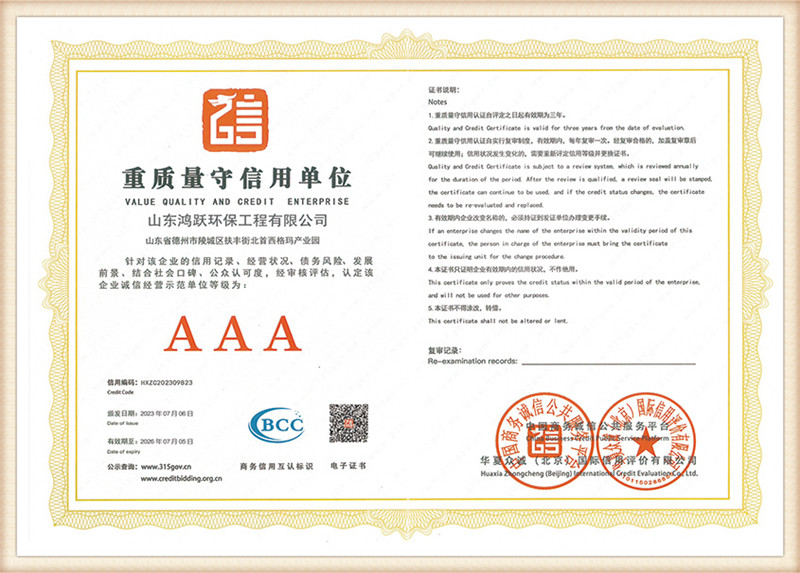
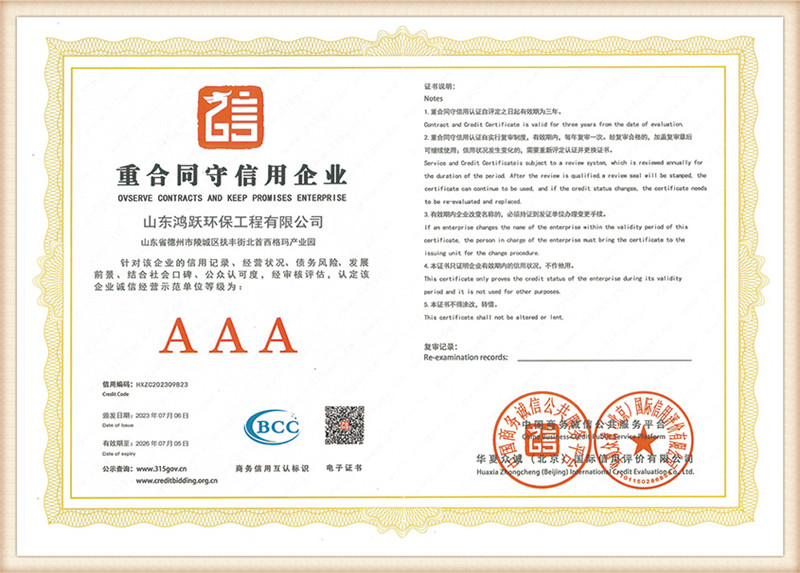
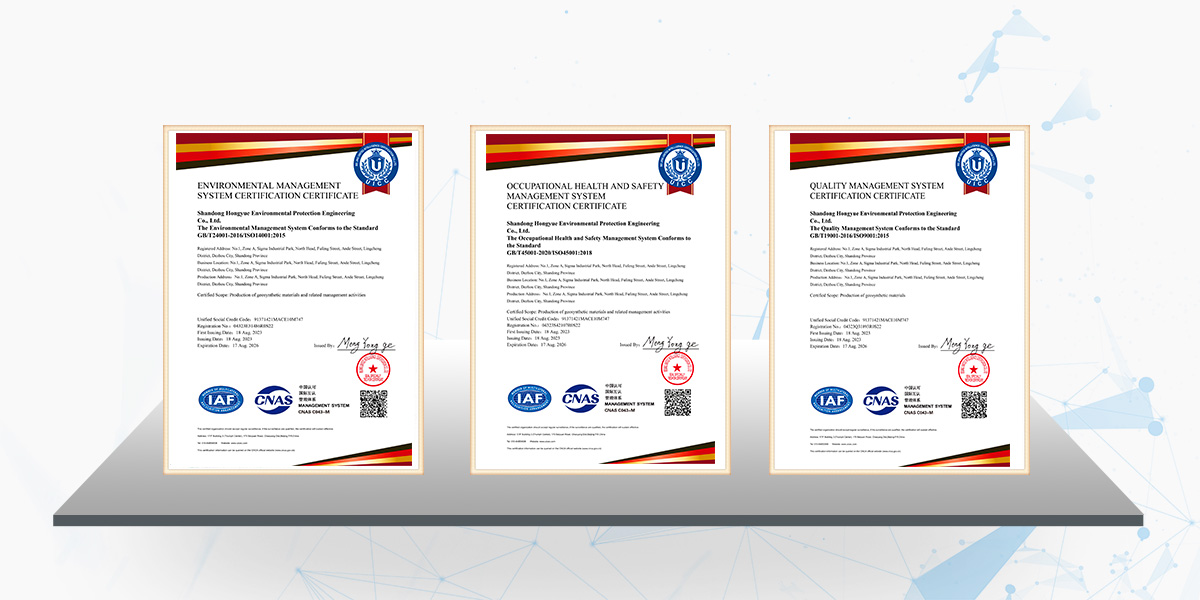
Delivering high performance through strictly monitored processing phases.
The main raw materials of geotextiles are premium polyester chips, polypropylene filament, and viscose fiber. These raw materials undergo rigorous chemical and structural inspections, arrangement, and proper storage to safeguard chemical purity and molecular weight distribution.
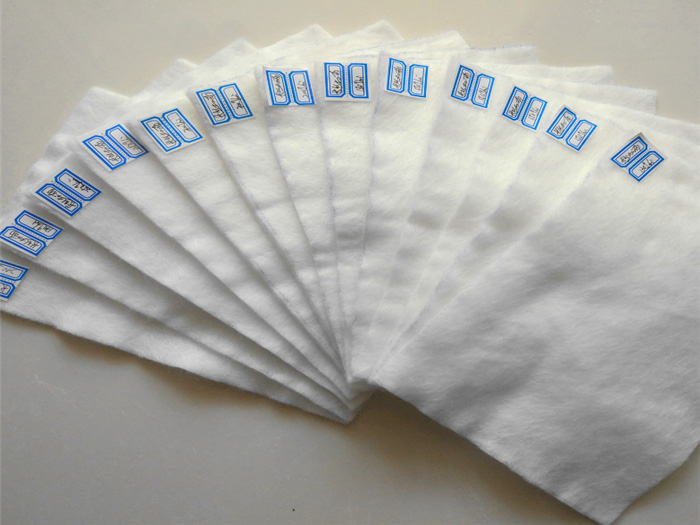
Polyester slices are melted at high temperatures and extruded into a liquid phase via precision screw extruders. Polypropylene filament and viscose fiber are introduced for compound mixing. Temperature and extrusion pressure are precisely maintained to achieve melt stability.
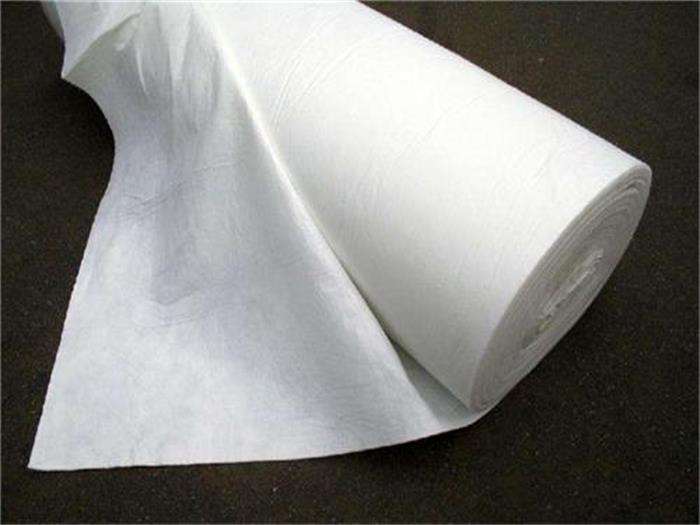
The molten mixture is sprayed through dynamic spinnerets, forming a structured fiber network. The conveyor belt speed controls thickness uniformity and molecular orientation, defining the final physical properties and tensile strength parameters.
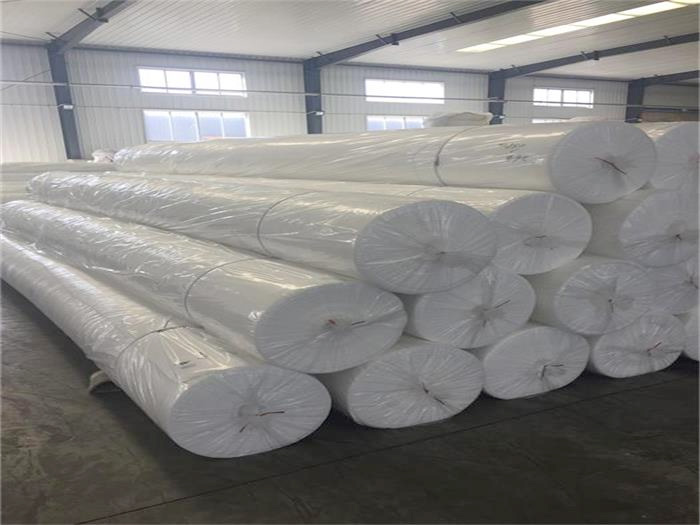
Following net rolling, the material undergoes Draft Curing to lock the orientation of polymers under controlled heat and tension ratios. It is then fed to Roll and Pack systems, where precise width and thickness measurements ensure design compliance. Finally, a strict Quality Inspection (physical strength, aperture size, chemical stability, and UV degradation resistance) is performed. Only compliant batches enter our distribution network.
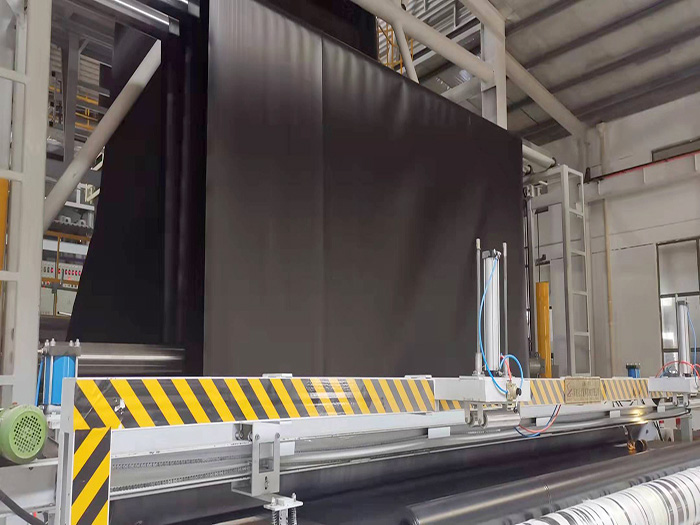
Deploying advanced design layouts to assure long-term stabilization and seepage containment.
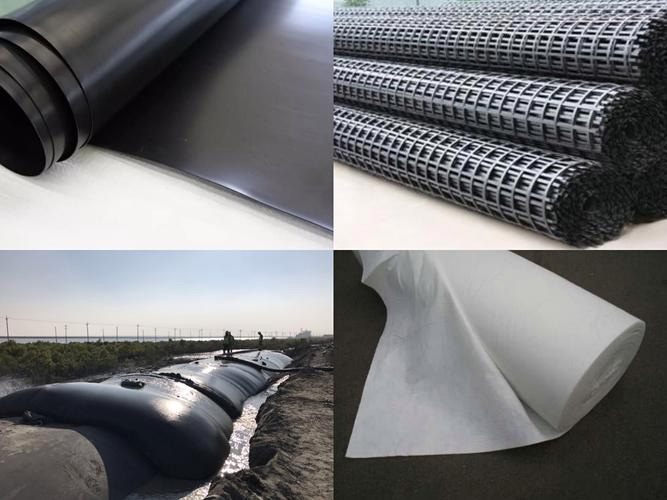
1. Material Selection: Select materials (HDPE, LLDPE, biaxial PP geogrids) based on site requirements. Ensure thickness ranges (0.3mm to 2.0mm) and tensile limits support calculated structural and hydraulic loads.
2. Land Preparation: Grade the subgrade, ensuring it is level, compacted, and free of rocks, roots, or sharp debris that could puncture the polymer sheets.
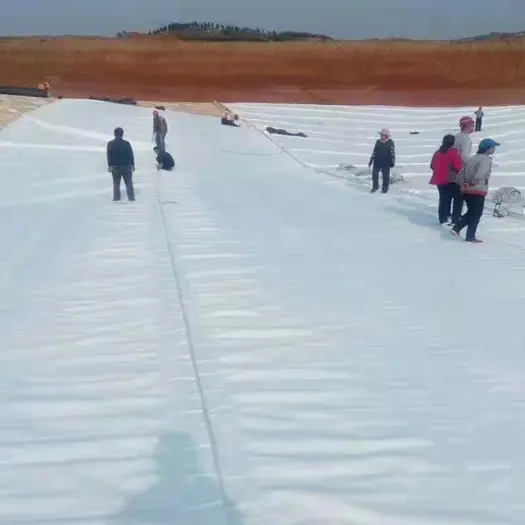
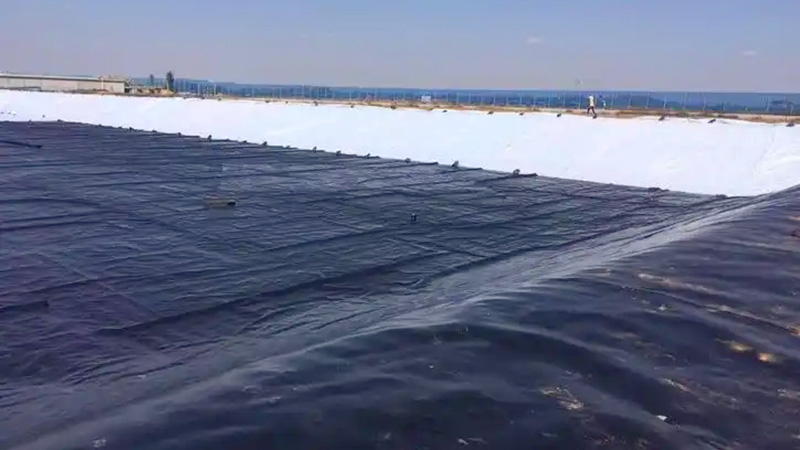
3. Laying & Joint Treatment: Align sheets via structured overlapping or folding. Execute thermal extrusion welding or hot-wedge seam welding at joints to achieve zero-leakage interfaces.
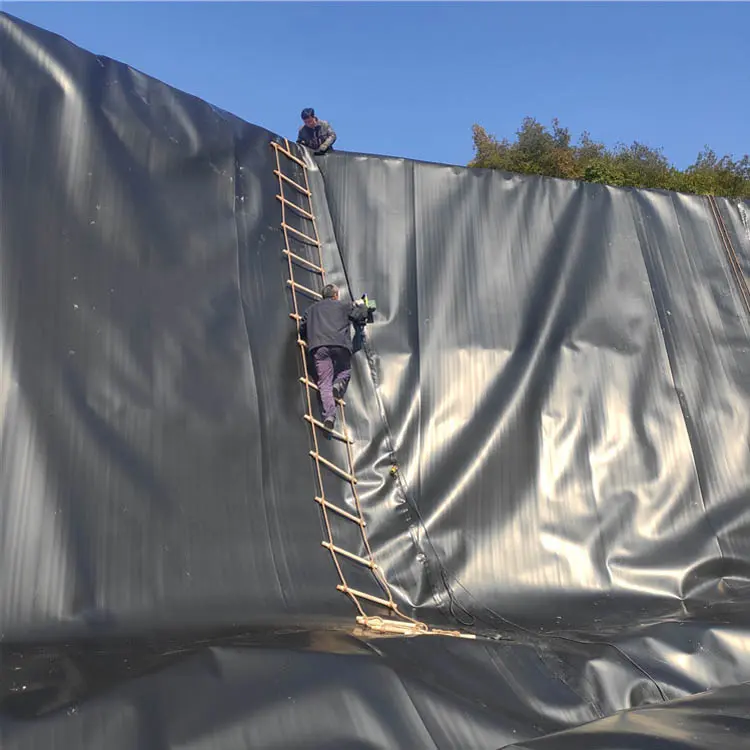
4. Anchor & Fixation: Fasten geomembranes using anchor trenches and structural fasteners to prevent displacement under environmental pressures.
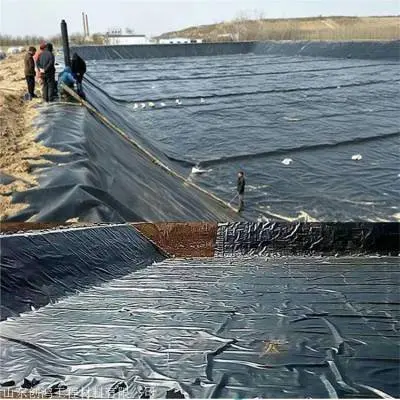
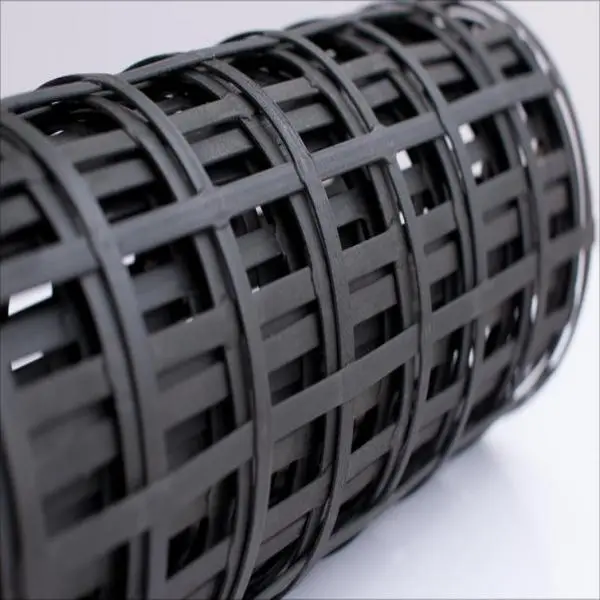
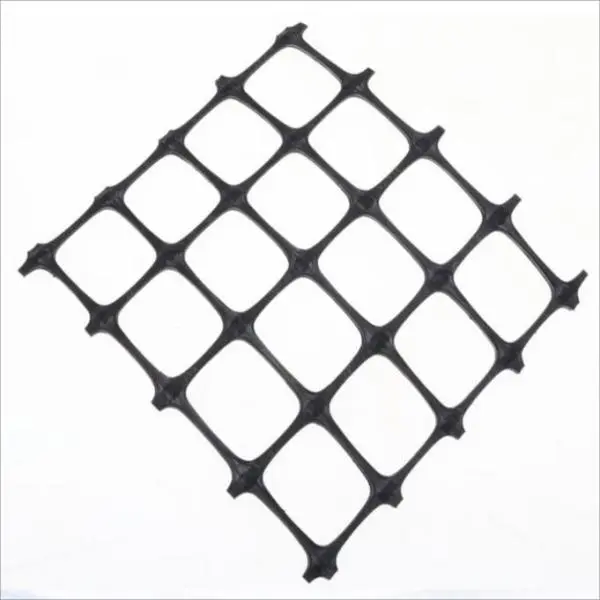
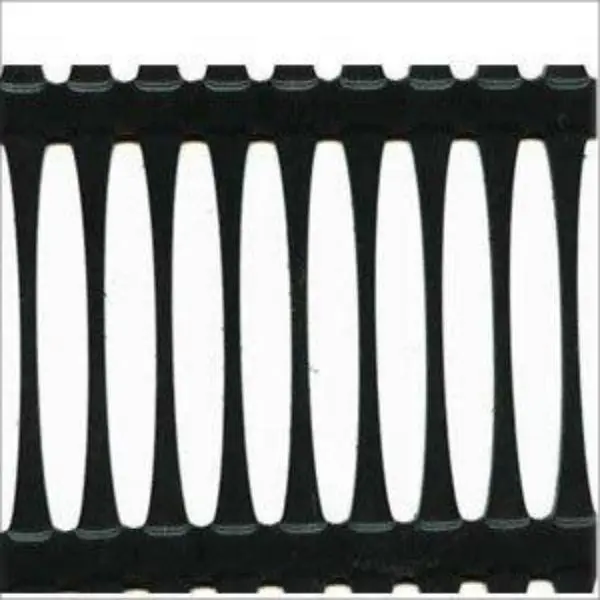
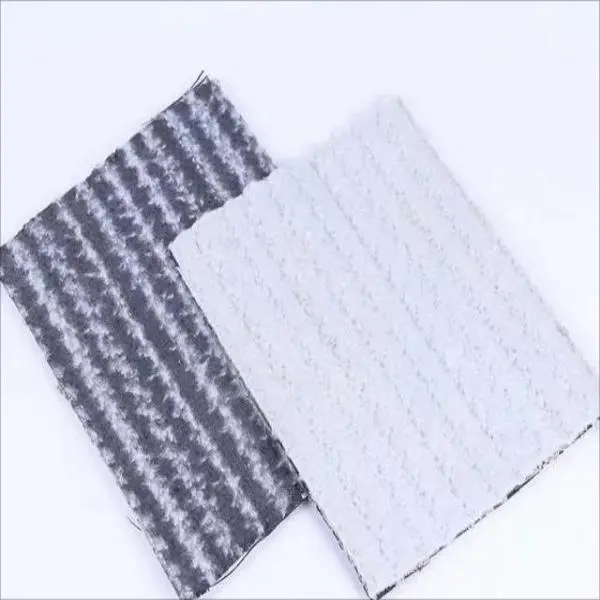
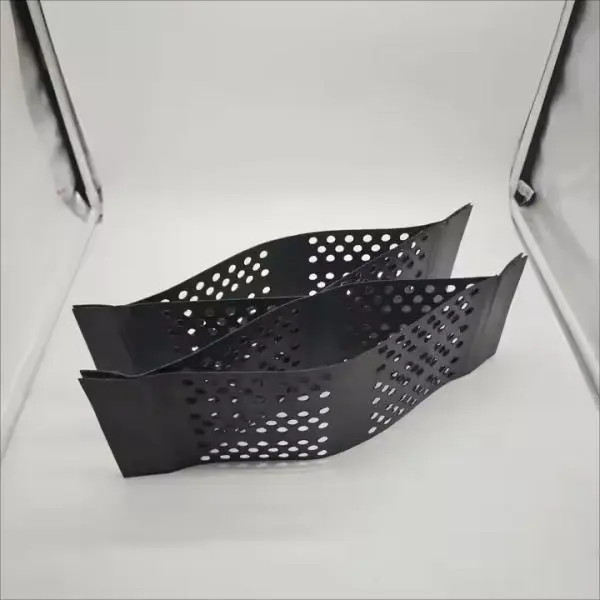
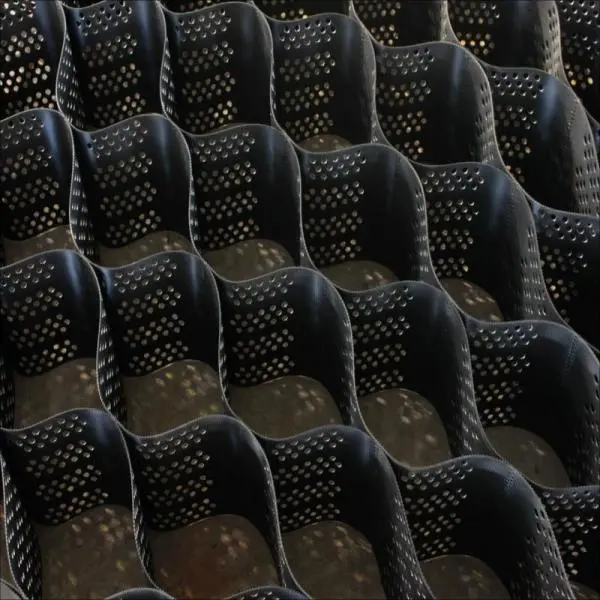
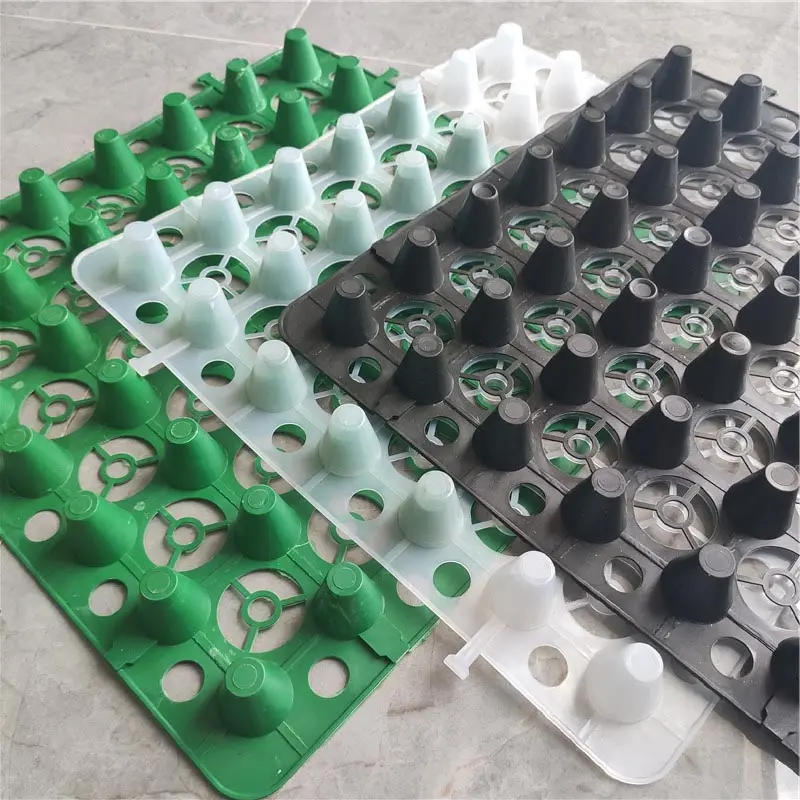
Deploying our products across structural, environmental containment, and hydraulic works.
Have specific project specifications? We provide 24-hour product consulting, customized sizing, and engineering design support to align with European and international tender requirements.
To assure absolute reliability, Shandong Hongyue Environmental Engineering Co., Ltd. runs an on-site, fully accredited quality control laboratory. This facility evaluates tensile strength, elongation limits, tear resistance, hydraulic conductivity, and puncture values for every production batch.
Our engineering services team works directly with designers to select the optimal aperture size and rib strength for geogrids, ensuring high junction efficiency and pull-out resistance when interlocked with local aggregates.
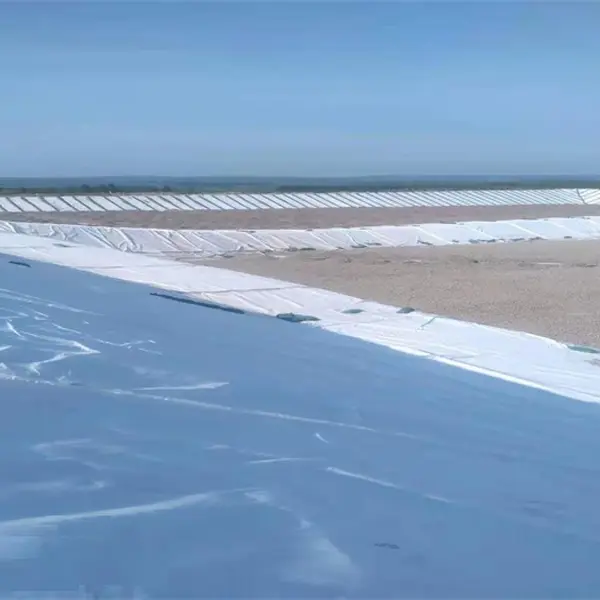
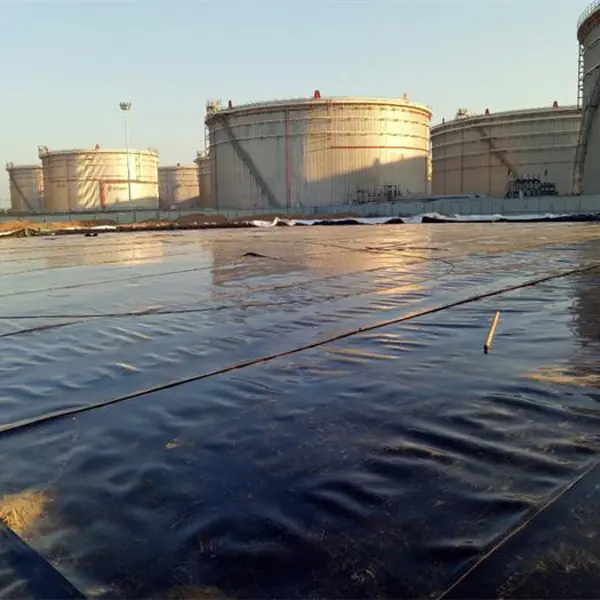
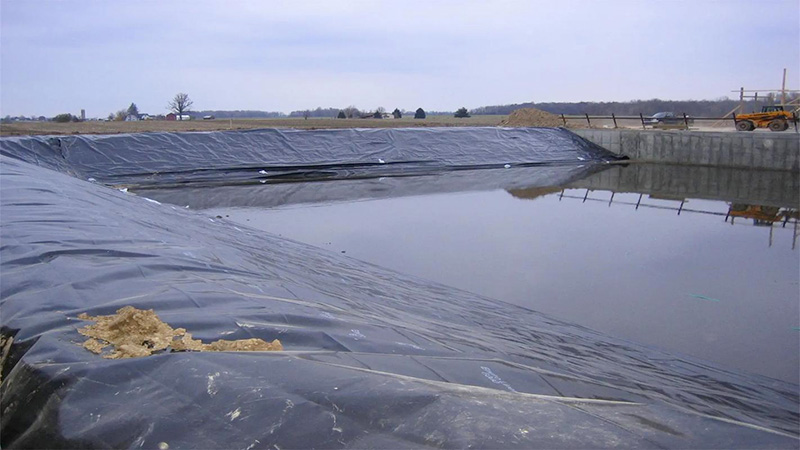
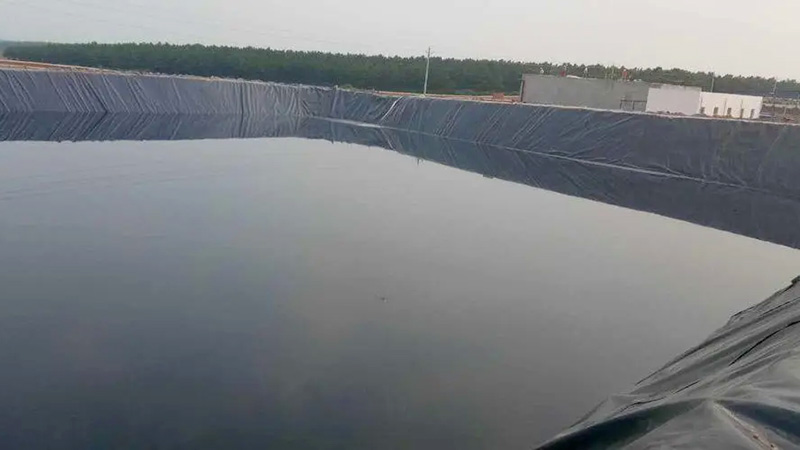
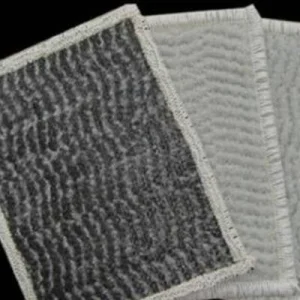
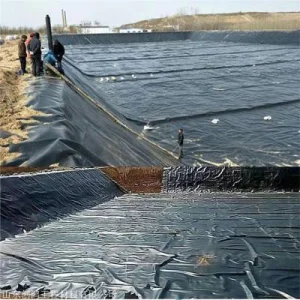
Geomembranes act as the primary barrier in hydraulic works, preventing seepage loss in reservoirs and channels. In levee construction, their placement prevents water intrusion from undermining the slope stability. The integration of structural geogrids reinforces the slope facing, preventing soil slides even during heavy rainfall or rapid water level fluctuations. In municipal canal restoration projects, combining cement blankets with high-strength non-woven geotextiles provides erosion control and structural armoring without requiring heavy machinery.
Authoritative answers addressing structural design, procurement compliance, and installation criteria.
Continued showcase of our industrial-grade geo-composite membranes, blankets, and structures.
 Hongyue