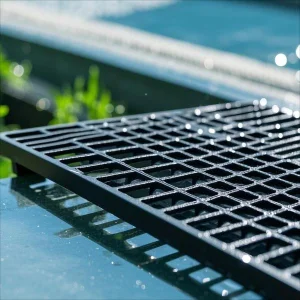
Engineered for extreme load capacity, subgrade confinement, and high-durability road base reinforcement projects globally.
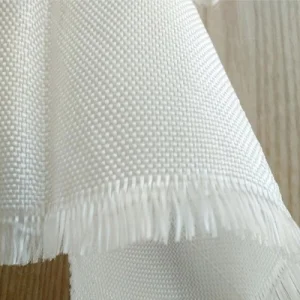
In modern civil and pavement engineering, the stabilization of load-bearing layers is a key parameter determining project longevity. CE Certified High-Density Polyethylene (HDPE) Geocells represent a major technological leap from traditional soil confinement methods. Under heavy dynamic vehicular loading, lateral displacement of base course aggregates is the primary cause of pavement deformation, rutting, and eventual structural fatigue.
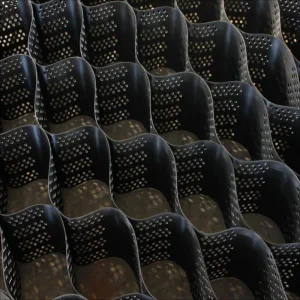
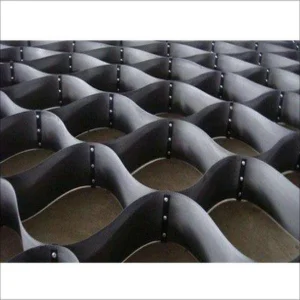
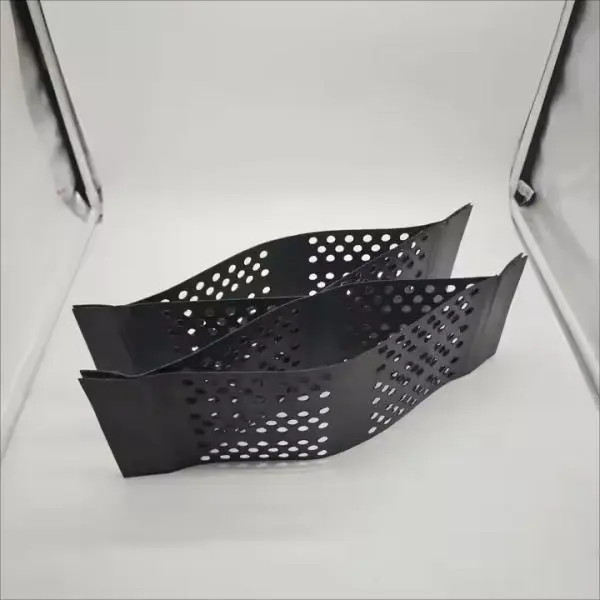
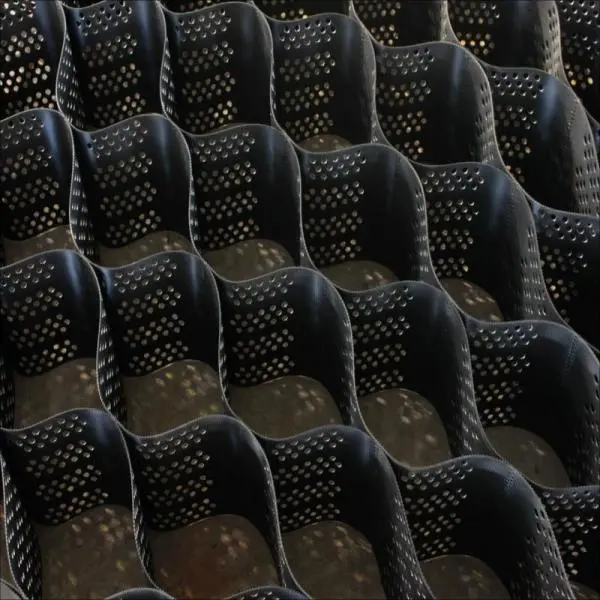
By implementing a three-dimensional polymeric cellular structure, geocells exert continuous tensile constraint on fill materials (such as gravel, sand, or onsite soil). This confinement action converts vertical loading into a lateral load distribution mechanism, reducing stress concentrations on the subgrade layer beneath. Consequently, the California Bearing Ratio (CBR) of subgrade soils improves significantly, allowing engineers to reduce base thickness requirements by up to 50% while extending pavement design lifecycles.
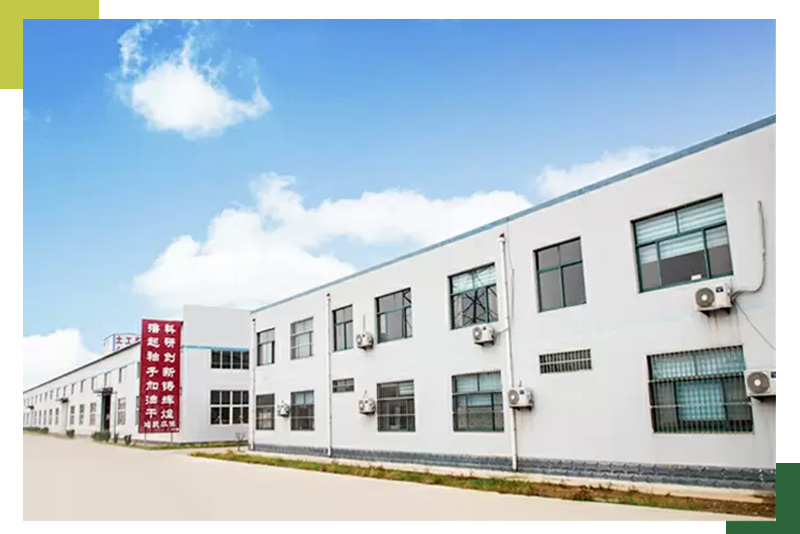
Shandong Hongyue Environmental Engineering Co., Ltd., situated in Dezhou, Shandong Province, stands as a top-tier manufacturing powerhouse of high-strength geosynthetics. With a registered capital of 105 million RMB, the company operates a state-of-the-art facility dedicated to engineering material production, customization, and deployment support.
Essential dynamics driving technical compliance and sustainability in public and private infrastructure tenders.
Governments worldwide are mandating low-carbon footprint infrastructure. The usage of geocells allows for the sourcing of local and recycled aggregates, cutting down fuel-intensive aggregate transport by millions of ton-kilometers globally.
Standard ultrasonic weld seams are prone to failure under heavy shearing stresses. Current industry shifts demand junction efficiencies exceeding 90% of parent material strength, evaluated under strict creep tests.
Compliance with EN 13249 and related European standards is no longer optional. CE certification guarantees tracking of raw polymer consistency, environmental stress crack resistance (ESCR), and a design lifetime of over 50 years.
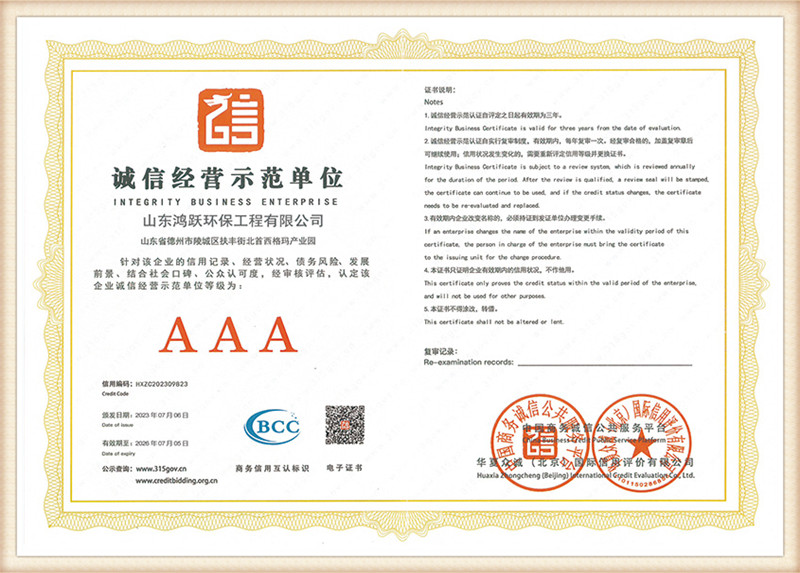
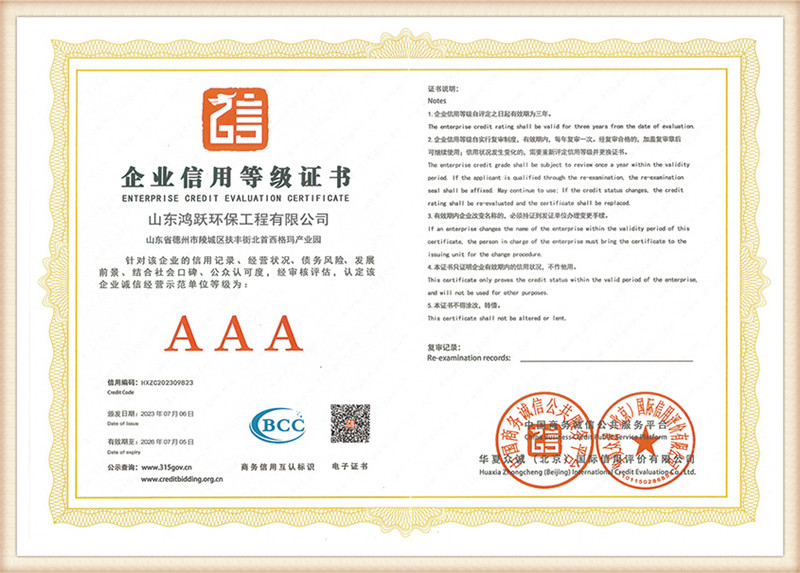
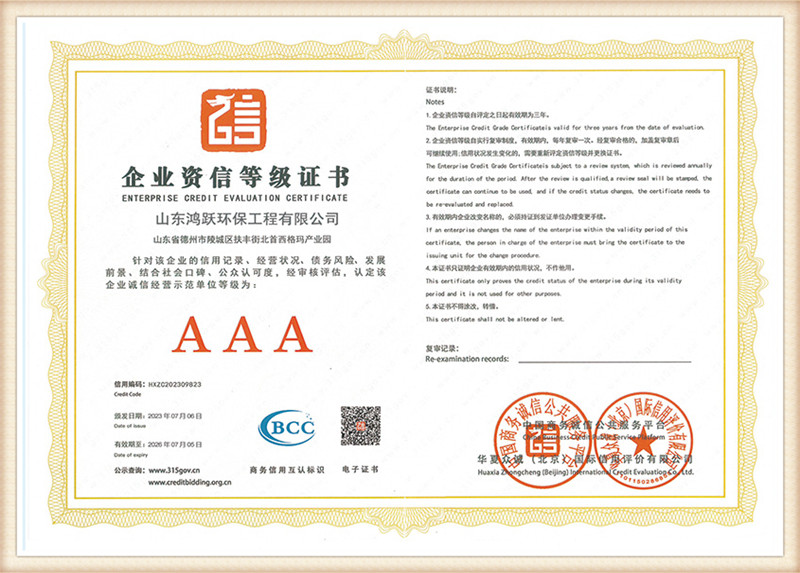
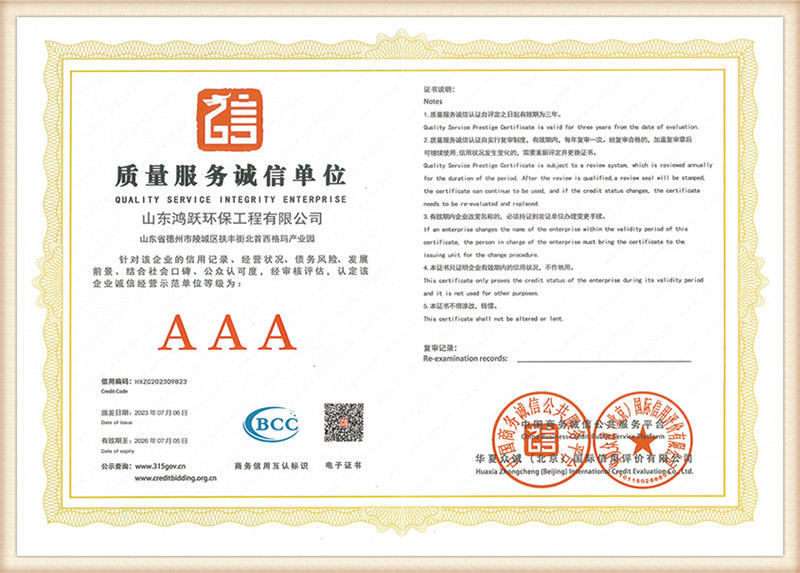
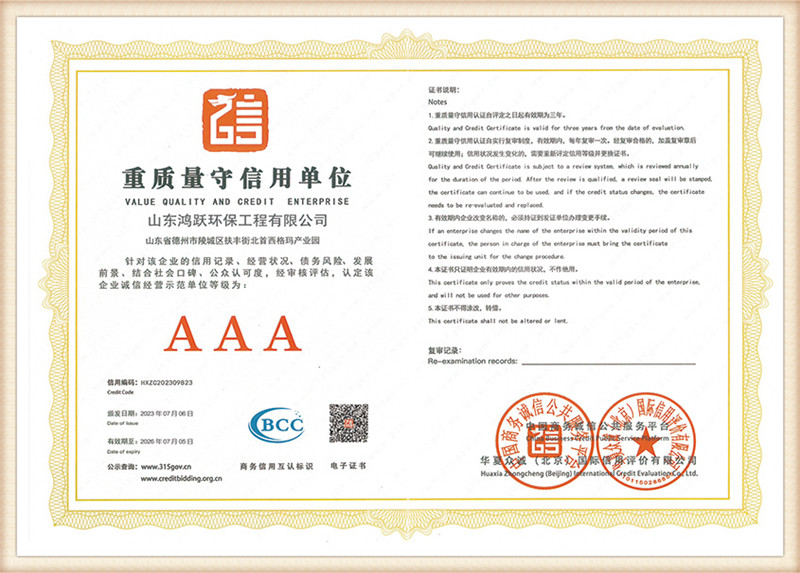
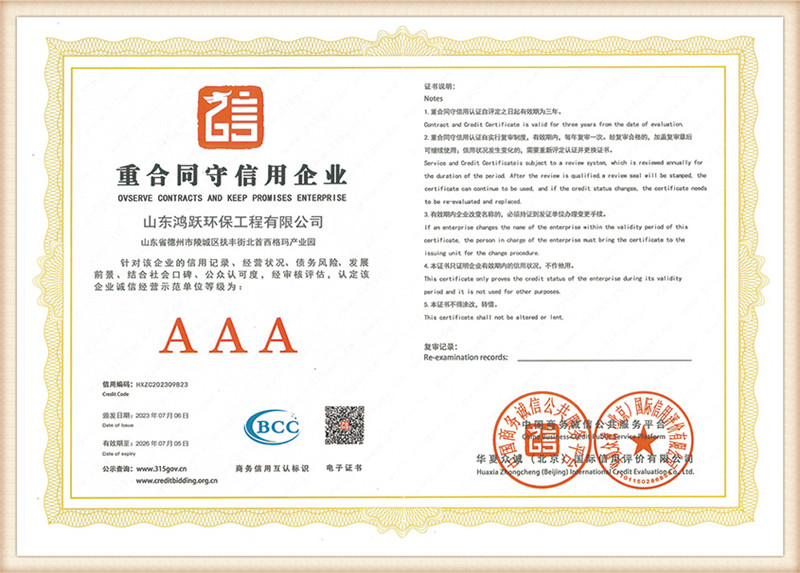
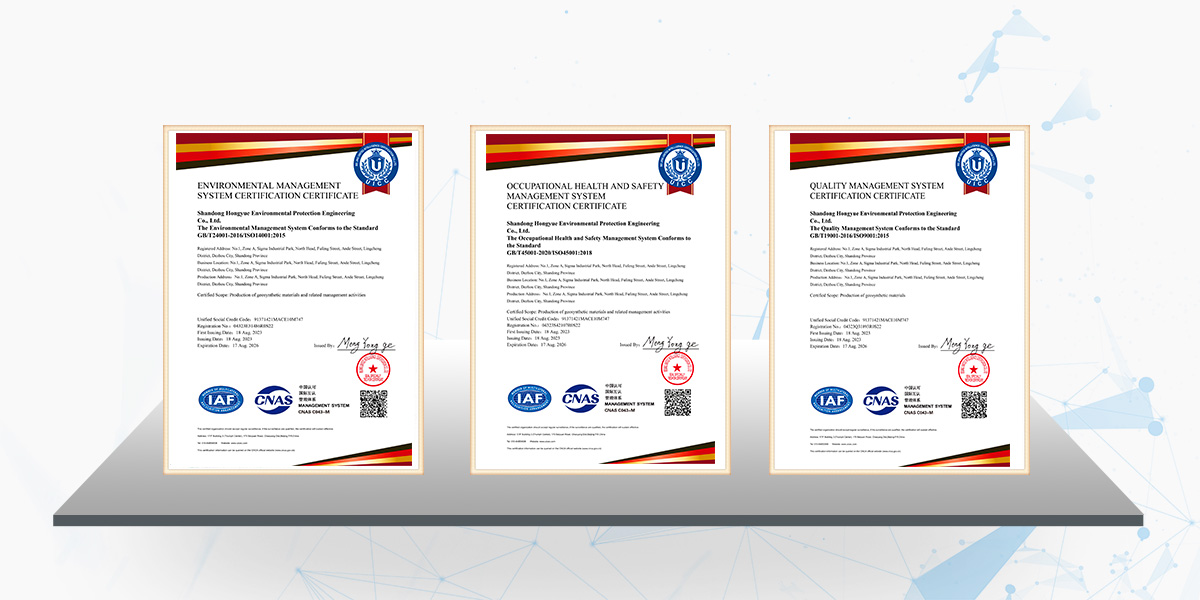
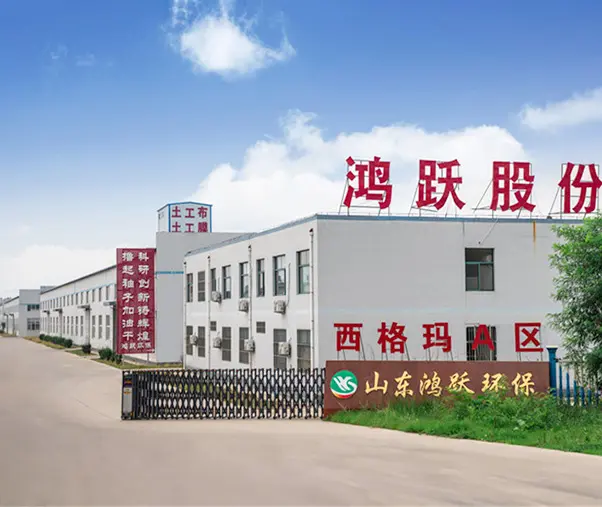
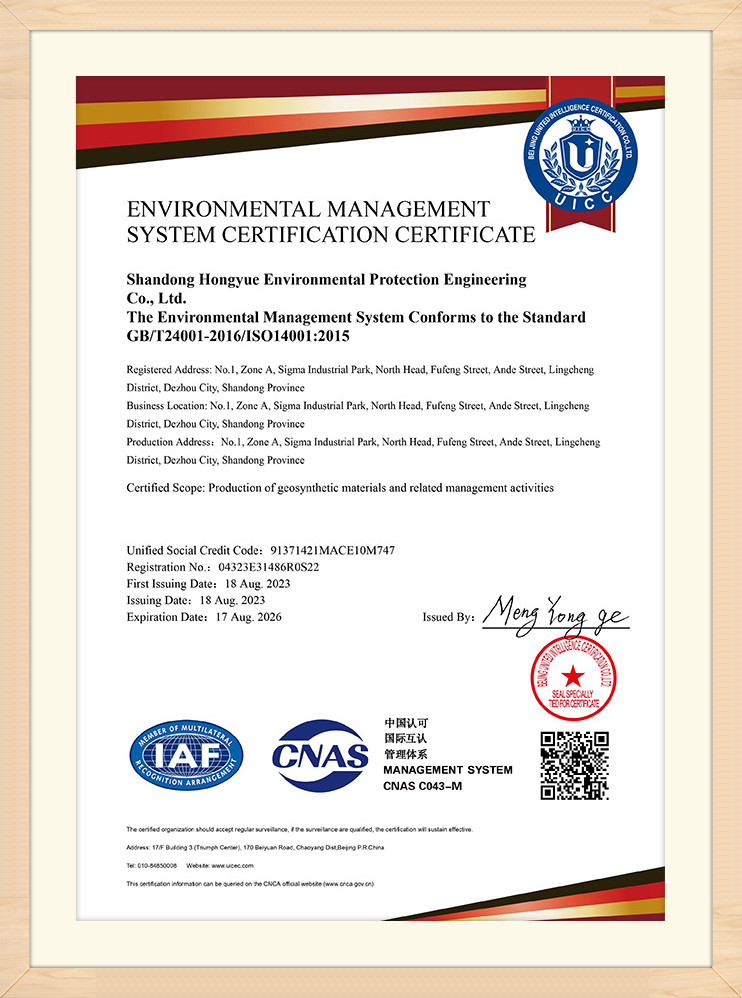
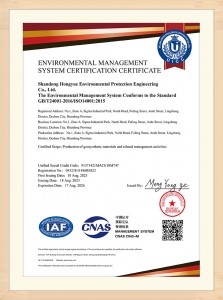
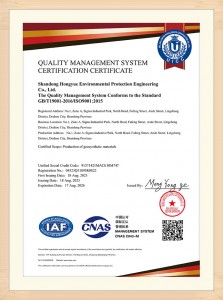
As a leading player in the Dezhou Geotextile Association, Shandong Hongyue has fully modernized its production lines to meet the stringent demands of international civil engineering consortiums. Operating with integrated ISO 9001, ISO 14001, and ISO 45001 certificates, the factory ensures comprehensive quality monitoring from raw polymer chips to final wound and packaged geomaterials.
Our lean supply chain setup translates to unmatched logistical capabilities. Situated in Dezhou, Shandong Province, the facility benefits from exceptional rail and highway connectivity to key international shipping hubs like Qingdao Port. This geographic advantage eliminates bottleneck risk, enabling prompt shipping to Europe, North America, Southeast Asia, and Australia.
Discover how high-grade raw polymer materials are processed into robust civil engineering solutions.
Raw materials such as polyester chips, polypropylene filament, and viscose fiber are thoroughly inspected and stored under temperature-controlled conditions to ensure chemical stability.
Polyester and polypropylene chips are melted at high temperatures and extruded into a precise, uniform molten state by screw extruders, carefully balancing temperature and pressure.
The molten mix is extruded through spinnerets to yield fine filaments, forming a structured fiber network on continuous conveyor belts with calibrated thickness and orientation.
The fiber matrix undergoes a draft curing phase. Precisely controlled draft ratios and heating patterns determine the ultimate tensile strength of the finished geotextile.
Cured materials are measured, cut to required widths, wound into rolls, and undergo final quality inspections before being certified for shipping.
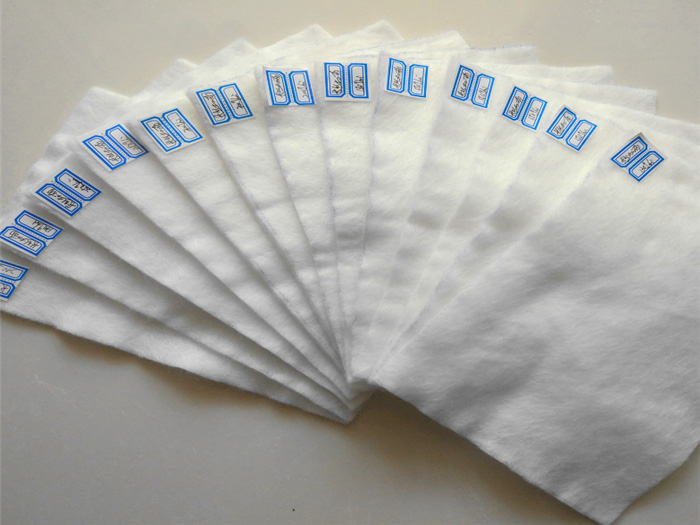
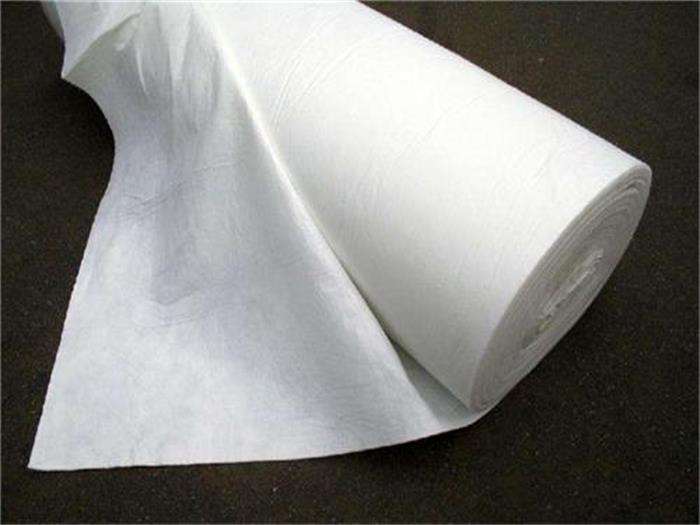
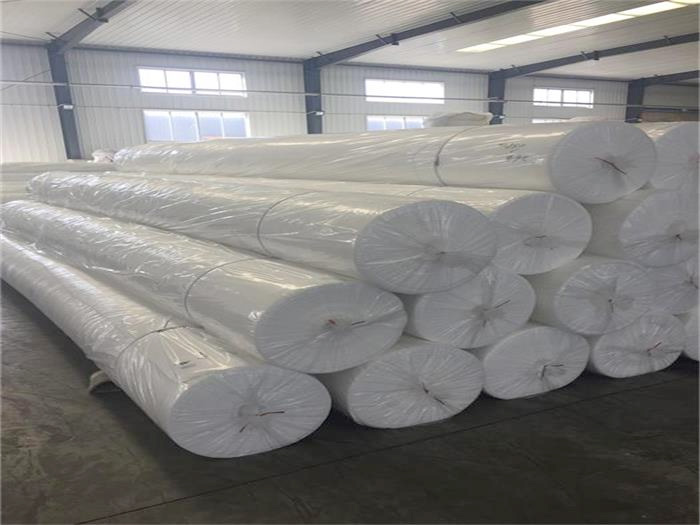
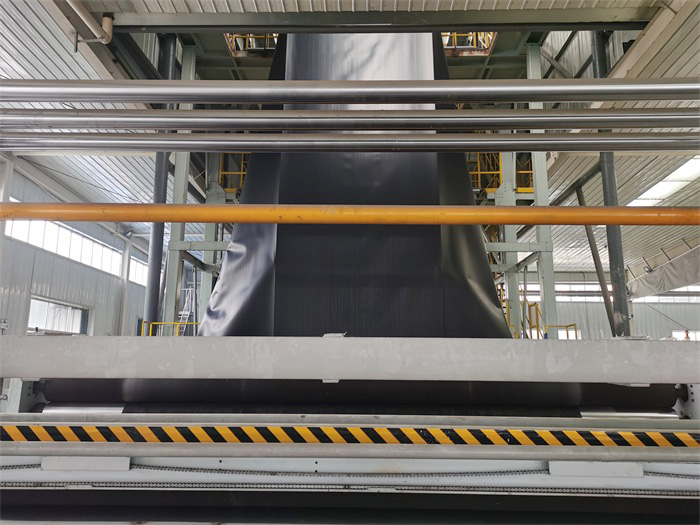
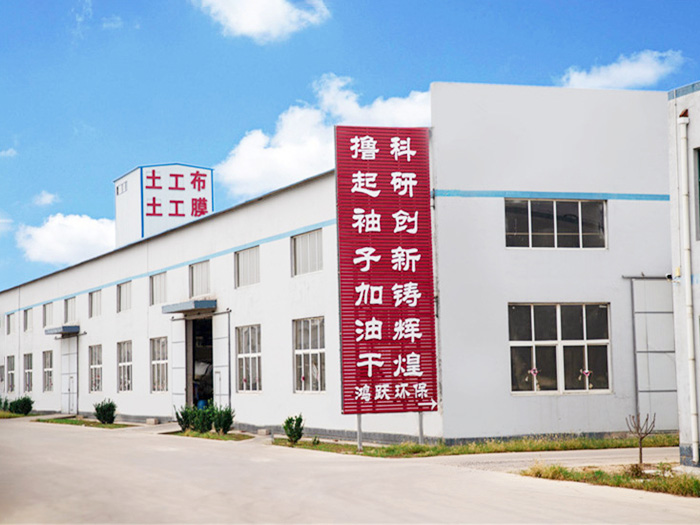
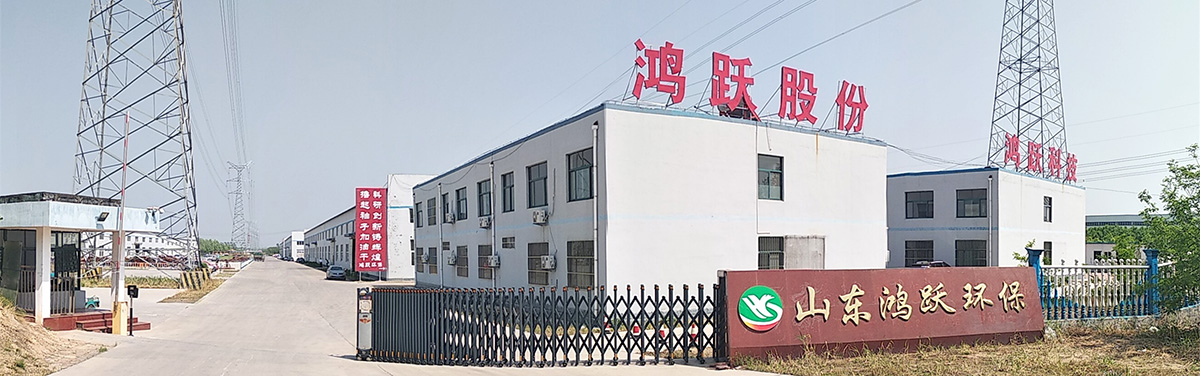
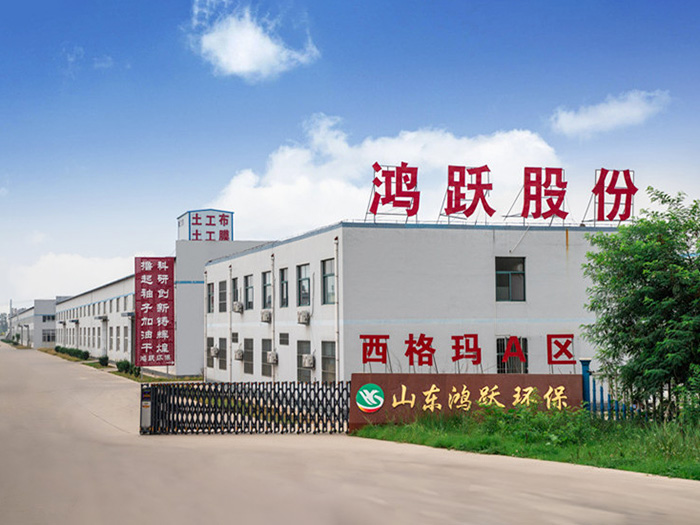
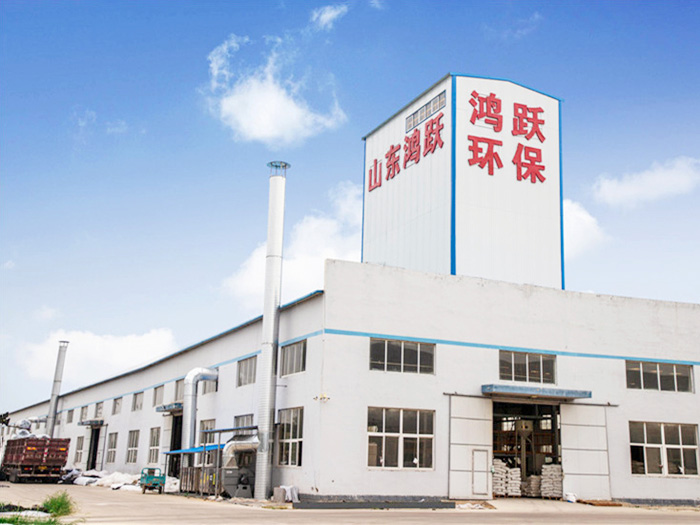
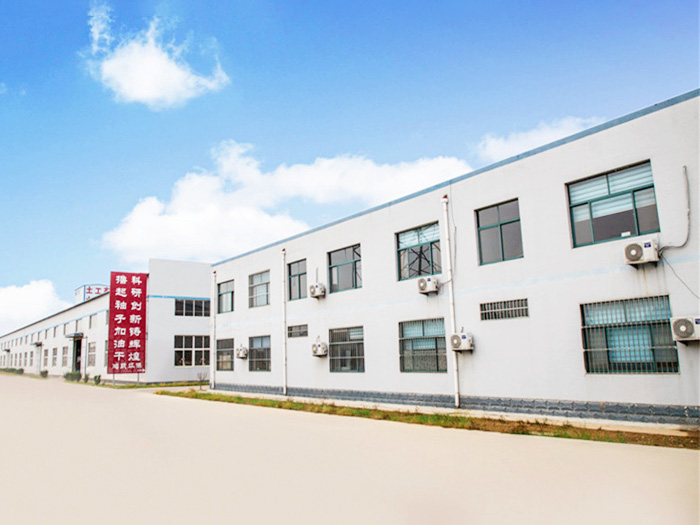
Step inside our production lines and warehouse blocks built for extreme quality consistency.
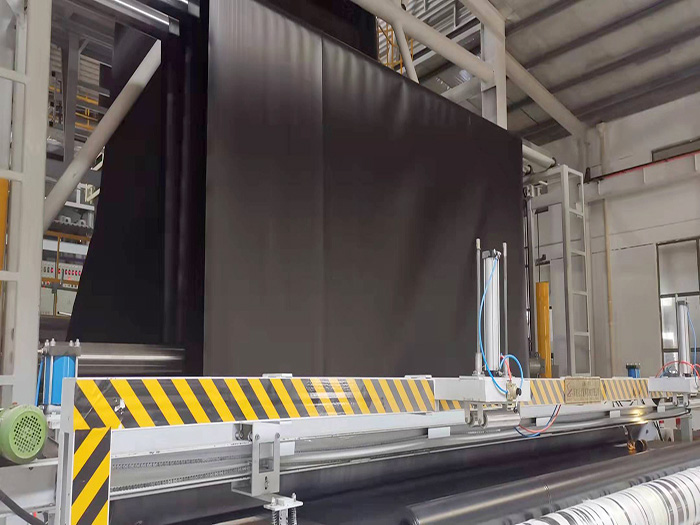
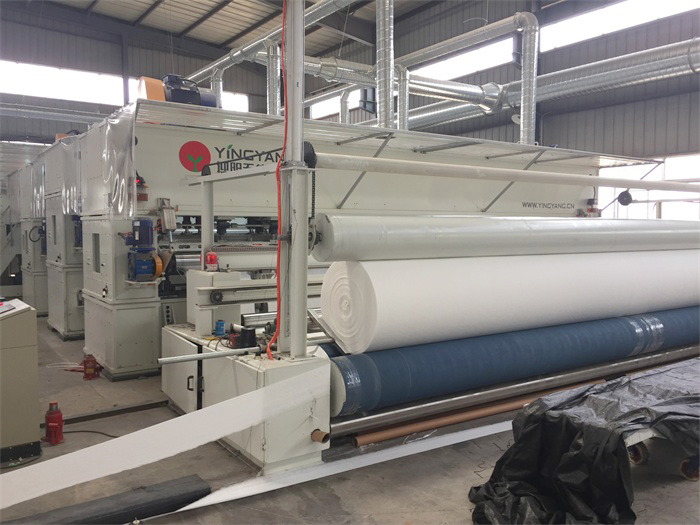
Correct selection, subgrade preparation, welding, and maintenance protocols for long-term seepage containment.
Select the appropriate base polymer formulation based on chemical exposure and mechanical load. Choose High-Density Polyethylene (HDPE) for projects requiring superior chemical stability and UV resistance, or Linear Low-Density Polyethylene (LLDPE) for applications needing exceptional flexibility. Select wall thicknesses between 0.3mm and 2.0mm to match site conditions.
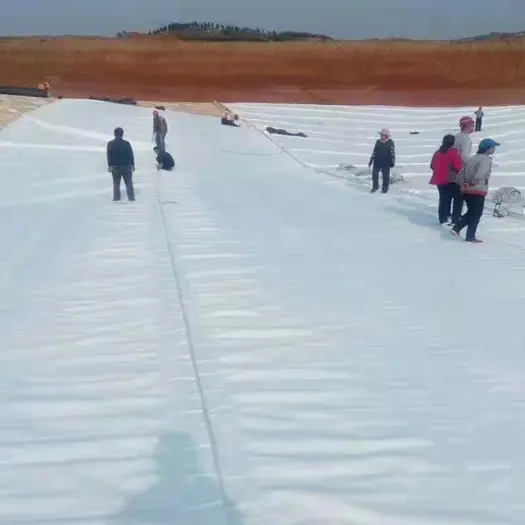
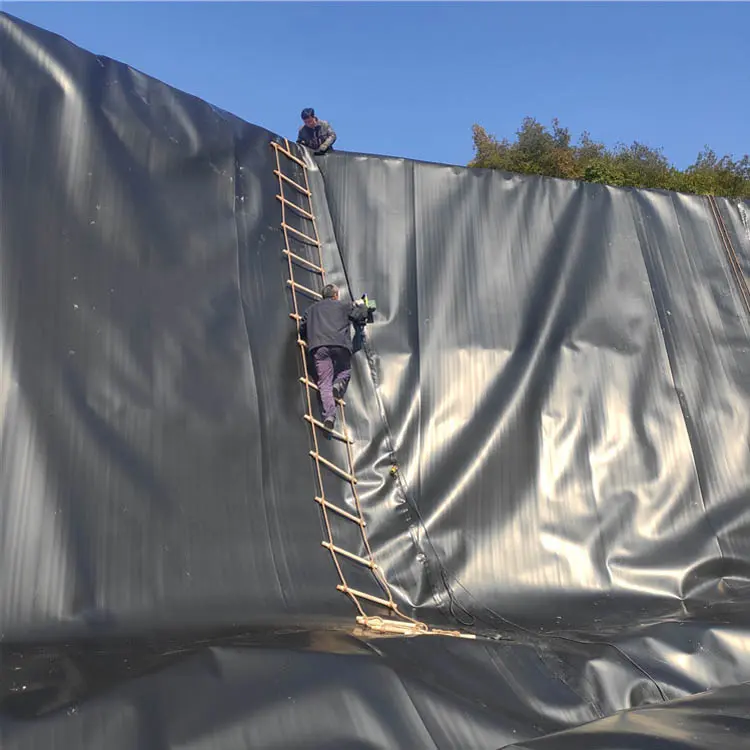
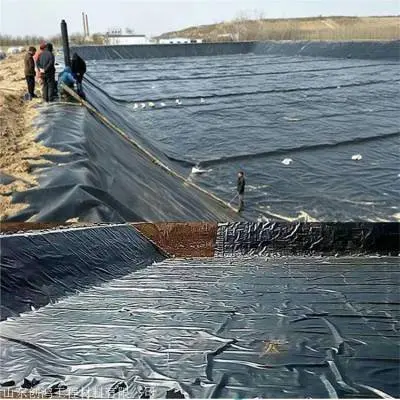
Ensure that all subgrade areas are free of sharp stones, roots, and debris. Layout panels along the slope direction with appropriate overlap margins (usually 75mm to 150mm). Use temporary sandbags to prevent wind uplift during deployment.
Perform dual-track hot wedge welding on long seams, and extrusion welding on complex shapes and penetrations. Conduct air pressure testing along the dual weld channels to verify joint integrity before backfilling.
Routinely check exposed anchors and slopes for signs of shifting. Remove mud and debris accumulation on flat areas to prevent unbalanced loading stresses.
From water containment and landfill encapsulation to roadbed reinforcement and foundation stabilization.
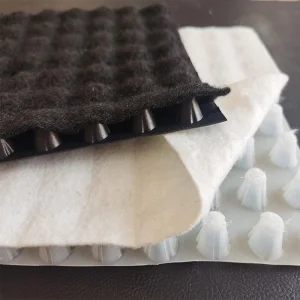
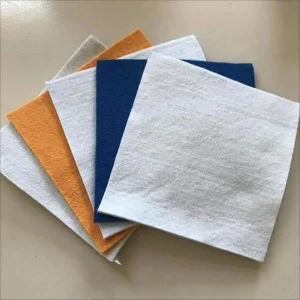
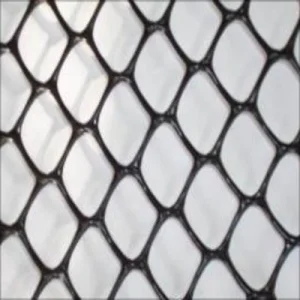
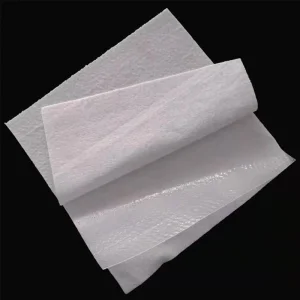
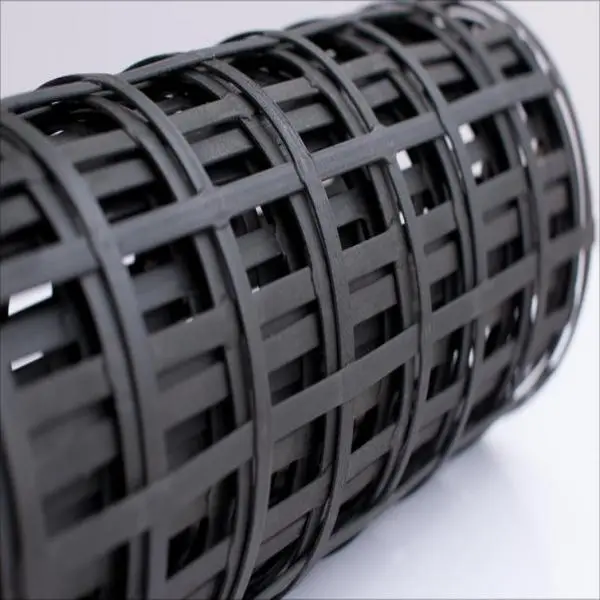
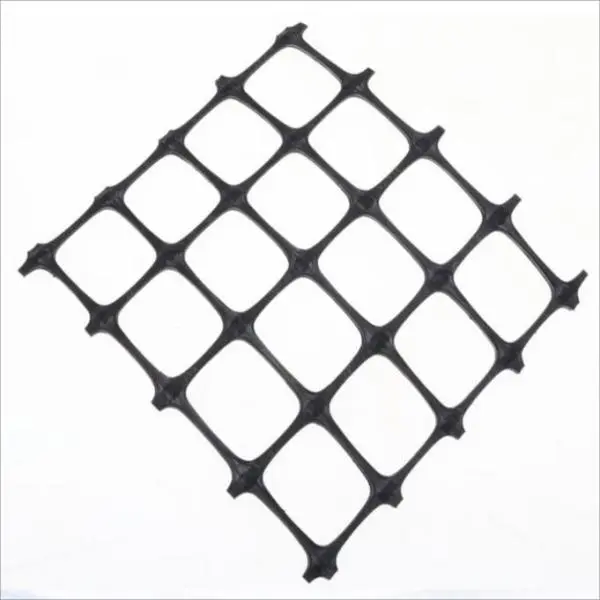
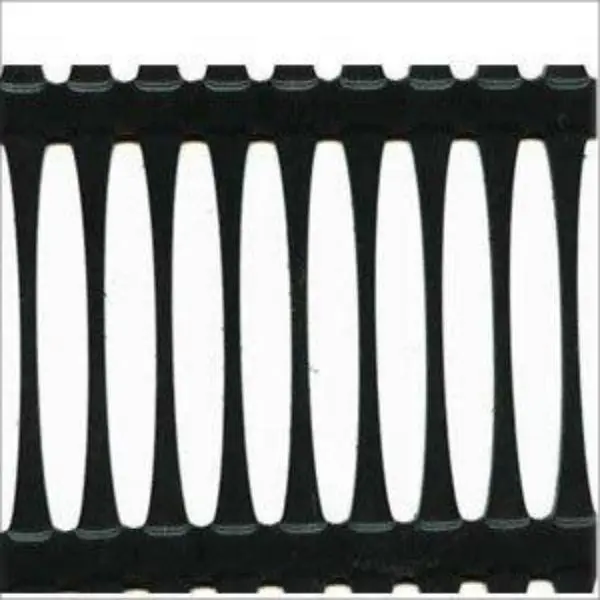
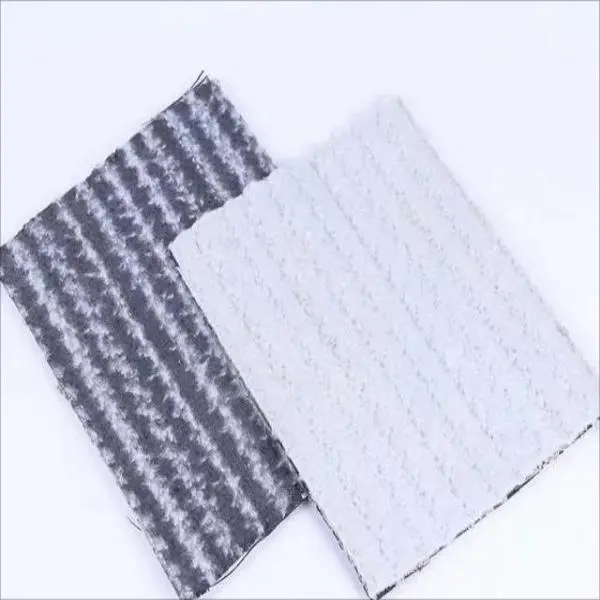
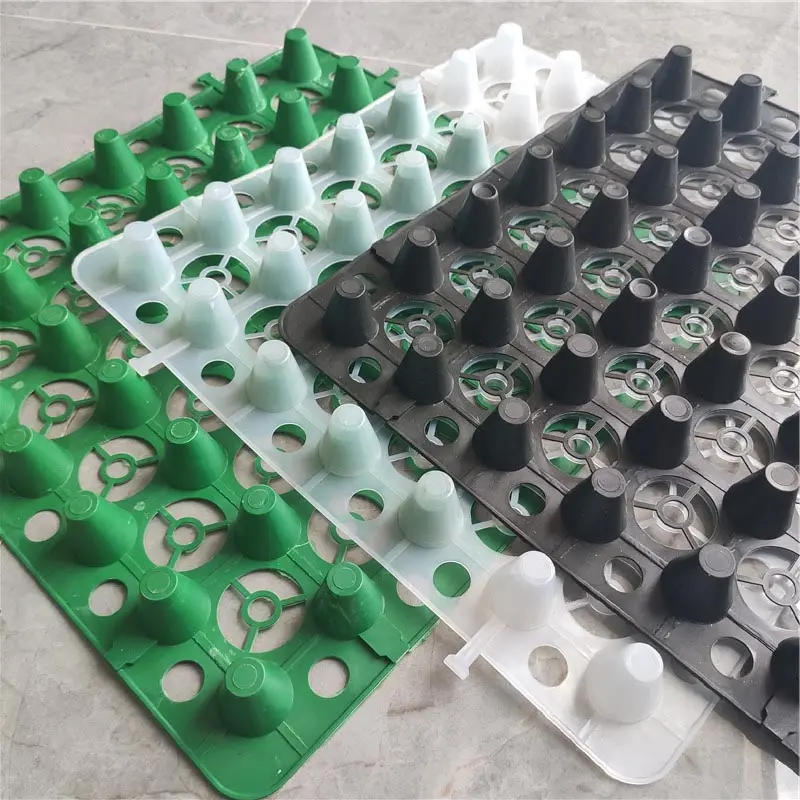
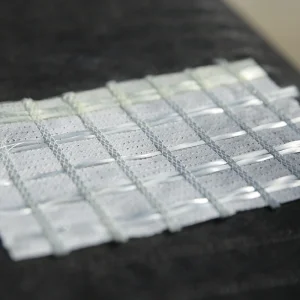
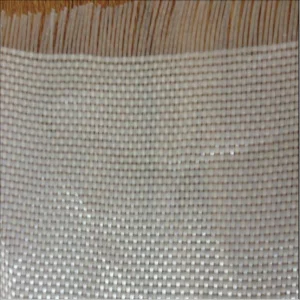
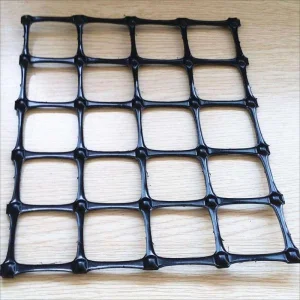
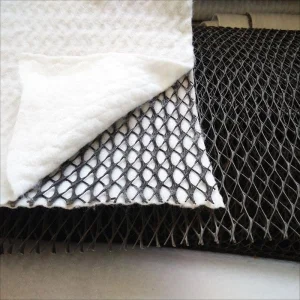
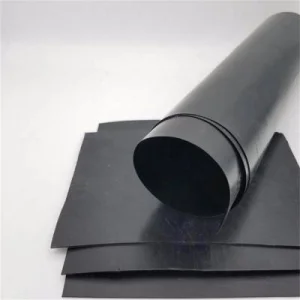
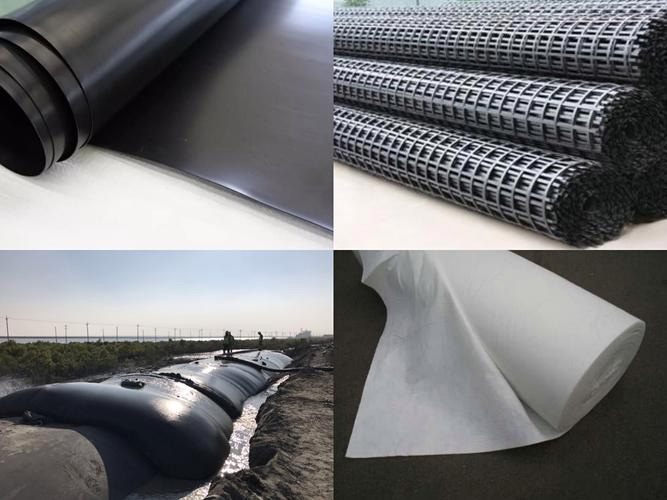
From single-rib plastic geogrids to composite cement blankets, our factory delivers standard and custom products to site specifications.
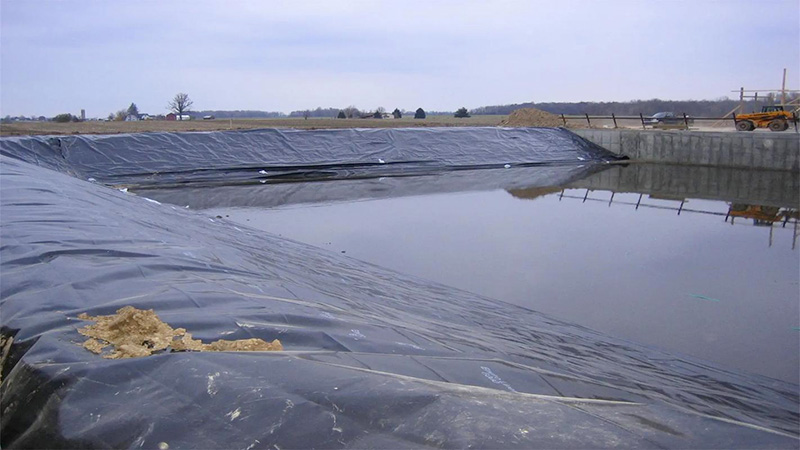
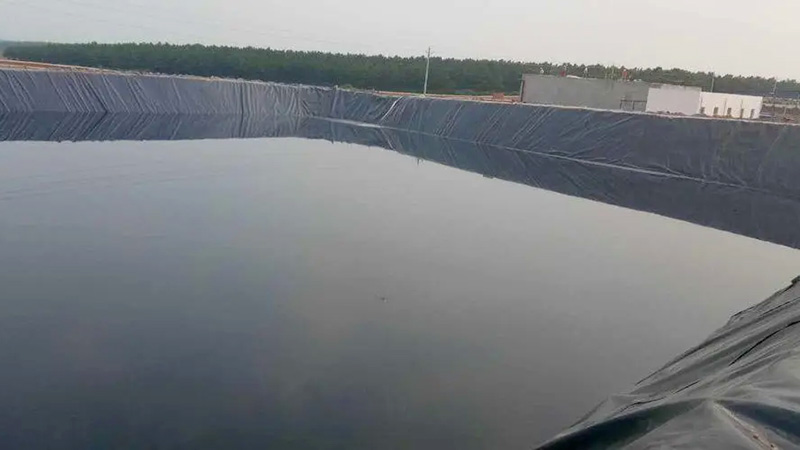
Global warming and fluctuating precipitation patterns are placing severe mechanical stress on transport infrastructure. In regions with unstable subgrades, conventional road design often leads to failure, resulting in high maintenance costs. Stabilizing subgrades with CE certified geocells prevents premature road failure.
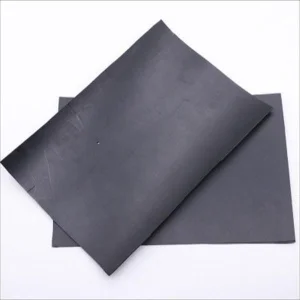
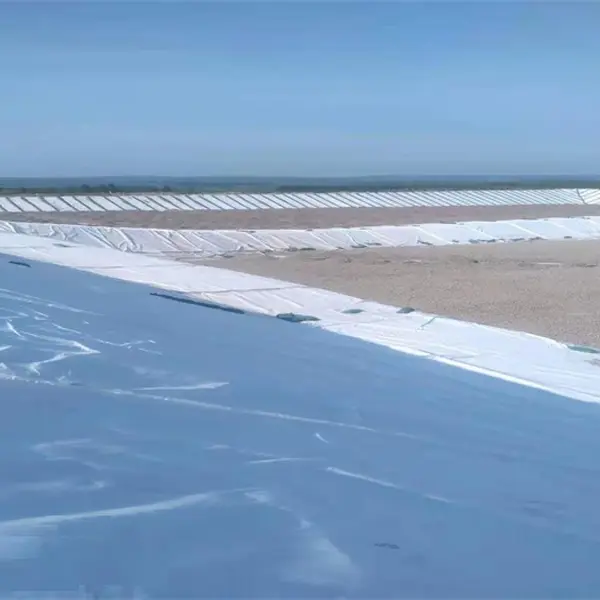
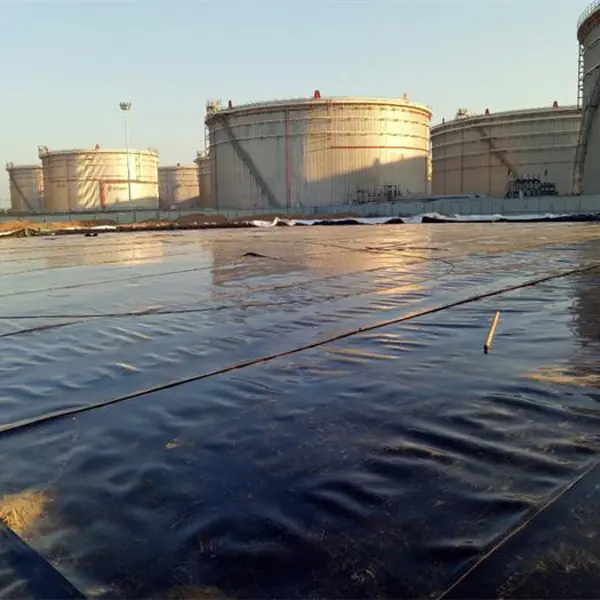
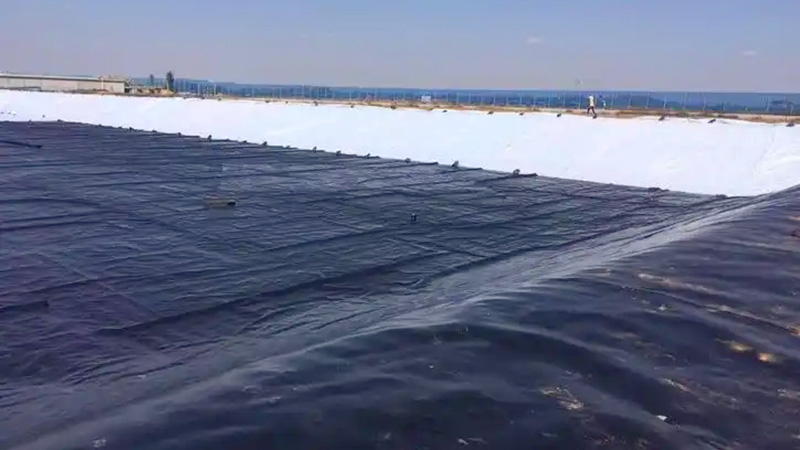
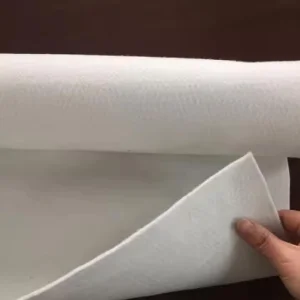
Additionally, environmental requirements demand secondary spill barriers. Combining geomembranes with robust geotextiles provides reliable containment for industrial and mining operations.
Shandong Hongyue's geosynthetic systems are engineered to withstand these environmental challenges. Our products undergo rigorous testing to ensure stability in demanding applications.
Answers to common technical and certification questions from civil engineers and procurement specialists.
CE certification indicates compliance with European harmonized standards (such as EN 13249 for road construction). It ensures that parameters like tensile strength, junction efficiency, carbon black distribution, and creep resistance are tested to verified standards, helping to ensure long-term structural performance.
Cell height (commonly 50mm to 200mm) and weld spacing (330mm to 660mm) determine the confinement intensity. Higher cells and tighter weld spacing offer greater lateral confinement, suitable for heavy traffic zones or very soft soils.
Textured (diamond-patterned) cell walls increase friction with the infill material, helping to prevent aggregate pullout. Perforated walls allow water to drain laterally, improving performance in saturated conditions.
Yes. By improving the load-bearing capacity of the base layer, geocells allow for thinner base designs and can reduce the need for imported aggregate, saving on transport and material costs.
We perform batch testing for tensile strength, elongation, carbon black dispersion, and dimensional tolerance. Our on-site testing lab is calibrated to national and international standards.
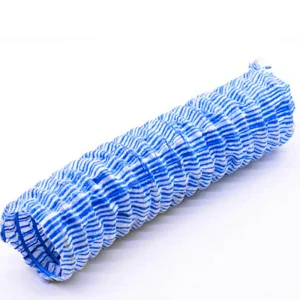
Explore our full line of geomembranes, drainage nets, and specialty construction products.
 Hongyue