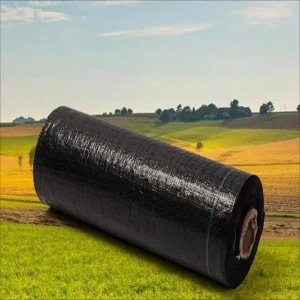
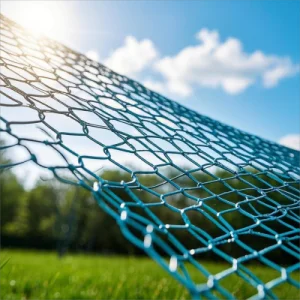
In contemporary civil engineering, the integration of green infrastructure and biological stabilization systems has replaced traditional concrete hard-armoring. Eco Sacks (also known as ecological geotextile bags) represent a leading edge in this transition. These specialized engineered containers are fabricated from highly durable, non-biodegradable synthetic polymers—primarily needle-punched nonwoven polypropylene (PP) or polyester (PET) geotextiles. Unlike typical agricultural bags, ecological geobags are engineered specifically to survive buried underground environments, providing soil retention, mechanical slope stability, and permanent vegetation growth interfaces.
To achieve regulatory approval for infrastructure projects globally—especially within the European Union under the Construction Products Regulation (CPR 305/2011/EU)—Eco Sacks must carry CE Certification. This certification ensures the materials conform to stringent standards of mechanical tensile strength, hydraulic permittivity, pore size distribution (O90), and long-term UV resistance. Shandong Hongyue Environmental Engineering Co., Ltd. leads the industrial supply chain in manufacturing CE-certified geosynthetic systems that guarantee decades of environmental stability.
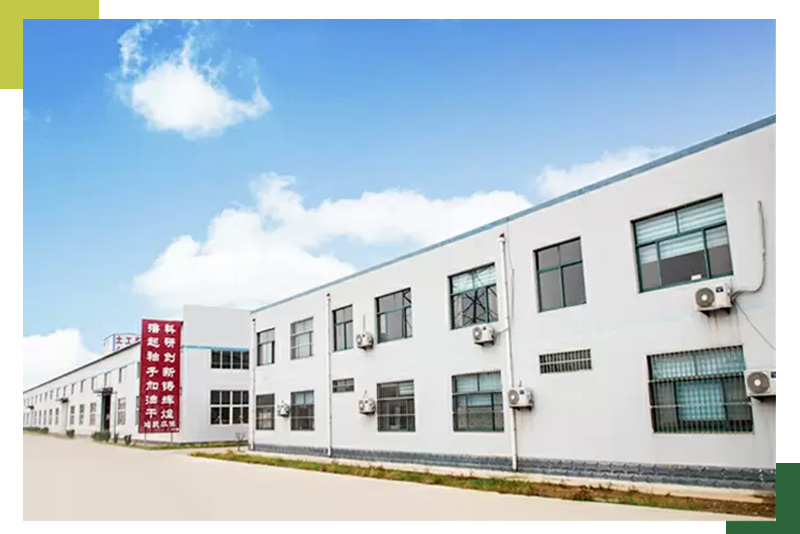
Located at the north end of Fufeng Street, Lingcheng District, Dezhou, Shandong Province, Shandong Hongyue Environmental Engineering Co., Ltd. is a scientific and technological geotechnical material manufacturer integrating engineering material production, sales, design, and construction services. The company was registered in Lingcheng District Market Supervision and Administration Bureau of Dezhou City on April 6, 2023, with a registered capital of 105 million yuan. Today, it stands as one of the largest production bases of geotechnical materials in China, benefiting from a superior geographical location and convenient domestic and international transport networks.
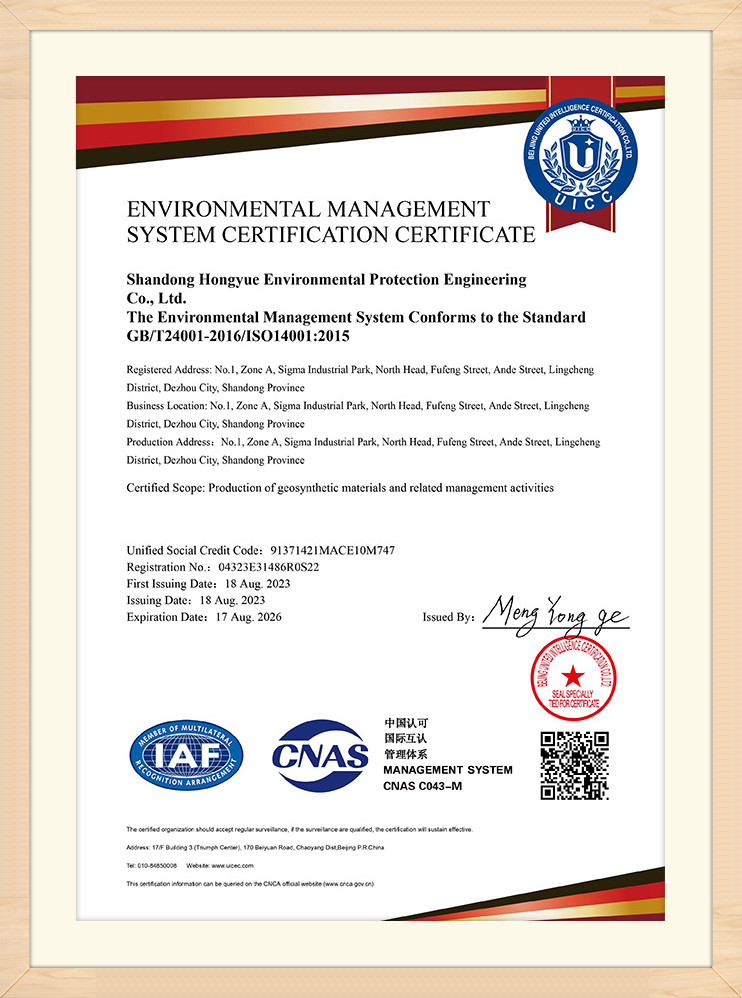
The company has passed the ISO9001 international quality system certification, ISO14000 environmental system certification, and ISO45001 occupational health and safety management system certification. Our enterprise has won multiple national honors, including "Green and environmentally friendly building materials products", "No consumer complaints", "Famous Chinese brands", "High-tech industries", and "Quality service double excellent units". Shandong Hongyue has established sales networks in more than 40 large and medium-sized cities, exporting to Europe, the United States, Australia, Southeast Asia, and various parts of China.
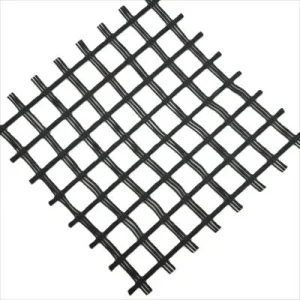
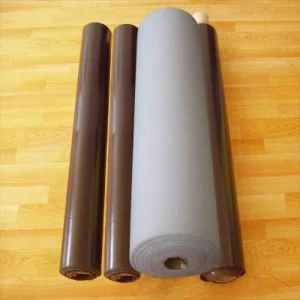
We supply a comprehensive suite of geotechnical components, including geotextiles, geomembranes, composite geomembranes, waterproof boards, bentonite waterproof blankets (GCL), 3D composite drainage nets, (composite) drainage boards, woven and non-woven fabric bags, eco-sacks, cement blankets, fiber plant blankets, and flexible pervious pipes.
Every roll of membrane and geotextile goes through strict laboratory analysis. We are active members of the Dezhou Geotextile Association, utilizing state-of-the-art testing equipment that aligns with ASTM and European standards.
Benefited by our location in the Shandong manufacturing cluster, we optimize bulk raw material supply and logistics pathways. This geographical efficiency translates into fast container turnaround times at Qingdao Port.
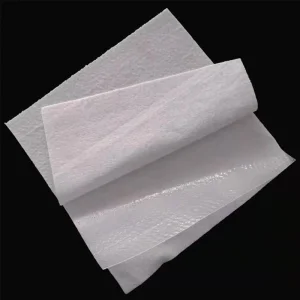
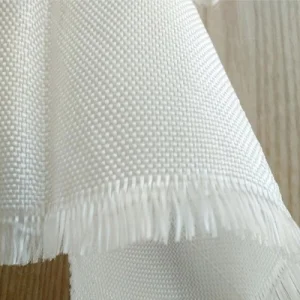
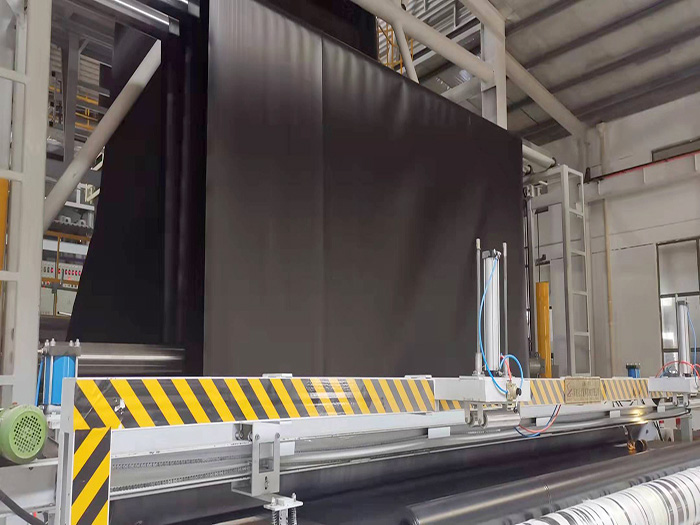
The base material for high-quality Eco Sacks is engineered geotextile fabric. The manufacturing process at the Shandong Hongyue facility combines thermal extrusion and structural needle-punching to guarantee high mechanical properties.
Our raw materials consist of high-grade polyester chips, polypropylene filament, and selected viscose fibers. All polymers must meet baseline crystallinity and density indexes to survive underground bio-chemical oxidation.
Polyester slices are melted at temperatures exceeding 260°C and processed via a precision screw extruder. Advanced stabilizers, including carbon black and UV inhibitors, are homogeneously mixed into the melt.
The molten polymer is extruded through micro-spinnerets to form micro-filaments. These continuous filaments are systematically distributed on a conveyor belt to construct a isotropic web structure with uniform thickness.
The structured web goes through several stages of mechanical needle-punching. Thousands of barbed needles interlock the fibers, establishing structural stability, high shear resistance, and specific void ratios.
The cured geotextiles are rolled using automated width and length monitors. The rolls are covered in protective UV-proof wrap to prevent premature degradation during transport and site storage.
Every manufacturing batch is subjected to mechanical tests: Grab Tensile Strength (ASTM D4632), Puncture Resistance (ASTM D4833), and Apparent Opening Size (ASTM D4751) to verify strict CE compliance.
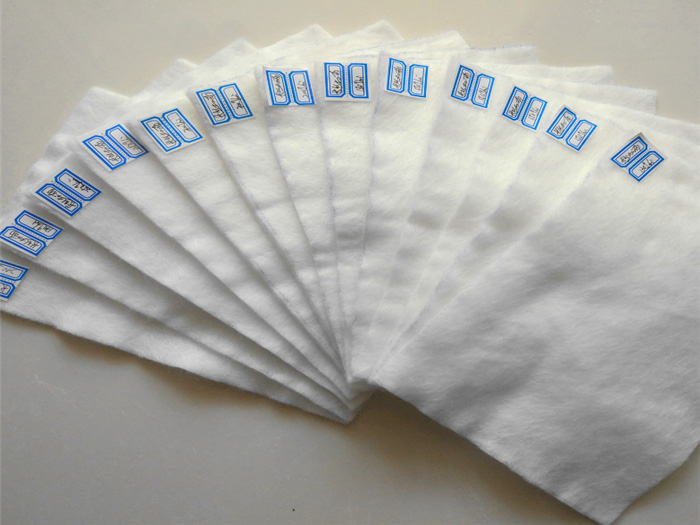
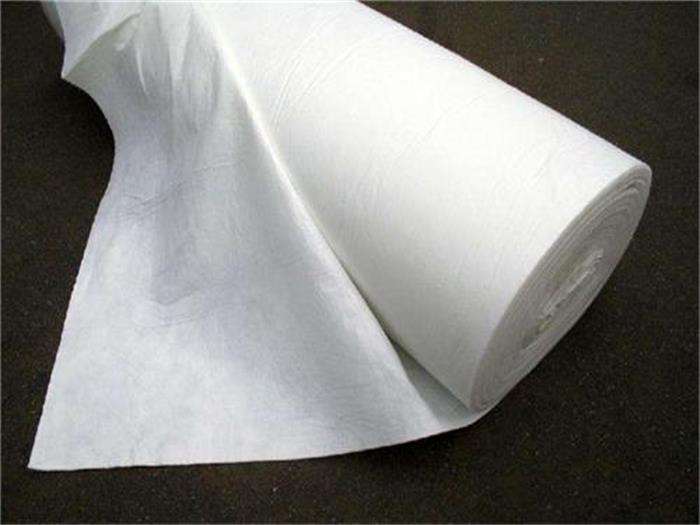
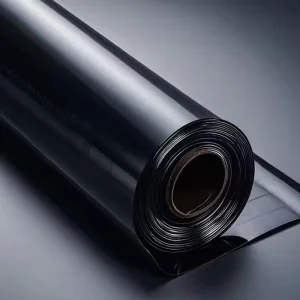
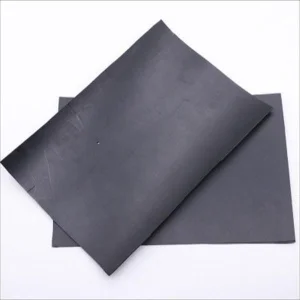
Geomembranes serve as low-permeability barriers in hydraulic and municipal containment systems. The performance of these barriers depends on choosing the correct material, proper field installation, and quality control.
The choice of polymer depends on chemical exposure and mechanical stresses:
• HDPE (High-Density Polyethylene): Offers excellent chemical resistance and UV stability, making it standard for landfills and municipal waste containment.
• LLDPE (Linear Low-Density Polyethylene): Provides higher flexibility and elongation properties, ideal for uneven slopes and containment structures prone to differential settlement.
• Thickness Range: Standard applications utilize thicknesses from 0.3mm (agricultural linings) to 2.0mm+ (hazardous waste containment landfills).
Field installation must follow strict engineering guidelines:
• Subgrade Preparation: The surface must be compacted and cleared of sharp rocks, debris, or roots that could puncture the liner.
• Laying and Alignment: Thermal expansion and contraction must be accounted for. Seams should be aligned parallel to the slope direction.
• Thermal Seaming: Double-track hot wedge welding is used for long seams, allowing for air-pressure testing of the created channel to confirm joint integrity.
To extend service life:
• Protective Coverings: Apply geotextile cushions and soil cover layers to protect the liner from physical damage and direct UV radiation.
• Periodic Testing: Conduct regular geoelectric leak detection surveys to identify and repair sub-visual damage.
• Chemical Monitoring: Perform regular groundwater tests around containment areas to confirm liner performance.
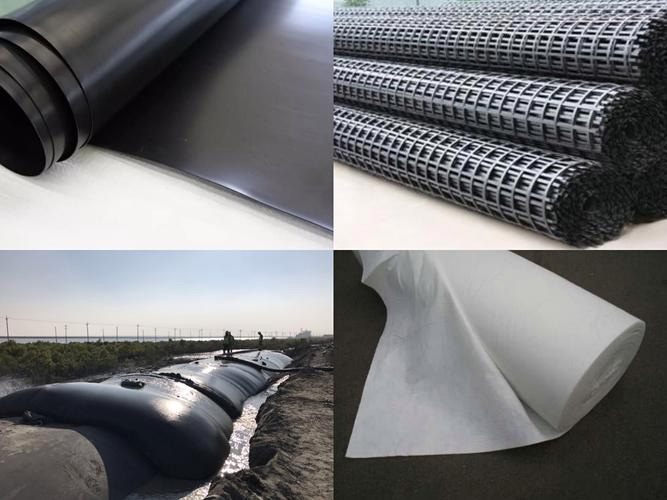
Modern civil engineering projects rarely rely on a single layer of protection. The standard for maximum environmental safety is a composite liner system, which combines a geomembrane with a Geosynthetic Clay Liner (GCL) or a non-woven geotextile cushion.
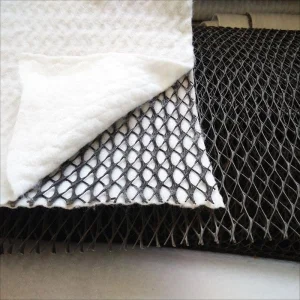
Shandong Hongyue specializes in the custom manufacturing of non-woven composite geomembranes, laminating geotextiles directly onto PE membranes under controlled factory conditions. This composite design improves puncture resistance and interface shear strength, allowing for steeper slopes in landfills and canal linings.
All geosynthetics produced by Shandong Hongyue conform to international standards, meeting or exceeding China's national testing parameters and passing all state quality audits. Our quality control system is backed by advanced calibration and testing equipment.
Our in-house laboratory tests index parameters for every batch:
• Static Puncture Testing (CBR): Simulates stones pushing against the geotextile under high pressure.
• Carbon Black Dispersion: Ensures UV protection is evenly distributed throughout the geomembrane.
• Wide-Width Tensile Testing: Verifies the material's mechanical strength under structural loads.
Shandong Hongyue's materials are routinely tested by the China National Testing Center, ensuring that all physical and chemical properties remain stable under harsh environmental conditions.
The physical properties of Shandong Hongyue's geosynthetics are engineered to solve specific challenges across diverse geotechnical applications:
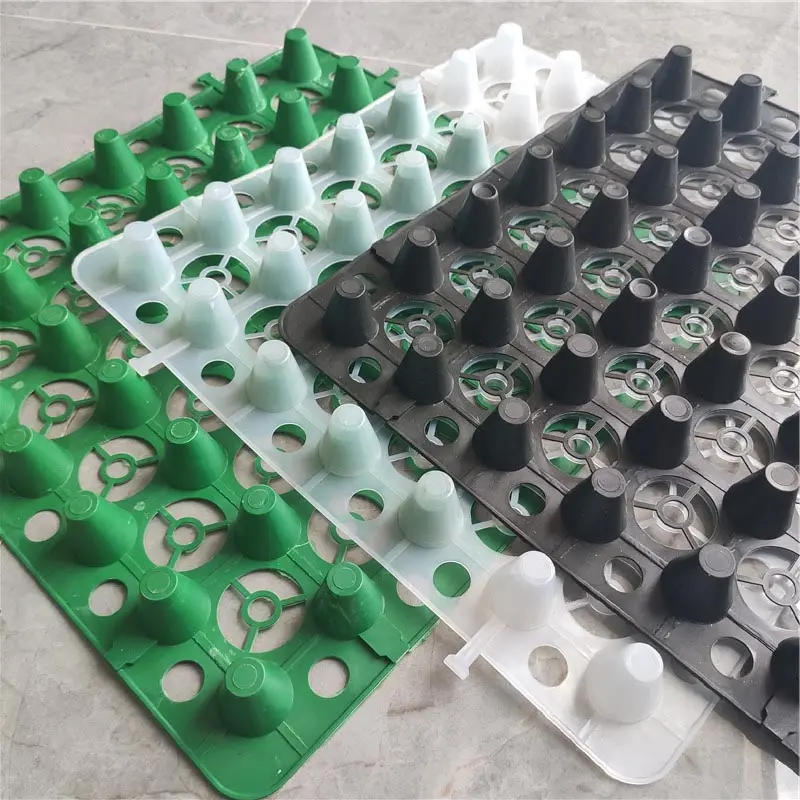
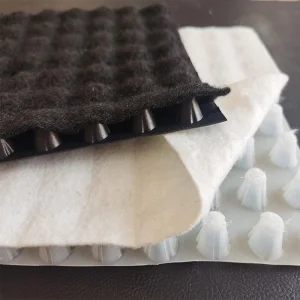
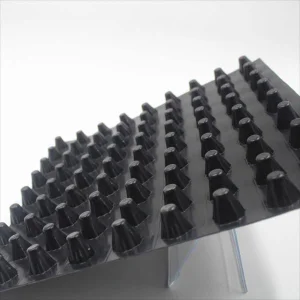
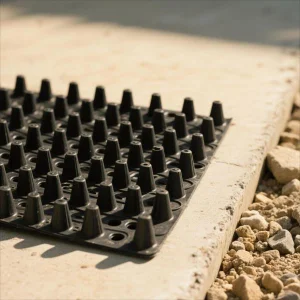
Our storage and drainage boards provide reliable water management for underground garage roofs and podium decks. They drain excess stormwater while retaining sufficient moisture for soil and vegetation layers.
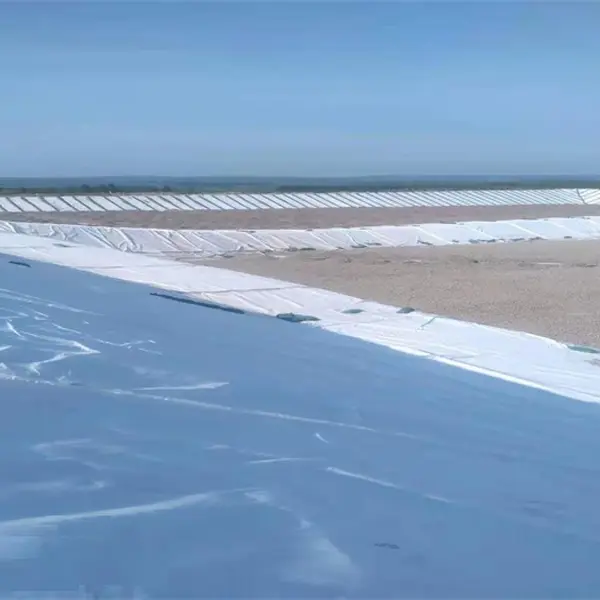
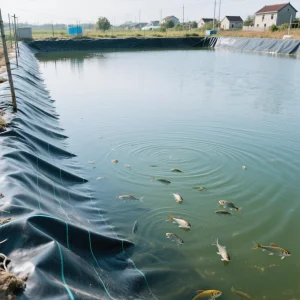
In municipal reservoirs, our HDPE geomembranes prevent subgrade seepage. The low permeability of the liner helps protect water resources and prevents soil instability around the reservoir perimeter.
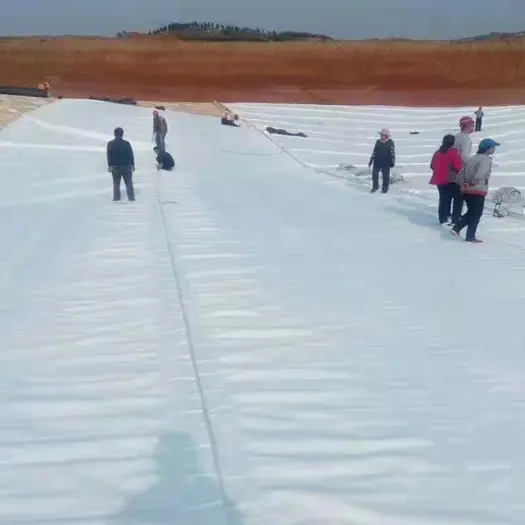
Lining agricultural canals with composite geomembranes reduces water loss from seepage. This improves irrigation efficiency and protects neighboring farmlands from rising water tables.
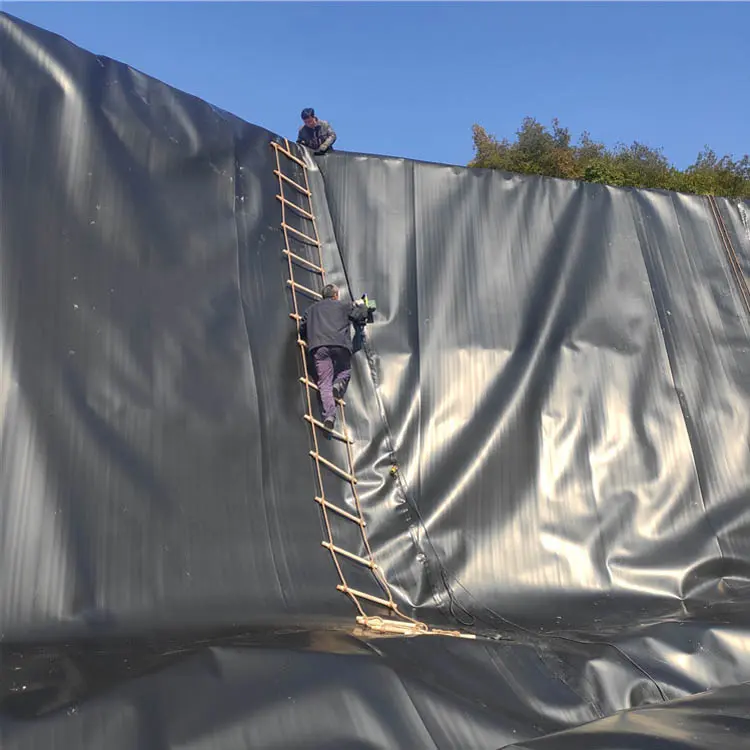
Our 2.0mm HDPE geomembranes are used in landfill lining systems to contain leachate. This protects local groundwater from contamination, conforming to strict EU environmental standards.
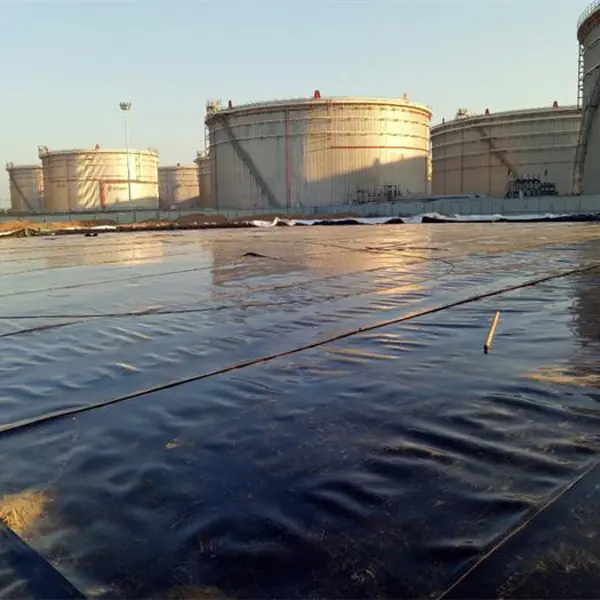
Installed beneath refinery oil tank farms, our chemical-resistant LLDPE/HDPE barriers prevent fuel spills from infiltrating the soil, helping operators comply with national environmental protection laws.
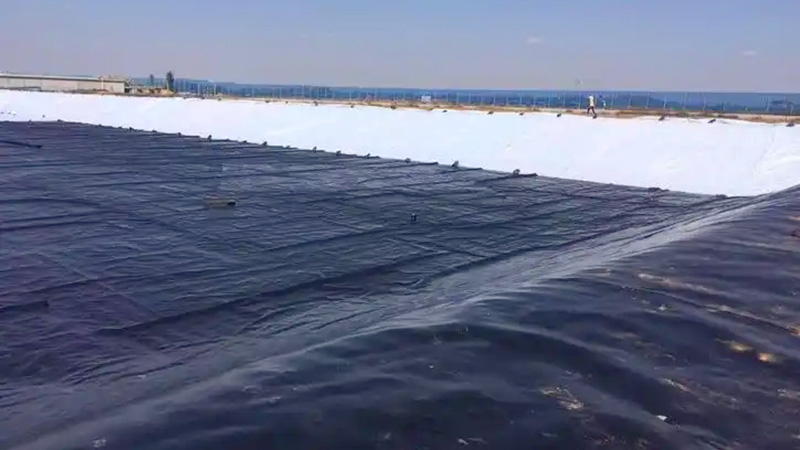
Stacking CE-certified Eco Sacks along riverbanks prevents erosion from hydraulic currents. The non-woven geotextile retains soil while allowing vegetation to take root, creating a stable, natural shoreline.
As a major manufacturer in Shandong, China, Shandong Hongyue Environmental Engineering Co., Ltd. offers significant supply chain advantages to the global geosynthetics market.
Located in Dezhou, Shandong—a major hub for China's geotextile industry—we benefit from a highly developed ecosystem of raw material suppliers, machinery manufacturers, and specialized technical talent, reducing overhead costs.
Our operations cover the entire value chain: raw material formulation, fiber extrusion, needle-punching, membrane blowing, custom fabricating, and structural installation. Eliminating third-party markups ensures competitive pricing for bulk procurement.
With 105 million RMB in registered capital and high-output extrusion lines, we maintain a large inventory of base materials. This scale enables us to fulfill high-volume orders for major infrastructure projects without delay.
We address common technical and regulatory queries from engineering procurement teams, project designers, and environmental consultants:
 Hongyue