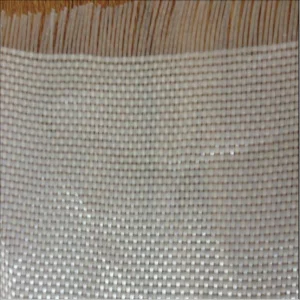
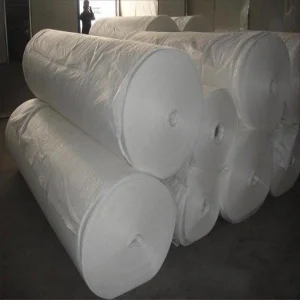
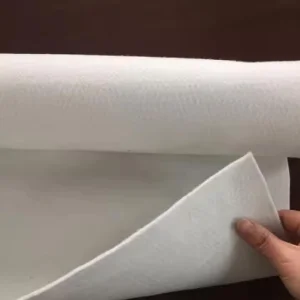
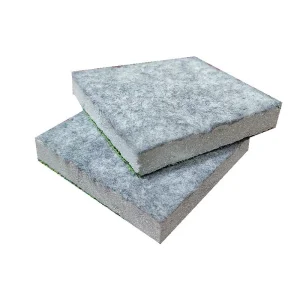
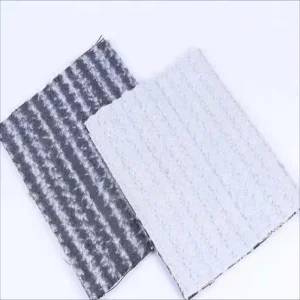
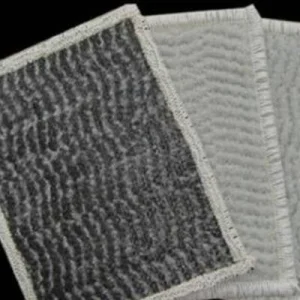
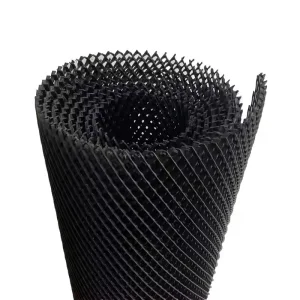
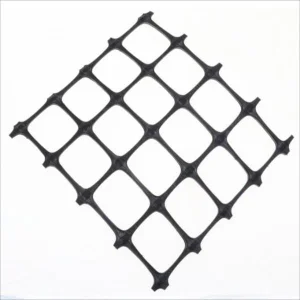
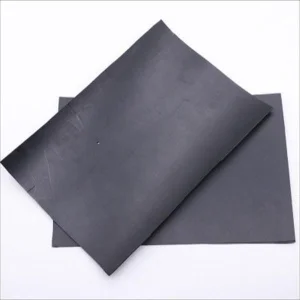
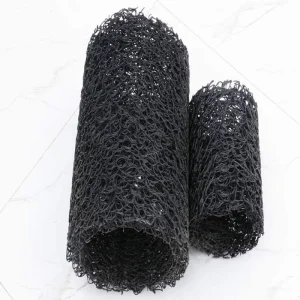
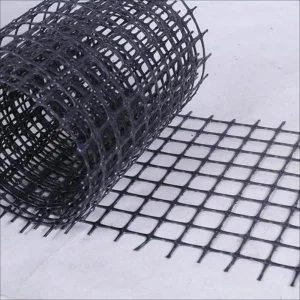
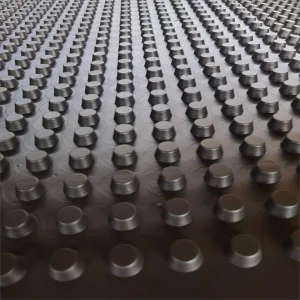
Explore our high-performance geotechnical engineering product lines. Direct-from-factory quotes, rigorously certified to ISO standards for ultimate structural reliability.
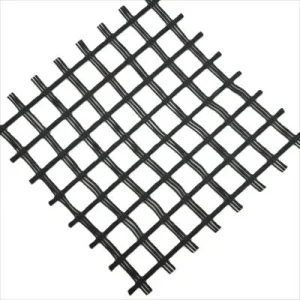
Uniaxial geogrids have evolved from experimental polymer matrices into fundamental cornerstones of modern B2B geotechnical design. Developed primarily from high-density polyethylene (HDPE) or polypropylene (PP) resins through targeted extrusion, punching, and longitudinal stretching procedures, uniaxial geogrids offer remarkable, unidirectional tensile strength. In the global infrastructure market, the demand for uniaxial geogrids is skyrocketing as civil engineering budgets seek to maximize durability while minimizing carbon footprints.
By confining soil particles within their structured aperture windows, these materials mitigate tensile stresses that soils cannot naturally withstand. Across North America, Europe, and the Asia-Pacific region, rapid urbanization and logistics infrastructure expansions (such as high-speed railways, port heavy-duty storage yards, and highway embankments) rely heavily on high-tensile strength materials to reinforce soft subgrades, construct ultra-steep slopes, and build structural Mechanically Stabilized Earth (MSE) retaining walls.
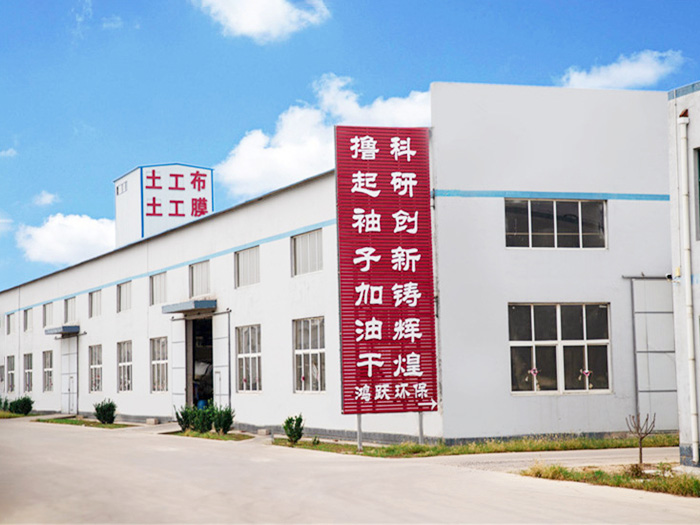
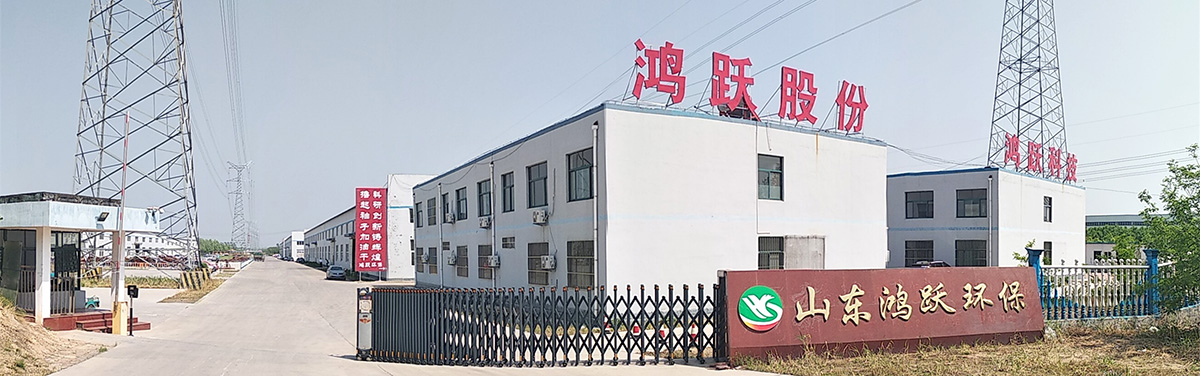
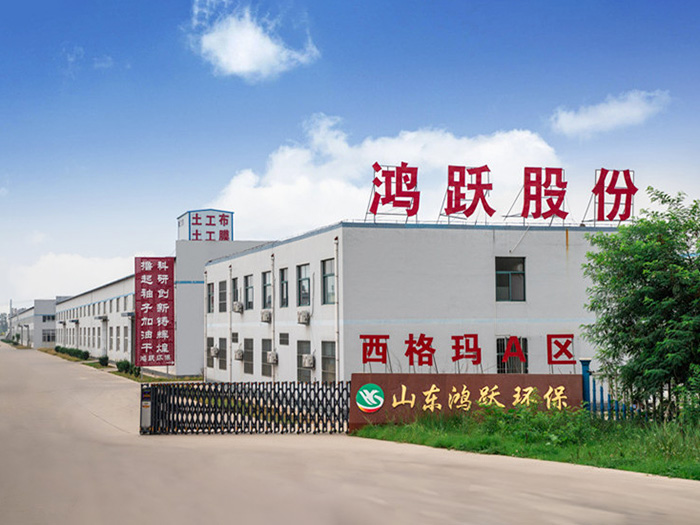
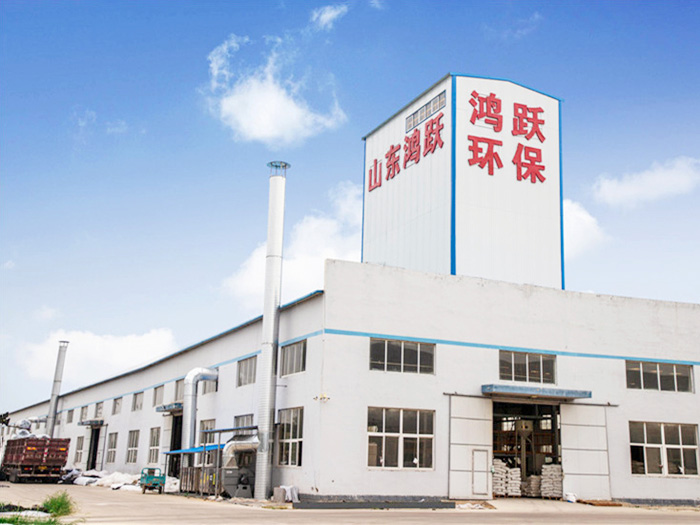
Shandong Hongyue Environmental Engineering Co., Ltd., located at the north end of Fufeng Street, Lingcheng District, Dezhou, Shandong Province, stands as a scientific and technological geotechnical material manufacturer integrating engineering material production, sales, design, and construction services. The company was registered in Lingcheng District Market Supervision and Administration Bureau of Dezhou City on April 6, 2023, with a registered capital of 105 million yuan. It is recognized as one of the largest production bases of geotechnical materials in China at present, enjoying a superior geographical location and highly convenient logistics networks.
Since the establishment of the company, our business continues to grow and expand. We specialize in geotextiles, geomembranes, composite geomembranes, waterproof boards, bentonite waterproof blankets, 3D composite drainage nets, (composite) drainage boards, weaving cloths, woven cloths, membrane bags, blind ditches, waterproof and drainage combinations, woven bags, ecological bags, cement blankets, fiber plant blankets, and flexible pervious pipes.
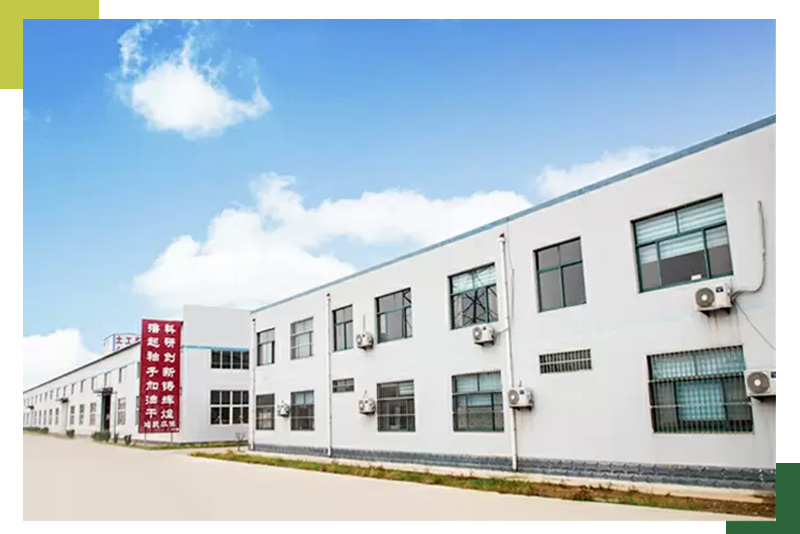
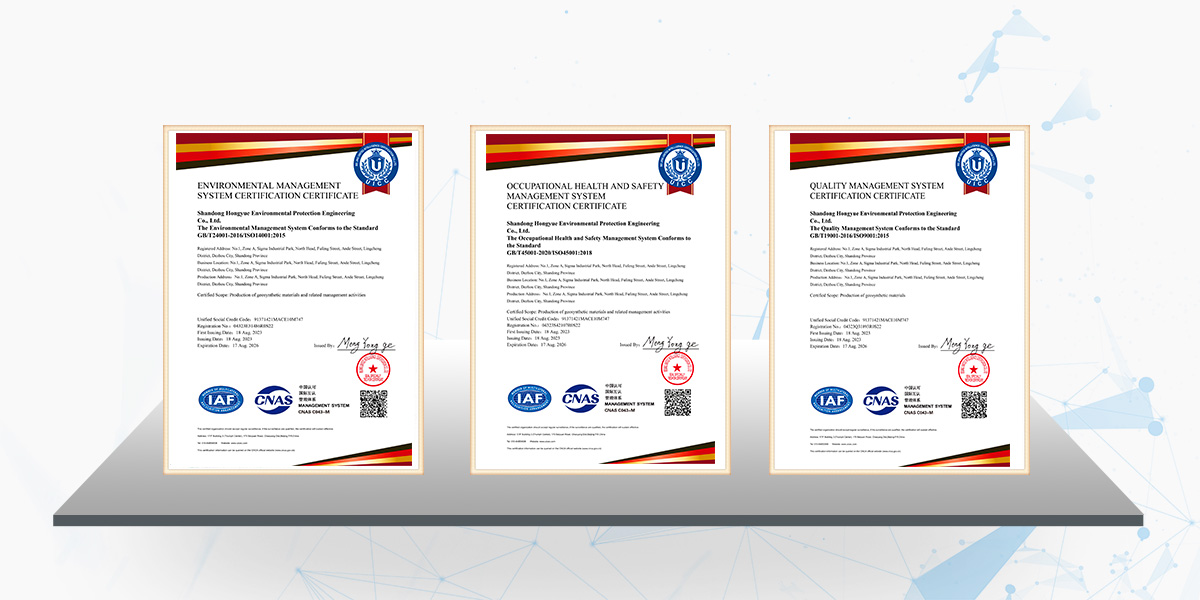
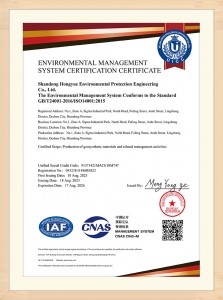
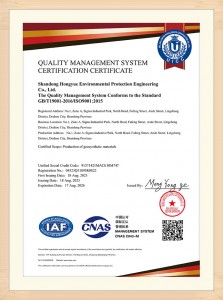
Our manufacturing facilities operate under absolute transparency. The company has successively passed the ISO9001 international quality system certification, ISO14000 environmental system certification, and ISO45001 occupational health and safety management system certification. We have won multiple honors such as "green and environmentally friendly building materials products", "no consumer complaints", "famous Chinese brands", "high-tech industries", "quality service double excellent units", and "provincial-level poverty alleviation leading enterprises".
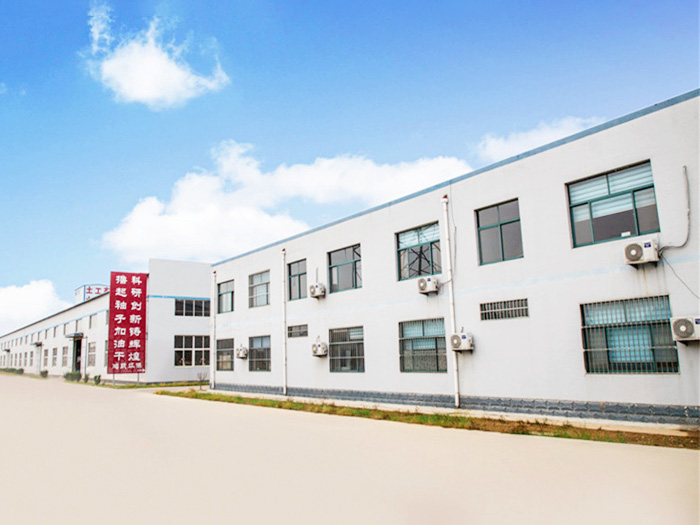
Equipped with advanced machinery lines, our facility is engineered to produce high-tensile extruded polymer sheets that are precisely punched and stretched. Below is a window into our physical production facilities:
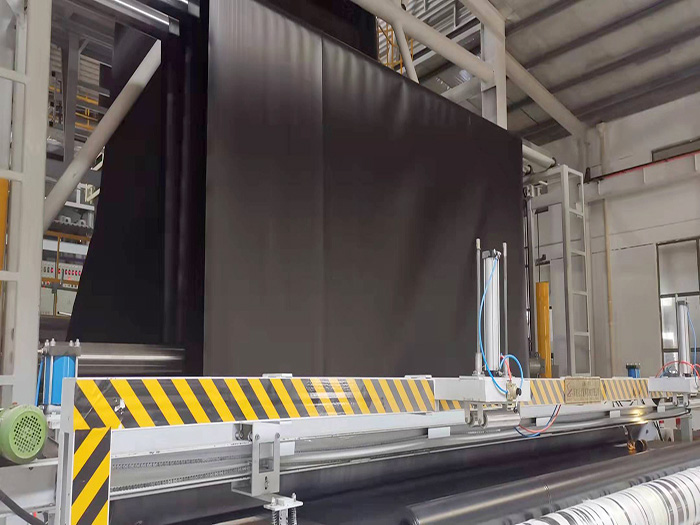
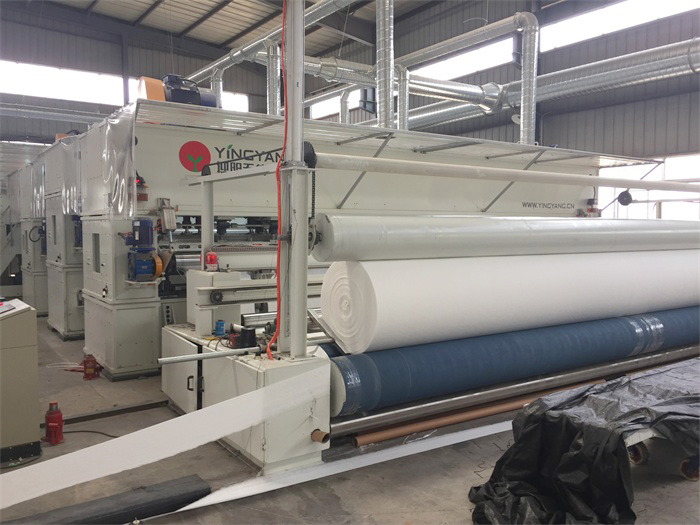
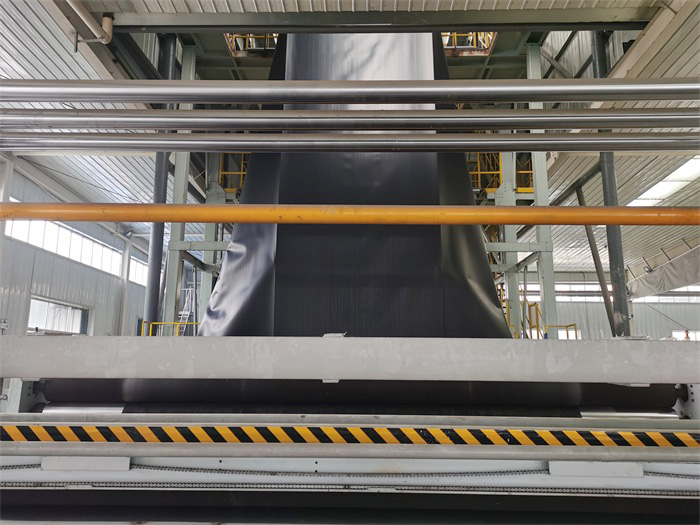
The global geosynthetics sector is undergoing a profound paradigm shift. Procurement metrics have evolved past basic tensile properties; environmental impact, long-term degradation resistance, and raw-material consistency now drive purchasing decisions.
Enhanced polymer blending techniques, incorporating advanced carbon black additives, guarantee outstanding UV resistance and oxidation defense. These advancements allow products to maintain high mechanical stability even under prolonged sun exposure during construction phases.
Uniaxial geogrids undergo constant tension. Modern manufacturing ensures molecular chains remain highly oriented, reducing creep deformation to less than 1% over 100+ year horizons under extreme load configurations.
Transitioning from basic soil stabilization to supporting biophilic designs. Co-extruded structural geogrids facilitate vegetation growth, blending heavy-duty slope retention with natural ecosystems.
When sourcing professional-grade uniaxial geogrids, raw quotation figures do not paint the entire picture. The total cost of ownership depends on a combination of critical parameters:
At Shandong Hongyue, we leverage our location in Dezhou, Shandong (the manufacturing hub of China's geosynthetic sector) to balance cost efficiency and top-tier product performance.
Our factory processes geotextiles, geomembranes, and uniaxial geogrids under strict quality protocols. Below is a detailed view of our standard Geotextile manufacturing line, demonstrating the process steps required to achieve durable, highly uniform engineering materials.
| Step Name | Technical Function & Details | Quality Check Parameters |
|---|---|---|
| 1. Raw Material Preparation | Polyester chips, polypropylene filaments, and viscose fibers are inspected and stored. | Polymer density, moisture content, purity checking. |
| 2. Melt Extrusion | Melting at high temperatures, mixing elements in a twin-screw extruder. | Precision control of pressure and temperature. |
| 3. Roll the Net (Fiber Laydown) | Melt is sprayed through spinnerets to form a uniform web layout. | Thickness distribution, fiber direction uniformity. |
| 4. Draft Curing | Mechanical and thermal drawing coordinates alignment of molecular chains. | Stretching ratios, tensile resistance parameters. |
| 5. Roll & Pack | Materials are wound into standardized lengths and widths. | Roll width tolerance, outer wrapper protection. |
| 6. Quality Inspection | Independent lab tests physically and chemically inspect final rolls. | ISO-9001 compliance standards verification. |
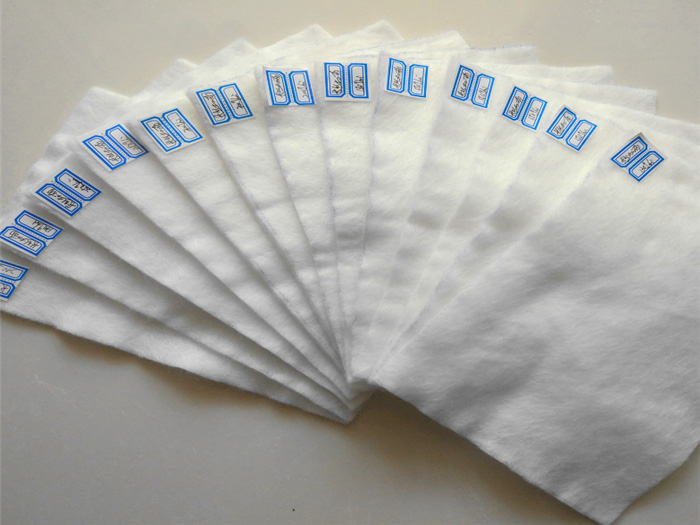
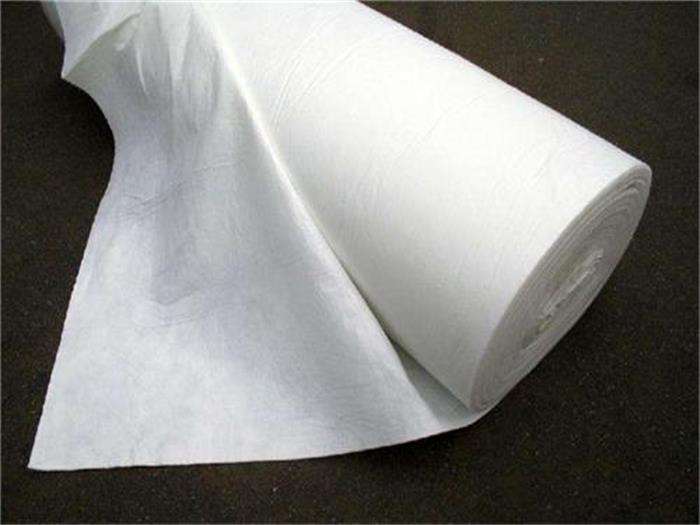
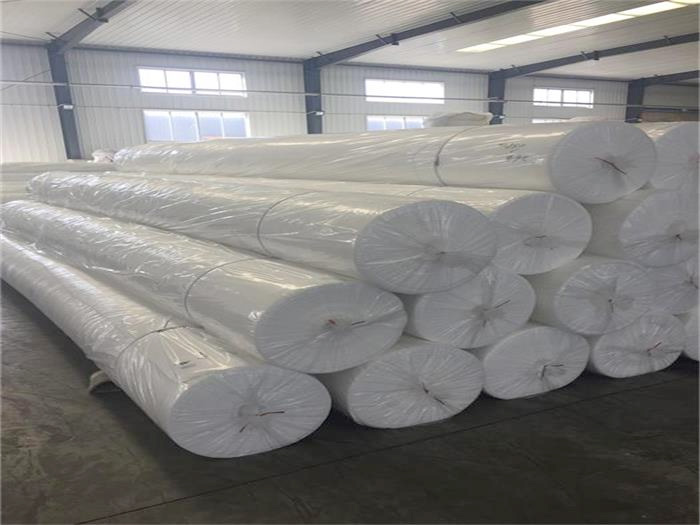
The application range of Shandong Hongyue's materials spans municipal containment, civil works, and water protection networks. Choosing the appropriate geogrid, geomembrane, and geotextile combination guarantees stable engineering parameters.
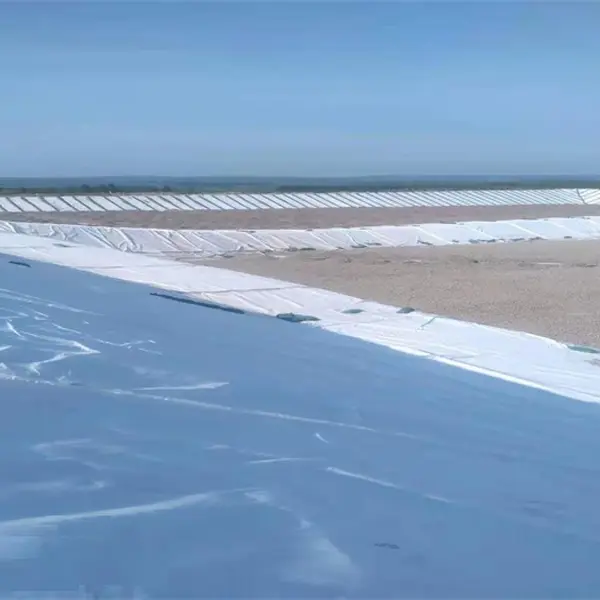
Utilizing high-performance geomembranes to secure structural integrity in dams, prevent bank leaks, and manage water flow patterns in canals.
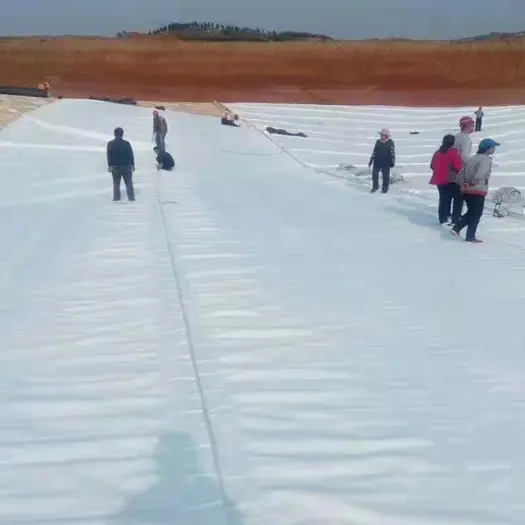
Reinforcing channels to control soil erosion, protect banks from velocity-induced wear, and optimize environmental integration.
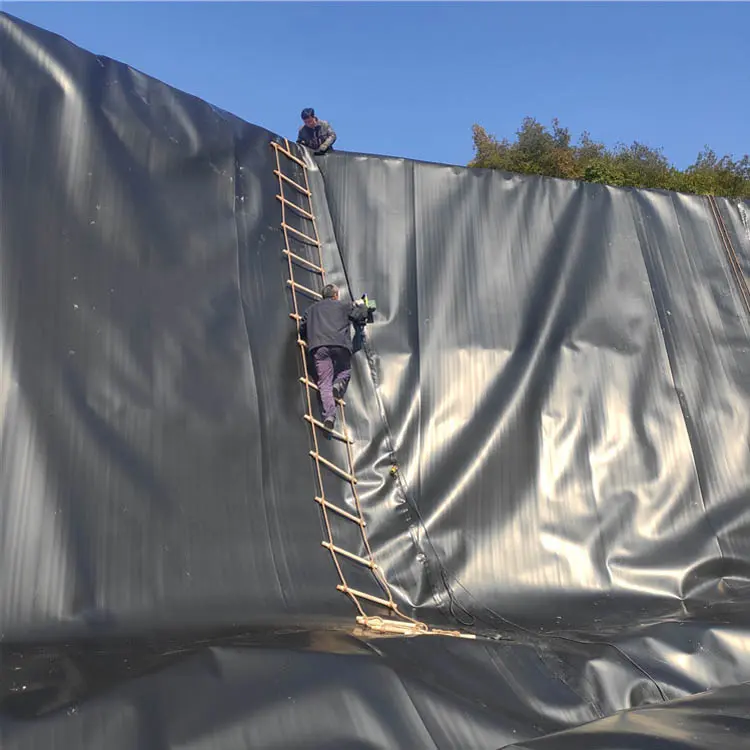
Double-barrier lining designs for MSW landfills, ensuring leachates do not enter underlying water tables over decades of operations.
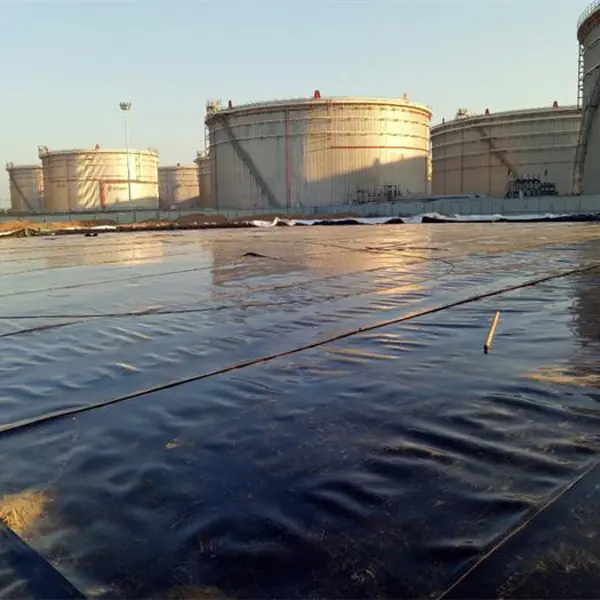
In high-risk chemical storage environments, lining structural systems are vital. Our secondary containment setups utilize composite lining methods (comprising HDPE geomembranes, bentonite blankets, and geotextile layers) to secure facility structures against chemical leakage.
All products produced by Shandong Hongyue conform to international specifications. They undergo comprehensive physical testing, structural index validation, and compound analysis. Our products are verified by the China National Testing Center and routinely pass national quality supervision audits.
We supply four structural categories: impermeability, protection, reinforcement, and water stop materials. Together, they create integrated supply options for major civil works globally.
"We have built a technical group with decades of field engineering experience, helping projects implement appropriate material designs, installation workflows, and onsite quality controls."
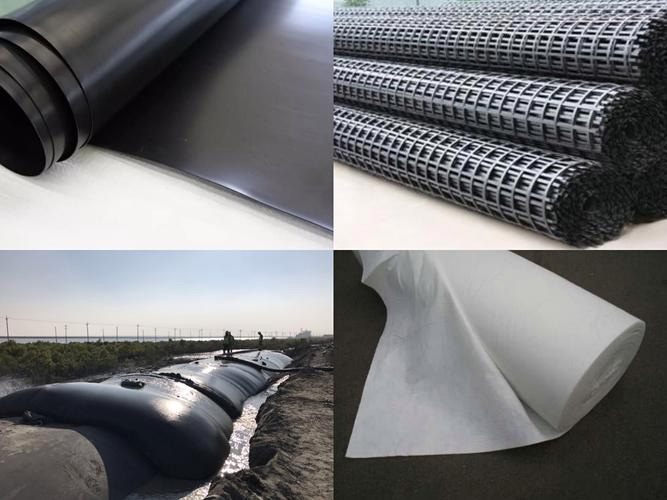
The performance of uniaxial geogrids and geomembranes depends significantly on installation practices. Even high-tensile materials can experience capacity reductions if installed incorrectly.
Remove sharp rocks, vegetation, and soft soil pockets. Grade and compact the foundation to create a stable, smooth base for deployment.
Deploy uniaxial geogrids with the primary strength orientation aligned perpendicular to the face of the slope or wall. Secure overlaps using ties or structural connectors.
Distribute backfill in standardized lifts (typically 150mm to 300mm). Tracked equipment should avoid driving directly on top of exposed grid panels.
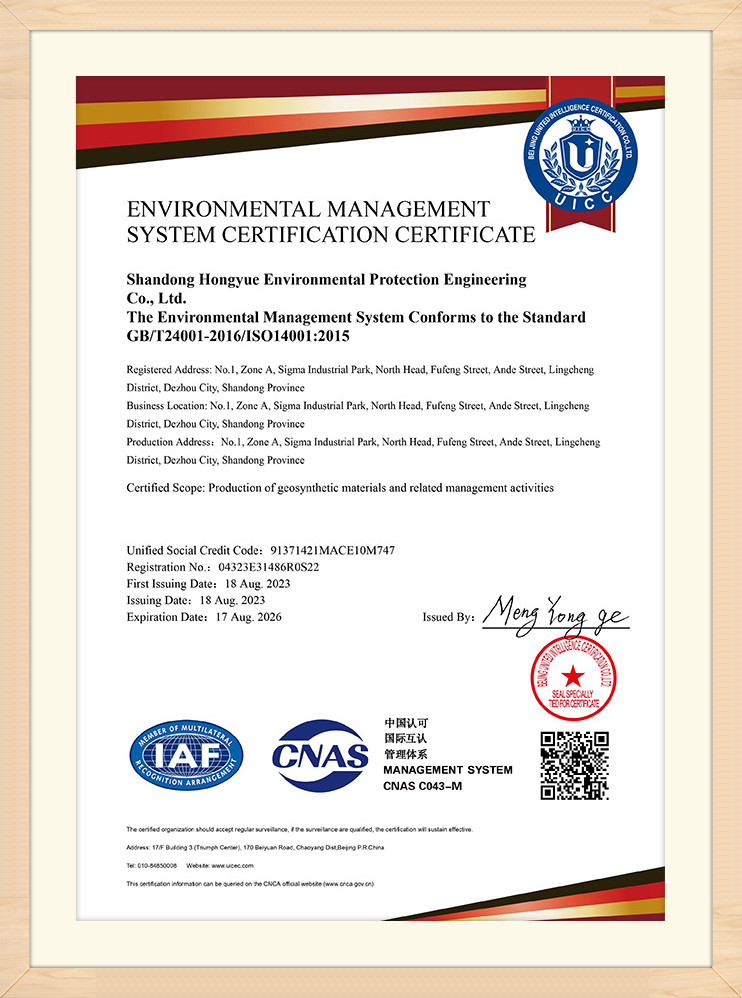
Shandong Hongyue operates a dedicated testing program. Beyond traditional tensile checks, we evaluate materials across several key engineering benchmarks:
Water resources and canal lining require stable containment systems. Seepage can compromise the mechanical stability of adjacent retaining walls, making high-barrier materials critical for these applications.
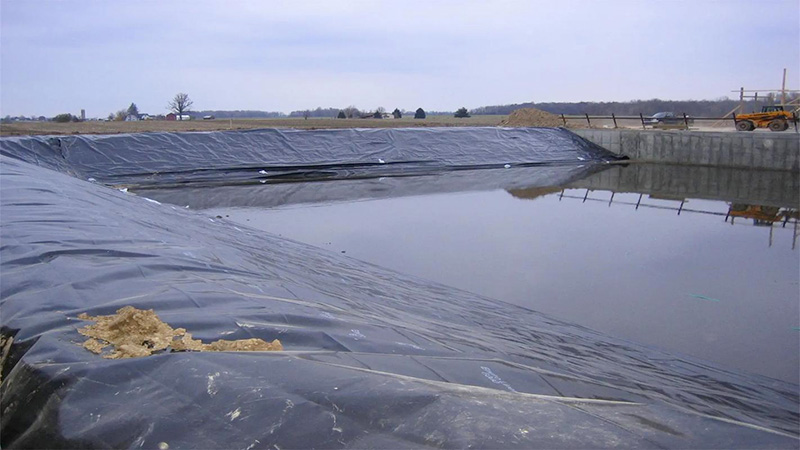
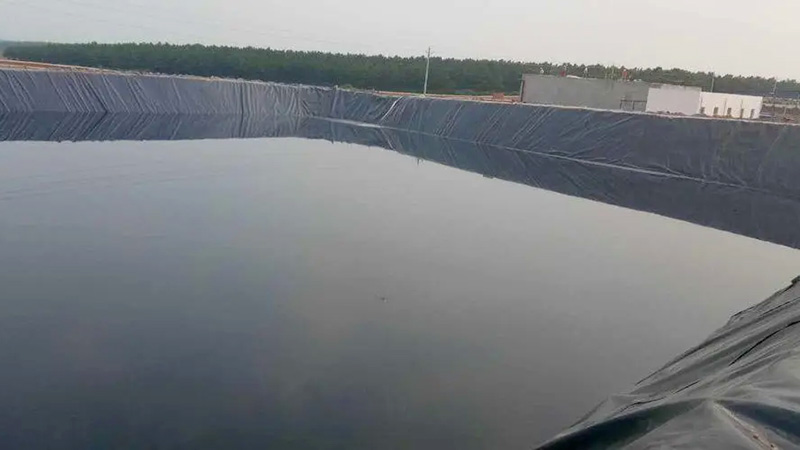
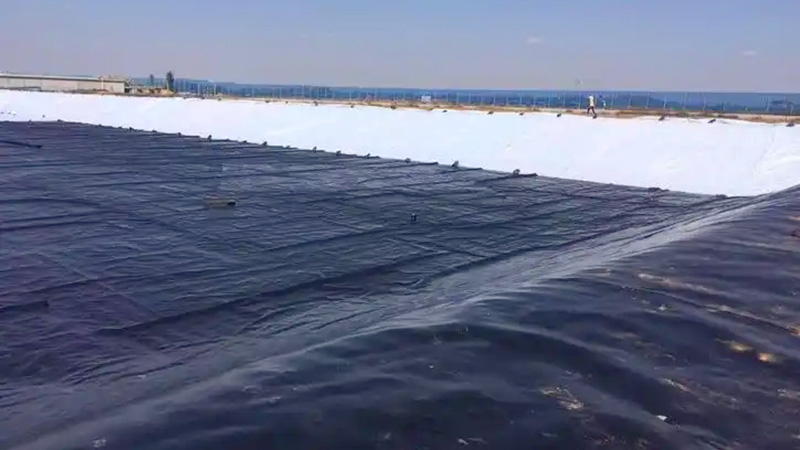
By pairing uniaxial geogrids for slope reinforcement with HDPE geomembranes for seepage control, engineers can build structures that resist hydrodynamic loads. This composite design provides structural stability and leakage prevention for hydraulic projects.
Review answers to key technical questions regarding the specification, pricing, and installation of Uniaxial Geogrids.
B2B pricing is primarily driven by: 1) The polymer resin specification (virgin HDPE versus post-consumer blends); 2) Design tensile strength (typically ranging from UX 50 to UX 200 kN/m); 3) Order volume; and 4) Current logistics and shipping rates. Custom roll sizes and specialized certifications (e.g., CE mark or local lab validation reports) may also affect total pricing.
Uniaxial geogrids are stretched in a single direction during manufacturing, maximizing tensile strength along that longitudinal axis. They are designed for retaining walls, slopes, and structural soil layers where stress acts in one primary direction. Biaxial geogrids are stretched in two directions (longitudinal and transverse) to distribute loads evenly across both axes, making them suitable for subgrade stabilization and road base reinforcement.
We use high-molecular-weight HDPE resins coupled with precision drawing machinery. This process aligns the polymer chains to resist deformation under constant loads, keeping creep strain within design tolerances over long-term projects.
Yes, HDPE is chemically inert to most naturally occurring soils. Our uniaxial geogrids perform reliably across a pH range of 2 to 12, making them suitable for mine tailings and landfill containment projects.
Shandong Hongyue maintains a dedicated testing facility. We track raw materials, inspect inline production parameters, and conduct testing on finished rolls. Our products comply with ISO9001, ISO14000, and ISO45001, and undergo regular validation through third-party laboratories.
Depending on production schedules and order volume, standard orders are prepared for shipping within 7 to 15 business days. Our location in Dezhou, Shandong Province, provides efficient logistics links to Qingdao Port for reliable shipping.
Browse our comprehensive selection of barriers, drainage systems, and geosynthetics. Direct-from-factory quotes are available for all product lines.
 Hongyue