Engineered to meet international quality standards and deliver unparalleled containment performance
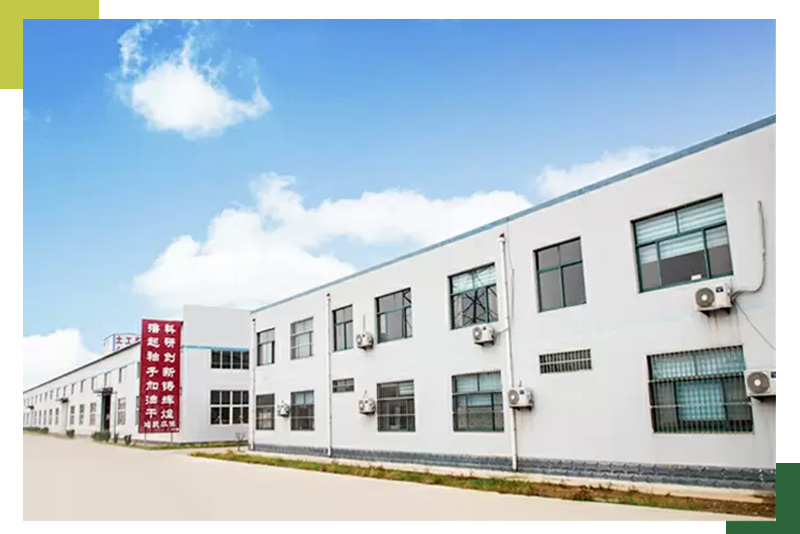
Shandong Hongyue Environmental Engineering Co., Ltd., located at the north end of Fufeng Street, Lingcheng District, Dezhou, Shandong Province, is a scientific and technological geotechnical material manufacturer integrating engineering material production, sales, design and construction services. The company was registered in Lingcheng District Market Supervision and Administration Bureau of Dezhou City on April 6, 2023, with a registered capital of 105 million yuan. It is one of the largest production bases of geotechnical materials in China at present, located in Lingcheng District, Dezhou, Shandong Province, with superior geographical location and convenient transportation.
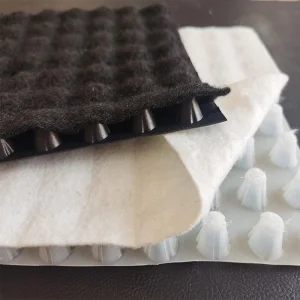
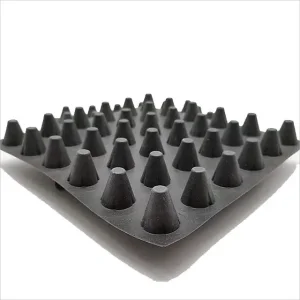
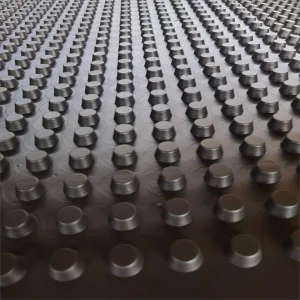
Our rapid expansion and structural success are backed by our sophisticated manufacturing infrastructure and a passionate team. We specialize in producing comprehensive systems consisting of geotextiles, geomembranes, composite geomembranes, waterproof boards, bentonite waterproof blankets, 3D composite drainage nets, drainage boards, and geotextile bags. Our products are engineered to support key global infrastructures in highways, railways, bridges, tunnels, water conservancy, artificial lakes, waste treatment plants, mining operations, and agriculture.
Registered Capital
Sales Networks in China
Average Engineer Experience
Export Compliance
Addressing the challenges of modern infrastructure, slope stability, and hazardous containment
In the geotechnical engineering sector, the demands on containment systems have shifted dramatically. Modern regulations mandate strict containment of contaminants, requiring barrier systems with superior longevity, structural integrity, and resistance to environmental stress cracking. Smooth geomembranes, while effective on flat terrains, present a low friction coefficient when in contact with soils, geotextiles, or geosynthetic clay liners (GCLs). This low friction creates a high vulnerability to sliding failure on steep slopes, such as those found in landfill cells, heap leach pads, and tailings dams.
Textured geomembranes maximize interface shear strength, allowing for steeper slope designs in waste containment cells. This increases the total containment volume of municipal and hazardous waste sites while securing slope stability.
Textured surfaces stabilize high ore piles on containment liners. The high shear resistance prevents down-slope slipping, safeguarding critical mining solutions and environmental barriers.
In large reservoirs and long channels, rough-surfaced systems retain protecting soil cover or concrete layers on sloped embankments. This stops erosion and membrane damage caused by high-flow currents.
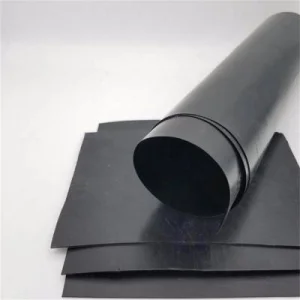
Unlike laminated textured materials that suffer from irregular structuring, Shandong Hongyue implements nitrogen-sprayed co-extrusion technology. This technique integrates the structured textures directly into the geomembrane body. It yields an incredibly high friction coefficient and prevents the textured layer from peeling off under extreme mechanical stress, satisfying international standards like GRI-GM13.
Comprehensive inspection, modern extrusion technology, and precise curing controls
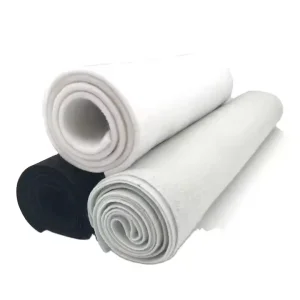
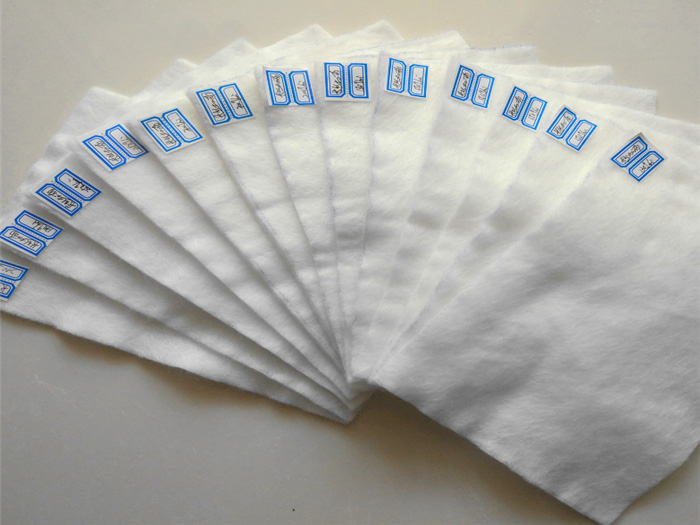
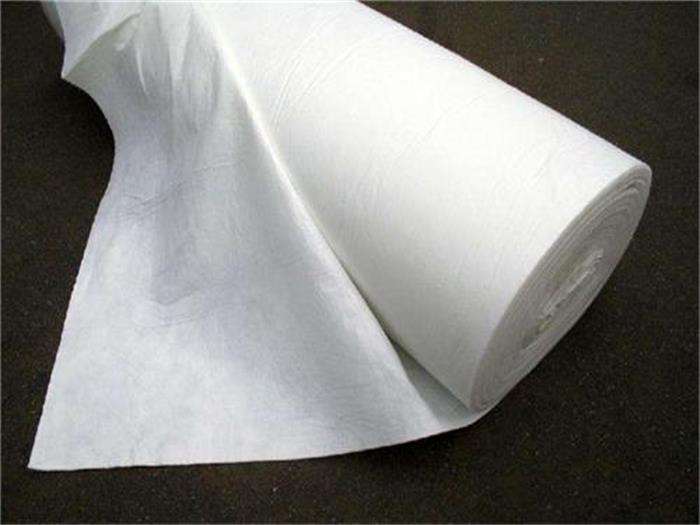
The main raw materials of geotextiles are polyester chips, polypropylene filament, and viscose fibers. These raw materials need to be inspected, arranged, and stored to ensure their quality and stability.
After the polyester slice is melted at high temperatures, it is extruded into a molten state by a screw extruder, and polypropylene filament and viscose fiber are added for mixing. In this process, the temperature, pressure, and other parameters need to be precisely controlled to ensure the uniformity and stability of the melting state.
After mixing, the melt is sprayed through the spinneret to form a fibrous substance and form a uniform network structure on the conveyor belt. At this time, it is necessary to control the thickness, uniformity, and fiber orientation of the mesh to ensure the physical properties and stability of the geotextile.
After laying the net into rolls, it is necessary to carry out draft curing treatment. In this process, the temperature, speed, and draft ratio need to be precisely controlled to ensure the strength and stability of the geotextile.
The geotextile after draft curing needs to be rolled up and packed for subsequent construction. In this process, the length, width, and thickness of the geotextile need to be measured to ensure that it meets the design requirements.
At the end of each production link, the quality of geotextile needs to be inspected. The inspection contents include physical property tests, chemical property tests, and appearance quality tests. Only geotextiles that meet the quality requirements can be sold to the market.
Strategic deployment practices ensuring structural integrity and longevity of anti-seepage projects
Deploying a high-friction, rough-surfaced geomembrane requires precise engineering guidelines. Proper installation ensures that the high friction interfaces are not compromised by soil particles, moisture, or thermal contraction. Below is our systematic approach to selecting, laying, and maintaining geomembranes in key environmental and infrastructure projects.
Material properties: Geomembranes are divided into different materials, such as high-density polyethylene (HDPE) and linear low-density polyethylene (LLDPE). Select the appropriate material according to engineering requirements.
Thickness: Select the appropriate thickness according to the needs of the project. The thickness of the geomembrane is usually 0.3mm to 2.0mm.
Impermeability: Ensure that the geomembrane has good impermeability to prevent water in the soil from penetrating into the project.
Land preparation: Ensure that the land where the geomembrane is laid is level and clean, and sharp objects and other obstacles are removed.
Laying method: Geomembrane can be covered laying or folding laying. Select the appropriate laying method according to the project requirements.
Joint treatment: Joint treatment is performed at the joint of the geomembrane using dual-track wedge welding to ensure that there is no leakage at the joint.
Fixing method: Use fixed parts or anchor trenches to fix the geomembrane and ensure that it is closely attached to the ground.
Cleaning: Regularly clean the surface of the geomembrane to remove dirt and debris to maintain its impermeability.
Inspection: Regularly check whether the geomembrane is damaged or aging, repair or replace the damaged part in time.
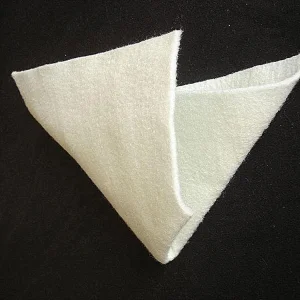
Avoid sharp objects: Avoid sharp objects from touching the geomembrane to prevent punctures. Implement a protective layer of non-woven geotextile over the geomembrane.
The application technology of geomembrane includes selecting suitable geomembranes, laying geomembranes correctly, and maintaining geomembranes regularly. Reasonable application of geomembrane can effectively improve the functions of seepage prevention, isolation, and reinforcement of engineering projects, providing a solid guarantee for the smooth progress of engineering.
State-of-the-art testing facility and global standards compliance
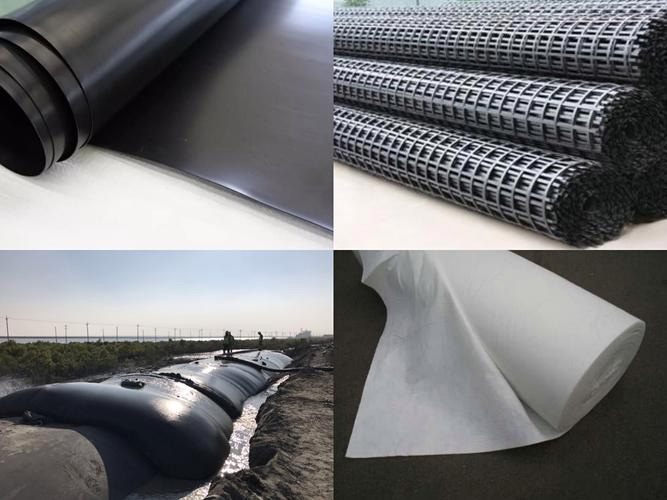
Shandong Hongyue Environmental Engineering Co., Ltd. mainly produces various types and specifications of geotextiles, geomembranes, composite geomembranes, waterproof plates, bentonite waterproof blankets, composite geomembrane drainage networks, anti-drainage boards, waterproof rolls, geogrids, water stops, permeable pipes, and other products, forming four material systems of impermeability, environmental protection, protection, reinforcement, and water stop, with integrated supply.
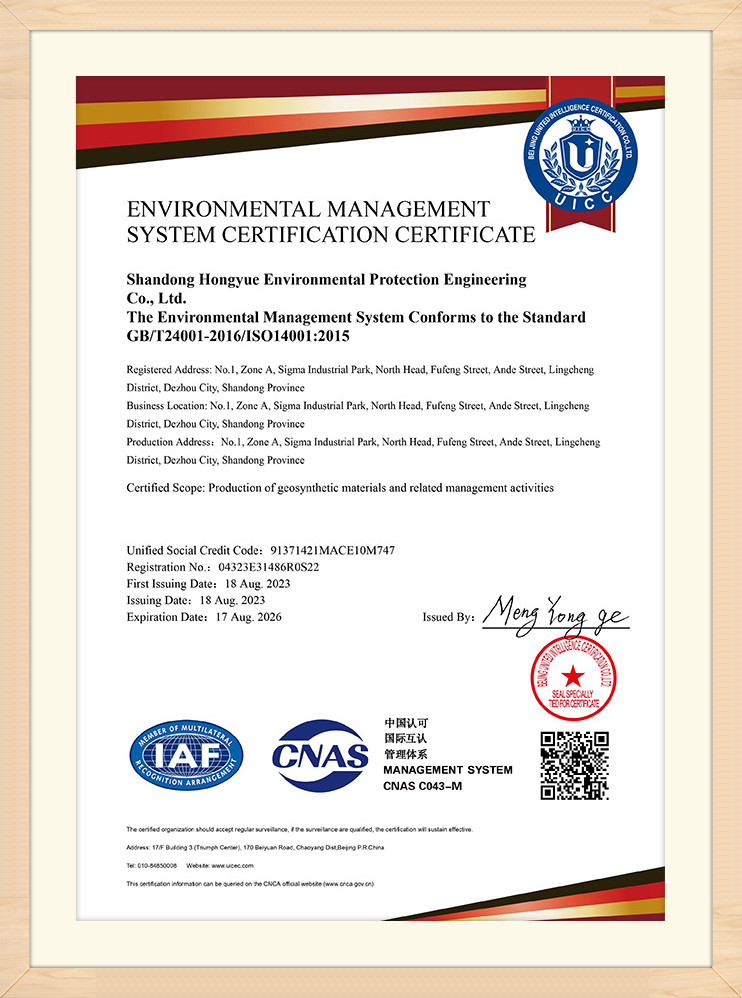
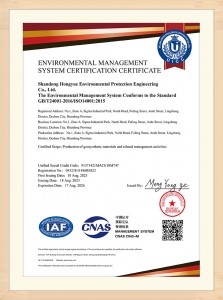
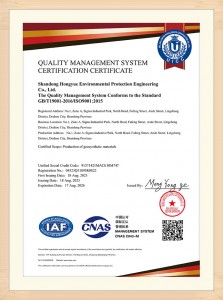
Our company has a complete and scientific management system. We have passed the ISO9001 international quality system certification, ISO14000 environmental system certification, and ISO45001 occupational health and safety management system certification. We have won many honors such as "Green Building Materials Products", "No Consumer Complaints", "China Famous Brand", "High-Tech Industry", "Quality Service Double Excellent Unit", "Provincial Poverty Alleviation Leading Enterprise", and so on.
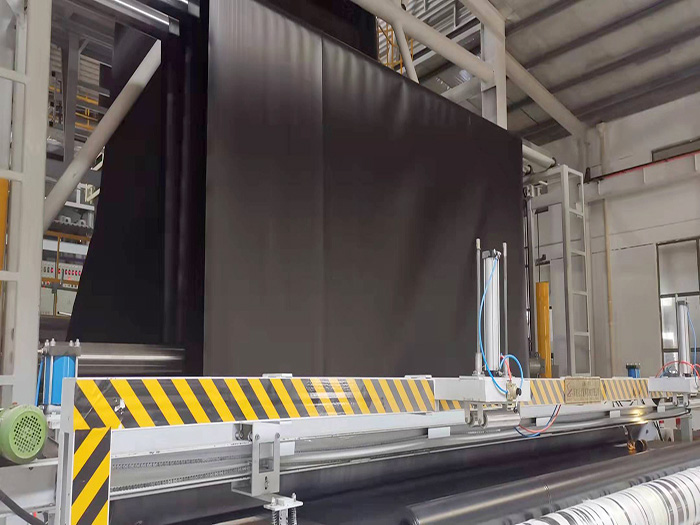
The company adopts the most advanced production technology and equipment process, and has perfect detection means and precision inspection equipment to ensure that the products always maintain excellent performance. The quality of all products produced by the company has reached or exceeded international standards, and passed the certification of China National Testing Center, and all passed the national quality supervision and sampling inspection commissioned by the State Administration of Quality Supervision and Inspection.
Practical application cases in reservoirs, levees, and river canals
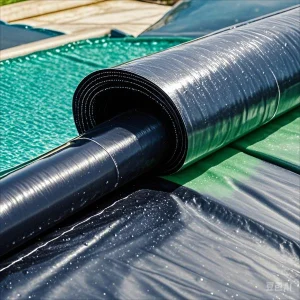
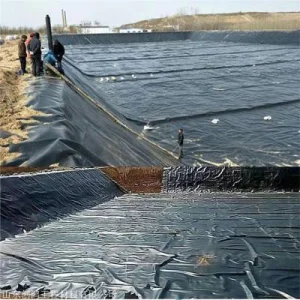
Geomembrane, as an efficient anti-seepage material, plays a vital role in water conservancy projects. Its excellent anti-seepage performance, light weight, easy construction characteristics, and relatively low cost make geomembrane an indispensable part of water conservancy projects.
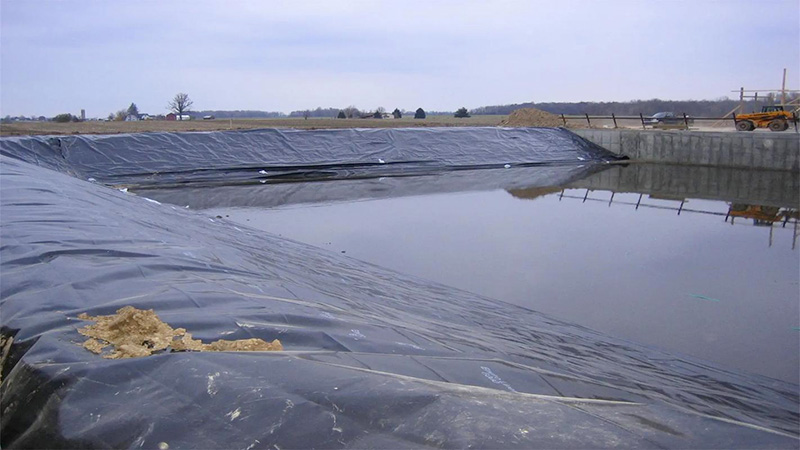
Because reservoirs are usually built in valleys or low-lying areas, geological conditions are complex. Effective measures must be taken to avoid leakage between the bottom of the reservoir and the surrounding rock. The use of geomembrane can effectively solve this problem, and can also improve the safety and stability of the entire reservoir.
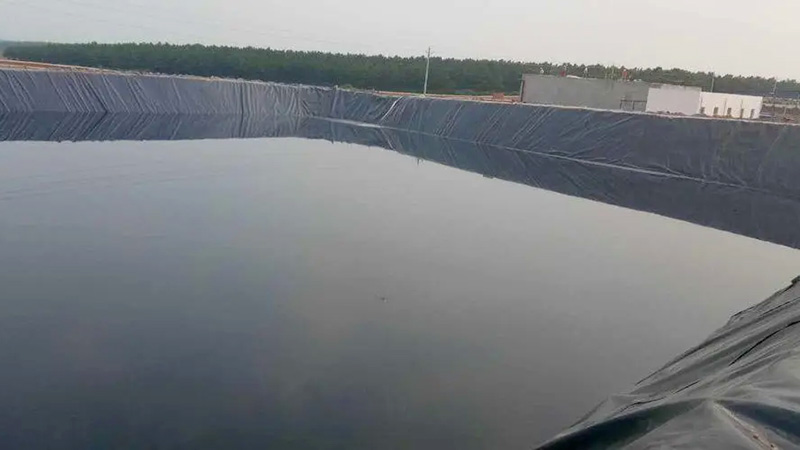
A dike is a man-made structure whose main purpose is to protect the downstream area from flooding. However, in the construction process, there will be many unpredictable factors leading to loopholes. At this time, it is necessary to use geomembrane for remedial and preventive measures.
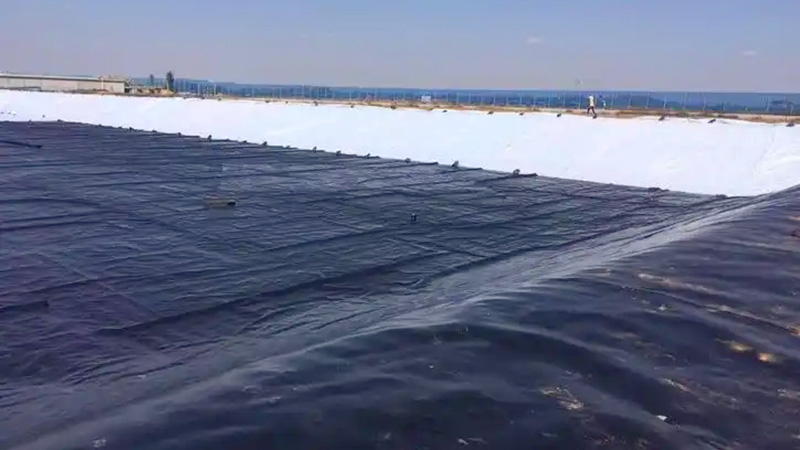
Rivers and channels are very important components of water conservancy projects. They can not only regulate water flow, protect farmland, and urban infrastructure, but also improve the ecological environment. The use of geomembrane can resolve slope instability and erosion issues efficiently.
Delivering 24-hour global consultation, engineering solutions, and green innovations
Shandong Hongyue has built a team of sophisticated technology, experienced production technologists, and market service specialists. Our engineers and technicians have more than ten years of experience, serving domestic and foreign large-scale engineering construction sites. We have established offices in large and medium-sized cities across China to provide material consulting, project follow-up, construction design, marketing management, and other services. Under the close cooperation of the headquarters, we provide our customers with 24-hour comprehensive service and product technical consultation.
For international projects, we supply comprehensive compliance portfolios including CE markings, GRI-GM13 standard verification sheets, and ISO-certified laboratory reports. This guarantees seamless customs clearance and compliance verification by local environmental protection agencies.
As an industry-leading manufacturer, our research and development roadmap focuses on two core fields:
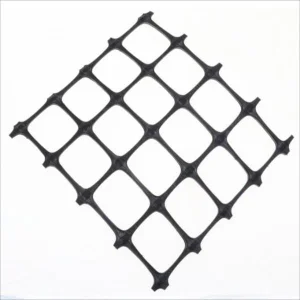
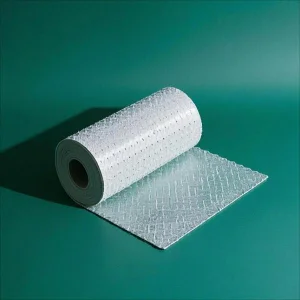
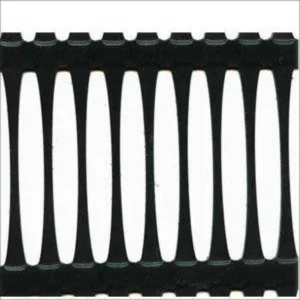
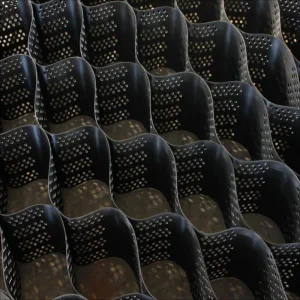
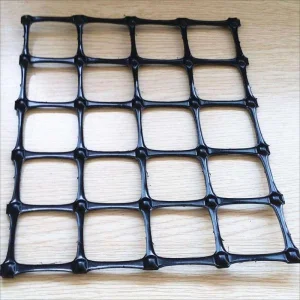
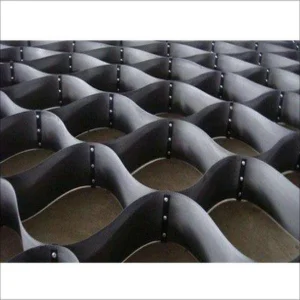
Premium geogrids, drainage nets, geocells, and composite waterproof boards
Expert answers regarding rough surface geomembrane application, standards, and engineering benefits
 Hongyue