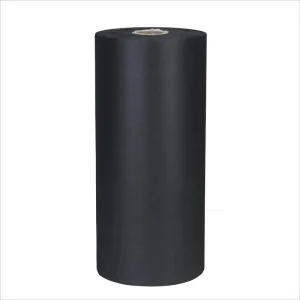
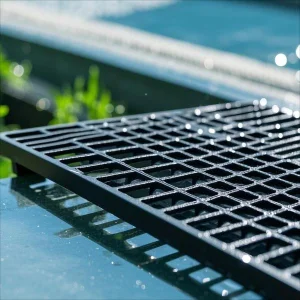
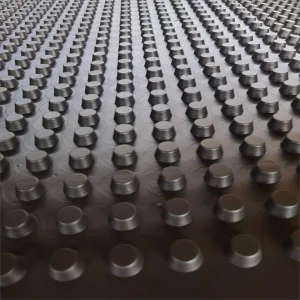
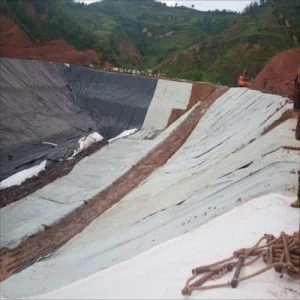
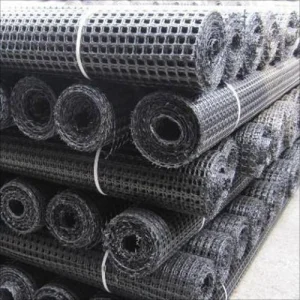
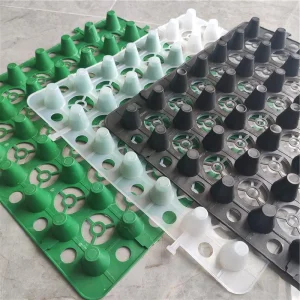
Engineered for extreme tensile strength, superior drainage, and long-term soil stabilization across complex civil works.
A scientific and technological geotechnical material manufacturer integrating production, sales, design, and construction services.
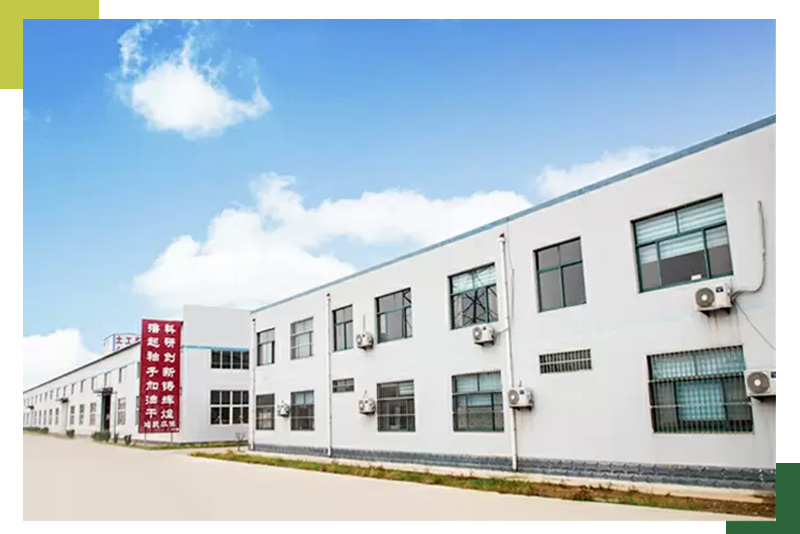
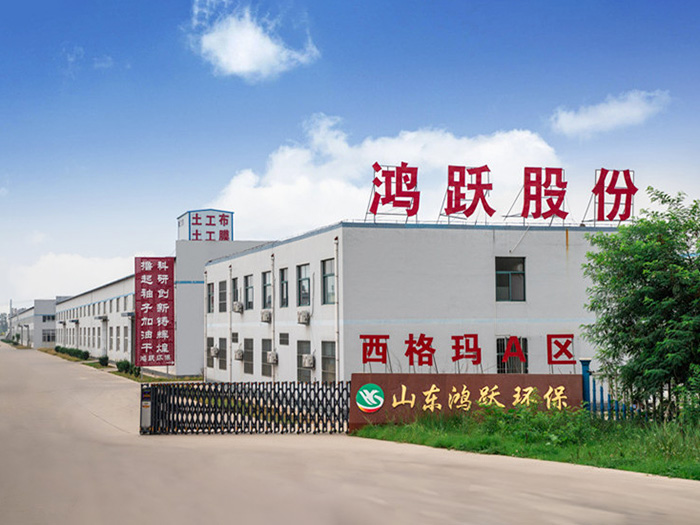
Located at the north end of Fufeng Street, Lingcheng District, Dezhou, Shandong Province, our company was registered with the Lingcheng District Market Supervision and Administration Bureau of Dezhou City on April 6, 2023, boasting a registered capital of 105 million yuan. Today, we stand as one of the largest production bases of geotechnical materials in China, backed by a superior geographical location and highly convenient logistics networks.
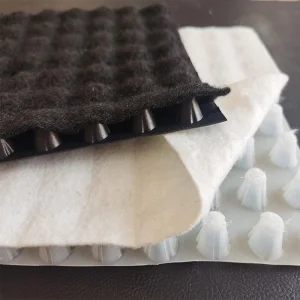
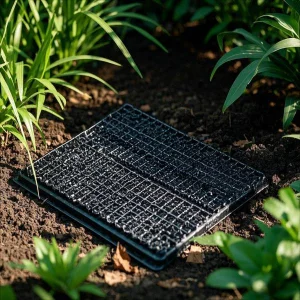
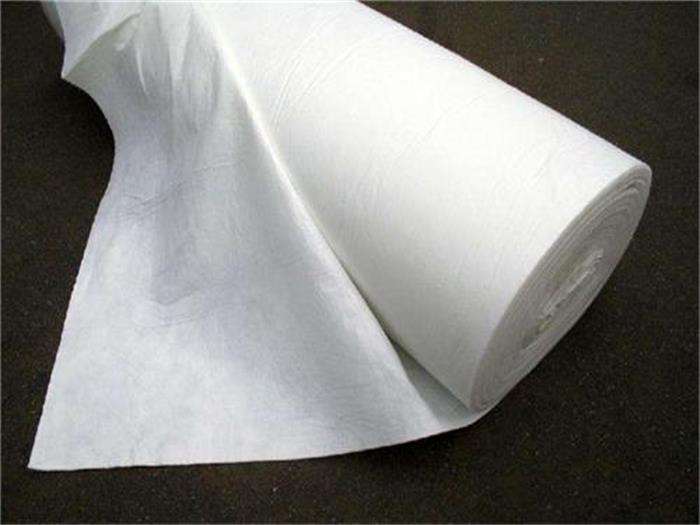
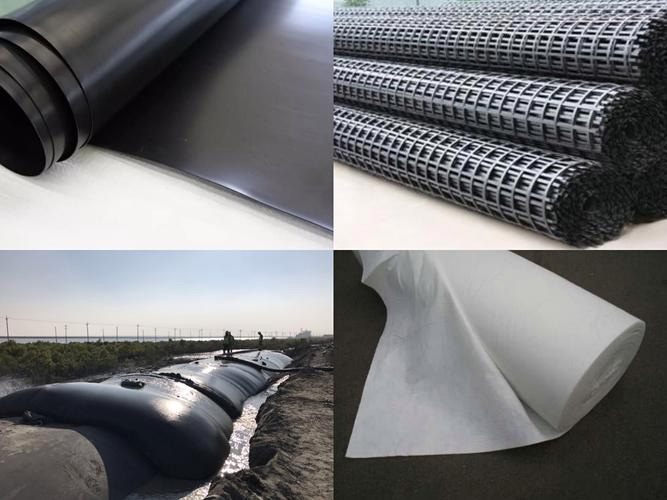
Since our inception, our business has experienced rapid, continuous growth. We specialize in engineering materials, including geotextiles, geomembranes, composite geomembranes, waterproof boards, bentonite waterproof blankets, 3D composite drainage nets, drainage boards, woven fabrics, flexible pervious pipes, ecological bags, and plastic geogrids. Our products are extensively utilized across major transport, hydraulic, agricultural, and municipal projects globally.
Understanding the micro-structure and stress-distribution profiles for optimal procurement decisions.
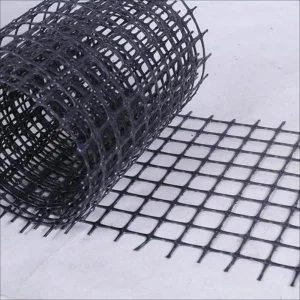
Designed to support high tensile loads applied in one primary direction (longitudinal). Made of high-density polyethylene (HDPE) or polypropylene (PP), they are ideal for soil reinforcement in retaining walls, steep slopes, landfills, and abutment walls where backfill lateral thrust needs mitigation.
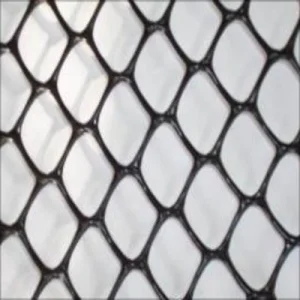
Features equal tensile strength in both longitudinal (machine) and transverse directions. These interlocking apertures distribute stress radially, making them highly effective for subgrade stabilization, base reinforcement of roads, railways, and airport runways, preventing base aggregate displacement.
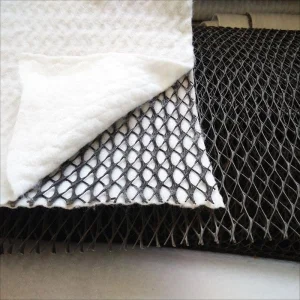
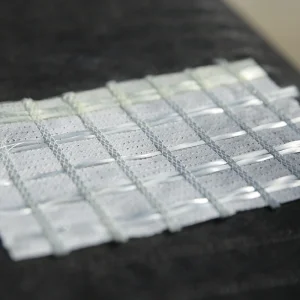
Combines polymeric grid networks with non-woven geotextiles. This dual-action solution offers immediate lateral containment and high-efficiency filtration, preventing fine-grained soils from migrating into coarser base layers while optimizing subsurface drainage.
*Prices are indicative of FOB Qingdao/Tianjin and vary according to raw material index fluctuation (PP/HDPE) and order volume.
| Geogrid Type | Base Material | Tensile Strength (MD/CD) | Aperture Size (mm) | Est. Price Range (USD/m²) | Primary Industrial Application |
|---|---|---|---|---|---|
| Uniaxial (HDPE) | High-Density Polyethylene | 50 to 180 kN/m | 22 x 220 | $0.75 – $2.80 | Slope protection, retaining walls, landslide recovery |
| Biaxial (PP) | Polypropylene (Stretched) | 20/20 to 50/50 kN/m | 35 x 35 / 40 x 40 | $0.45 – $1.95 | Highway base, heavy-traffic asphalt, railway trackbeds |
| Fiberglass Geogrid | Glass Fiber + Bitumen | 50/50 to 100/100 kN/m | 25 x 25 / 12.5 x 12.5 | $0.60 – $2.20 | Asphalt overlay, prevention of pavement reflective cracks |
| Composite Geogrid | PP Grid + PET Non-woven | 30/30 to 80/80 kN/m | Variable | $1.10 – $3.50 | Soft ground stabilization, high-water table drainage |
Deploying advanced geosynthetics to resolve critical civil engineering and environmental challenges.
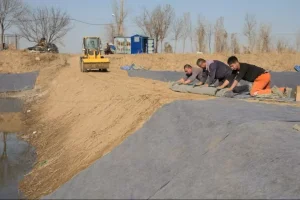
In water conservancy projects, maintaining structural integrity and preventing water seepage is paramount. Our geomembranes act as robust anti-seepage barriers, while plastic geogrids reinforce the surrounding soil slopes to resist hydraulic drag. Because reservoirs are built in geological valley systems or low-lying areas, geological stresses vary dynamically. The structural load mitigation offered by our composite geogrids prevents reservoir bottom shearing and embankment failure under fluctuating hydrostatic pressure.
Additionally, during river and channel governance, these materials reinforce the channel beds, protecting urban infrastructure and agricultural boundaries against seasonal flooding and soil erosion.
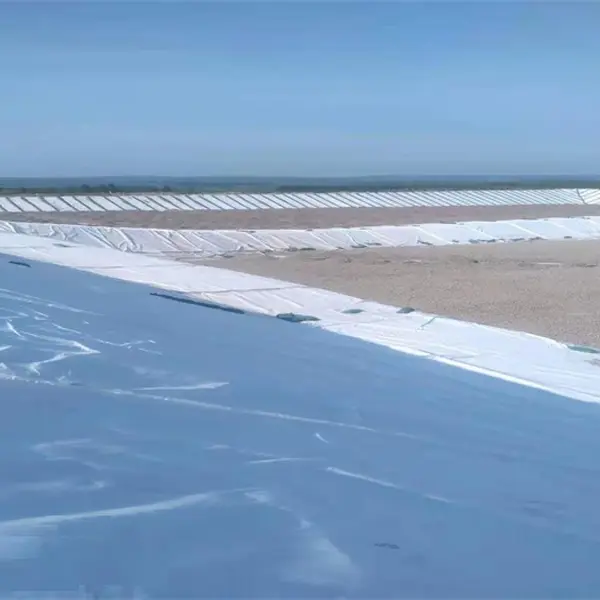
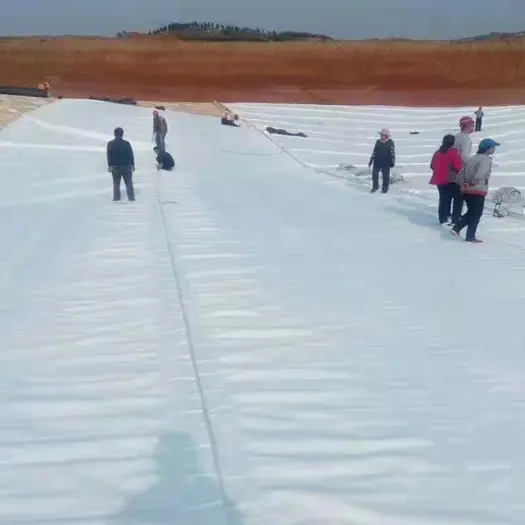
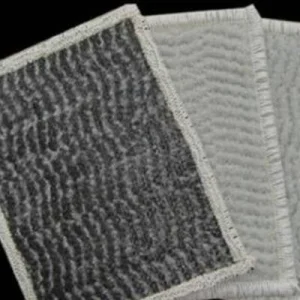
Protecting freshwater paths requires long-term containment solutions that do not crack under earth movement. The integration of Shandong Hongyue bentonite waterproof blankets and high-density polyethylene (HDPE) membranes secures regional channels. By stabilizing the embankments with geogrids, civil designers can execute steeper slopes, reducing the land acquisition footprint while ensuring the structural safety of the canal margins.
Municipal and industrial landfills present hazardous chemical environments. Under extreme weight loads, hazardous leachates must be strictly isolated from groundwater. We construct multi-layered barriers combining composite geomembranes with 3D drainage nets and geogrids. The geogrid takes the tension of the waste mass, preventing localized subsidence from puncturing the primary containment liner, assuring environmental compliance for upwards of 50 years.
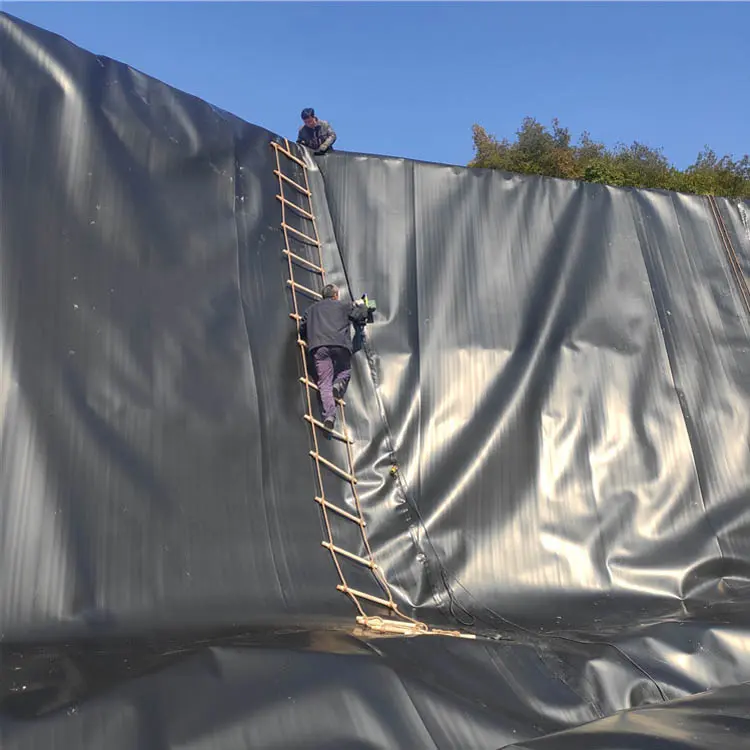
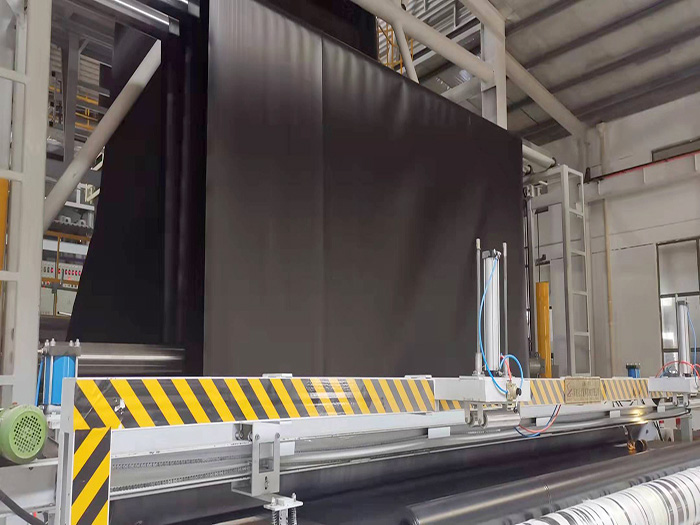
Inside the Shandong Hongyue production facility: From molecular extrusion to structural testing.
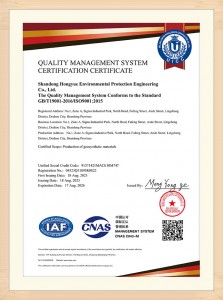
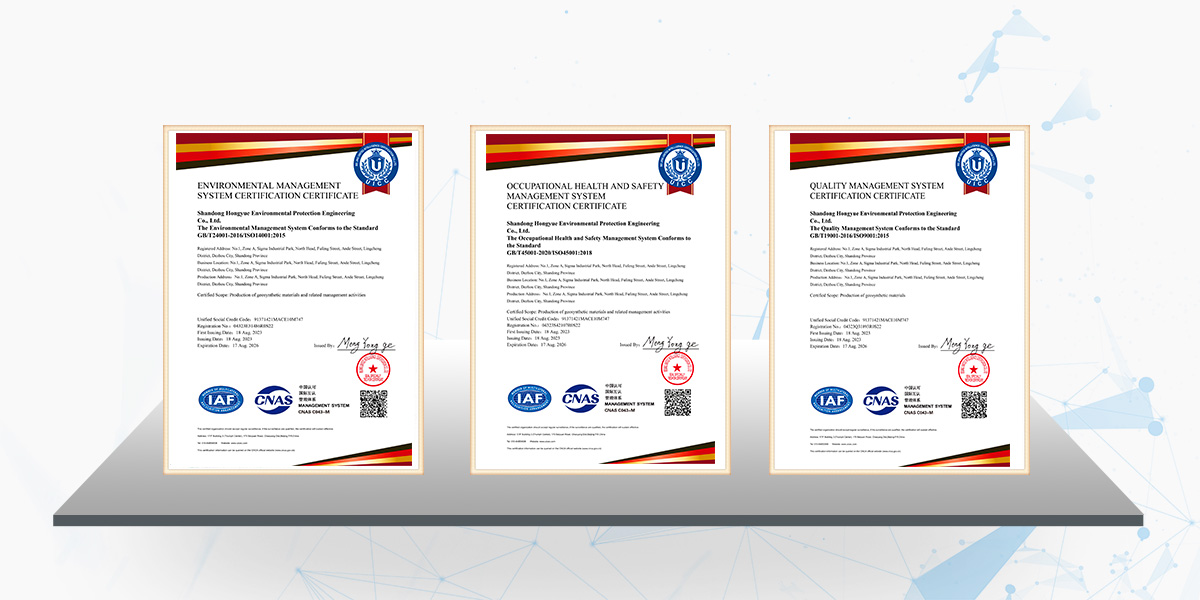
Our quality assurance program is built on systematic monitoring. Operating advanced extruder lines from internationally recognized machinery manufacturers, we achieve structural uniformity in thickness, node junctions, and tensile loading capacities. The quality of all products produced by the company has reached or exceeded international standards, successfully passing the certification of the China National Testing Center, and regularly clearing national quality supervision and sampling inspections.
Selection of high-purity virgin polyester chips, polypropylene filament, and HDPE resins. Regular melt-index inspections ensure that raw materials exhibit optimal polymer chain lengths for tensile stretching.
Resins are melted at precise high temperatures and extruded into flat sheets using precision screw extruders. Polypropylene and viscose additions are thoroughly blended under exact pressure controls to prevent micro-voiding.
For geogrids, the extruded polymer sheet is punched with a calculated matrix of holes, then heated and stretched under high-ratio draft tension (longitudinally or biaxially) to align the molecular structure, yielding high-tensile ribs.
Stretched material undergoes continuous thermal stabilization to lock in dimensional properties. The finished roll is precisely measured for length, width, and thickness before packaging.
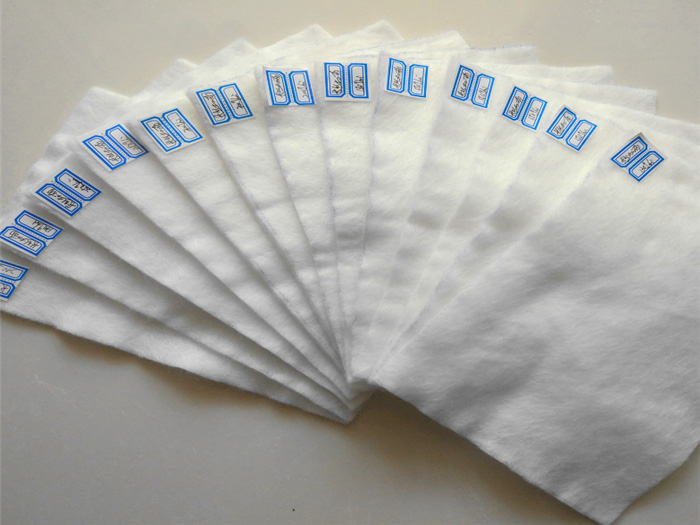
Key considerations for international supply-chain managers and procurement engineers.
Large infrastructure developers require geogrids conforming strictly to regional civil standards. Materials must be accompanied by certified test data highlighting compliance with standards such as ASTM D6637 (tensile properties of geogrids) and ISO 10319 (wide-width tensile test for geosynthetics).
Varying geological loads call for custom tensile parameters (ranging from 20kN/m to 150kN/m+) and different roll widths (up to 6 meters). Shandong Hongyue provides custom length, width, and aperture adjustments to suit unique client request portfolios.
Geogrids and geomembranes are high-volume products. Delays at port hubs can halt construction timelines, yielding massive cost overruns. Our location in Dezhou, Shandong, offers swift road freight links to major maritime export hubs like Qingdao, enabling reliable global shipping schedules.
Transitioning toward low-carbon civil projects through material innovation.
The next generation of civil engineering features smart geosynthetics. By embedding micro-sensors, fiber-optic filaments, or conductive polymers directly into geogrid ribs, engineers can monitor road deformation, soil displacement, and retaining wall strain in real-time. This structural health monitoring (SHM) allows municipalities to address roadbed degradation before visible cracks appear on the asphalt surface.
As the construction industry targets carbon neutrality, manufacturers are focusing on recycled post-consumer plastics and bio-based polymers. Shandong Hongyue is researching high-stability recycled polypropylene matrices that retain tensile properties under UV exposure and soil chemical stress, reducing the overall carbon footprint of highway and bridge construction projects.
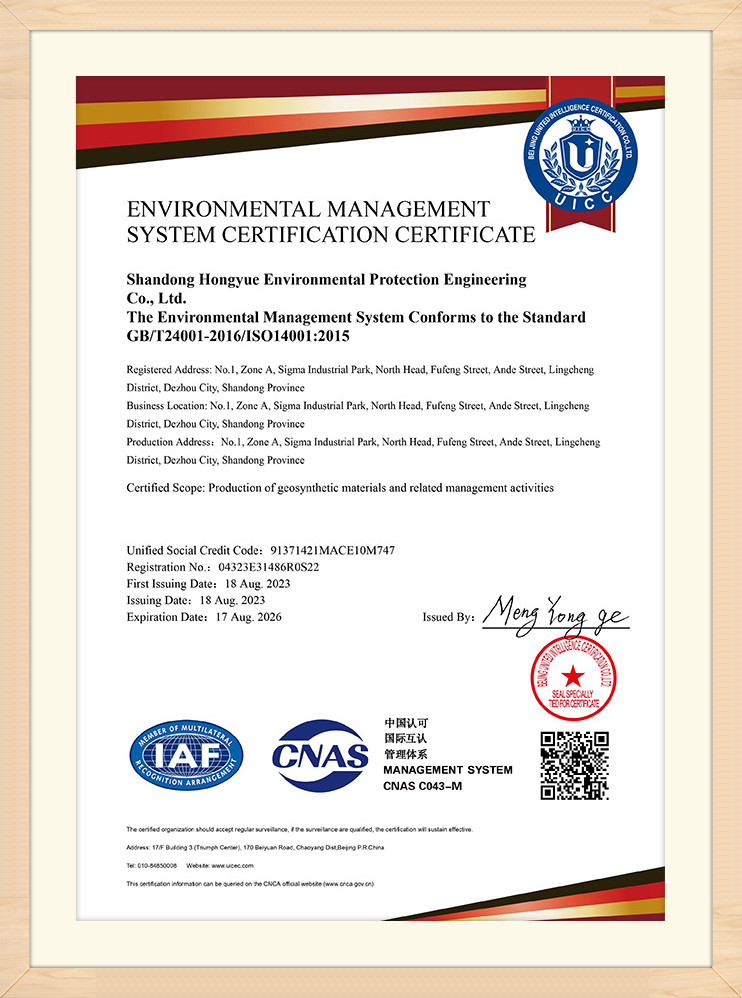
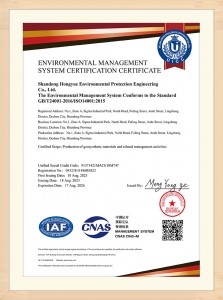
Shandong Hongyue operates in compliance with strict environmental regulations. Holding ISO14000 Environmental System Certification, our manufacturing plant integrates energy-recovery loops in our high-temperature extrusion machines, saving up to 15% electrical consumption per metric ton of geogrid produced.
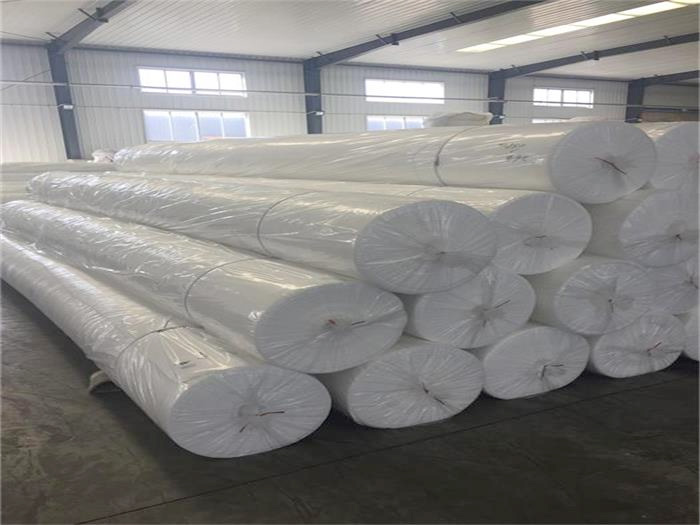
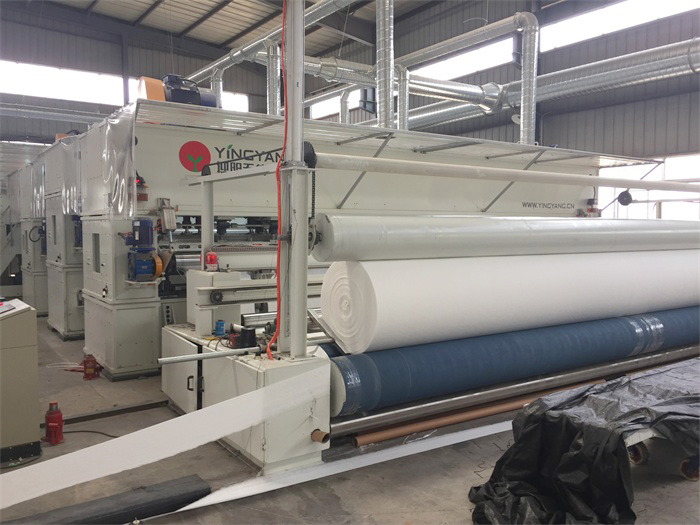
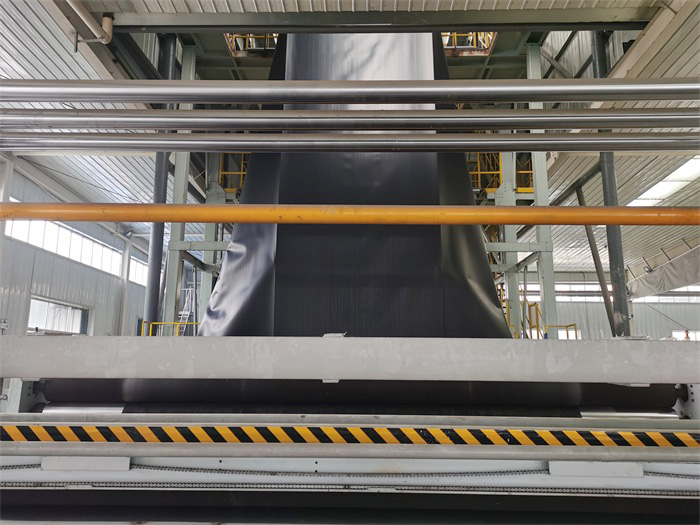
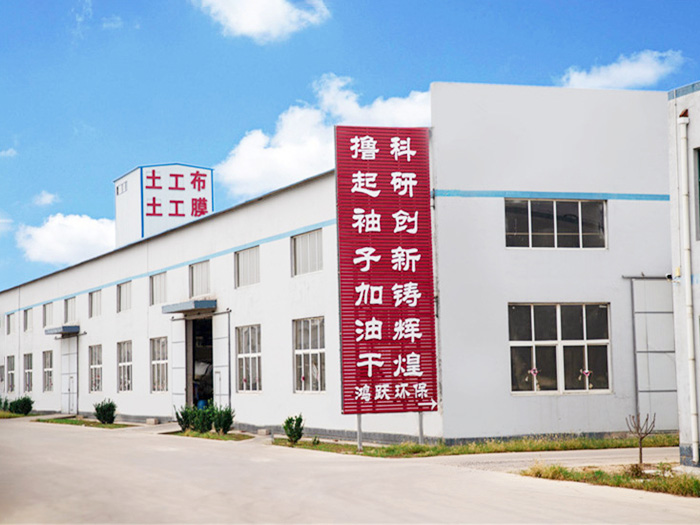
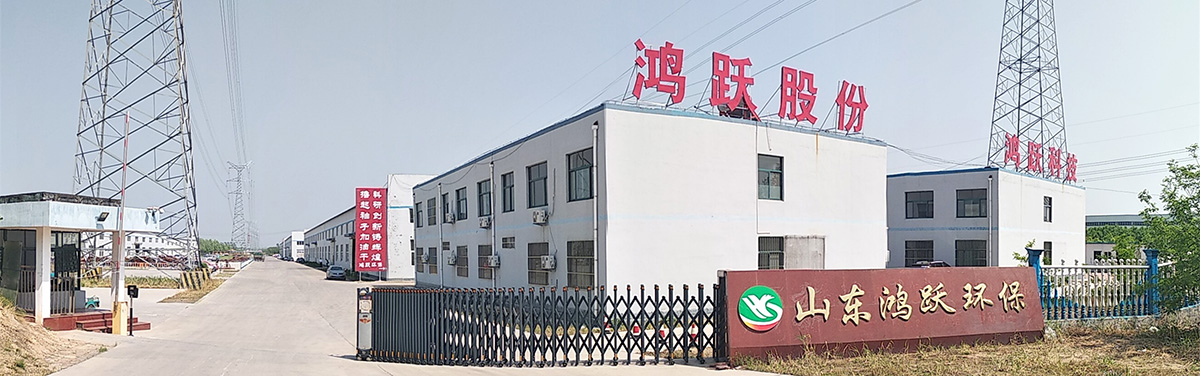
A look into our manufacturing facilities, stockpiling zones, and logistics handling.
Expert technical answers to assist in your engineering procurement decisions.
Factory-direct supply lines for drainage, containment, protection, and earth stabilization.
 Hongyue