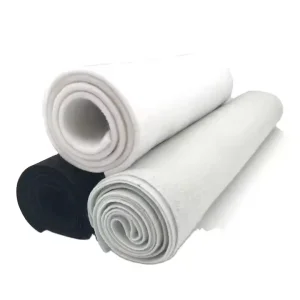
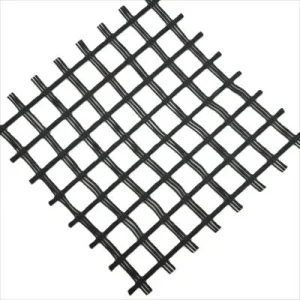
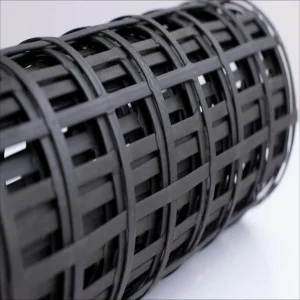
Explore our high-performance product range engineered for environmental protection, hydraulic containment, soil reinforcement, and ecological stabilization.
In the field of modern civil engineering and ecological restoration, the demand for sustainable, high-performance, and bio-degradable matrices has given rise to the next generation of Natural Geotextile materials. Historically, civil infrastructure relied extensively on polymeric synthetic geotextiles (such as polypropylene and polyester). While these synthetics offer high durability, they do not biodegrade, raising environmental concerns in projects where permanent structural reinforcement is unnecessary.
Natural geotextiles, synthesized primarily from organic fibers such as coir (coconut husk), jute, and straw, provide a temporary protective barrier that facilitates ecological integration. As these natural fibers slowly decompose, they enrich the soil, establish stable microclimates for root systems, and ultimately transfer their structural loading burden to the newly established vegetation. Finding the best natural geotextile factory is essential for global contractors seeking to balance structural parameters like tensile strength with ecological goals.
Shandong Hongyue Environmental Engineering Co., Ltd., located at the north end of Fufeng Street, Lingcheng District, Dezhou, Shandong Province, is a scientific and technological geotechnical material manufacturer integrating engineering material production, sales, design, and construction services. The company was registered in the Lingcheng District Market Supervision and Administration Bureau of Dezhou City on April 6, 2023, with a registered capital of 105 million yuan.
It is one of the largest production bases of geotechnical materials in China at present, situated in Lingcheng District, Dezhou, Shandong Province, with a superior geographical location and convenient transportation.
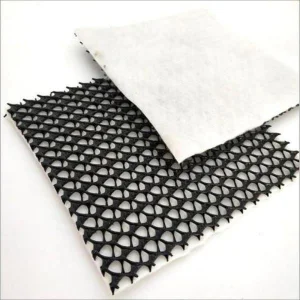
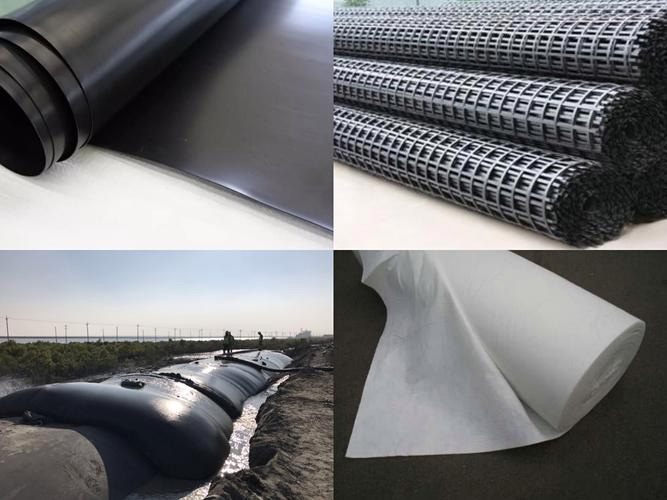
Since the establishment of the company has developed rapidly, business continues to grow and expand. Our company mainly deals in geotextiles, geomembranes, composite geomembranes, waterproof boards, bentonite waterproof blankets, 3D composite drainage nets, (composite) drainage boards, weaving cloths, woven cloths, membrane bags, blind ditches, waterproof and drainage combinations, woven bags, ecological bags, cement blankets, fiber plant blankets, flexible pervious pipes, and more.
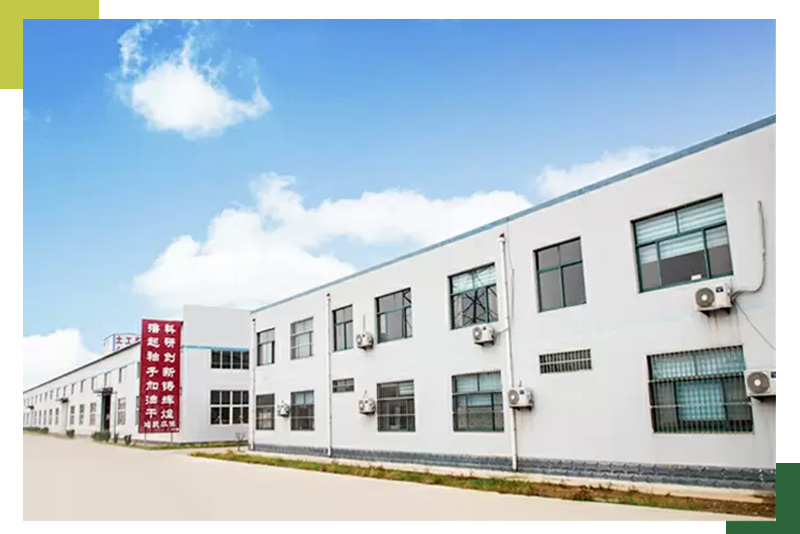
Our business includes geosynthetics and waterproofing membrane production, sales, construction, and the import and export of goods. We have high quality products and a professional sales and technical team. As a member of the Dezhou Geotextile Association, our products are widely used in highways, railways, bridges and tunnels, reservoirs and canals water conservancy, artificial lakes, environmental protection, aviation, mining, agriculture, and other fields.
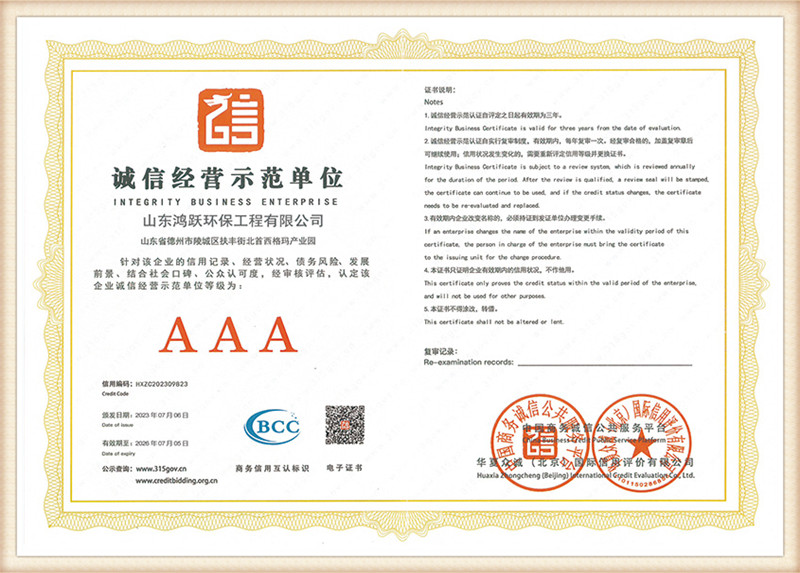
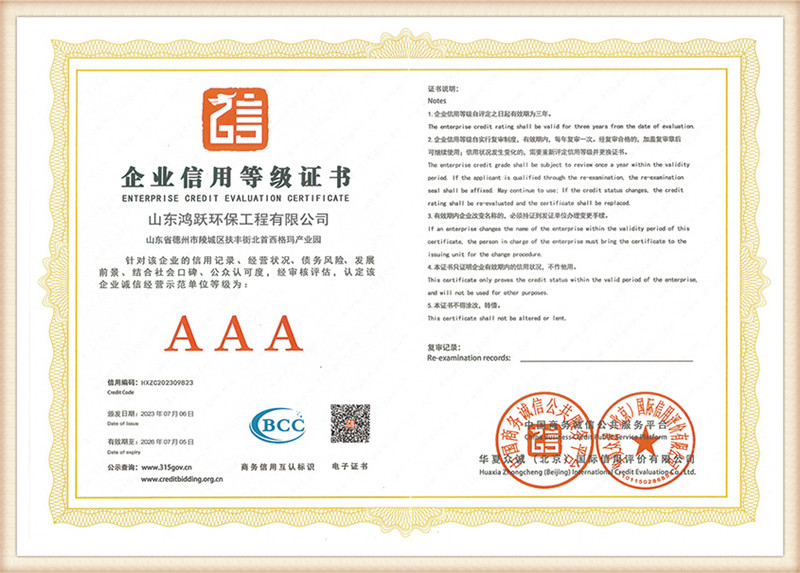
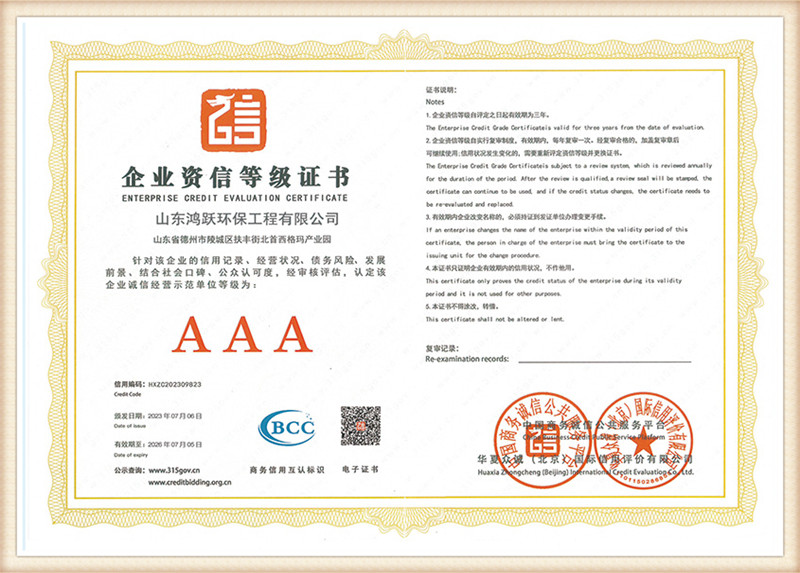
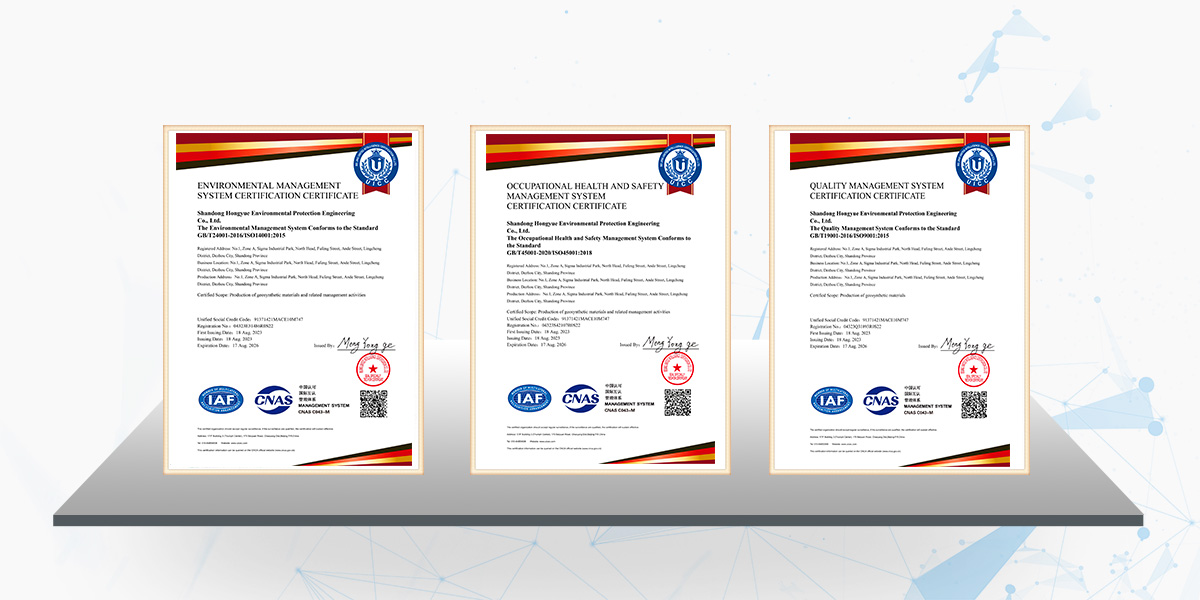
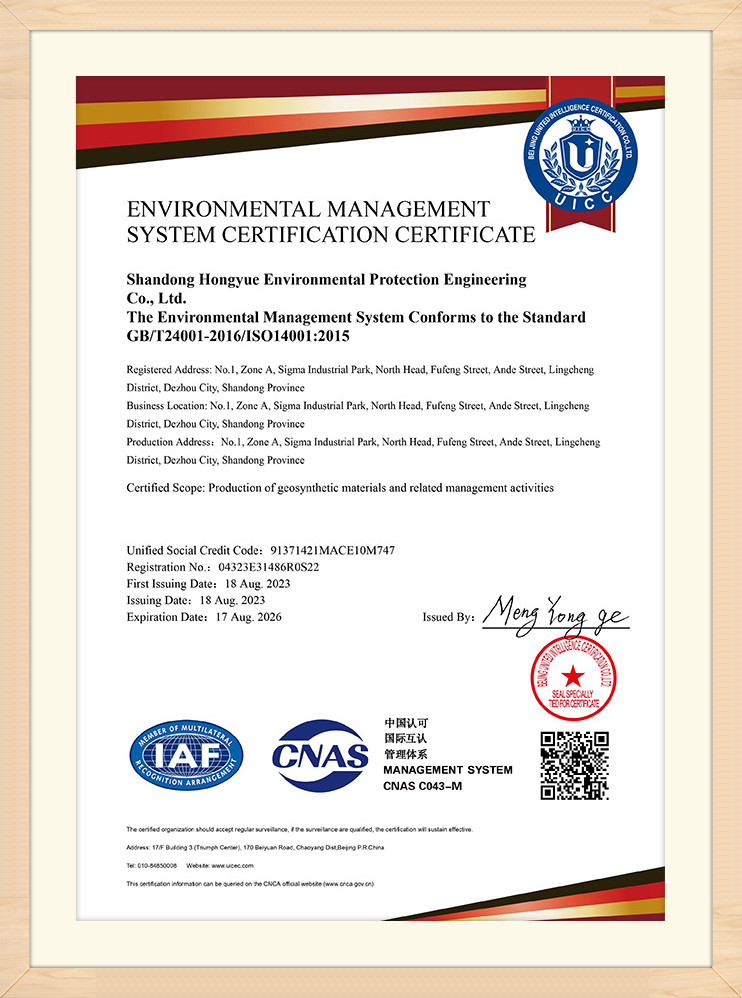
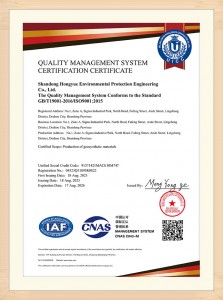
The company has successively passed the ISO9001 international quality system certification, ISO14000 environmental system certification, and ISO45001 occupational health and safety management system certification.
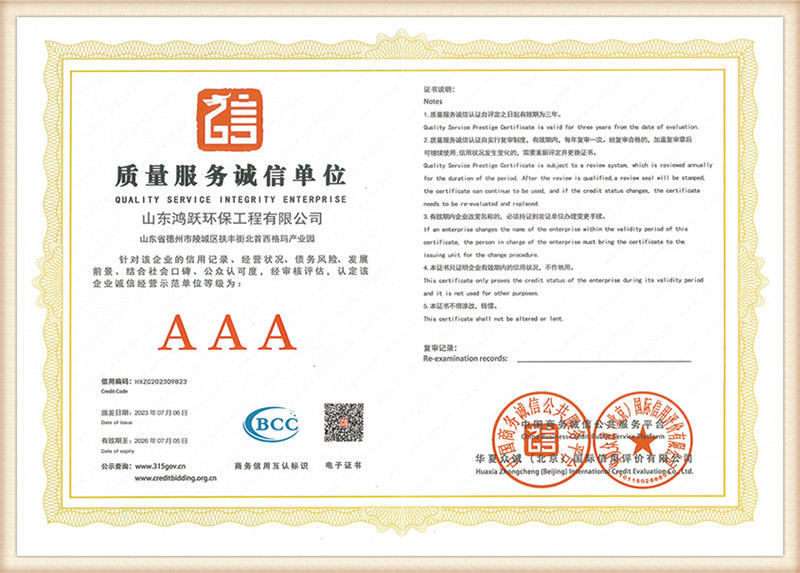
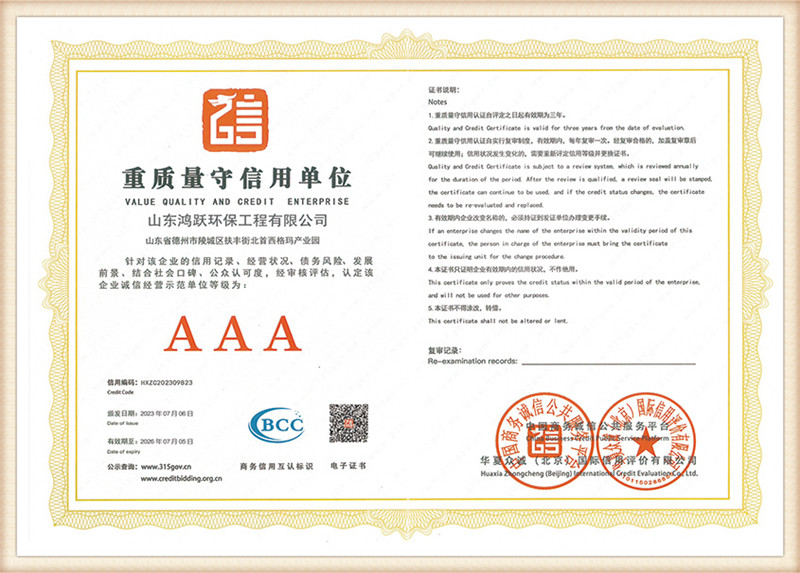
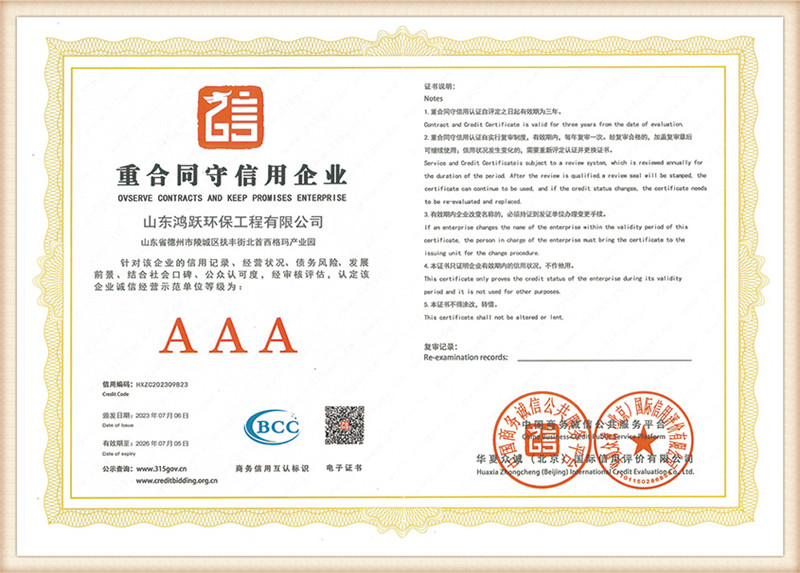
Honored as "Green and environmentally friendly building materials products", "Famous Chinese brands", "High-tech industries", "Quality service double excellent units", and "Provincial-level poverty alleviation leading enterprises".
Established sales networks in more than 40 large and medium-sized cities such as Shanghai and Beijing. Products are exported to Europe, the United States, Australia, and regions globally, utilized in key provincial infrastructure.
The manufacturing and application technology of natural geotextiles are undergoing rapid industrial evolution. By examining the organic structure of coir and jute fibers, our engineers have developed pathways to optimize degradation timelines, improve shear stress tolerance, and enhance vegetation integration.
To extend the service life of natural fibers in highly acidic or alkaline soils, our R&D team utilizes eco-friendly chemical treatments (such as mild acetylation or chitosan coating). These treatments regulate the enzymatic breakdown of lignin and cellulose, ensuring the structural stability of the geotextile for up to 36 months under harsh field conditions.
Combining different natural fibers allows our factories to engineer hybrid matrices. For instance, blending high-tensile coir fibers with fast-absorbing straw fibers creates a composite structure that provides immediate erosion protection and long-term mechanical stability.
The future of natural geotextiles lies in active functional integration. By incorporating native seed blends, slow-release bio-fertilizers, and water-retaining superabsorbent polymers directly into the non-woven natural matrix during manufacturing, we provide a complete system for revegetation projects.
| Property Matrix | Coir (Coconut Fiber) Geotextile | Jute Geotextile | Straw / Agricultural Residue Blanket |
|---|---|---|---|
| Primary Application | Steep slope protection, high-velocity channels | Mild slope stabilization, agricultural cover | Flat ground erosion control, rapid turf growth |
| Tensile Strength (Dry) | 15 - 30 kN/m | 8 - 15 kN/m | 3 - 7 kN/m |
| Degradation Period | 24 - 36 months | 12 - 18 months | 6 - 10 months |
| Water Absorption Capacity | 130% - 180% of dry weight | 250% - 300% of dry weight | > 350% of dry weight |
| Shear Stress Limit | Up to 4.5 lbs/sq.ft (215 Pa) | Up to 2.1 lbs/sq.ft (100 Pa) | Up to 1.5 lbs/sq.ft (72 Pa) |
As a major industrial manufacturer with a registered capital of 105 million yuan, Shandong Hongyue designs comprehensive geotechnical containment and barrier solutions for global municipal, agricultural, and civil projects.
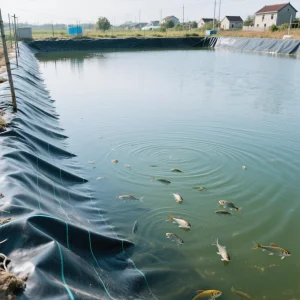
By matching natural geotextile erosion control blankets with high-density geomembranes and geogrids, we construct dual-layered barriers. These systems prevent watercourse seepage while allowing ecological shorelines to establish vegetation, preventing bank washouts during high-flow seasons.
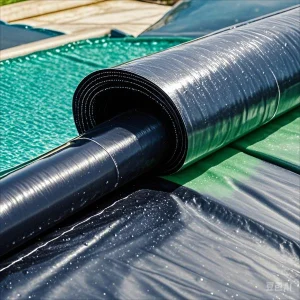
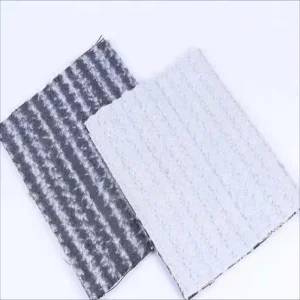
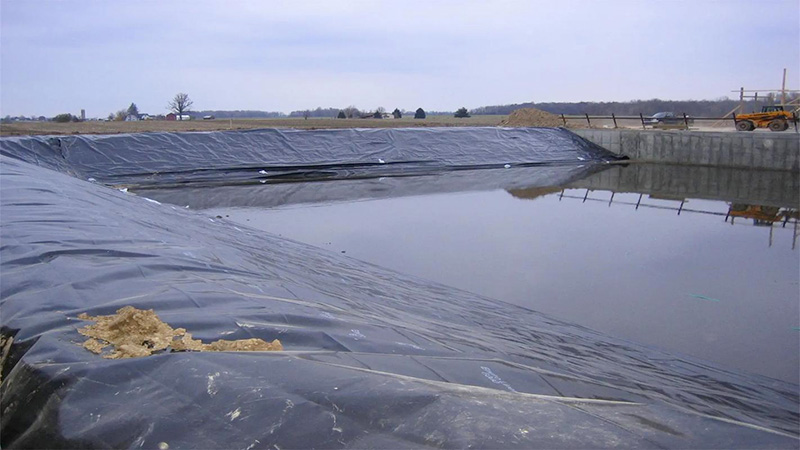
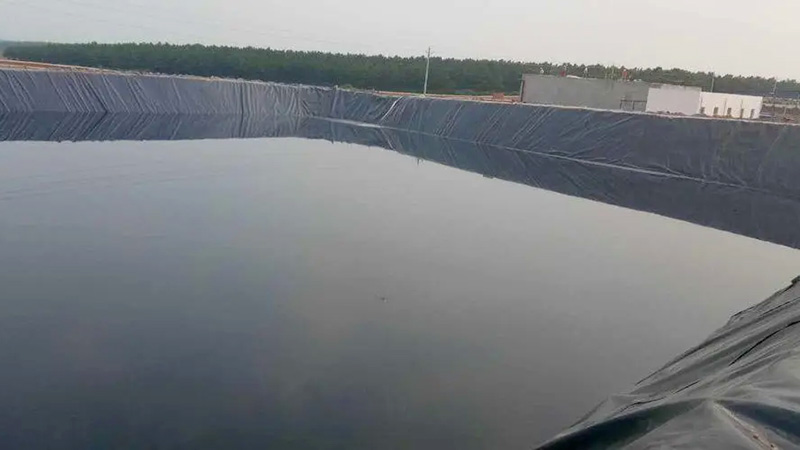
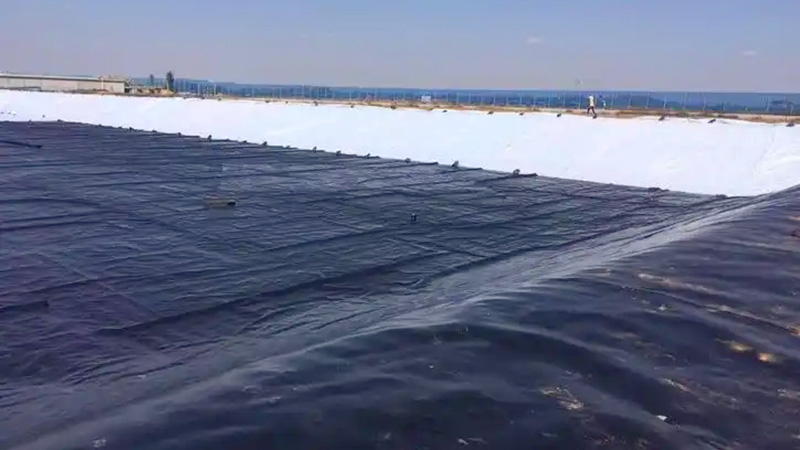
Our comprehensive system combines bentonite waterproof blankets (GCL), HDPE geomembranes, and 3D composite drainage networks. This layout prevents hazardous leachate from contaminating local aquifers, providing long-term containment for waste management facilities.
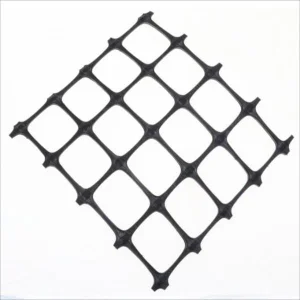
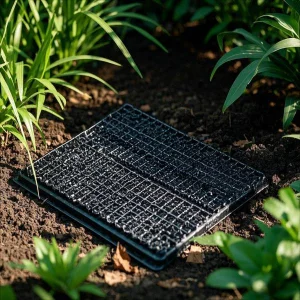
We provide plastic and steel-plastic geogrids to stabilize sub-base soils for highways, railways, and airport runways. This structure distributes load stresses, mitigates differential settlement, and reduces the maintenance intervals of critical transit systems.
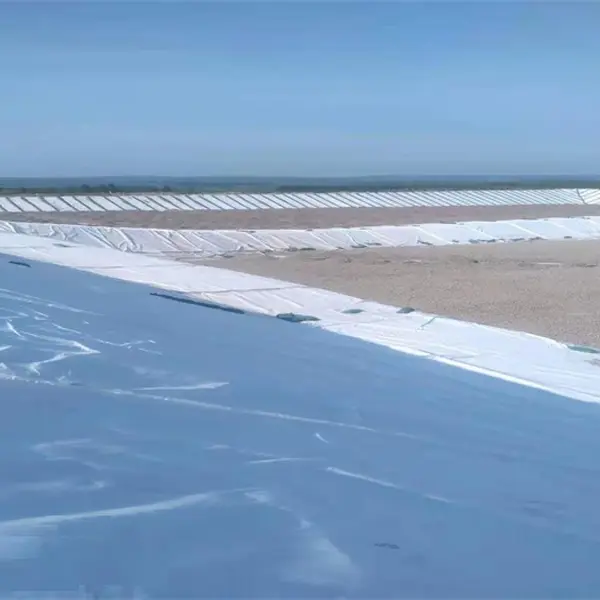
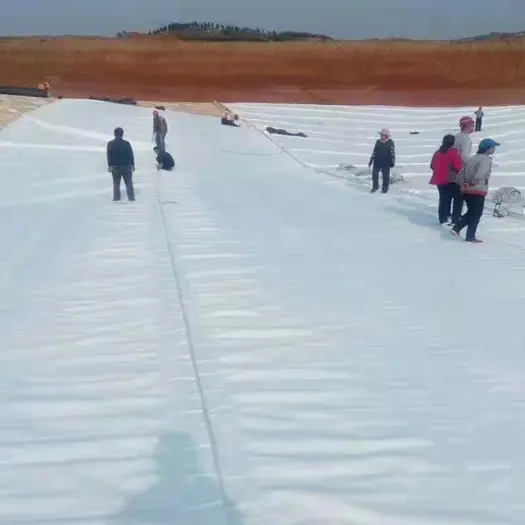
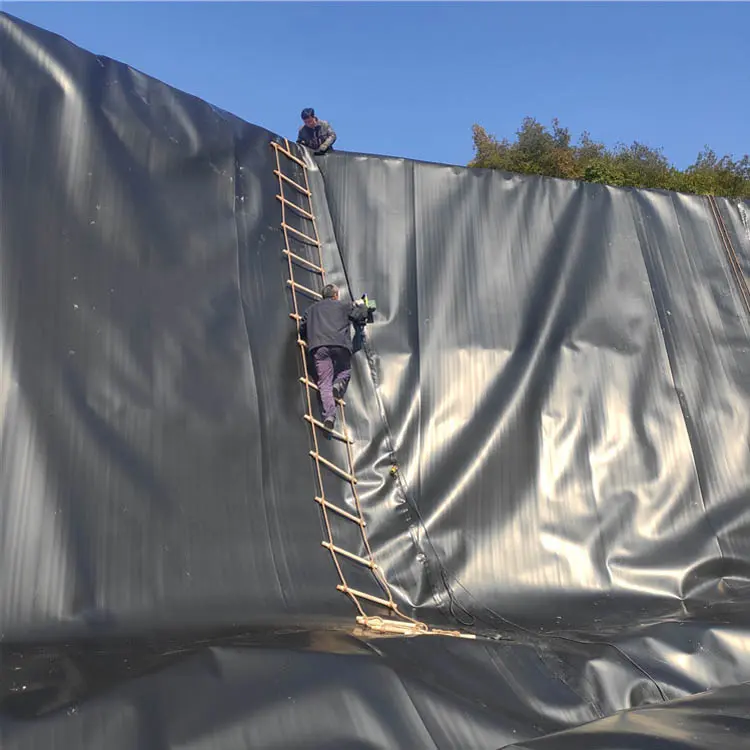
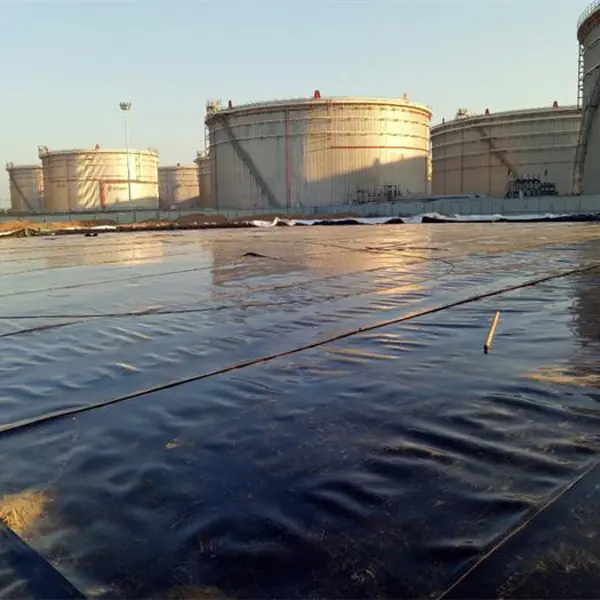
The manufacturing process at Shandong Hongyue relies on automated equipment to maintain product consistency. Below is our step-by-step production flow for high-performance geotextile products:
The main raw materials of geotextile are polyester chips, polypropylene filament, and viscose fiber. These raw materials undergo quality checks and sorting to ensure consistency before they enter the processing lines.
Polyester chips are melted at high temperatures and extruded by a screw extruder. Polypropylene filament and viscose fibers are then integrated. The processing temperature and pressure parameters are monitored to ensure uniform blending.
The melt is sprayed through the spinneret to form fibers, laying down a uniform net structure on the conveyor belt. System controls manage the thickness, uniformity, and fiber orientation to verify the physical properties of the geotextile.
Once laid into rolls, the material undergoes draft curing. In this process, the temperature, processing speed, and draft ratio are managed to meet target strength specifications.
Following curing, the geotextiles are rolled and packaged. Dimensions, including roll length, width, and thickness, are measured to ensure compliance with project-specific layouts.
At the end of each production stage, the material is tested. Inspection includes physical, chemical, and visual quality assessments to verify compliance with international standards before dispatch.
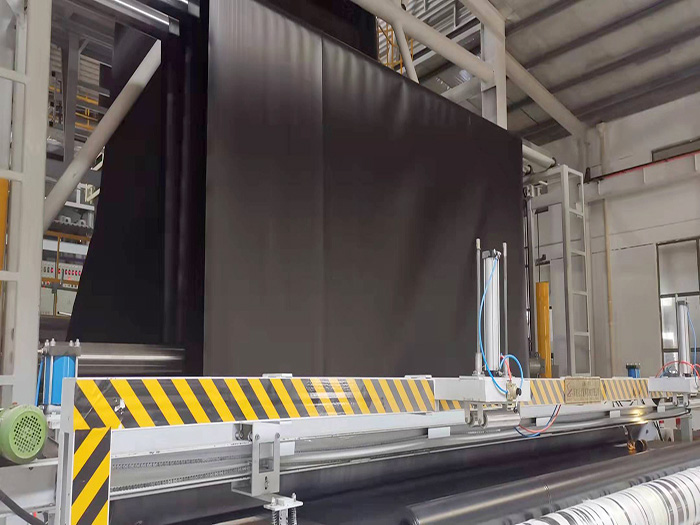
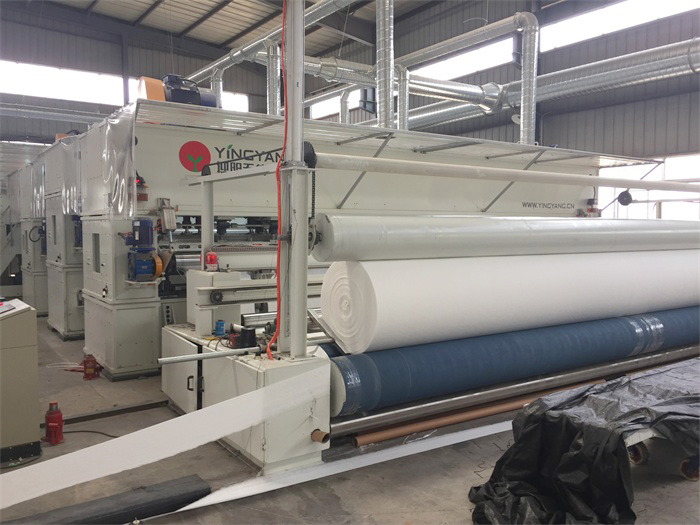
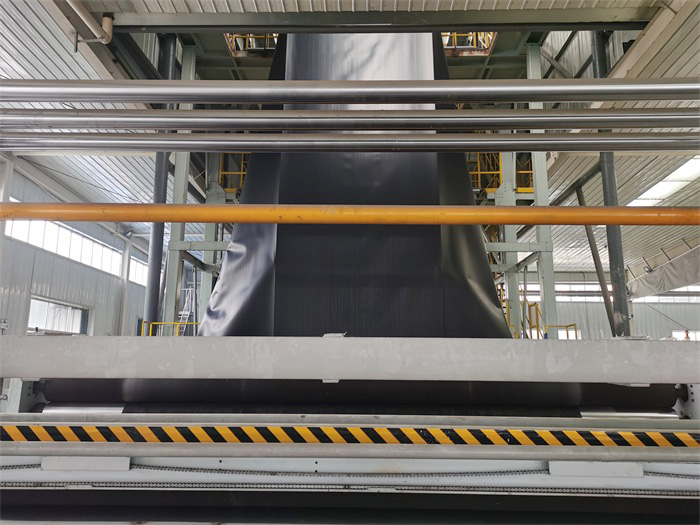
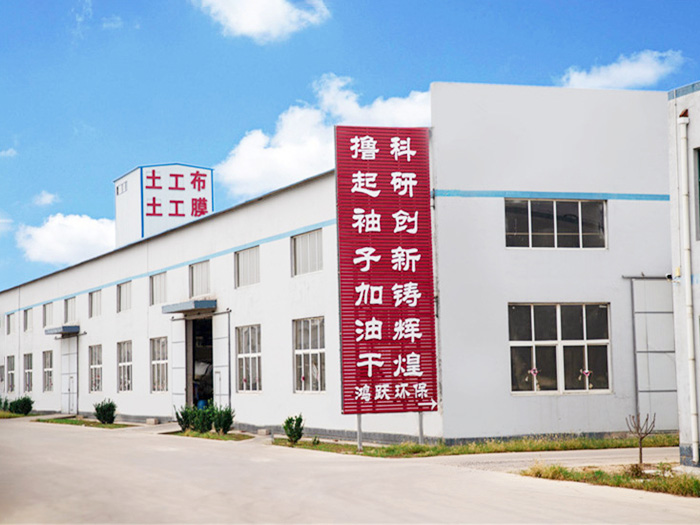
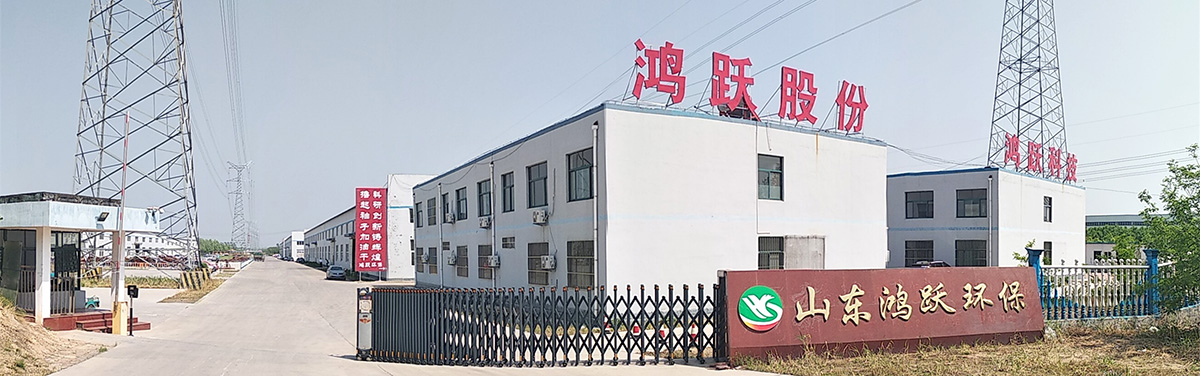
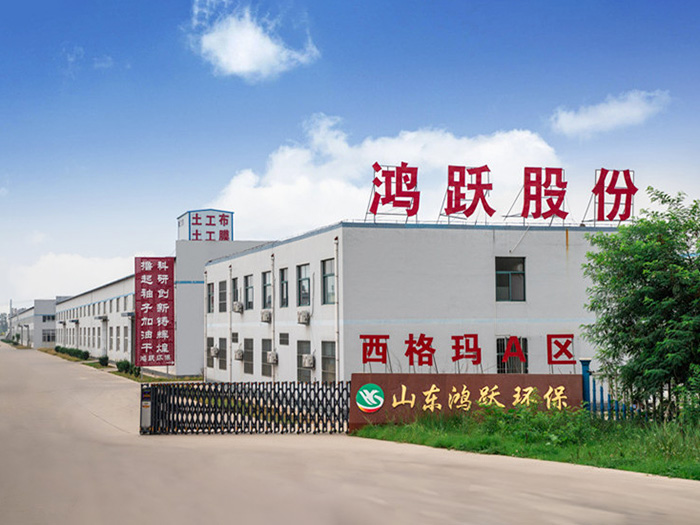
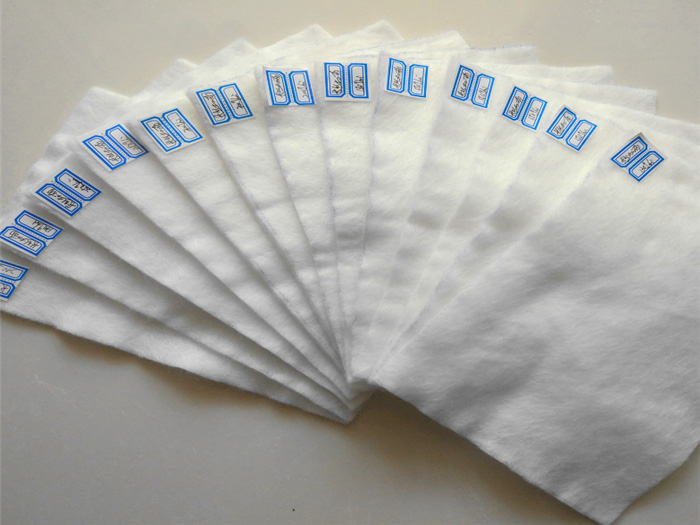
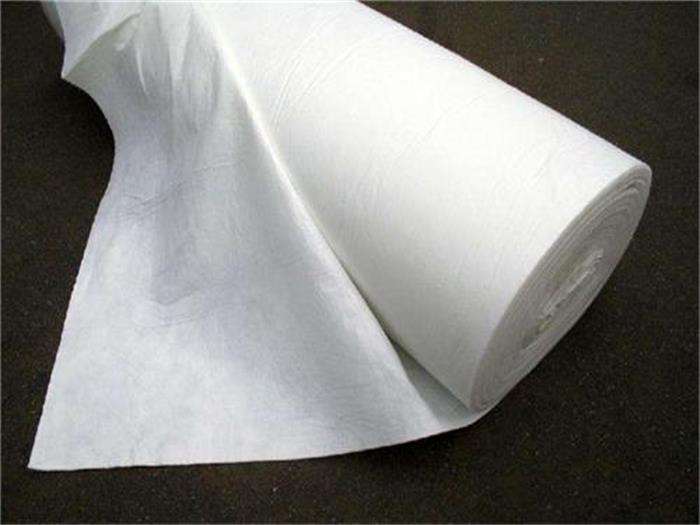
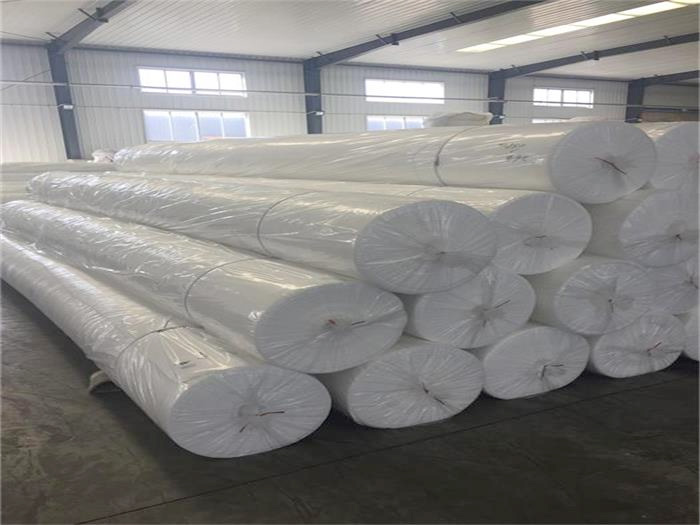
Shandong Hongyue's manufacturing facility is located in Dezhou, Shandong Province, which is a major cluster for geosynthetics production in China. This location provides access to high-quality raw materials, specialized machinery, and an experienced technical workforce.
With a registered capital of 105 million yuan, our factory has scaled its operations to include automated compounding systems, high-speed needle-punching looms, and wide-width extrusion lines. These capabilities allow us to manage large orders while maintaining tight production tolerances, helping global clients minimize procurement lead times.
Our supply chain infrastructure is integrated with major logistics hubs. Situated close to key northern shipping ports such as Qingdao and Tianjin, we coordinate container shipments to Europe, Australia, and the Americas, providing reliable delivery timelines for large-scale infrastructure projects.
Deploying geotextiles globally requires adherence to international engineering and environmental regulations. Shandong Hongyue supports global compliance through rigorous certification testing.
Our geosynthetics, including geomembranes and cement blankets, carry CE markings. This verifies compliance with EU health, safety, and environmental protection standards, allowing for direct use in European infrastructure tenders.
We test our geotextile fabrics according to ASTM protocols (such as ASTM D4595 for wide-width tensile properties and ASTM D4491 for water permeability). This helps design engineers verify that our materials meet technical specification requirements.
Our production lines operate under ISO 9001 (Quality Management), ISO 14001 (Environmental Management), and ISO 45001 (Occupational Health & Safety) frameworks, establishing a consistent approach to product quality and manufacturing safety.
When purchasing geotextiles for infrastructure projects, procurement teams evaluate materials based on key mechanical and hydraulic parameters. The following guide highlights the main specifications that engineers consider during product selection:
For custom manufacturing (OEM/ODM) or bulk supply contracts, our technical department provides support across key procurement steps:
Step 1: Submit soil report and design shear stress requirements.
Step 2: Select fiber matrix (Natural vs. Synthetic vs. Composite hybrid).
Step 3: Establish target tensile strength and biodegradation timeline.
Step 4: Conduct laboratory verification testing and supply CE/ISO documentation.
Step 5: Arrange port logistics and dispatch schedules.
All products produced by Shandong Hongyue undergo quality control testing to verify compliance with international standards before leaving our facility.
Shandong Hongyue Environmental Protection Engineering Co., Ltd. maintains a quality management system. The company uses modern production lines and precise testing equipment to monitor the chemical and mechanical properties of our materials.
Our products meet or exceed domestic and international standards, having passed inspection by the China National Testing Center as well as regular quality audits conducted by state inspection authorities.
Our technical support network provides technical guidance and site consulting services, helping project owners choose and install the right materials for their environmental or civil engineering designs.
Get answers to common technical queries about the specifications, durability, and applications of geotextiles and barrier systems.
Coir is derived from coconut husks and has a high lignin content, which allows it to resist biodegradation for 2 to 3 years. It offers high tensile strength and is suitable for steep slopes and high-velocity channels. Jute is a softer fiber that degrades more quickly, typically within 12 to 18 months. It is used for flat or mild slopes where rapid vegetation growth is the primary goal.
Natural geotextiles absorb and retain water, which helps maintain soil moisture. The physical grid structure slows down runoff and holds seeds and soil in place. As the natural fibers break down, they add organic matter to the soil, supporting the growth of native plant roots that eventually stabilize the slope permanently.
Our production is managed under ISO 9001, ISO 14001, and ISO 45001 systems. Many of our core product lines, including geomembranes, drainage boards, and cement blankets, are CE certified. They are also tested according to ASTM and EN standards to verify consistent performance across different project locations.
Yes, our factory provides customization (OEM/ODM) for weight per unit area, roll width, mesh sizes, and fiber blends. This allows us to modify the material parameters to match specific slope and hydraulic conditions.
With a registered capital of 105 million yuan and high-capacity manufacturing lines, we maintain raw material inventories and coordinate shipping from major ports like Qingdao and Tianjin. Our technical teams assist with document preparation, testing verification, and container loading schedules to streamline the import process.
Correct field installation is essential for the long-term performance of barrier and reinforcement systems. Below is an overview of the key preparation, deployment, and maintenance steps:
The foundation subgrade must be leveled and compacted. Remove sharp rocks, tree roots, debris, and standing water to prevent punctures or stress concentrations in the liner.
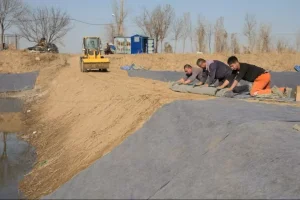
Roll out the sheets along the design slope, keeping the material flat to avoid folds. Overlap adjacent panels according to design specifications (usually 10cm to 15cm for welded geomembranes, and 30cm to 50cm for natural erosion control mats). Secure the edges in anchor trenches backfilled with soil or concrete.
For polymeric geomembranes, join adjacent panels using dual-track hot wedge welding or extrusion welding. Test the welded joints using air pressure or vacuum testing to verify leak-free performance.
Regularly inspect exposed surfaces for UV degradation, mechanical damage, or erosion. Cover natural blankets with soil or protective vegetation, and repair any damaged areas to maintain the integrity of the barrier.
Explore additional containment, drainage, reinforcement, and erosion control solutions manufactured at our modern facility in Dezhou, Shandong.
 Hongyue