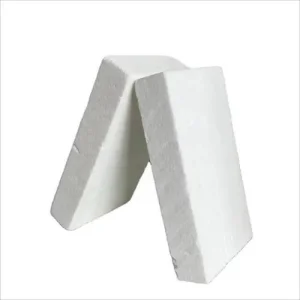
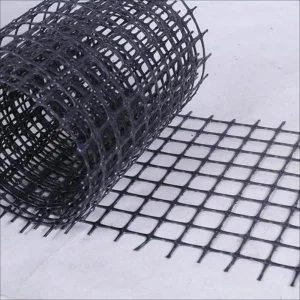
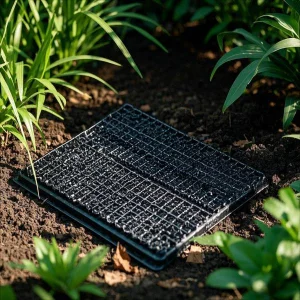
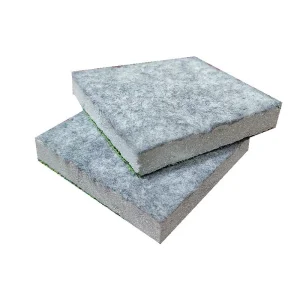
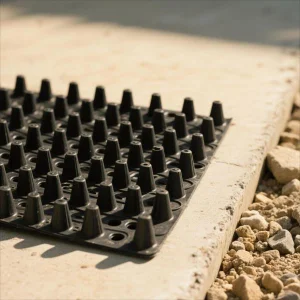
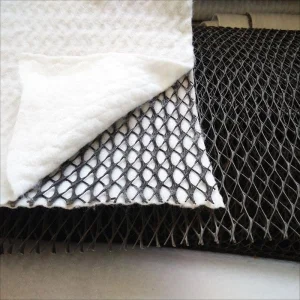
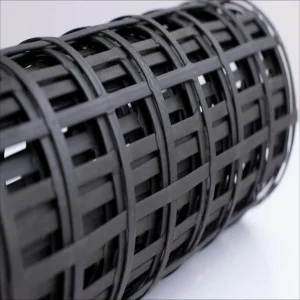
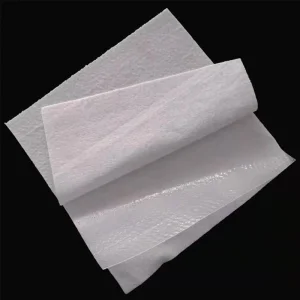
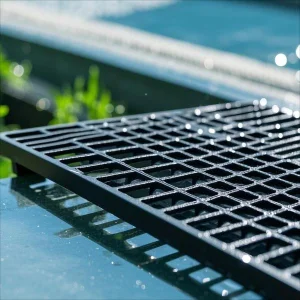
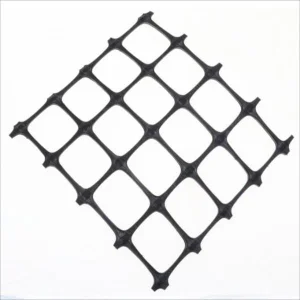
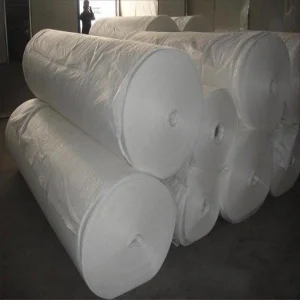
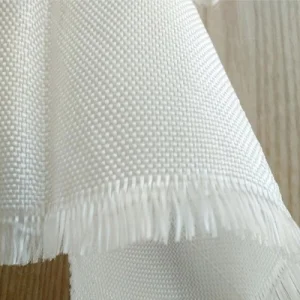
Explore our flagship high-performance structural systems, engineered for demanding isolation, filtration, and reinforcement scopes globally.
The global infrastructure development framework relies heavily on innovative polymeric and composite geotextile meshes. As civil engineering projects scale in complexity and face harsher environmental constraints, the demand for high-strength, chemically inert, and hydraulically optimized geosynthetics has skyrocketed. Geotextile meshes have evolved from basic filtration fabrics into complex, multi-functional structural layers critical to the lifespan of highways, high-speed rail lines, waste containment sites, and marine structures.
Globally, regulatory updates from organizations like AASHTO in North America and CEN in Europe mandate more rigorous standards for soil stabilization, landfill barriers, and municipal water conservancy networks. This has driven the industry toward highly specialized geotextile meshes, composite membranes, and structural reinforcement grids designed to meet project-specific tensile loads, flow rates, and biological degradation thresholds.
Modern engineering demands smart solutions that optimize cost while guaranteeing decade-spanning longevity. The major growth segments include:
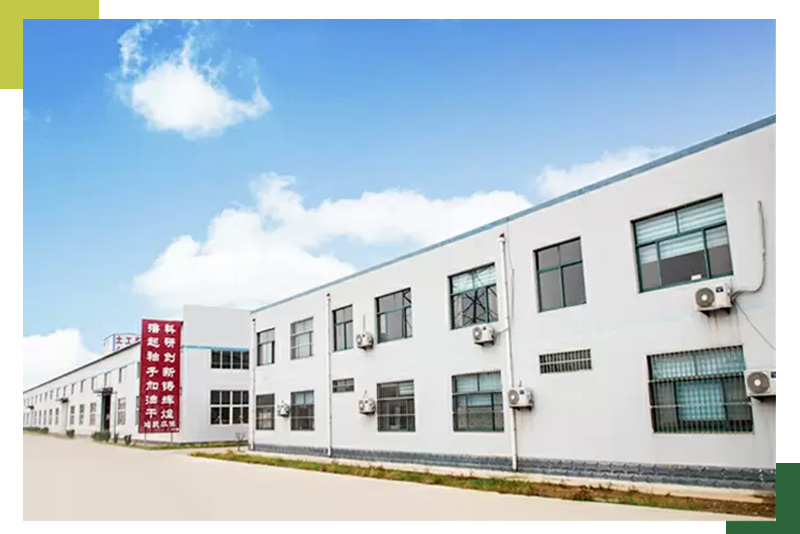
Shandong Hongyue Environmental Engineering Co., Ltd., located at the north end of Fufeng Street, Lingcheng District, Dezhou, Shandong Province, is a scientific and technological geotechnical material manufacturer integrating engineering material production, sales, design and construction services.
The company was registered in the Lingcheng District Market Supervision and Administration Bureau of Dezhou City on April 6, 2023, with a registered capital of 105 million yuan. It is one of the largest production bases of geotechnical materials in China at present, located in Lingcheng District, Dezhou, Shandong Province, with a superior geographical location and convenient transportation network, facilitating rapid delivery to domestic sites and international ports.
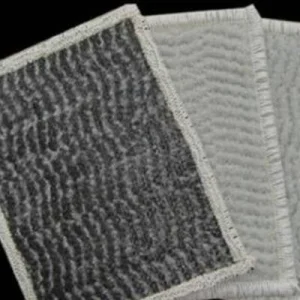
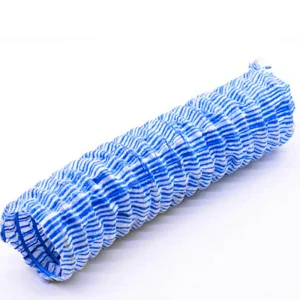
Since its establishment, the company has developed rapidly, with its business continuing to grow and expand. We mainly deal in geotextiles, geomembranes, composite geomembranes, waterproof boards, bentonite waterproof blankets, 3D composite drainage nets, (composite) drainage boards, weaving cloth, woven cloth, geotextiles, membrane bags, blind ditches, waterproof and drainage combinations, woven bags, ecological bags, cement blankets, fiber plants blankets, flexible pervious pipes, and related geosynthetics services.
Our company belongs to the Dezhou Geotextile Association. We boast high-quality products along with a professional sales and technical team. Our comprehensive systems are widely utilized in highways, railways, bridges and tunnels, reservoirs and canals water conservancy, artificial lakes, environmental protection projects, aviation facilities, mining operations, agriculture, and other fields.
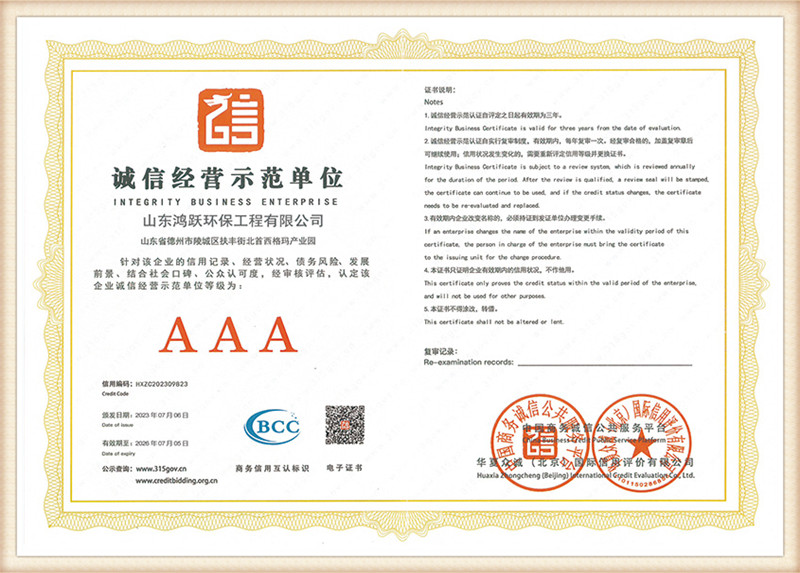
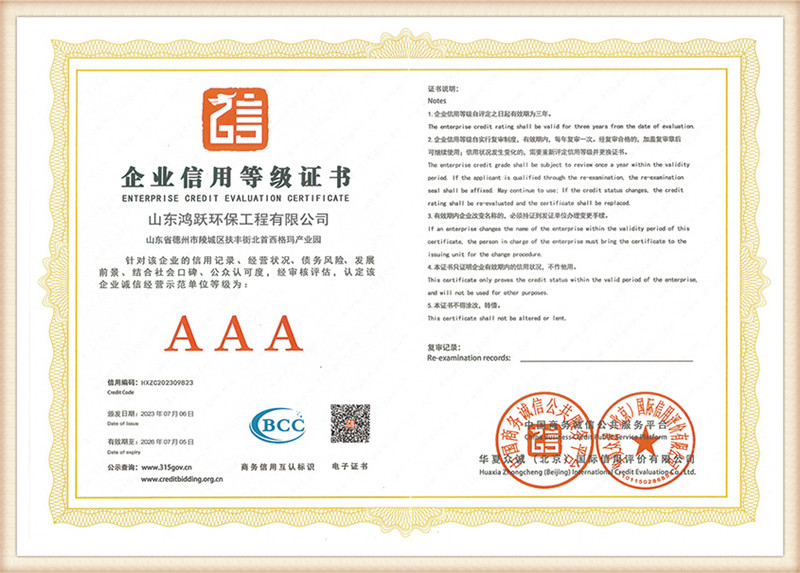
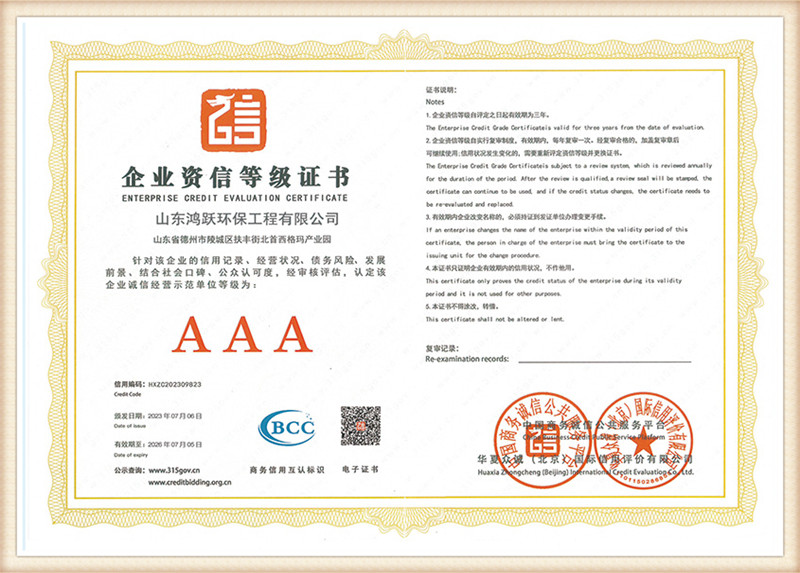
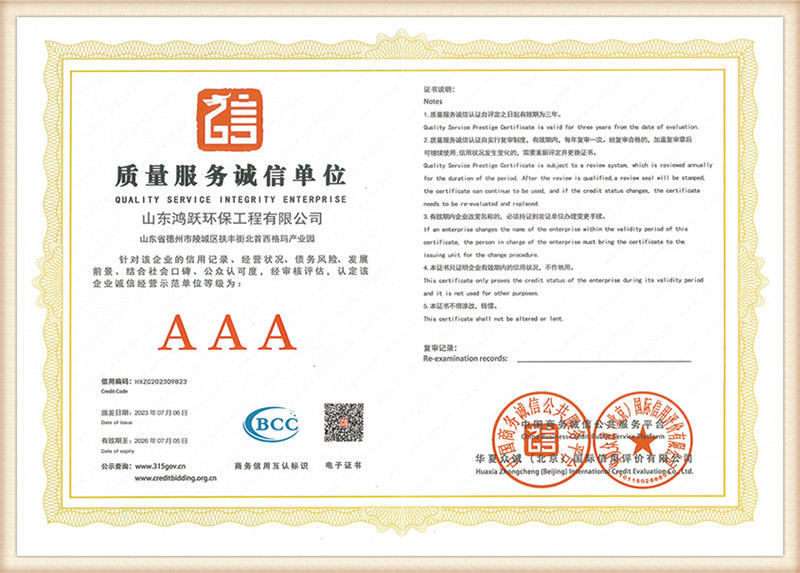
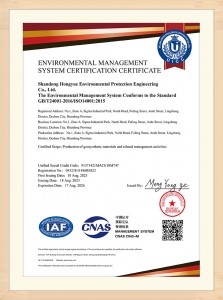
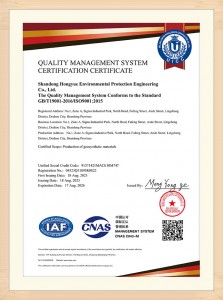
The company has successively passed the ISO9001 international quality system certification, ISO14000 environmental system certification, and ISO45001 occupational health and safety management system certification. We have earned multiple honors such as "green and environmentally friendly building materials products", "no consumer complaints", "famous Chinese brands", "high-tech industries", "quality service double excellent units", and "provincial-level poverty alleviation leading enterprises".
Why global engineering procurement managers trust Dezhou's industrial manufacturing ecosystem.
Dezhou, Shandong Province, stands as the premier global manufacturing cluster for geotechnical materials. Shandong Hongyue Environmental Engineering Co., Ltd. capitalizes on this unique localized environment. By utilizing vertically integrated raw material supply chains, we ensure that high-grade polypropylene, polyester chips, and bentonite waterproofing additives are sourced with minimal transit overheads, insulating our clients from price volatility and global shortages.
Furthermore, our plant hosts ultra-wide extrusion equipment, advanced thermal nonwoven calendering setups, and multi-axial reinforcement weaving looms. The combination of automation, high daily throughput, and localized engineering talent enables a shorter lead time—often 30% faster than localized regional operations—and provides highly competitive factory-direct pricing scales.
A step-by-step review of our automated raw material conversion and high-precision testing workflows.
The main raw materials of geotextile are polyester chips, polypropylene filament, and viscose fiber. These raw materials need to be inspected, arranged, and stored systematically to ensure their purity, moisture thresholds, and high thermal stability before introducing them to the extrusion lines.
After the polyester slice is melted at high temperatures, it is extruded into a molten state by a screw extruder. Polypropylene filament and viscose fiber are added for mixing. In this process, parameters such as melt temperature, screw pressure, and feeding speed are precisely controlled to ensure the structural uniformity and chemical stability of the melt.
After mixing, the melt is sprayed through the spinneret to form a fibrous substance and form a uniform network structure on the conveyor belt. At this stage, control over the thickness, density, and orientation of the mesh fibers is vital to determine the ultimate mechanical properties and isotropic tensile strength of the geotextile.
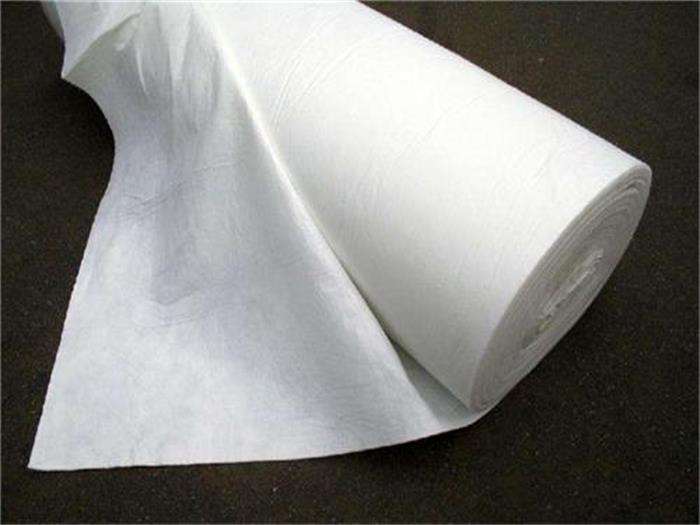
After laying the net into rolls, it undergoes draft curing treatment. The temperature, linear speed, and draft ratio are managed programmatically via high-precision heaters and mechanical stretch rollers to maximize structural stability, tear resistance, and tensile performance.
The geotextile after draft curing is rolled up and packaged for transport. During this phase, length, width, roll diameter, and mass per unit area are verified to guarantee alignment with structural design bills of quantities.
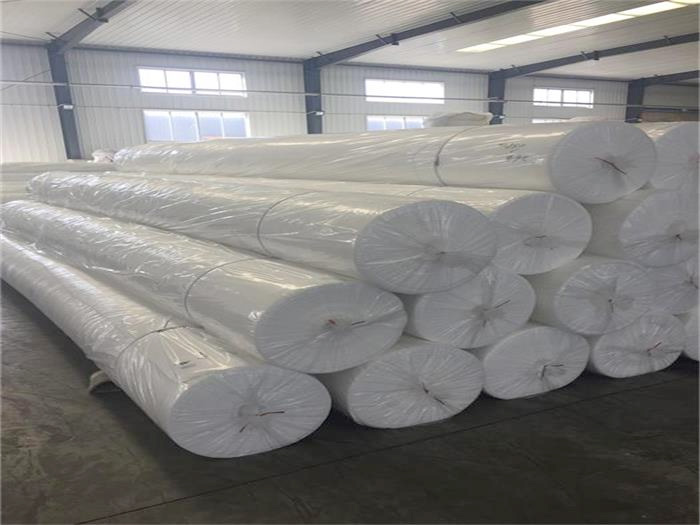
At the end of each production loop, the quality of the geotextile is inspected. The inspection contents include physical property tests (thickness, grab tensile, trapezoid tear), chemical property tests (UV degradation resistance, acid/alkali resistance), and appearance quality checks. Only geotextiles that meet standard requirements are approved for dispatch.
A systematic operational overview detailing the optimization of anti-seepage projects, barrier isolation, and reinforcement integrity.
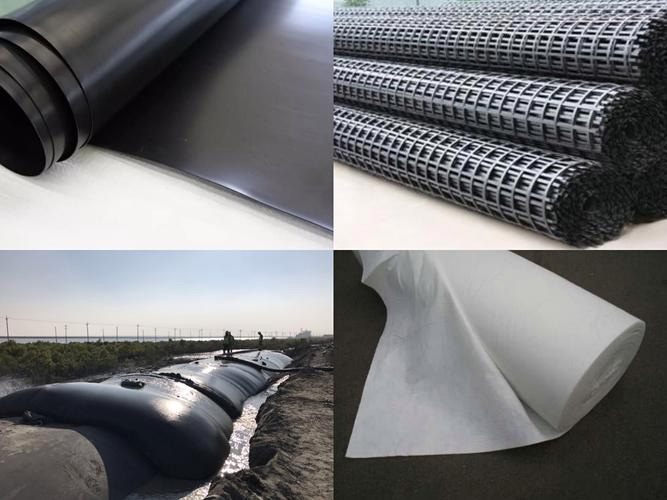
Analyzing how geotextile meshes and composite geomembranes perform across critical infrastructure domains.
Geomembranes serve as high-efficiency anti-seepage barriers in hydraulic applications. Their low permeability, lightweight profile, and simple field deployment make them indispensable.
Reservoir Liners: Placed along reservoir beds to block seepage through complex geological joints and fissures, boosting structural capacity.
Levees and Dikes: Applied as internal core walls or slope armor to stop internal erosion and piping, protecting downstream areas.
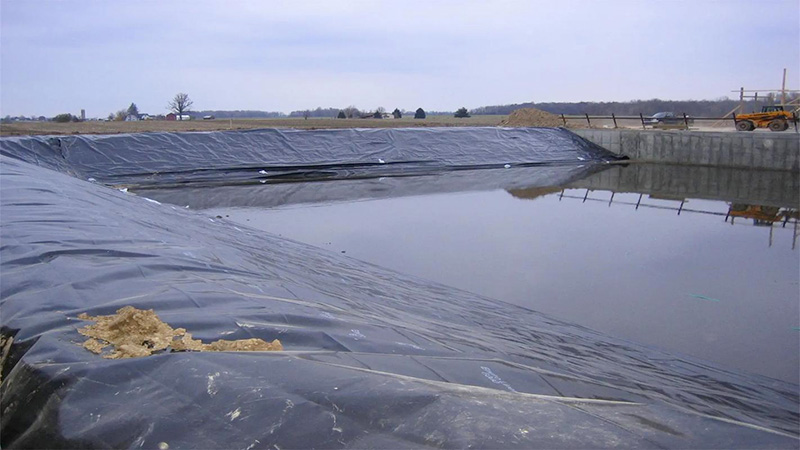
In environmental containment, geosynthetics act as critical security lines to isolate toxins from groundwater reservoirs and surrounding ecosystems.
Landfill Basins: Composite liners combine HDPE geomembranes with geosynthetic clay liners to trap landfill leachate reliably.
Petrochemical Tank Containment: Secondary containment basins are lined with chemically resistant materials to prevent hazardous petrochemical spills.
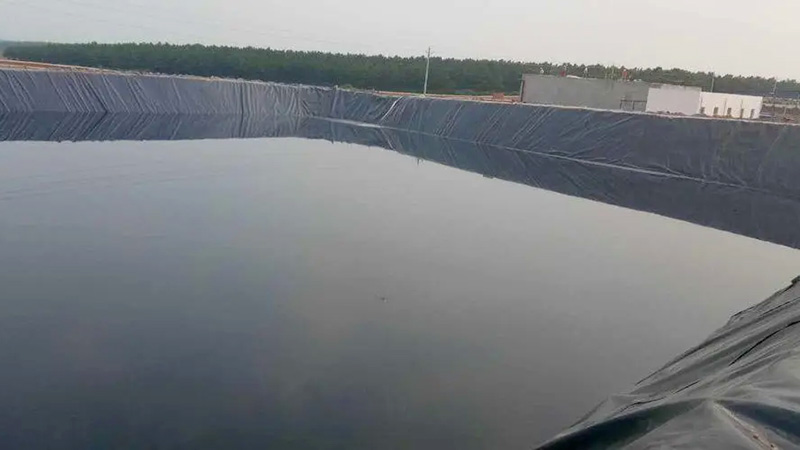
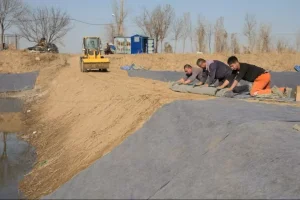
River and irrigation channels use geotextiles to protect against water loss, erosion, and soil shifts.
Flow Regulation: Lining channel beds stabilizes the water flow rate, controls bank erosion, and prevents agricultural run-off loss.
Slope Stabilization: Combined with geocells or cement blankets, geotextiles protect banks against slope failure, landslides, and high-velocity currents.
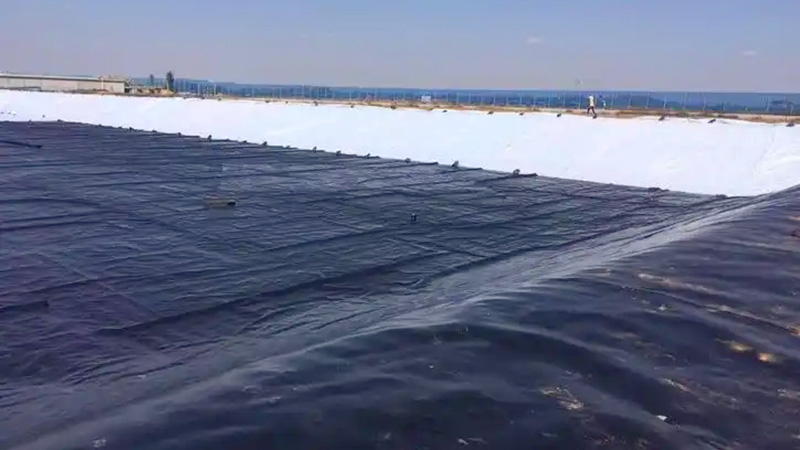
How technological improvements, sustainability requirements, and smart materials are changing the geosynthetics landscape.
Engineered geosynthetics now focus on reduced carbon footprints. Innovations like plant-fiber-based mats, biodegradable erosion control blankets, and recycled polymer components are gaining market share.
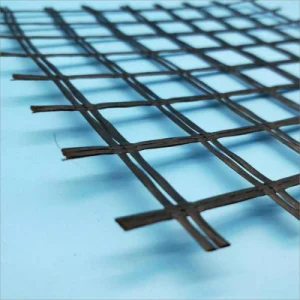
Modern projects increasingly specify hybrid products, such as nonwoven-composite geomembranes and geogrid-geotextile assemblies, which combine multiple functions (e.g., filtration, barrier, and reinforcement) into a single layer.
Smart geotextiles integrate fiber optics and conductive filaments directly into the mesh fabric. This allows real-time structural health monitoring, strain sensing, and instant leak detection in dams and high-hazard waste containment basins.
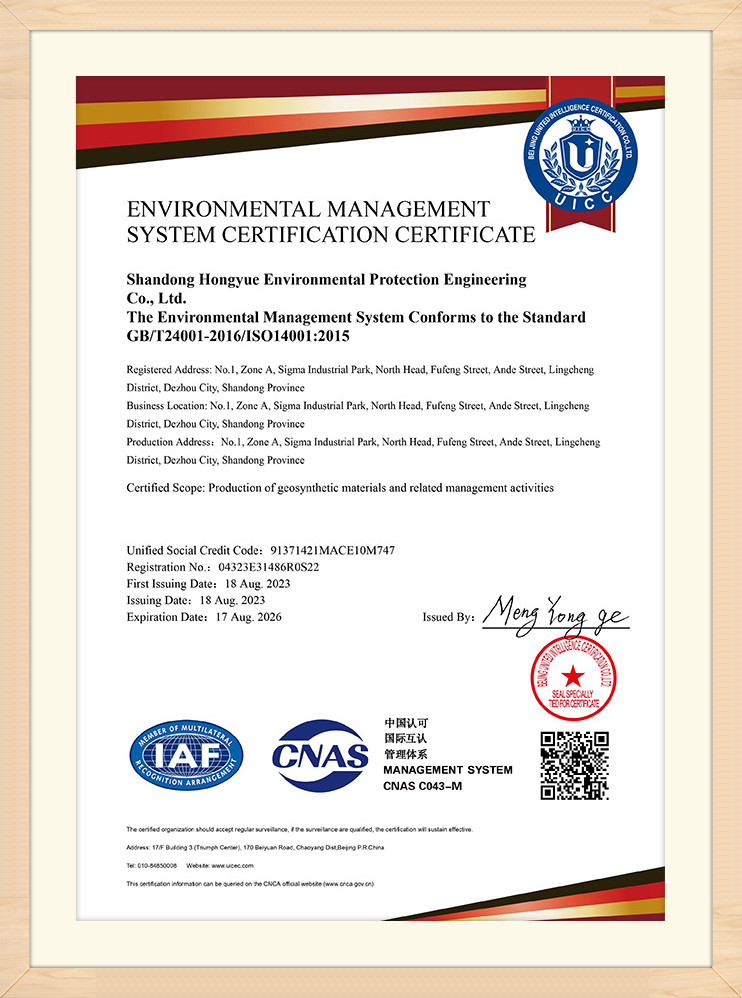
Shandong Hongyue Environmental Engineering Co., Ltd. operates under a strict, audited quality management framework. The company has passed ISO9001 international quality system certification, ISO14000 environmental system certification, and ISO45001 occupational health and safety management system certification.
We employ advanced manufacturing technologies and use precision inspection equipment to verify mechanical properties, tensile capacity, and raw material purity. All products meet or exceed domestic and international standards, having passed certifications by the China National Testing Center and regular national quality supervision inspections.
Our experienced service, design, and technical teams bring over ten years of industry experience to domestic and global infrastructure sites, ensuring robust technical support throughout your project's lifecycle.
Key parameters for international engineering firms and procurement teams to evaluate when sourcing geotextile meshes.
For international engineering procurement managers, drafting a clear RFQ is essential for obtaining accurate price quotes and ensuring structural performance. Standard specifications should cover:
Providing clear details about your subgrade soil type, gradient, and intended hydraulic load helps our engineering team propose cost-effective material options and optimal roll sizes, minimizing project waste.
Requesting customized roll widths can reduce field seam preparation by up to 15%, lowering overall installation labor costs.
Addressing key engineering and procurement queries about installation, longevity, and selection.
Explore our wider range of drainage solutions, reinforcement geogrids, and engineered barriers.
 Hongyue