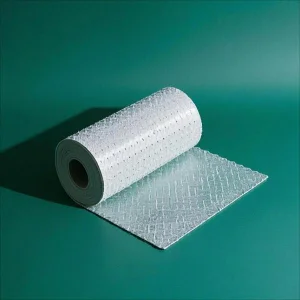
In modern civil engineering, soil dynamics, and environmental conservation, the choice of geotextiles determines the longevity and safety of infrastructure. Geotextile 300 Gr M² represents the engineering sweet spot for medium-to-heavy applications. This mass specification ensures excellent balance between mechanical tensile properties and high-performance hydraulic conductivity.
Designed with long-chain synthetic polymers (Polyester/PET or Polypropylene/PP), 300 g/m² geotextiles provide heavy-duty resistance against multidirectional stresses, crucial for subgrade stabilization and retaining wall reinforcement.
Offering a high California Bearing Ratio (CBR) puncture index, this grade prevents jagged rock materials and coarse aggregates from tearing the membrane during compaction stages of highway and railway construction.
Maintains high hydraulic permittivity under high confining pressures. It acts as a reliable filter, letting water pass freely while retaining fine soil particles, avoiding piping and structural clogging.
The global geosynthetics market is undergoing rapid evolution. Key drivers include rigorous climate resilience mandates, large-scale transport infrastructure initiatives (such as High-Speed Rail networks and deep-water ports), and stringent environmental regulations targeting industrial waste containment and municipal landfills.
Modern procurement divisions at major EPC (Engineering, Procurement, and Construction) companies are moving away from regional brokerages to source directly from primary manufacturers. The search is for consistent material properties, traceable lab certification, and scalable logistics capable of meeting demanding delivery timelines.
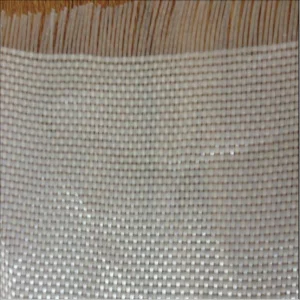
Geotextile 300 Gr M2 is widely sought after across a variety of crucial civil applications. The nonwoven variation is typically specified for sub-base highway filtration, landfill protection layers, and reservoir dams, while the woven variant is selected for high-tensile reinforcement requirements in marine retaining systems and soft ground stabilization.
Established Industrial Leader
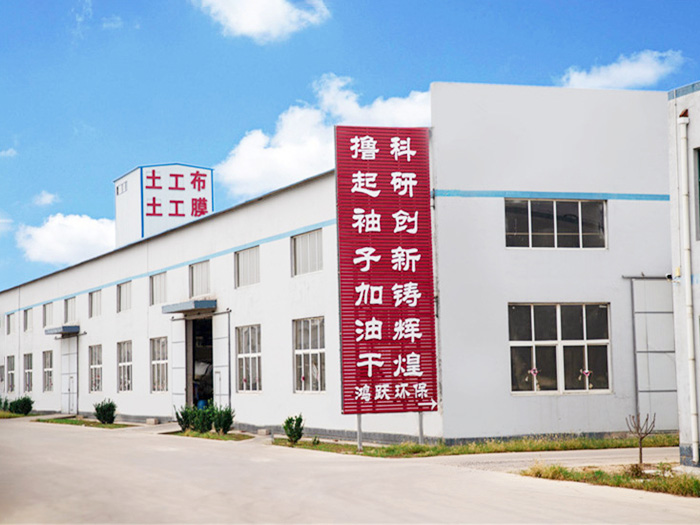
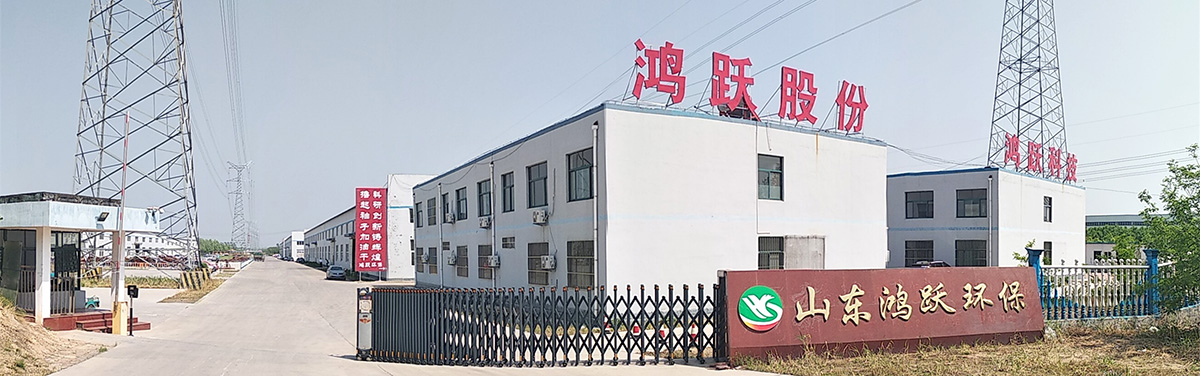
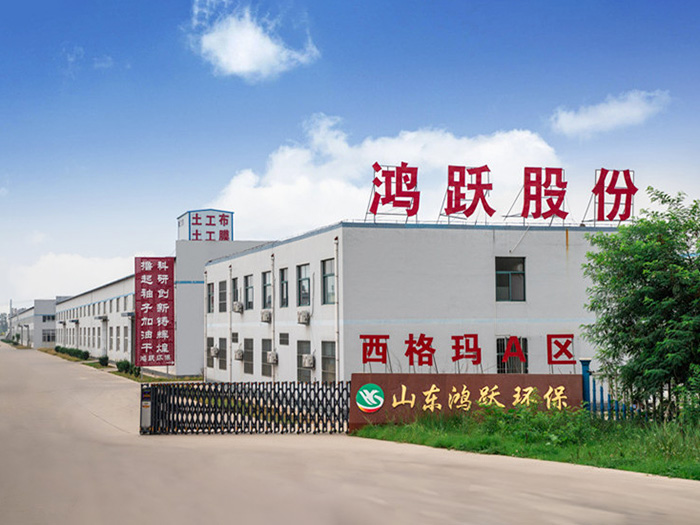
Shandong Hongyue Environmental Engineering Co., Ltd., located at the north end of Fufeng Street, Lingcheng District, Dezhou, Shandong Province, is a scientific and technological geotechnical material manufacturer integrating engineering material production, sales, design and construction services.
The company was registered in Lingcheng District Market Supervision and Administration Bureau of Dezhou City on April 6, 2023, with a registered capital of 105 million yuan. It is one of the largest production bases of geotechnical materials in China at present, located in Lingcheng District, Dezhou, Shandong Province, with superior geographical location and convenient transportation.
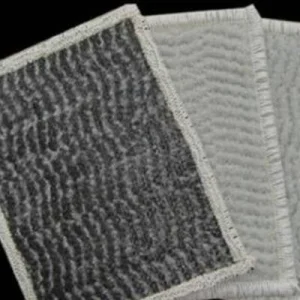
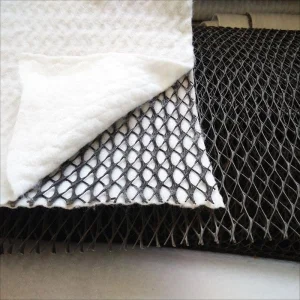
Since the establishment of the company has developed rapidly, business continues to grow and expand, our company mainly deals in geotextiles, geomembrane, composite geomembrane, waterproof board, bentonite waterproof blanket, 3D composite drainage net, (composite) drainage board, weaving cloth, woven cloth, geotextiles, membrane bags, blind ditches, waterproof and drainage combinations, woven bags, ecological bags, cement blankets, fiber plants blankets, flexible pervious pipes. The business includes geosynthetics, waterproofing membrane production, sales, construction, import and export of goods.
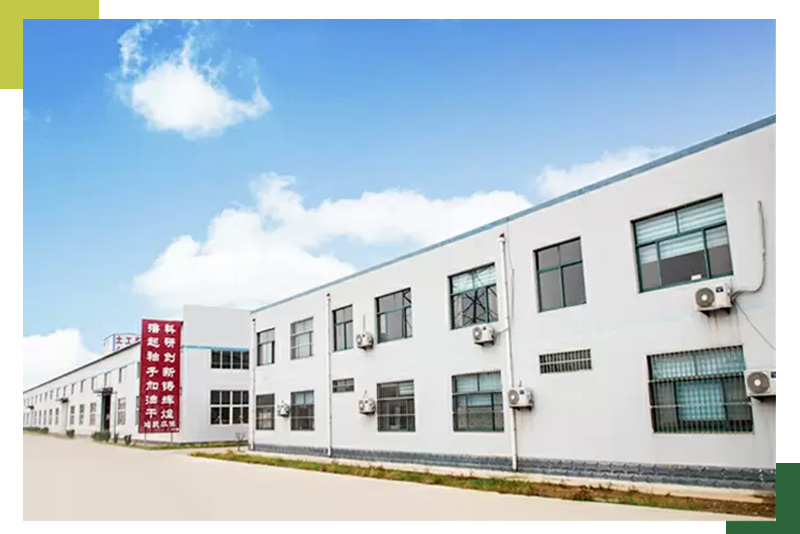
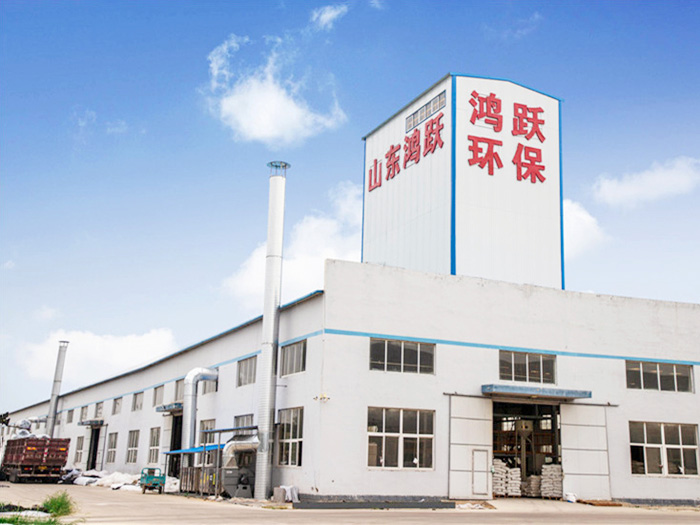
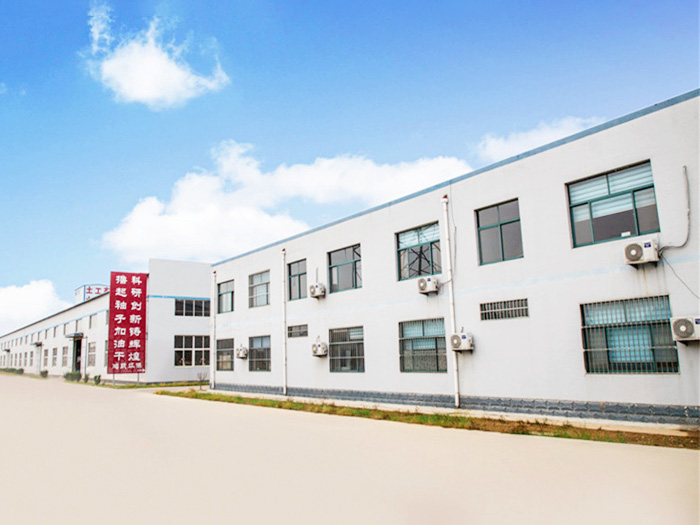
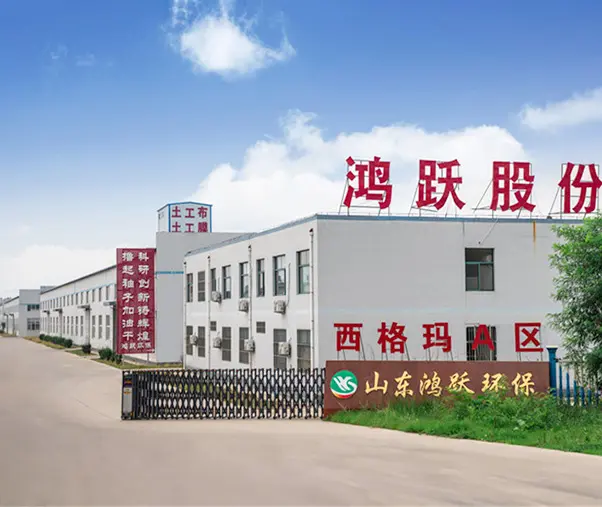
Our expansive manufacturing complex in Dezhou, Shandong houses multiple automated production lines. We welcome engineering consultants, contractors, and municipal authorities to inspect our facilities and witness our rigorous production standards firsthand.
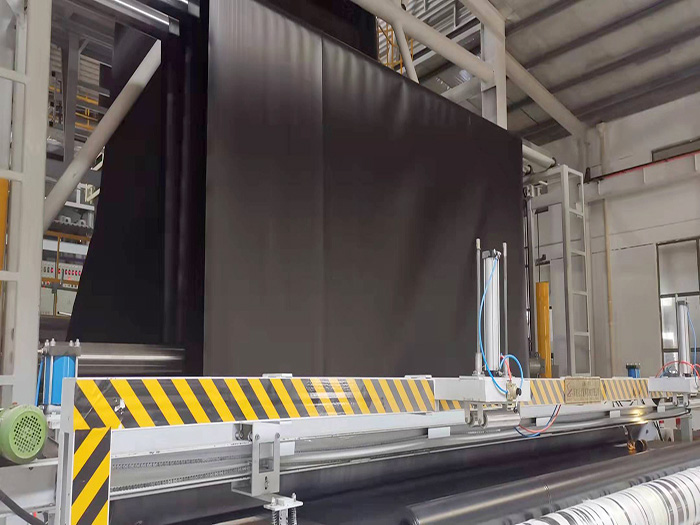
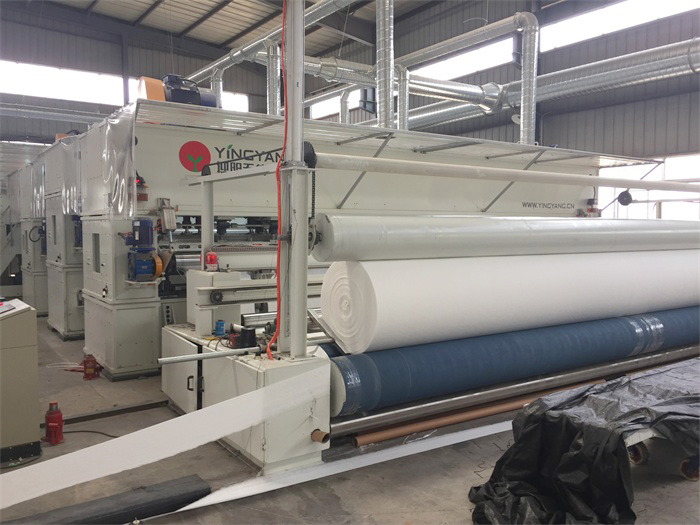
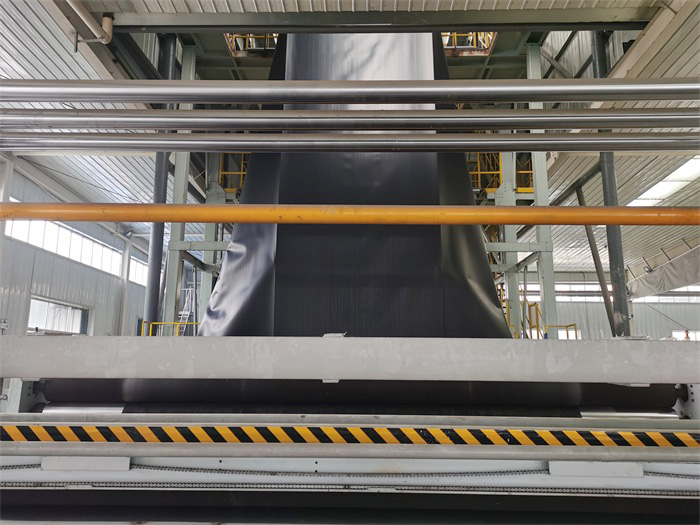
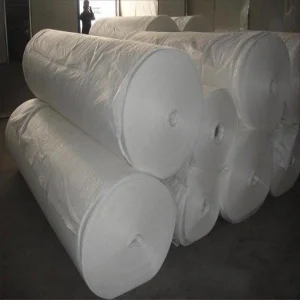
We manufacture tailored weight classes from 100 to 1000 Gr M² in nonwoven filament, short fiber, and high-strength woven structures.
Geotextile is widely used in civil engineering materials, with filtration, isolation, reinforcement, protection and other functions. Its production process includes raw material preparation, melt extrusion, mesh rolling, draft curing, winding packaging and inspection steps. This process requires processing and control across multiple stages, while also considering environmental protection and durability. Modern production equipment and technology have significantly improved both production efficiency and geotextile quality.
The main raw materials of geotextile are polyester chips, polypropylene filament, and viscose fiber. These raw materials must be inspected, organized, and stored to ensure consistent material properties and stability before heading to production.
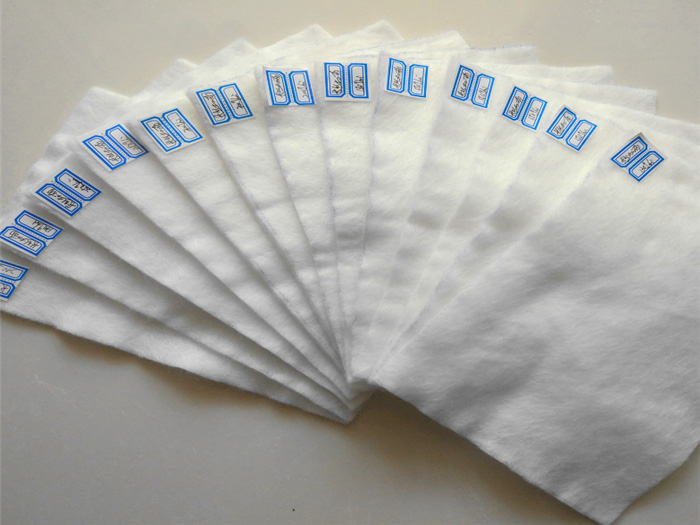
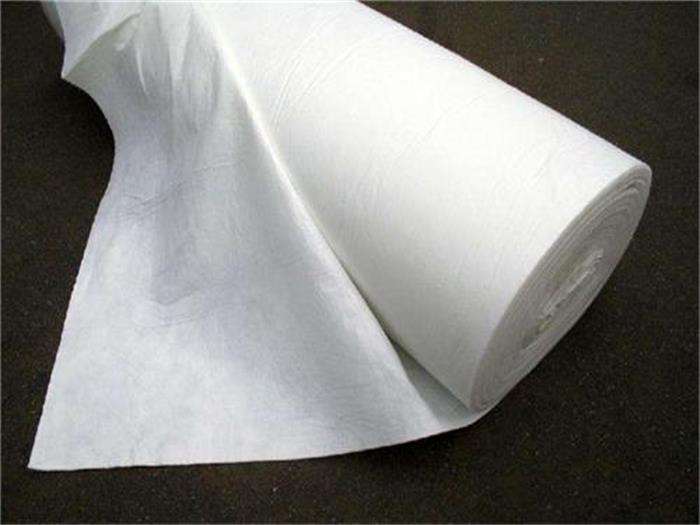
After the polyester slice is melted at high temperatures, it is extruded into a molten state by a screw extruder. Polypropylene filament and viscose fiber are added for mixing. During this process, temperature, pressure, and other parameters are precisely controlled to ensure the uniformity and stability of the molten state. The mix is then sprayed through spinnerets to form a uniform web structure on the conveyor belt.
After laying the net into rolls, draft curing treatment is performed. In this process, the temperature, speed, and draft ratio are precisely controlled to guarantee optimal tensile strength and physical stability. The cured geotextile is rolled, measured, and cut to precise dimensions before undergoing extensive physical and chemical property tests.
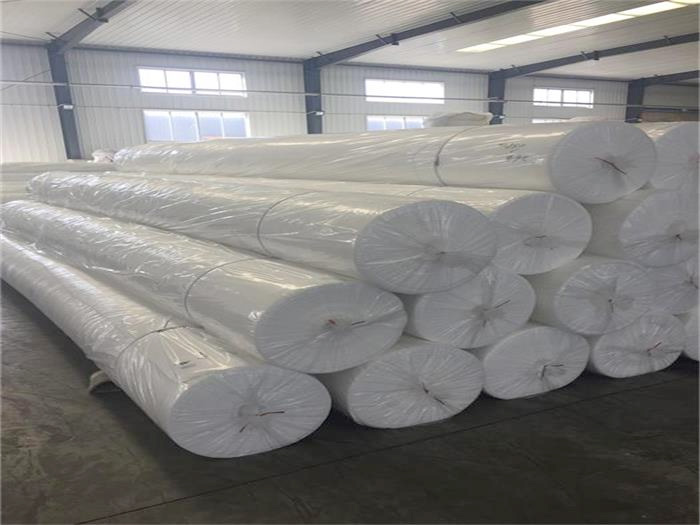
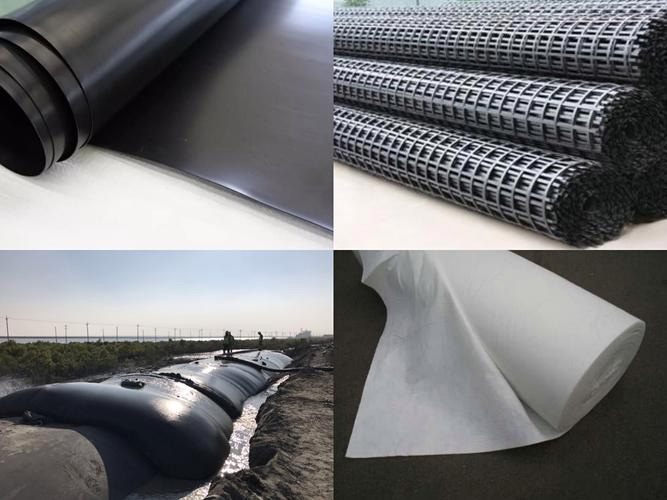
Our engineered solutions go beyond geotextiles. We supply complete geosynthetic containment and stabilization systems designed for challenging environments worldwide.
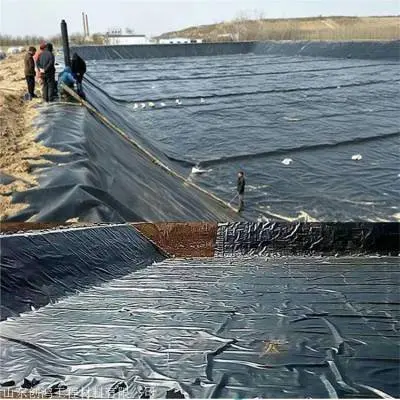
Durable geomembranes designed for aquaculture applications. High UV resistance prevents water seepage while remaining safe for aquatic life.
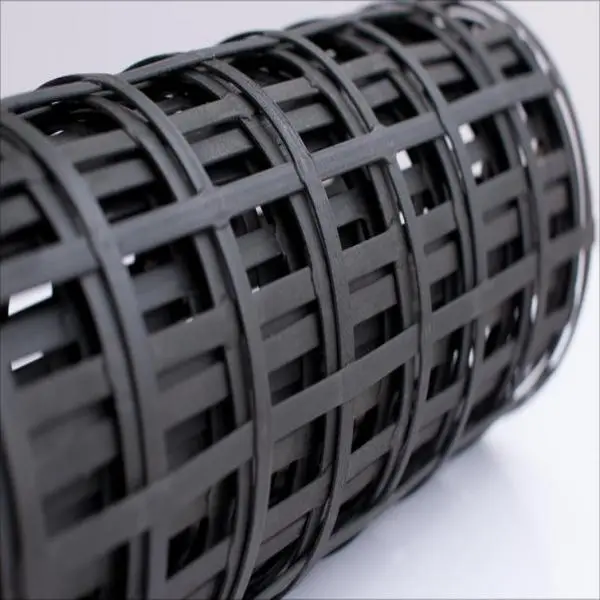
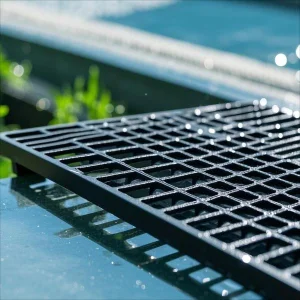
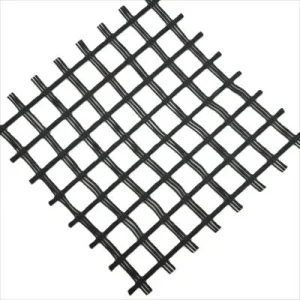
High-tensile reinforcement grids designed to stabilize load-bearing subgrades, heavy transportation lanes, and retaining walls.
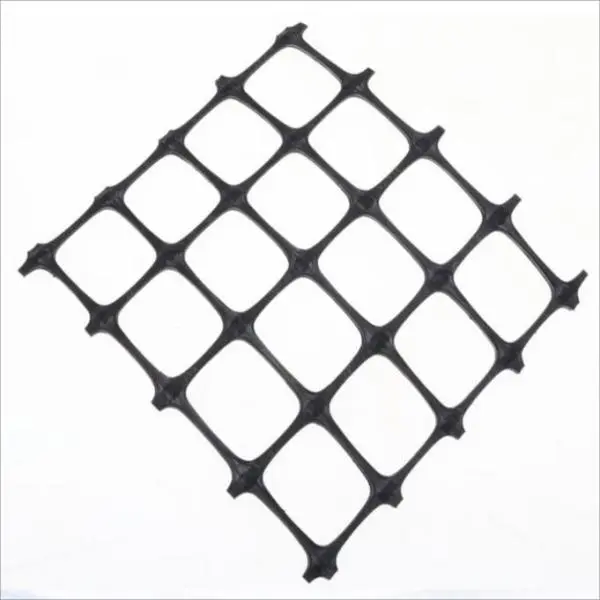
Uniaxial and biaxial plastic geogrids that offer high soil reinforcement, preventing slope sliding and structural settling.
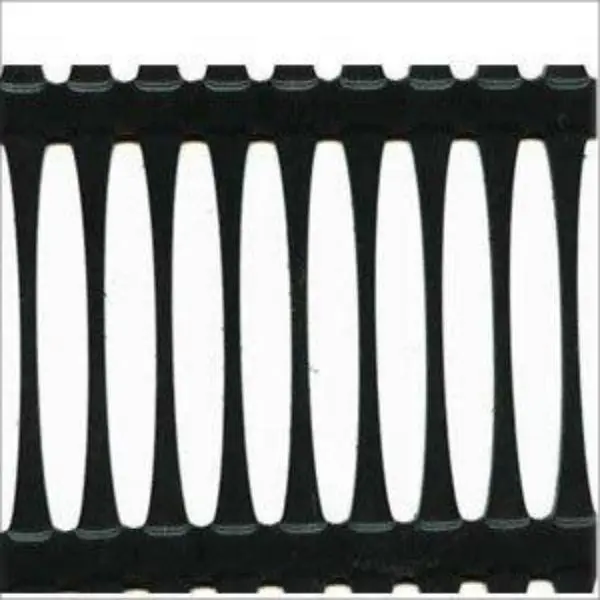
Optimized for unidirectional load distribution, ideal for embankment reinforcement, vertical walls, and retaining structures.
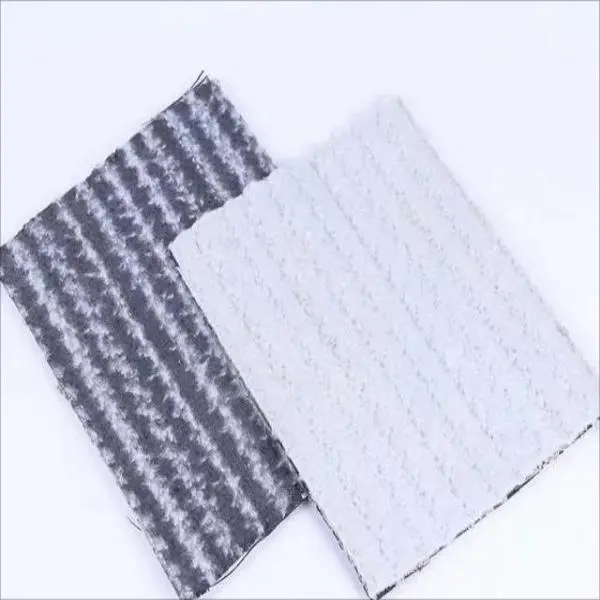
A hybrid material combining flexible fabric structure with the structural strength of concrete upon hydration. Ideal for quick channel lining.
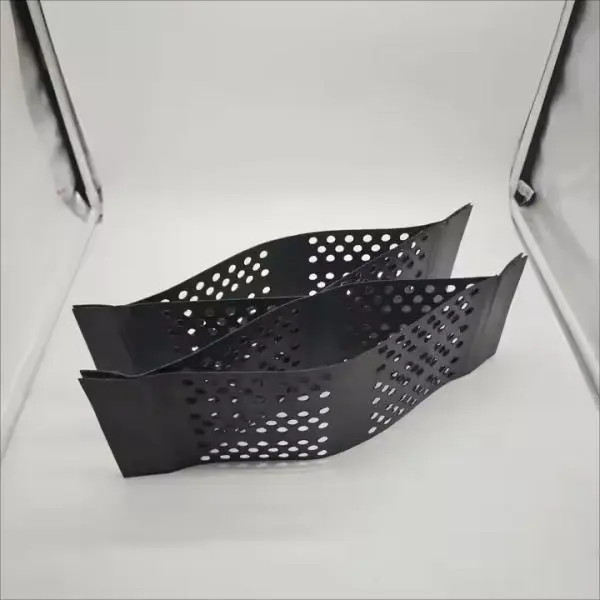
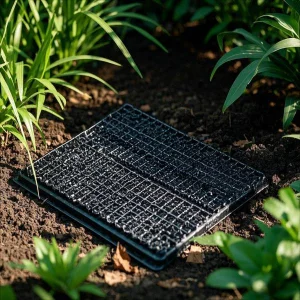
Three-dimensional honeycomb confinement systems designed to prevent surface erosion and stabilize weak foundation soil beds.
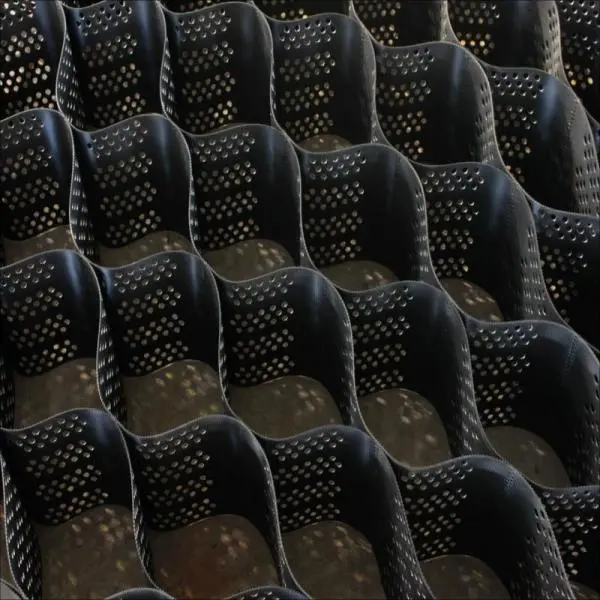
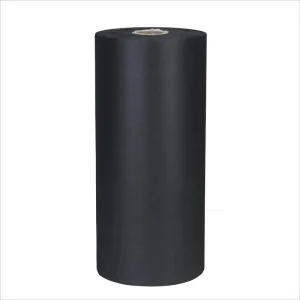
Manufactured using high-density polyethylene to provide optimal structural longevity, chemical stability, and robust load-bearing distribution.
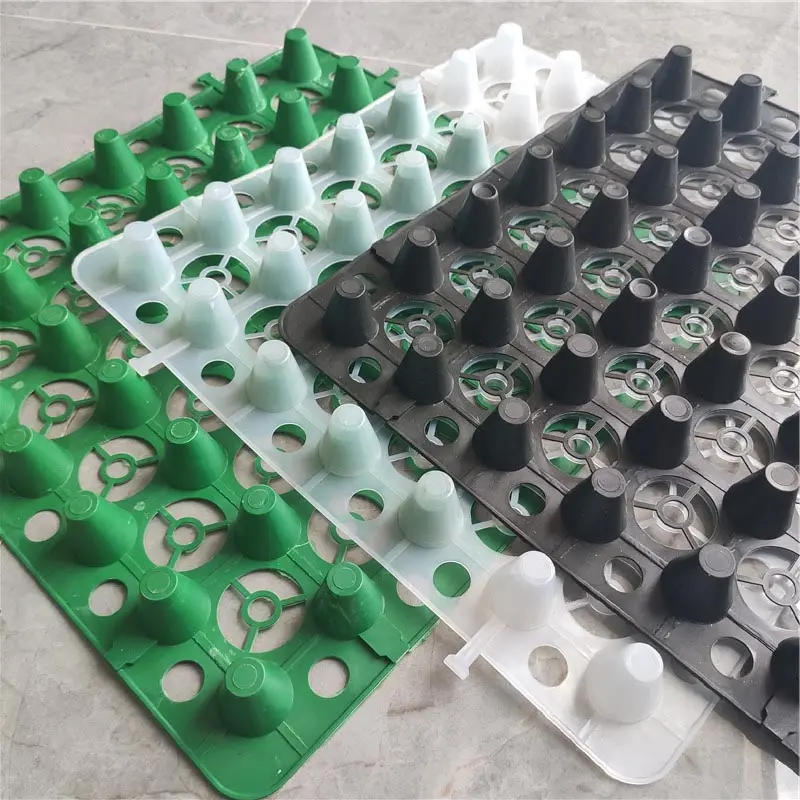
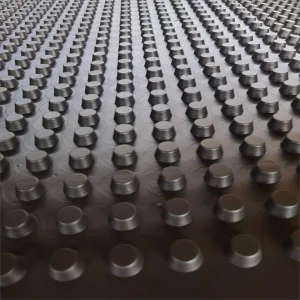
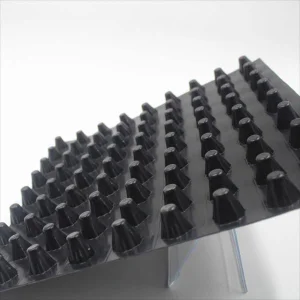
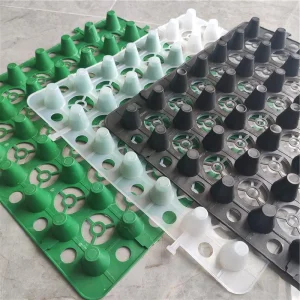
Custom-molded dimpled core sheets designed to retain beneficial moisture while discharging excess runoff on building rooftops.
We supply tailor-made dimensions and thickness variations to match local municipal and commercial specifications.
Geomembrane, as an efficient anti-seepage material, plays a vital role in water conservancy projects. Its excellent anti-seepage performance, lightweight construction characteristics, and competitive installation costs make geomembranes an indispensable part of water conservancy works.
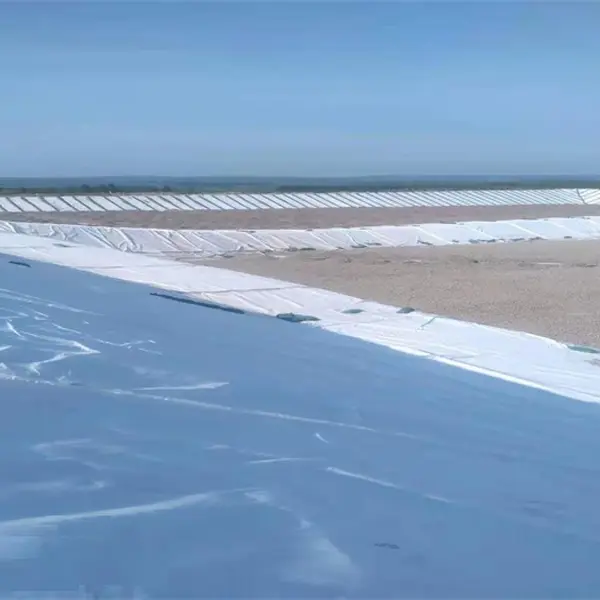
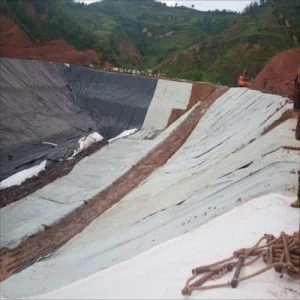
In reservoir construction, geomembranes provide essential anti-seepage capabilities. Because reservoirs are typically built in valleys or low-lying areas, geological conditions are complex. It is critical to prevent leaks between the reservoir bed and the surrounding rock. Using geomembranes helps resolve this, improving overall safety and stability.
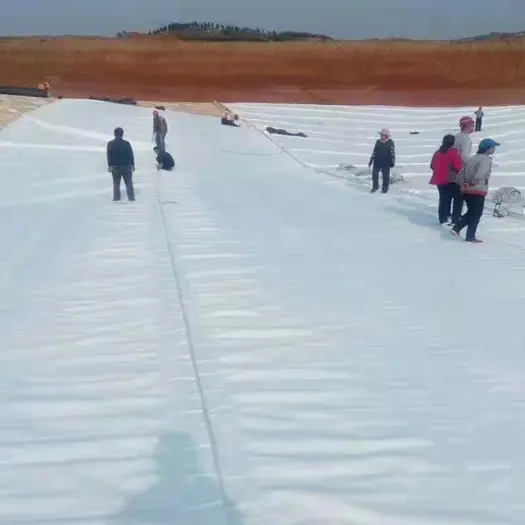
Canals and rivers are essential water conservancy components that regulate flow and protect nearby agricultural infrastructure. Applying geomembranes mitigates common issues like leaks, bank erosion, and localized structural failure.
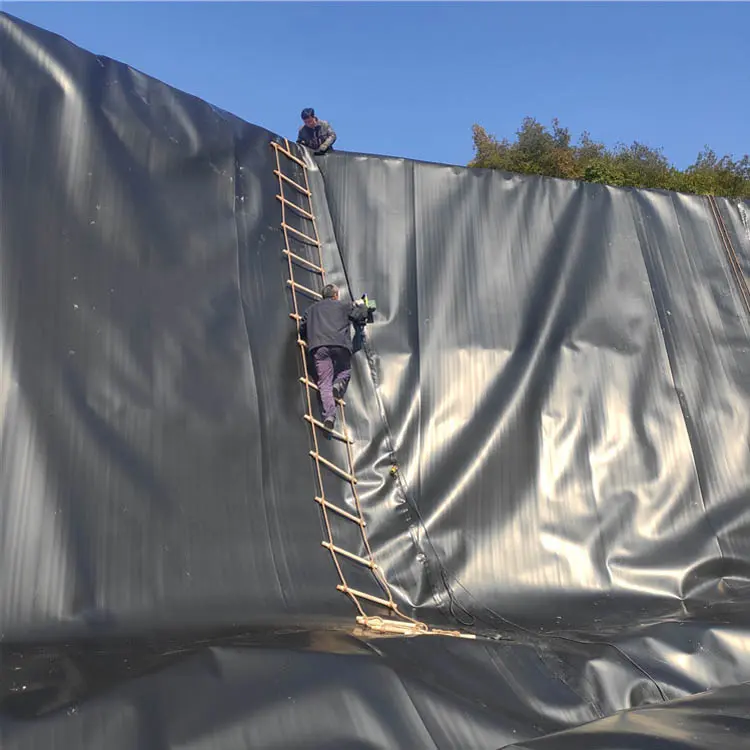
High-density geomembranes create impermeable barriers that protect surrounding groundwater tables from landfill leachate and hazardous containment elements.
For storage areas housing chemical liquids and oils, secondary containment containment plays a critical role. Our heavy-duty liners ensure that potential leaks do not penetrate subsoil structures, keeping industrial operations compliant with modern safety requirements.
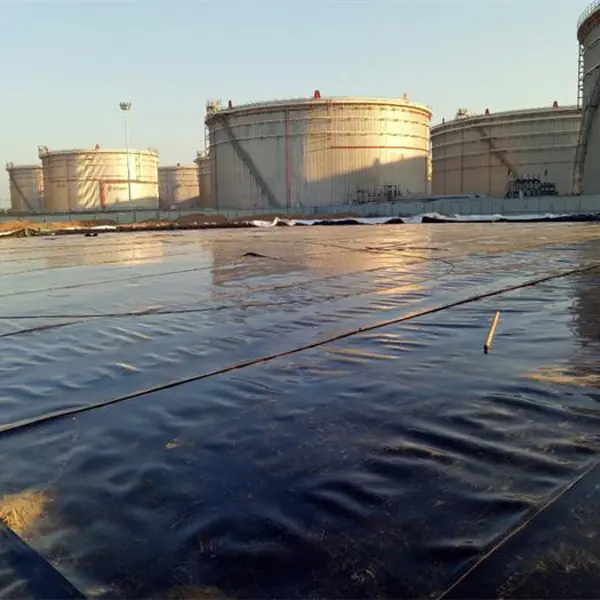
Geomembrane is a material widely used in engineering projects, providing critical anti-seepage, isolation, and reinforcement functions. Selecting, laying, and maintaining geomembranes properly is essential for maximizing project lifespan.
Shandong Hongyue Environmental Engineering Co., Ltd. has established a comprehensive management system certified to ISO9001, ISO14000, and ISO45001. We use advanced testing equipment to ensure that all products consistently deliver high performance and meet international quality benchmarks.
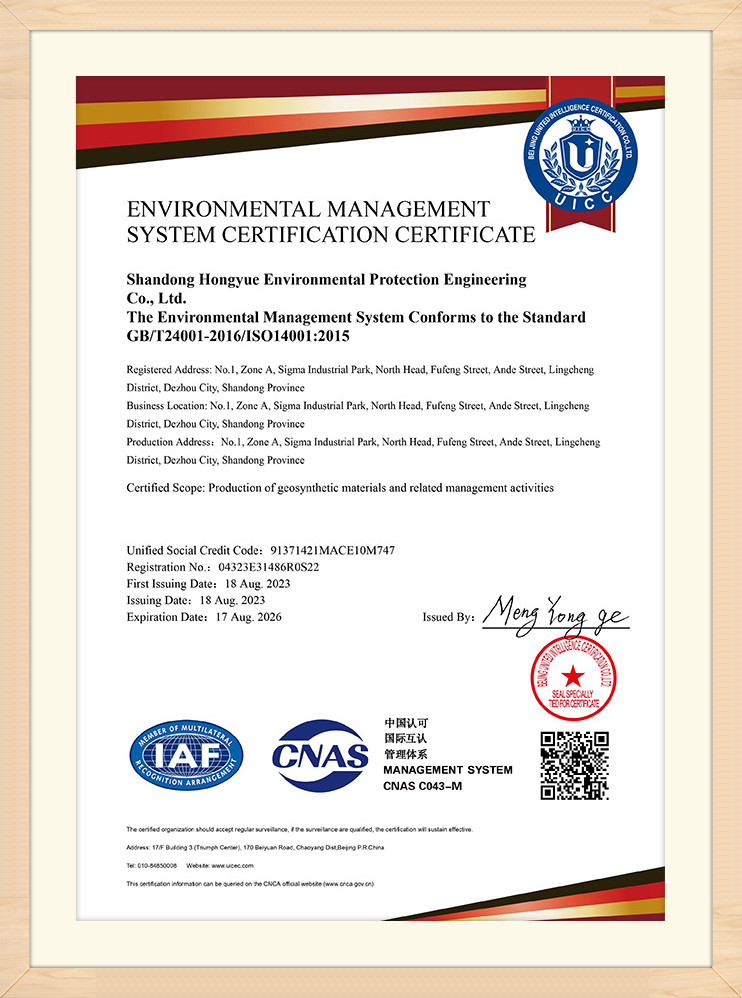
National Testing Center Certification
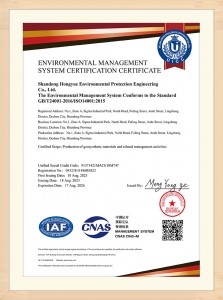
ISO Environmental System Verification
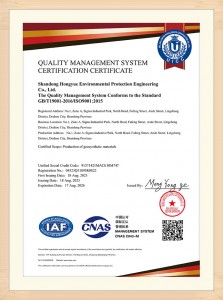
National Quality Supervision Sampling
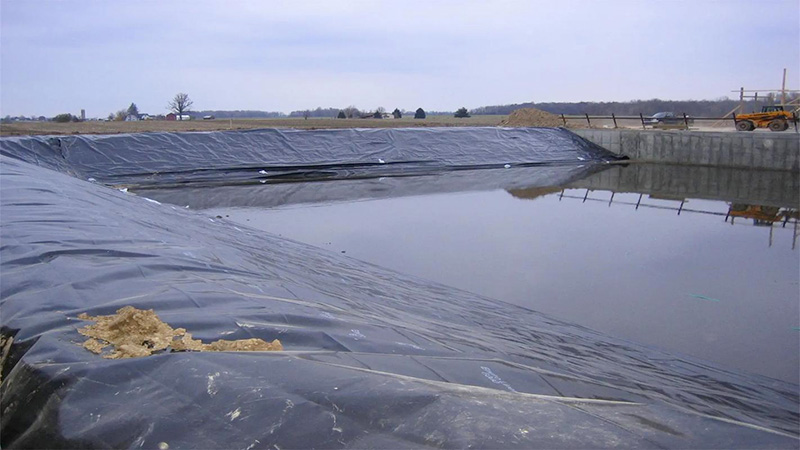
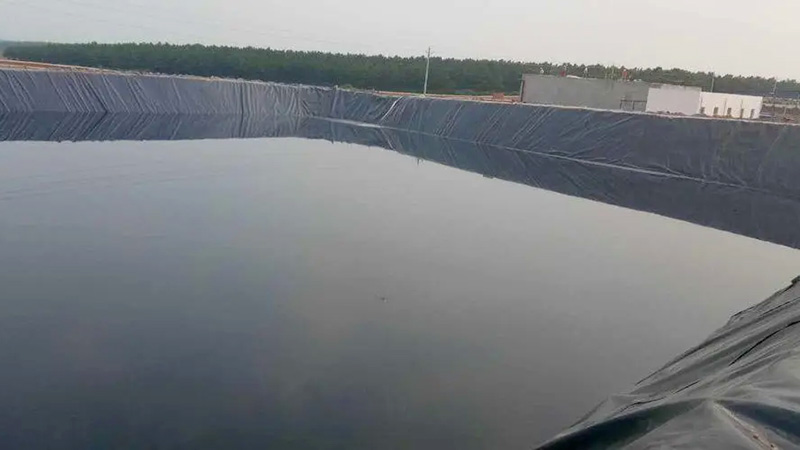
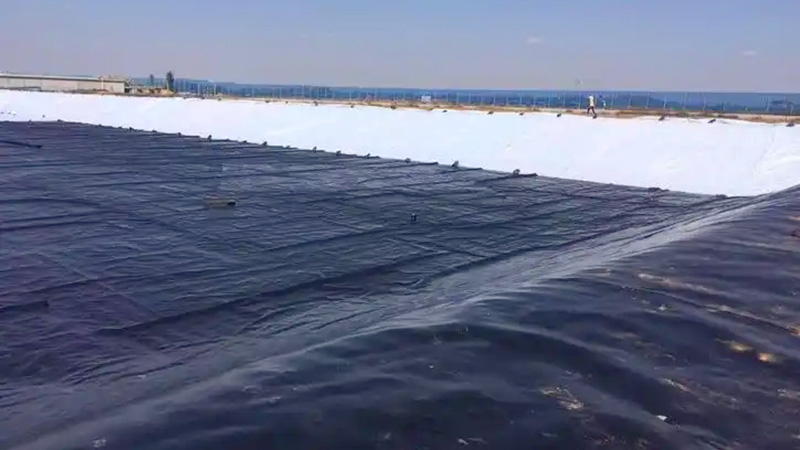
Our geosynthetics have been integrated into major national and international infrastructure works, including rail lines, reservoirs, highways, and landfill containment units, earning recognition from project owners and consultants alike.
 Hongyue