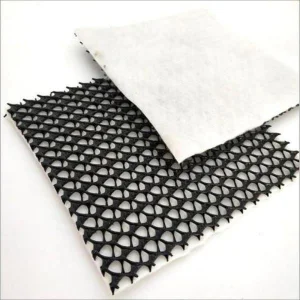
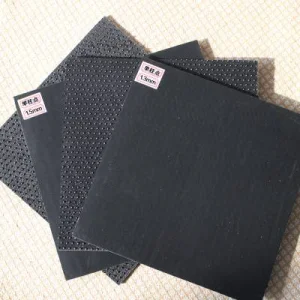
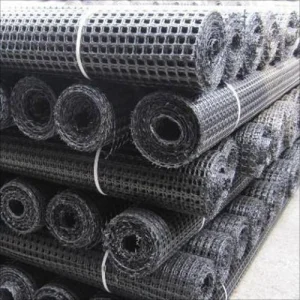
Explore our top-tier geosynthetic products, highly optimized for subgrade stability, hydraulic control, and containment systems.
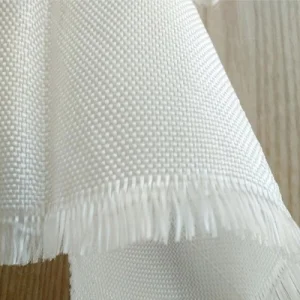
Since our registration in the Lingcheng District Market Supervision and Administration Bureau of Dezhou City on April 6, 2023, with a registered capital of 105 million yuan, we have built one of the most advanced production bases of geotechnical materials in China.
Based in Lingcheng District, Dezhou, Shandong Province, our strategic location grants us seamless access to vital transportation lines, facilitating quick delivery to domestic key infrastructure installations and global ports. We are a scientific and technological geotechnical material manufacturer that integrates material engineering, design consultation, state-of-the-art production, and complex construction services. We pride ourselves on our technical expertise, delivering engineered solutions that meet and exceed international specifications.
As an active member of the Dezhou Geotextile Association, we maintain a robust footprint in municipal environmental protection, water conservancy, mining operations, transportation networks, and sustainable agricultural projects.
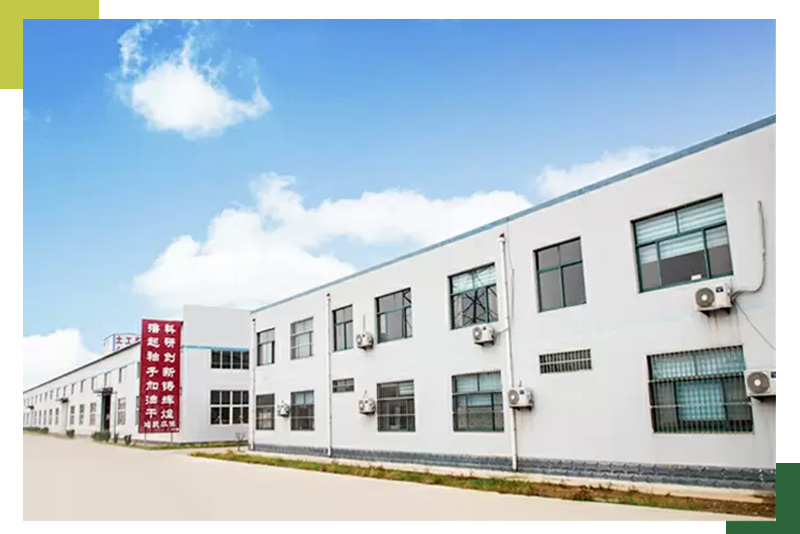
Providing unmatched scale, rigorous regulatory alignment, and logistical efficiency for international construction entities.
Based in Dezhou, the undisputed capital of Chinese geotextiles, we leverage local structural integrations. This allows us to source highly refined virgin polymers (PP, HDPE, LLDPE) and additives at optimized pricing structures, translating directly to cost-competitive client quotes.
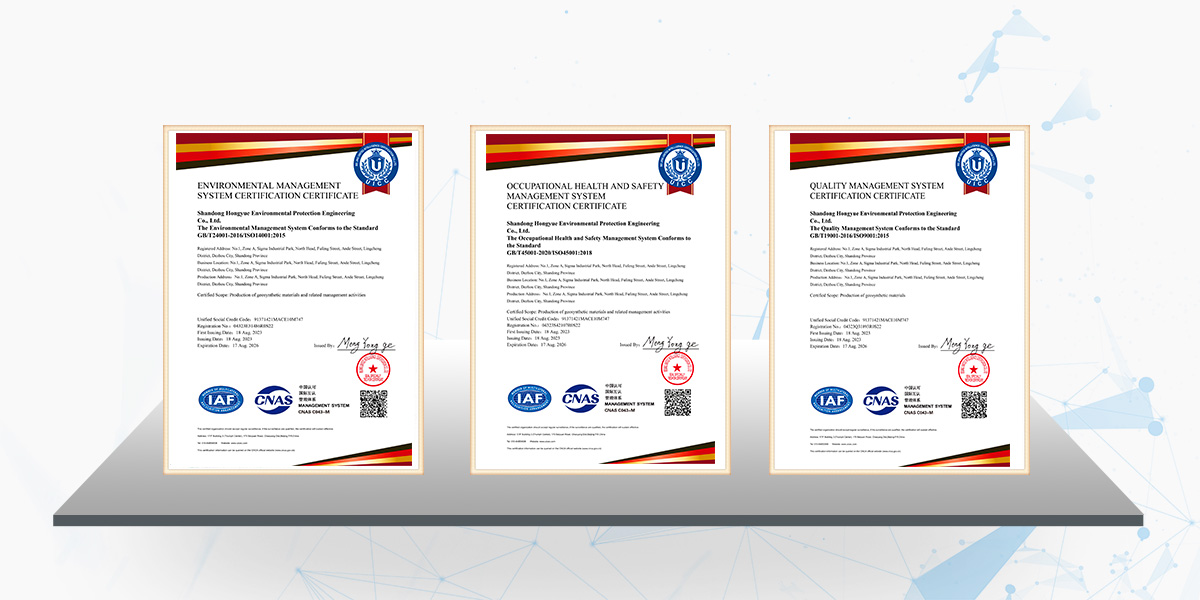
Our operations strictly conform to ISO 9001, ISO 14001, and ISO 45001 guidelines. Every batch of geomembrane and geotextile is tested according to ASTM, EN, and national standards, ensuring hassle-free custom clearance and project compliance across the EU, US, and Australia.
Positioned with access to major domestic transportation networks, we guarantee swift dispatch to deepwater container ports such as Qingdao and Tianjin. Customized export packaging and moisture-resistant wrapping ensure material preservation throughout marine shipping journeys.
A comprehensive suite of geosynthetics designed to deliver isolation, filtration, reinforcement, protection, and drainage.
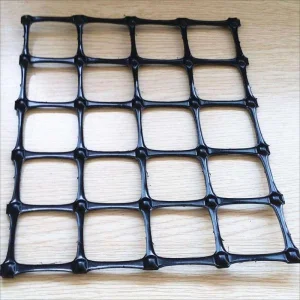
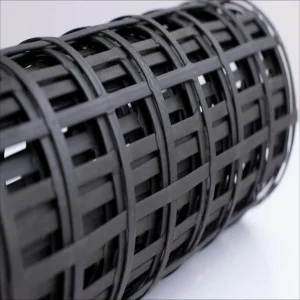
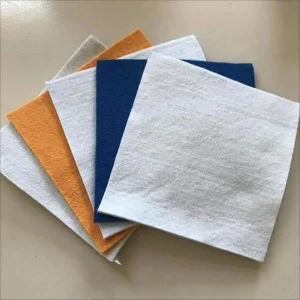
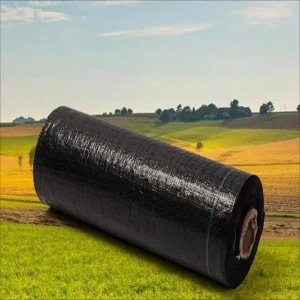
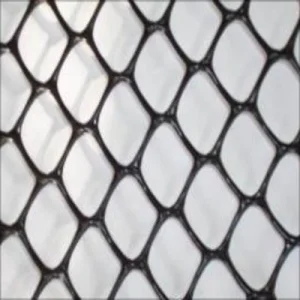
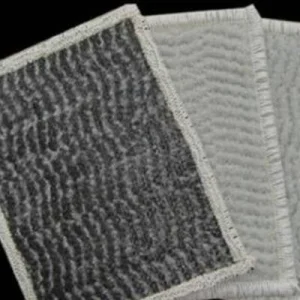
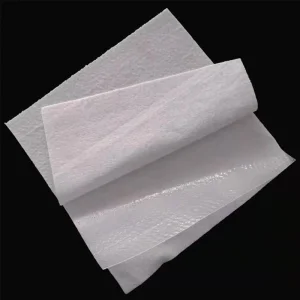
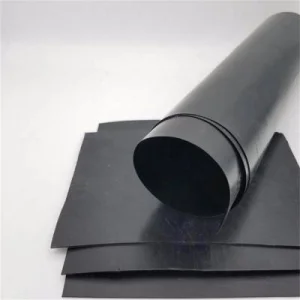
Our products form four foundational engineering systems: Impermeability, Environmental Protection, Subgrade Reinforcement, and Active Water Stop Subsystems. We specialize in producing:
By utilizing the industry’s most sophisticated extrusion, needle-punching, and weaving apparatus, we ensure our polymers exhibit superior chemical and environmental stress crack resistance, vital for infrastructure assets with lifetimes exceeding 50 years.
From raw polymer compounding to precision quality inspection, our process is optimized for mechanical property retention.
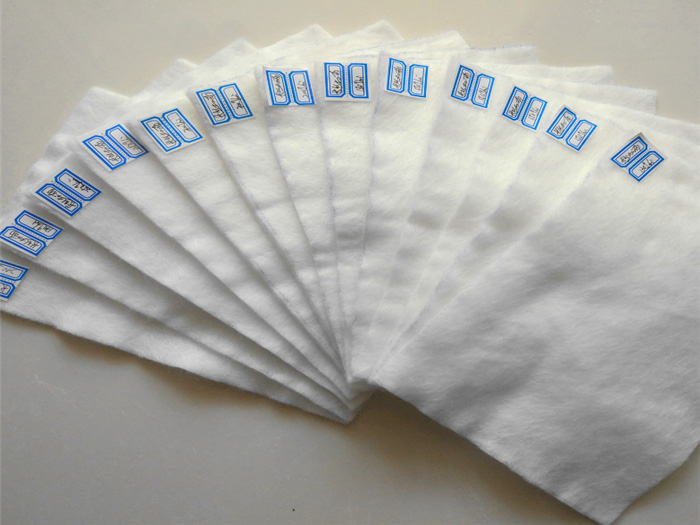
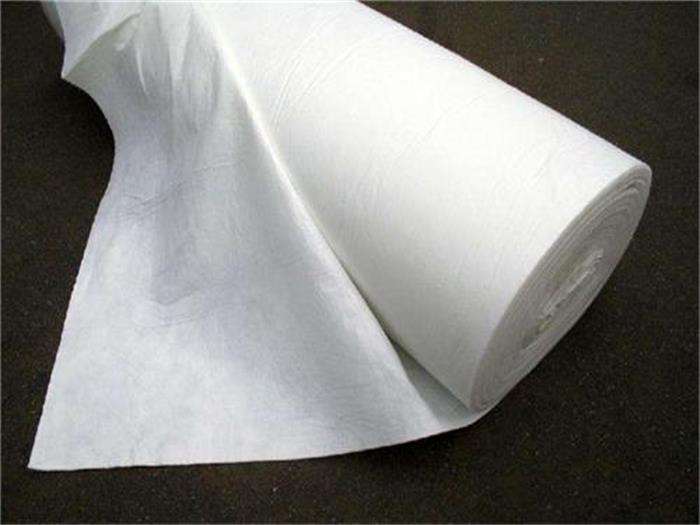
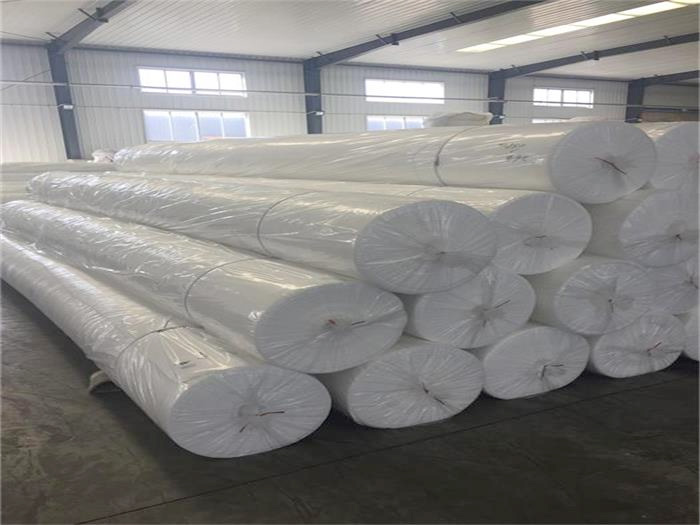
Primary inputs utilize high-grade polyester chips, premium polypropylene filament, and custom viscose fibers. The raw polymers undergo strict density, melt flow index (MFI), and moisture testing to verify chemical purity prior to feeding systems.
Polyester slices are melted via multi-zone heating and extruded by precision screw-shaft extruders. Molten polymers are homogenously blended with anti-UV stabilizers and thermal antioxidants, ensuring structural durability in exposed subgrade conditions.
The polymer melt is sprayed through specialized spinnerets, creating micro-denier filaments. High-volume air streams draw the fibers onto moving conveyor screens, building an isotropic network with uniform density and thickness profiles.
Web layers undergo mechanical needle-punching or thermal calendering. In this phase, temperature, throughput speed, and draft ratios are strictly regulated to secure target tensile properties and physical integrity.
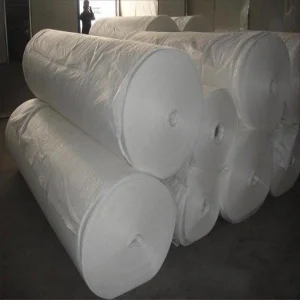
Stabilized geotextiles are rolled to standardized widths and lengths. Precision thickness calipers verify cross-direction profiles to prevent subgrade weak spots during structural field installations.
Finished rolls undergo comprehensive physical (mass per unit area, grab tensile), hydraulic (permittivity, pore size), and mechanical (CBR puncture) validation. Materials are dispatched only when they meet or exceed international engineering norms.
Maximizing hydraulic integrity and slope stability through meticulous material selection, precise subgrade layout, and field welding protocols.
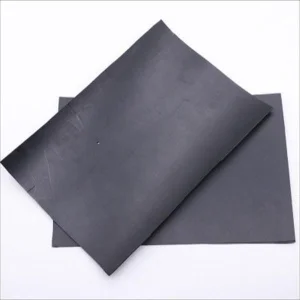
Success in containment relies on selecting the appropriate polymer formulation. High-Density Polyethylene (HDPE) delivers excellent chemical resistivity and low permeability, rendering it ideal for municipal landfills and hazardous chemical storage. Linear Low-Density Polyethylene (LLDPE) offers superior flexibility, making it the preferred choice for steep embankments, complex basin contours, and areas prone to differential settlement.
Engineers must align sheet thickness (typically ranging from 0.3mm to 2.0mm) with anticipated physical loads, puncture threats, and environmental stress cracking dynamics.
Site preparation requires clearing all gravel, roots, and sharp protrusions. Subgrades must be compacted to specified proctor densities to prevent structural yielding under hydrostatic load. Installation proceeds with thermal hot-wedge welding for primary linear seams, and hand-held extrusion welding for detail work, penetrations, and repairs.
Every seam must undergo non-destructive testing (such as air channel pressure testing or spark testing) to verify the leak-proof performance of the barrier system.
To safeguard the geomembrane from mechanical damage and UV degradation, it is typically covered with a protective layer, such as a heavy nonwoven geotextile and soil or gravel backfill. Periodic inspection of exposed structures, cleaning of accumulated sediments, and prompt repair of localized defects prevent minor issues from compromising the containment system.
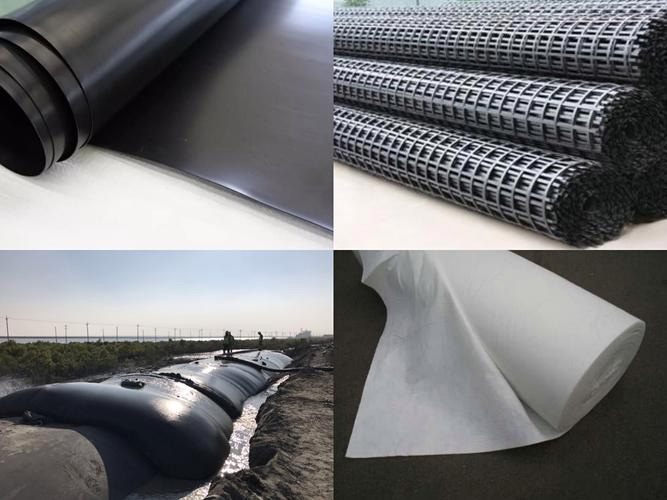
Shandong Hongyue provides comprehensive field engineering support. Our technical team, composed of senior engineers with over 10 years of experience, offers structural calculations, CAD design support, and onsite deployment oversight to guarantee long-term performance.
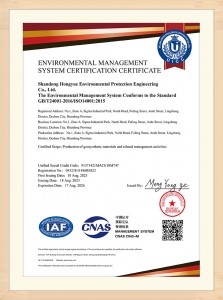
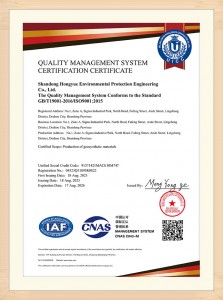
Real-world applications showcasing structural performance under challenging environmental and geological conditions.
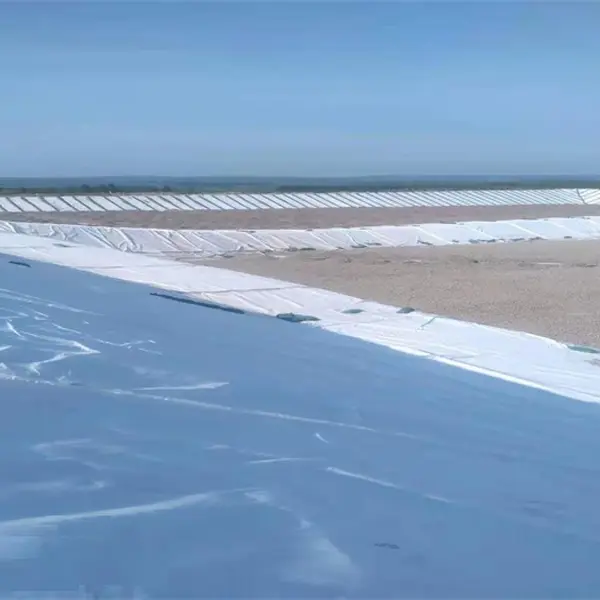
Our HDPE geomembranes serve as high-performance barrier layers in reservoirs and irrigation canals. They minimize water loss due to seepage, maintain pool elevations, and prevent the erosion of surrounding rock formations, improving water resource conservation in arid regions.
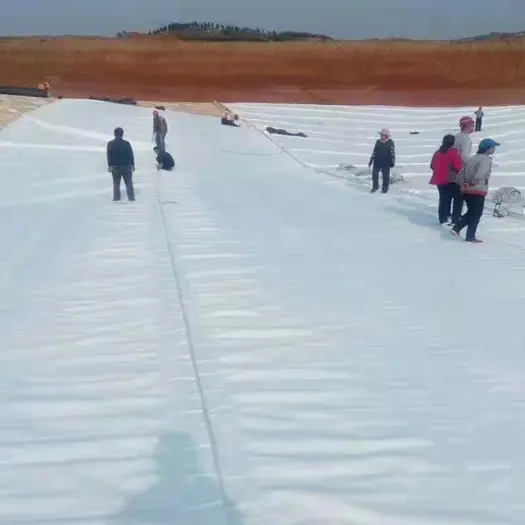
In river remediation and ecological corridor restoration, composite geomembranes combined with protective geotextile layers prevent bank erosion and stabilize bed structures, maintaining channel pathways while supporting native vegetation growth.
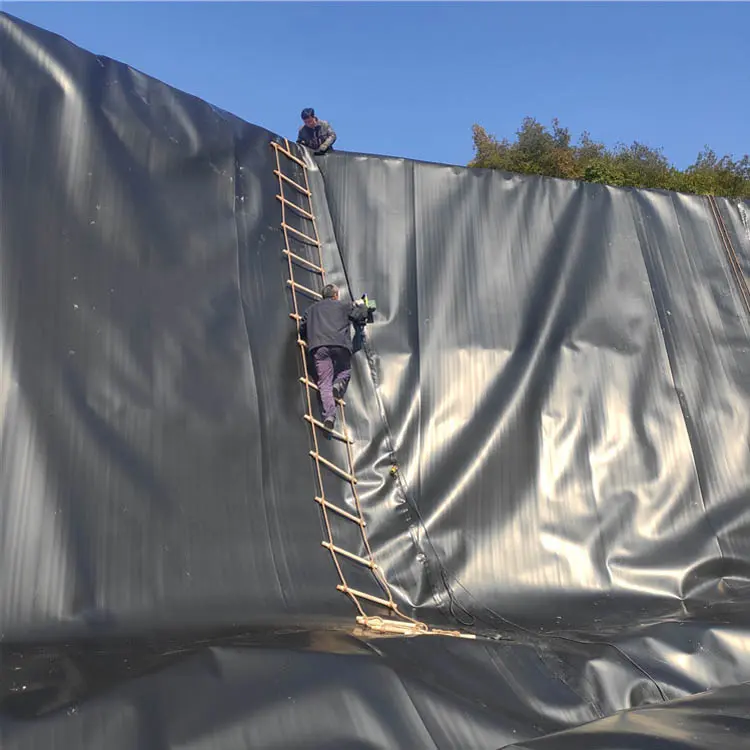
Landfill base liners demand extreme chemical resistance. Our multi-layer liner systems, incorporating geomembranes, bentonite GCLs, and drainage networks, contain leachate migration to safeguard groundwater reserves.
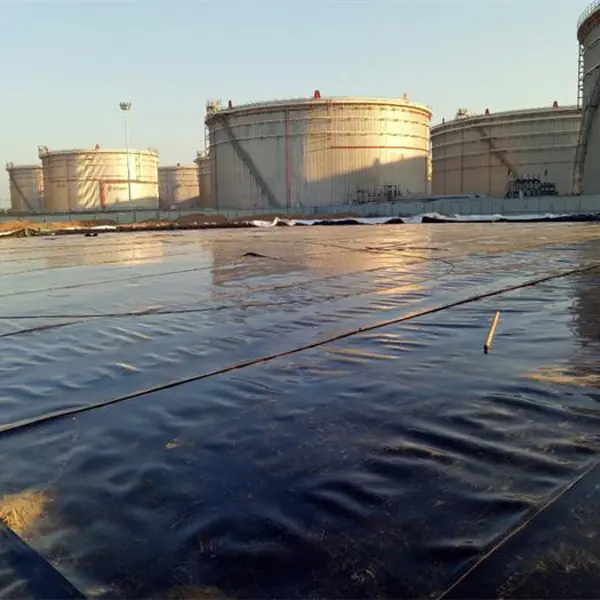
Designed to prevent hydrocarbon leakage, our geomembranes provide robust secondary containment in oil storage farms and industrial processing plants, satisfying strict environmental regulations.
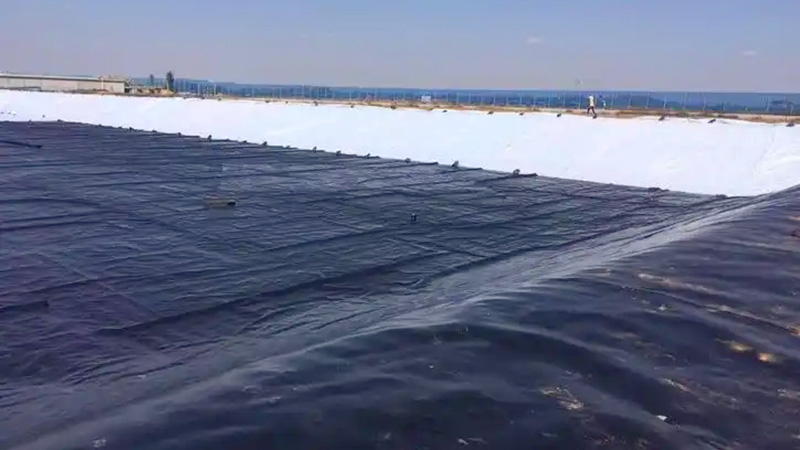
During periods of high water, internal piping can cause structural failure in levees. Geotextile filters relieve hydrostatic pressure while retaining fine soils, preventing internal erosion and collapse.
At Shandong Hongyue, quality management is integrated into every step of our manufacturing workflow. Our testing facilities are equipped with precision instruments to evaluate tensile strength, tear propagation resistance, hydrostatic burst pressure, and carbon black dispersion.
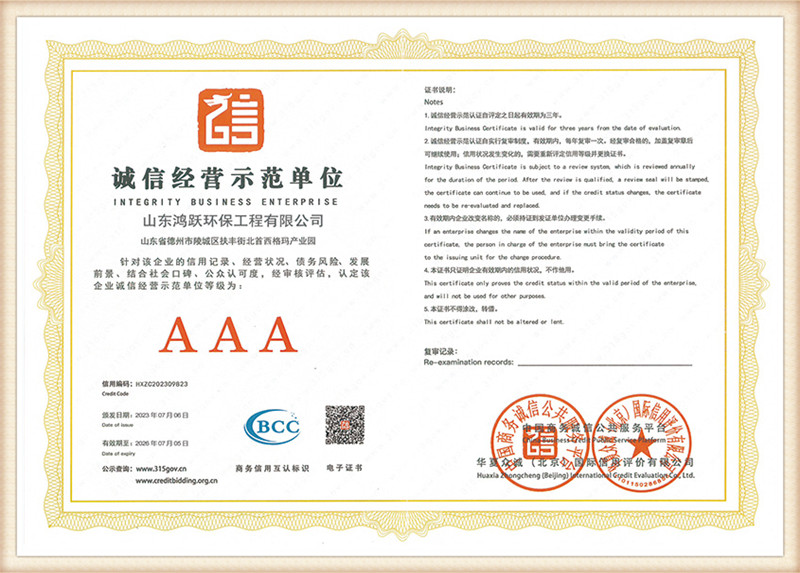
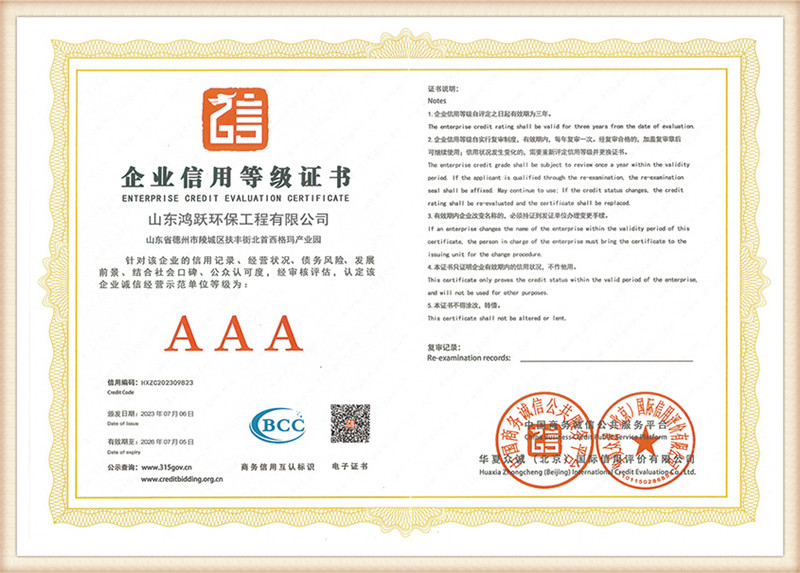
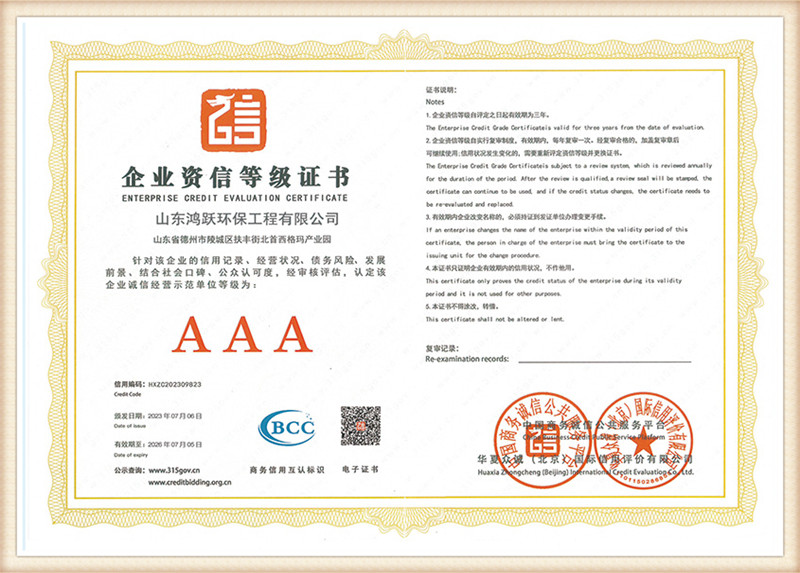
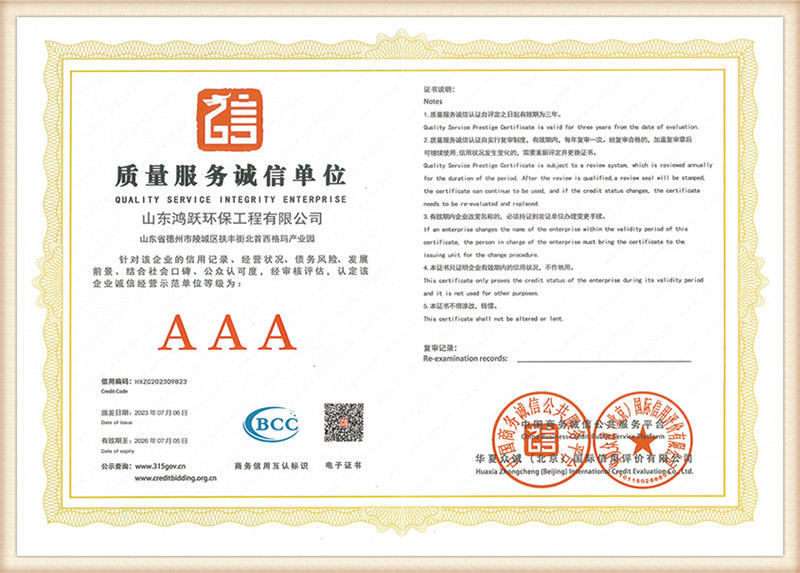
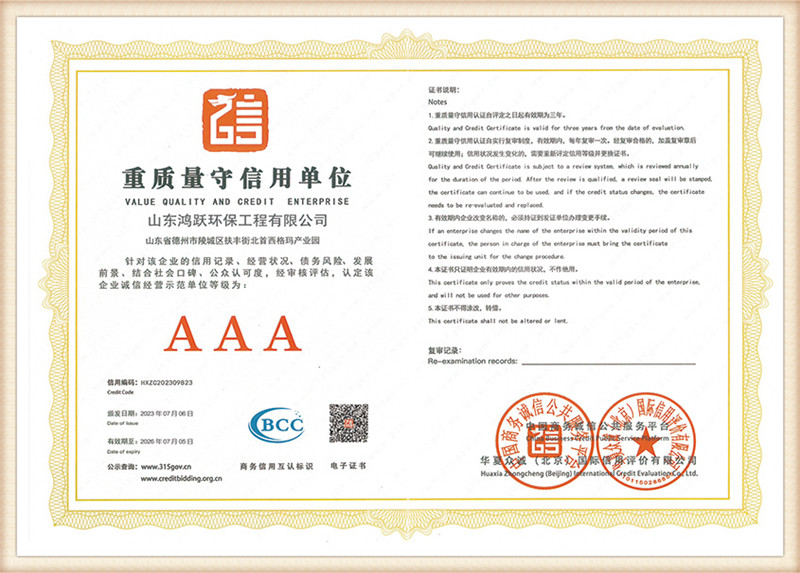
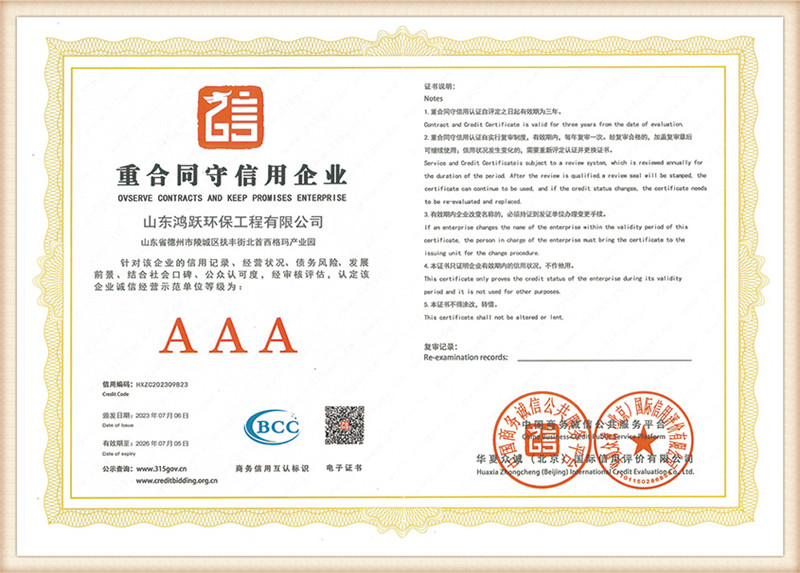
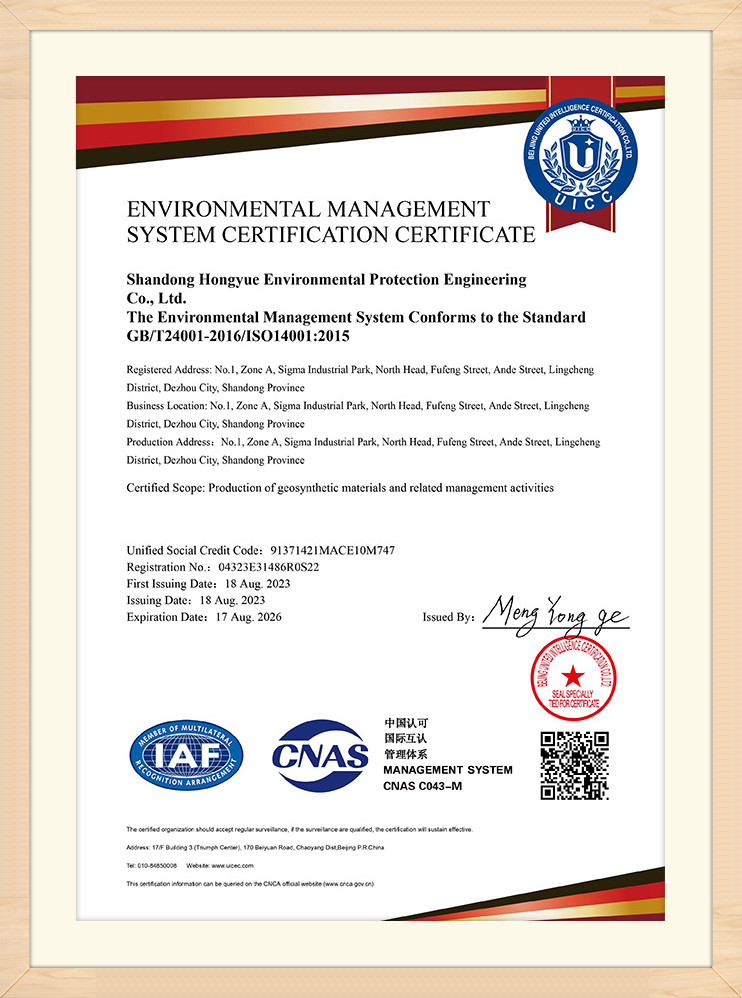
All products have successfully cleared inspection by the China National Testing Center and conform to the national quality supervision standards set by the State Administration of Quality Supervision and Inspection. Our commitment to quality has earned us several accolades, including:
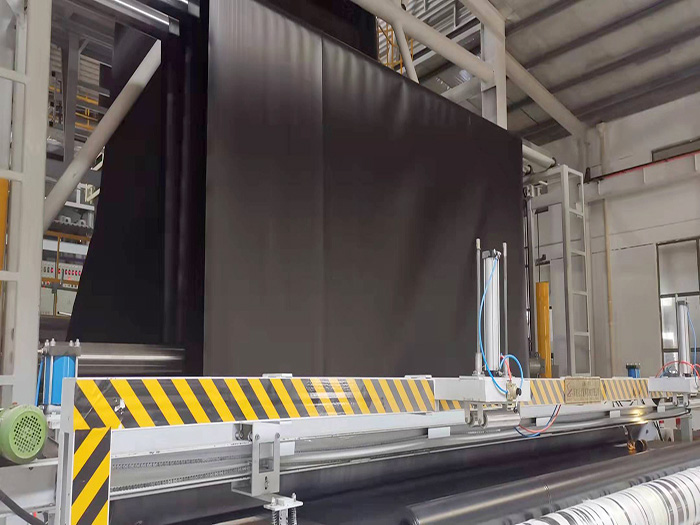
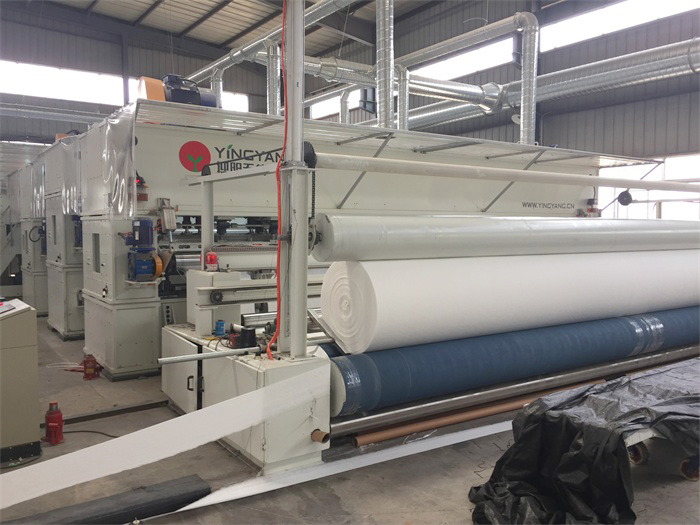
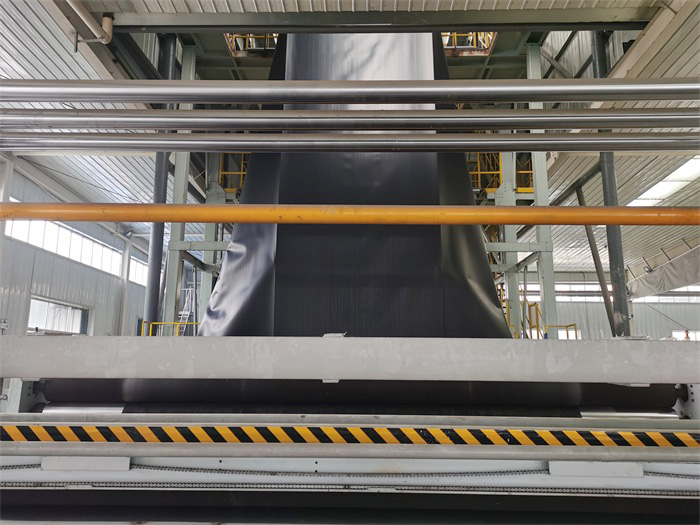
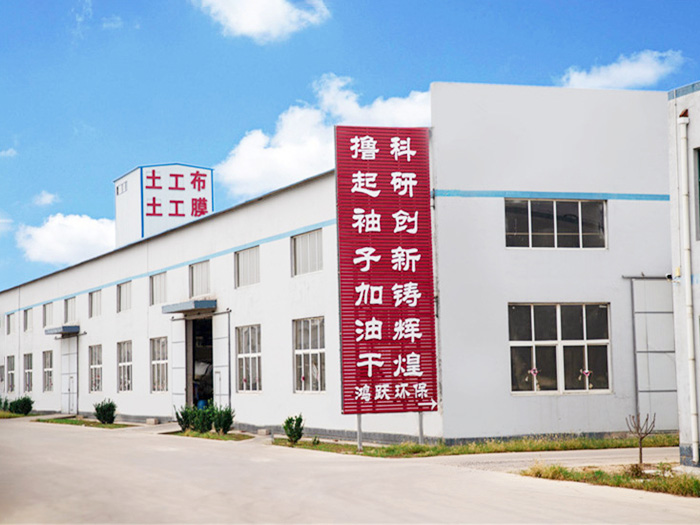
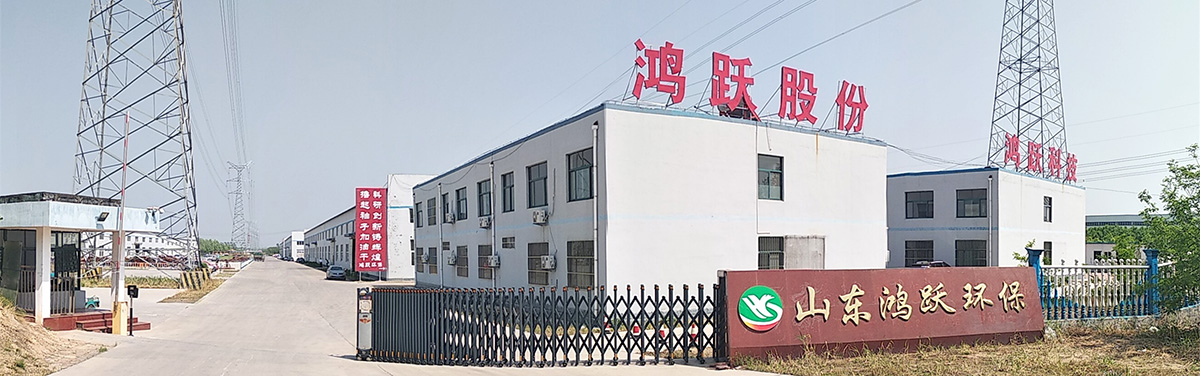
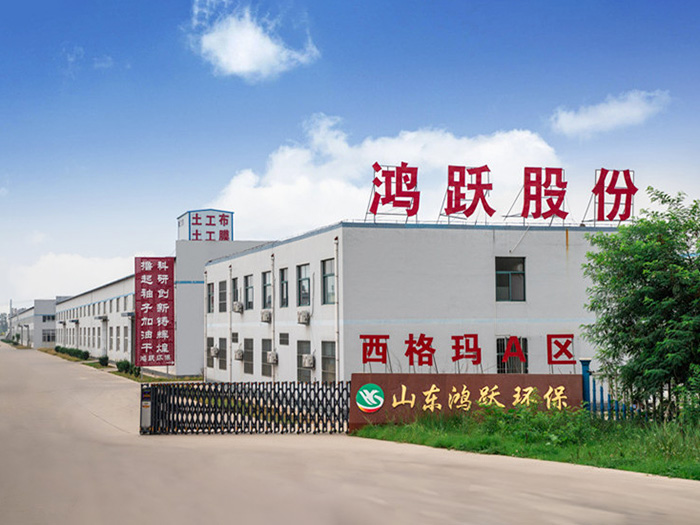
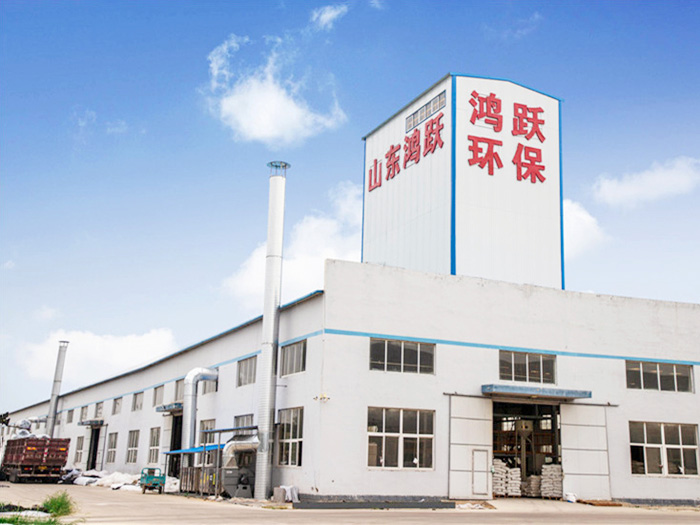
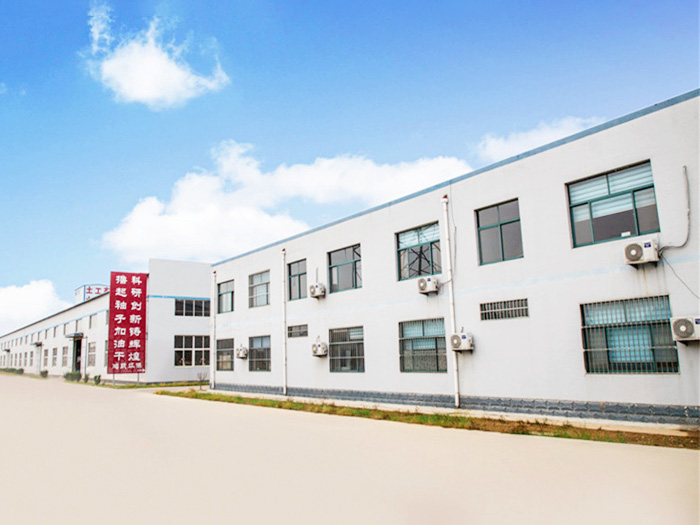
A look inside our advanced manufacturing facility, showing our specialized production machinery and raw material storage areas.
Key developments shaping the future of global geotechnical engineering and raw polymer synthesis.
To support global carbon reduction goals, manufacturing processes are adopting energy-efficient extrusion lines and incorporating bio-based polymers. Recycled PET materials are also increasingly used in non-critical drainage and filtration applications.
Modern containment systems are beginning to incorporate conductive elements or optical fibers directly into geomembrane structures. This enables real-time, automated monitoring of leak locations and structural deformation in high-risk mining and waste storage facilities.
Advanced masterbatch formulations are improving UV resistance and chemical stability. Modern stabilizers allow geosynthetics to retain over 80% of their mechanical properties even when exposed to harsh soil chemistry and UV radiation for decades.
Answers to common questions regarding engineering specifications, testing protocols, and customization options.
Under subgrade, non-exposed conditions (buried), our virgin HDPE geomembranes are formulated with high-performance antioxidants to resist thermal degradation and environmental stress cracking, providing a design life exceeding 50 to 100 years. For exposed configurations, anti-UV additives protect the sheet structure from ultraviolet degradation.
For dual-track hot-wedge welds, air channel pressure testing is conducted by sealing both ends of the seam channel and injecting compressed air to verify there is no pressure drop over a specified duration. For complex joints, extrusion welds, or patch repairs, spark testing or vacuum box testing is applied to confirm weld integrity.
Our nonwoven and woven geotextiles undergo testing according to key international standards, including ASTM (for grab tensile strength, trapezoid tear, CBR puncture, and permittivity), ISO standards, and EN requirements, ensuring they satisfy project specifications globally.
Yes, we can customize width and length specifications. Roll widths can be produced up to 6 meters to reduce the number of field seams required, which helps lower installation costs and potential failure points on site.
Premium solutions for complex environmental containment, structural drainage, and subgrade reinforcement.
 Hongyue