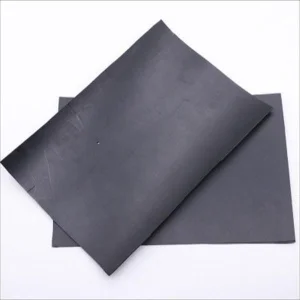
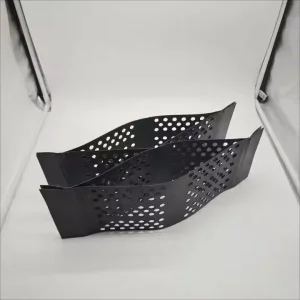
Explore our primary array of high-tensile strength geogrids, geomembranes, and geocells designed for robust soil stabilization, landfill containment, and structural environmental engineering projects.
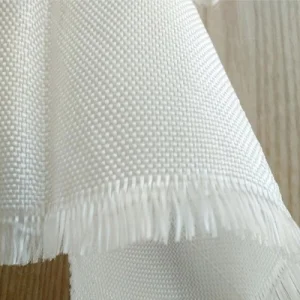
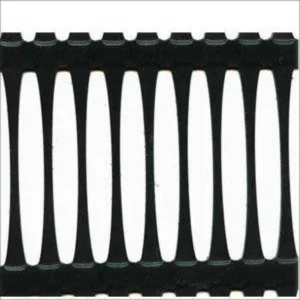
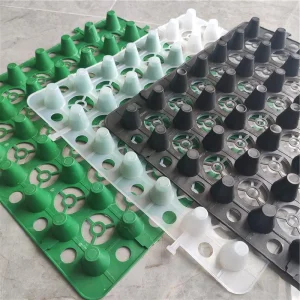
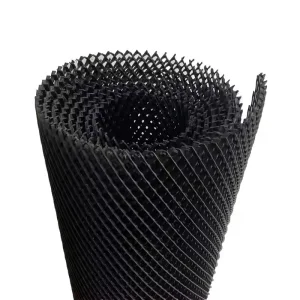
In modern structural and infrastructure engineering, geogrids have evolved from elective design accessories to critical performance elements. Civil engineers, procurement officers, and project managers must navigate a complex landscape of material costs, tensile performance parameters, and durability ratings.
The total cost of geogrids is not merely the initial purchase price from the factory gates; rather, it is a compound variable containing raw material polymers, extrusion quality control, cargo freight costs, structural installation overheads, and the long-term maintenance lifecycle. Selecting the appropriate uniaxial, biaxial, glass fiber, or steel-plastic geogrid directly shapes the safety margins of municipal roadways, retaining walls, reservoirs, and mining sites.
Geogrid cost variations are heavily tied to raw polymer pricing (high-density polyethylene - HDPE, polypropylene - PP, polyester - PET, and fiberglass filament bundles). The extrusion technique, stretch ratios (uniaxial vs. biaxial orientation), and the integration of carbon black stabilizers define the functional lifespan and the wholesale price.
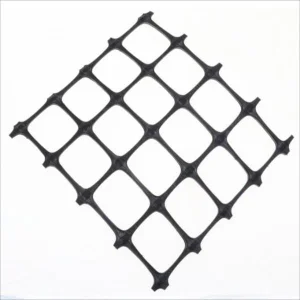
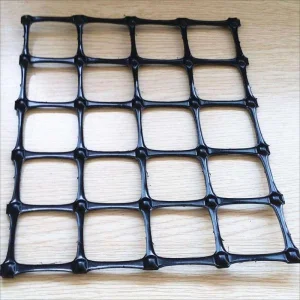
Optimized for base reinforcement and subgrade stabilization. They provide interlocking mechanisms for aggregate layers in highway construction. Costs scale with stretch optimization and rib thickness.
Engineered for long-term load-bearing capability in retaining walls and steep slope designs. Cost fluctuations align closely with HDPE crude chemical derivatives and precise extrusion heating controls.
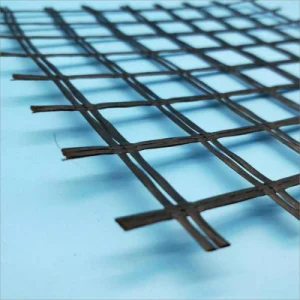
Commonly coated with bitumen for high temperature resistance in asphalt reinforcement. Best choice to minimize reflective cracking in urban road systems while maintaining low elongation stretch under load.
| Geogrid Type | Primary Polymer Raw Material | Ultimate Tensile Strength (kN/m) | Cost Drivers & Factors | Key Applications |
|---|---|---|---|---|
| Uniaxial Stretched | HDPE / Polypropylene | 50 - 300+ | Drawing ratio, molecular weight, carbon black | Retaining walls, steep embankments |
| Biaxial Stretched | Polypropylene (PP) | 20 - 50 | Junction aperture efficiency, punch pattern | Highway subgrade, unpaved roads |
| Glass Fiber Coated | E-Glass Fibers + Bituminous coating | 50 - 200 | Glass filament count, bitumen adhesive thickness | Asphalt overlay, airport runways |
| Steel-Plastic Composite | High strength steel wire + PE sheath | 30 - 150 | Steel gauge, welding point integrity, sheath density | Heavy railway beds, soft ground stabilization |
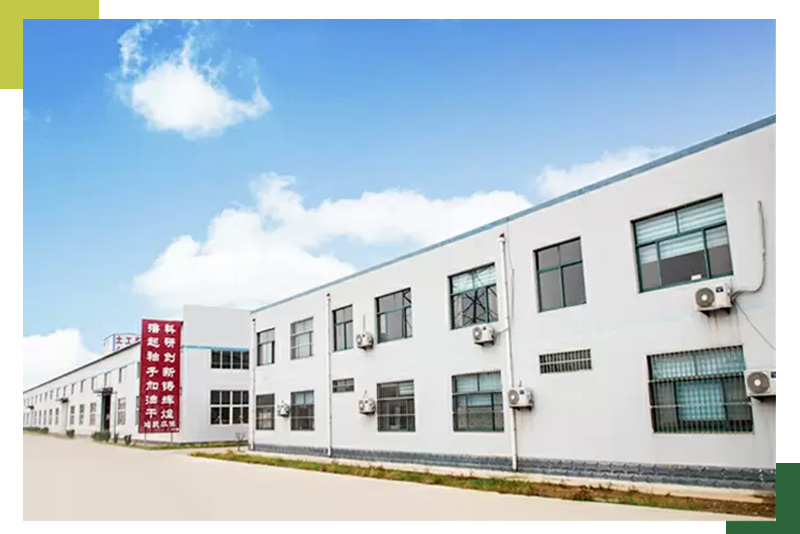
Registered on April 6, 2023, with an impressive capital base of 105 million yuan, Shandong Hongyue Environmental Engineering Co., Ltd. has established itself as an absolute powerhouse in China's geotextile and geosynthetic materials industry. Located strategically at the north end of Fufeng Street, Lingcheng District, Dezhou, Shandong Province, we operate in the heart of China’s premier geotextile manufacturing cluster.
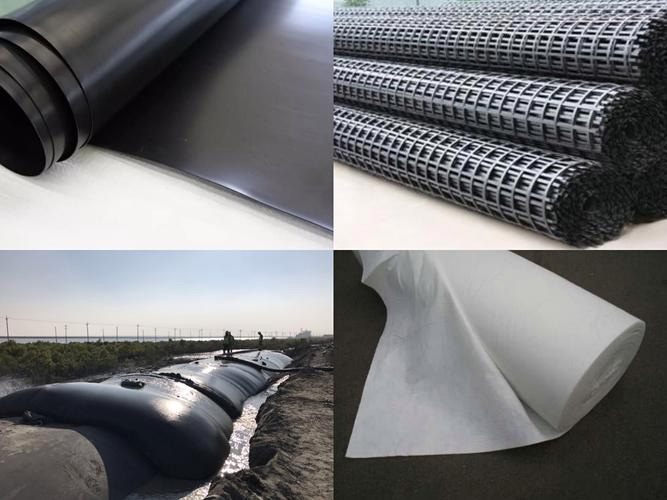
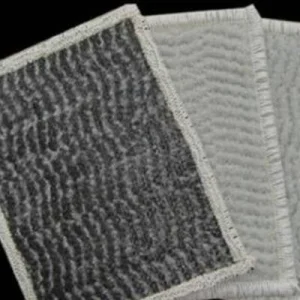
Our comprehensive production arrays deliver globally standardized geotextiles, geomembranes, composite georesins, bentonite waterproof blankets (GCL), 3D composite drainage networks, geocells, and cement blankets. With close proximity to northern China logistics corridors, we offer high-throughput shipping and streamlined customs declarations.
We operate high-speed automated extrusion lines, computer-guided drawing tables, and state-of-the-art weaving looms. Our facility guarantees tight tolerance compliance with American ASTM and international ISO standards.
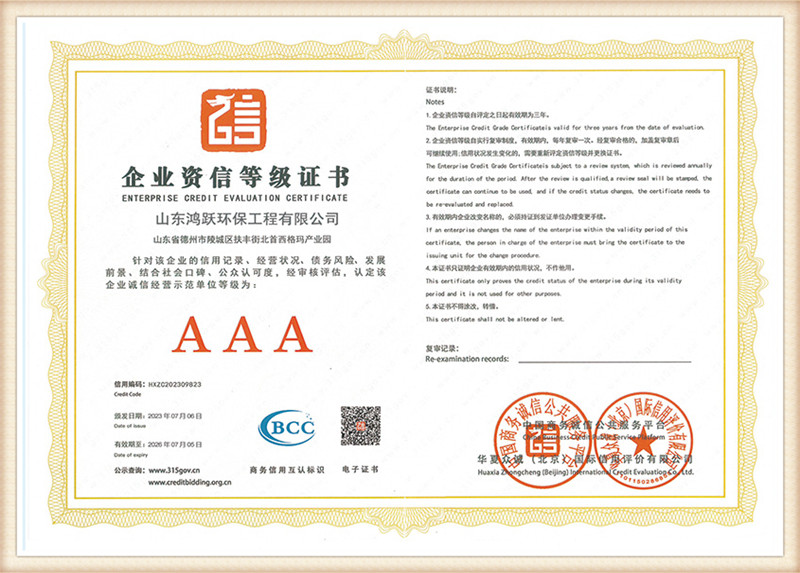
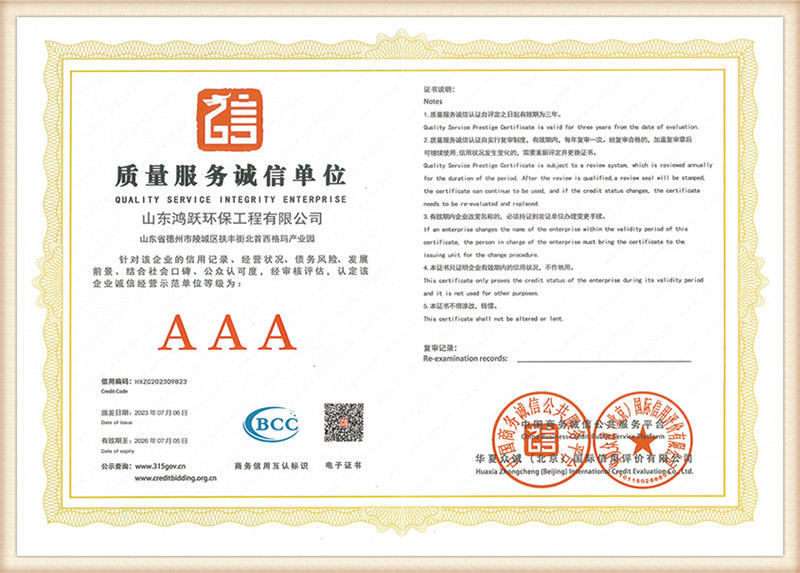
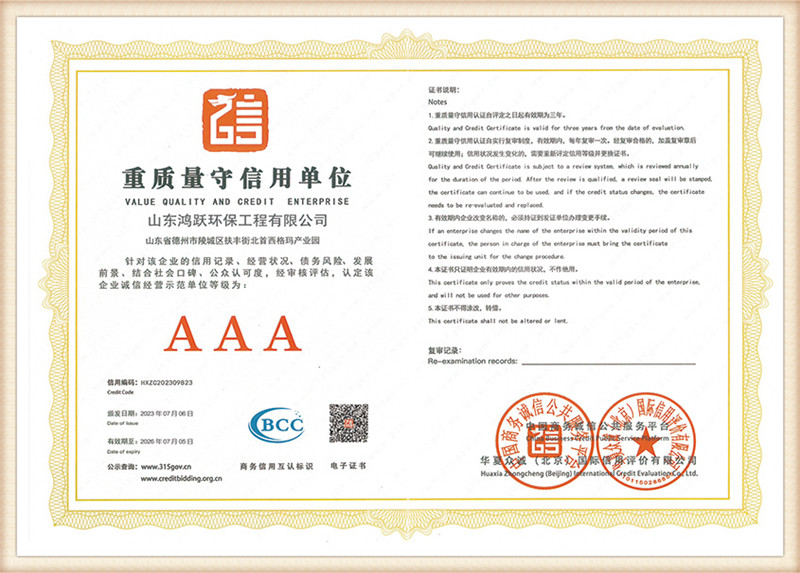
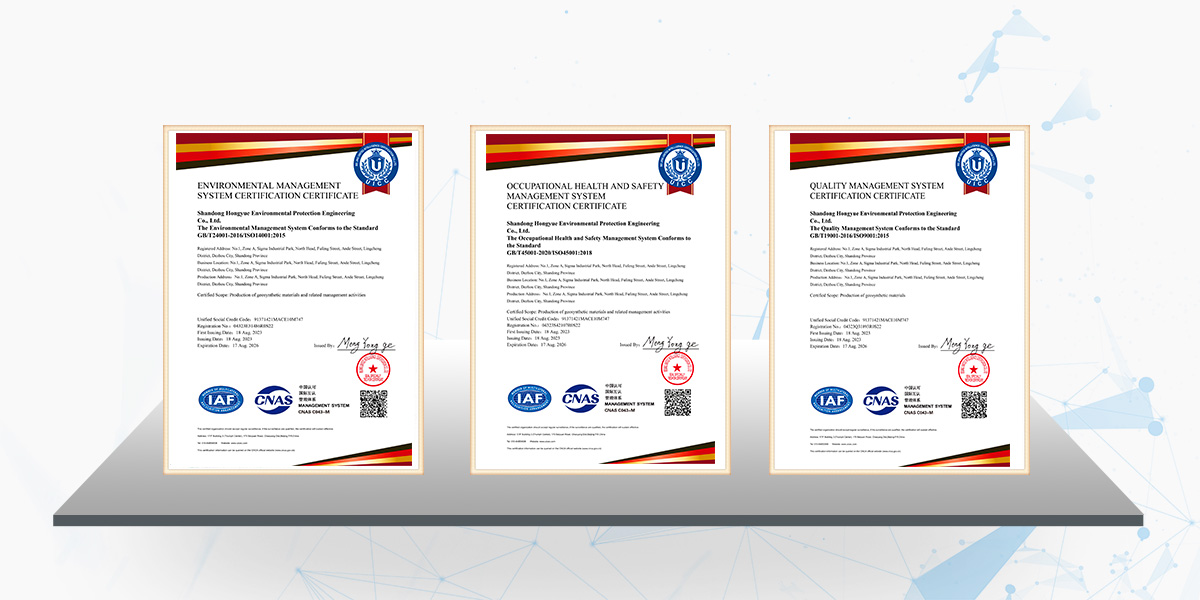
Quality stability is the primary indicator of geogrid cost efficiency. Under the guidance of our ISO 9001 and ISO 14001 certifications, each production batch undergoes strict stages of thermal processing, orientation stretching, and stress-strain testing. Below is the detailed breakdown of our manufacturing process.
High-purity virgin polymer chips (polyethylene, polypropylene, or polyester filaments) are systematically tested for melt flow index (MFI), moisture level, and chemical purity to ensure maximum baseline durability.
The polymer mixture is heated and pushed through a high-precision die, creating a uniform continuous sheet sheet. In this stage, custom additives such as carbon black and anti-aging agents are integrated for UV protection.
For plastic geogrids, a highly precise automated sheet punching grid generates uniform openings. For polyester or glass fiber grids, bundle weaving patterns are controlled by computerized looms.
The grid structure is stretched dynamically along longitudinal directions (for uniaxial) or both longitudinal and transverse axes (for biaxial) at controlled temperatures. This process aligns polymer molecules to achieve high tensile strengths.
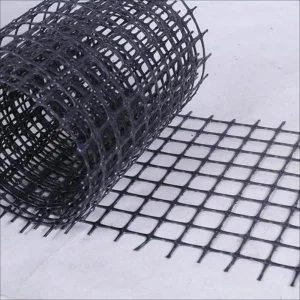
Finished geogrid rolls are wound to standardized dimensions (e.g. widths of 3.95m or 5.8m) to facilitate space-efficient maritime shipping and optimized installation laydown workflows at the construction site.
Each batch undergoes strict testing protocols inside our ISO 45001-certified laboratories, measuring wide-width tensile properties, junction strength, aperture stability, and resistance to environmental stress cracking.
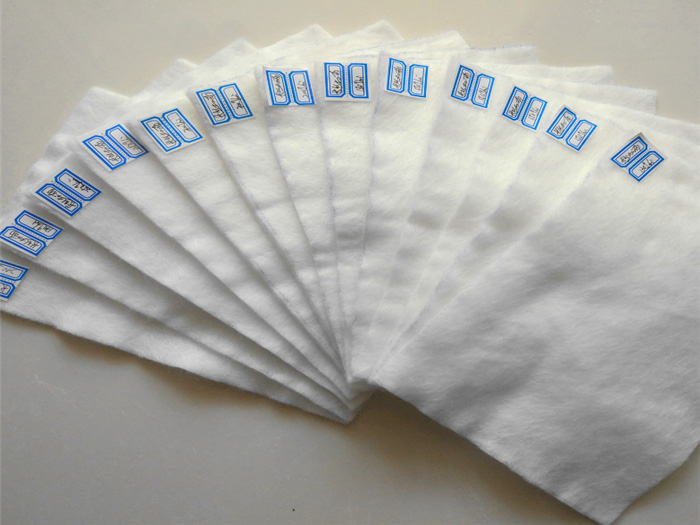
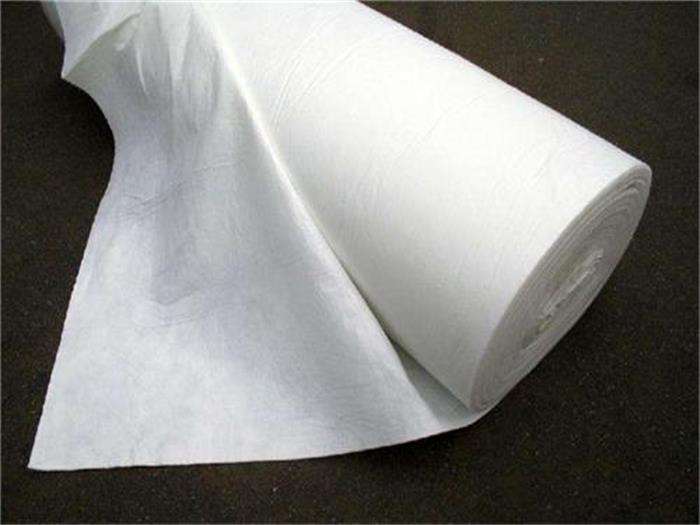
Global civil engineering contracting organizations face mounting procurement pressures—ranging from tight project timelines to volatile raw material costs. Sourcing geogrids directly from our modern factory complex in Dezhou, Shandong Province provides three distinct competitive advantages:
Located near major petrochemical clusters, our facility enjoys bulk raw polymer supply discounts. This enables us to maintain pricing stability despite volatile energy markets, passing those savings directly to international procurement teams.
Dezhou features express rail links and direct highway access to major deep-water ports like Qingdao and Tianjin. This ensures streamlined container handling, minimized demurrage, and on-time ocean freight scheduling.
Equipped with highly flexible manufacturing systems, we easily adjust aperture sizes, roll dimensions, and polymer formulations. We can manufacture customized tensile strength ratings (ranging from 30 kN/m to 400 kN/m) to meet specific project needs.
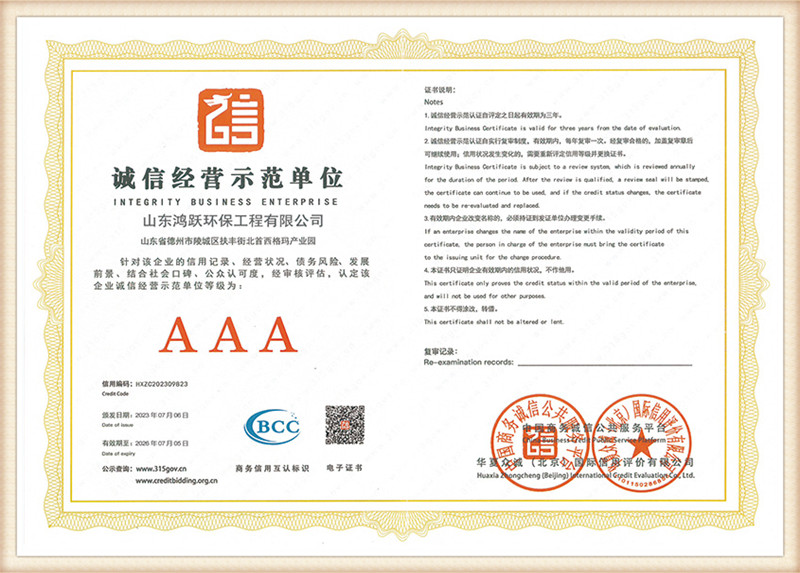
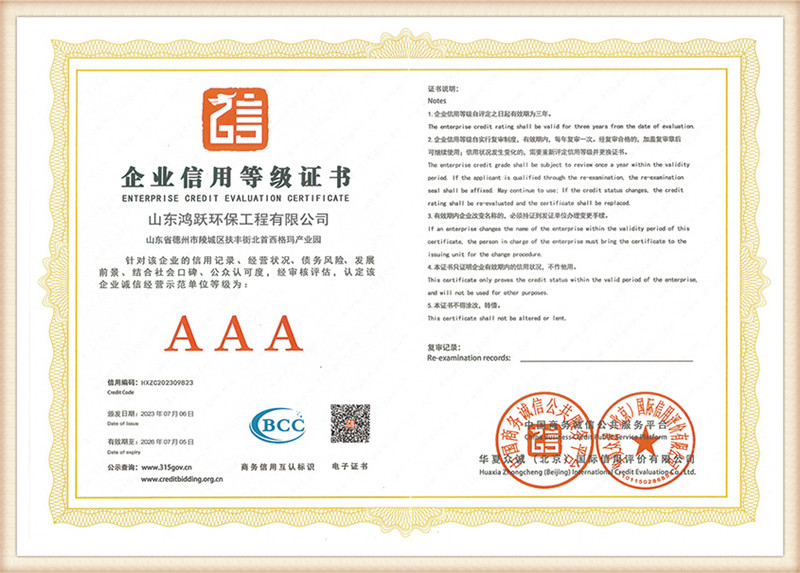
In civil infrastructure, material failure is not an option. Road projects, bridges, railway subgrades, and retaining walls demand materials that carry verifiable laboratory certificates. Shandong Hongyue Environmental Engineering Co., Ltd. has successfully passed:
Our specialized export division understands localization requirements, offering third-party inspections (SGS, TRI, or GAI-LAP accredited testing laboratories) to meet local municipal specifications in North America, Europe, Australia, and ASEAN regions.
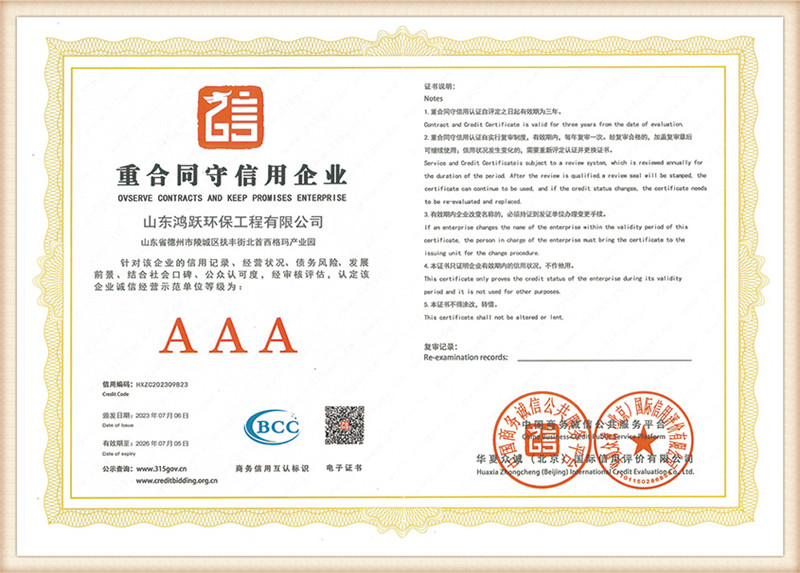
Modern geosynthetic design relies on matching material parameters with specific site conditions. Selecting the wrong geogrid type or incorrect spacing can compromise structural integrity. Below are the key applications for Shandong Hongyue products:
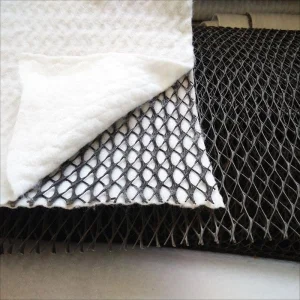
Geomembranes and composite drainage nets provide essential impermeability in dams and irrigation channels. Correct seam welding and protection layers prevent water loss and subsoil erosion.
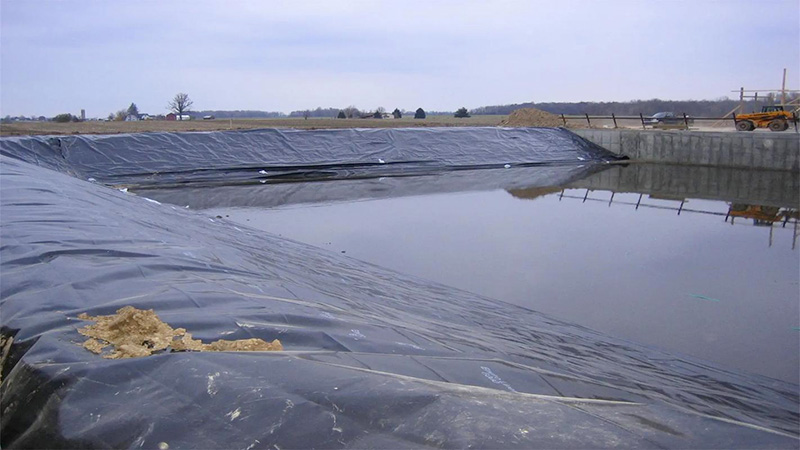
Controlling water runoff requires a system of high-strength geotextiles and robust geomembranes to stabilize channel banks against strong currents and prevent soil loss.
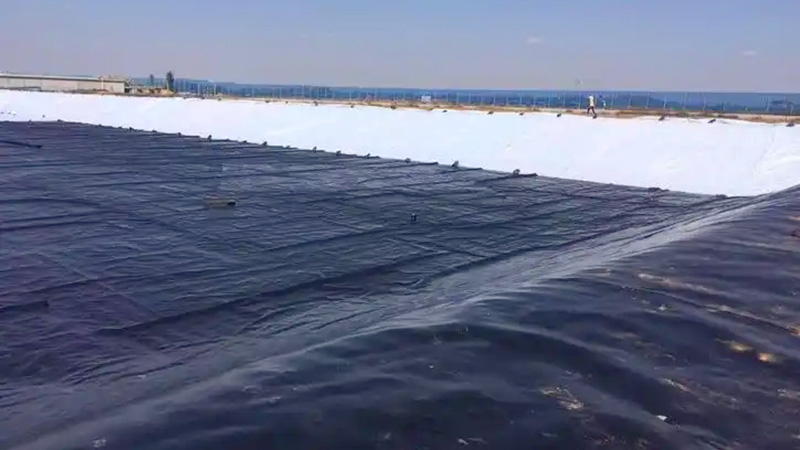
Biaxial and glass fiber geogrids distribute heavy traffic loads across subgrade soils. This minimizes rutting, extends pavement life, and reduces aggregate base course thickness requirements.
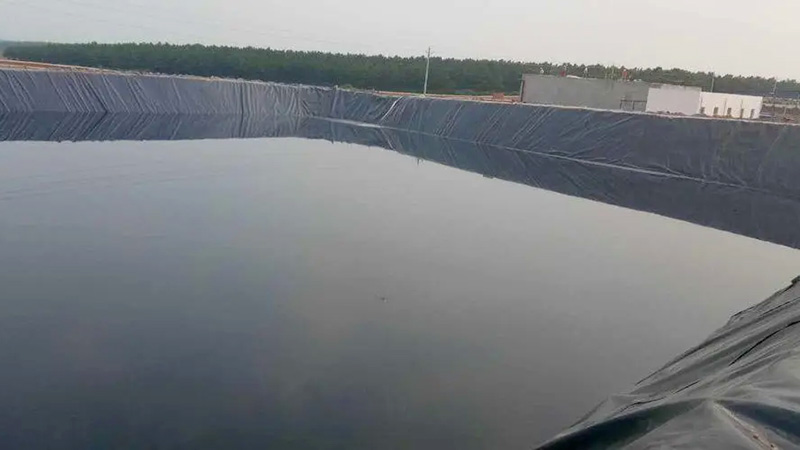
The performance of high-quality geosynthetics depends on proper site preparation and installation. Our engineering field support teams recommend following these key installation guidelines:
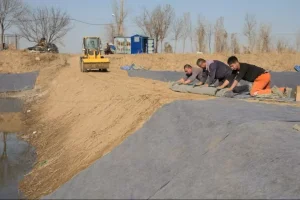
1. Site Preparation: Grade the subgrade surface to be level and free of sharp stones, roots, and standing water. This protects geomembranes and geogrids from installation damage.
2. Placement and Overlap: Roll out geosynthetics smoothly in the direction of anticipated load. Ensure correct overlap widths (typically 300mm to 500mm depending on soil conditions) and secure them with pins or soil ballast.
3. Seaming & Joint Treatment: For geomembranes, use dual-track hot wedge welding for primary seams and extrusion welding for details. Perform air-pressure testing on all seams to verify watertight performance.
As the global construction sector transitions toward low-carbon footprints, the geosynthetics industry is evolving to meet these demands. This shift is driven by three main factors:
Integrating geogrids allows design engineers to significantly reduce the consumption of aggregate base materials, lowering carbon emissions and transport overheads for major road projects.
Modern formulations incorporate advanced UV stabilizers and high-durability antioxidants. This ensures stability in highly alkaline soils, landfill leachates, and harsh mining environments.
New research is focusing on integrating fiber optic and conductive sensors into geogrids to monitor real-time strain and stress distribution in bridges and retaining walls.
Browse answers to common questions about geogrid costs, material selection, and installation requirements.
Discover our complete range of containment liners, drainage systems, and soil reinforcement products engineered to meet high-performance international project specifications.
 Hongyue