Engineered for extreme environments, infrastructure durability, and high hydraulic load distribution
Decarbonization, performance longevity, and technical challenges across global infrastructure markets
The global geofabric market is transitioning from simple structural separators to advanced, chemical-resistant polymer composites. Manufacturers are refining polypropylene (PP) and high-density polyethylene (HDPE) formulations to withstand prolonged UV radiation and aggressive soil chemistry, extending the operational lifespan of civil structures to over 100 years.
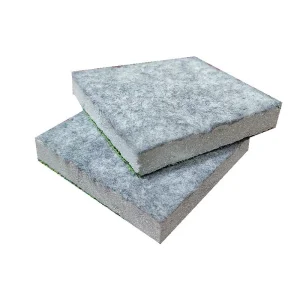
In response to global carbon reduction mandates, geotechnical engineering projects now demand eco-friendly alternatives. Innovations such as Concrete Canvas (Cement Blankets) and Bentonite Waterproof Blankets (GCLs) lower the carbon footprint of containment projects by replacing massive concrete pours with low-weight, high-efficiency roll materials.
Global procurement requires products that satisfy diverse international frameworks. Engineering specifications demand rigorous mechanical validation (ASTM, ISO, and EN standards). Projects in Europe, North America, and Australia demand certified index values for grab tensile strength, static puncture resistance (CBR), and transmissivity.
Established as a top-tier scientific and technological geotechnical material manufacturer, we specialize in high-efficiency engineering material production, sales, design, and construction services.
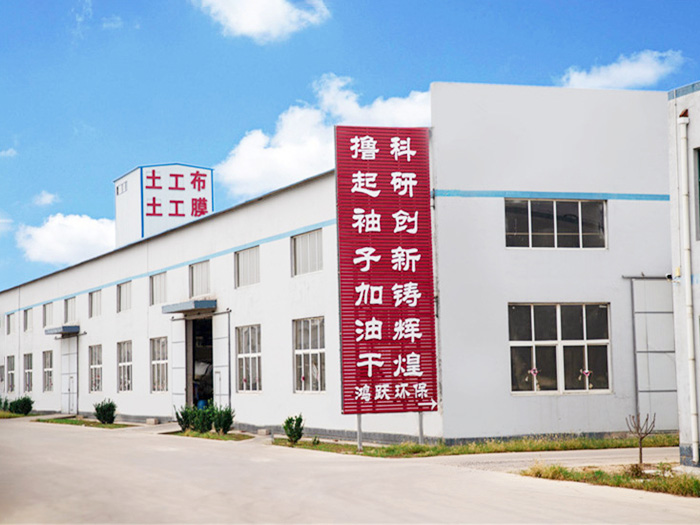
Located at the north end of Fufeng Street, Lingcheng District, Dezhou, Shandong Province, our company represents one of the largest production bases of geotechnical materials in China. Our geographical position offers convenient transportation access, allowing us to serve major global trade routes efficiently.
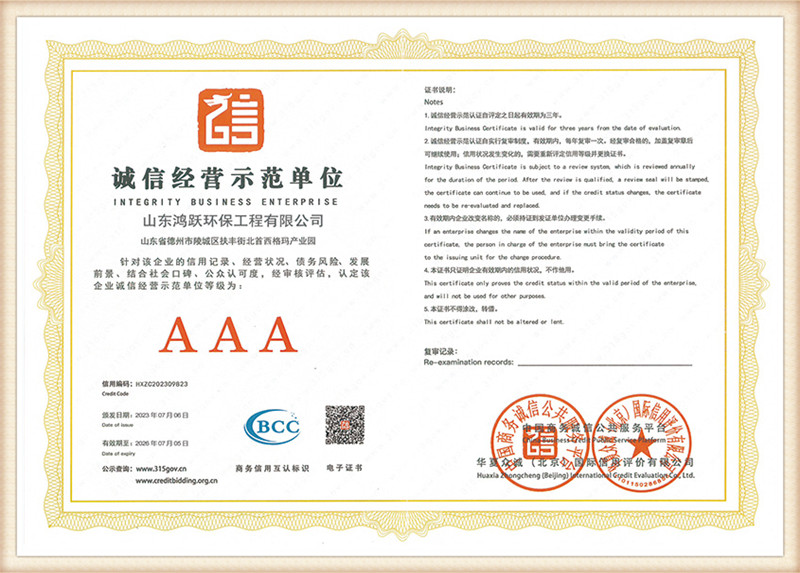
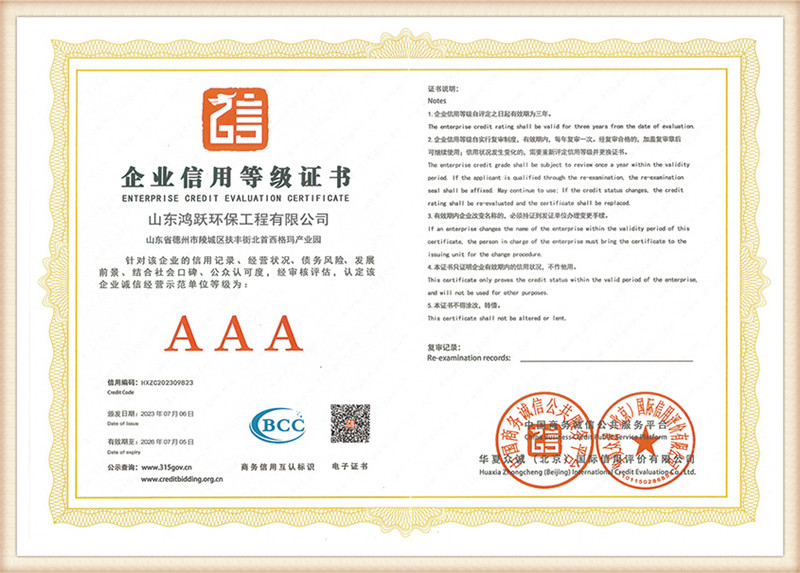
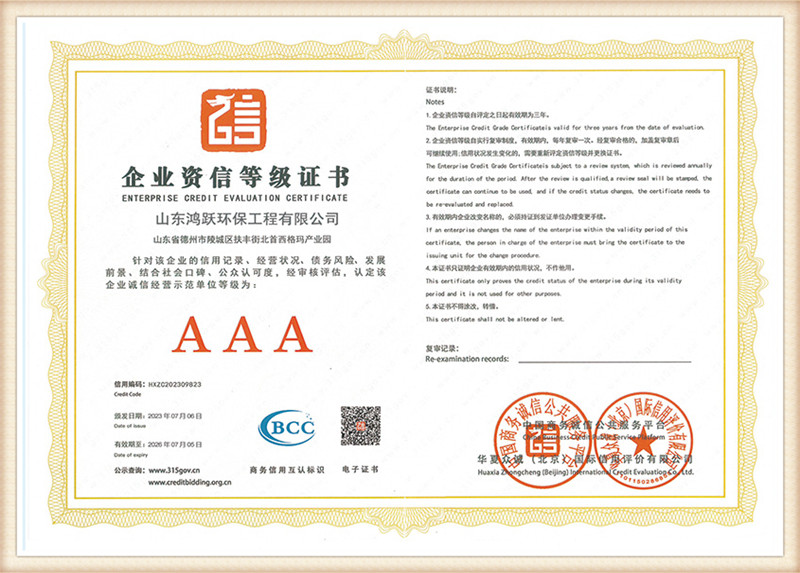
Registered on April 6, 2023, with a robust capital structure of 105 million yuan, we have committed ourselves to rigorous material testing, state-of-the-art production management, and comprehensive project execution services worldwide.
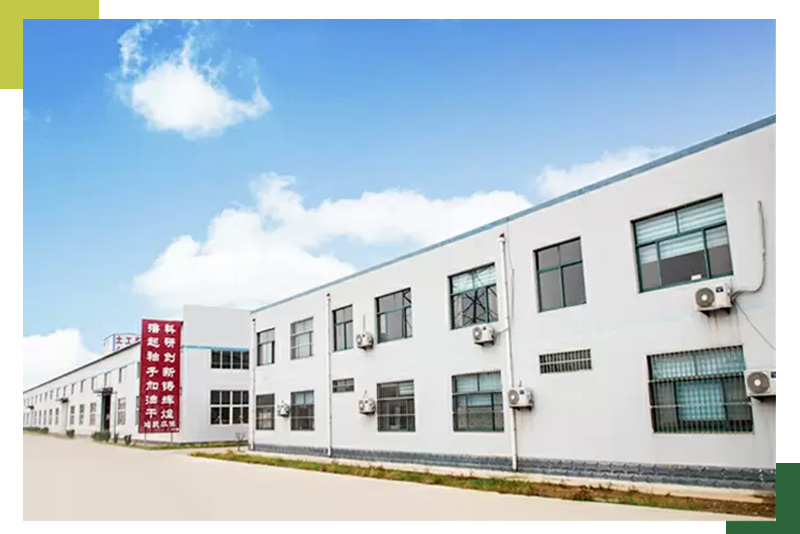
Recognized by industry associations, Shandong Hongyue is a member of the Dezhou Geotextile Association. We maintain strict control from raw material input to the final finished product packing.
We execute standard-compliant processes matching ISO 14000 Environmental Management and ISO 45001 Occupational Health & Safety systems, ensuring sustainable plant operations.
Our sales networks extend to Europe, the United States, Australia, and Southeast Asia, serving critical municipal works, landfills, tailing management facilities, and transport links.
High-performance applications of geotechnical material system designs
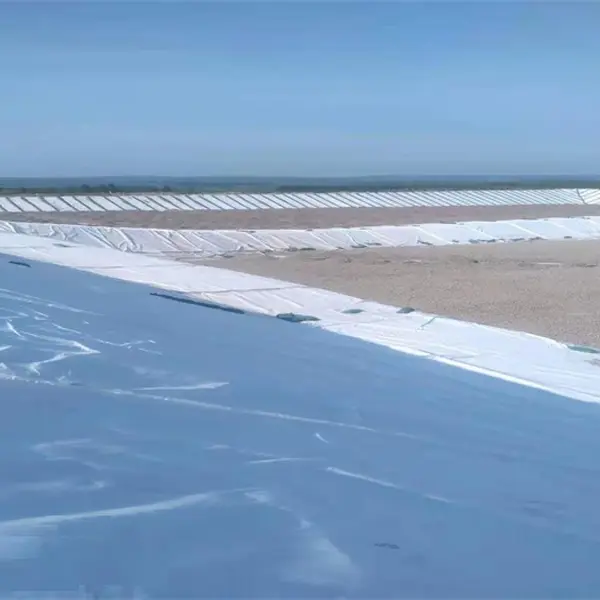
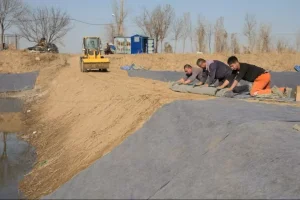
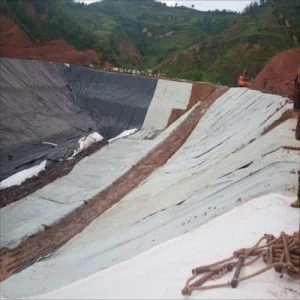
Reservoirs and canal networks present variable geological challenges. High hydrostatic pressure risks structural blowout and constant seepage loss. By deploying custom-welded HDPE geomembranes and protective nonwoven geotextiles, water resource projects achieve zero-permeability containment barriers, preventing soil erosion and water loss while maintaining slope stability.
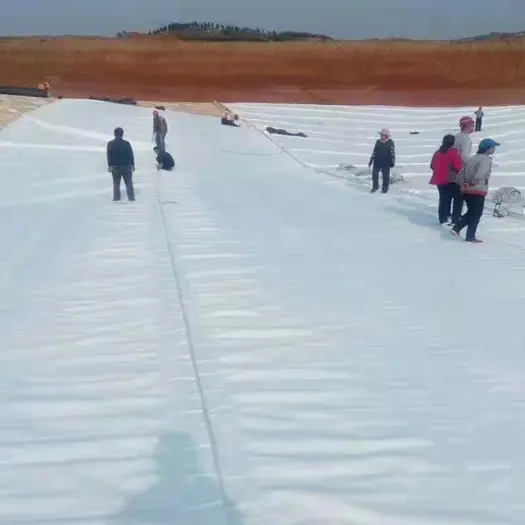
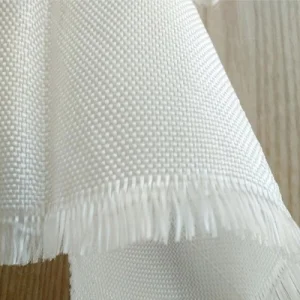
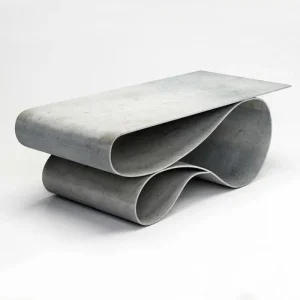
Running watercourses run the risk of constant side-slope erosion and bank destabilization. Using innovative Glass Fiber Cement Blankets (Concrete Canvas) combined with high-strength spun polyester filament woven geotextiles offers rapid structural lining. The material cures when hydrated, creating a durable layer that resists hydraulic shear stresses.
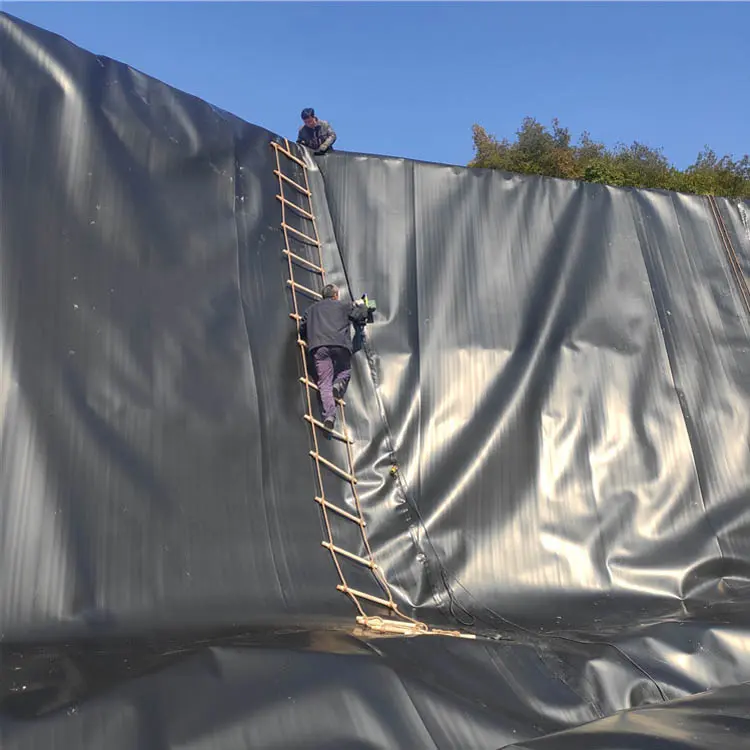
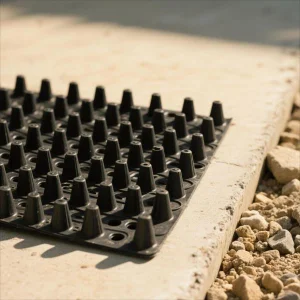
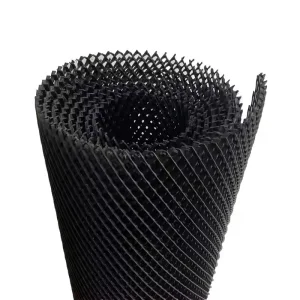
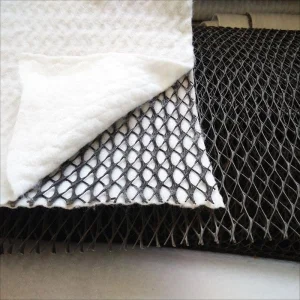
Landfill containment requires reliable barrier performance due to hazardous leachates. We design multi-tier anti-seepage systems utilizing rough geomembranes, bentonite waterproof blankets (GCL), and 3D composite drainage nets. This approach ensures leachates are collected and routed to treatment systems while protecting the groundwater table.
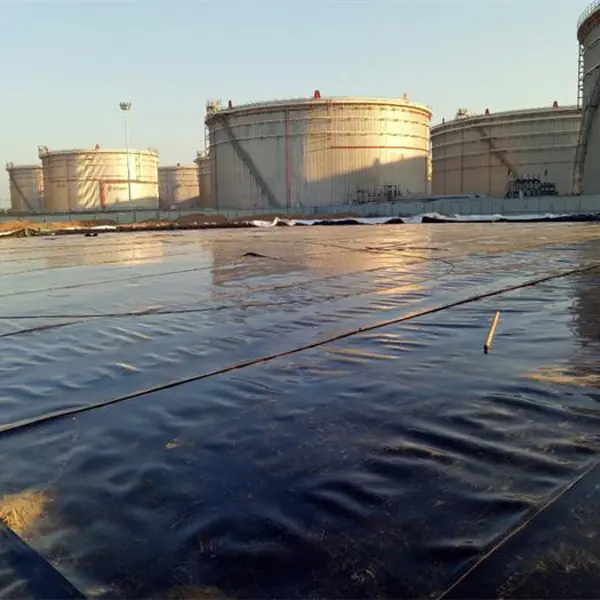
Secondary containment in oil tank areas demands chemical resistance to hydrocarbons and chemical spills. Our geomembrane systems resist chemical attack, ensuring compliance with local environmental regulations. The system prevents petroleum byproducts from contaminating adjacent soils during emergency spills or transfers.
Take a look inside Shandong Hongyue's modern manufacturing lines
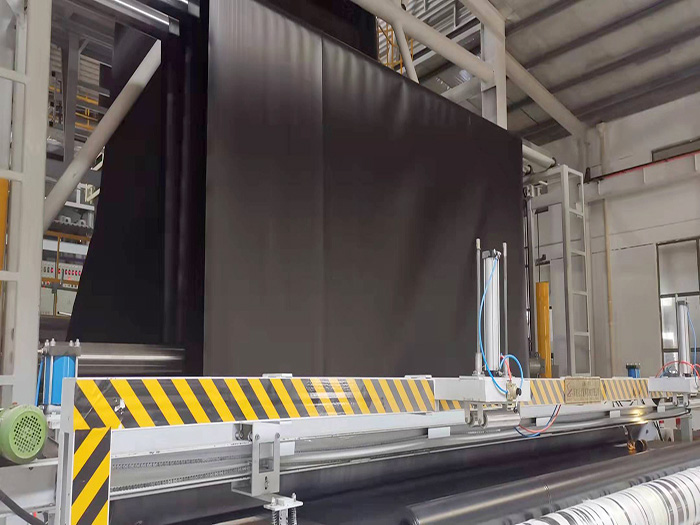
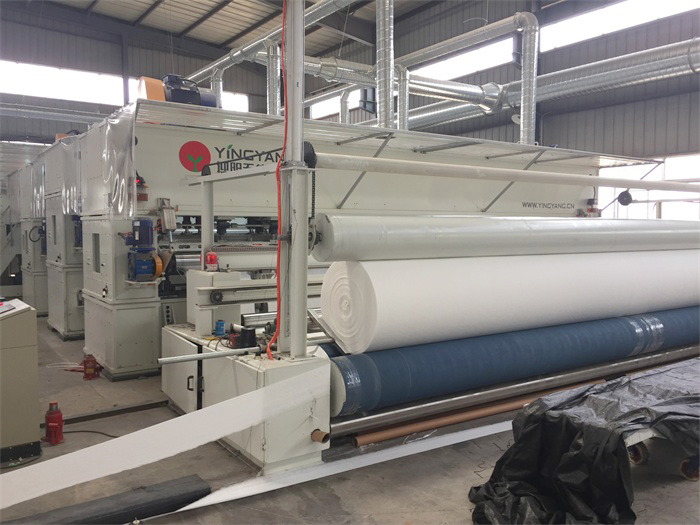
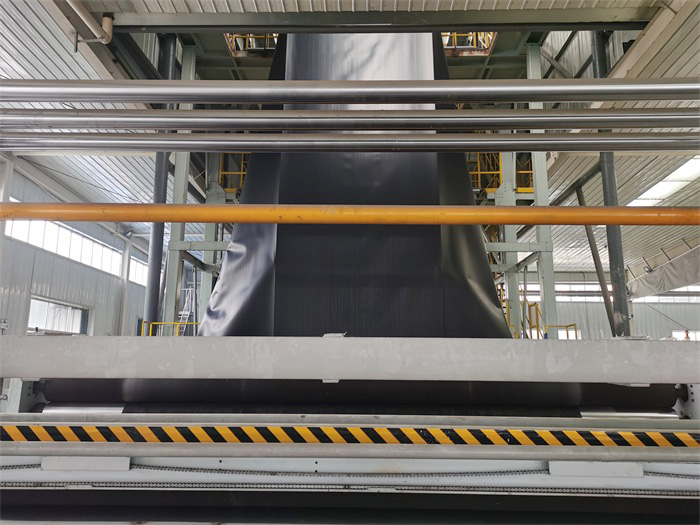
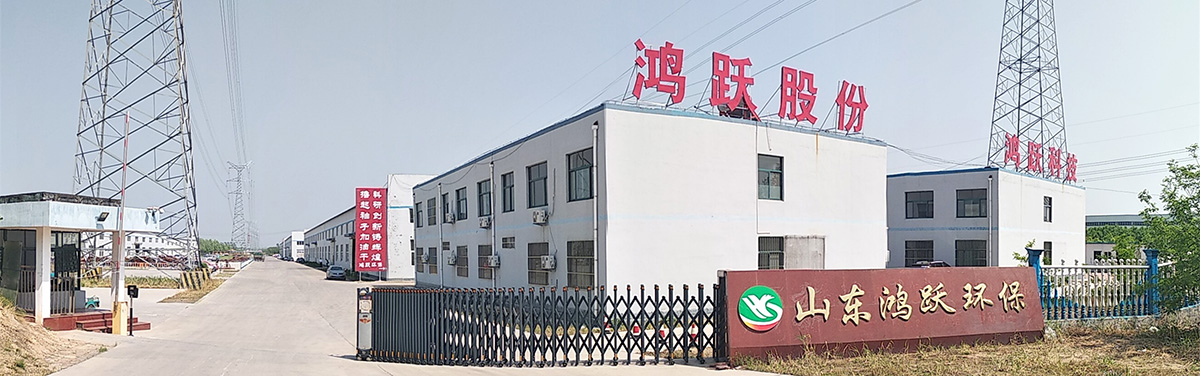
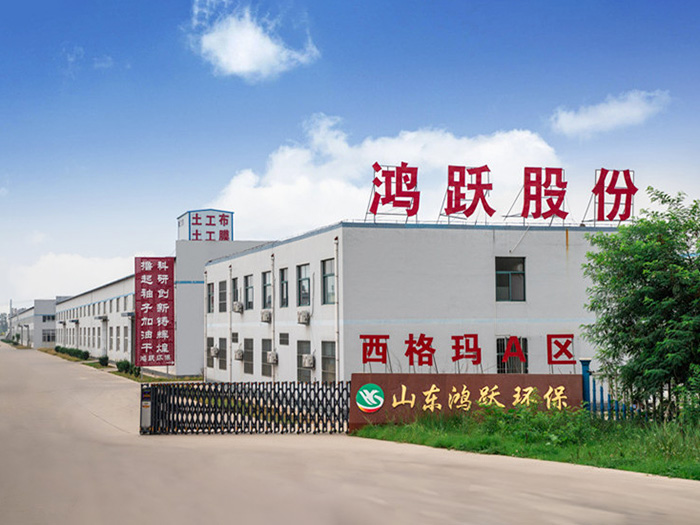
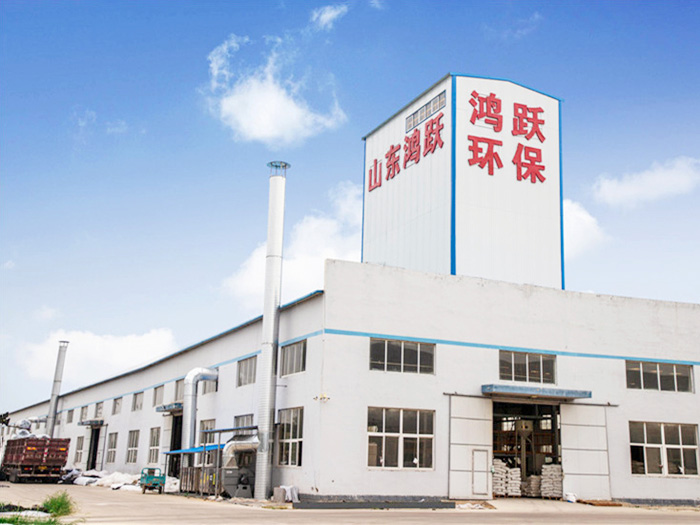
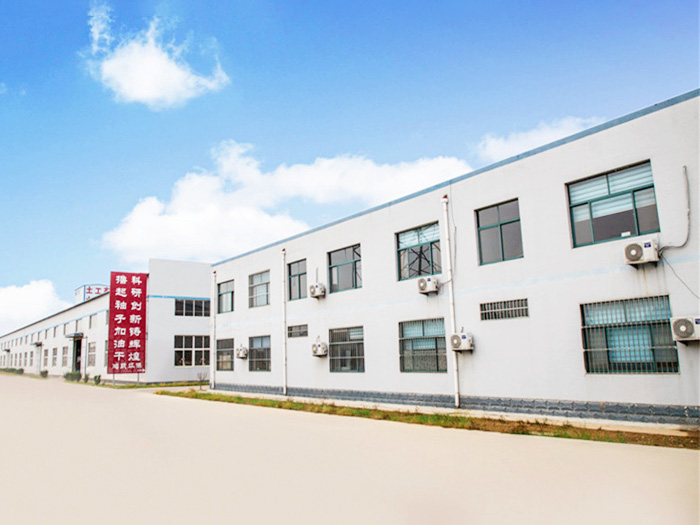
Our quality monitoring utilizes precise inspection equipment to help ensure products maintain performance consistency. The quality parameters of our geotextiles and geomembranes meet or exceed relevant national and international standards. Regular audits are conducted by the China National Testing Center, and random validation inspections are carried out to maintain compliance across our production lines.
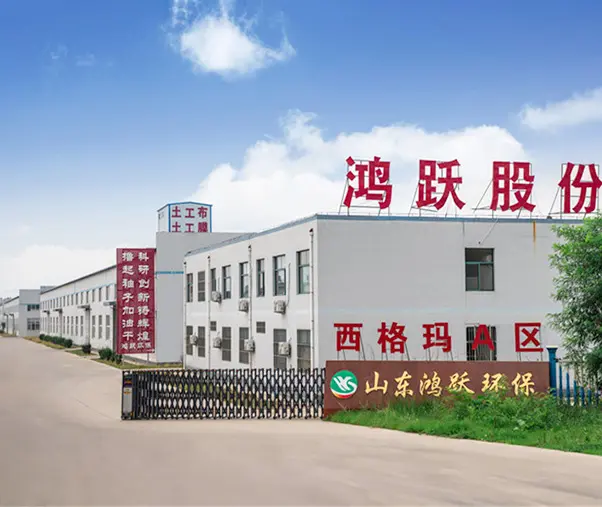
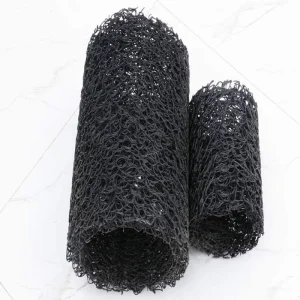
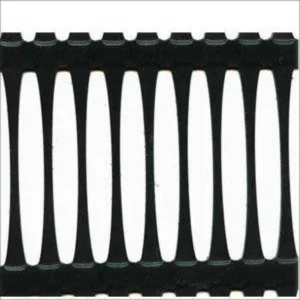
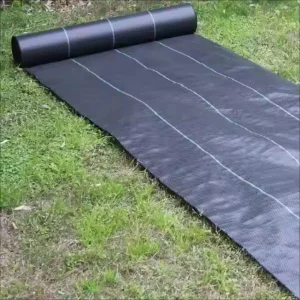
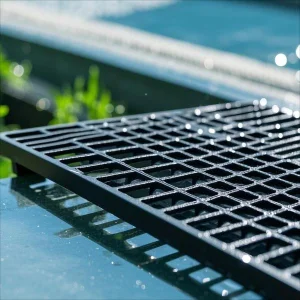
Shandong Hongyue focuses on manufacturing geotechnical engineering materials, including geotextiles, geomembranes, composite materials, drainage networks, geogrids, geocells, water stops, and permeable pipes. These products form four integrated material systems: impermeability, protection, reinforcement, and drainage.
From raw polymer chips to finished high-strength geotextile rolls
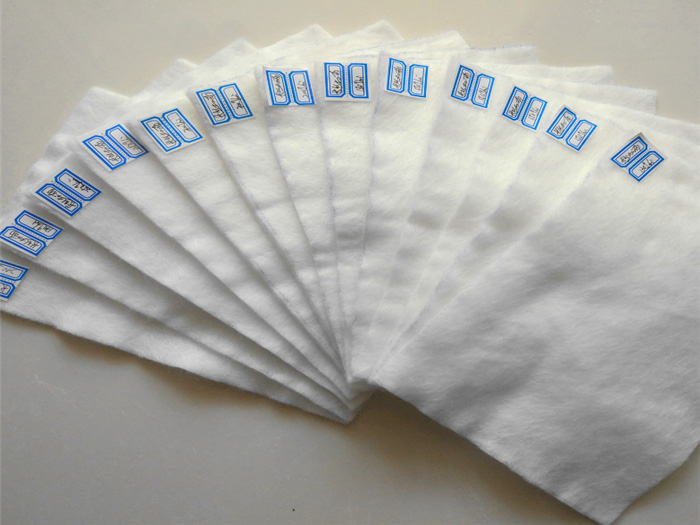
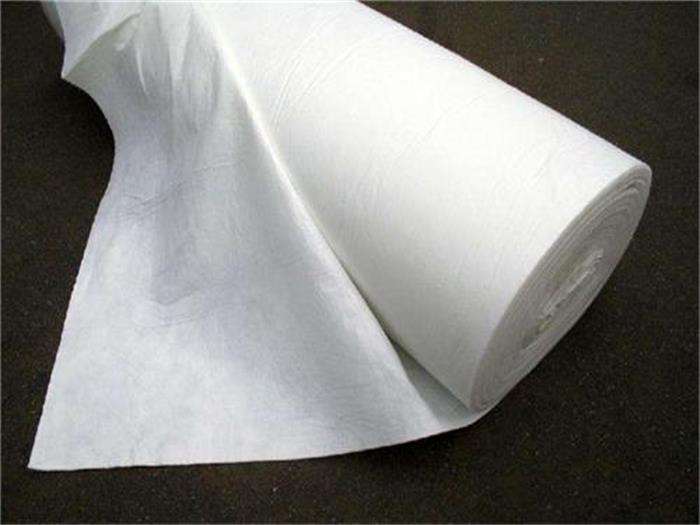
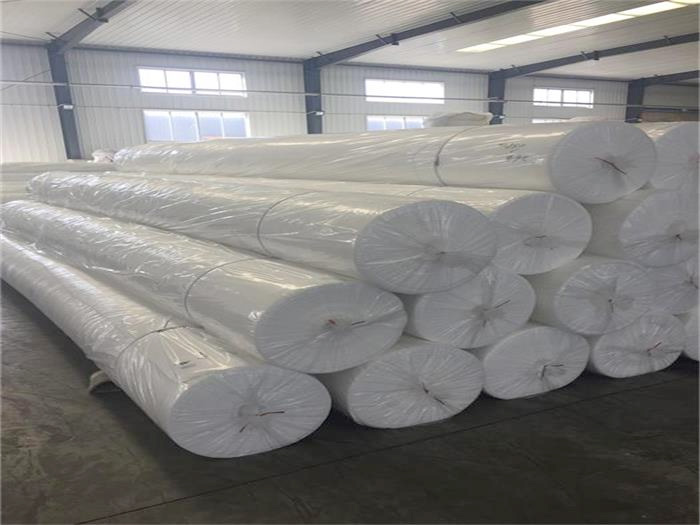
The primary raw materials used in geotextile production include high-grade polyester chips, polypropylene filament, and viscose fibers. These materials undergo raw inspection to verify density, index melt-flow properties, and thermal stability prior to chemical processing.
Polyester chips are heated to dynamic melting states in high-pressure screw extruders. Mixing zones blend the polymer matrix with thermal stabilizers and UV blockers to ensure the resulting extruded fibers withstand harsh field environments.
The extruded filaments are laid onto continuous conveyor systems to form a uniform web structure. Control systems adjust the web weight and cross-lapped orientation to maintain isotropic tensile strength properties.
Laid fiber webs pass through mechanical needle-punching stations, where thousands of needles loop the fibers together. Thermal bonding rollers then cure the structure, providing dimensional stability and high mechanical strength.
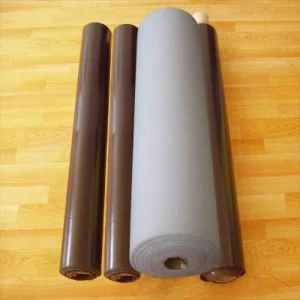
Cured geotextiles are rolled to project-specified lengths and widths. Precision trimmers maintain edge consistency, while automated packing lines seal the rolls in UV-resistant protective film.
Each production batch undergoes laboratory testing. Quality control technicians evaluate mechanical, chemical, and physical parameters, including static puncture, tear propagation resistance, and permeability values.
Engineering recommendations for material selection, laying, and seam welding
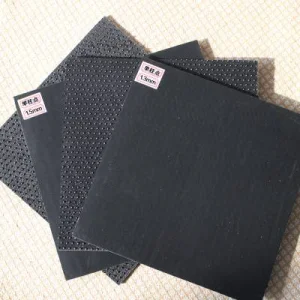
Proper selection of geomembranes is key to engineering durability. Linear Low-Density Polyethylene (LLDPE) provides flexibility for high-settlement sites, while High-Density Polyethylene (HDPE) is preferred for waste containment due to its chemical resistance. Select appropriate thickness ranges (0.3mm to 2.0mm) based on subgrade load distribution and hydrostatic heads.
Verify that the subgrade is level and free of sharp stones or objects. Deploy panels sequentially, allowing for thermal contraction and expansion (typically 1-3% slack). Ensure that wind ballast sandbags are placed at critical panel intersections to prevent uplift during welding operations.
Seaming utilizes dual-track hot wedge welding machines for main seams and extrusion welding for detail transitions. Non-Destructive Testing (NDT) is performed using pressurized air injection on dual-track seams and vacuum box testing on extrusion-welded areas to verify joint integrity.
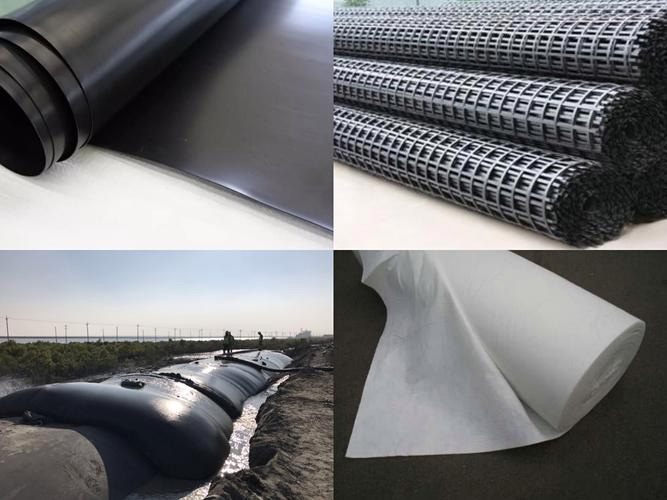
Regular maintenance can extend the service life of exposed geomembranes. Keep surfaces clean of accumulated fine silt and debris. Periodic visual inspections should focus on detecting localized point loads, animal punctures, and potential mechanical weathering. Damaged sections must be patched with matching material, using circular or oval patches that extend at least 150mm beyond the damaged boundary, followed by extrusion welding verification.
Real-world performance evaluations of Shandong Hongyue's materials under structural loads
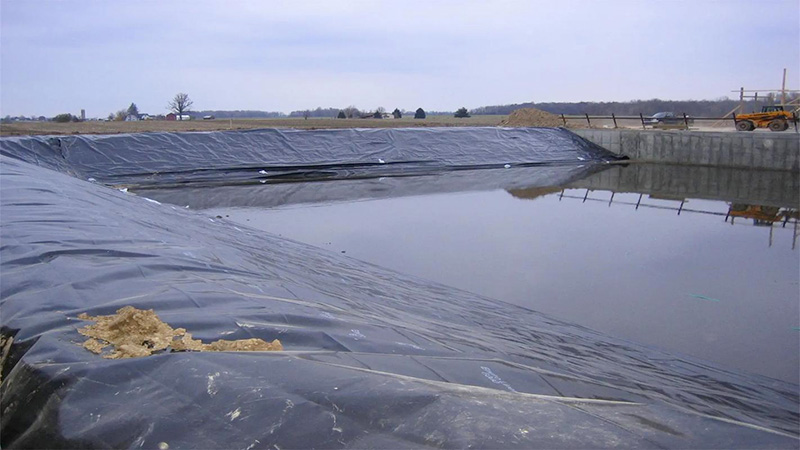
Canal networks require stable subgrades to prevent erosion. Our lining systems stabilize perimeter slopes, protecting channel profiles against high-velocity flows.
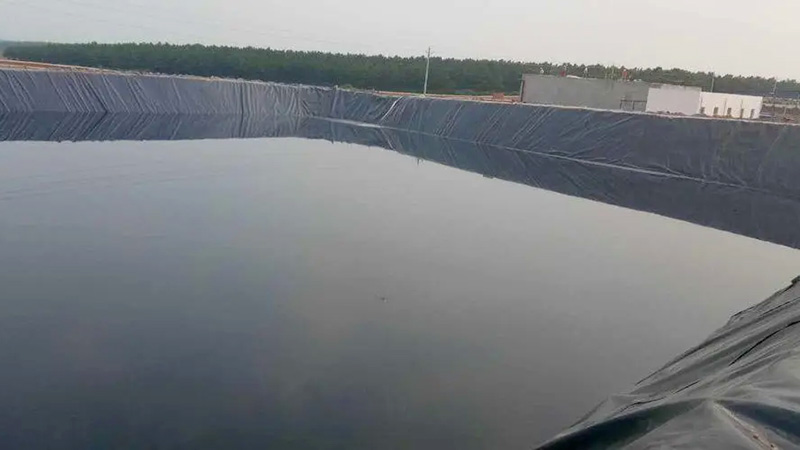
Deploying composite geomembranes on earthen embankments helps control water leakage and piping issues under varying water pressure levels.
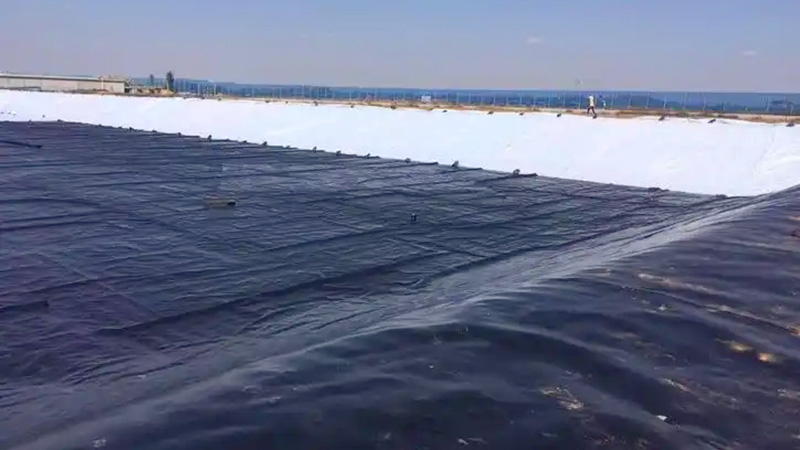
Water storage basins require durable barrier systems. Our geomembrane solutions help manage retention volumes over long-term operations.
Detailed technical answers for geo-design engineers and procurement teams
Reinforcement geogrids, geocells, and barrier membranes for diverse civil projects
 Hongyue