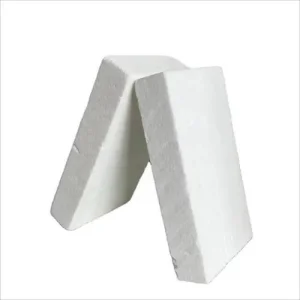
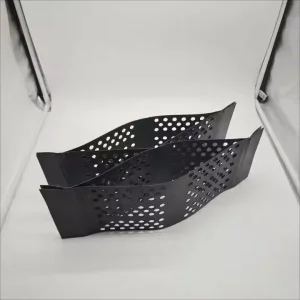
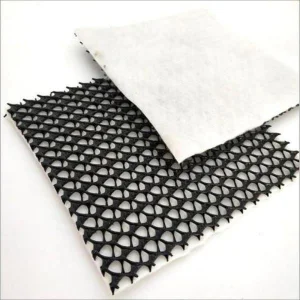
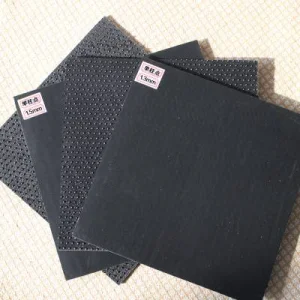
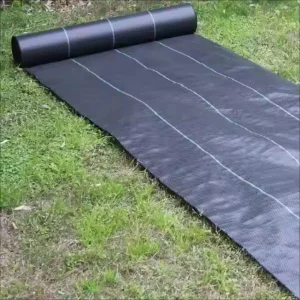
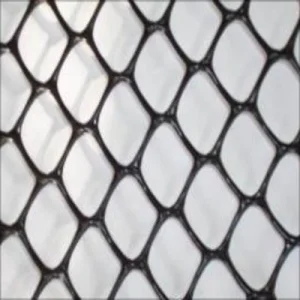
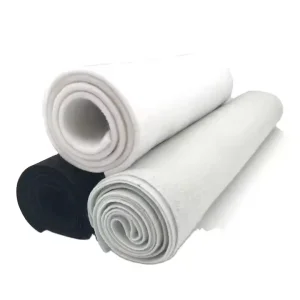
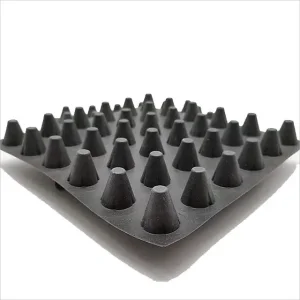
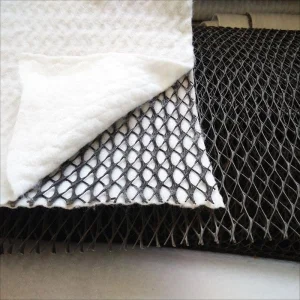
Explore our state-of-the-art range of engineered geocells, high-strength geogrids, and composite drainage networks designed to exceed rigorous ASTM standards.
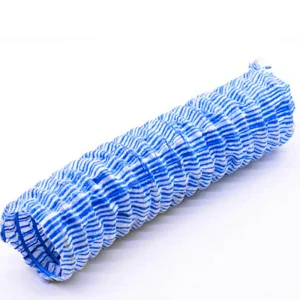
Registered Capital (RMB Yuan)
Global Export Target Countries
Years Average Engineer Experience
ASTM & ISO Standards Compliant
In the modern geopolitical landscape, infrastructure construction has shifted decisively toward environmental restoration and structural sustainability. The search for the best bag eco friendly manufacturer is no longer simply about retail packaging; it resides at the core of heavy civil engineering, industrial erosion control, and global ecological stabilization.
Today, ecological bags (eco-bags), geotextile sandbags, and dewatering tubes represent a multi-billion-dollar sector within geotechnical engineering. These systems are used globally to construct green retaining walls, reinforce slopes, restore shorelines, and filter waste sediment. As regulatory bodies implement stringent carbon offset policies, municipal and industrial planners must procure materials that combine high tensile strength with circular-economy principles.
From the United States to Europe and Southeast Asia, eco-friendly bags are replacing traditional concrete and steel-based retaining systems. The physical flexibility and biological receptivity of nonwoven geotextile ecological bags allow plants to grow through the fiber matrix, integrating structural engineering directly with living vegetation.
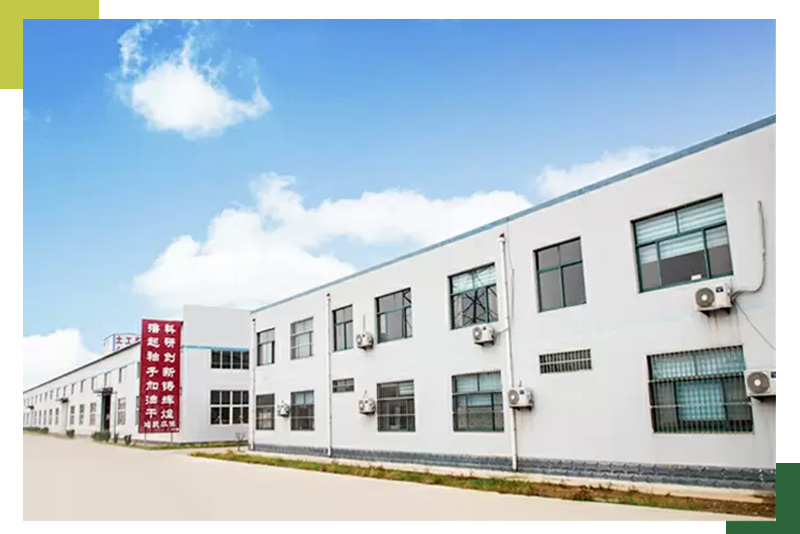
Shandong Province, particularly the Lingcheng District in Dezhou City, stands as the global epicentre of geotechnical material manufacturing. As a leading ecological bag exporter and manufacturer, Shandong Hongyue Environmental Engineering Co., Ltd. (located on Fufeng Street) leverages massive economies of scale, integrated supply chains, and state-of-the-art polymer extrusion technology.
Established with a registered capital of 105 million yuan, our facility integrates raw material preparation, melt extrusion, carding, needle punching, and continuous testing under one roof. This concentration of production steps reduces shipping overhead and ensures optimal polymer quality control. Our strategic location near primary logistics hubs guarantees highly competitive transit times to regional ports, allowing us to supply large-scale infrastructure projects worldwide with minimal delivery windows.
Unlike regional fabricators that rely on secondary textile sourcing, Shandong Hongyue manufactures its proprietary nonwoven geotextiles, geomembranes, and geocells directly. This vertically integrated model ensures that every ecological bag meets strict tensile, hydraulic, and UV-resistance specifications, providing a level of reliability that third-party distributors cannot match.
Why top-tier environmental engineering projects specify Shandong Hongyue materials for long-term environmental protection.
Manufactured from premium UV-stabilized polypropylene (PP) or polyester (PET) fibers to resist chemical degradation, biological decay, and mechanical abrasion over a 50-year service life.
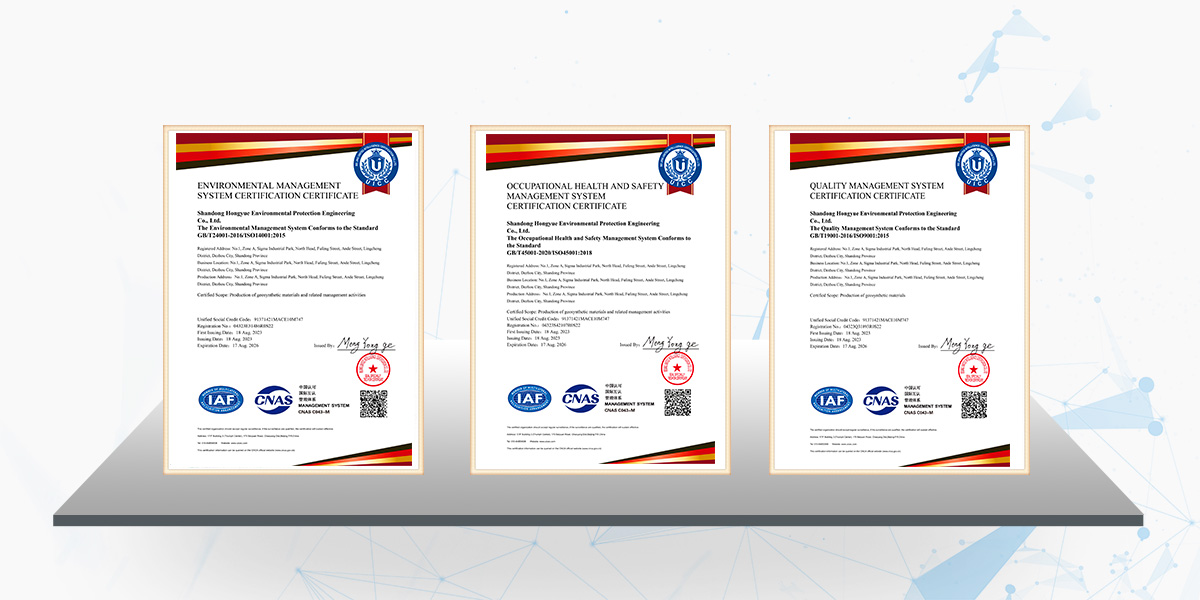
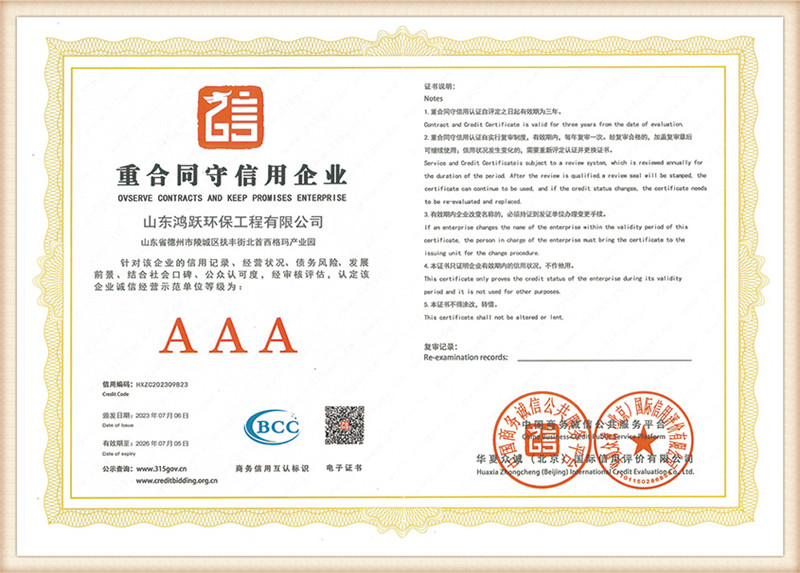
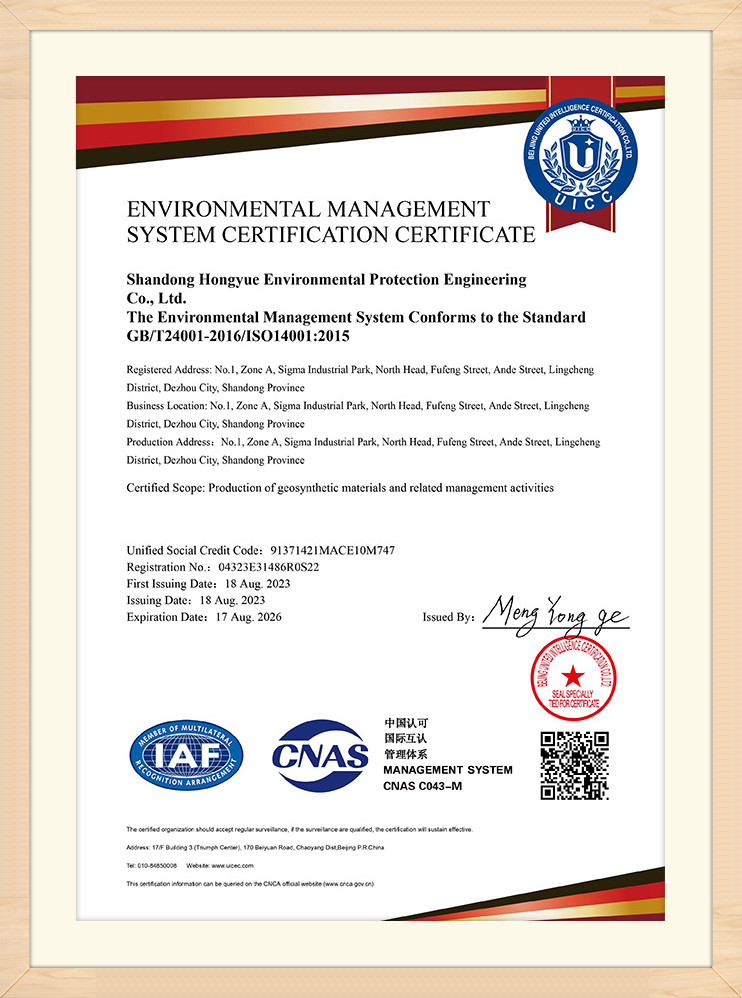
Fully certified under ISO9001:2015, ISO14001:2015, and ISO45001:2018 systems. Tested and approved by the China National Testing Center and national quality supervision bodies.
Available in various dimensional weights (100g/m² to 800g/m²) with custom aperture sizes to match the specific hydraulic permeability and soil retention requirements of your site.
Eco-friendly bags and geosynthetics play critical roles in specialized infrastructure and conservation projects worldwide.
Along watercourses and coastal boundaries, water velocity and wave action constantly erode natural slopes. Eco-friendly geotextile bags, packed with local sand and organic soil, are stacked to form a resilient barrier. These bags permit water to pass through without washing away fine soil particles, reducing hydrostatic pressure and promoting natural vegetation growth.
Transportation corridors cut through steep topography, creating unstable slopes that are prone to landslides. Combining ecological bags with geocells and high-strength geogrids creates a stable, vegetated composite wall that holds the earth in place while blending into the surrounding landscape.
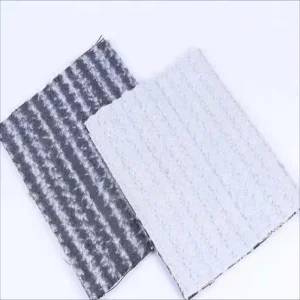
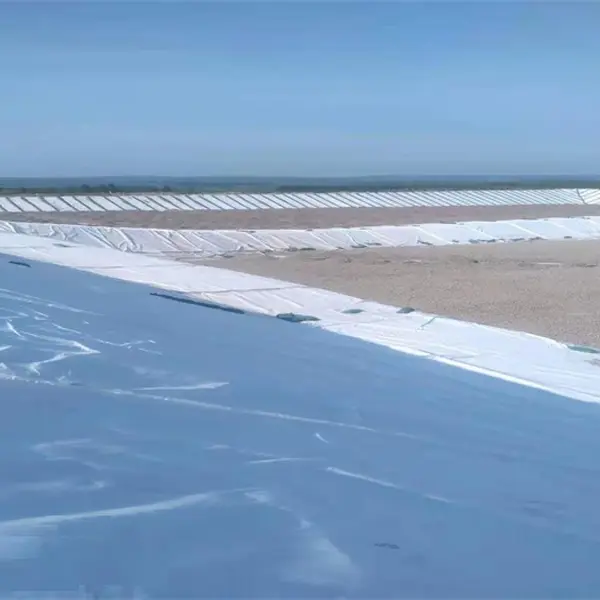
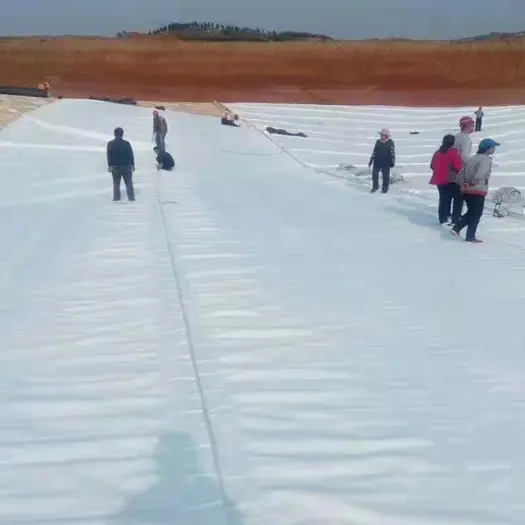
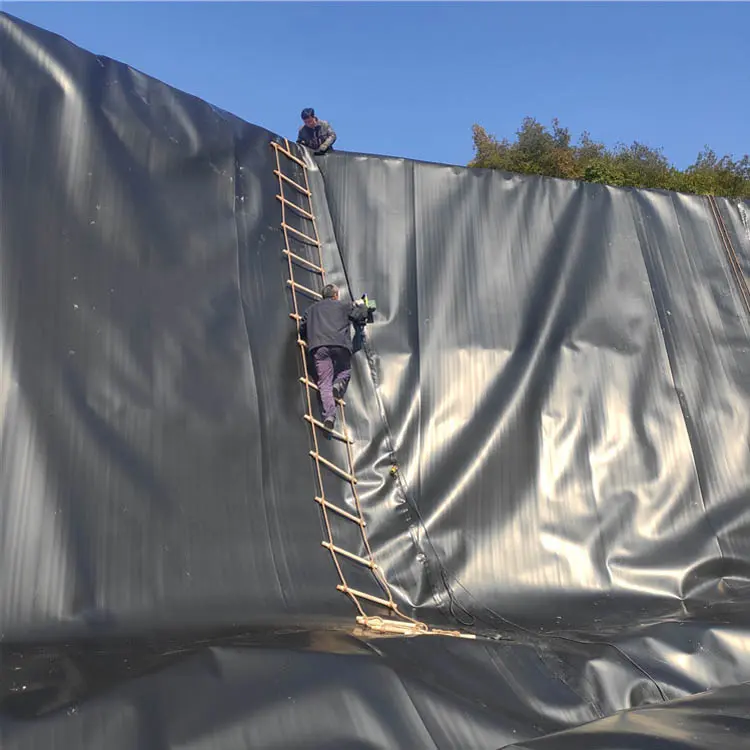
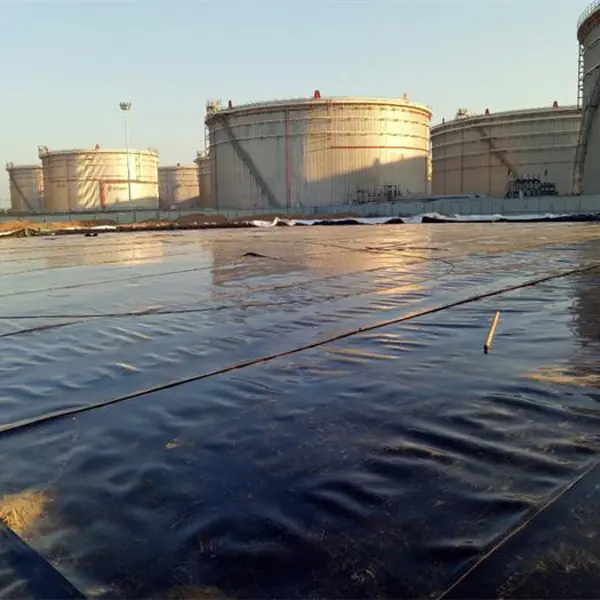
In municipal waste management and agricultural water storage, preventing leachate seepage is critical. Our geomembranes and bentonite waterproof blankets are combined with ecological bags to line landfills, agricultural lagoons, and fish ponds, ensuring complete containment and environmental isolation.
Verified mechanical parameters demonstrating how our products meet global procurement requirements.
| Product Category | Primary Material | Tensile Strength (kN/m) | Permeability (cm/s) | UV Resistance Retention | Primary Application Area |
|---|---|---|---|---|---|
| Ecological Bag (Eco-bag) | Polypropylene (PP) / PET | ≥ 30 (MD) / ≥ 25 (CD) | 1 x 10⁻¹ to 1 x 10⁻³ | ≥ 80% after 500h UV exposure | Slope restoration, retaining walls |
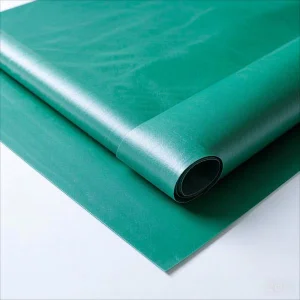
| HDPE Geomembrane | High-Density Polyethylene | ≥ 15 to ≥ 40 | Impermeable (≤ 1 x 10-12) | ≥ 85% after 2000h UV exposure | Landfills, reservoirs, mining heaps |
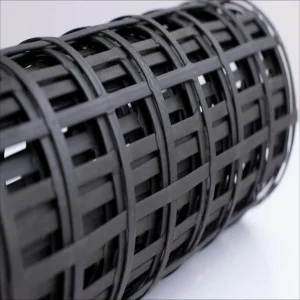
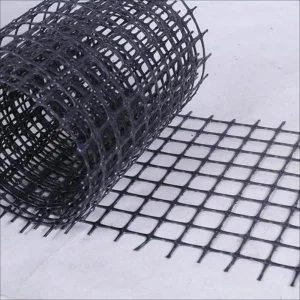
| Biaxial Geogrid | Polypropylene / Steel-Plastic | 20 to 150 (Both directions) | N/A (Open aperture) | High chemical and acid resistance | Road base, soft soil reinforcement |
| Composite Geocell | HDPE / Composite Alloy | ≥ 22 (Seam strength) | Variable (Perforated options) | Excellent long-term stability | Slope protection, channel lining |
Every meter of geotextile and every environmental bag undergoes a strict six-step quality control protocol.
We source premium polyester chips and polypropylene filaments, verifying chemical purity, molecular weight distribution, and moisture levels before extrusion.
Polymers are processed at high temperatures using precise screw extruders to guarantee a uniform melt state without thermal degradation.
Ultra-fine fibers are laid into a cross-lapped web to achieve uniform thickness, density, and multidirectional tensile strength.
Thousands of high-speed needles entangle the fibers, creating a mechanical bond that provides high permeability and excellent filtration capacity.
Automated cutting and high-strength seam stitching convert the geotextile rolls into finished ecological bags with uniform sizing.
Finished products undergo testing for tensile strength, grab strength, puncture resistance, and permeability before packaging and delivery.
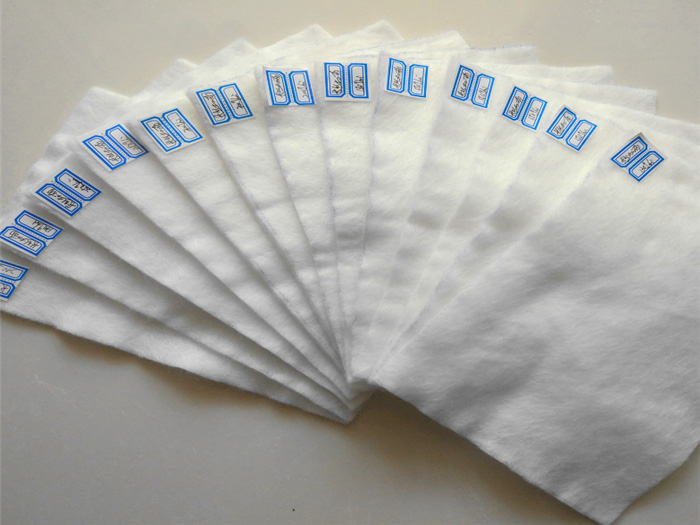
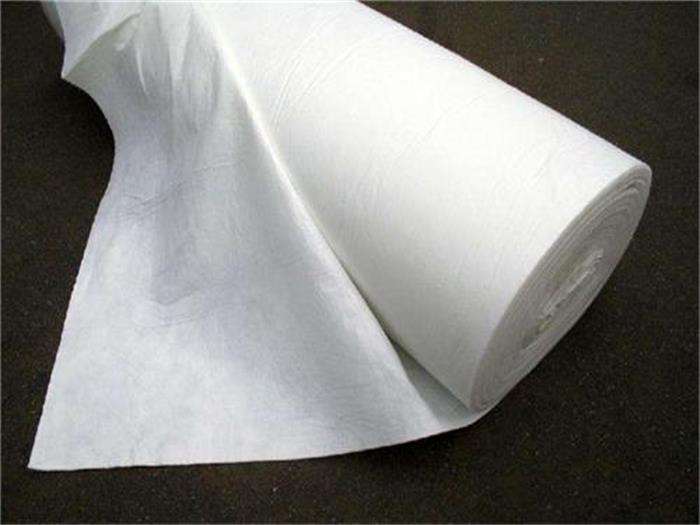
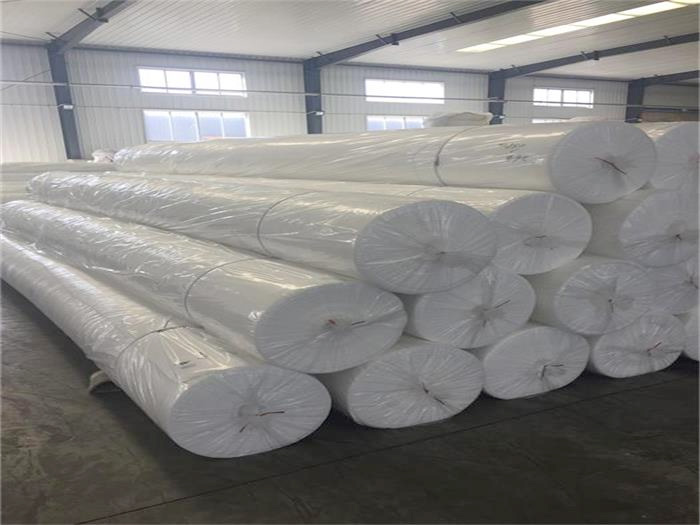
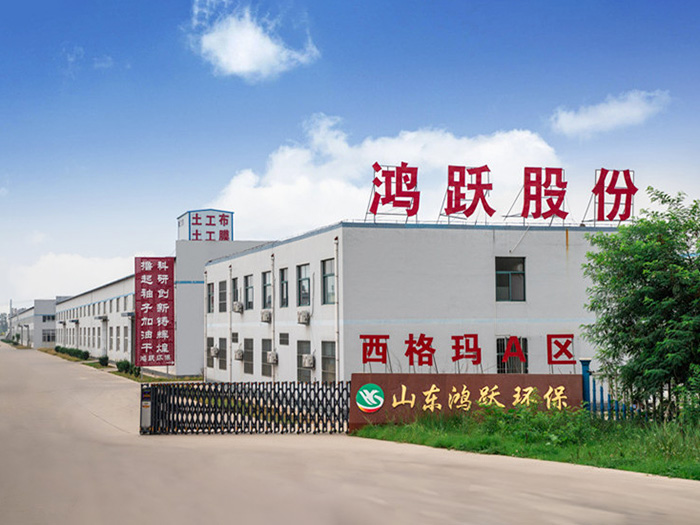
Inside our heavy-duty manufacturing and processing facilities in Dezhou, Shandong Province.
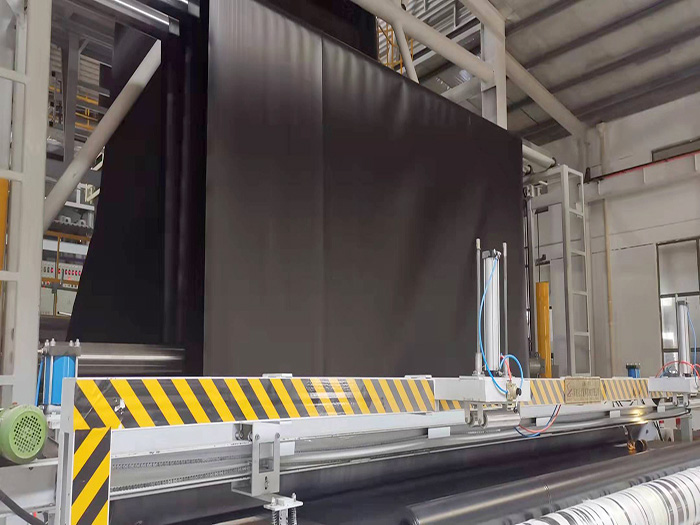
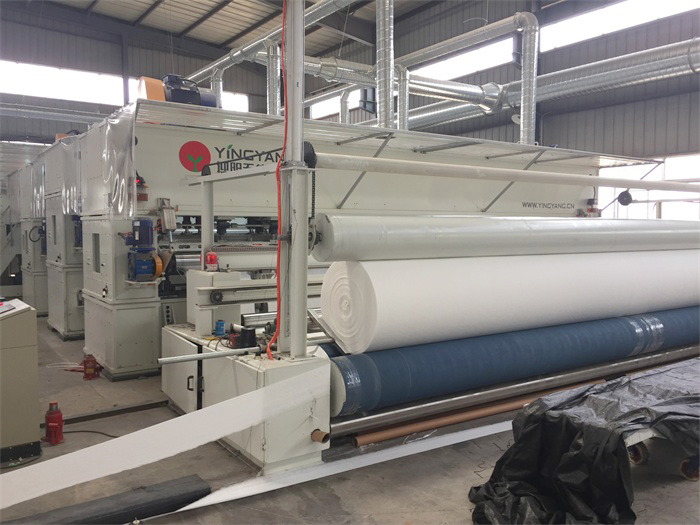
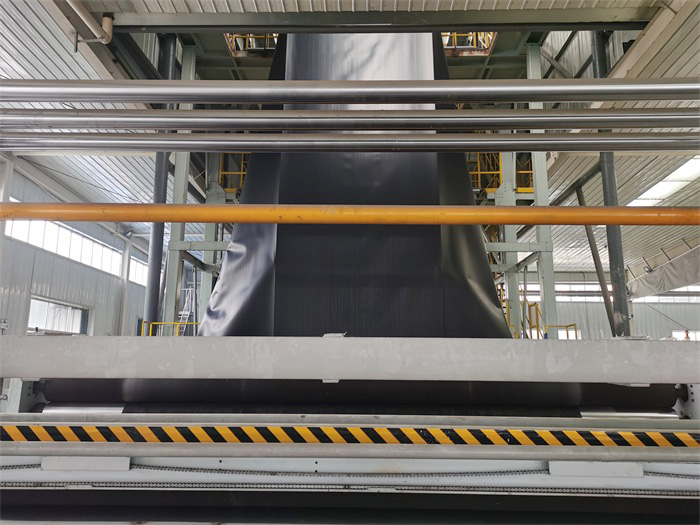
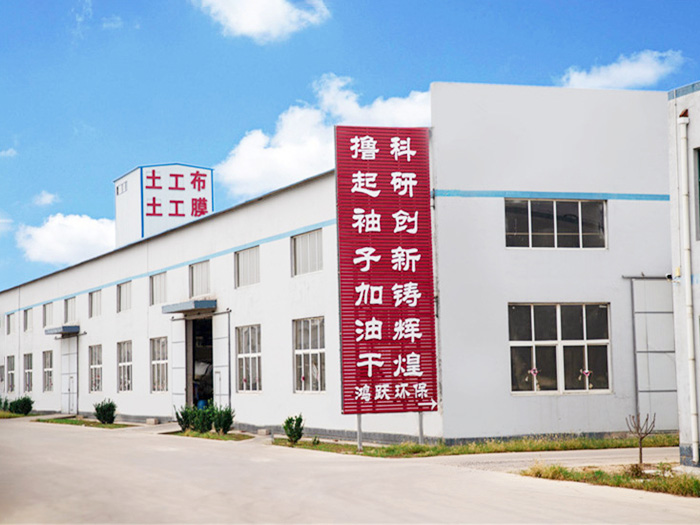
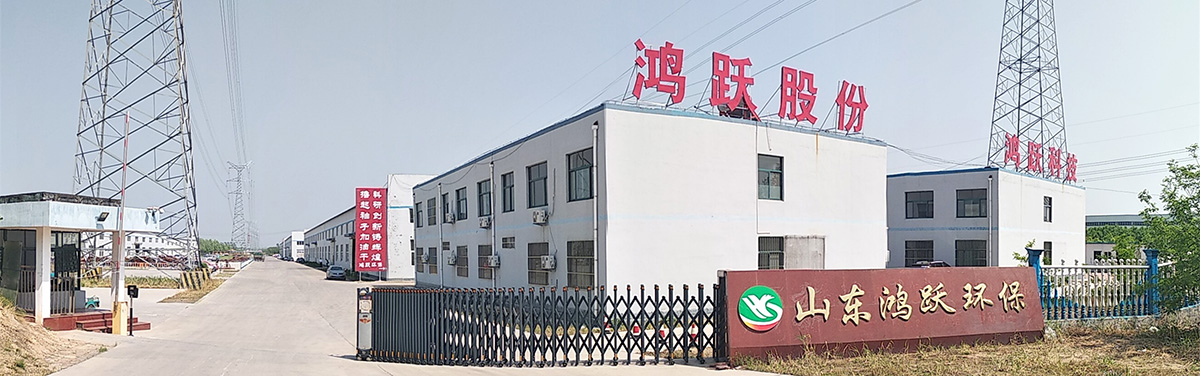
International procurement managers face challenges when sourcing environmental geosynthetics and ecological bags. Key factors go beyond the unit price. Engineering projects require rigorous verification of compliance, logistics consistency, and batch-to-batch product uniformity.
Key Sourcing Considerations:
Expert technical answers regarding the specification, installation, and performance of our ecological bags and geosynthetics.
Explore our line of geomembranes, grass-proof covers, and custom geonets designed for major containment, agricultural, and municipal water conservancy projects.
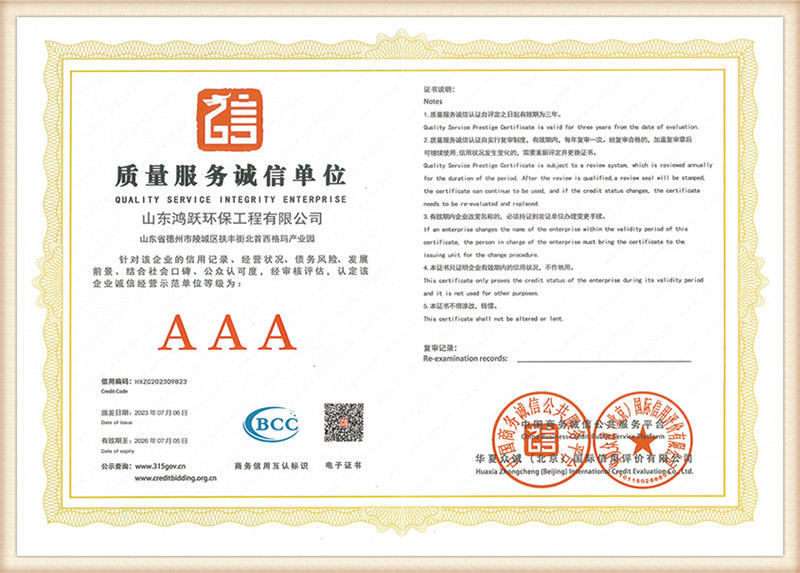
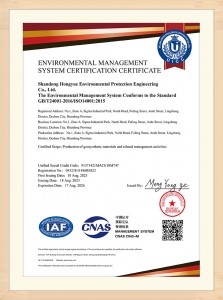
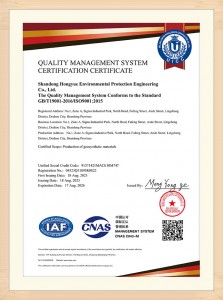
Shandong Hongyue Environmental Engineering Co., Ltd. holds major international quality, safety, and performance credentials.
International Standard for Quality Management Systems
Environmental Management Standards Compliance
Occupational Health & Safety Standard Certification
European Standard Approvals for Infrastructure Applications
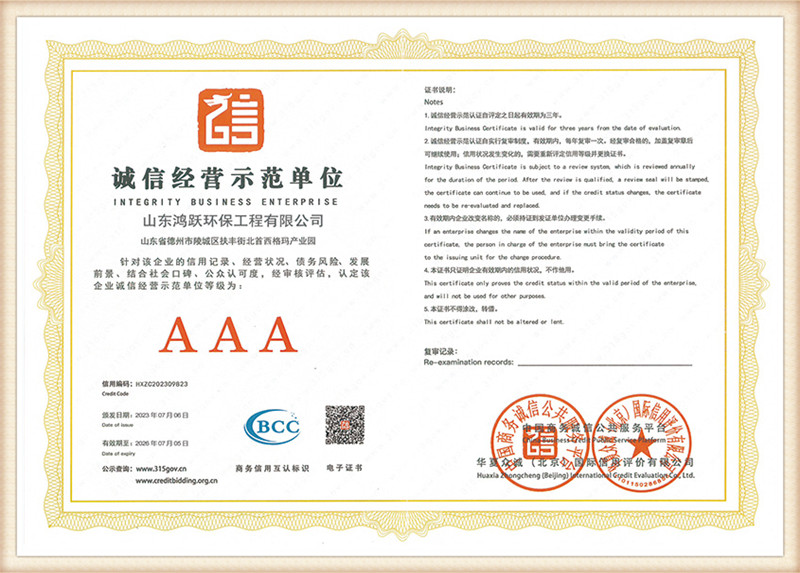
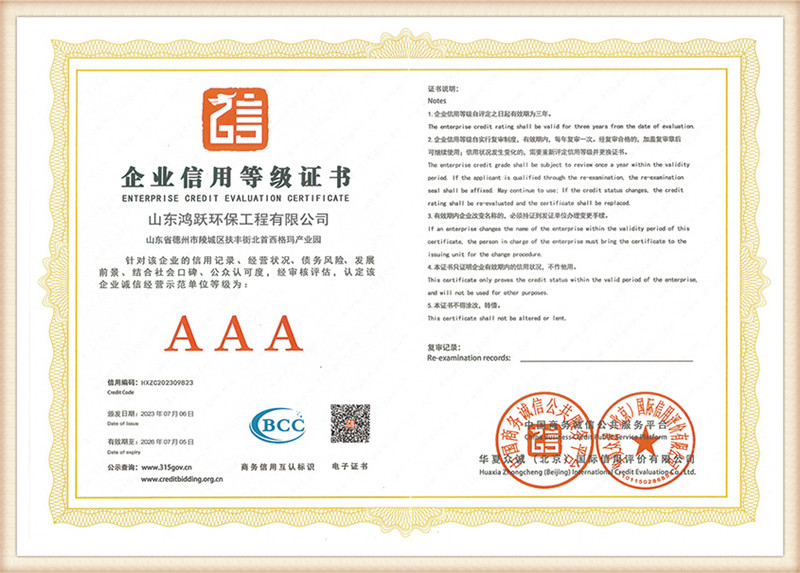
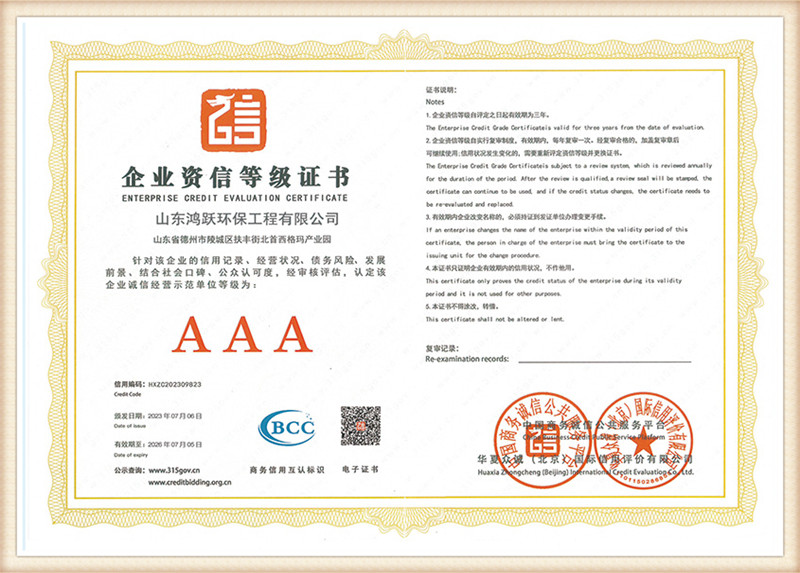
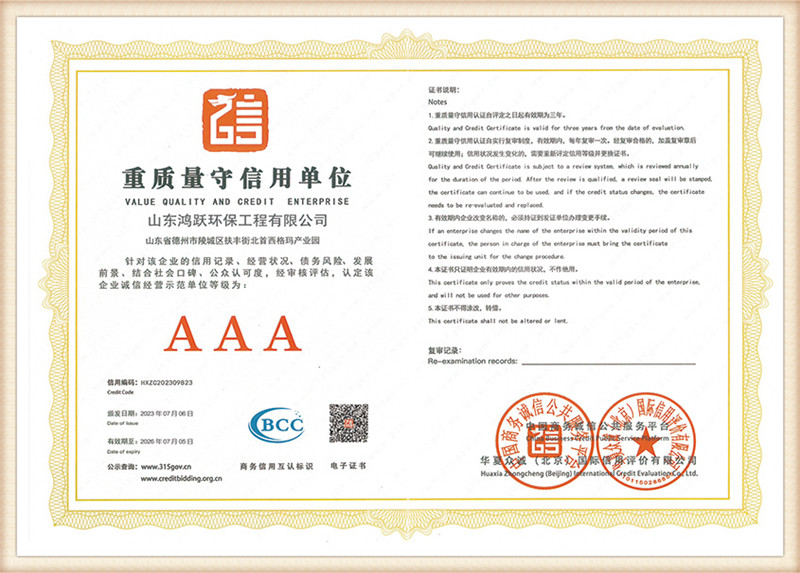
A professional guide to laying and maintaining geosynthetic materials for long-term project performance.
Before installing ecological bags, geomembranes, or geocells, the subgrade must be compacted and cleared of debris. Remove all sharp rocks, tree roots, and organic matter that could puncture the synthetic barrier. If the ground is highly irregular, apply a protective sand cushion or a layer of nonwoven geotextile to protect the main containment membrane.
For geomembrane systems, double-track hot wedge welding is the standard method for sealing joints. The overlap must be at least 100mm to 150mm. Before welding, verify that the seam area is dry, clean, and free of dust. Run test welds daily to adjust temperature, pressure, and speed settings based on current weather conditions.
Anchor trenches must be dug according to engineering drawings to secure the top of the slope. When backfilling soil over geomembranes or around ecological bags, use light, low-ground-pressure machinery. Avoid sudden turns or hard braking to prevent tearing the fabric. Backfill in uniform lifts, compacting each layer to the specified dry density.
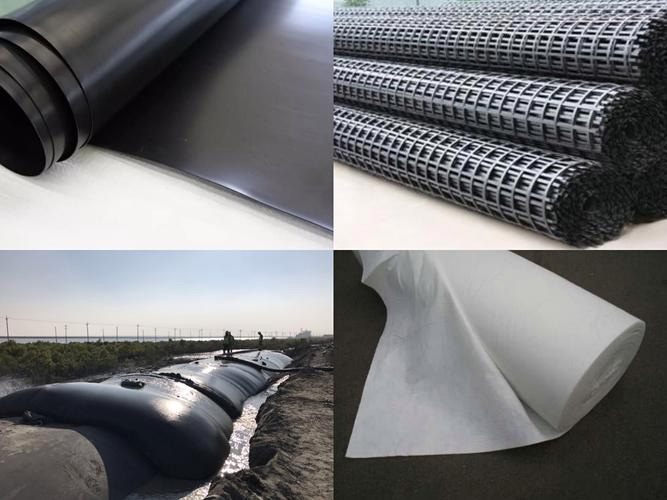
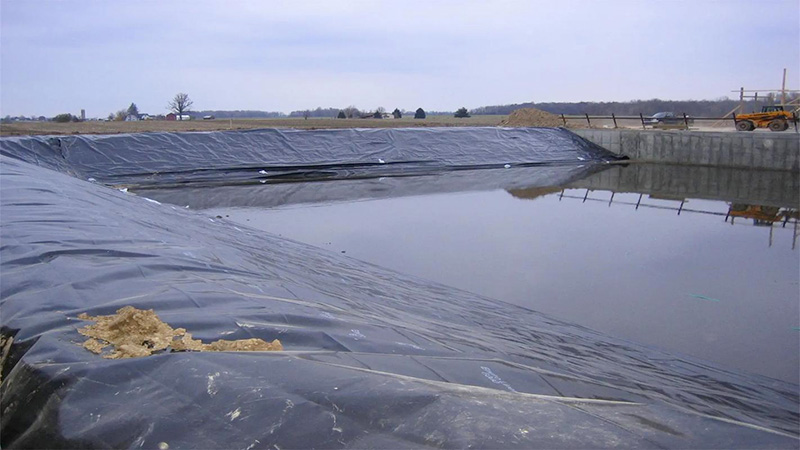
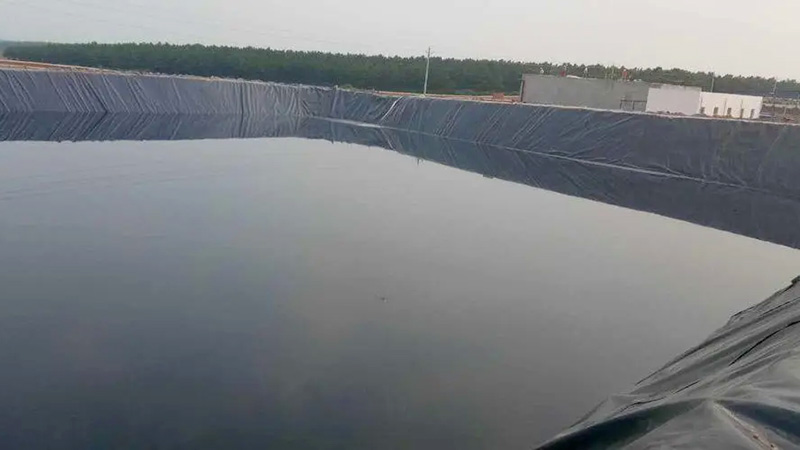
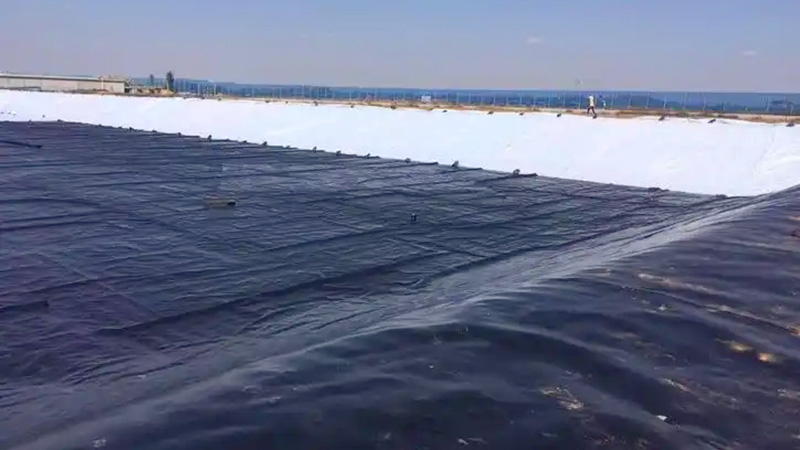
Achieving sustainability in civil engineering requires constant innovation in material composition and manufacturing. As a leading manufacturer, Shandong Hongyue invests in research to improve the performance of our products. Our latest geogrids, geomembranes, and eco-bags use recycled polymers without sacrificing tensile strength or chemical resistance.
By optimizing the polymer extrusion process and incorporating advanced anti-oxidant blends, we produce materials that maintain structural integrity in highly acidic or alkaline environments. This makes our products suitable for demanding applications, such as mining heap leach pads, industrial wastewater treatment basins, and municipal waste containment landfills.
Additionally, our production lines utilize real-time thickness detection and ultrasonic welding systems. This technology guarantees uniform product quality and helps minimize material waste, reflecting our commitment to green manufacturing and quality assurance.
Discover how our specialized geosynthetic and environmental products support modern engineering projects.
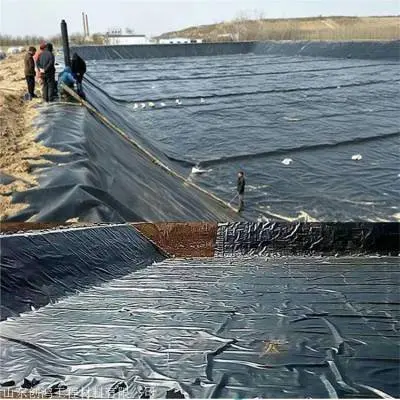
High-density polyethylene liners designed to protect aquaculture habitats and prevent water loss.
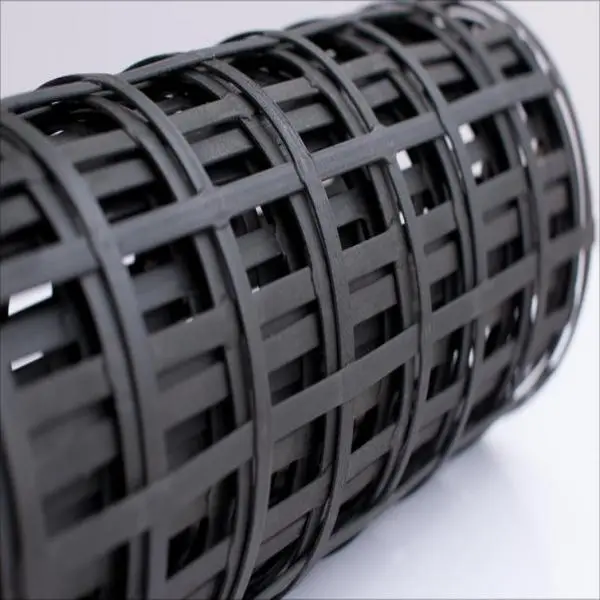
Reinforced steel wire wrapped in a protective polymer coating, offering high tensile strength with minimal creep.
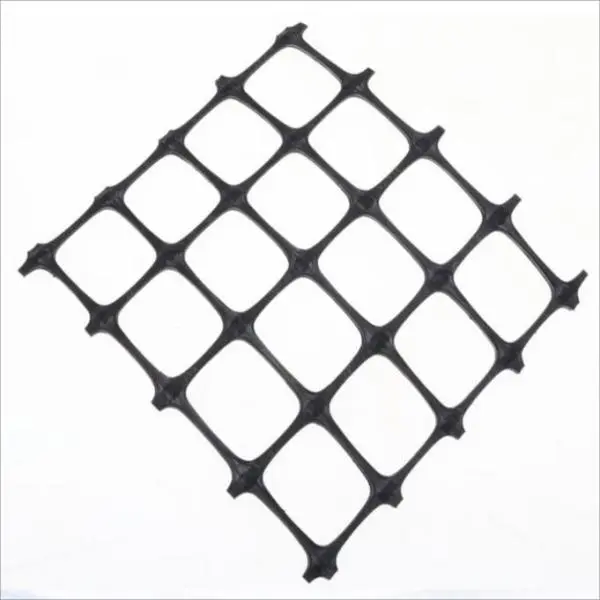
Polymer grids designed for base stabilization, helping distribute loads evenly over soft subgrades.
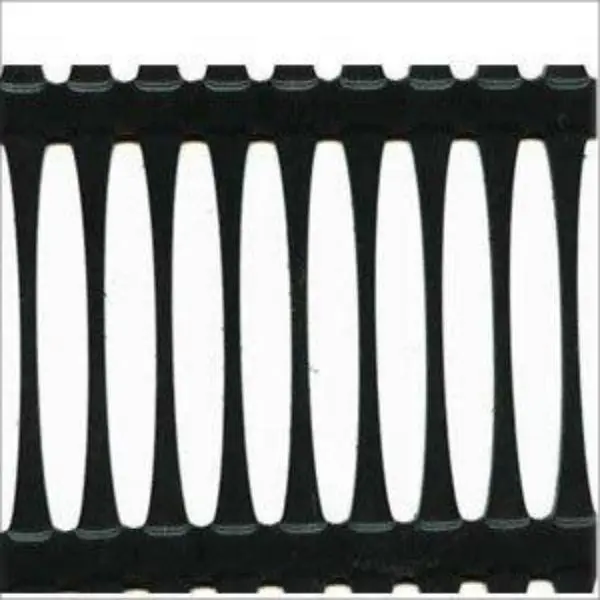
High-tensile reinforcement systems engineered for retaining walls and steep slope stabilization.
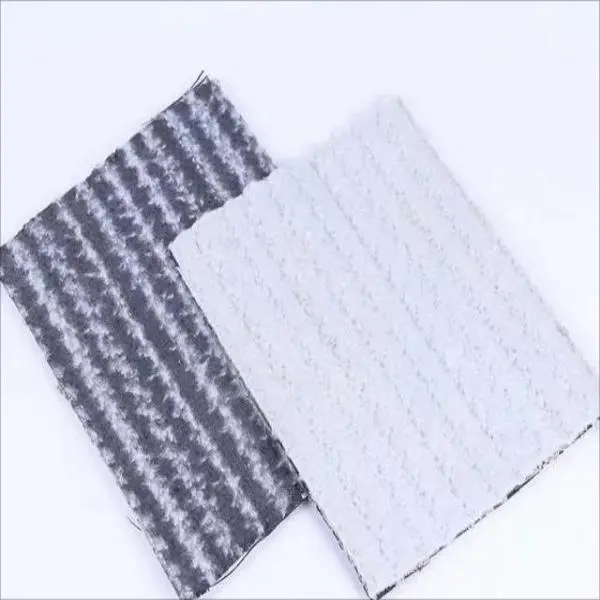
A flexible, concrete-impregnated fabric that hardens upon hydration, providing rapid, durable slope protection.
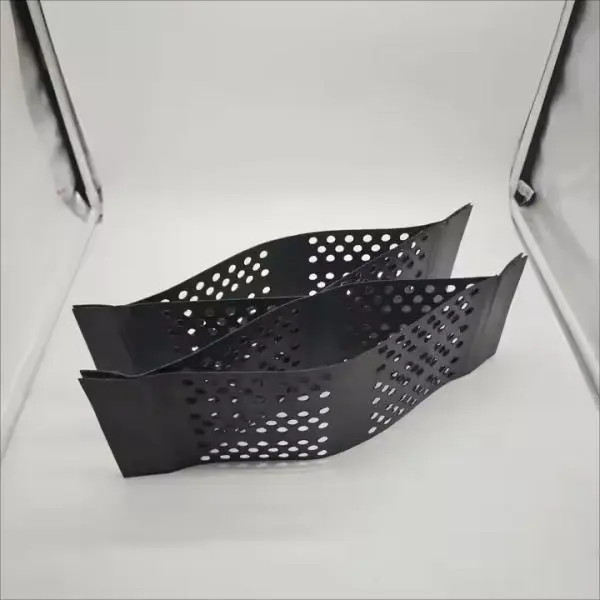
Flexible 3D honeycombed cell structures designed to confine fill materials and prevent erosion on steep slopes.
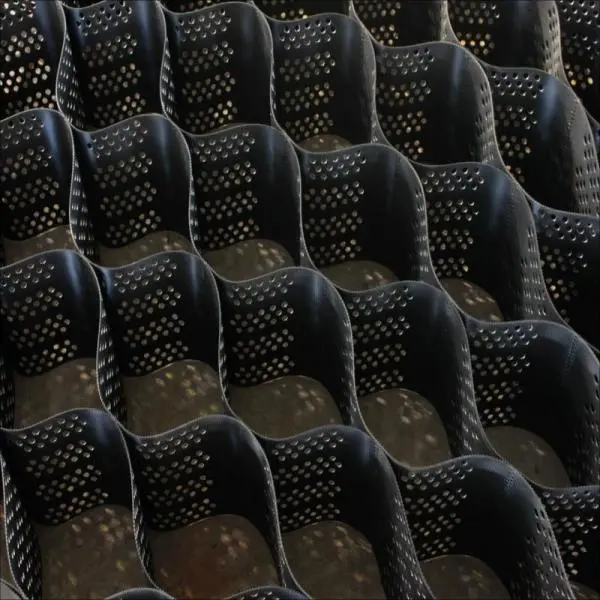
High-density polyethylene geocells offering high seam strength for demanding load-support applications.
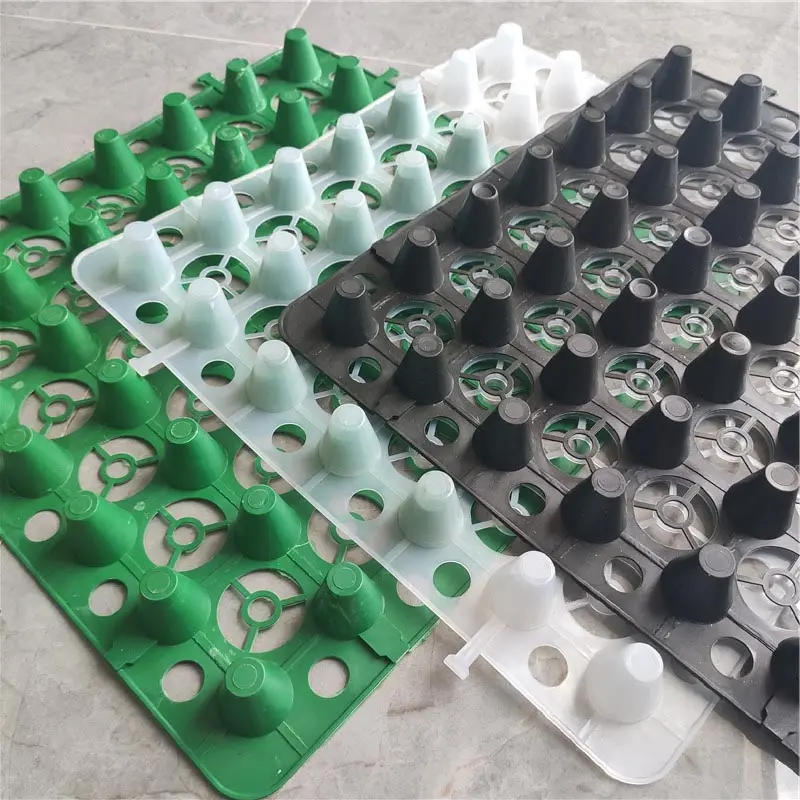
Dimpled plastic sheets designed to drain excess water and protect structural roofs in underground garages.
Shandong Hongyue Environmental Engineering Co., Ltd. provides certified, high-strength geosynthetic materials to clients worldwide. Contact our engineering and sales teams to request samples, technical specifications, and custom quotes for your project.
Connect with our Technical Engineers Hongyue