High-performance ground covers engineered to optimize moisture retention and eliminate aggressive weed growth under humid tropical climates.
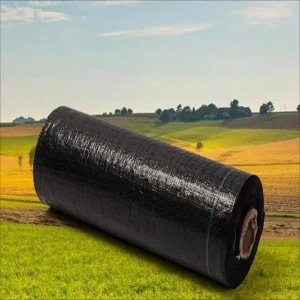
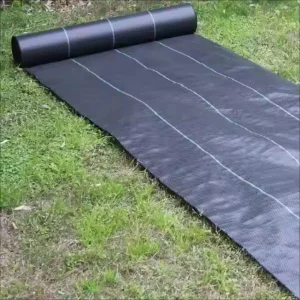
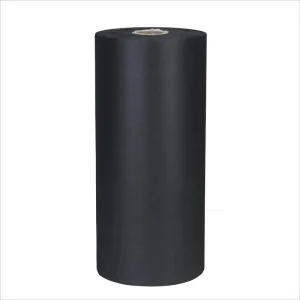
Bangladesh, positioned in the fertile deltaic plain of South Asia, is one of the world's most dynamic agricultural and aquaculture epicenters. With a humid subtropical monsoon climate, the region experiences high precipitation, rising humidity levels, and intense solar radiation. These conditions accelerate agricultural weed proliferation, which directly competes with staple food crops, export-grade tea (specifically in Sylhet), and high-yield floriculture for vital soil nutrients and moisture.
In response to rising labor costs and the environmental degradation associated with chemical herbicides, commercial cultivators across Dhaka, Chittagong, and Rajshahi are shifting toward modern agronomic solutions. Weed control cloth (also known as landscape fabric, ground cover, or grass-proof cloth) has emerged as a crucial component for modern weed suppression. Beyond agriculture, the rapid expansion of industrial zones, highway networks, and aquaculture projects (shrimp and fish farming in Khulna and Cox's Bazar) requires heavy-duty geotextiles and geomembranes to ensure structural stability and soil barrier performance.
Information Gain Metric: Traditional weeding in Bangladesh consumes up to 35% of total seasonal production costs. Integrating UV-stabilized woven polypropylene or polyethylene ground cover reduces manual labor dependency by 90% and decreases crop irrigation loss by preventing unnecessary ground evaporation.
The application of geosynthetic ground covers is heavily segmented according to Bangladesh’s unique geographical challenges:
Choosing the correct ground cover material is critical for long-term project viability in high-temperature markets like Bangladesh. Standard grade landscape fabrics quickly degrade under South Asia's intense UV index (which frequently peaks above 11+ in summer months). Successful procurement requires specifying the raw material composition and stabilizing additives.
Polyethylene weed control cloth offers superior elasticity, lower weight, and excellent resistance to low temperatures, making it highly flexible. Polypropylene (PP) offers higher mechanical tensile strength and superior puncture resistance. PP woven fabrics are highly recommended for high-traffic zones or rocky soil conditions, such as the northern hill regions of Bangladesh. Both materials must be extruded with specialized carbon black formulations or Hindered Amine Light Stabilizers (HALS) to counteract photochemical degradation.
Proper water permeability prevents pooling, root rot, and soil anaerobic conditions. For agricultural applications, the water permeability index should ideally remain between 5 and 15 liters per square meter per second (L/m²/s). Non-woven fabrics, created through needlepunch processes, offer high filtration properties and are highly suited for sub-surface separation and filtration, whereas woven fabrics excel in direct weed block and path traction.
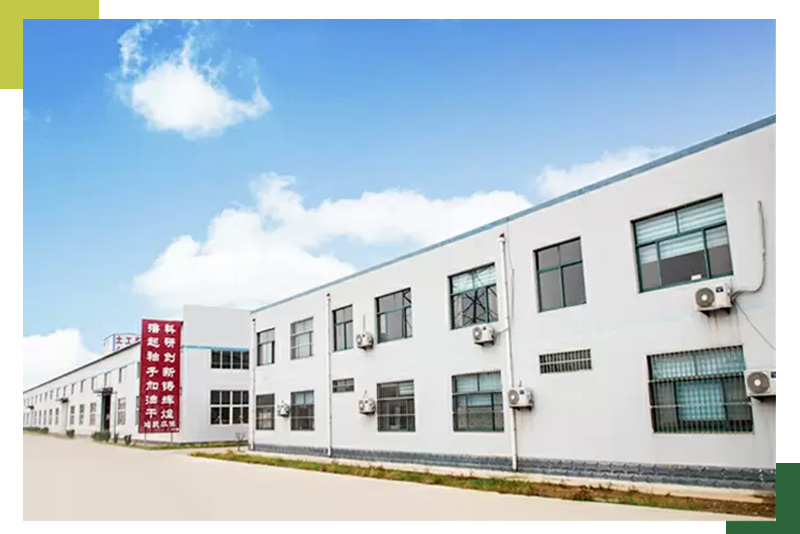
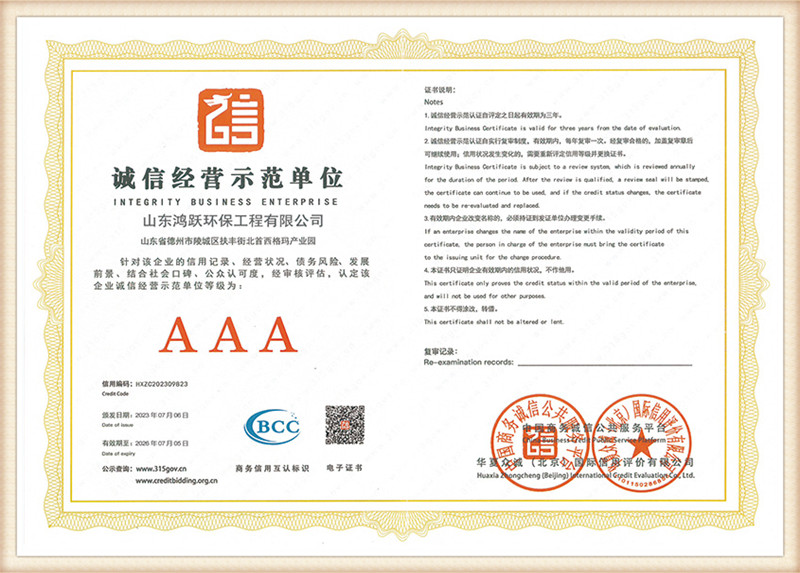
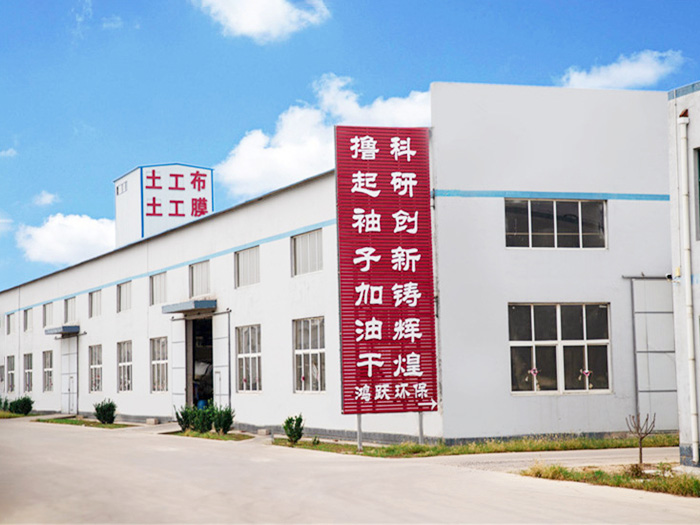
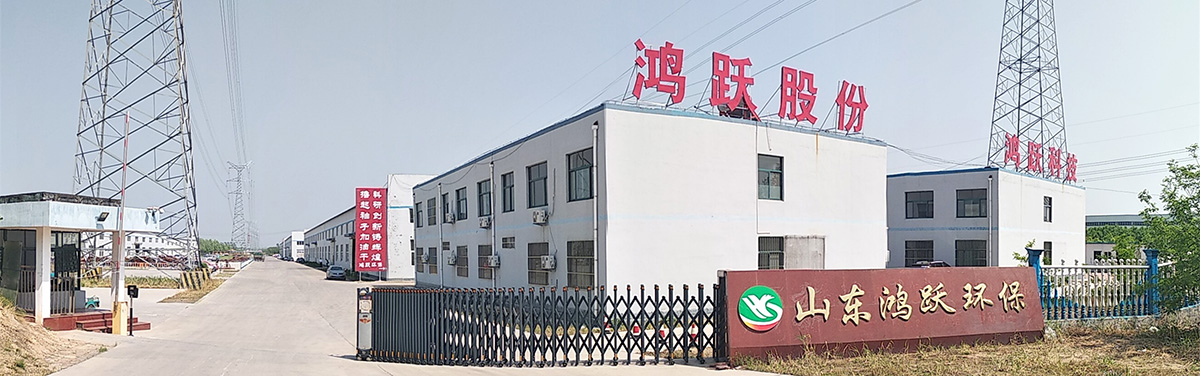
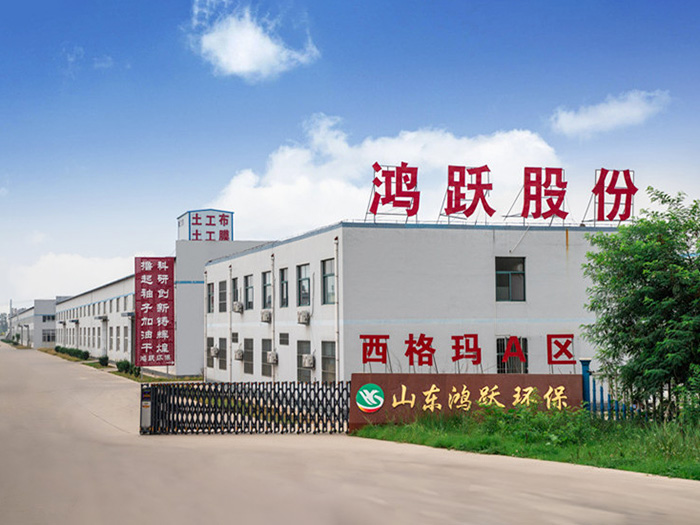
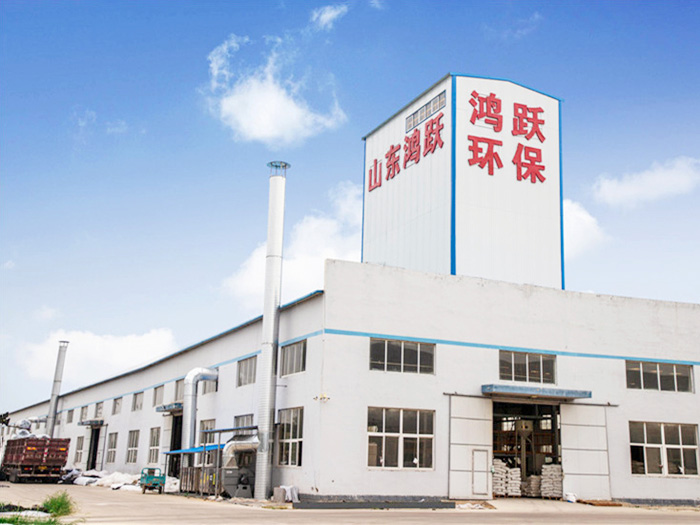
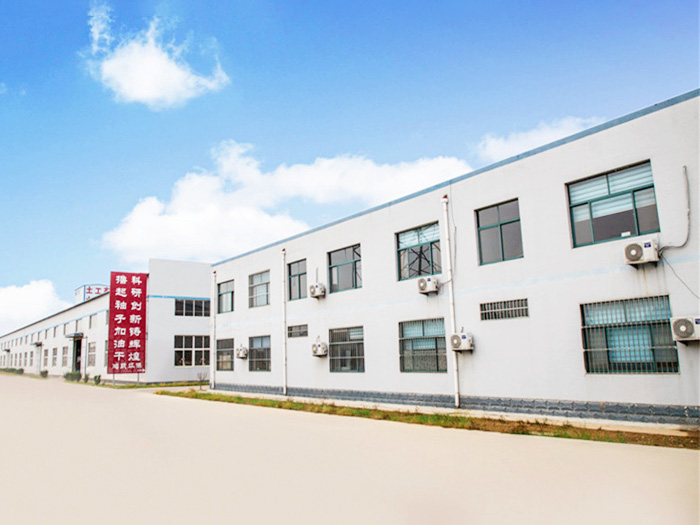
Our manufacturing protocols at Shandong Hongyue Environmental Engineering Co., Ltd. (located in Dezhou, Shandong Province) are built on rigorous quality standards. Operating with a registered capital of 105 million yuan, our facility is equipped with automated melt extrusion lines and quality inspection technology to guarantee high batch-to-batch consistency for all exported products.
High-grade virgin polyester chips or polypropylene polymers are combined with UV inhibitors and thermal stabilizers. This guarantees resistance to premature structural breakdown in subtropical deployment zones.
The raw compound is melted under strictly regulated pressure variables and extruded into high-strength filaments. This process determines the basic tensile limits and density ratings.
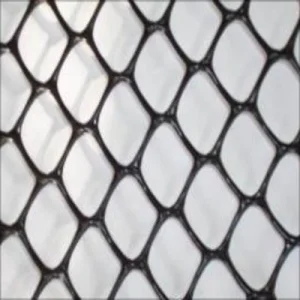
Filaments are woven on high-speed circular looms to create a stable grid, preventing fiber shifting and ensuring uniform thickness, water permeability, and mechanical integrity.
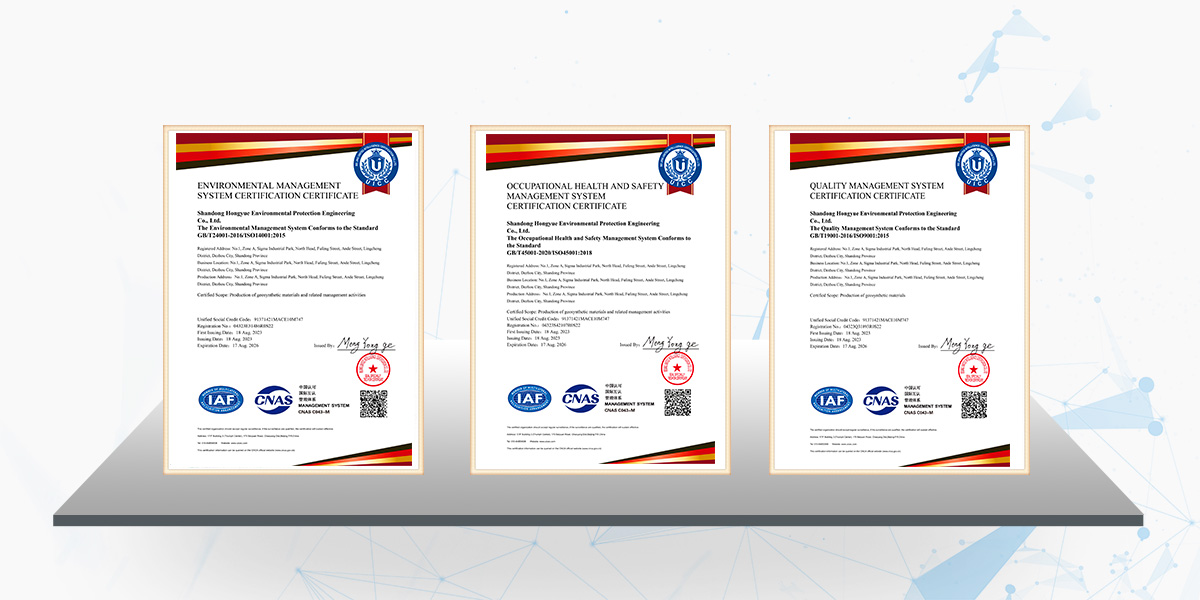
Geotextile and Geomembrane Testing Protocols: Every production batch undergoes comprehensive quality testing in our in-house lab, certified to ISO 9001 and ISO 14000. We measure tensile strength, puncture resistance, tear propagation, and hydraulic flow capacity. Our materials are verified by the China National Testing Center, ensuring they meet or exceed international civil engineering and agricultural standards.
Our close proximity to key northern transport networks allows us to offer efficient logistics and short lead times from our Shandong facility to major ports, facilitating streamlined shipping to Chittagong and Mongla ports in Bangladesh.
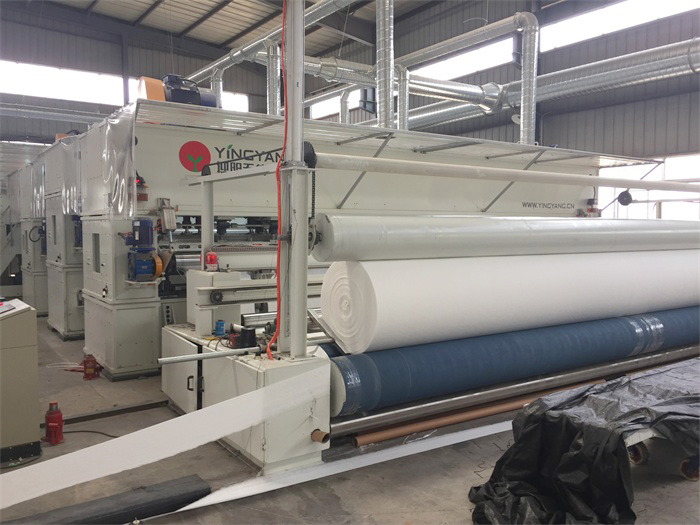
Verified imagery illustrating our production capacity, material warehouses, and testing laboratories.
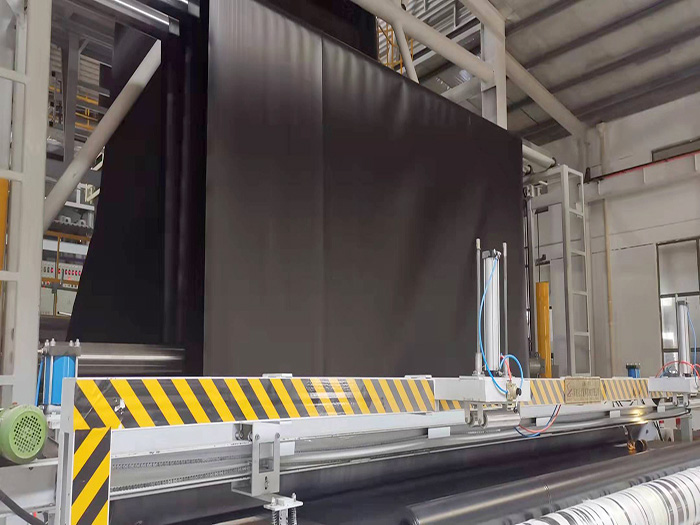
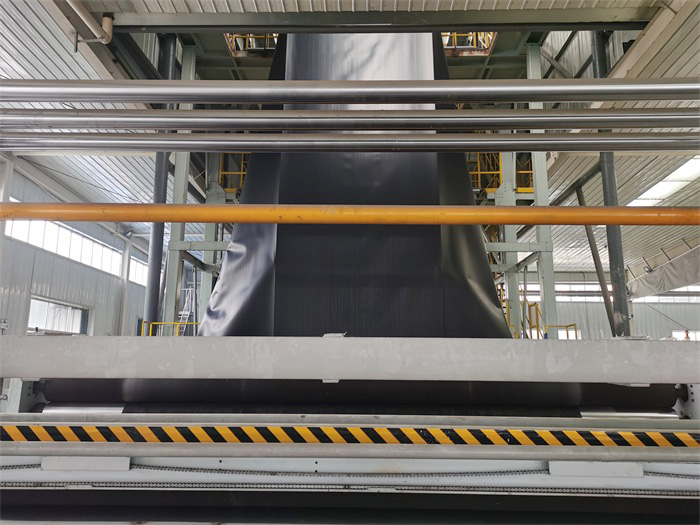
To maximize the operational life of agricultural ground covers and municipal geomembranes in Bangladesh's weather, engineering teams must adhere to a standardized installation workflow:
The ground surface must be cleared of all sharp vegetation, large stones, and organic debris. Subgrades must be compacted to prevent localized settlement. For drainage projects, verify the slope grading before laying the fabric.
When installing weed control cloth, a minimum overlap of 15 to 20 cm is recommended. For high-wind agricultural regions, increase overlap to 30 cm and anchor the edges using steel U-pins every 1 to 1.5 meters. In aquatic applications, geomembrane panels must be joined using specialized wedge welding machines to ensure watertight integrity.
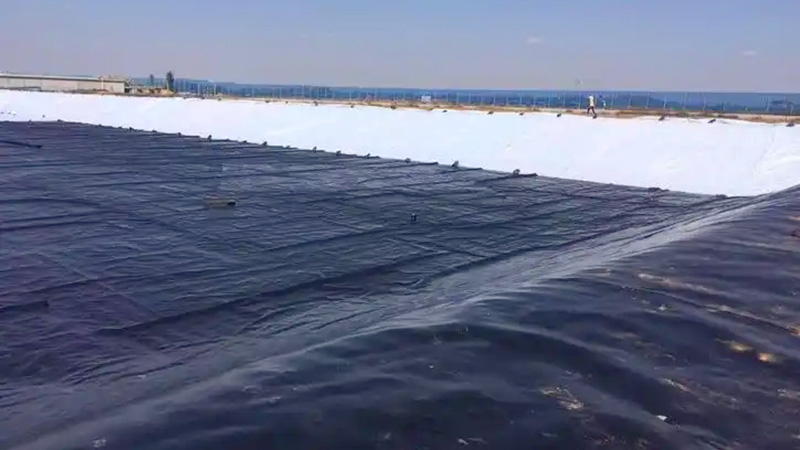
Accumulated sediment on the surface of the weed control cloth should be cleared periodically to prevent windborne weeds from germinating on top of the fabric. Promptly repair any accidental tears or damage using patches of matching fabric and industrial-grade adhesive tapes.
Highly durable structural layers designed for drainage, soil stability, and civil engineering projects across Bangladesh.
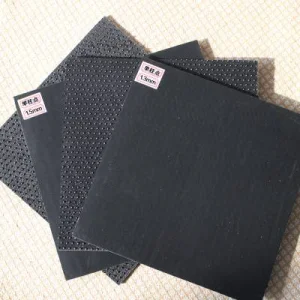
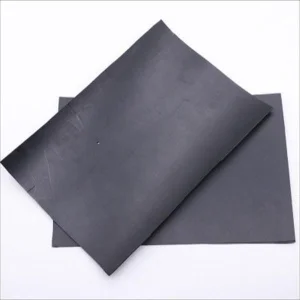
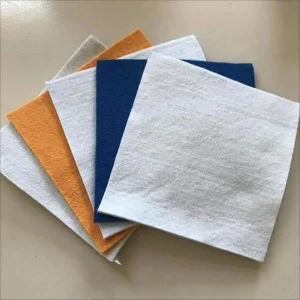
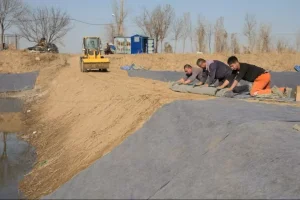
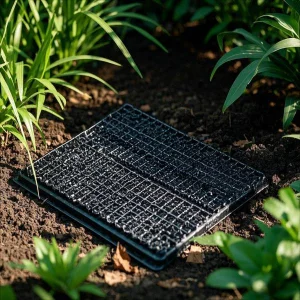
High-performance geosynthetic materials engineered to meet structural standards in demanding South Asian projects.
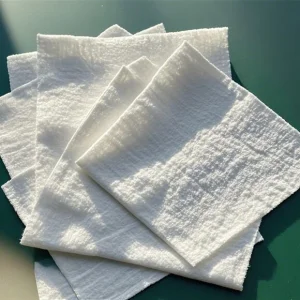
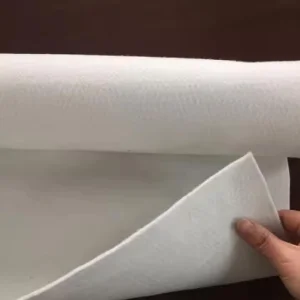
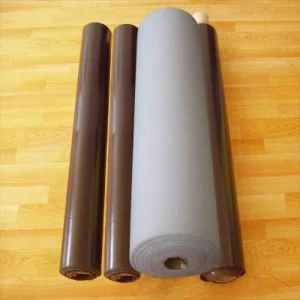
Technical support, commercial quotes, and shipping details for industrial B2B sourcing agents.
Our UV-stabilized agricultural weed control cloth is engineered to withstand high UV environments. For standard 100g/m² woven PP fabric with 2% UV stabilizer, the service life ranges from 3 to 5 years under direct tropical sun exposure, and longer if covered by mulch or soil.
Our standard MOQ for wholesale custom rolls is 5,000 square meters. Lead time for manufacturing is typically 10 to 15 days from deposit confirmation, followed by approximately 12 to 18 days transit time to Chittagong Port via direct ocean freight.
B2B quotations are calculated based on raw polymer market indices, weight per square meter (g/m²), UV stabilization package requirements, and total volume. Please contact us with your specifications to receive an accurate FOB or CIF quote.
For tea plantations, we recommend a medium-weight woven polypropylene cloth of 90g/m² to 110g/m². This density balances durability on slopes with sufficient air and water permeability to support root systems.
Yes. Shandong Hongyue filament and staple-fiber geotextiles are certified under ISO 9001 and have passed testing by the China National Testing Center, meeting international engineering standards for tensile strength, elongation, and permeability.
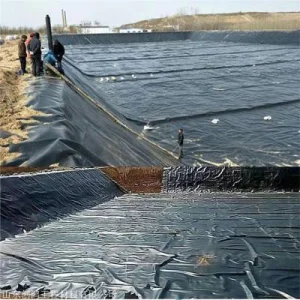
For shrimp and fish ponds in Khulna, a thickness of 0.75mm to 1.0mm is standard. For heavier industrial containment, a 1.5mm to 2.0mm thickness is typically specified to resist mechanical punctures and soil shifts.
Yes, we customize roll widths from 1m to 6m, and roll lengths from 50m up to 500m to match the grid layouts of your farming or civil engineering projects.
Yes, our high-density woven polypropylene fabrics (120g/m² and above) are engineered to withstand light agricultural vehicle traffic, wheelbarrows, and heavy foot traffic without tearing.
 Hongyue