High-durability geotextiles and weed barriers optimized for the strict ecological standards and freezing thaws of the Finnish landscape.
Finland's agricultural, horticultural, and forestry sectors operate under some of the most challenging environmental conditions in the world. The combination of short, intense growing seasons and severe, prolonged winter freeze-thaw cycles demands specialized infrastructure materials. Standard commercial grade ground covers fail rapidly under the harsh conditions of Northern Europe, highlighting the need for specialized suppliers who understand localized technical requirements.
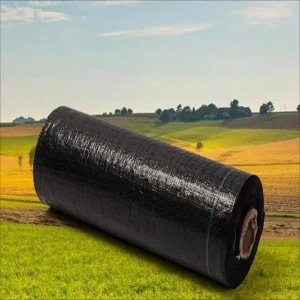
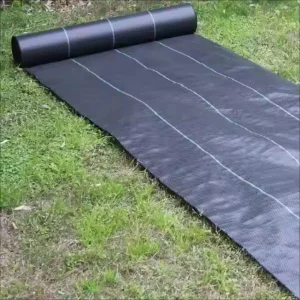
Organic Berry Cultivation and Herbicide Reductions: With the European Union pushing for radical reductions in chemical herbicide usage through the EU Green Deal and "Farm to Fork" strategy, Finnish berry growers (focusing on strawberries, blueberries, and cloudberries) are increasingly utilizing physical weed barriers. High-density, UV-treated polyethylene (PE) and polypropylene (PP) woven ground covers are the primary defense against persistent invasive weeds, eliminating chemical runoffs while preserving delicate sub-soil microbiomes.
Frost Heave Mitigation & Soil Hydration Management: During the spring snowmelt, soil structures undergo massive hydraulic shifts. An optimized weed control cloth must demonstrate balanced water permeability while retaining soil cohesion. Our proprietary needle-punched non-woven membranes and high-strength woven fabrics prevent topsoil erosion, allow natural rainwater filtration, and mitigate frost heaving—a major threat to perennial root systems across Espoo, Tampere, and Oulu regions.
Global procurement managers handling civil engineering projects, municipal landscaping, and large-scale farming in Finland require strict quality verification and compliance documentation. From tensile strength (measured according to EN ISO 10319) to water flow rates (EN ISO 11058), every roll of ground protection fabric must stand up to rigorous regulatory inspection.
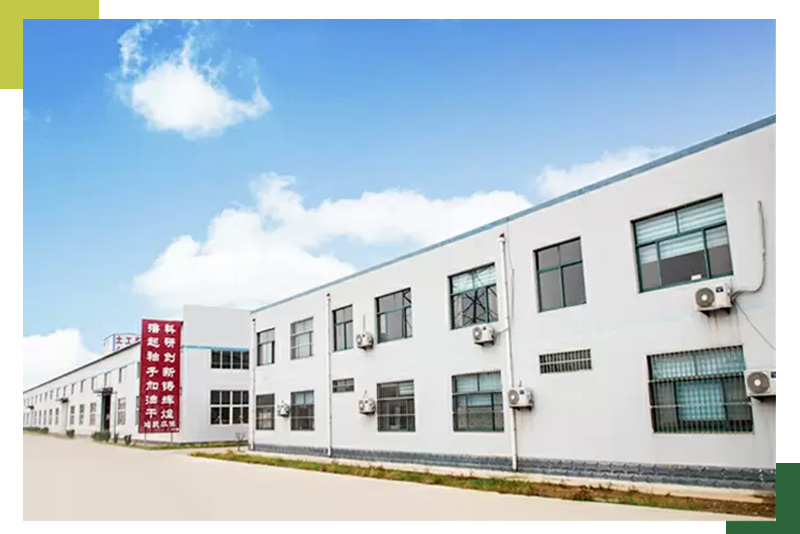
A premier Chinese technological geotechnical material manufacturer serving global infrastructure projects since 2023.
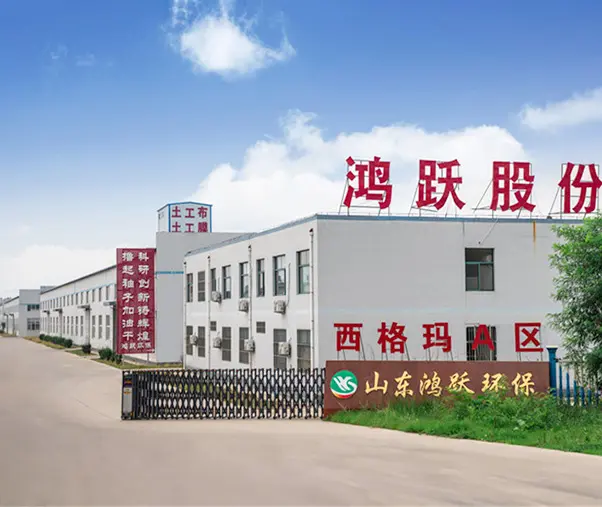
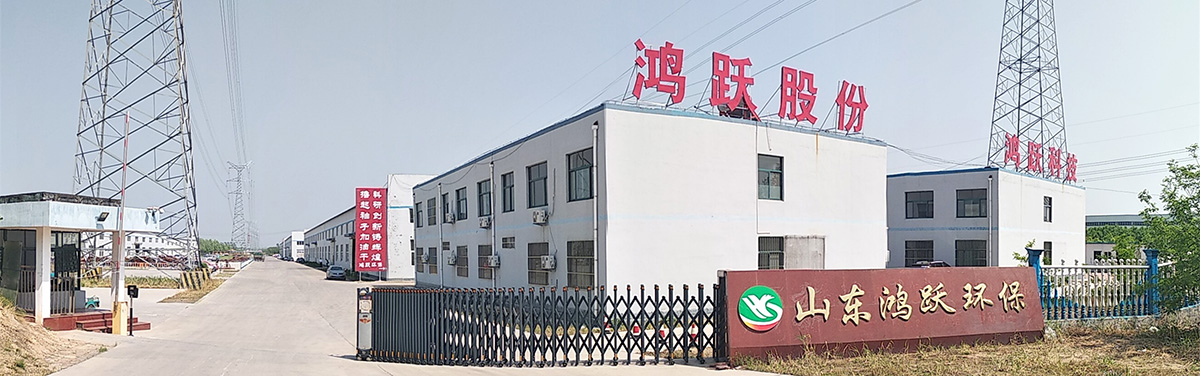
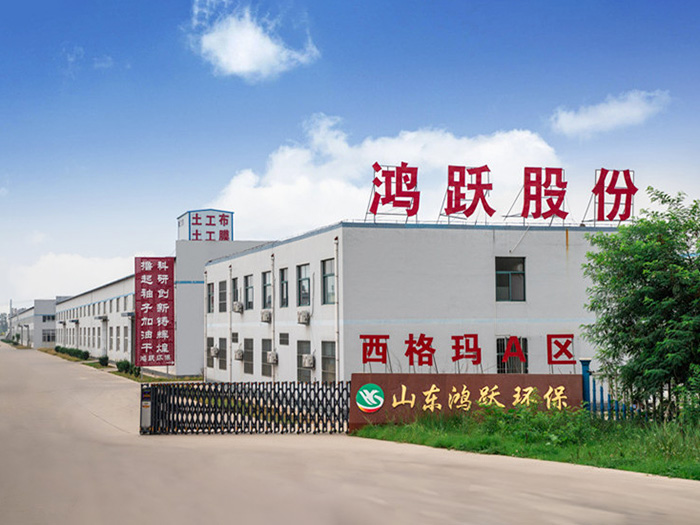
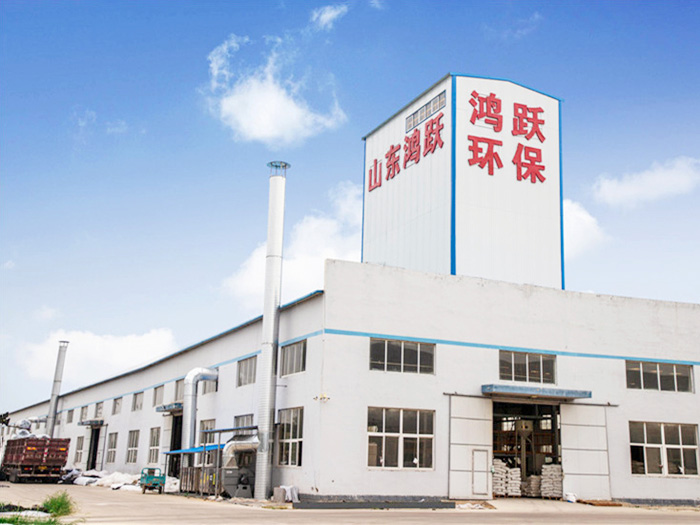
Located at the north end of Fufeng Street, Lingcheng District, Dezhou, Shandong Province, Shandong Hongyue Environmental Engineering Co., Ltd. is a leading scientific and technological geotechnical material manufacturer integrating engineering material production, sales, design, and professional construction services. The company was registered in the Lingcheng District Market Supervision and Administration Bureau of Dezhou City on April 6, 2023, with a registered capital of 105 million Yuan. It stands as one of the largest production bases of geotechnical materials in China, benefiting from a superior geographical location and highly integrated transport networks linked directly to major container ports.
Since the establishment of the company, we have expanded rapidly, catering to municipal, agricultural, and civil engineering clients across Europe, the Americas, Australia, and East Asia. Our product spectrum covers high-grade geotextiles, geomembranes, composite geomembranes, waterproofing boards, bentonite waterproof blankets, 3D composite drainage nets, geocells, concrete blankets, and specialized plastic blind ditches.
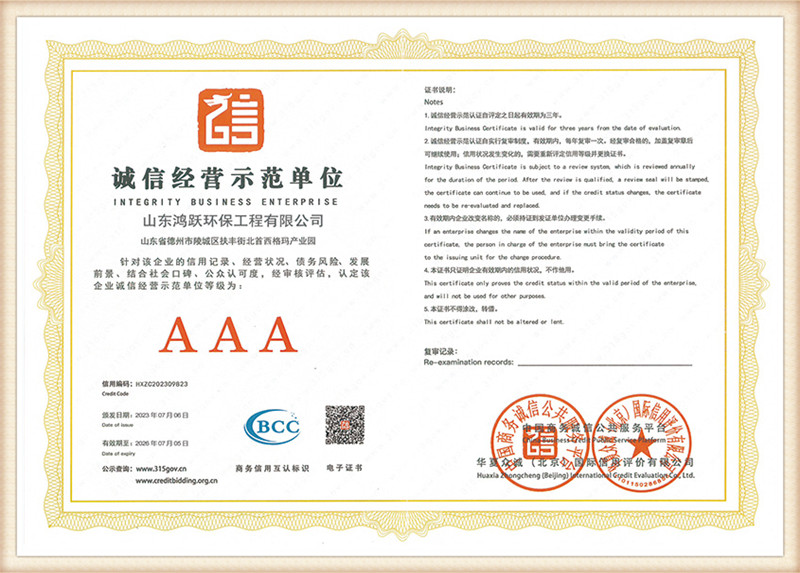
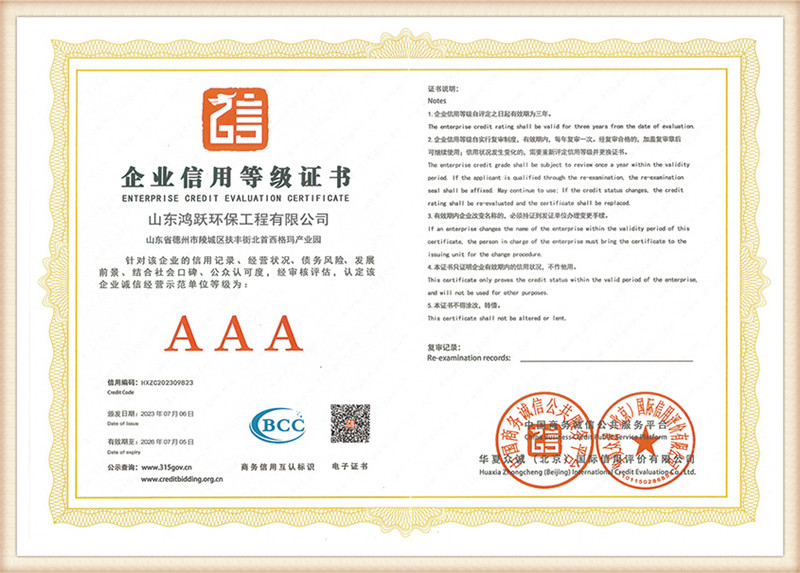
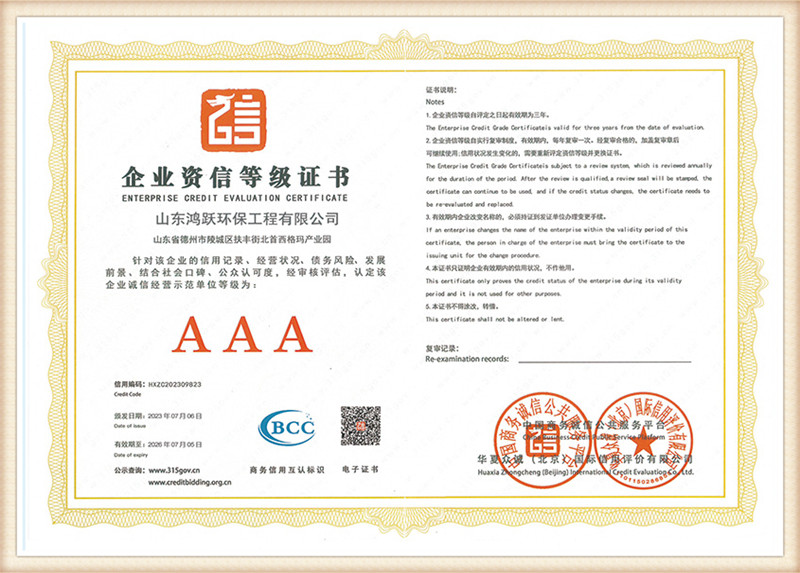
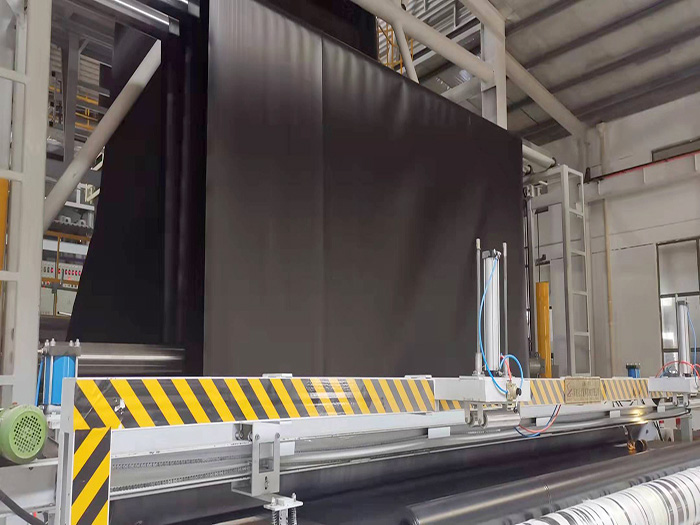
Undergoing rigorous testing and manufacturing utilizing cutting-edge German-engineered extruder components.
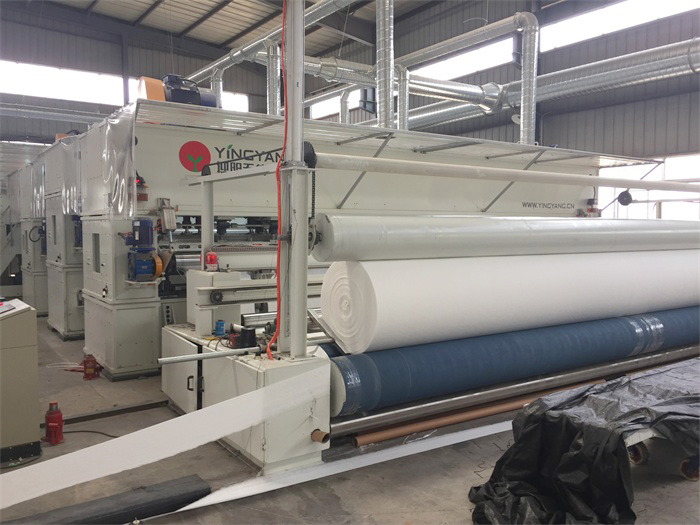
Equipped with high-speed wide-width loom systems, ensuring high uniform mass density and consistent dimensional stability across wide rolls.
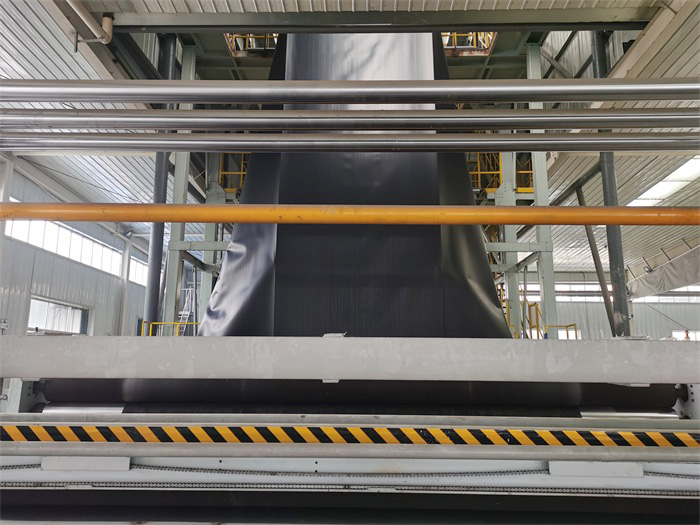
We process virgin LLDPE, HDPE, and polypropylene resins from state-level chemical suppliers to prevent pre-mature material brittleness.
Double-layer UV-stabilized shrink wrap protection ensures that materials arrive at the job site dry and completely undamaged.
An inside look at our advanced physical-mechanical engineering process to craft high-durability non-woven fabrics.
The primary raw materials used are polyester chips, polypropylene filament, and viscose fiber. All batches undergo strict molecular weight testing to ensure uniform fiber drawability.
Virgin chips are melted at high temperatures and extruded through spinnerets to form extremely fine filament strands which are instantly cooled and stretched to maximize molecular chain orientation.
The continuous filaments are laid down in a randomized multi-directional pattern on a conveyor belt, forming a uniform web structure with balanced transverse and longitudinal tensile properties.
Thousands of structured barbed needles punch through the fiber web, interlocking the filaments together. Then thermal calendars fuse contact points for high mechanical durability.
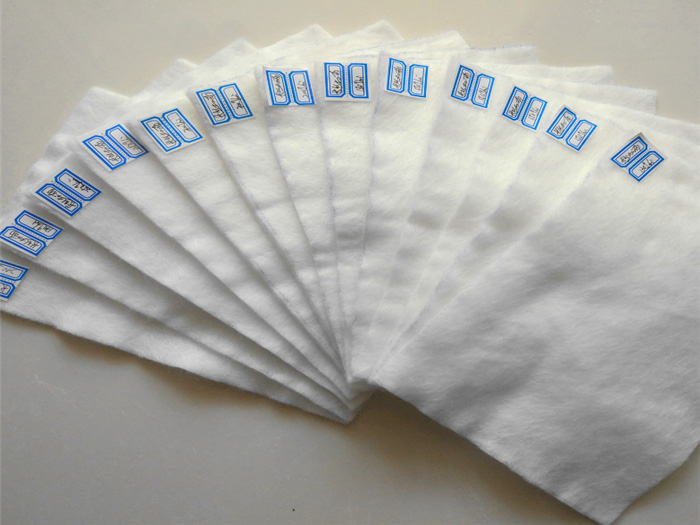
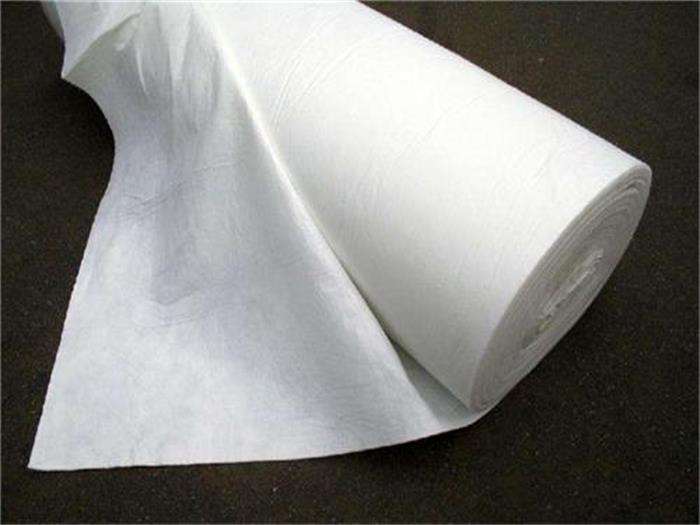
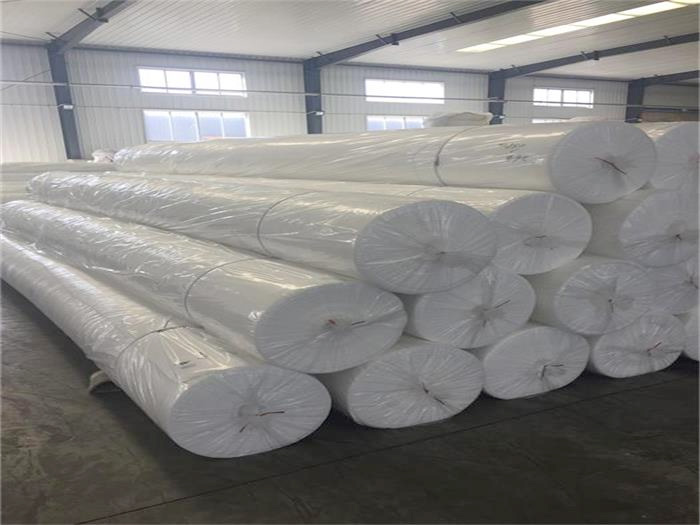
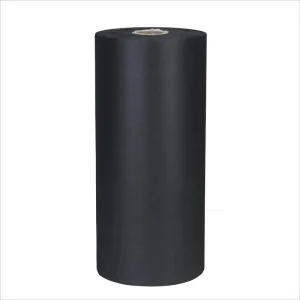
Finished geotextiles are measured, precision slit to customer specified widths (up to 6 meters), and wound onto heavy-duty cardboard cores with protective barcode tags.
Laboratory technicians extract random cross-sectional cuts from each roll to perform puncture testing, hydraulic permittivity evaluation, and thickness uniformity profiling.
Effective seepage prevention and barrier construction require rigorous planning and precise thermal welding methods.
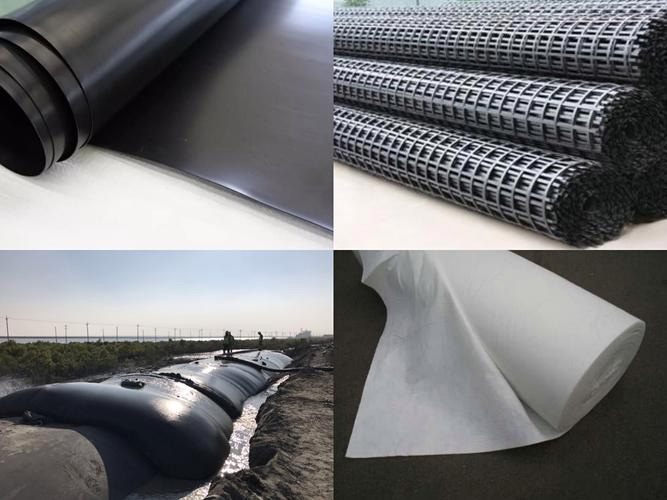
Choosing the correct geomembrane thickness and polymer composition is critical. For sub-zero Nordic environments, linear low-density polyethylene (LLDPE) or customized high-density polyethylene (HDPE) with exceptional Low-Temperature Brittleness limits (per ASTM D746) must be selected to withstand winter contractions.
Proper subgrade preparation is essential. The ground must be cleared of sharp aggregate. We advise installing a cushion layer of 100% polyester non-woven geotextile beneath the geomembrane to shield the barrier from puncture caused by frost-heaving rock displacement.
Field welds must be executed using double-track hot wedge welding equipment to form a continuous seal. In low-temperature regions, weld temperature profiles must be adjusted dynamically, and pressure-tested continuously to assure seam longevity.
Our commitment to E-E-A-T: Proven certifications and verified performance metrics.
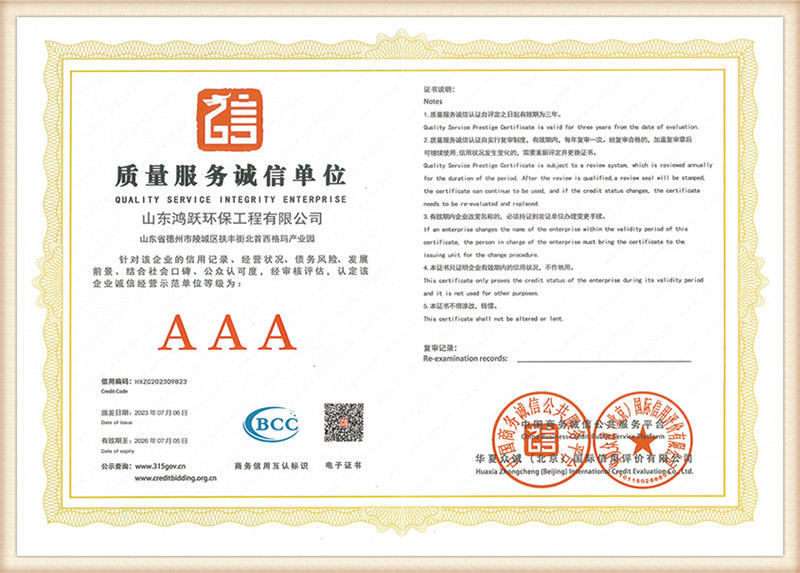
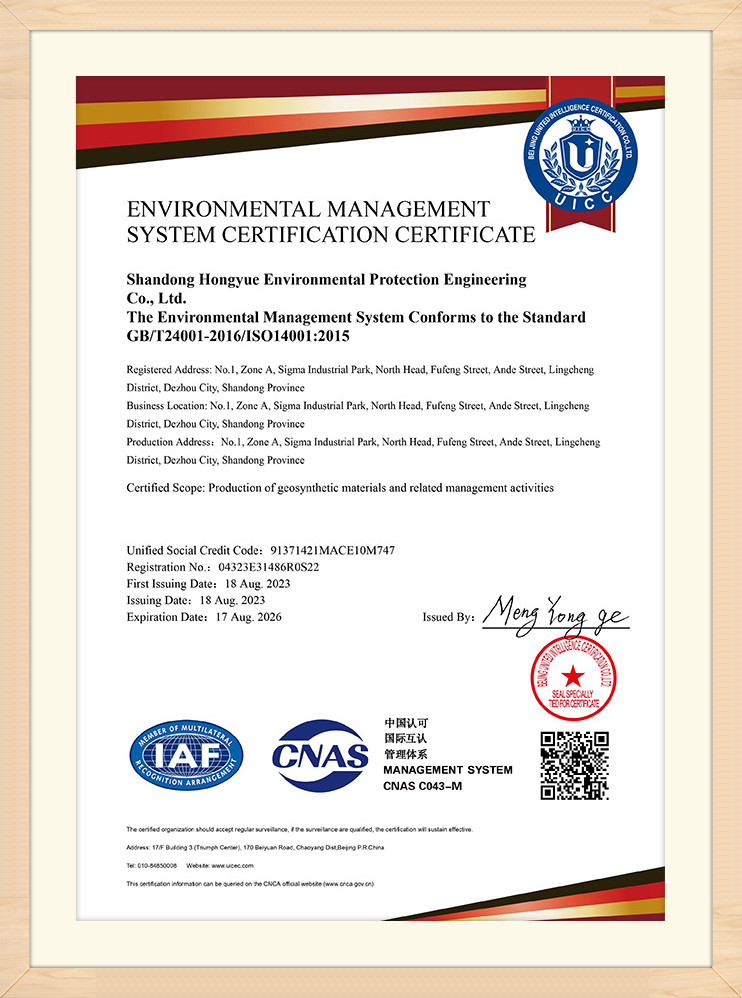
Shandong Hongyue Environmental Engineering Co., Ltd. has established a complete, scientific management system. We have successfully passed the **ISO9001** international quality system certification, **ISO14001** environmental system certification, and **ISO45001** occupational health and safety management system certification.
Our materials undergo continuous monitoring in our in-house testing labs. Our products always meet or exceed key international standards. They are certified by the China National Testing Center and pass all quality supervision checks with 100% compliance. This rigorous approach makes our products the perfect choice for demanding infrastructure projects in the European Union, including Finland.
From agricultural water containment to municipal works, we provide tailored systems for extreme projects.
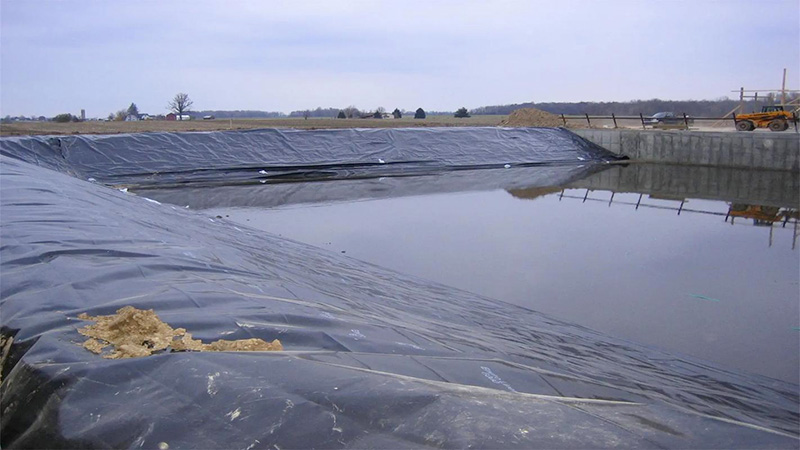
Advanced double-composite geomembranes preventing soil erosion and uncontrolled seepage along vulnerable Finnish riverways.
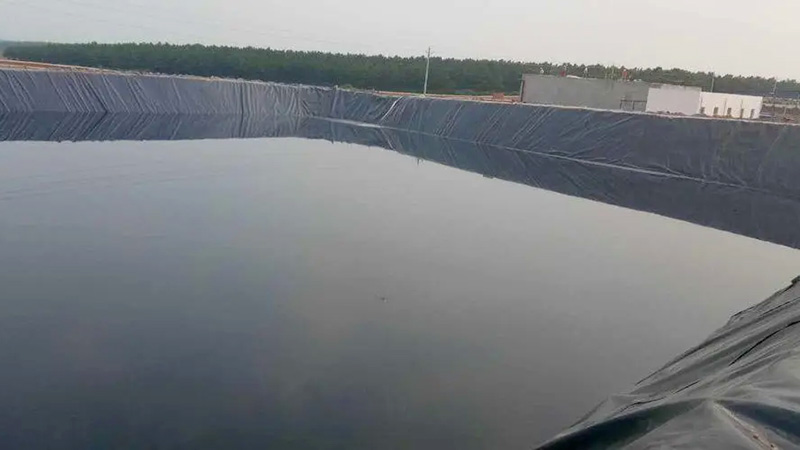
Ultra-low permeability barriers protecting local aquifers from hazardous municipal landfill leachates.
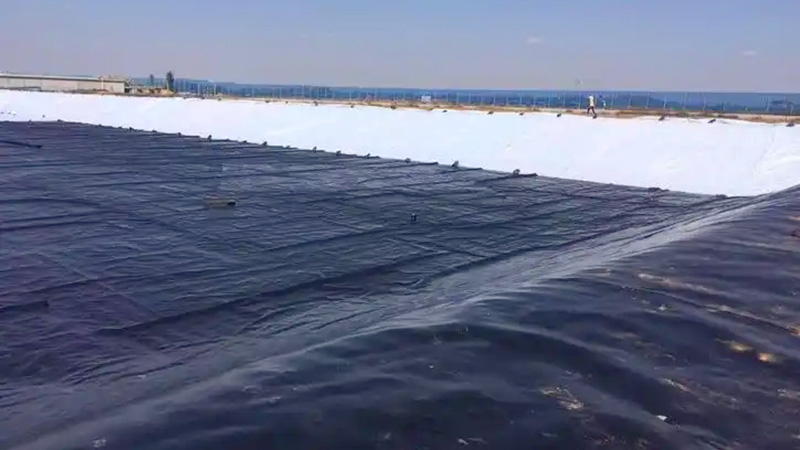
HDPE geomembrane installations under containment tanks providing secondary protection for industrial sites.
Innovative, long-term engineering strategies to address structural challenges in Finland's unique environment.
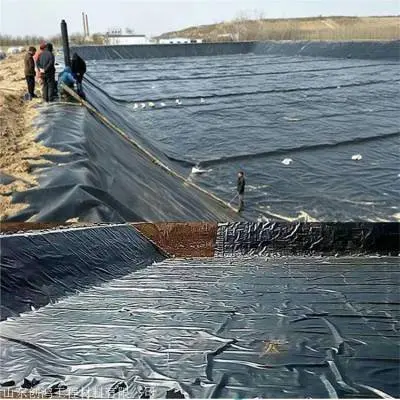
Impervious geomembrane liners prevent uncontrolled water movement in reservoirs, ensuring stable storage throughout the seasonal melt cycles.
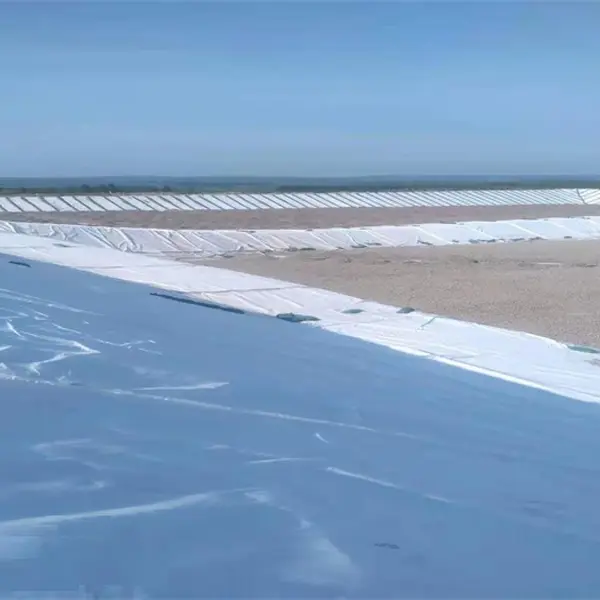
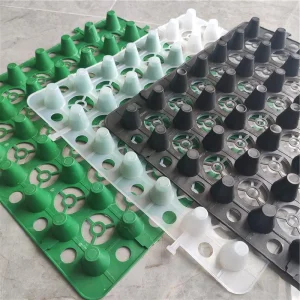
Specially designed composite geosynthetics that direct water flow away from critical infrastructure foundations, protecting against structural instability.
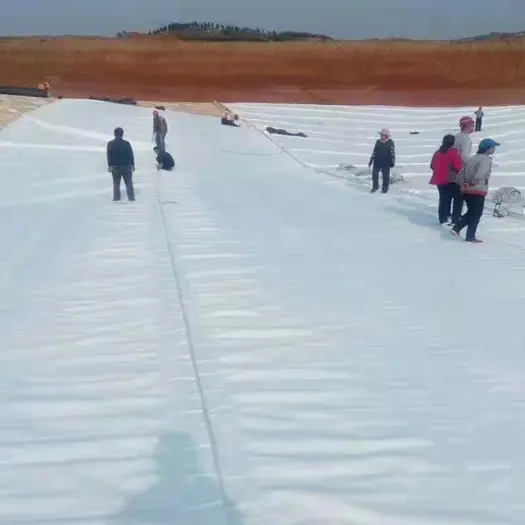
Composite liner systems that create a reliable barrier, safeguarding regional groundwater and soils from industrial contaminants.
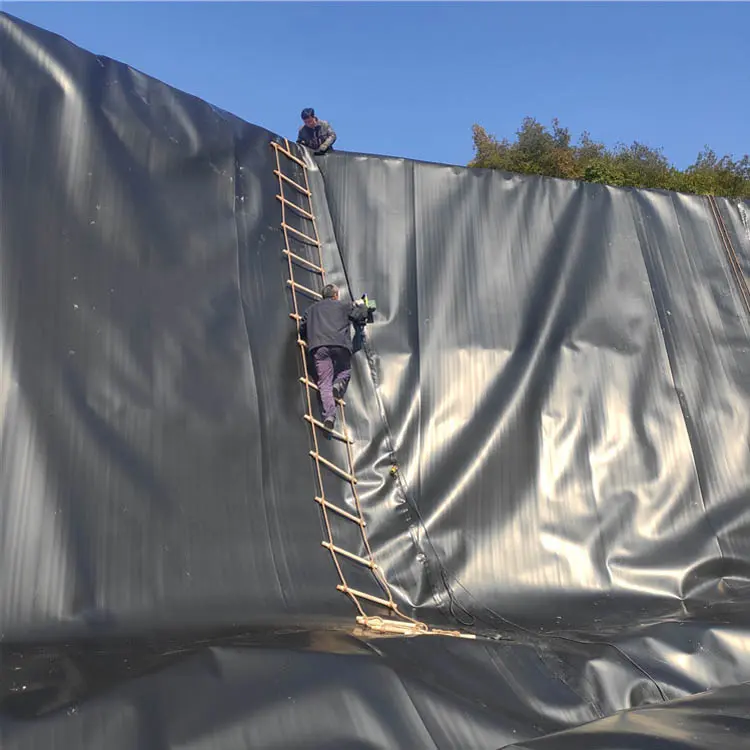
Chemical-resistant HDPE barriers designed for secondary containment systems around fuel tanks and industrial refineries.
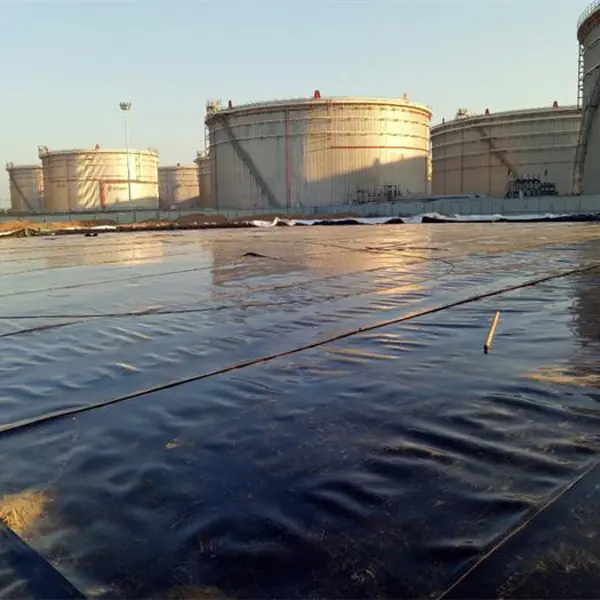
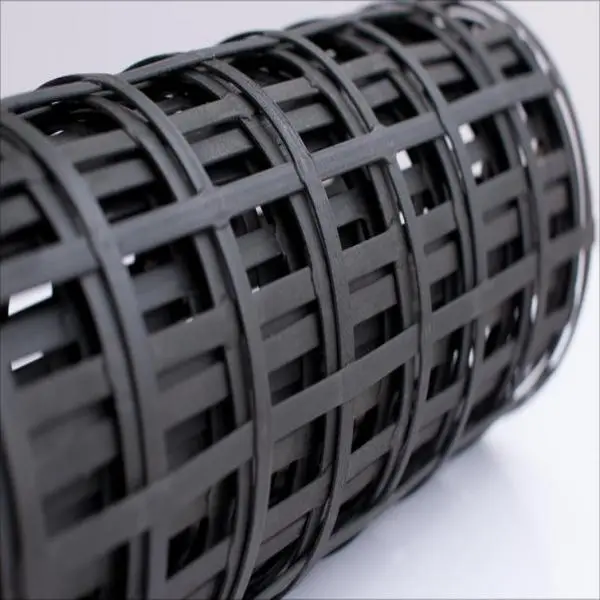
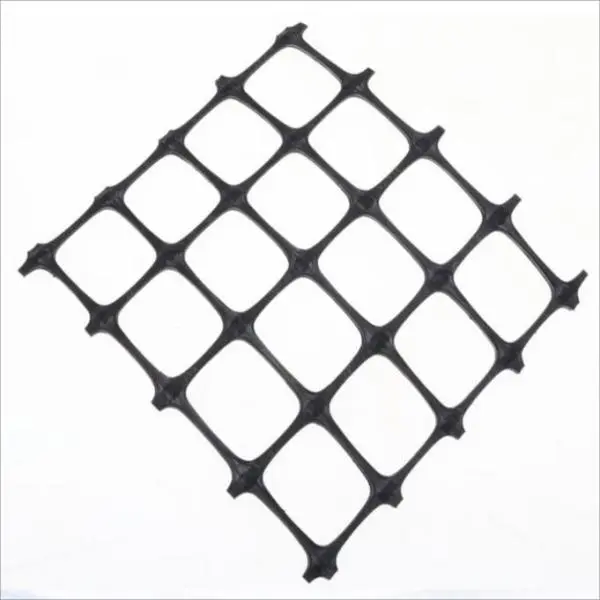
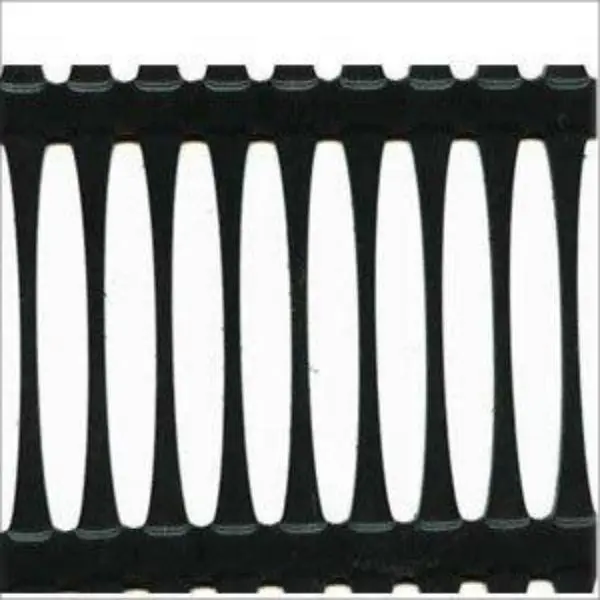
A complete range of high-performance civil materials engineered for extreme climates and challenging landscapes.
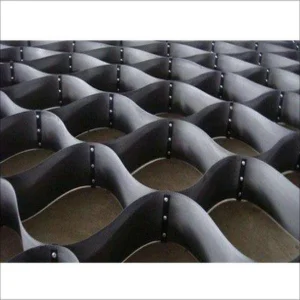
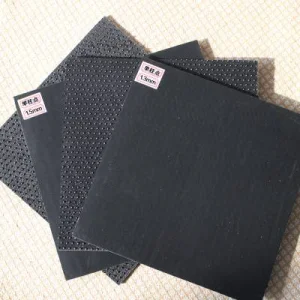
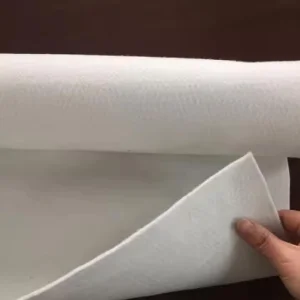
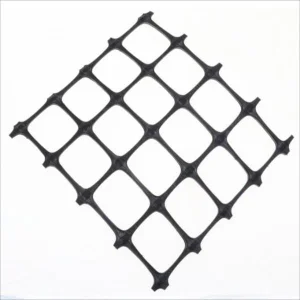
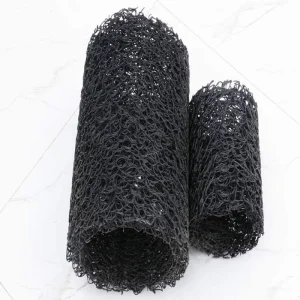
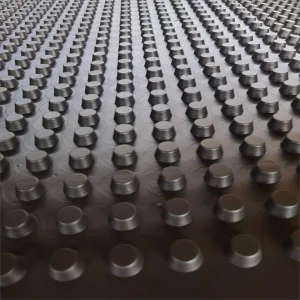
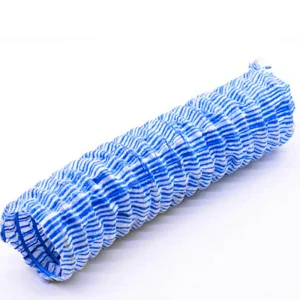
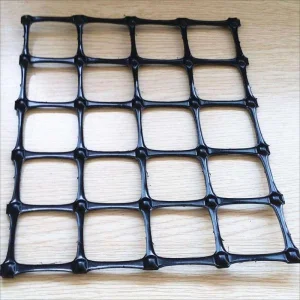
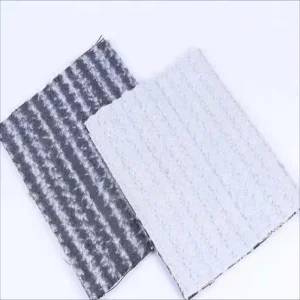
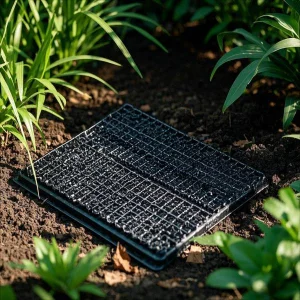
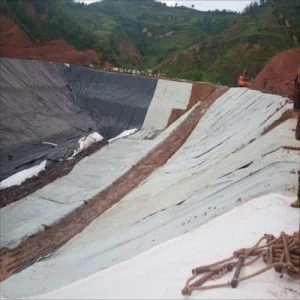
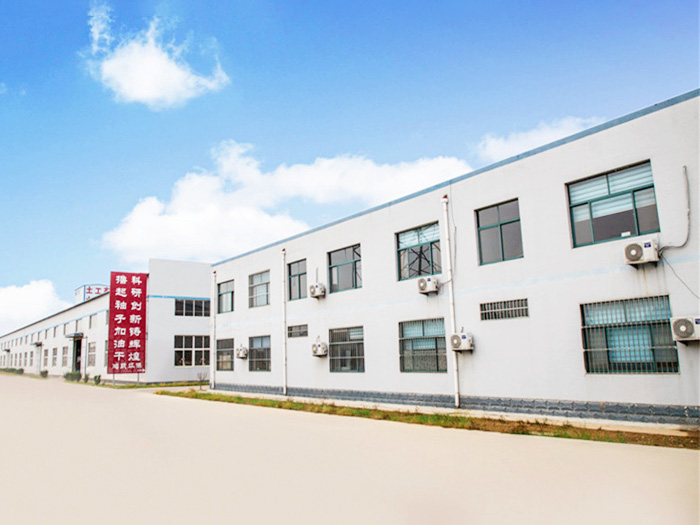
Exhibiting our material production lines, state-of-the-art labs, and logistical yards.
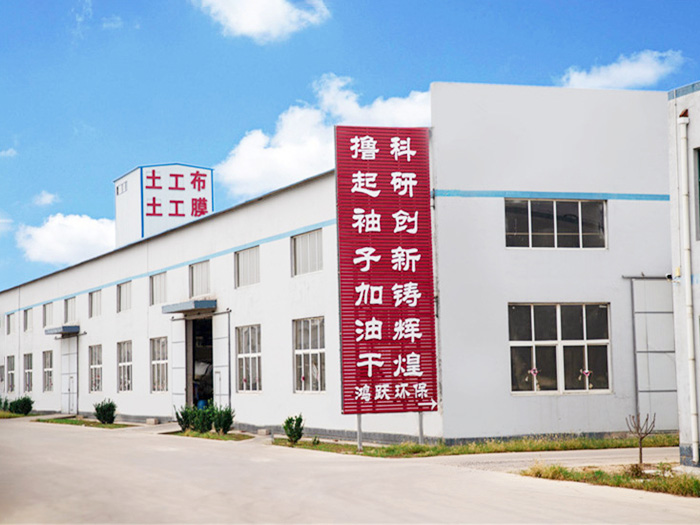
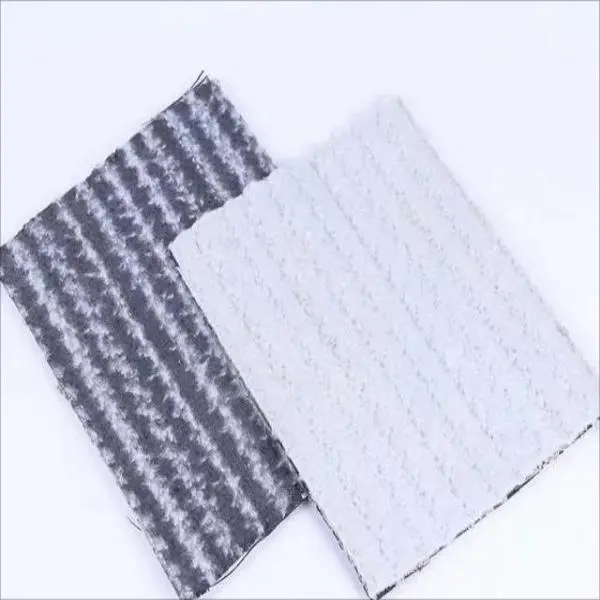
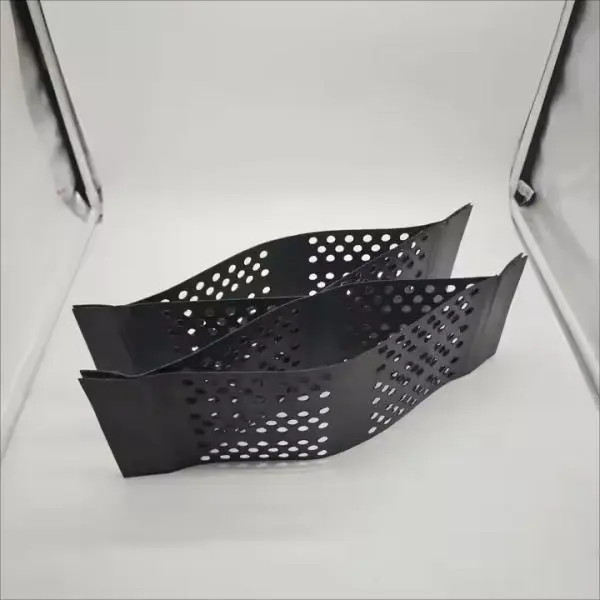
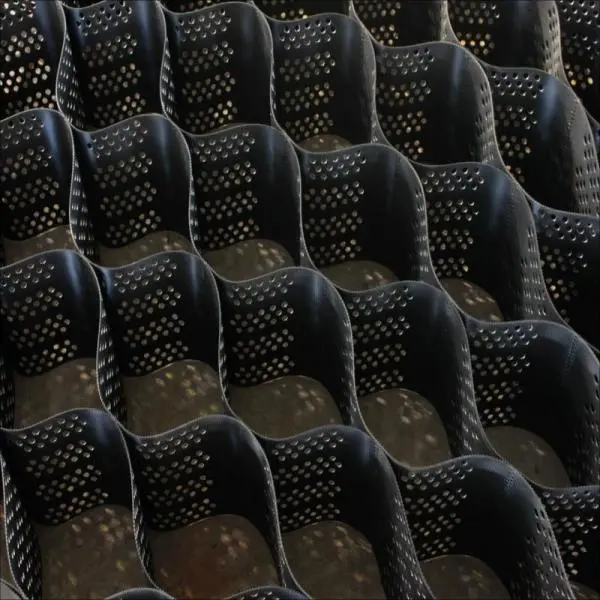
How we are advancing polymer technologies to meet the next generation of Northern European engineering requirements.
We are actively developing plant-fiber co-polymer weed blankets. These materials provide robust weed control for 3-5 years, eventually breaking down into non-toxic biomass to support municipal land restoration projects in Finland.
By combining highly flexible polypropylene with specific elastomers, our R&D team is creating geomembranes that remain flexible down to -45°C. This prevents cracks and failures during severe Nordic winters.
Get technical answers to key questions about sourcing, logistics, and material performance in cold climates.
A: Our premium woven and non-woven weed control cloths are made from virgin PP and PE polymers. They feature high elongation limits and excellent tensile strength (EN ISO 10319), allowing them to absorb soil shifts and frost heaves without tearing during seasonal transitions.
A: Yes. All our agricultural weed control covers are enhanced with Hindered Amine Light Stabilizers (HALS) and carbon black additives. This ensures high UV protection, allowing the fabrics to resist degradation even during long summer days in Finland.
A: Absolutely. Shandong Hongyue is certified under ISO 14001. Our weed control fabrics and geotextiles use chemically inert polymers that do not leach plasticizers or heavy metals, complying with the Finnish Environmental Protection Act.
A: Our factory in Dezhou is located close to major shipping hubs. Once production is complete, containers are shipped via Qingdao Port. Delivery to the Port of Helsinki or Kotka typically takes 35 to 45 days, depending on route availability.
A: Yes. We can produce custom widths from 1m up to 6m, and roll lengths from 50m to 500m. We can also adjust the weight (g/m²) to meet the specific requirements of your agricultural or civil engineering project.
A: Our manufacturing processes are fully certified under ISO 9001, ISO 14001, and ISO 45001. Our civil engineering materials also carry CE marking, ensuring full compliance with European construction and safety standards.
 Hongyue