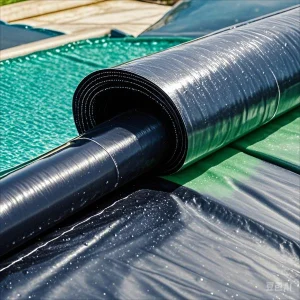
Direct factory quotes for professional-grade weed control and engineering barriers customized for the South African commercial landscape.
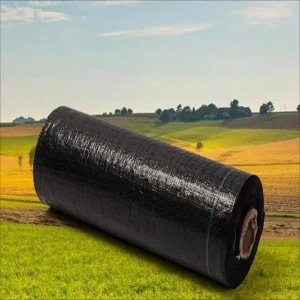
South Africa's diverse agricultural sectors—ranging from the high-value viticulture of the Western Cape to the intensive citrus and macadamia orchards across Limpopo, Mpumalanga, and KwaZulu-Natal—require sophisticated moisture-retention and weed-suppression methodologies. Under the combined pressures of severe drought cycles, rising chemical herbicide costs, and stringent European export standards on chemical residues (MRLs), growers are turning to mechanical soil-management solutions. Woven and non-woven weed control cloths (commonly referred to as ground covers or mulch blankets) have evolved from simple horticultural accessories into essential capital infrastructure elements.
Beyond agricultural applications, the rapid expansion of utility-scale solar PV installations under the Renewable Energy Independent Power Producer Procurement Programme (REIPPPP) in the Northern and Eastern Cape has introduced a massive new market segment. In solar fields, uncontrolled vegetation shading leads to localized panel hotspots, structural damage, and increased wildfire hazards. Standard chemical weed control is restricted due to environmental impact reports (EIRs) protecting localized groundwater tables. Heavy-duty woven polypropylene and polyethylene weed barriers offer a non-toxic, long-term (10+ year lifespan) solution, preventing root development underneath tracking systems.
With average annual rainfall in South Africa sitting far below the global median, water conservation is paramount. Ground covers significantly lower evaporation rates from the soil surface, ensuring that precision drip irrigation systems supply moisture directly to root zones without loss. Furthermore, physical weed control eliminates the competitive extraction of micro-nutrients and water by opportunistic weed species, maximizing crop yields per hectare.
A comprehensive engineering review of polymer chemistry, tensile properties, and hydromechanical characteristics required for South African projects.
When procuring weed control cloth for commercial installations in South Africa, choice of polymer is the primary factor influencing project longevity.
Ultraviolet radiation (specifically UV-A and UV-B wavelengths) breaks down the polymer chains in unstabilized plastics, leading to embrittlement, loss of tensile strength, and cracking. Shandong Hongyue integrates premium additives during the extrusion process:
| Property | Standard Testing Protocol | Woven PE (Premium Specification) | Non-Woven PP Geotextile |
|---|---|---|---|
| Mass Per Unit Area | ASTM D5261 | 90 g/m² - 150 g/m² | 100 g/m² - 300 g/m² |
| Tensile Strength (MD/XD) | ASTM D4632 | 15 kN/m / 12 kN/m | 8.5 kN/m / 8.5 kN/m |
| UV Resistance (Retained Tensile) | ASTM D4355 (500 hrs exposure) | ≥ 80% | ≥ 70% |
| Water Permeability | ASTM D4491 | 15 L/(m²·s) | 80 - 120 L/(m²·s) |
| Puncture Resistance (CBR) | ASTM D6241 | 2200 N | 1500 N - 3500 N |
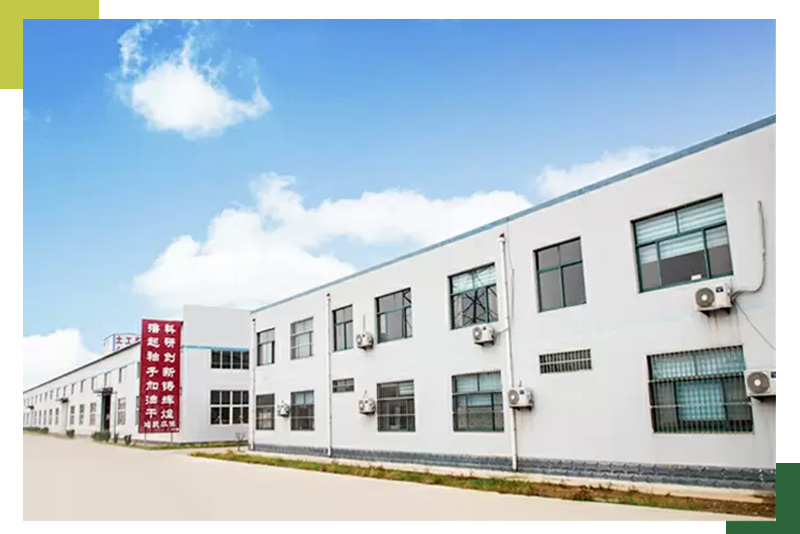
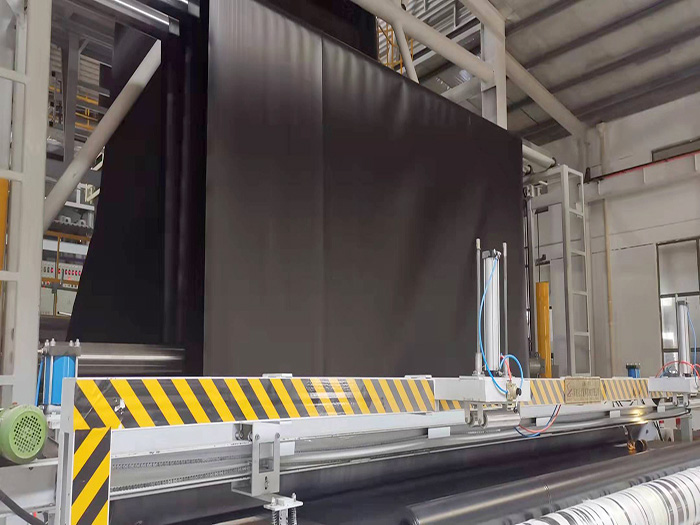
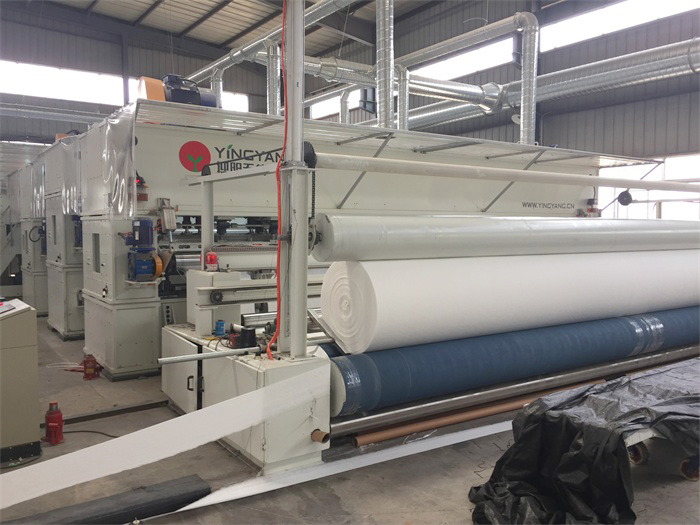
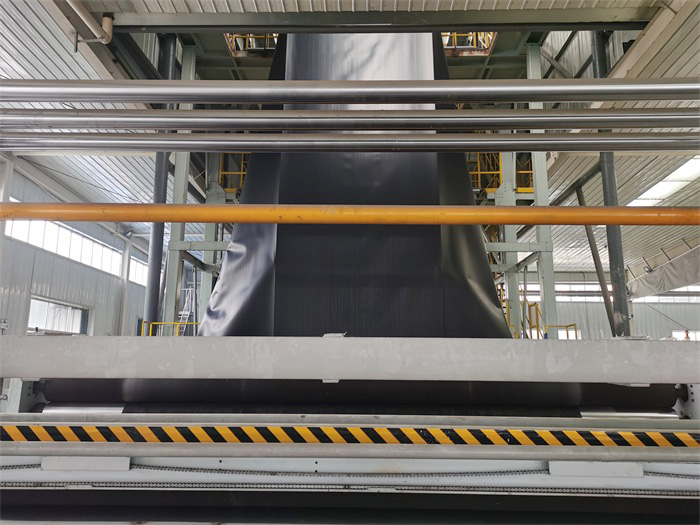
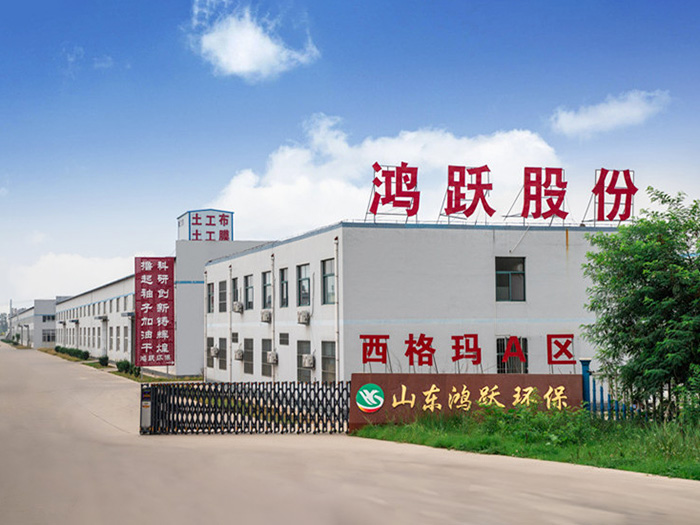
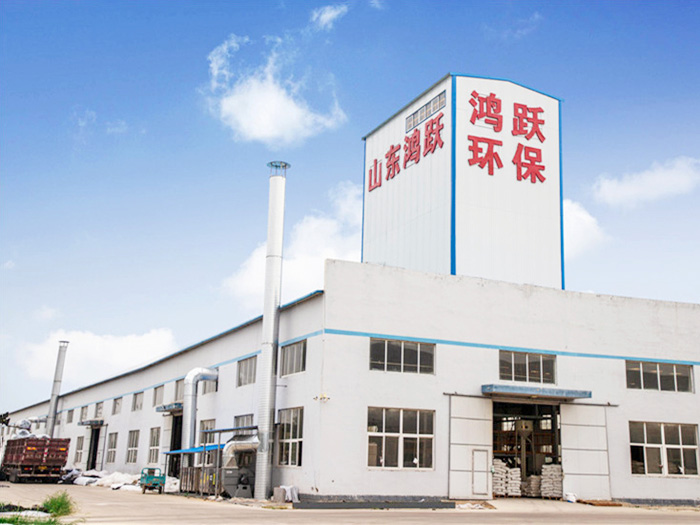
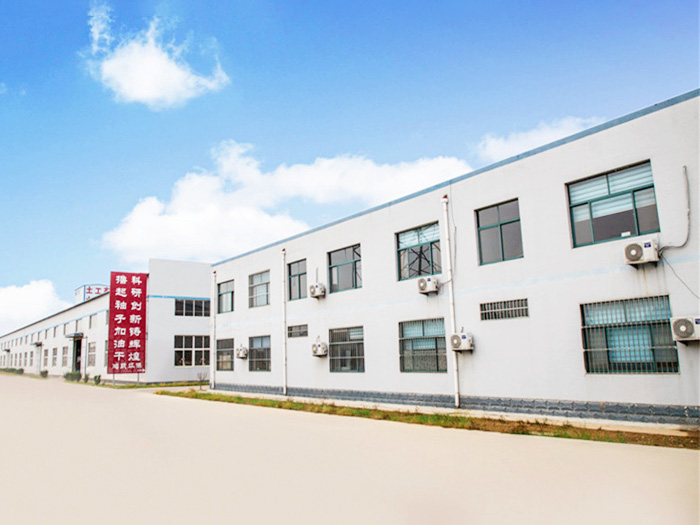
An inside look at our state-of-the-art facility in Shandong Province, China, ensuring consistency from raw resin to finished roll.
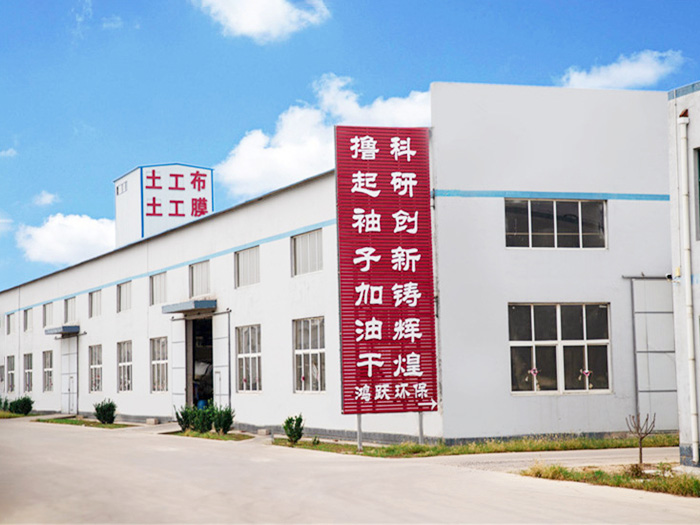
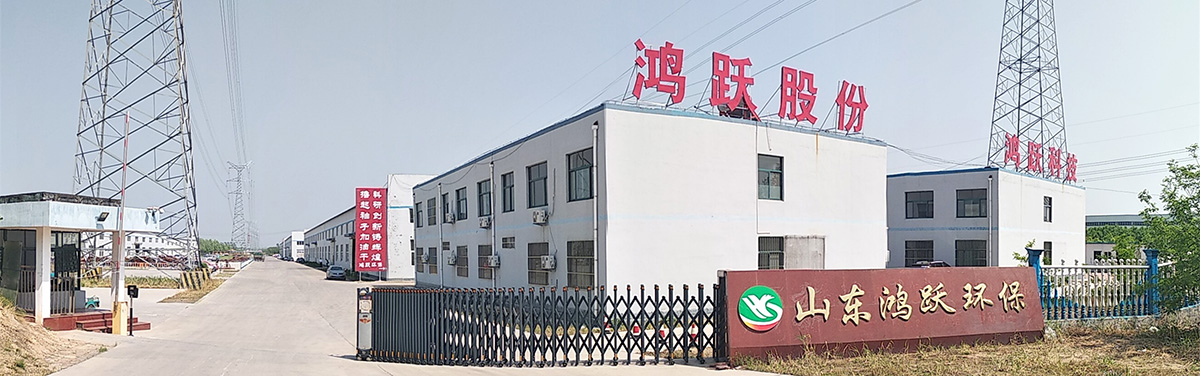
Shandong Hongyue Environmental Engineering Co., Ltd., located at the north end of Fufeng Street, Lingcheng District, Dezhou, Shandong Province, is a scientific and technological geotechnical material manufacturer integrating engineering material production, sales, design and construction services. Registered in the Lingcheng District Market Supervision and Administration Bureau of Dezhou City with a capital of 105 million yuan, Hongyue operates one of China's largest production bases for advanced geosynthetics.
High-performance weed control cloth and engineering fabrics require strict parameter controls. Our manufacturing process consists of six key phases:
We source premium polyester chips and virgin polypropylene/polyethylene filament, blended with high-grade carbon black and UV stabilizers, ensuring batch stability.
Resins are melted at precise temperatures via screw extruders and forced through custom spinnerets to form highly uniform micro-filaments.
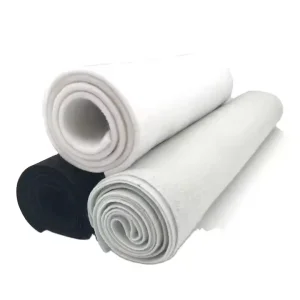
For woven fabric, high-speed circular looms weave the tape yarns into tight, breathable grids. For non-wovens, fibers are needle-punched to create a complex web matrix.
Thermal rollers stabilize and cure the synthetic mesh under monitored tension to establish final tensile strength limits and prevent shrinkage under solar heat.
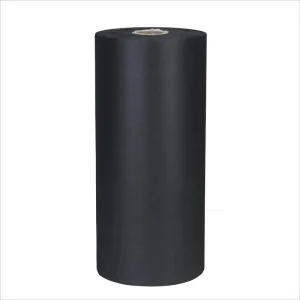
Automated winders slice the fabric into exact widths (from 1m to 6m) and lengths, wrapping each roll in heavy-duty UV-barrier packaging to protect the product during shipping.
Every production run is tested in our in-house lab for grab tensile strength, hydrostatic head, UV degradation performance, and dimensional accuracy.
Deploying specialized geosynthetics to address regional ecological and logistical constraints.
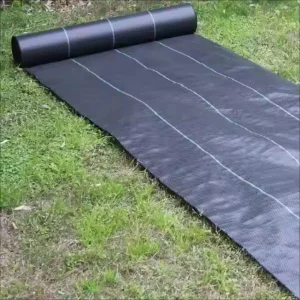
In arid zones like Upington or Kimberley, local vegetation is tough, drought-resistant, and quick to colonize disturbed soil post-construction. Standard practice involves removing soil, placing a woven weed control cloth, and capping it with local gravel or crushed stone. The cloth prevents weed roots from pushing upward and securing nutrients, while allowing stormwater infiltration. This helps avoid local runoff erosion and prevents water pooling around panel tracker piers.
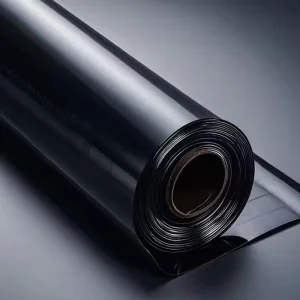
For orchard crops (citrus, avocado, macadamia) and Cape vineyards, our black polyethylene grass-proof cloth is laid along planting rows. This forms a barrier against weed competitors while creating a localized microclimate. Soil temperatures remain warmer in winter and cooler during extreme summer heatwaves. This thermal stability encourages early root growth, accelerating the transition of young saplings into commercial bearing stages.
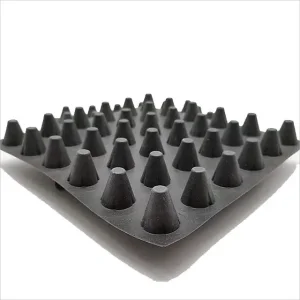
In municipal road building (Gauteng, KwaZulu-Natal), weed encroachment destroys road asphalt edges. Integrating our CE-certified geotextiles and drainage boards provides soil stabilization, filters fine silt, prevents sub-base contamination, and blocks weeds from breaking through road shoulders. This reduces long-term road maintenance budgets.
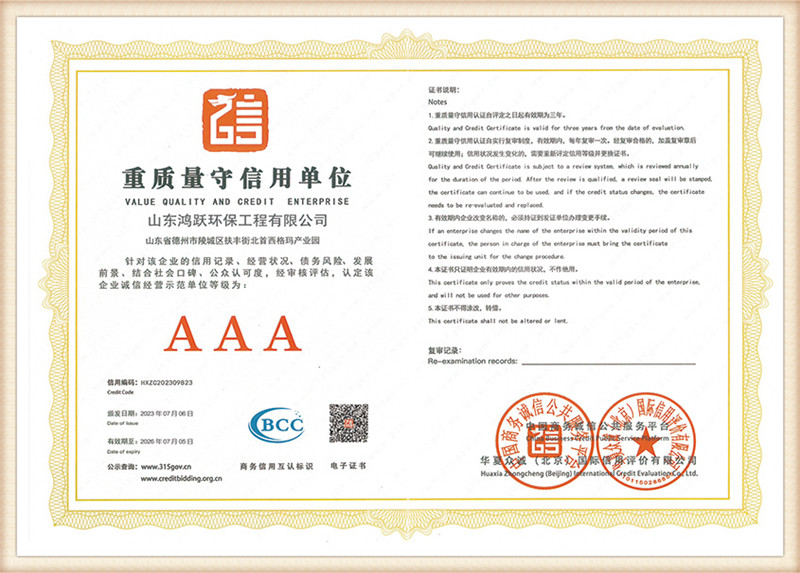
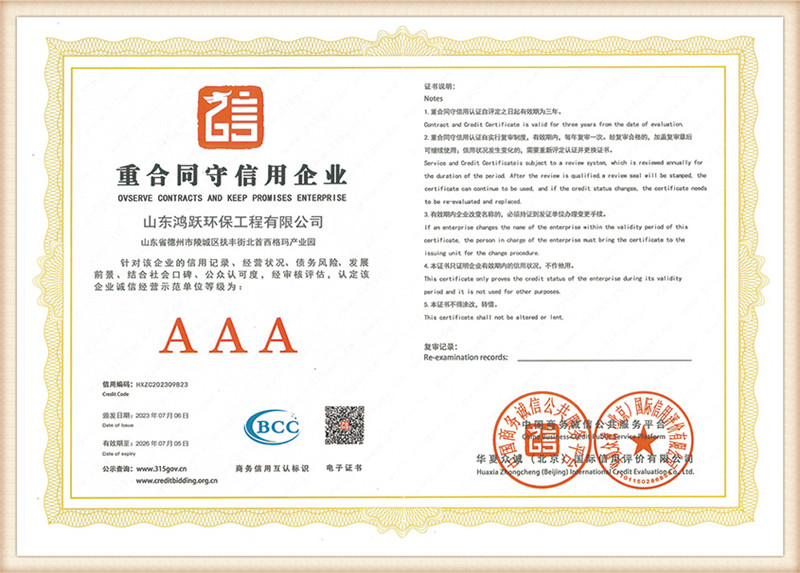
Ensure maximum performance and lifetime return on investment for large-scale geosynthetic deployments.
Proper installation directly determines the lifespan of a weed barrier. Below is the step-by-step layout methodology recommended by our technical engineering team:
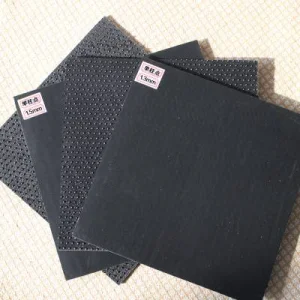
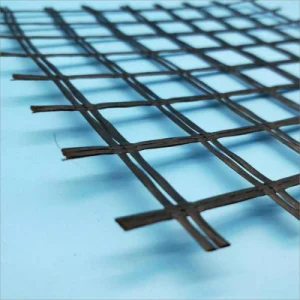
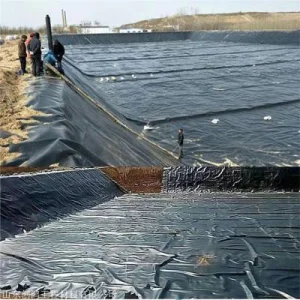
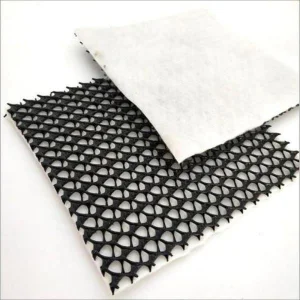
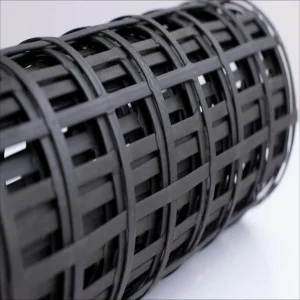
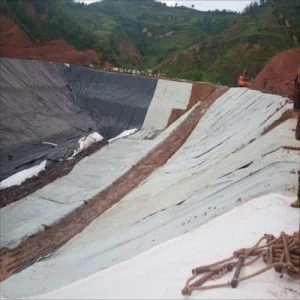
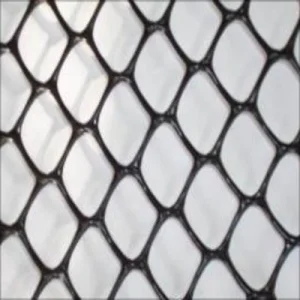
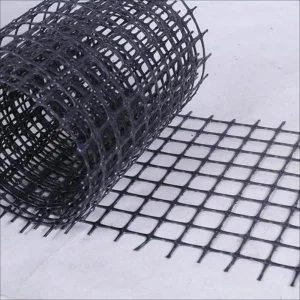
Complete project materials including drainage networks, high-density geomembranes, and reinforcement geogrids.
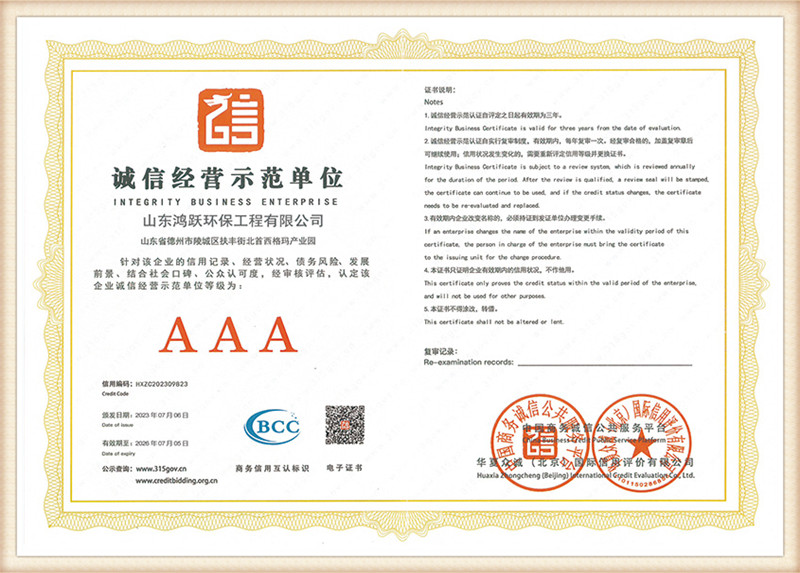
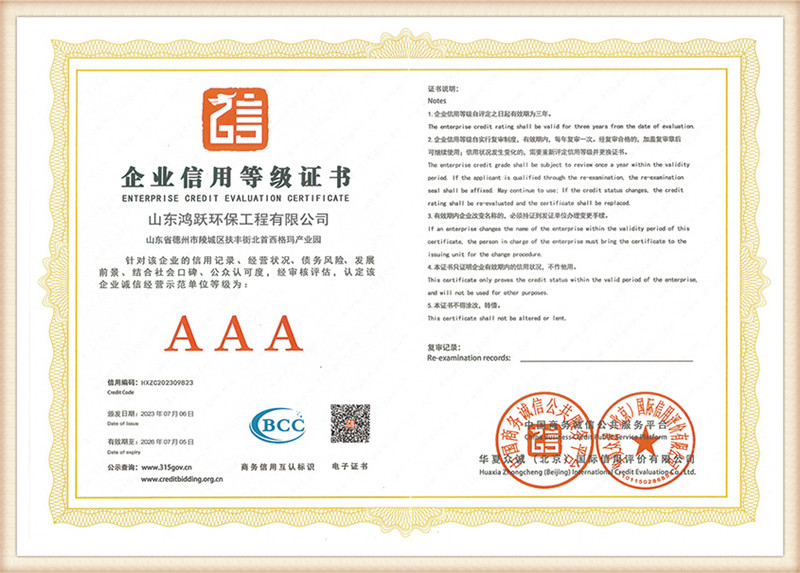
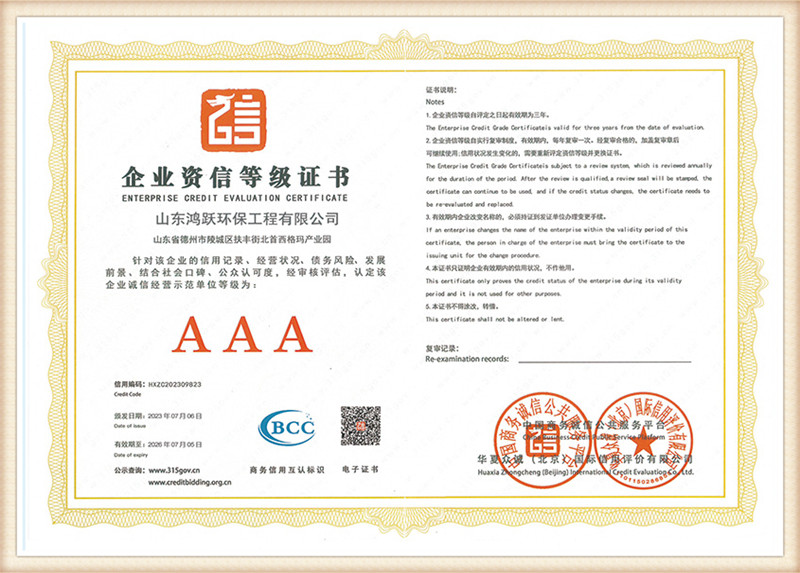
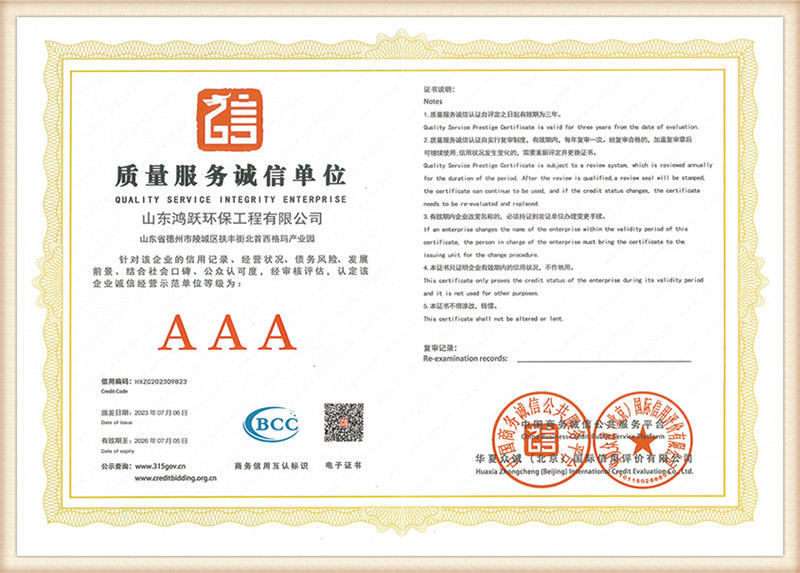
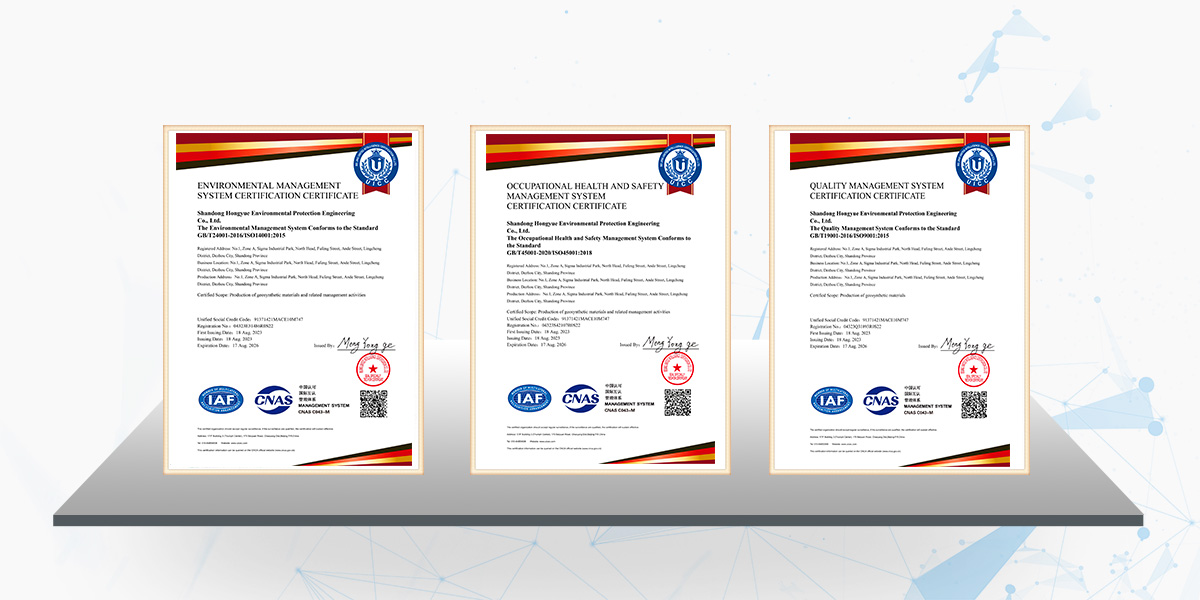
Strict structural testing aligns our geological components with leading international certifications.
Shandong Hongyue Environmental Engineering Co., Ltd. operates in full compliance with global manufacturing guidelines, including ISO 9001:2015 (Quality Management System), ISO 14001:2015 (Environmental Management System), and ISO 45001:2018 (Occupational Health & Safety System). Every batch of weed control cloth, geomembrane, and geotextile is subject to rigorous testing by the China National Testing Center before dispatch.
Our agricultural weed control materials and civil geotextiles are manufactured to meet or exceed European CE specifications. For South African partners, we align our QA procedures to verify conformity with SANS (South African National Standards) for tension performance and ultraviolet durability. Our research and development focuses on optimizing fabric permeability while maintaining high opacity to ensure complete weed suppression without compromising soil biome dynamics.
Looking ahead: The evolution of smart agricultural barriers and biodegradable geotextiles.
As environmental policies evolve globally and within South Africa, the geosynthetic sector is transitioning toward high-performance, sustainable products.
For short-to-medium-term agricultural crops (such as seasonal vegetable production in the Limpopo basin), retrieving and disposing of petroleum-based polymers can generate waste management overheads. Shandong Hongyue is currently developing compostable, PLA-based (Polylactic Acid) weed control fabrics. These barriers decompose into organic matter after 18 to 24 months of exposure, eliminating disposal fees while protecting the soil from weed growth.
In viticulture, managing canopy light levels is crucial. We are expanding our product line to include dual-layer reflective fabrics. By combining a black sub-layer to block sunlight from weeds with a highly reflective white top-layer, these fabrics redirect solar rays into the lower fruit canopy. This supports uniform color development in grapes and soft fruits, and increases photosynthesis, directly raising marketable crop yields.
Essential guidance on importing, installing, and specifying weed control fabrics for South African applications.
Get in touch with our technical sales team for personalized pricing, custom fabric specifications, container logistics, and UV resistance options.
Send Inquiry Now Hongyue