Geotextile Supplier & Exporter serving Uzbekistan

High-Performance Geotechnical Solutions Engineered for Central Asian Infrastructure, Water Conservation & Extreme Climatic Demands

Industrial Context

Uzbekistan Infrastructure Transformation & Geotechnical Challenges

Uzbekistan, positioned strategically at the heart of the Central Asian logistics corridor, is undergoing an unprecedented infrastructure boom. Supported by initiatives such as the "Uzbekistan 2030" Strategy and partnerships along the Silk Road Economic Belt, the nation is aggressively modernizing its transportation network, hydraulic systems, and municipal infrastructure. From the high-speed rail links connecting Tashkent, Samarkand, and Bukhara, to major trans-continental expressways, the demand for durable construction materials is soaring.

However, Central Asia's unique geography presents substantial engineering obstacles. Construction projects in Uzbekistan must withstand extreme temperature variations, with winters dropping below -25°C and summers exceeding +45°C. In addition, the region features highly expansive clay soils, shifting desert sands in the Kyzylkum region, and vulnerable agricultural terrains susceptible to waterlogging and soil salinization. Ordinary civil engineering materials decay rapidly under these harsh thermal cycles and chemical loads.

E-E-A-T Technical Insight: Under cyclic thermal loading, subgrade soil undergoes significant volumetric changes. Standard geotextiles lose up to 40% of their tensile strength within 36 months if they lack optimized raw polymer configuration. Shandong Hongyue's range of high-performance geosynthetics is formulated with custom thermal stabilizers and UV-resistant compounds specifically designed to prevent premature aging under extreme solar radiation and freeze-thaw cycles.
105M
Registered Capital (¥)
12-15
Days Rail Transit Time
50+
Export Destinations
24h
Engineering Support
Engineering Application

Localized Applications of Geotextiles in Uzbekistan

To ensure long-term structural integrity and cost efficiency, projects across Uzbekistan must apply distinct geotechnical materials engineered for specific localized application scenarios:

1. Roadway Subgrade Stabilization and Crack Prevention

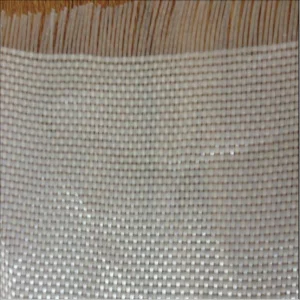
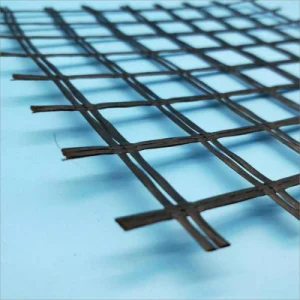
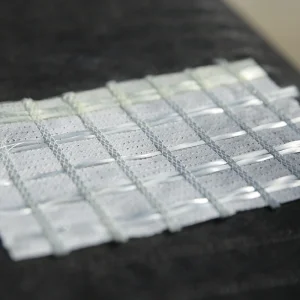
In regions such as Namangan and Fergana, soil instability often causes premature cracking on asphalt surfaces. Utilizing Warp Knitted Composite Geotextiles provides a high-modulus reinforcement grid that distributes vehicular load stresses evenly across the subgrade. By retarding reflective cracking, these composites extend pavement lifespans by up to 150%, significantly reducing municipal maintenance budgets.

High-speed road subgrade stabilization in Uzbekistan

Our composite reinforcement solutions combine a high-tensile fiberglass or polyester grid with a non-woven backing, offering both reinforcing and moisture-barrier functionalities. When installed between the subgrade and asphalt overlay, it prevents water infiltration while maintaining high horizontal load resistance.

2. Water Conservation & Canal Anti-Seepage Schemes

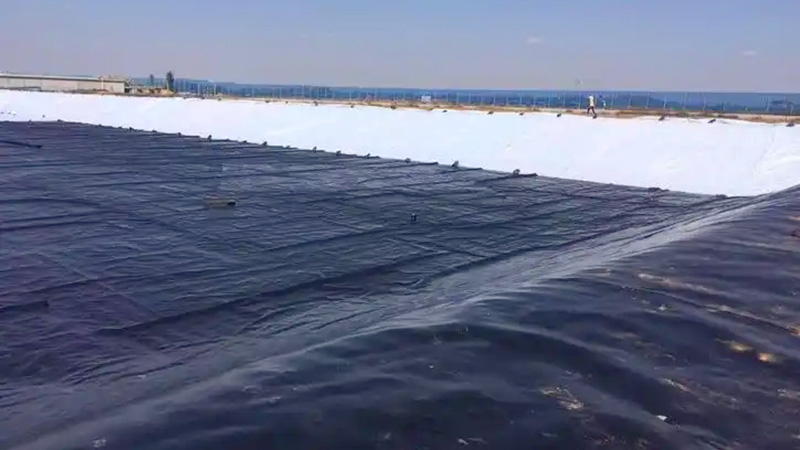
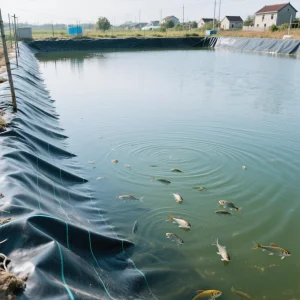
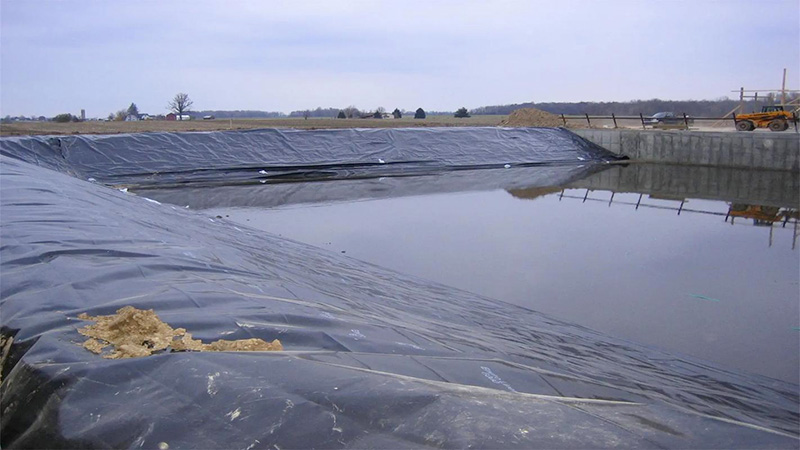
Uzbekistan relies heavily on large-scale irrigation canals, many of which lose substantial water volumes due to unlined sandy beds. Incorporating Bentonite Waterproof Blankets (GCL) and HDPE/LLDPE Geomembranes stops water loss, preserving vital resources for agricultural regions in Samarkand and Bukhara. Additionally, our 3D Composite Drainage Geonets relieve hydrostatic pressure behind canal linings, preventing structural buckling during dry seasons.

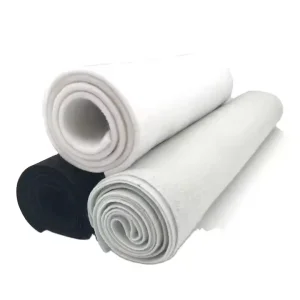
For canal structures, geomembranes are layered with needle-punched non-woven geotextiles on both sides. This setup acts as a puncture-resistant shield, protecting the thin barrier layer from rough gravel subgrades and concrete cladding panels.

Water canal anti-seepage geomembrane installation

3. Environmental Containment in Mining and Solid Waste Management

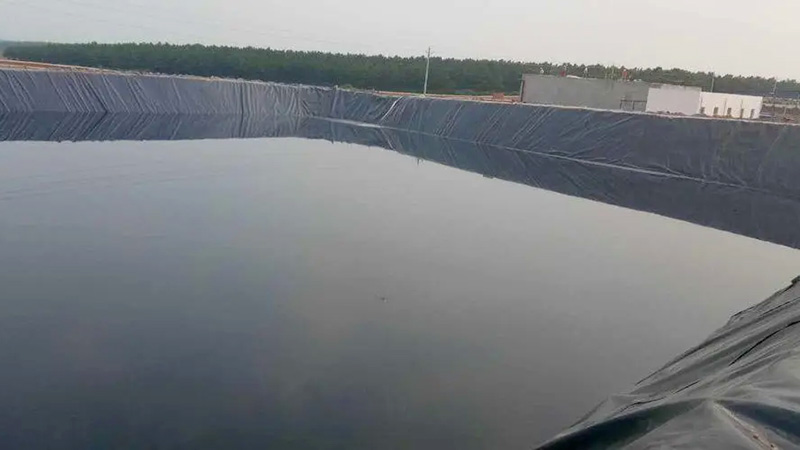
Uzbekistan's mining sector requires secure heap leach pads and tailing dams to safeguard natural groundwater reservoirs. Utilizing CE-certified high-density geomembranes paired with heavy-duty non-woven geotextiles guarantees safe containment. The chemical-resistant properties of our geosynthetics ensure long-term stability even when exposed to highly acidic mining solutions.

Industrial environmental protection site using geotextiles
Production Excellence

Shandong Hongyue: Global Geosynthetic Production & Technological Superiority

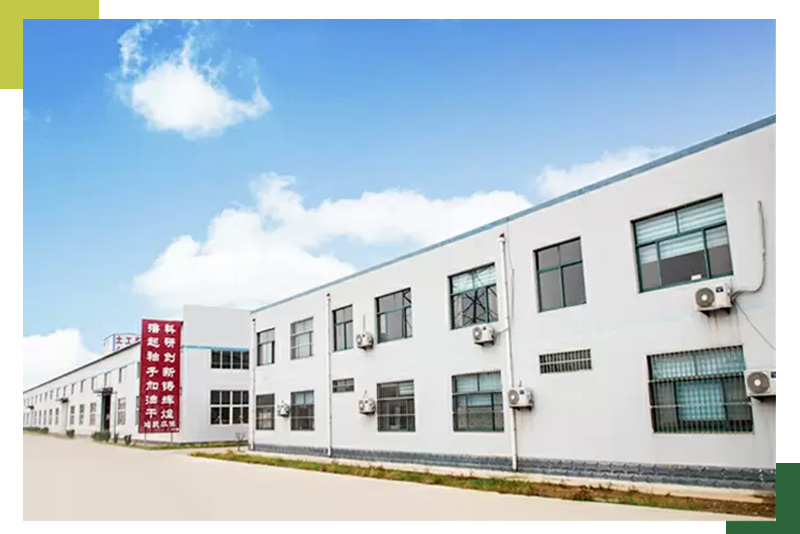
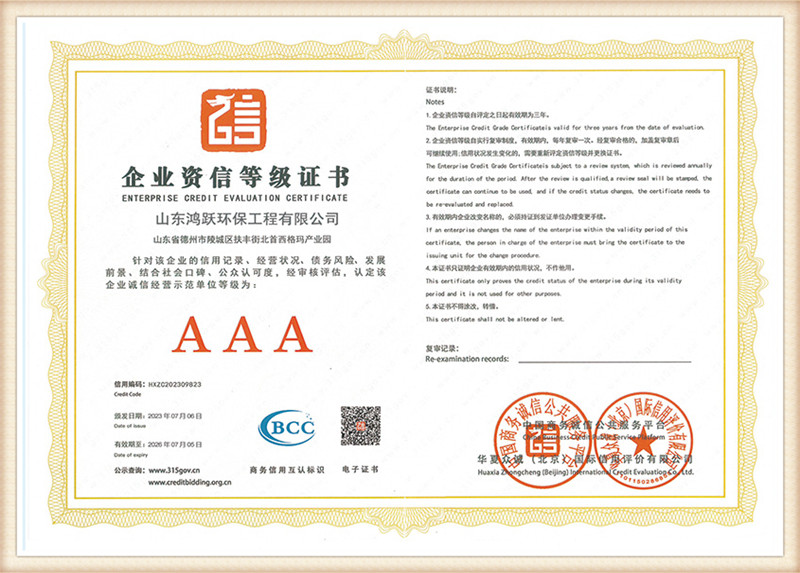
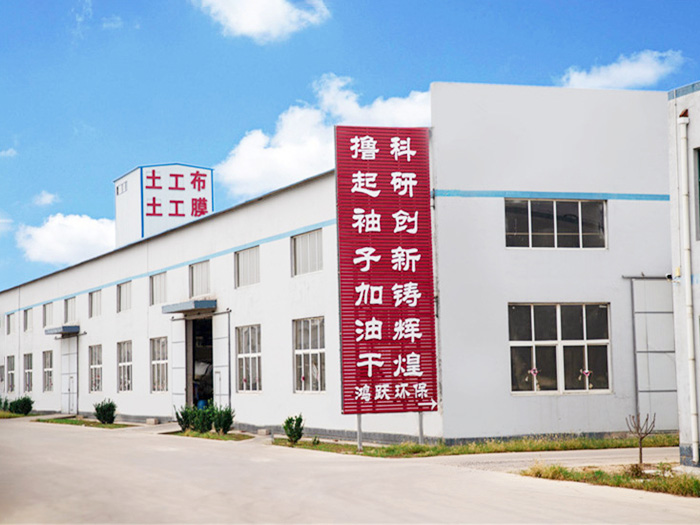
Based in Lingcheng District, Dezhou, Shandong Province, Shandong Hongyue Environmental Engineering Co., Ltd. is a leading geotechnical material manufacturer. With a registered capital of 105 million yuan, our facility is one of China's primary production bases for geosynthetic materials, integrating engineering design, production, sales, and technical support.

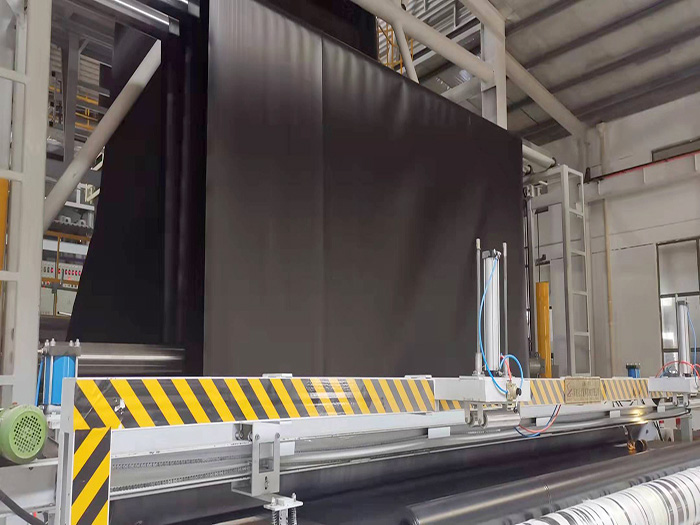
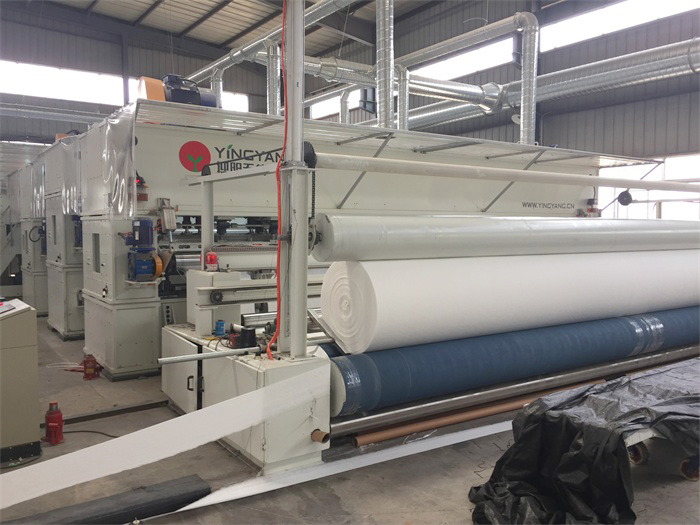
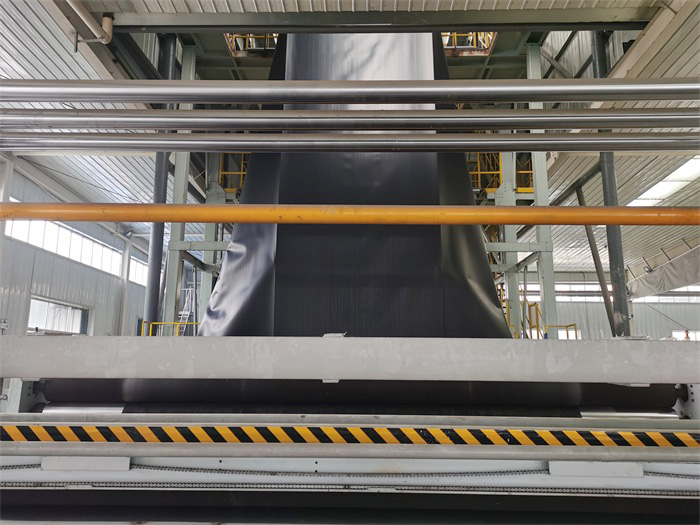
Our factory utilizes advanced production lines, including high-speed spunbond needle-punching machines, wide-width geomembrane blow-molding equipment, and automated warp knitting machinery. Our daily production capacity ensures quick delivery times for large-scale international infrastructure projects.

Our Advanced Manufacturing Sequence

Every roll of geotextile we supply follows a rigorous manufacturing process to ensure consistent physical and chemical properties:

1

Raw Material Preparation

We source top-grade polyester (PET) chips and polypropylene (PP) resins, verifying chemical purity and molecular weight before extrusion.

2

Melt Extrusion & Laydown

Materials undergo high-temperature extrusion through spinnerets, forming fine filaments laid in a multi-directional web structure.

3

Needle Punching & Curing

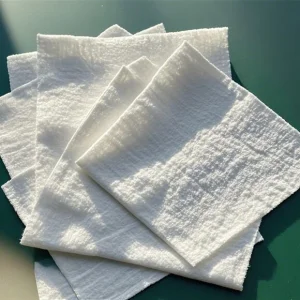
Thousands of barbed needles mechanical entangle the fibers, creating a strong, porous fabric structure with high hydraulic permeability.

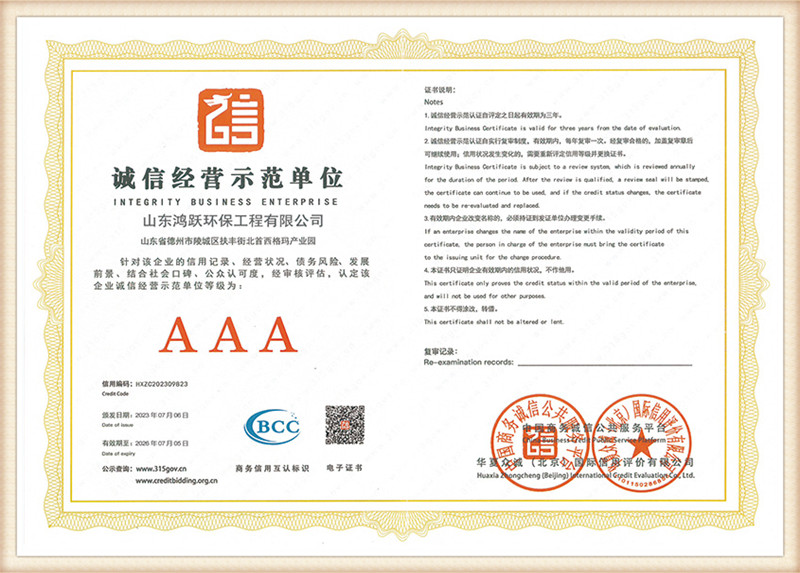
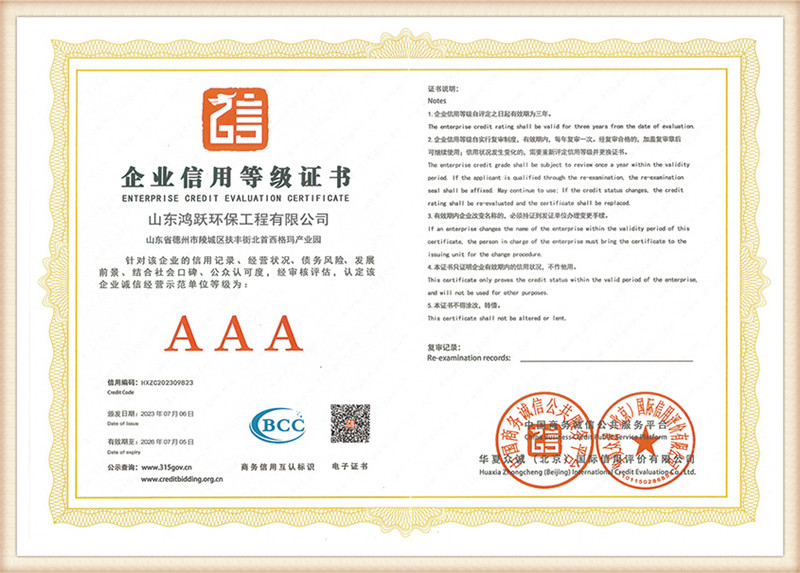
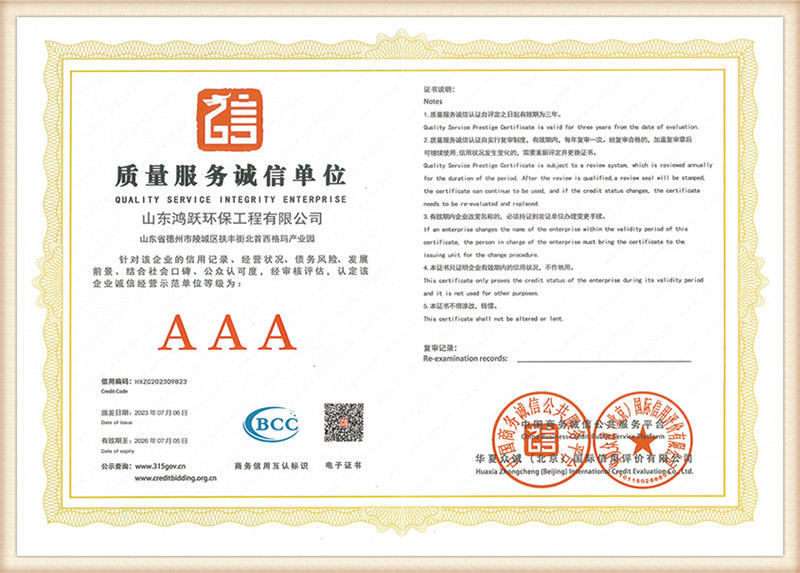
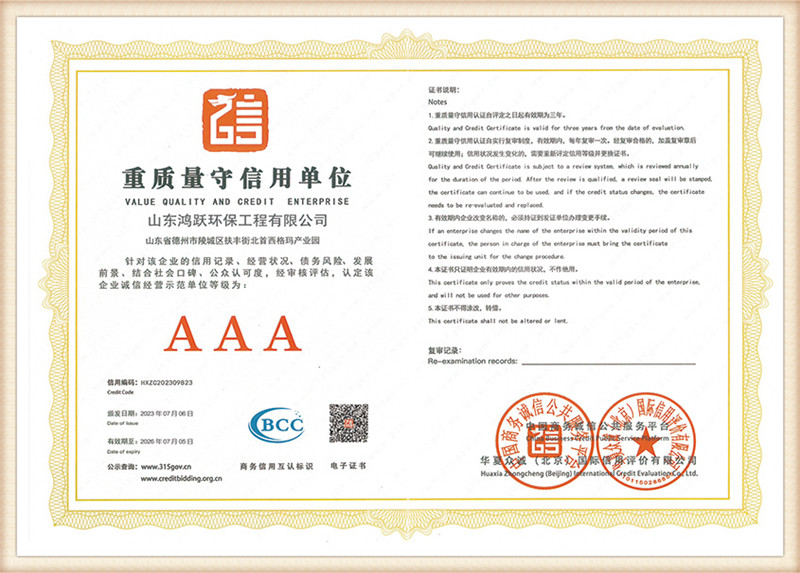
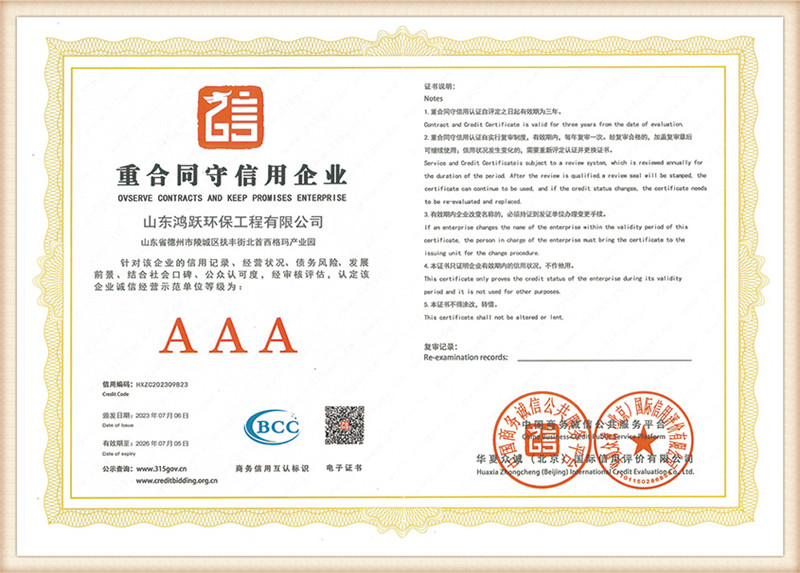
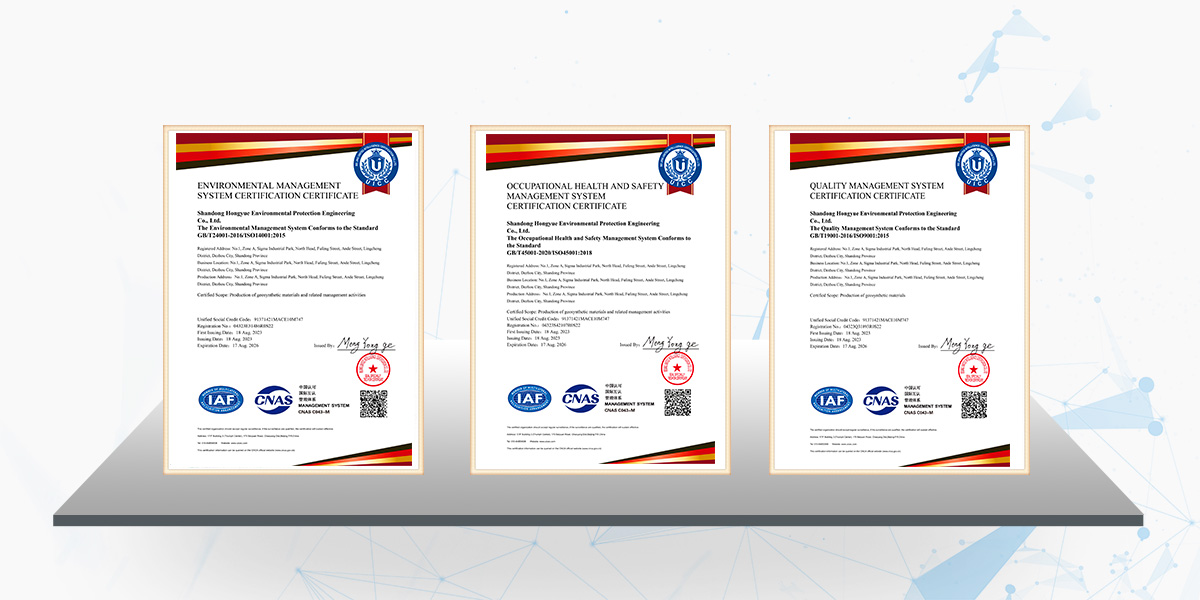
Our commitment to quality is backed by certifications including ISO9001:2015 (Quality Management), ISO14001:2015 (Environmental Management), and ISO45001:2018 (Occupational Health and Safety). Each production batch undergoes strict testing for tensile strength, grab strength, CBR puncture resistance, water flow rate, and apparent opening size before dispatch.

Installation & Logistics

On-Site Geotextile Installation and Central Asian Logistics

Successful geotextile performance relies heavily on proper installation techniques. For Uzbekistan's sand-gravel bases, we recommend the following installation procedures:

  • Subgrade Preparation: Clear the installation area of large rocks, roots, or sharp objects. Grade and compact the base to achieve a uniform foundation.
  • Deployment: Unroll the geotextile smoothly, avoiding wrinkles or folds. Align panels parallel to the primary stress direction. In windy desert conditions, ballast the edges temporarily with sandbags to prevent wind uplift.
  • Overlaps & Seaming: Overlap panels by a minimum of 300mm to 500mm depending on subgrade stability. For critical drainage or reinforcement applications, we recommend heat-bonding or sewing the joints using a portable hand-held sewing machine.
  • Backfilling: Avoid driving heavy equipment directly on the exposed geotextile. Apply a lift of cover soil (minimum 150mm) and push it forward to create a protective pad before compaction.

Logistical Advantage: Our manufacturing facility in Dezhou, Shandong, offers strong supply chain advantages. We coordinate direct rail cargo routes via Lianyungang/Xi'an to Tashkent, Samarkand, and Namangan. By utilizing China-Europe cargo rail links, we deliver bulk materials to Central Asian project sites within 12 to 15 days, saving time compared to maritime routes.

Future Technology: Green and Smart Infrastructure

As Uzbekistan moves toward green economy initiatives, we are expanding our focus on sustainable geosynthetics. Our research team is developing biodegradable soil stabilizers and carbon-neutral polymer geotextiles to reduce the carbon footprint of public works. We also supply smart geotextiles integrated with fiber-optic monitoring sensors, providing real-time data on strain and moisture levels within critical earthworks like railway beds and reservoir dikes.

Geotextiles Technical FAQ

Answering common technical, structural, and logistical questions from engineers and procurement teams in Uzbekistan.

Which geotextile is best suited for road stabilization in sand-expansive clay soils?

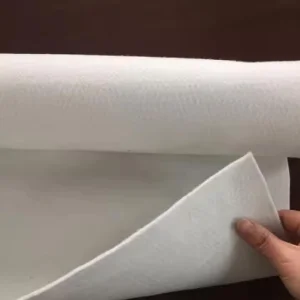
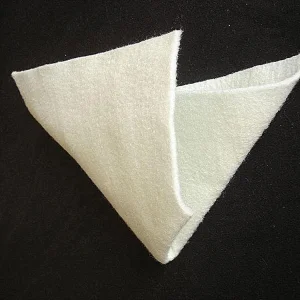
For sand-expansive clay subgrades, non-woven polyester geotextiles (above 300g/m²) or warp-knitted composite geotextiles are recommended. The needle-punched non-woven structure provides reliable filtration and separation, preventing fine clay soils from contaminating the base aggregate. The warp-knitted composite grid delivers high tensile reinforcement to manage lateral movement caused by shifting clays.

How do Shandong Hongyue products perform in extreme temperature variations?

Our products are manufactured using premium raw polymers with added thermal stabilizers. This formulation ensures that our geotextiles and geomembranes maintain their physical properties, flexibility, and chemical structure across a broad temperature range, from -30°C to +60°C, matching local climatic conditions.

What is the standard delivery timeline for bulk orders from China to Tashkent?

By utilizing direct rail freight services through Xi'an or Lianyungang, shipping to Central Asia takes approximately 12 to 15 days. We handle export documentation, customs clearance assistance, and secure packaging to ensure prompt arrival at your project site.

Do your geotextiles comply with international and European standards?

Yes, all Shandong Hongyue products are tested by certified independent laboratories. They comply with international standards such as ASTM, ISO, and have received CE certification for export, meeting the technical specifications of global infrastructure projects.