Engineered core components serving Italian transport networks, civil projects, and environmental containment projects.
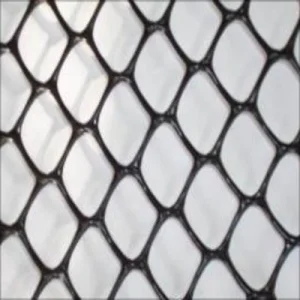
In modern civil engineering, efficient fluid transmission and structural reinforcement are critical components of long-term stability. The Italian Peninsula, characterized by varied topographic structures—from alpine slopes in the north to seismic-prone mountainous terrain along the Apennines—requires advanced solutions to mitigate geohazards and handle challenging hydrologic conditions. In response, three-dimensional geonets and composite drainage materials have emerged as vital components in building roads, tunnels, landfills, and retaining structures.
According to the European Environment Agency, rainfall anomalies combined with intense localized storm events have exacerbated soil erosion and structural instability in Southern Europe. Geonets, specifically those manufactured from high-density polyethylene (HDPE), provide high in-plane water flow capacity (hydraulic transmissivity) even under heavy compressive loads. As Italy updates its national transit lines, highways, and municipal waste containment systems, using certified geosynthetics has shifted from optional practice to a structural requirement. This whitepaper analyzes pricing, manufacturing advantages, local application scenarios, and how Shandong Hongyue Environmental Engineering Co., Ltd. serves these projects.
"Understanding the balance between compressive creep behavior, chemical resistivity, and hydraulic flow capacity is crucial for engineers procuring materials for long-term projects in Italy. Structural geonets must maintain performance parameters over design lifespans exceeding 50 to 100 years."
Italy’s geotechnical sector operates under strict European harmonized regulations (EN standards) and national guidelines (UNI standards). Land preservation and flood mitigation are major priorities for regions like Lombardy, Veneto, and Piedmont, which manage intensive river networks and industrial runoff. The Italian Legislative Decree D.Lgs. 152/2006 governs environmental protection, placing strict standards on the permeability and lining systems of waste facilities, industrial sludge reservoirs, and storage yards. Geonets serve as the primary drainage layer in these structures, preventing leachate accumulation that can compromise lining integrity and lead to structural failure.
In Northern Italy's alpine transport networks, road tunnels and rock fall barriers are exposed to freeze-thaw cycles, high seasonal run-off, and heavy static loads. Conventional gravel drainage structures are heavy, difficult to install on steep slopes, and prone to clogging. HDPE geonets offer a lighter alternative with high lateral flow capacity. In Southern Italy, dry climates interrupted by intense rainstorms demand durable slope protection systems, where geocells and three-dimensional erosion mats protect topsoil from washing away before root systems can establish.
On a global scale, the demand for geosynthetic drainage materials is driven by major infrastructure upgrades in North America, Europe, and Asia. Geonet production requires advanced polymer extrusion lines, strict raw material control, and testing equipment to ensure tensile strength, junction strength, and carbon black distribution. Shandong Hongyue Environmental Engineering Co., Ltd. operates in this global landscape, providing scaled manufacturing capacity that helps control costs while maintaining high product quality.
Shandong Hongyue Environmental Engineering Co., Ltd., located in the Lingcheng District of Dezhou, Shandong Province, is one of China's major geosynthetics production hubs. This centralized location provides access to raw materials and transport networks, allowing the company to streamline the export of geotextiles, geomembranes, and geonets globally.
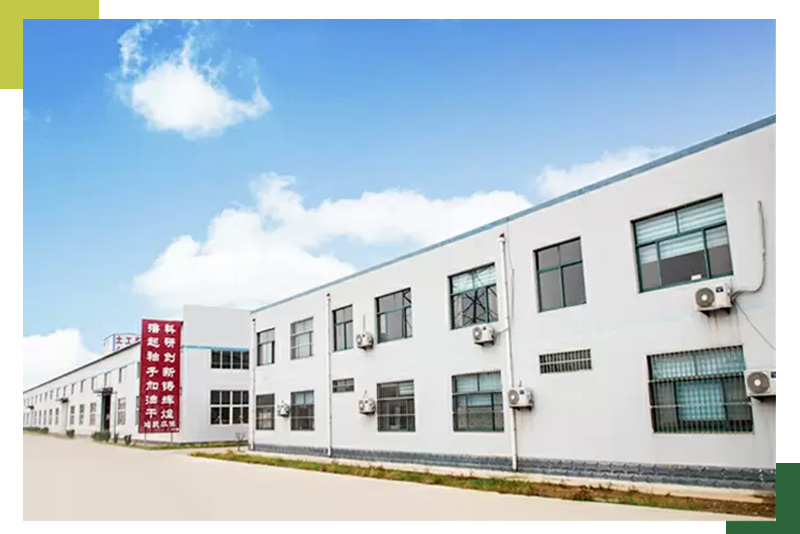
Our facility manages the full production cycle, from raw polymer processing to quality control testing. We specialize in compounding high-grade polyethylene resins with carbon black, antioxidants, and UV stabilizers. This ensures our products maintain their mechanical and drainage properties under long-term exposure to chemical wastes, acidic soils, and solar radiation.
With a registered capital of 105 million yuan, our facility features automated extrusion lines for 3D geonets, wide-width geomembrane calendars, and non-woven needle-punched geotextile units. This allows us to supply large-scale infrastructure projects while meeting tight delivery windows.
For Italian buyers, sourcing from our Chinese production center provides a balance of cost-efficiency and technical compliance. Large-scale production runs reduce the per-square-meter cost compared to smaller regional mills, while automated quality control systems ensure each batch matches the technical specifications required for European projects.
How geonets, geocells, and geomembranes are applied to solve geological and engineering challenges across Italy.
Used in waste containment projects in Sicily and Puglia. Multi-planar geonets serve as leachate drainage layers, while geomembranes prevent soil contamination in compliance with D.Lgs. 152/2006 standards.
For railway lines, including transit corridors in Northern Italy. Uniaxial geogrids and non-woven geotextiles distribute high dynamic loads and prevent sub-grade soil migration.
Applied in landslide-prone regions of Liguria and Campania. 3D geonets and geocells stabilize topsoil, reducing runoff velocity and encouraging natural revegetation.
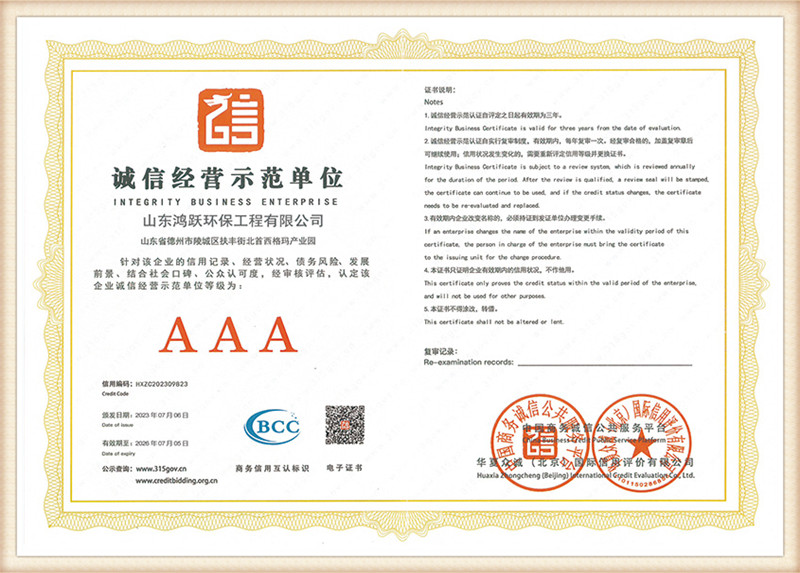
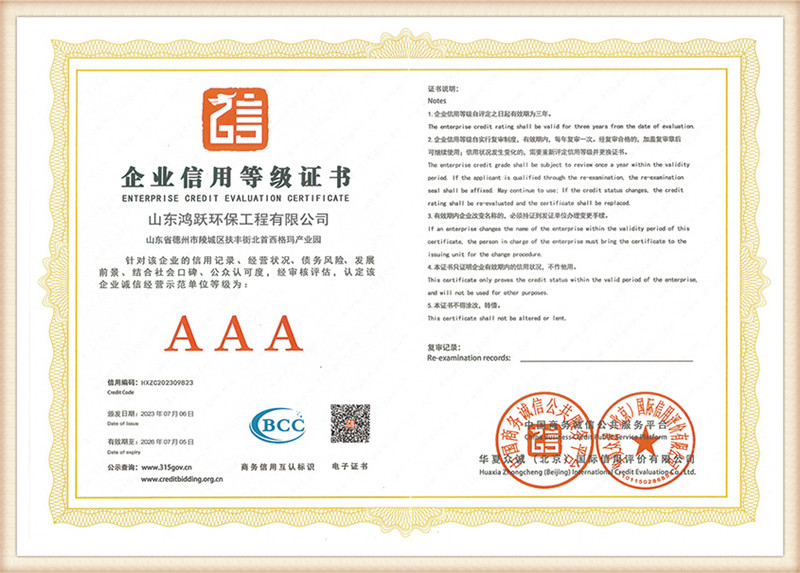
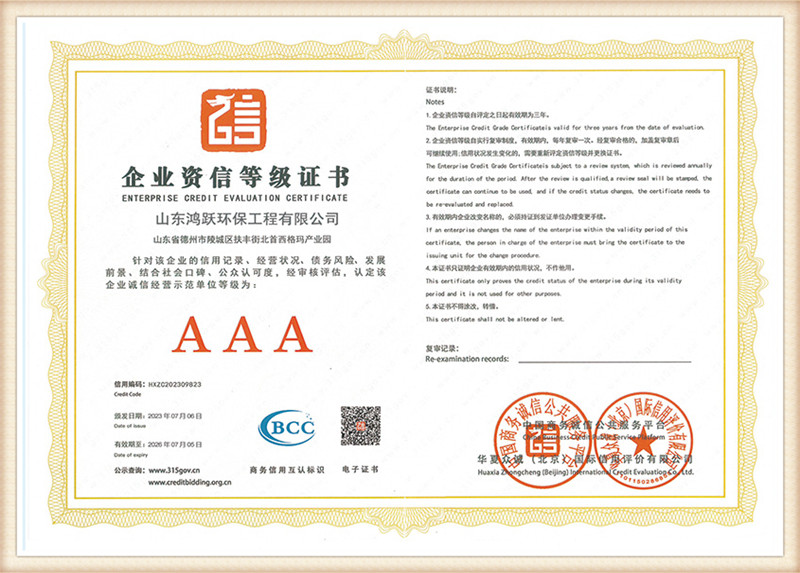
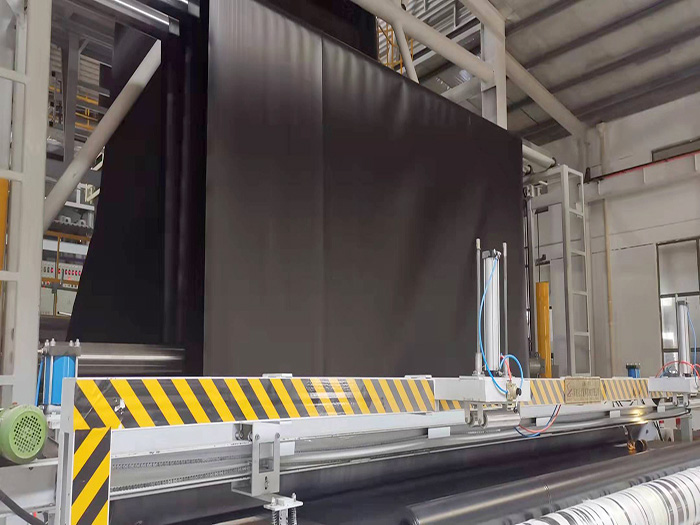
The reliability of geosynthetic components depends directly on manufacturing precision. The following section outlines the manufacturing steps for geotextiles and the installation protocols for geomembranes, ensuring compliance with international civil engineering requirements.
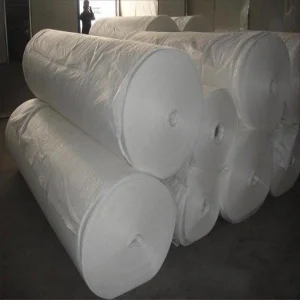
Non-woven needle-punched geotextiles provide filtration and separation functions in drainage assemblies. Our production workflow includes raw material sourcing, thermal extrusion, and mechanical bonding:
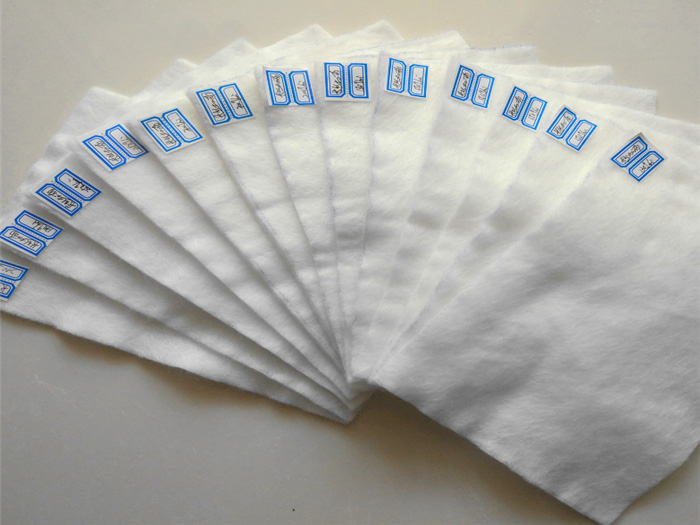
We source polyester chips, polypropylene filament, and viscose fibers from certified suppliers. Raw materials undergo melting index tests, density verification, and moisture checks to ensure baseline structural stability.
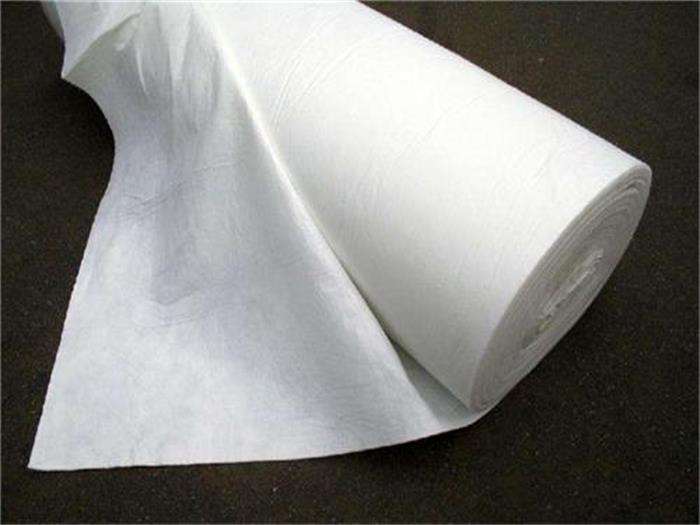
Polyester raw materials are processed through a twin-screw extruder at controlled temperatures to melt the polymer. The molten polymer is extruded through spinnerets to produce continuous filaments, which are distributed onto a conveyor to form a uniform web structure.
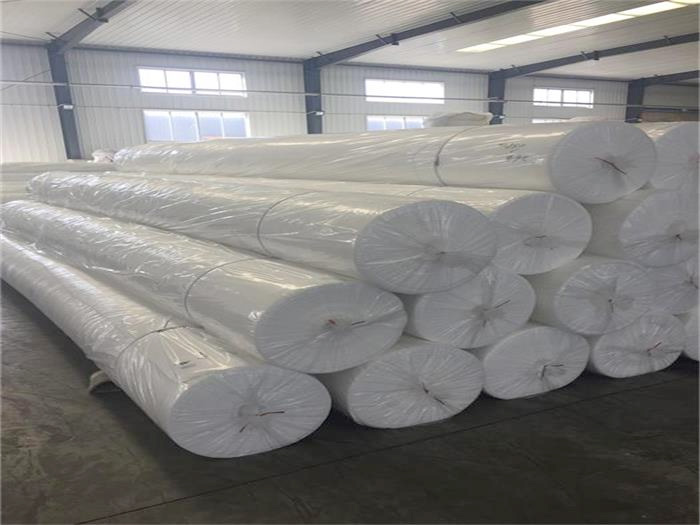
The fiber web is structured through mechanical needle punching, interlocking the fibers to provide high tensile strength and multidirectional water permeability. The material is then calibrated for thickness, heat-set, wound onto cores, and wrapped in protective layers for transport.
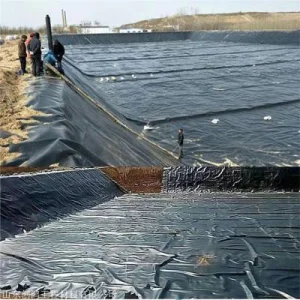
For seepage control projects, proper installation and material selection are critical to system performance. Below are the key steps for laying geomembranes in water containment and landfill lining applications:
Material thickness is matched to static pressures and chemical exposure (typically 0.3mm to 2.0mm). High-density polyethylene (HDPE) provides chemical and stress crack resistance, while LLDPE offers flexibility for irregular contours.
The sub-base must be cleared of sharp stones, roots, and debris. Geomembrane panels are deployed with overlap boundaries, and joints are welded using double-track hot wedge welding or extrusion welding for detailing.
Welded seams undergo non-destructive air pressure testing (typically 200 kPa for 5 minutes) and vacuum testing at junction points to confirm weld integrity before placement of the drainage or backfill layers.
Explore our structural solutions designed for hydraulic containment, slope stabilization, and industrial site preparation.
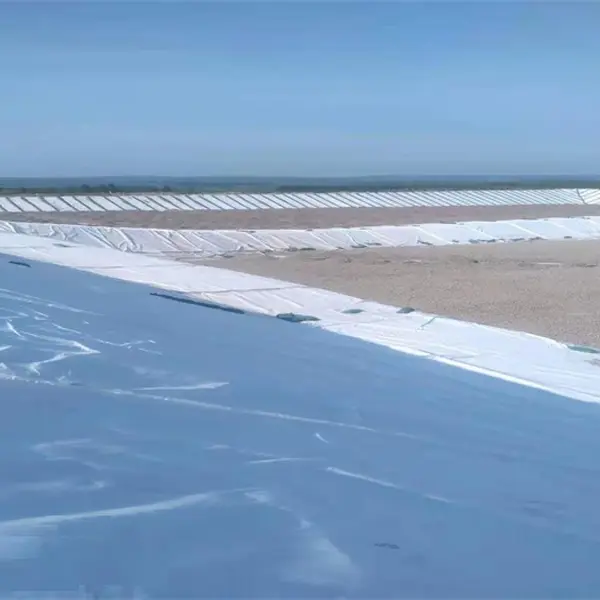
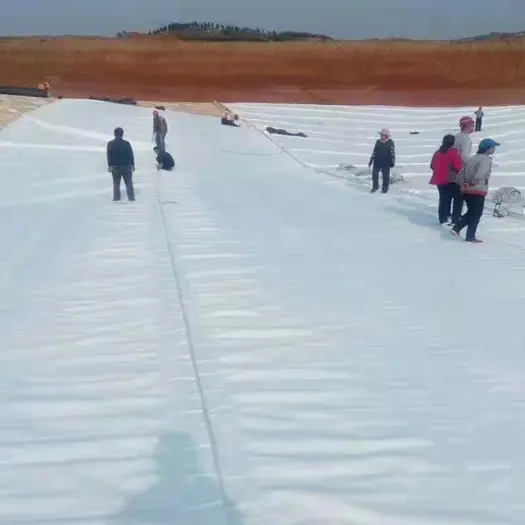
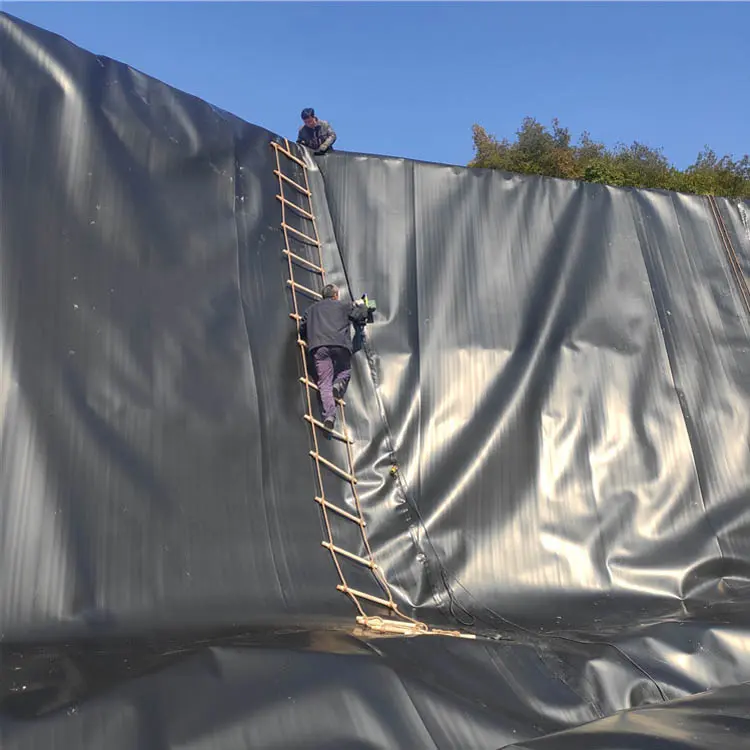
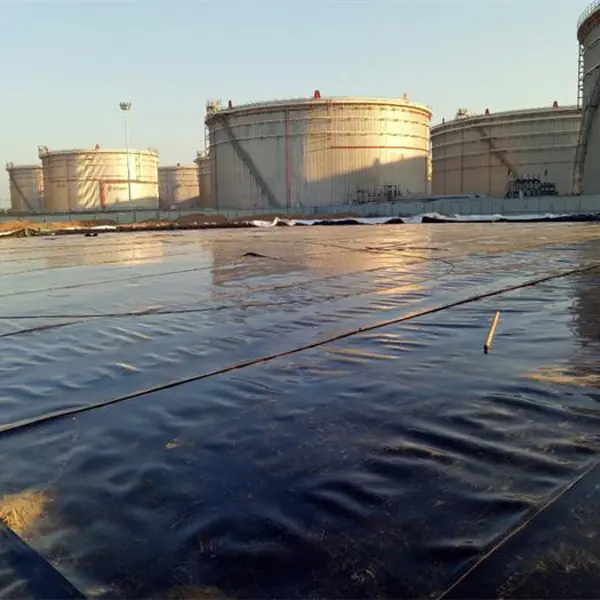
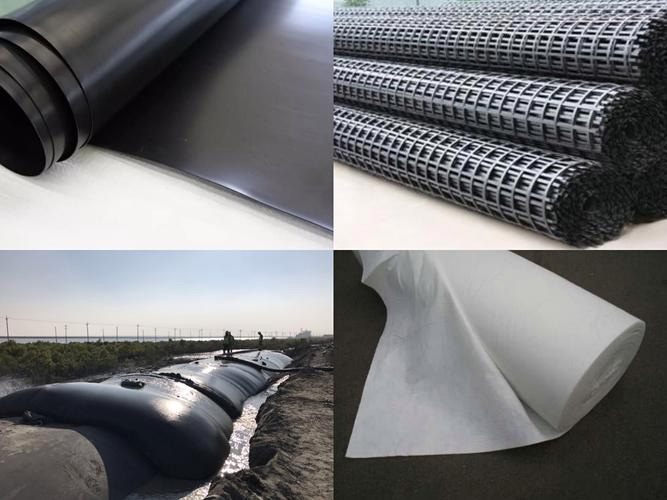
Certified products manufactured to international standards and optimized for import to Italian shipping ports.
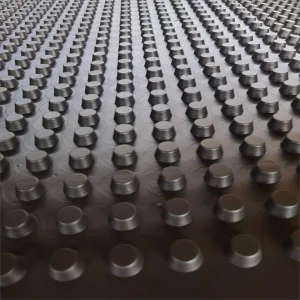
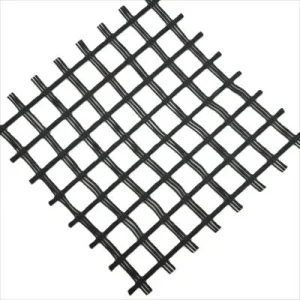
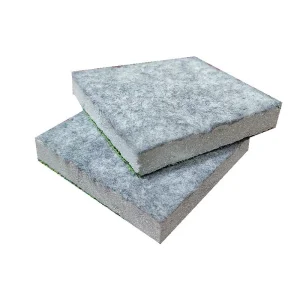
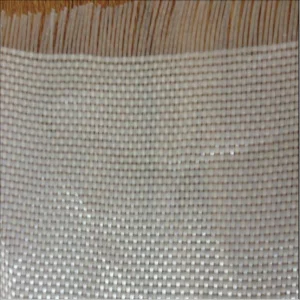
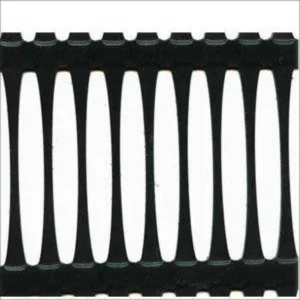
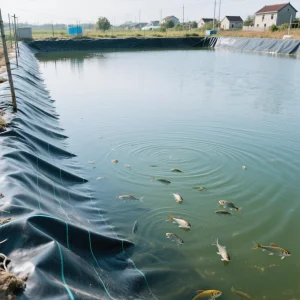
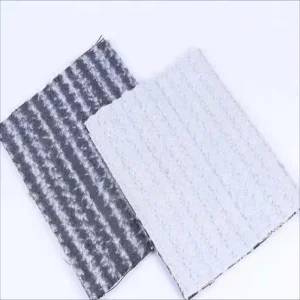
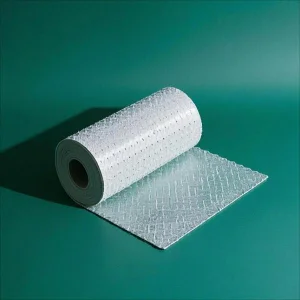
Specialty solutions for slope stabilization, water containment, and drainage reinforcement.
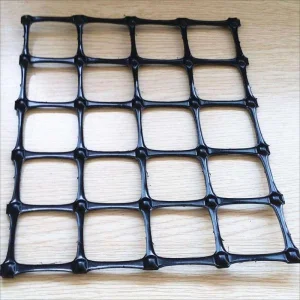
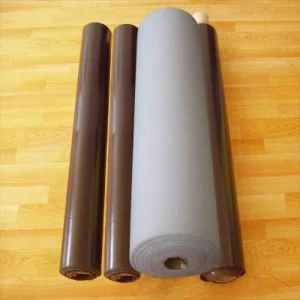
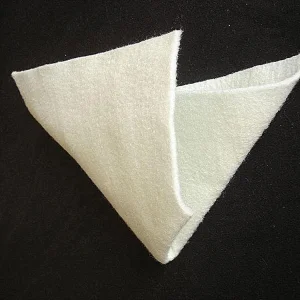
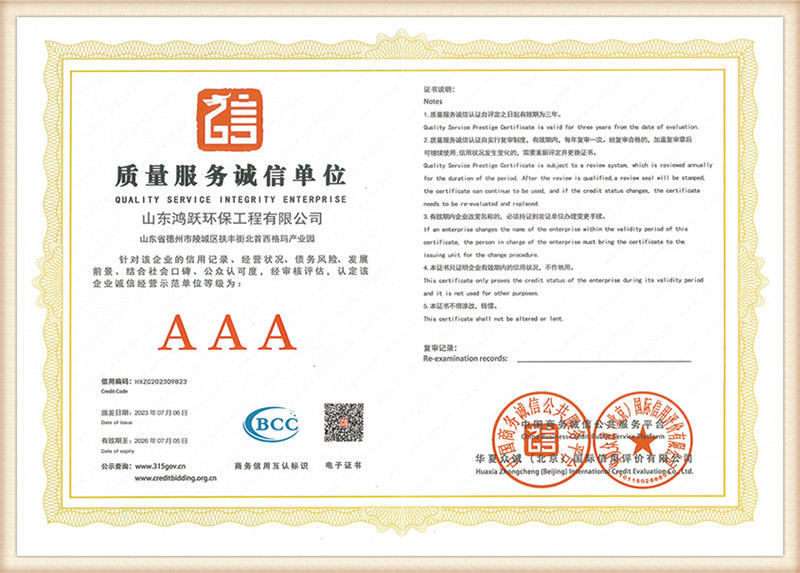
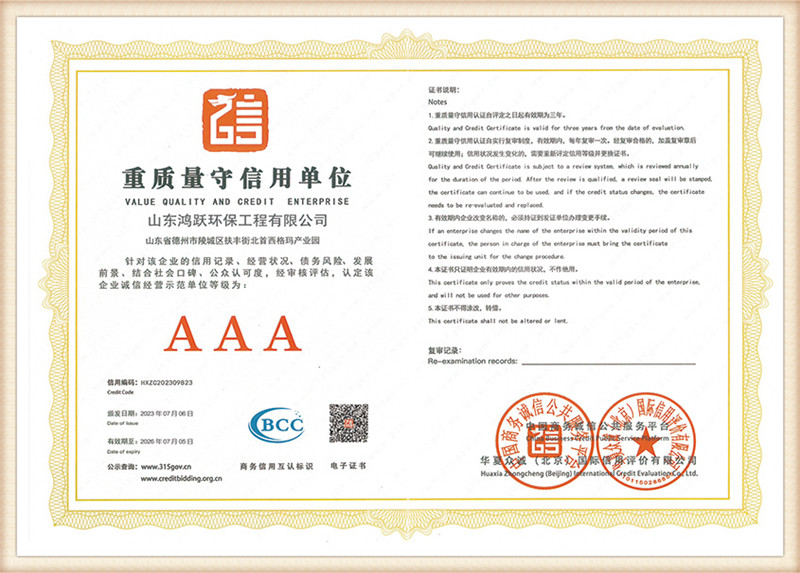
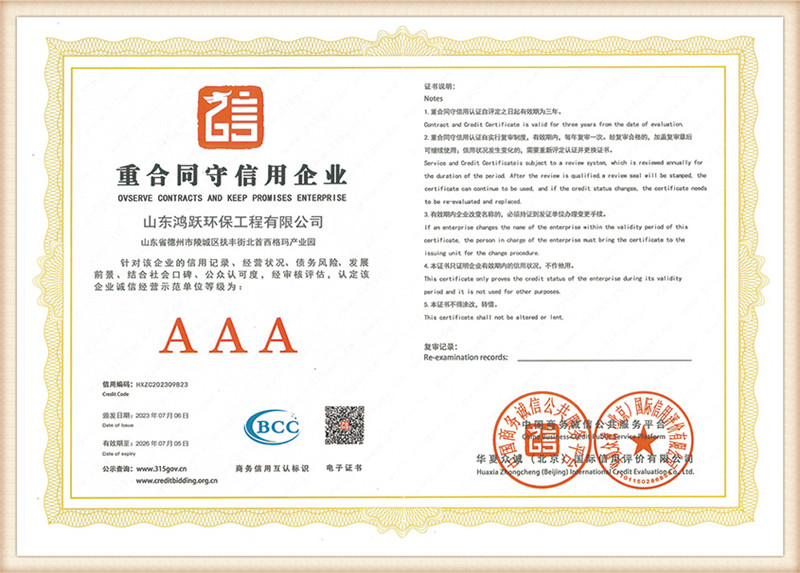
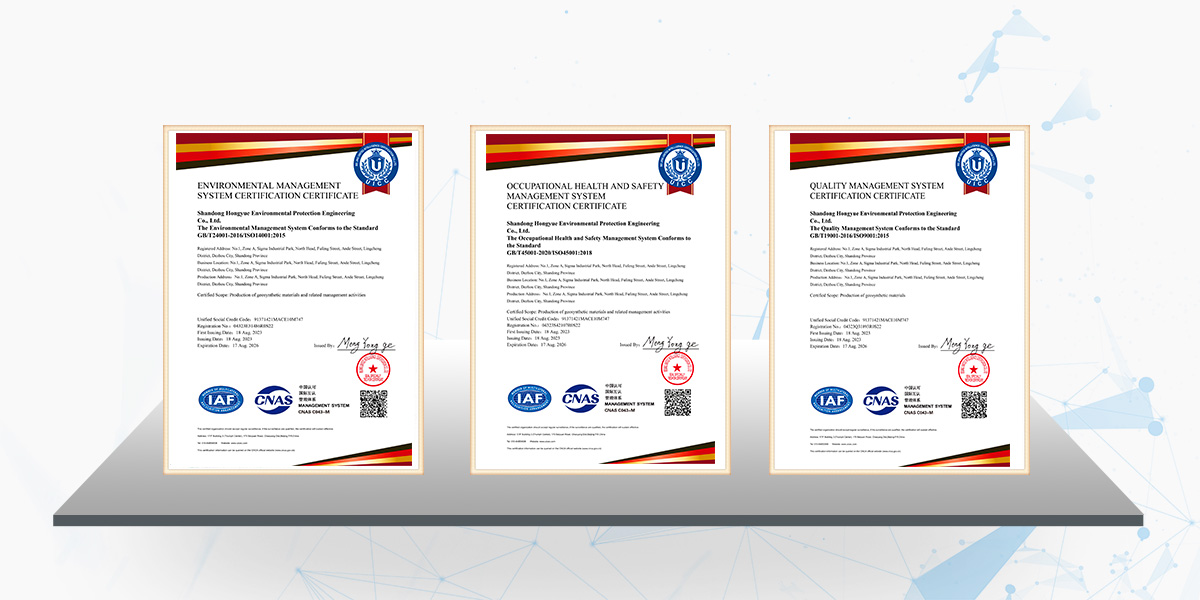
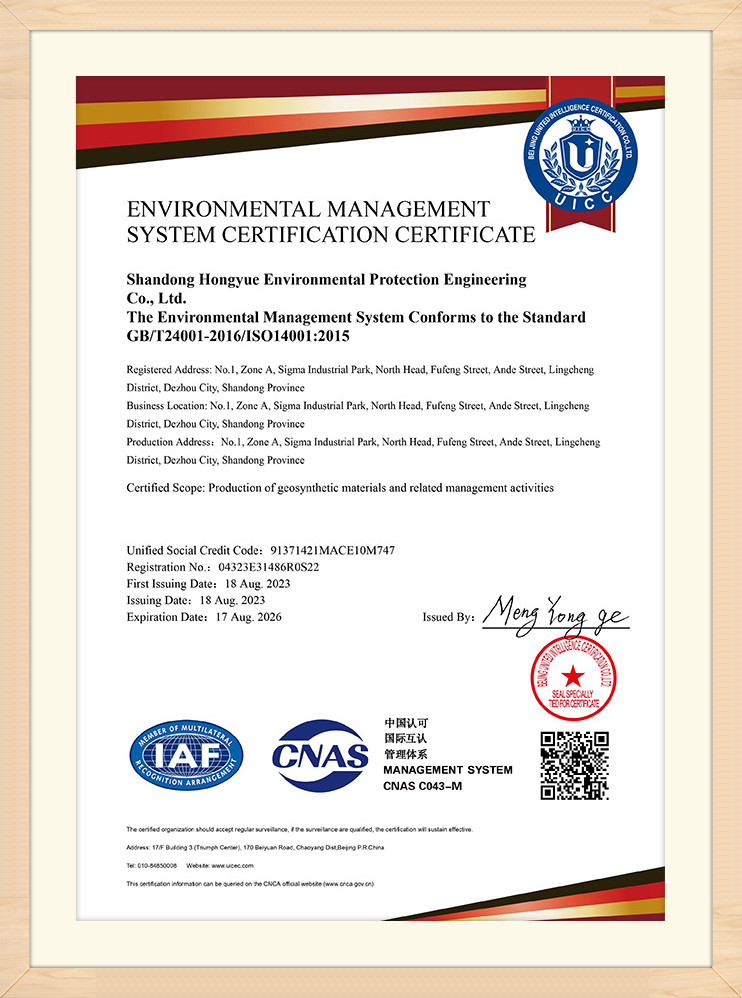
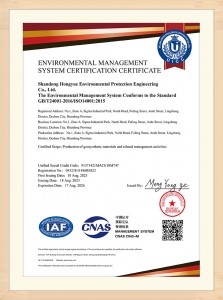
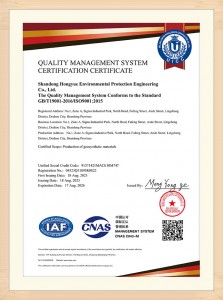
Shandong Hongyue Environmental Engineering Co., Ltd. operates a quality management system certified under ISO9001, ISO14000, and ISO45001. All exported products undergo evaluation at our testing laboratory, which is equipped to run tensile tests, permeability evaluations, carbon black dispersion checks, and accelerated UV degradation tests.
Our products are designed to meet or exceed standard requirements, with compliance verified by testing agencies in China. We supply project sites across Europe, the Americas, and Australia, maintaining trace records from resin batching through to final delivery.
The global geosynthetics market is increasingly focused on environmental sustainability, material lifespan, and cost-efficiency. In European procurement, projects are evaluated based on both initial cost and lifetime durability, with life-cycle assessments (LCA) highlighting the carbon emission savings of using geosynthetics over traditional gravel and rock installations.
Our engineering services team supports projects from initial planning through to on-site installation. We assist with material selection, site preparation, and welding protocols, helping construction teams adapt to challenging field conditions. This coordination helps ensure the installed geosynthetic barrier systems perform as designed.
In response to changing regulatory requirements, manufacturers are working to reduce the carbon footprint of production. By using optimized logistics networks, bulk ocean freight, and direct shipping lines from Qingdao and Tianjin to Italian ports, we minimize transport-related emissions while maintaining competitive pricing.
Common questions regarding regulatory standards, material specifications, and logistics for Italian infrastructure projects.
Contact our technical team to discuss material properties, standards compliance, and volume pricing for Italian infrastructure projects.
Send Inquiry Now Hongyue