 Hongyue
Optimized reinforcement materials matching Washington State DOT specifications and local geotechnical requirements.
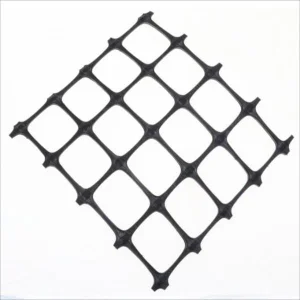
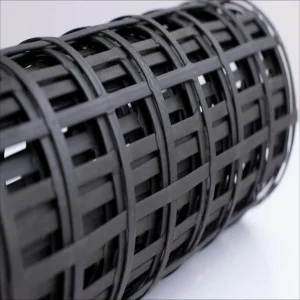
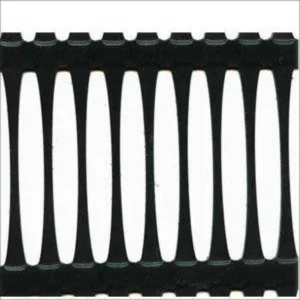
Seattle, Washington, sits in a dynamic geologic landscape defined by glacial deposits, hilly terrains, and heavy seasonal precipitation. For civil engineers in the Pacific Northwest (PNW), structural integrity starts below the surface. Navigating the complexities of Seattle’s local soils—such as variable glacial till, soft clays, peat bogs, and liquefaction-prone alluvial zones near the Puget Sound—demands advanced reinforcement materials.
Under the guidelines of the Washington State Department of Transportation (WSDOT) and municipal structural codes, stabilization projects cannot rely solely on traditional aggregate replacement. Runoff management, high seismic risk (Cascadia Subduction Zone), and critical environmental regulations require high-performance polymeric structures. Geogrids have emerged as the primary mechanism for roadbed stabilization, retaining wall design, and soil slope mitigation throughout the Seattle-Tacoma-Bellevue metropolitan area.
Why Geogrids are vital in Seattle's civil engineering projects:
Bridging Shandong manufacturing power with Seattle's demanding infrastructure specifications.
The global demand for geosynthetic solutions has experienced an upward trajectory as public works departments globally seek to lower lifecycle costs of road networks. Chinese factories, particularly those located in Dezhou, Shandong Province, represent the core center of high-capacity production. The concentration of polymer extrusion infrastructure, engineering expertise, and shipping pipelines guarantees a reliable and scalable supply chain to the United States.
Importing high-specification geogrids from China to Seattle provides significant cost advantages without sacrificing quality control. Standard shipping routes from northern Chinese ports (such as Qingdao) directly connect to the Port of Seattle. This ensures that massive construction schedules in Washington can maintain access to container volumes of uniaxially and biaxially stretched geogrids within predictable lead times.
Furthermore, Chinese manufacturing hubs like Shandong Hongyue Environmental Engineering Co., Ltd. rely on scale economies, automated quality inspections, and premium polymer formulations. These allow for competitive cost structures that directly benefit engineering firms, heavy contractors, and municipal procurements in Seattle.
Shandong Hongyue Environmental Engineering Co., Ltd., located at the north end of Fufeng Street, Lingcheng District, Dezhou, Shandong Province, is a scientific and technological geotechnical material manufacturer integrating engineering material production, sales, design and construction services. The company was registered in Lingcheng District Market Supervision and Administration Bureau of Dezhou City on April 6, 2023, with a registered capital of 105 million yuan. It is one of the largest production bases of geotechnical materials in China at present, located in Lingcheng District, Dezhou, Shandong Province, with superior geographical location and convenient transportation.
Since the establishment of the company, the business has developed rapidly, continuing to grow and expand. Our company mainly deals in geotextiles, geomembrane, composite geomembrane, waterproof board, bentonite waterproof blanket, 3D composite drainage net, (composite) drainage board, weaving cloth, woven cloth, membrane bags, blind ditches, waterproof and drainage combinations, woven bags, ecological bags, cement blankets, fiber plants blankets, flexible pervious pipes, business includes geosynthetics, waterproofing membrane production, sales, construction, import and export of goods. We have high quality products and professional sales and technical team, our company belongs to Dezhou Geotextile Association, products are widely used in highways, railways, bridges and tunnels, reservoirs and Canals Water Conservancy, artificial lakes, environmental protection, aviation, mining, agriculture and other fields.
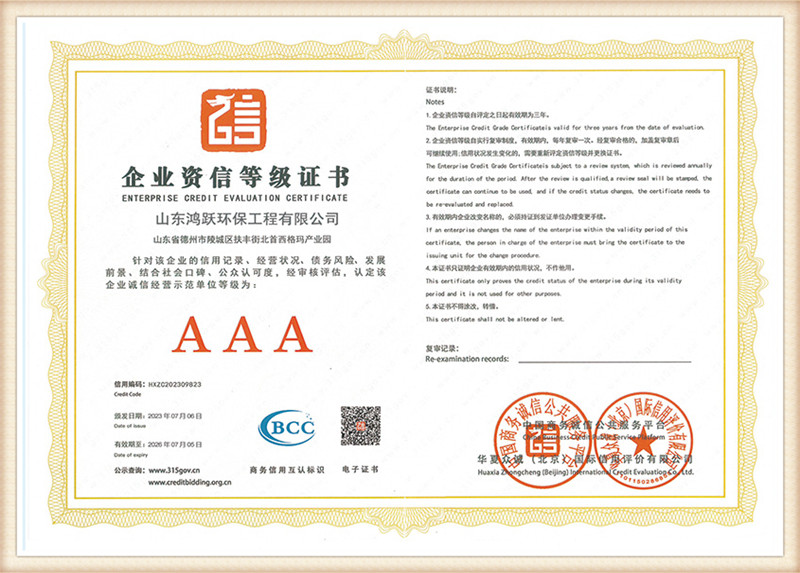
A visual tour through our advanced manufacturing facility, ensuring international quality compliance.
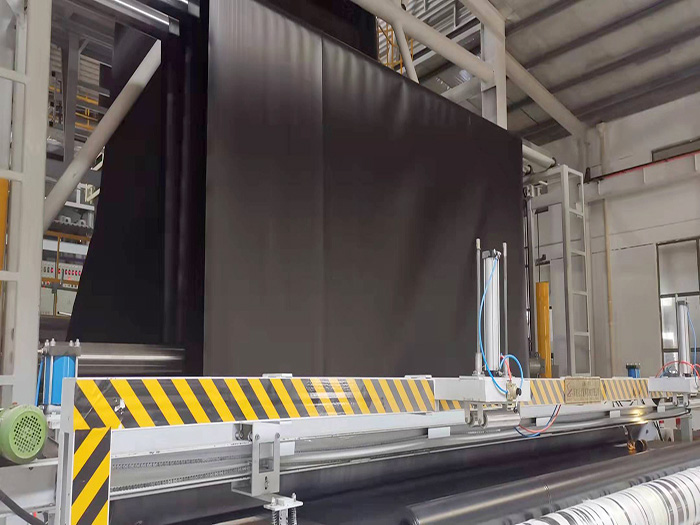
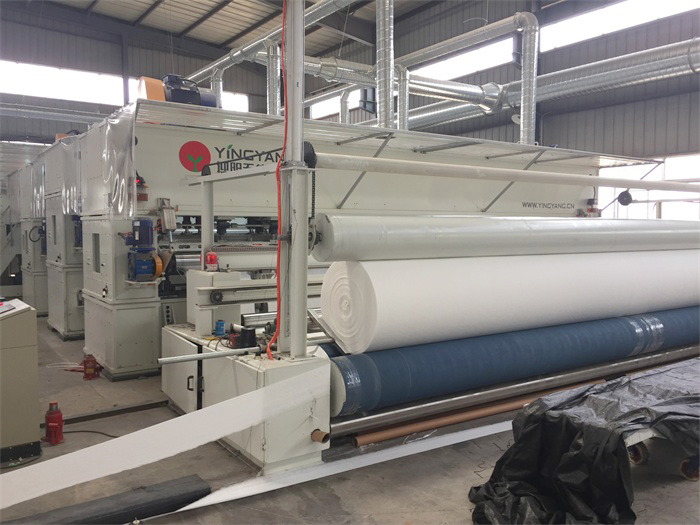
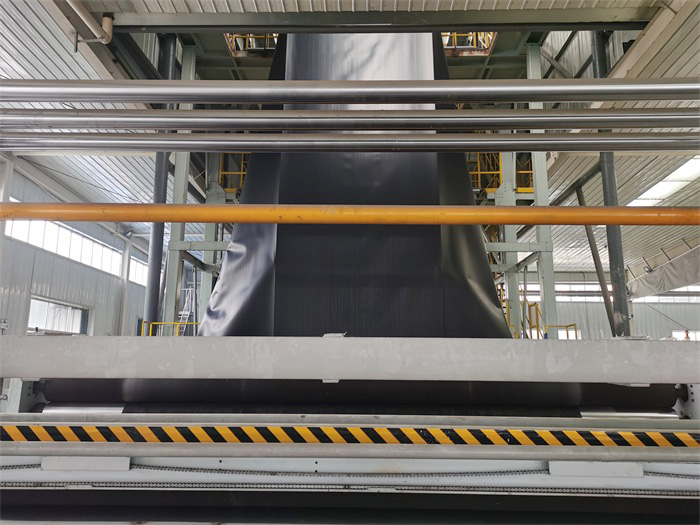
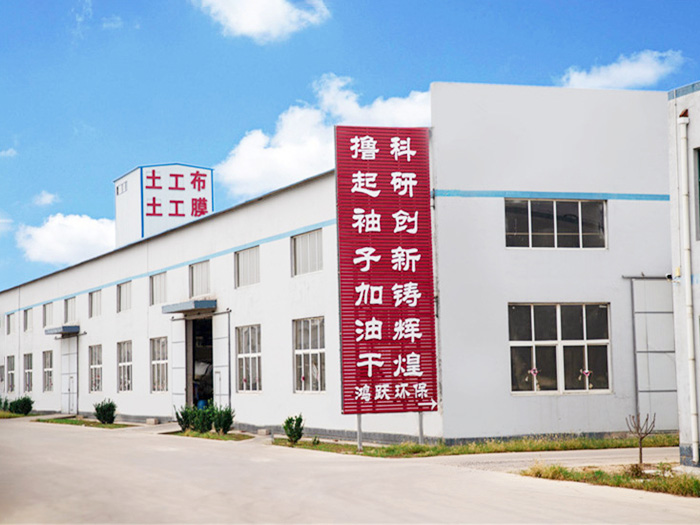
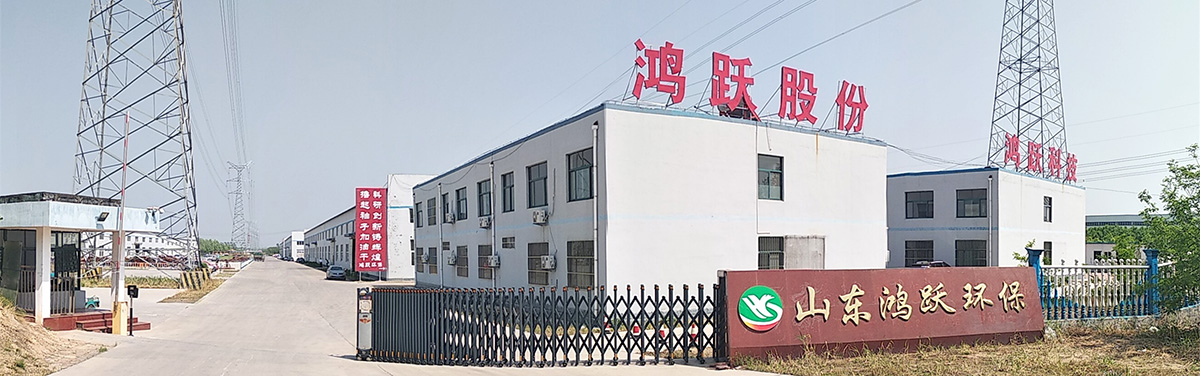
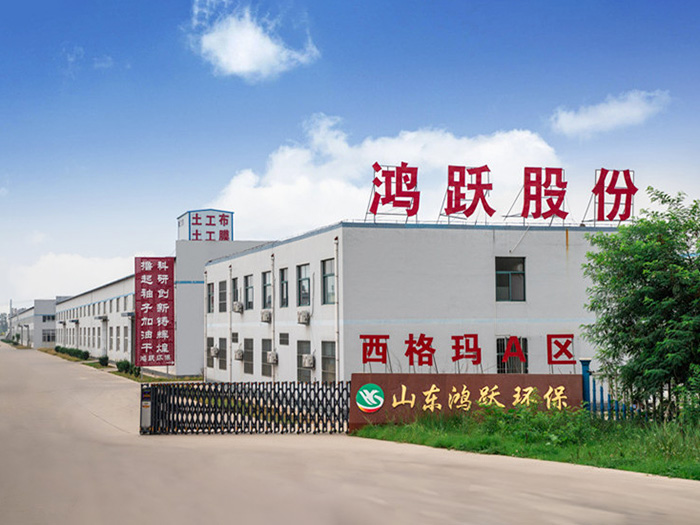
We utilize standardized construction site management, standardization of anti-seepage materials, professionalization of construction teams, and integration of engineering after-sales service.
Engineered systems matching structural design criteria for landfills, canals, roadbeds, and foundations.
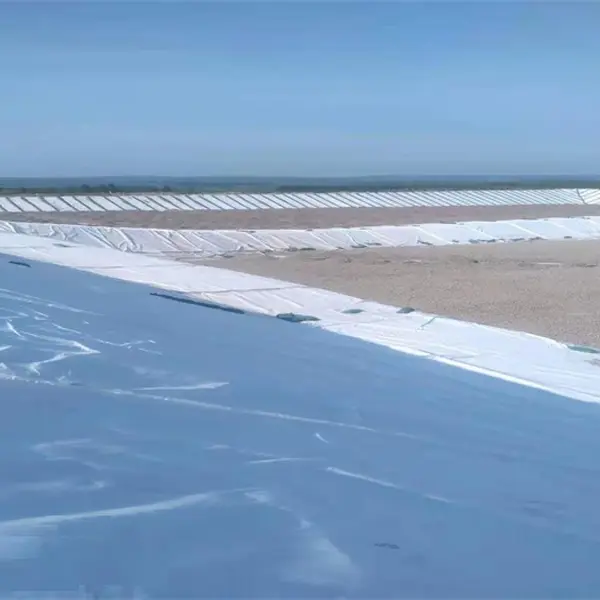
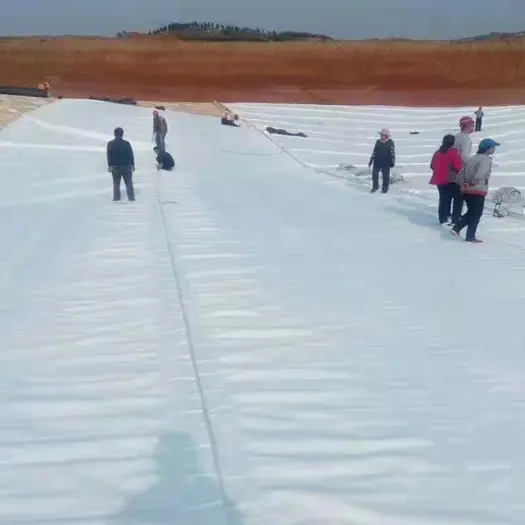
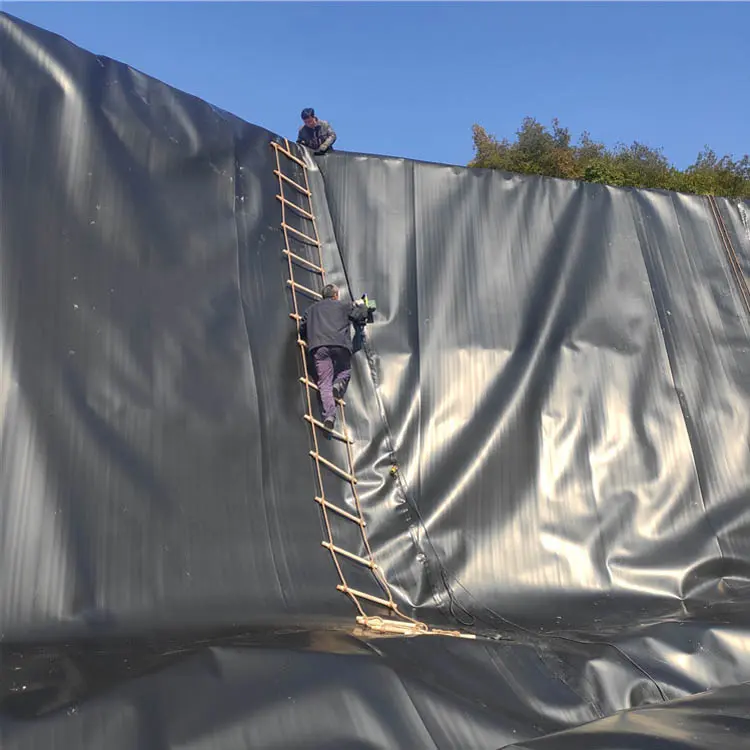
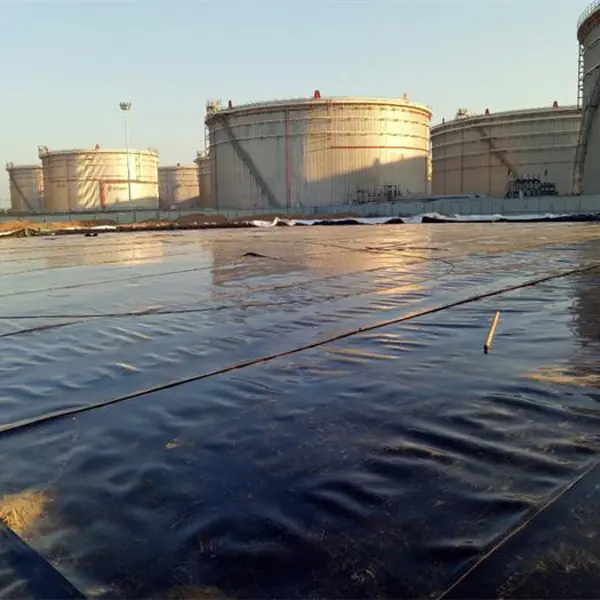
How quality control and advanced extrusion technology translate to reliable field performance.
The main raw materials of geotextiles and geogrids are polyester chips, polypropylene filament, and viscose fiber. These raw materials need to be inspected, arranged, and stored to ensure their high quality and stability before production begins.
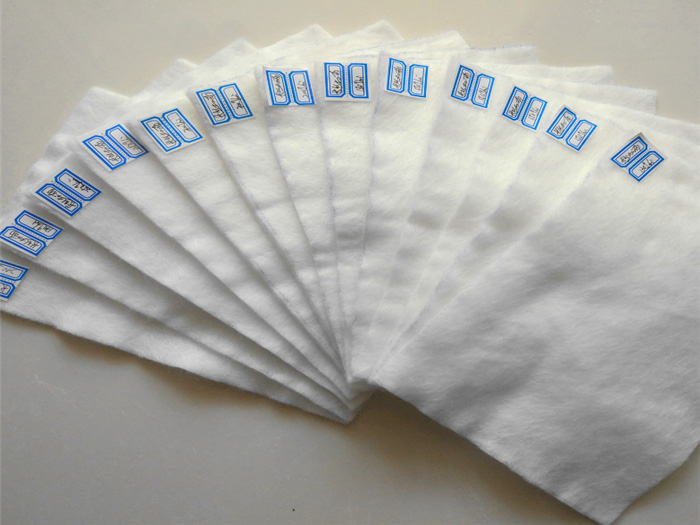
After the polyester slice is melted at high temperatures, it is extruded into a molten state by a screw extruder, and polypropylene filament and viscose fiber are added for mixing. Temperature, pressure, and flow rates are monitored programmatically to verify output consistency.
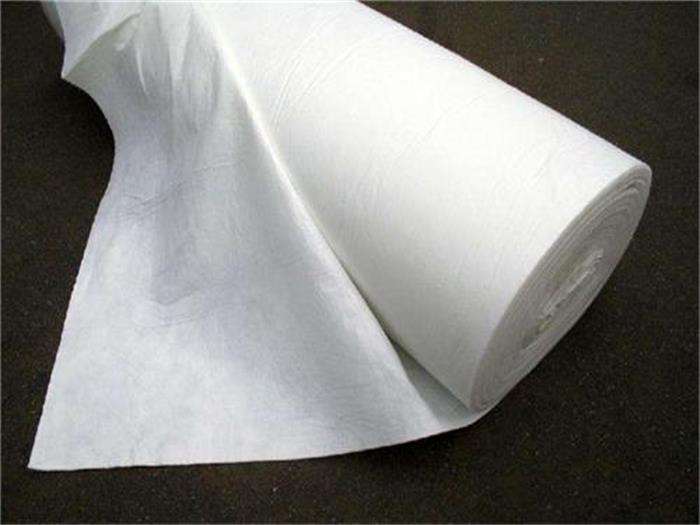
After mixing, the melt is sprayed through the spinneret to form a fibrous substance, creating a uniform network structure on the conveyor belt. Controlling the thickness, uniformity, and fiber orientation ensures optimal physical properties.
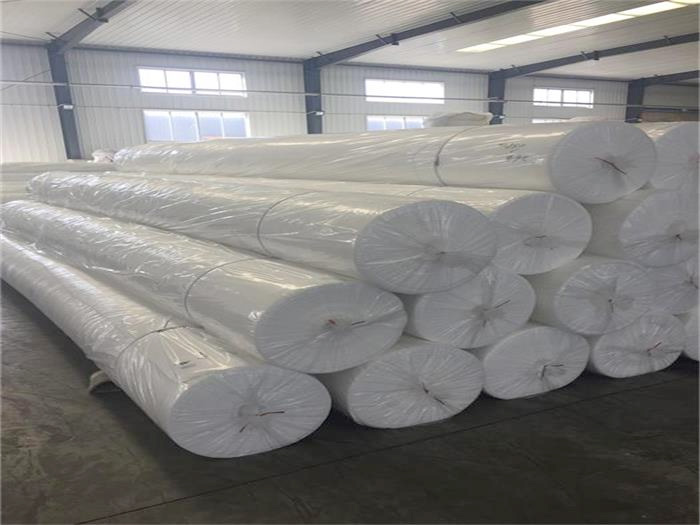
After laying the net into rolls, it goes through draft curing treatment. The temperature, speed, and draft ratio are managed to establish the high wide-width tensile strength and low-creep parameters required for Seattle soils.
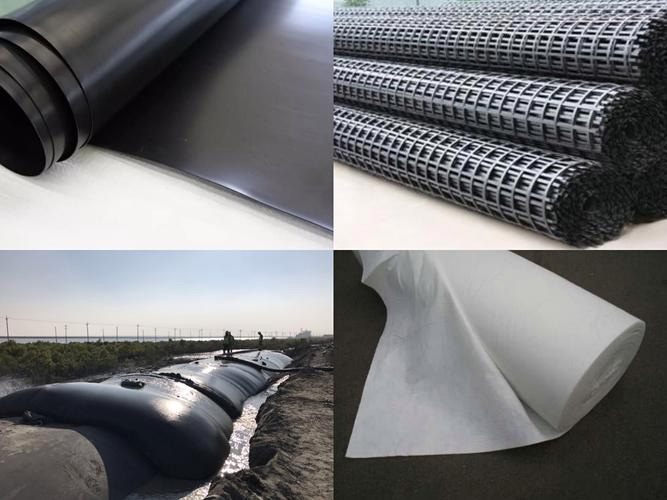
The finished materials are measured for width, roll length, and density. Automated systems wrap and label the products, ensuring moisture-proof and UV-protected containment for transit to the Pacific Northwest.
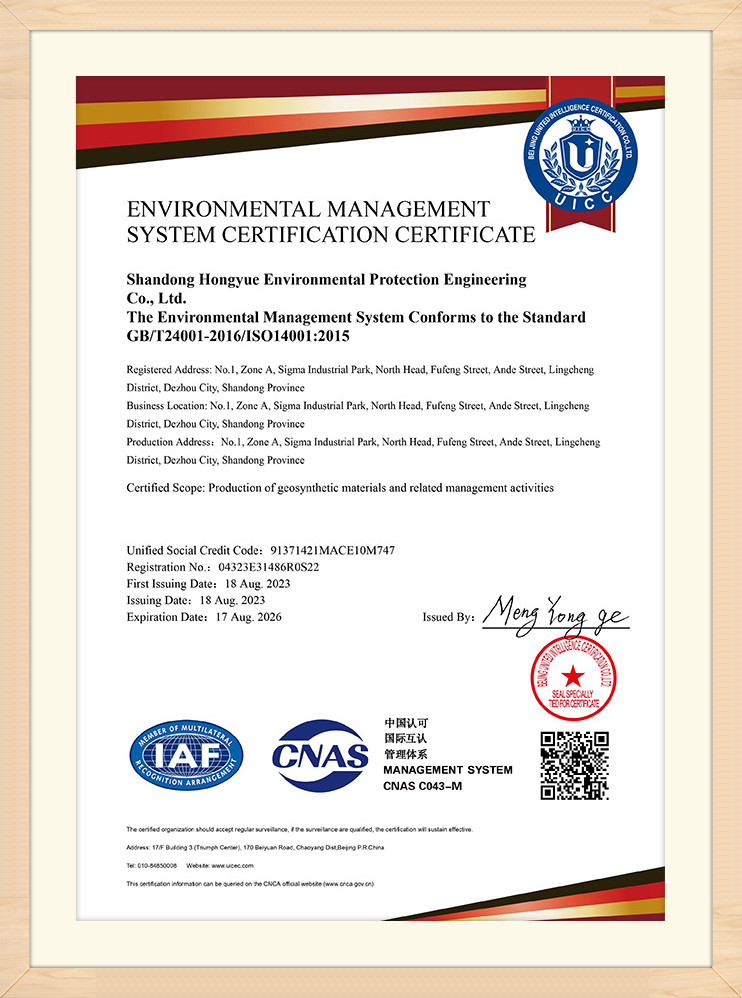
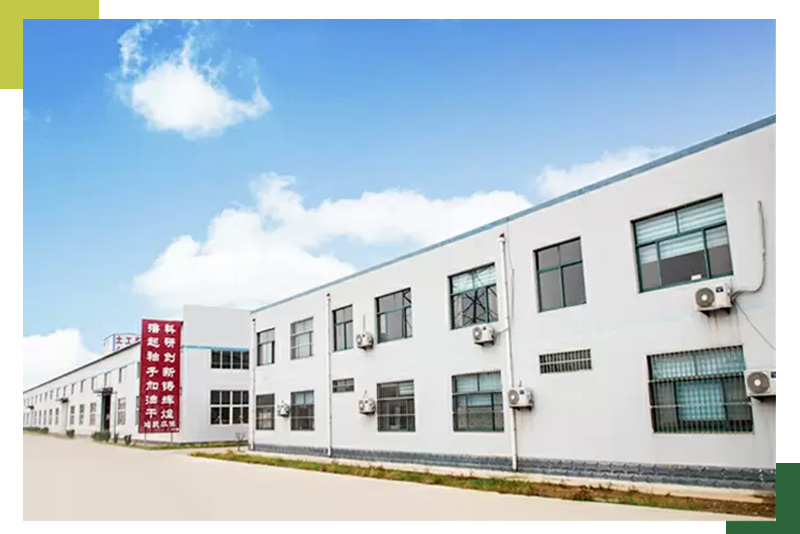
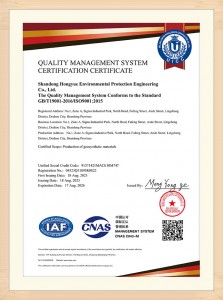
All batches undergo rigorous laboratory testing (physical, chemical, and structural performance). We confirm that each batch complies with WSDOT specs, ASTM standards, and holds certifications from China National Testing Center, ISO 9001, ISO 14000, and ISO 45001.
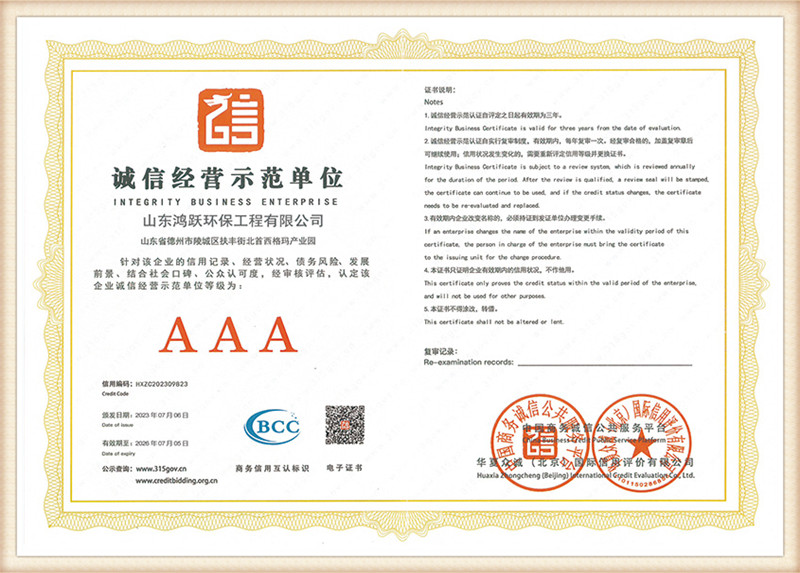
Shandong Hongyue Environmental Engineering Co., Ltd. has a complete and scientific management system, having successfully passed the ISO9001 international quality system certification, ISO14000 environmental system certification, and ISO45001 occupational health and safety management system certification. The company has won multiple honors, including "Green Building Materials Products," "No Consumer Complaints," "China Famous Brand," "High-tech Industry," "Quality Service Double Excellent Unit," and "Provincial Poverty Alleviation Leading Enterprise."
The company adopts the most advanced production technology and equipment process, backed by perfect detection means and precision inspection equipment to ensure that the products always maintain excellent performance. The quality of all products produced by the company has reached or exceeded international standards, passing the certification of the China National Testing Center, and passing all national quality supervision and sampling inspections commissioned by the State Administration of Quality Supervision and Inspection.
Practical engineering advice for Seattle contractors to optimize lifetime structural performance.
Match the raw polymer properties (HDPE, LLDPE, PP) and thickness (0.3mm to 2.0mm) to the local project requirements. High density polyethylene provides exceptional chemical resistance for landfill liners, while biaxial polypropylene geogrids perform best under local roadway subbases.
Ensure the subgrade is level and cleared of sharp rocks or roots. Lay geomembranes with appropriate overlap (folding or flat laying depending on the project spec). For geogrids, ensure consistent tensioning across the grid direction before placing backfill material.
Conduct thermal welding at geomembrane interfaces and carry out tension and shear checks. Maintain regular inspections for structural signs of subgrade shifting or mechanical puncture, immediately repairing damaged zones to secure system longevity.
Proven engineering cases of structural and environmental geotechnical materials in action.
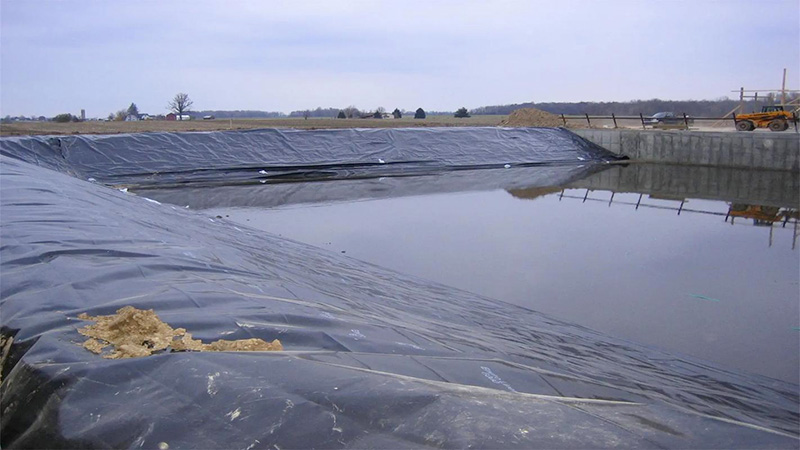
In municipal Seattle reservoirs and watercourse maintenance, geosynthetics serve a dual purpose. They prevent contaminated stormwater runoff from infiltrating local groundwater tables while securing vulnerable canal walls against erosive current structures.
For example, the deployment of anti-seepage composite geomembranes provides a robust waterproof barrier, whereas composite drainage networks rapidly channel pore water away from structural backfills, neutralizing hydro-static pressure issues.
Seattle’s steep coastal and residential topography is highly vulnerable to moisture-induced slope instability. Heavy rainfall acts as a lubricant on soil particles, which can result in localized mudslides or gradual embankment creep.
By reinforcing highway embankments and retaining walls with high wide-width tensile strength geogrids, engineers create coherent Mechanically Stabilized Earth (MSE) structures. The geogrid structure locks aggregate in place, shifting tensile stresses away from critical concrete surfaces and transferring loads safely back into the stable rock core.
A complete suite of certified geotechnical, drainage, and waterproofing solutions suited for local environments.
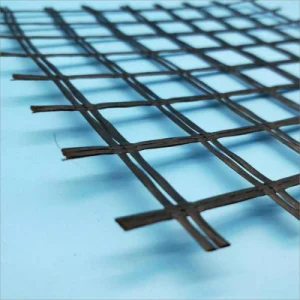
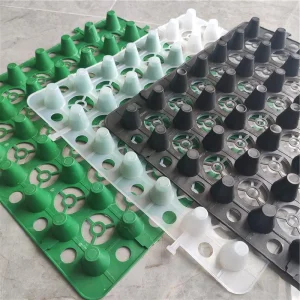
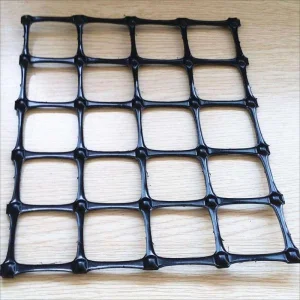
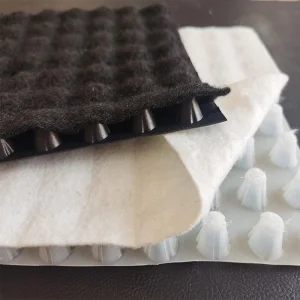
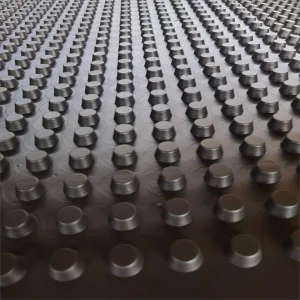
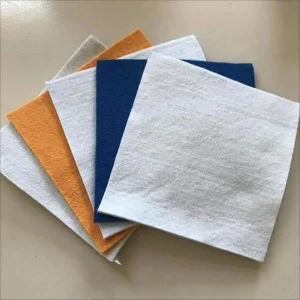
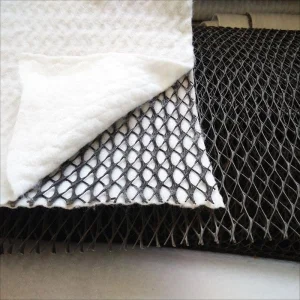
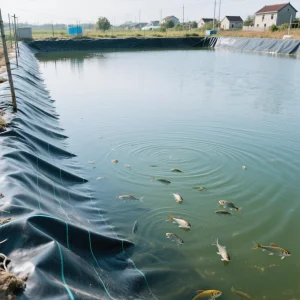
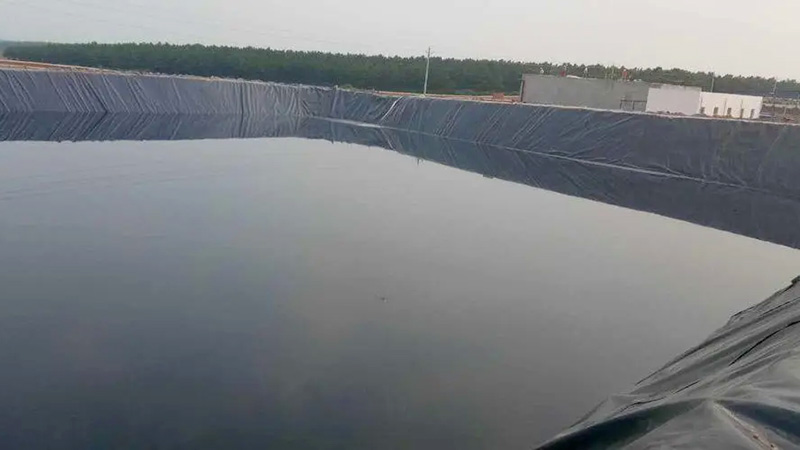
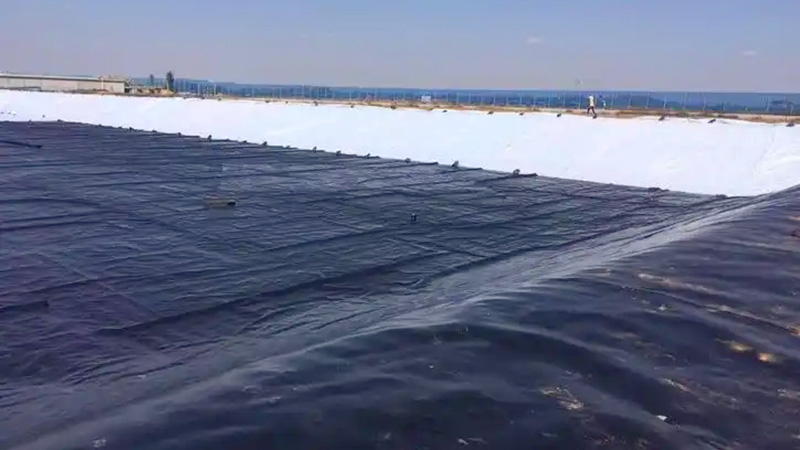
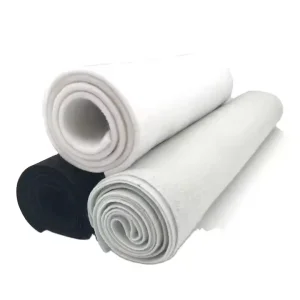
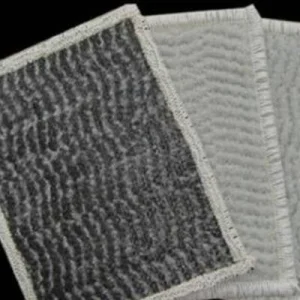
Ensure complete containment and stabilization in Seattle with our certified geotextiles and blankets.
Technical clarifications on sourcing, importing, and specifying Chinese geogrids for Seattle infrastructure projects.
A: Yes. All our uniaxial, biaxial, and custom steel-plastic geogrids are engineered to meet or exceed the requirements of WSDOT Standard Specification Section 9-33 (Geosynthetics). We provide complete mill certificates, quality conformance testing data, and wide-width tensile strength verification reports (ASTM D6637) with each shipment.
A: Sea freight shipments depart from Qingdao Port and take approximately 18 to 22 days to reach the Port of Seattle. Including manufacturing schedules and customs clearance procedures, the end-to-end delivery cycle typically ranges between 30 and 45 days.
A: We operate a fully equipped internal testing laboratory to verify wide-width tensile properties, junction efficiency, aperture geometry, and carbon black content. Every batch of geogrid is sampled and tested according to ASTM protocols before it is loaded into shipping containers, and our operations are certified under ISO 9001:2015.
A: Yes. Thanks to our advanced extrusion and drawing lines, we can adjust grid aperture configurations and manufacture custom roll widths (up to 6 meters) and lengths. Custom configurations help contractors reduce layout overlap waste, lowering total construction costs.
A: You can submit your project specs directly by clicking the "Send Inquiry Now" button and filling out our contact form. Our sales and engineering teams can provide formal pricing quotes, material data sheets, and physical samples to Seattle-based engineering offices within 24 hours.