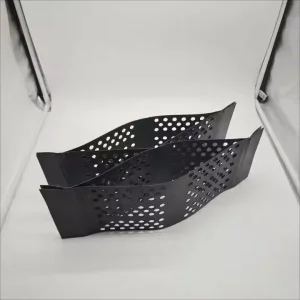
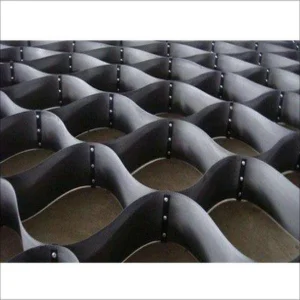
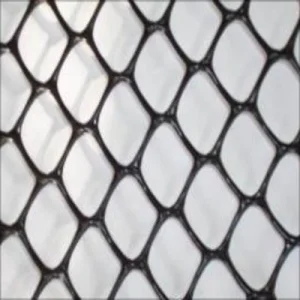
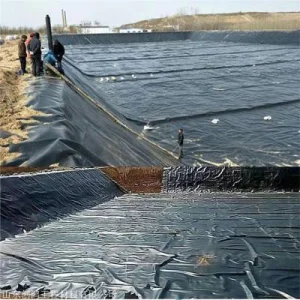
Discover our primary engineered geocell structures optimized to endure the intense climatic, seismic, and topographical variations of Peru's terrain. From high-altitude mountain passes in Cusco to the arid coastal desert projects along the Pan-American Highway.
Peru presents some of the most challenging geographical conditions in South America. The Andean mountain range, heavy tropical rainfalls in the Amazon basin, and high seismic activity require robust, high-performance civil engineering solutions. Geocells—three-dimensional cellular confinement systems—have revolutionized how local civil engineers tackle soil erosion, slope instability, and weak subgrade foundations.
Whether stabilizing mine tailings dams in Cajamarca, protecting steep embankments from landslides in Huancayo, or laying structural foundations over shifting coastal sands in Piura, high-density polyethylene (HDPE) geocells are increasingly specified by the Peruvian Ministry of Transport and Communications (MTC).
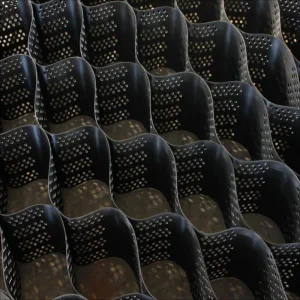
Geocells function by creating a 3D confinement network that prevents lateral displacement of infill particles. Under load, the hoop stress of the high-density polyethylene (HDPE) cell wall transfers vertical loads to adjacent cell chambers. This mechanism creates a composite structural foundation that behaves like a semi-rigid slab.
This mechanical transformation is critical for Peruvian road construction. By confining poor-quality local infill materials, geocells increase the soil's load-bearing capacity by up to 300%. This reduces the requirement for expensive imported aggregate, yielding major cost savings in remote regions like Loreto or Puno.
| Geocell Technical Attribute | Standard Range (Textured/Perforated) | Engineering Benefit |
|---|---|---|
| Polymer Density (ASTM D1505) | 0.940 - 0.965 g/cm³ | Maximum resistance to environmental stress cracking and chemical corrosion. |
| Carbon Black Content (ASTM D1603) | Min. 2.0% | High UV resistance for exposed, high-altitude Andean environments. |
| Seam Weld Efficiency (EN ISO 13426-1) | > 90% of parent material strength | Ensures cells do not split under maximum compaction or heavy vehicle loads. |
| Dynamic Load Frequency Resistance | Up to 10,000 cycles | Excellent performance in seismically active zones across Peru. |
The global demand for geosynthetic solutions is rising rapidly as infrastructure planners prioritize carbon footprint reduction and climate-resilient projects. Globally, geocells are recognized as key tools for sustainable development. They minimize aggregate excavation and quarrying by utilizing local, on-site infills (such as river silt or poor sandy soils).
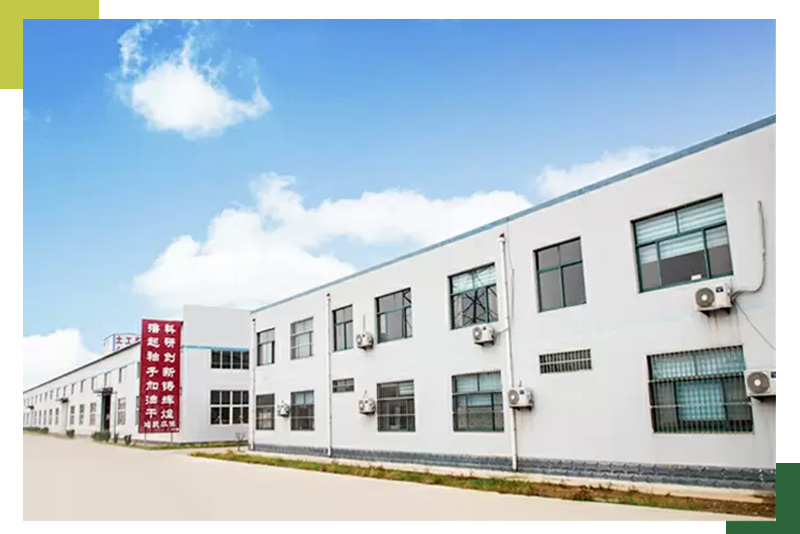
Shandong Hongyue Environmental Engineering Co., Ltd., located at the north end of Fufeng Street, Lingcheng District, Dezhou, Shandong Province, is one of the largest geotechnical material production hubs in China. Registered on April 6, 2023, with a capital of 105 million yuan, our facility is equipped with automated extrusion and ultrasonic welding lines. This allows us to offer competitive manufacturing lead times, reliable batch-to-batch consistency, and custom specifications tailored to complex Peruvian infrastructure projects.
Our modern factory features advanced extrusion lines, ultrasonic welding setups, and comprehensive testing laboratories. Explore our manufacturing facility in Shandong:
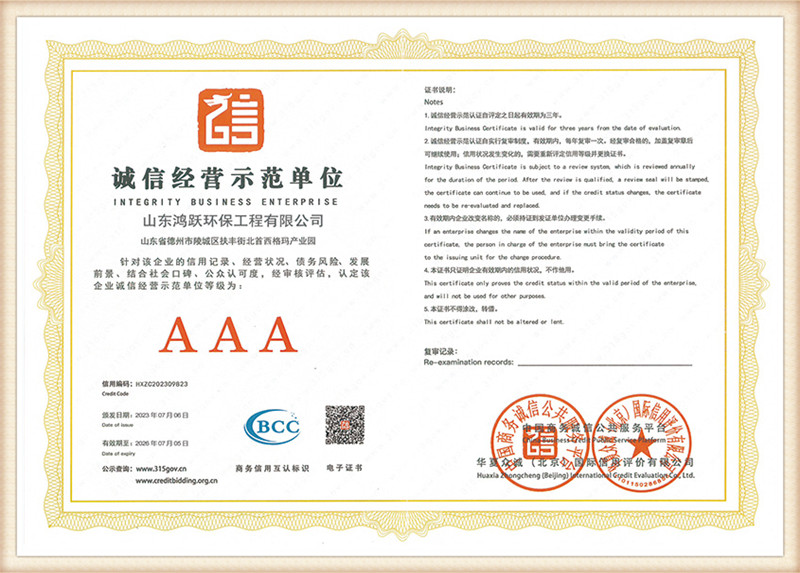
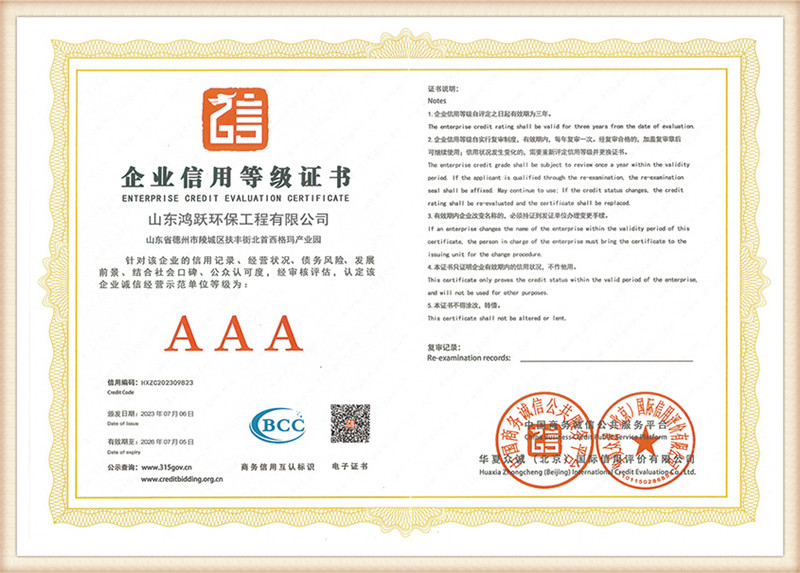
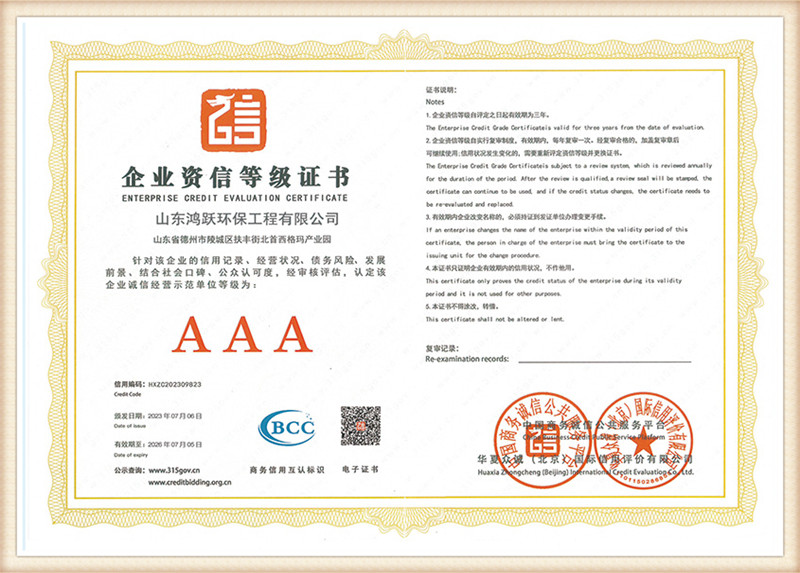
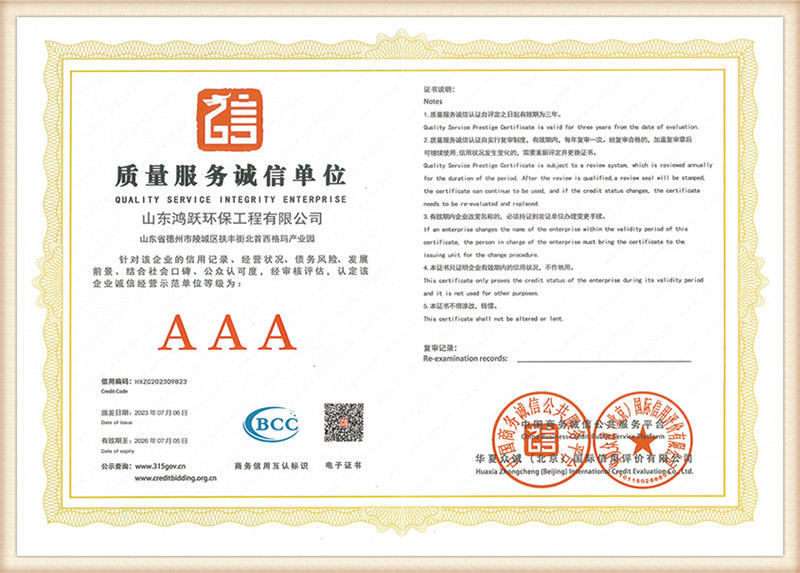
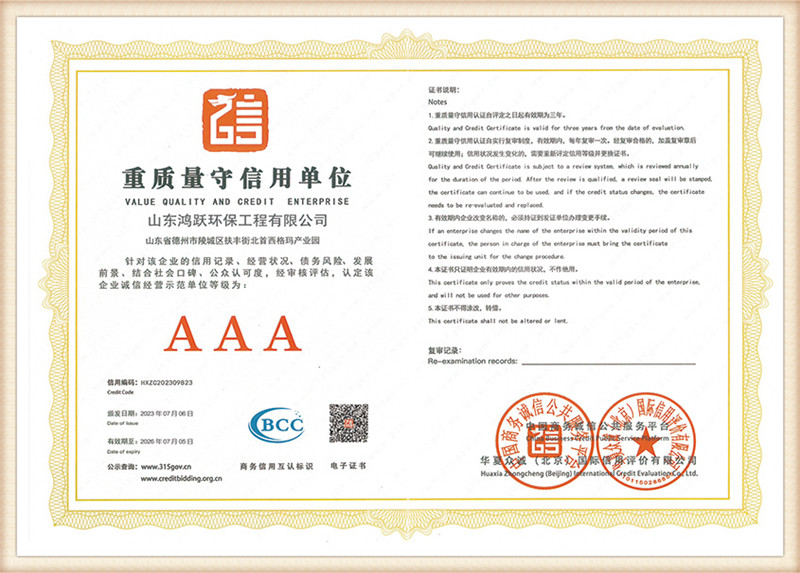
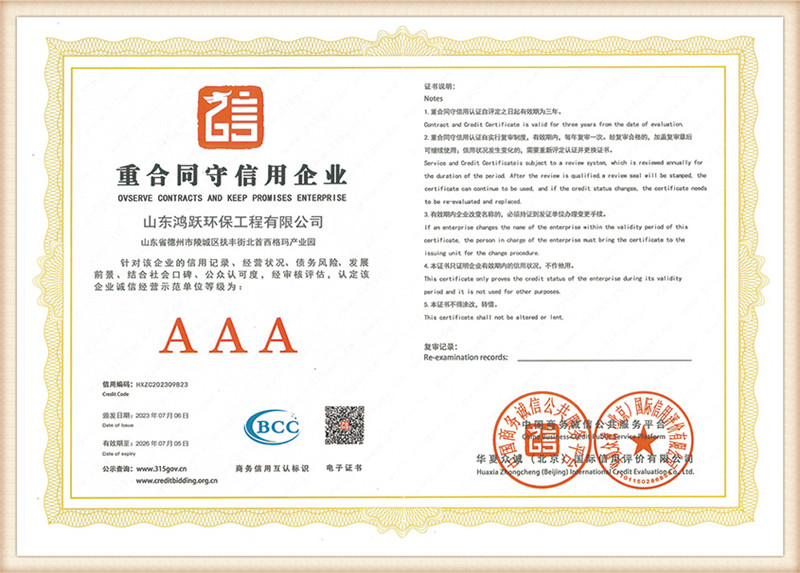
Every production batch undergoes strict quality monitoring. Our tests cover seam peel strength, tensile strength, environmental stress cracking, and UV stability, ensuring compliance with ASTM and ISO international standards.
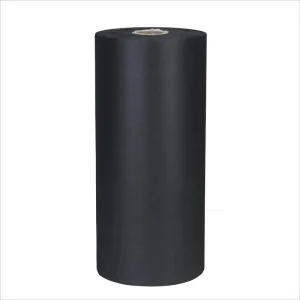
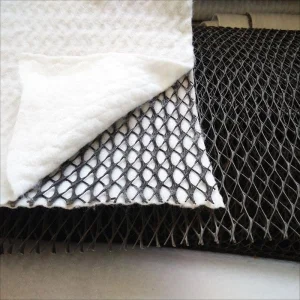
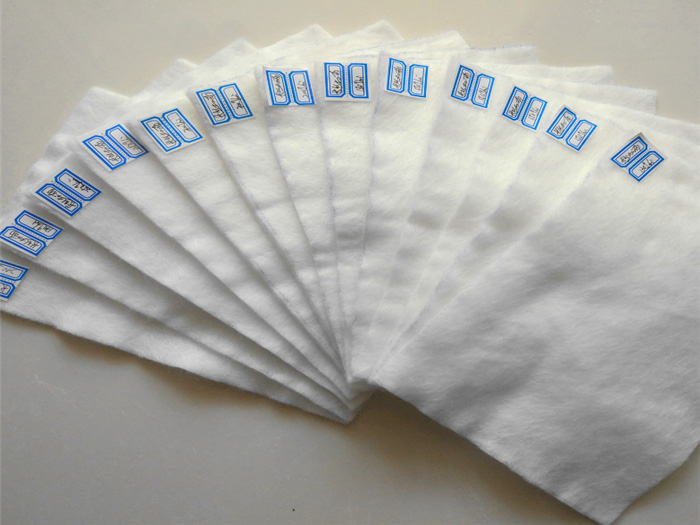
Our geotextiles and geocells are manufactured through advanced melt-extrusion processes:
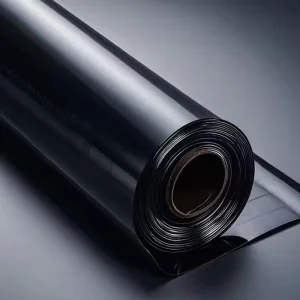
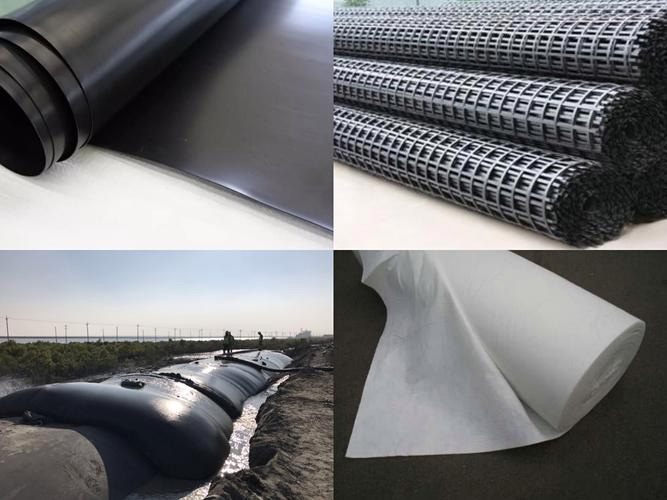
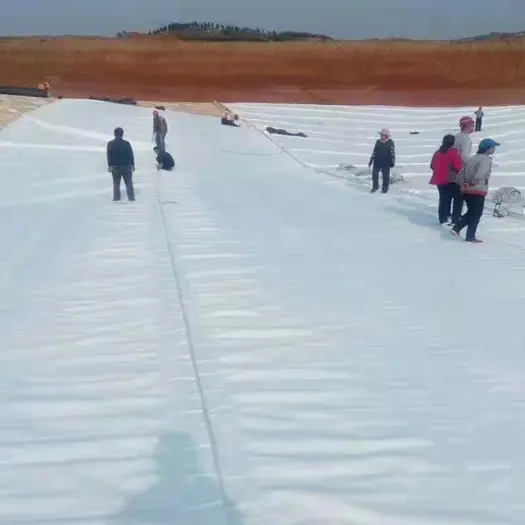
For projects requiring containment (such as mining ponds and canal linings in Peru), geomembranes are often used alongside geocell systems:
Our engineered solutions are designed to address the specific geological and civil engineering challenges encountered across Peru's diverse regions:
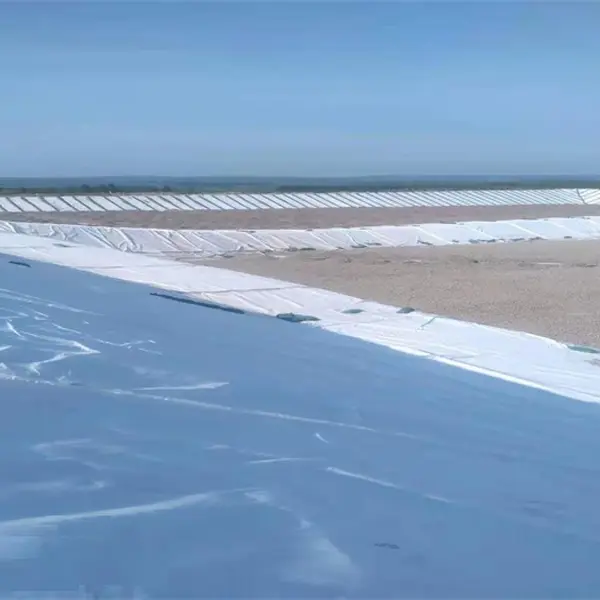
Seepage control for agricultural canals and reservoirs in La Libertad. By pairing HDPE geomembranes with concrete-infilled geocells, we create erosion-resistant canal linings that withstand high-velocity water flows.
Preventing landslides on steep road cuts along Andean highways. Geocells filled with soil and native vegetation establish a natural root system that anchors the surface soil, resisting rain-induced erosion.
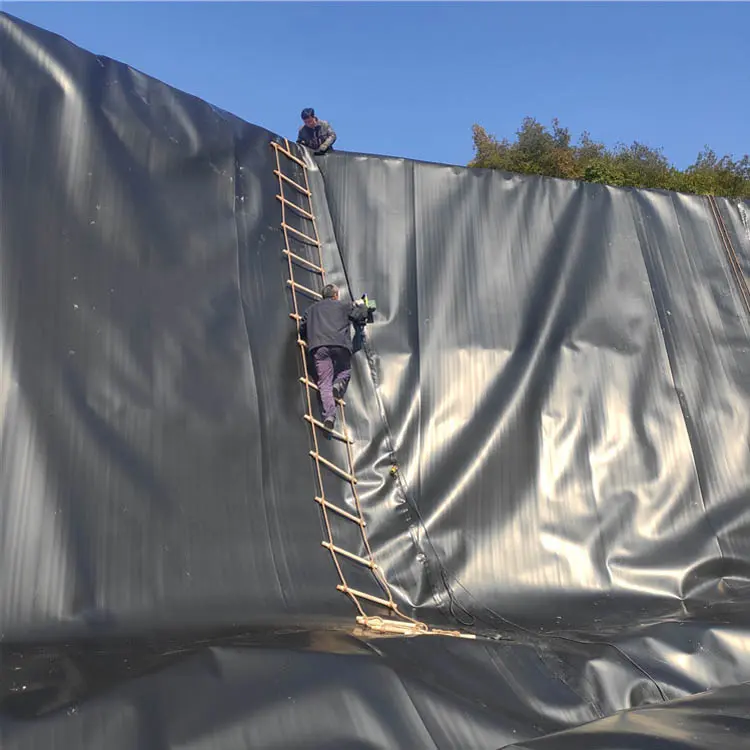
Reinforcing tailings dams, leachate ponds, and heavy-haul access roads at high elevations. Our geocells distribute heavy wheel loads, reducing subgrade rutting and stabilizing access roads.
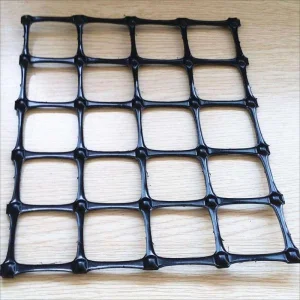
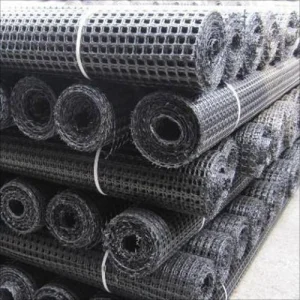
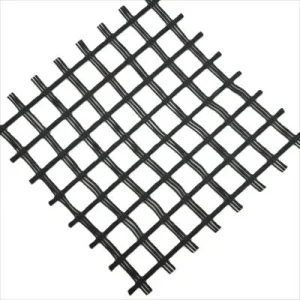
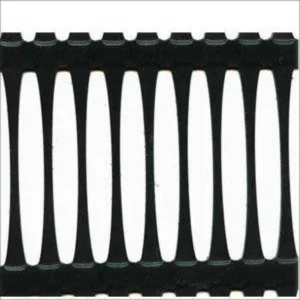
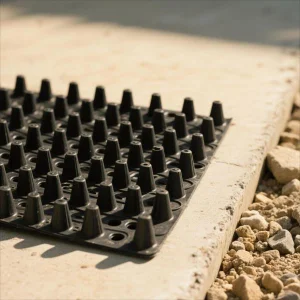
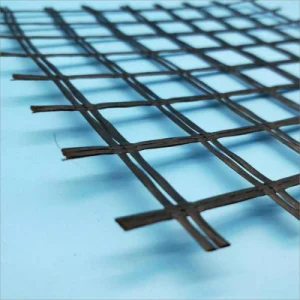
Our full portfolio of geogrids, geomembranes, and drainage nets provides complete systems for soil reinforcement, fluid containment, and drainage management.
We maintain production lines for specialized projects, including fiberglass geogrids, HDPE geonets, and pond liners.
Read our FAQ for insights on geosynthetic selection, shipping logistics to South America, and installation practices:
For slopes steeper than 1:1.5, we recommend utilizing a cell height of 100mm to 150mm with textured and perforated cell walls. The perforations optimize friction between the cell wall and the soil, while allowing lateral water movement to prevent hydraulic pressure buildup behind the face.
Our geocells are manufactured with high-quality carbon black additives (minimum 2.0% as per ASTM D1603). This ensures the structural integrity of the polymer chains remains intact under intense ultraviolet exposure, typical at elevations above 3,000 meters in regions like Cusco or Arequipa.
We ship directly from Qingdao or Tianjin ports in China to Callao Port (Lima), Peru. The maritime transit time is typically 30 to 45 days. We provide comprehensive export documentation, including Bills of Lading, Certificate of Origin, and Factory Quality Test Reports, to streamline customs clearance.
Yes. One of the main advantages of using geocells is the ability to use local sandy, silty, or clayey soils for fill material. For high-load highway subgrades, we recommend using crushed stone or gravel, while vegetated slopes can be filled with topsoil to support native plant growth.
Contact Shandong Hongyue Environmental Engineering Co., Ltd. Our engineering team provides custom layout designs, project bill of materials (BOM) estimates, and competitive pricing for bulk shipments to Peru.
Send Inquiry Now Hongyue