High-load and erosion-control products adapted for the demanding geological terrain of Switzerland.
Switzerland's unique geography, characterized by the rugged Alps and the Swiss Plateau, poses extreme challenges for civil engineering, road construction, and ecological stabilization. Canton transport departments, railway networks (such as SBB), and municipal authorities frequently face steep-gradient stability issues, severe freeze-thaw cycles, and heavy seasonal precipitation. Traditional structural concrete solutions are not only financially prohibitive but also conflict with Switzerland's strict federal environmental protection acts.
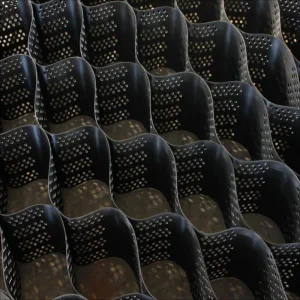
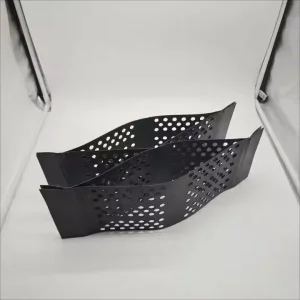
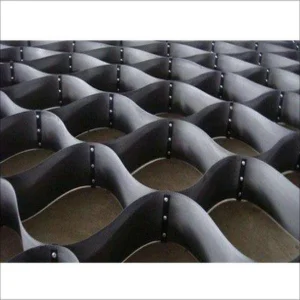
In recent years, the adoption of 3D cellular confinement systems, widely known as geocells, has transformed the landscape of Swiss civil engineering. Geocells provide a structural framework that significantly enhances the shear strength of infill materials (soil, sand, gravel, or concrete). This cellular confinement prevents lateral displacement of soils, making them highly effective for slope protection, embankment support, and load distribution on weak subgrades. Specifically, cantons like Graubünden, Wallis, and Bern have implemented geocells to secure mountain pathways, retaining walls, and alpine railway foundations against washouts and landslides.
E-E-A-T Technical Insight: The application of high-density polyethylene (HDPE) geocells in alpine environments requires critical attention to the Environmental Stress Cracking Resistance (ESCR). According to ASTM D5397, geocells utilized at high elevations must maintain structural integrity under low temperatures (-40°C to +80°C) and sustain continuous load cycles without seam separation.
From a mechanical perspective, geocells act as a semi-rigid slab over weak soils. When vertical loads are applied to the cell, lateral confining pressure is generated on the cell walls. This confinement increases the compaction and density of the infill, leading to an increased secant modulus of the composite layer.
Shandong Hongyue Environmental Engineering Co., Ltd. brings top-tier manufacturing metrics to international projects.
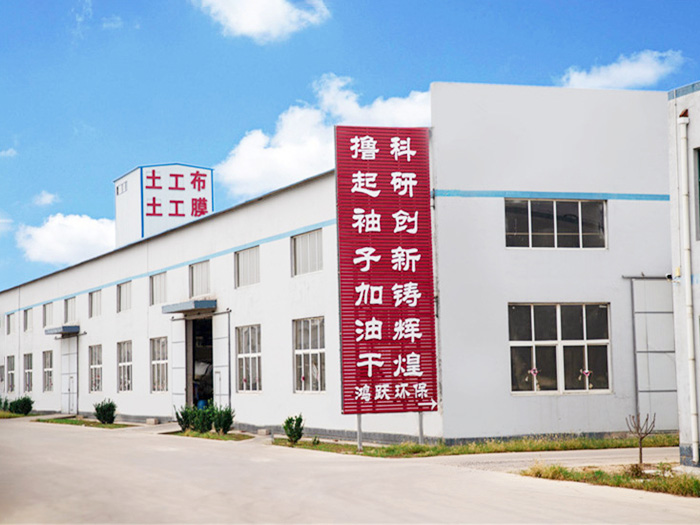
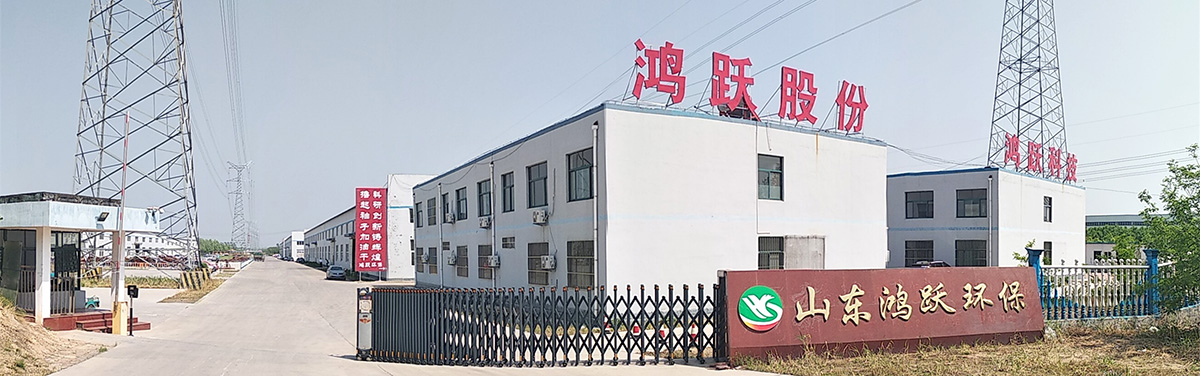
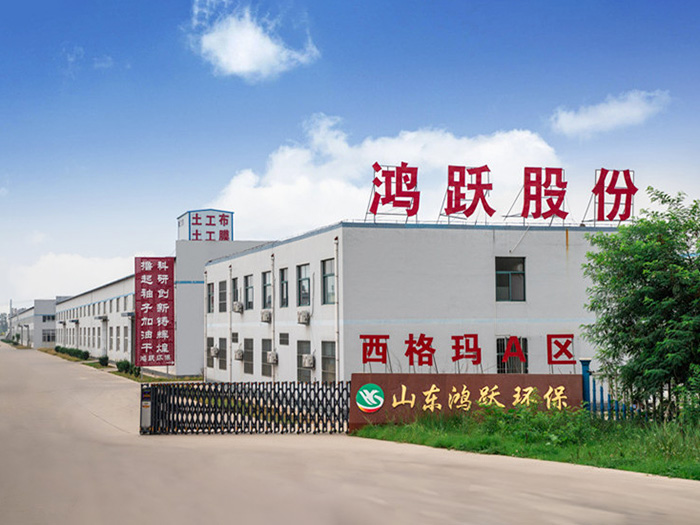
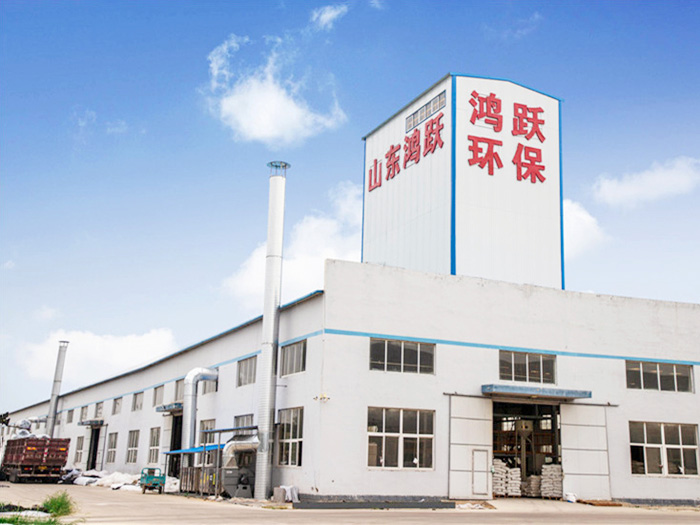
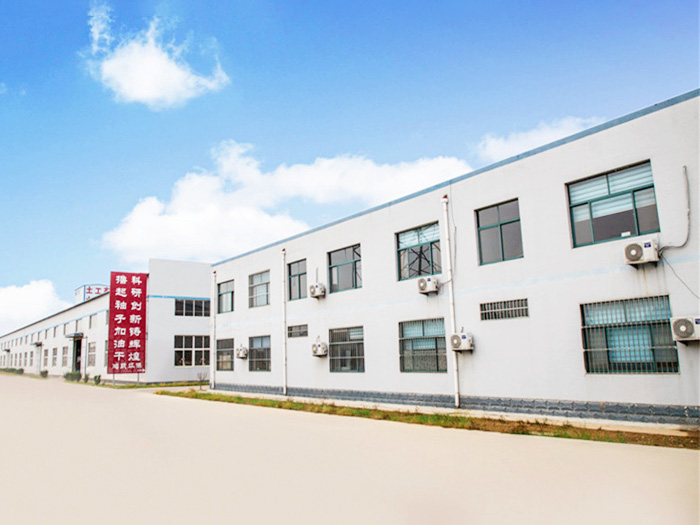
Shandong Hongyue Environmental Engineering Co., Ltd., located at the north end of Fufeng Street, Lingcheng District, Dezhou, Shandong Province, is a scientific and technological geotechnical material manufacturer integrating engineering material production, sales, design and construction services. The company was registered in Lingcheng District Market Supervision and Administration Bureau of Dezhou City on April 6, 2023, with a registered capital of 105 million yuan. It stands as one of the largest production bases of geotechnical materials in China at present, situated in Lingcheng District, Dezhou, Shandong Province, with a superior geographical location and convenient transportation links.
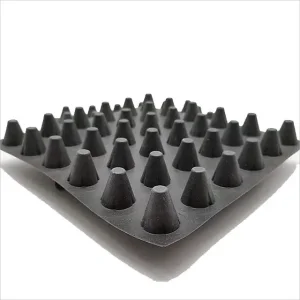
Since the establishment of the company, our business continues to grow and expand. We mainly deal in geotextiles, geomembrane, composite geomembrane, waterproof board, bentonite waterproof blanket, 3D composite drainage net, (composite) drainage board, weaving cloth, woven cloth, membrane bags, blind ditches, waterproof and drainage combinations, woven bags, ecological bags, cement blankets, fiber plants blankets, flexible pervious pipes, and related geosynthetics.
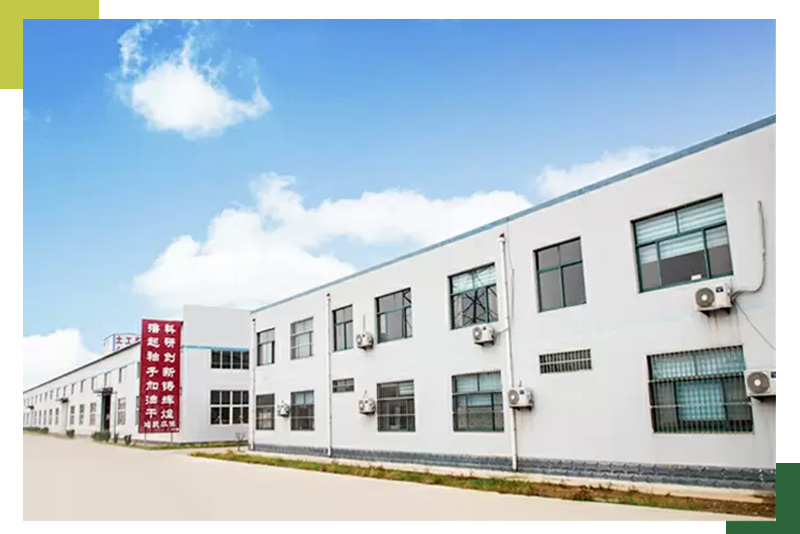
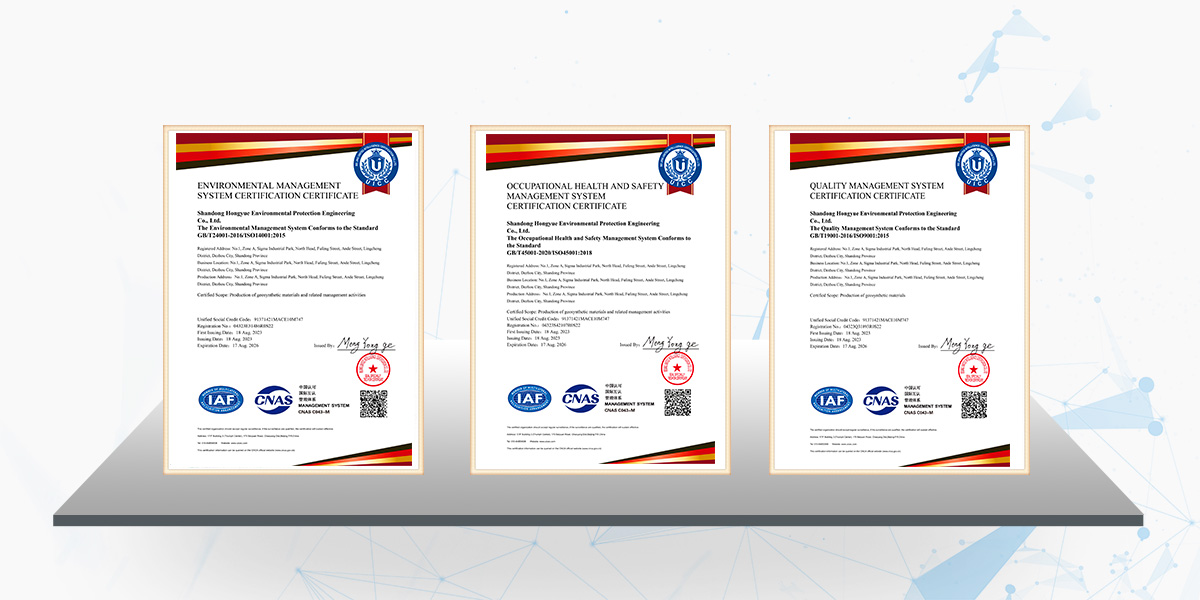
Our company is an active member of the Dezhou Geotextile Association. Our products are widely used in highways, railways, bridges and tunnels, reservoirs and canals water conservancy, artificial lakes, environmental protection, aviation, mining, agriculture and other fields. We have successively passed the ISO9001 international quality system certification, ISO14000 environmental system certification, and ISO45001 occupational health and safety management system certification. Shandong Hongyue has won multiple honors such as "green and environmentally friendly building materials products", "no consumer complaints", "famous Chinese brands", "high-tech industries", and "quality service double excellent units".
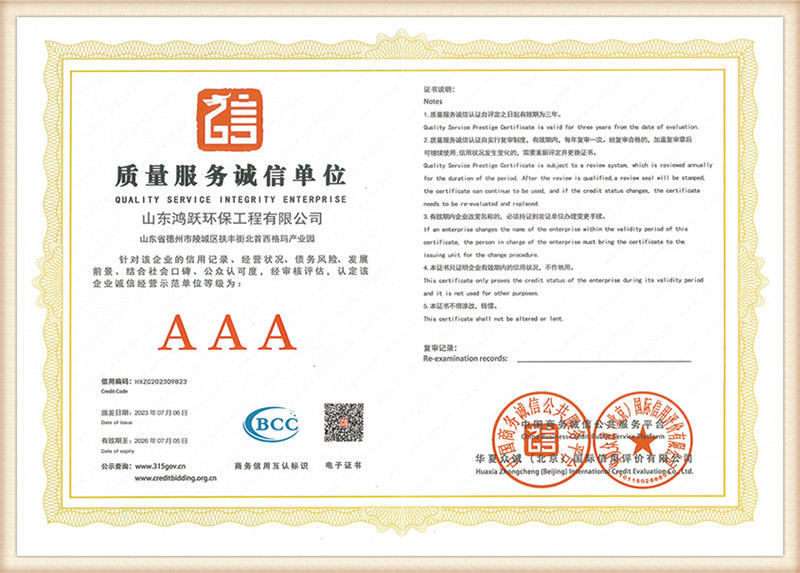
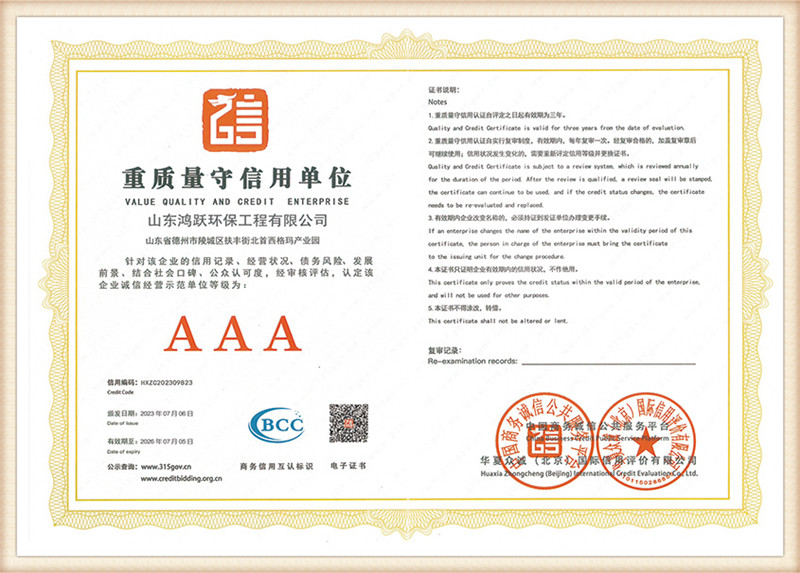
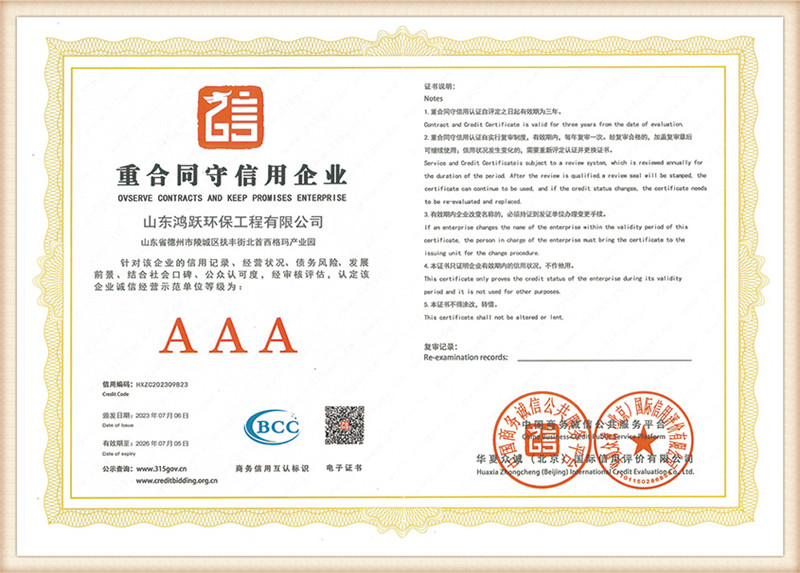
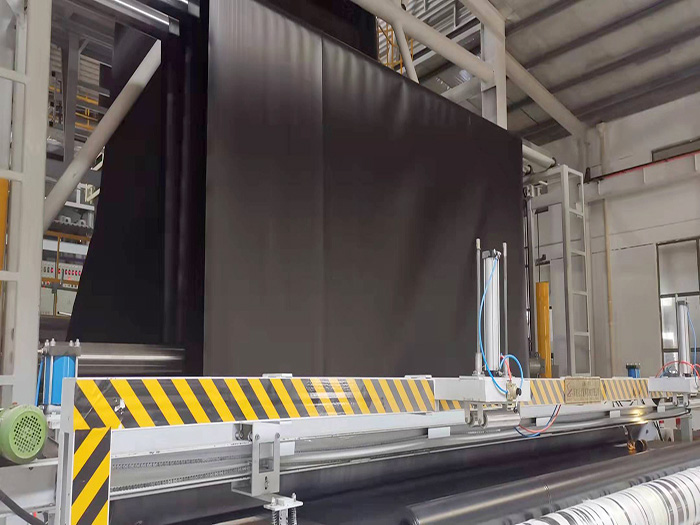
We operate state-of-the-art co-extrusion blow molding lines and ultrasonic welding machines capable of producing highly uniform geocells with custom cell wall textures and punch patterns to maximize aggregate interlock. Below is a glance at our factory floor and quality inspection areas:
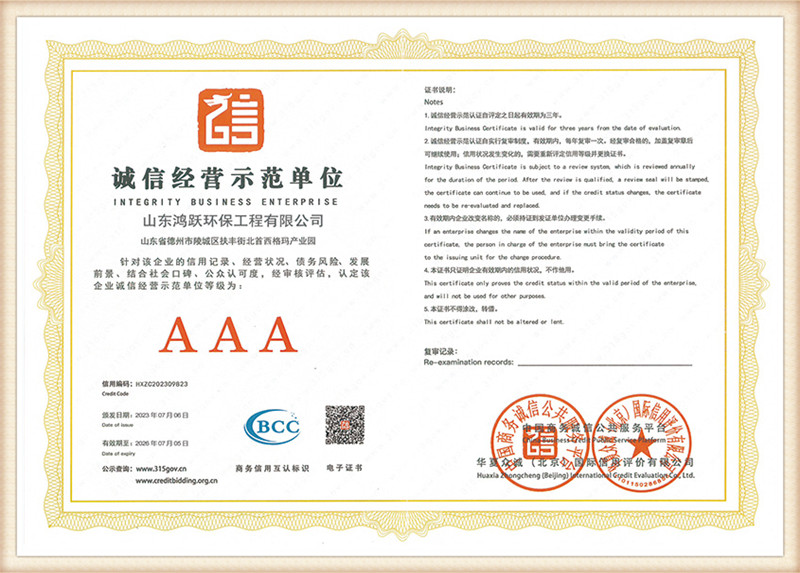
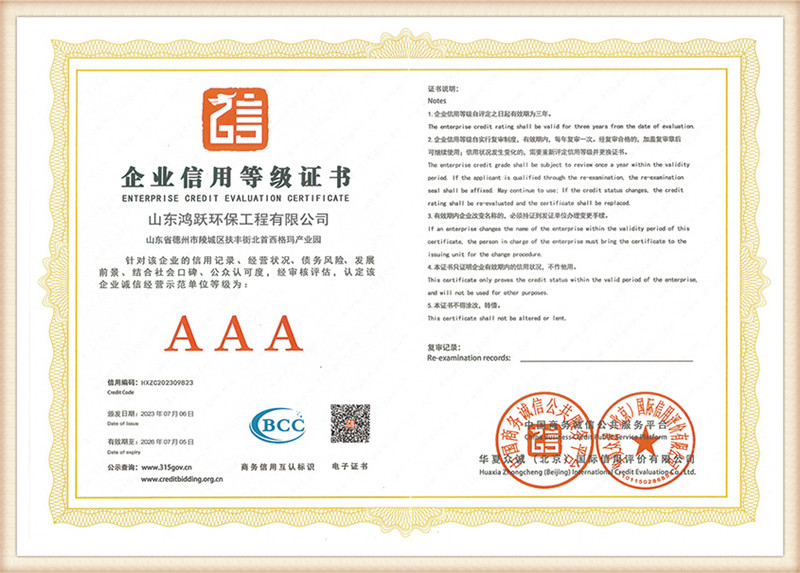
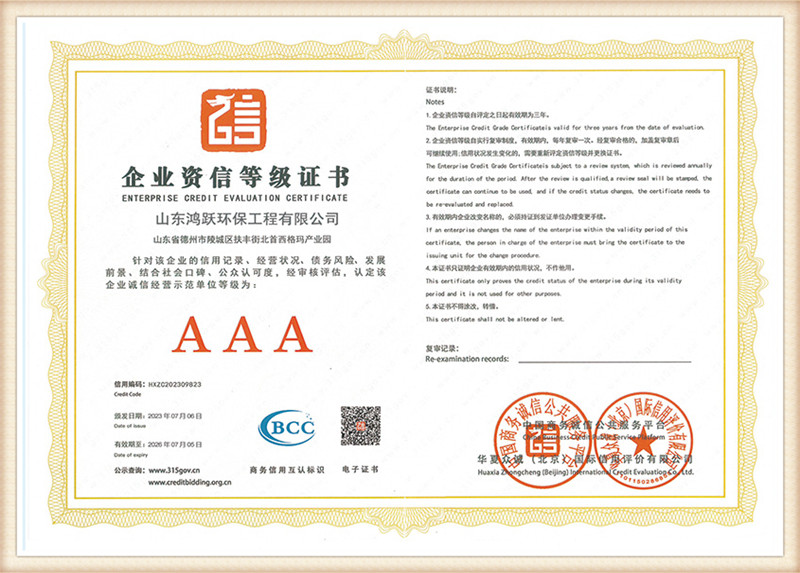
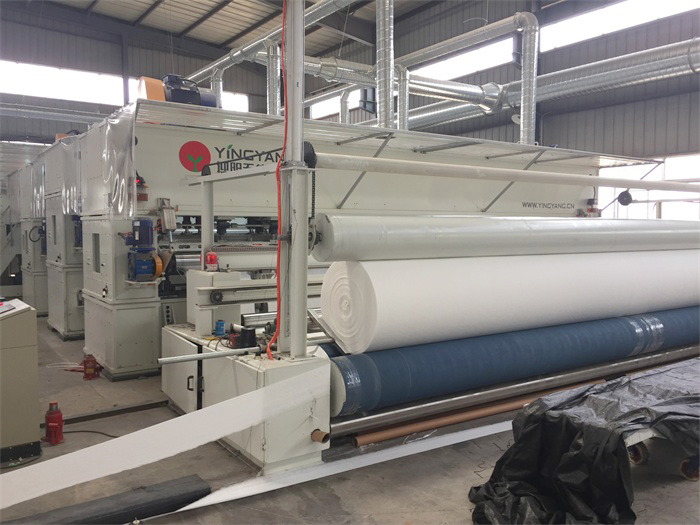
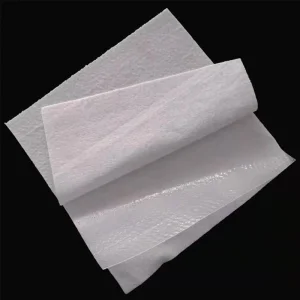
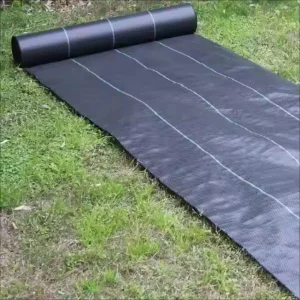
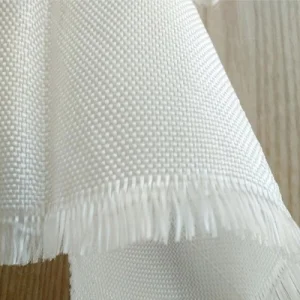
Geotextiles are vital as a separation layer underneath geocell systems, preventing infill migration into the lower subgrade. Our manufacturing line includes:
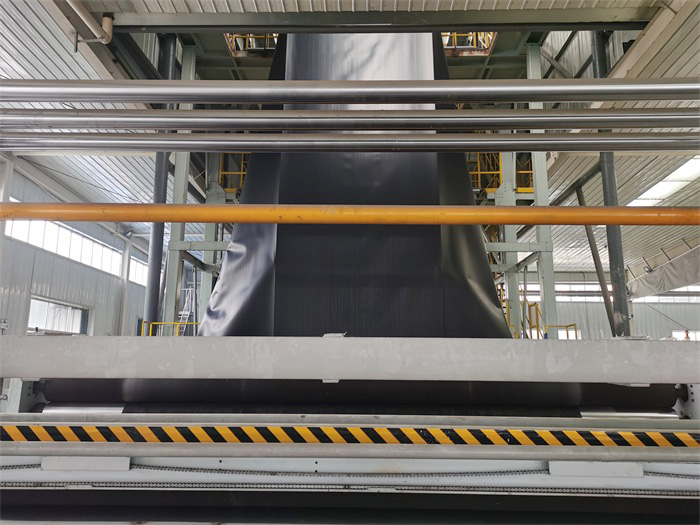
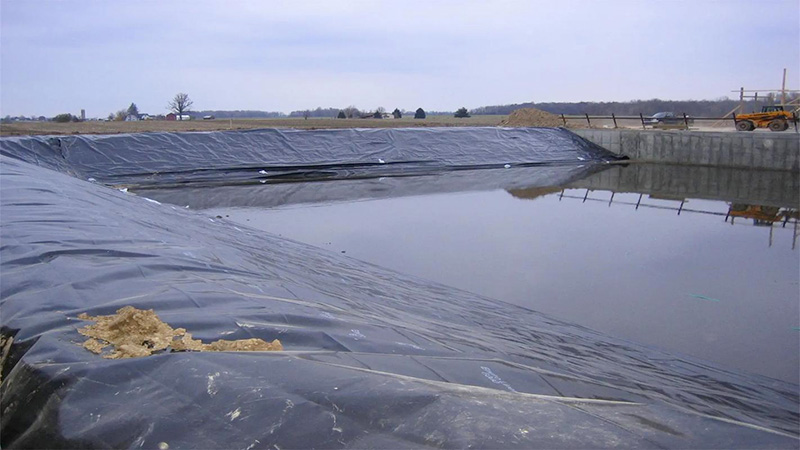
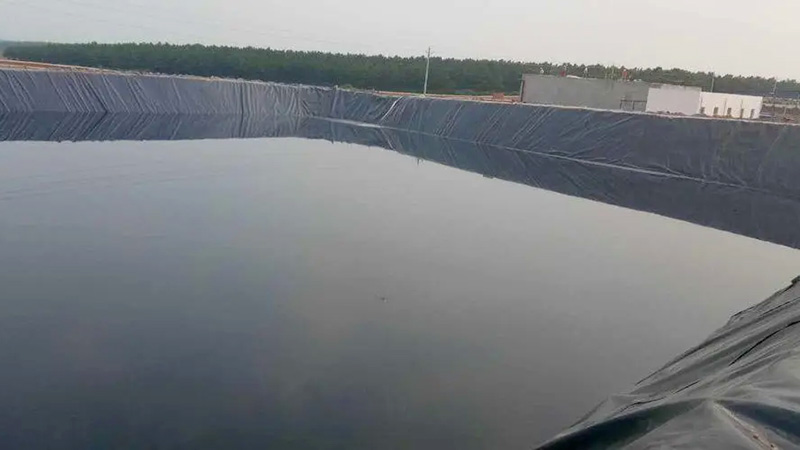
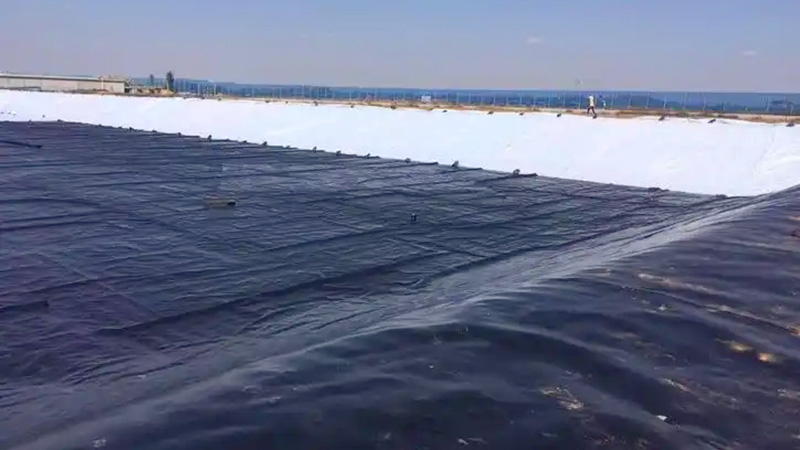
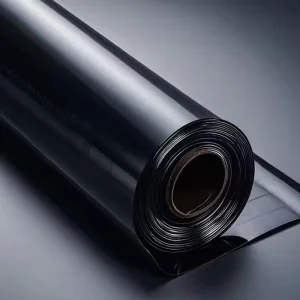
When using geocells on containment ponds or channel slopes in Switzerland, a geomembrane barrier must be placed underneath. Key application principles include:
When importing geocells from Chinese factories into Switzerland, engineers and procurement managers must evaluate several technical dimensions. Prices are fundamentally driven by the quality of raw HDPE material, the height of the cell, the weld spacing, and whether the sheets are textured or perforated.
The table below provides an indicative pricing matrix for Shandong Hongyue Geocells (FOB Qingdao Port, China). Volume discounts apply to orders exceeding 5,000 square meters.
| Cell Height (mm) | Weld Spacing (mm) | Surface Type | Wall Thickness (mm) | Est. Price (USD/m²) | Primary Application |
|---|---|---|---|---|---|
| 50 | 330 / 400 | Textured & Perforated | 1.1 - 1.5 | $1.20 - $1.85 | Eco-slope stabilization under 15° |
| 75 | 400 / 450 | Textured & Perforated | 1.2 - 1.6 | $1.60 - $2.40 | Moderate channel lining, slope runoff control |
| 100 | 330 / 400 | Textured & Perforated | 1.5 - 1.7 | $2.10 - $3.10 | Base reinforcement for access roadways |
| 150 | 400 / 500 | Textured & Perforated | 1.5 - 1.8 | $2.80 - $3.95 | Steep alpine slopes, railway subgrades |
| 200 | 400 / 600 | Textured & Perforated | 1.6 - 1.8 | $3.60 - $4.90 | Heavy-load retaining walls, bridge abutments |
Get in touch with our geotechnical engineering specialists to discuss your Swiss project specs, get precise DDU/DDP delivery pricing, or request physical geocell samples.
Send Inquiry NowCorrect installation of geocells in Swiss alpine environments is key to ensuring their long-term performance. Slopes exceeding 1:2 (about 26 degrees) require careful anchoring. Below is the standard installation procedure recommended by Shandong Hongyue engineering division:
The slope surface must be cleared of loose stones, woody debris, and major irregularities. Major depressions should be filled and compacted. Dig an anchor trench at the top of the slope (typically 500mm wide by 500mm deep) to secure the top edge of the geocell panels.
Unroll a nonwoven needle-punched geotextile (e.g., 200g/m² to 300g/m²) across the prepared slope. Overlap adjacent rolls by at least 300mm. The geotextile acts as a separation barrier to prevent fine soil particles from washing away while allowing water to pass.
Stretch the geocell panels down the slope. Keep them under tension using temporary stakes. Use J-pin rebar anchors or glass-fiber reinforced plastic (GFRP) pegs to secure the cells. The density of the anchors depends on the slope angle:
Depending on the project requirements, fill the cells with:
Expert answers regarding compliance, importing, and design specifications.
Explore our full line of engineering materials designed to meet the rigorous standards of Swiss construction.
 Hongyue