Explore our high-performance engineered geosynthetics and drainage products specifically configured to withstand freezing-thawing cycles and meet Scandinavian environmental standards.
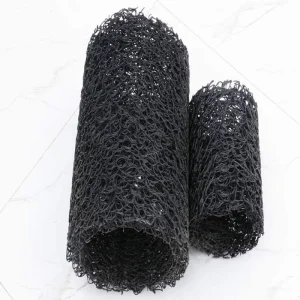
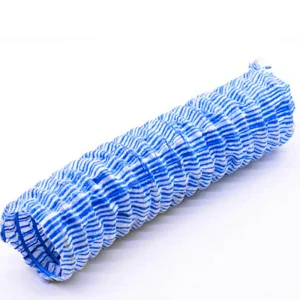
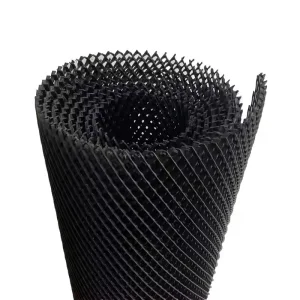
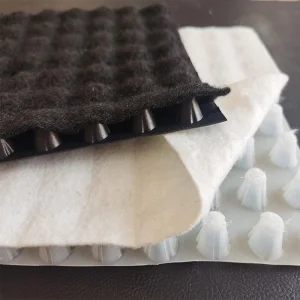
Sweden's civil engineering landscape is characterized by some of the most challenging geological and meteorological conditions in Europe. Spanning from the temperate south to the sub-arctic north, construction projects must contend with severe freeze-thaw cycles, sub-zero frost penetration, and heavy snowmelt events. Managing soil stability and surface water run-off (locally recognized as dagvattenhantering) is critical to the longevity of highways, railway networks, municipal landfills, and urban residential basements.
With Sweden's National Environmental Protection Agency (Naturvårdsverket) mandating strict guidelines on stormwater filtration, eco-friendly drainage grids are increasingly specified. Developers must ensure that all run-off from parking garages, highways, and landfills is pre-sorted, filtered, and managed on-site without overloading the municipal sewer system. This requires synthetic drainage layers that combine waterproofing, high flow rate transmissivity, and heavy load distribution in one integrated package.
Our manufacturing and testing protocols align precisely with the European standards enforced by Swedish building authorities (Boverket) and European Union directives.
Our geotextiles, geogrids, and drainage networks comply with the Swedish standard specification system (AMA Anläggning), guaranteeing precise tensile strength and puncture resistance ratings for national road constructions.
All exported sheet drainage systems and underground drainage pipes are fully CE-marked. They undergo strict type-testing in accordance with EN 13252 (geotextiles for drainage systems) and EN 13491 (barrier materials).
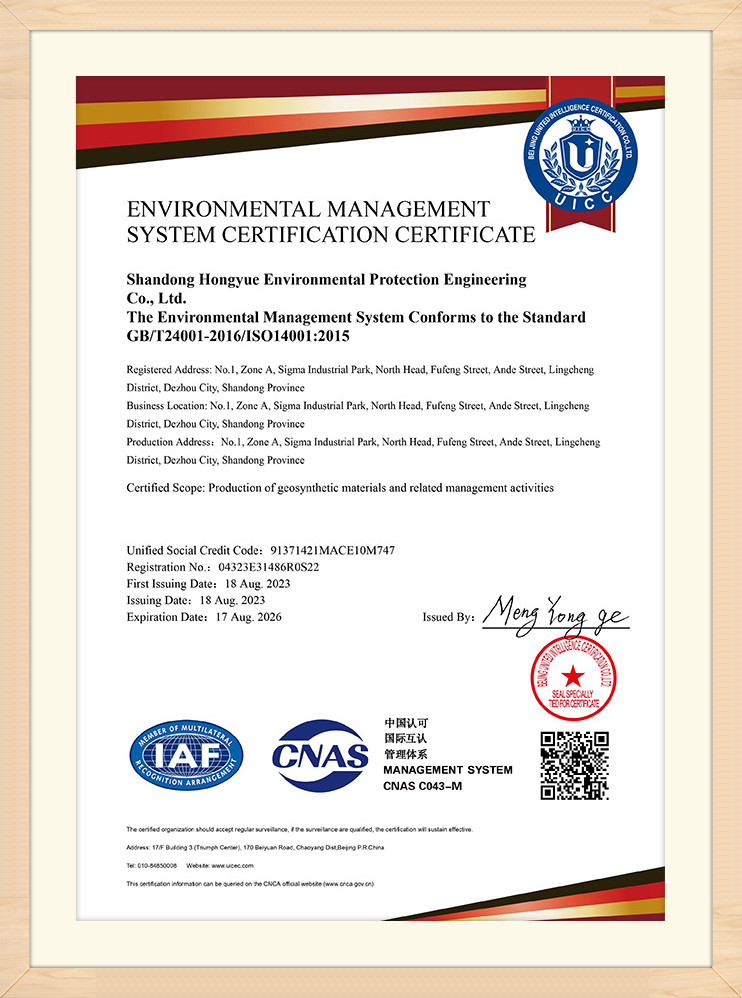
Manufactured under ISO 9001:2015 Quality Management, ISO 14001:2015 Environmental Management, and ISO 45001:2018 Occupational Health standards, guaranteeing consistent raw material purity and batch-to-batch tracking.
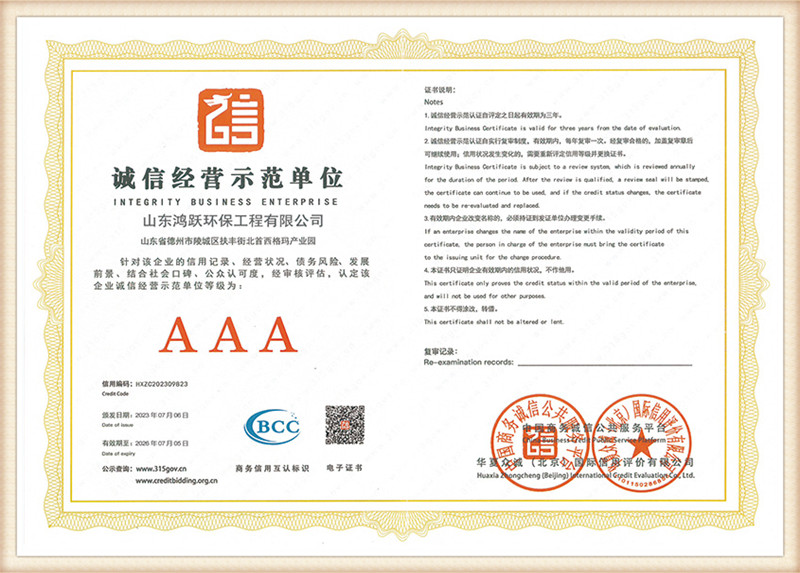
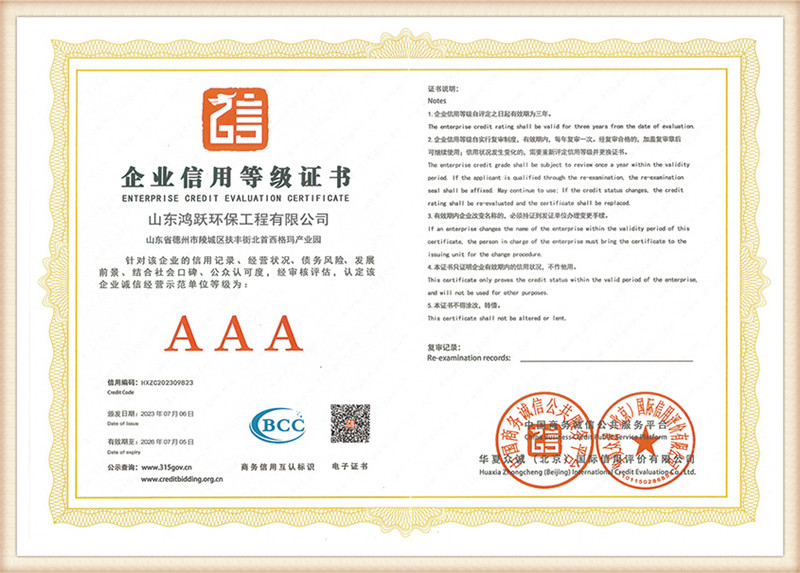
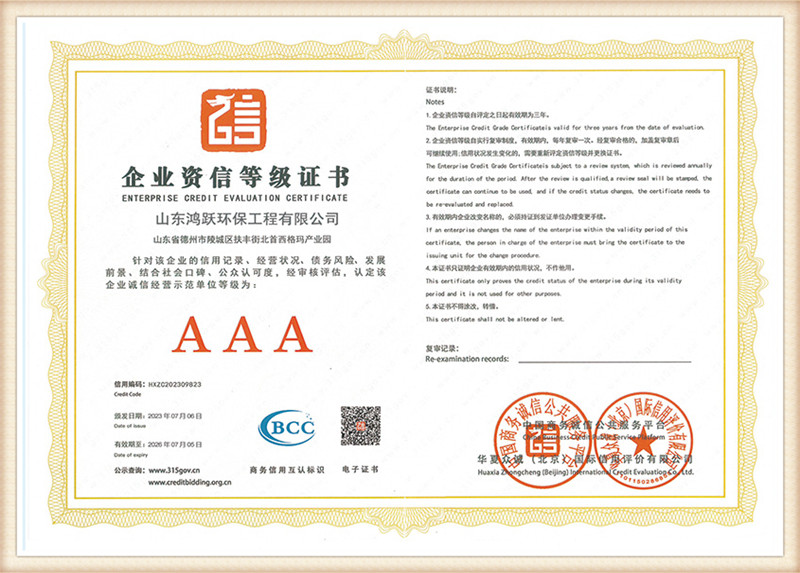
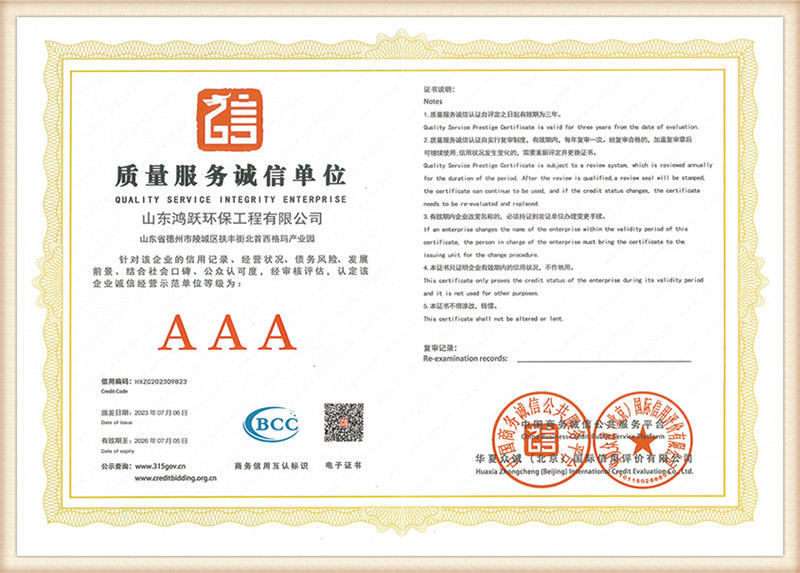
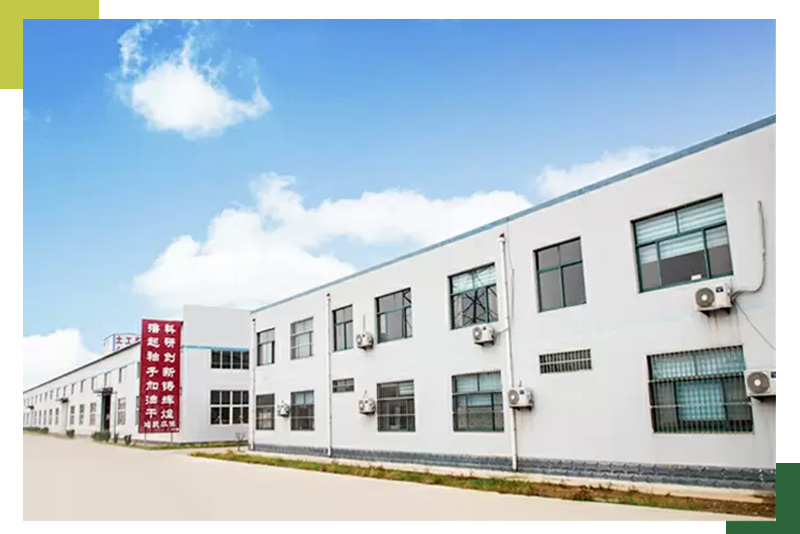
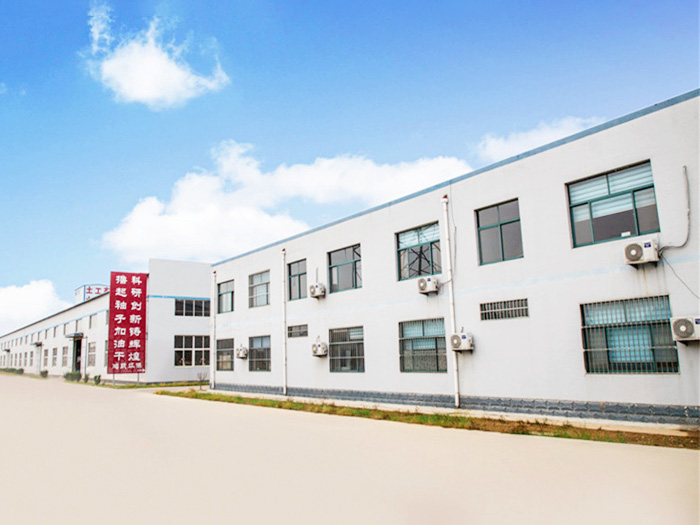
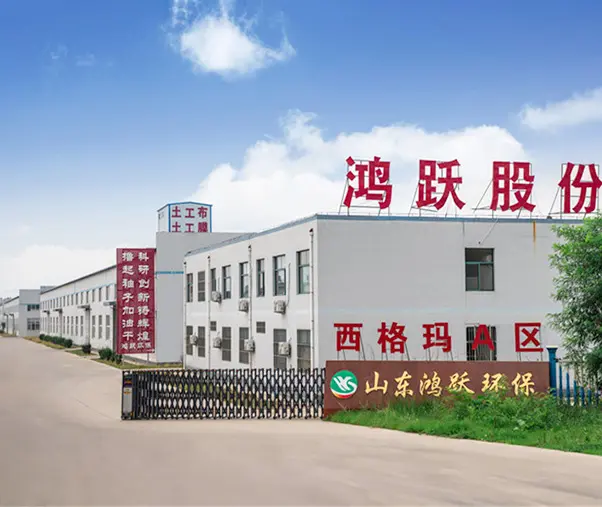
Established on April 6, 2023, with a registered capital of 105 million yuan, Shandong Hongyue Environmental Engineering Co., Ltd. has rapidly emerged as one of China's premier geotechnical material manufacturers and exporters. Located in Lingcheng District, Dezhou City, Shandong Province—nationally recognized as the hub for advanced geosynthetics—our factory benefits from a prime geographical location with access to global deep-water shipping lanes and overland rail links.
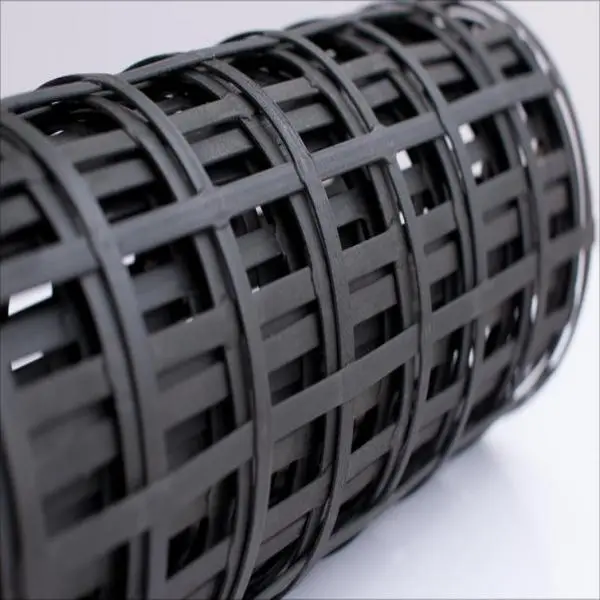
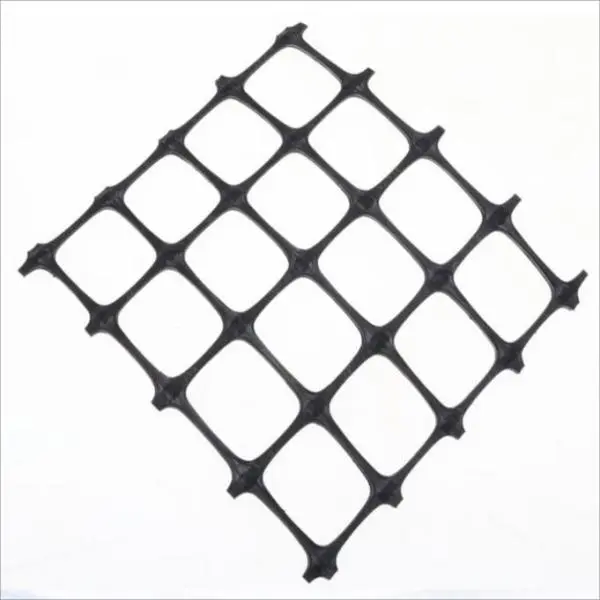
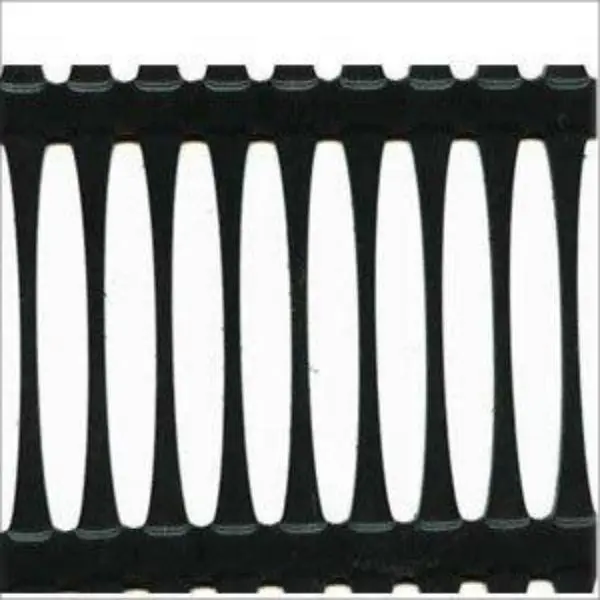
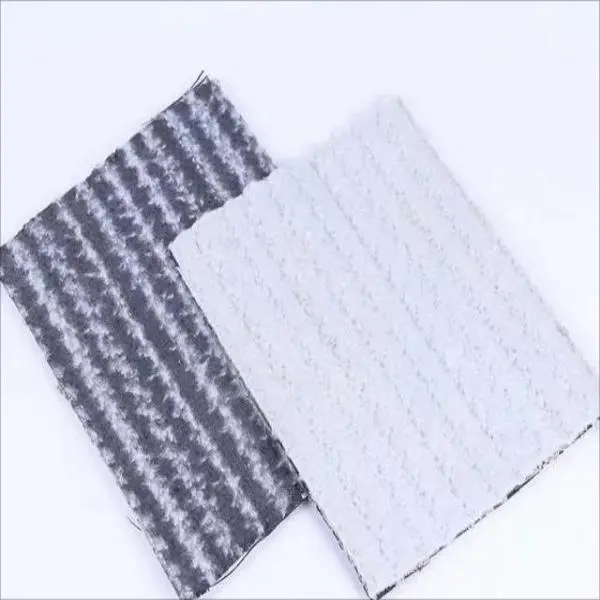
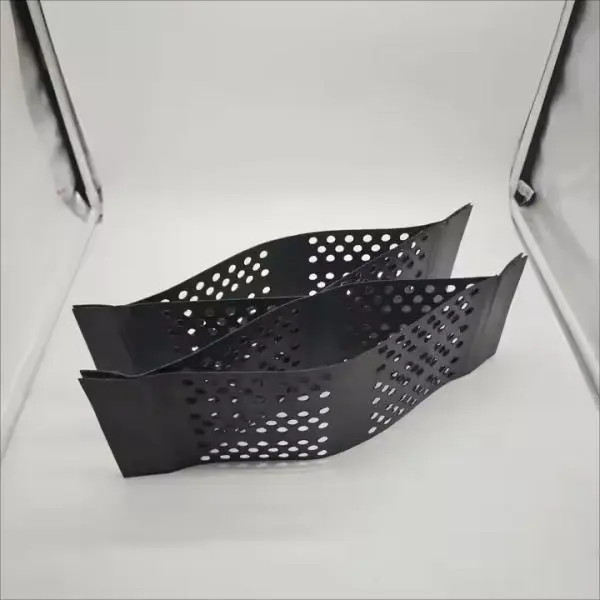
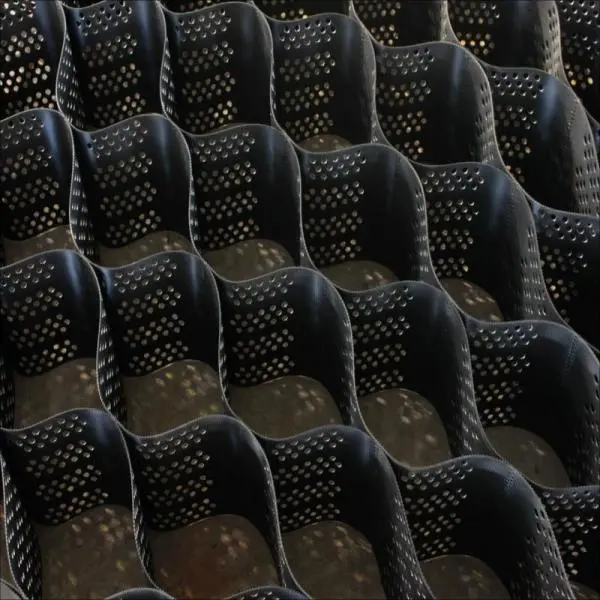
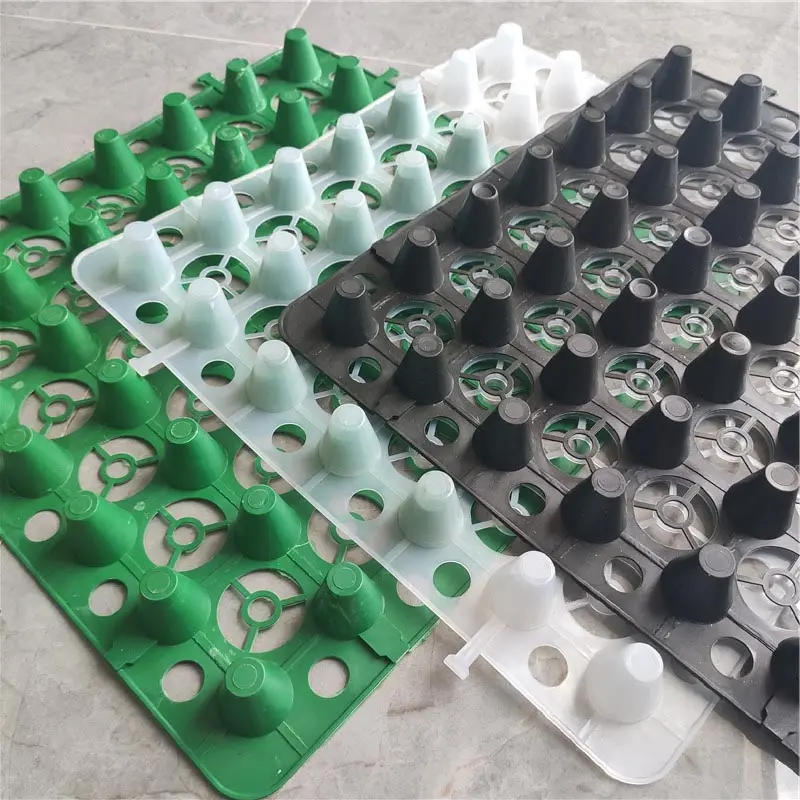
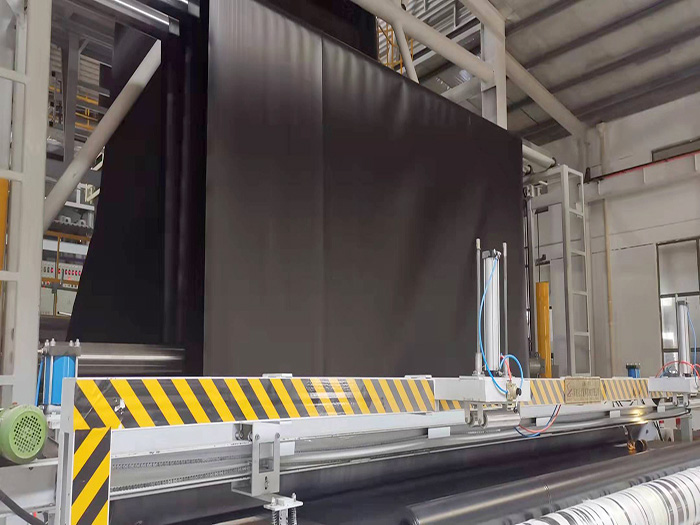
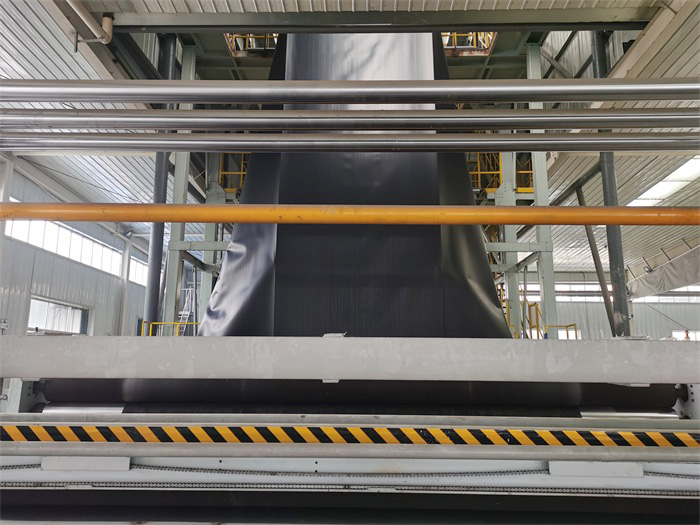
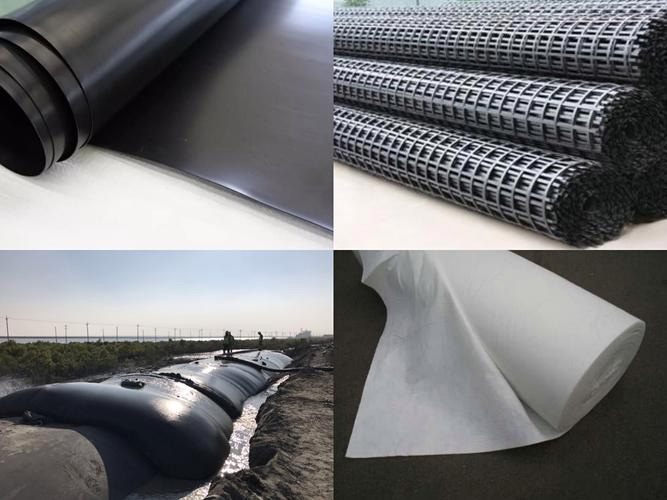
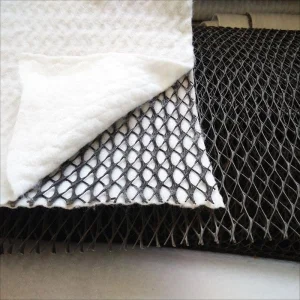
We operate state-of-the-art production lines specializing in high-performance geotextiles, geomembranes, composite geomembranes, waterproof boards, bentonite waterproof blankets (GCL), 3D composite drainage nets, coiled plastic drainage boards, geogrids, and flexible pervious pipes. Our advanced facilities utilize virgin polymer raw materials (HDPE, LLDPE, PP) processed through automated melt-extrusion, draft-curing, and cross-linking networks to achieve superior mechanical strength and physical durability under extreme Nordic sub-zero environments.
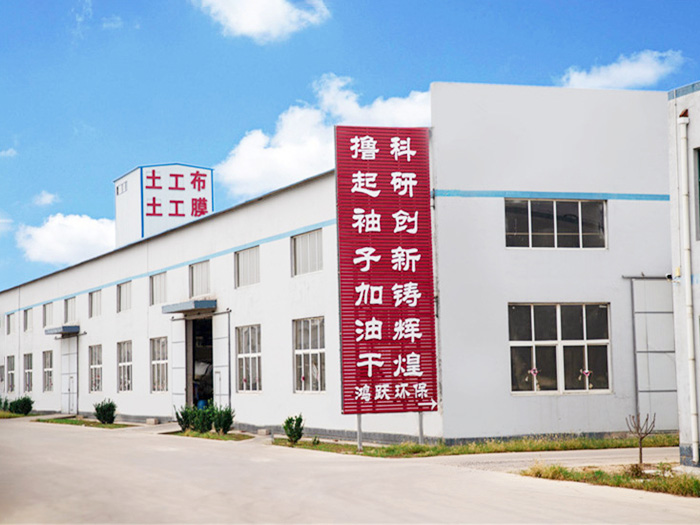
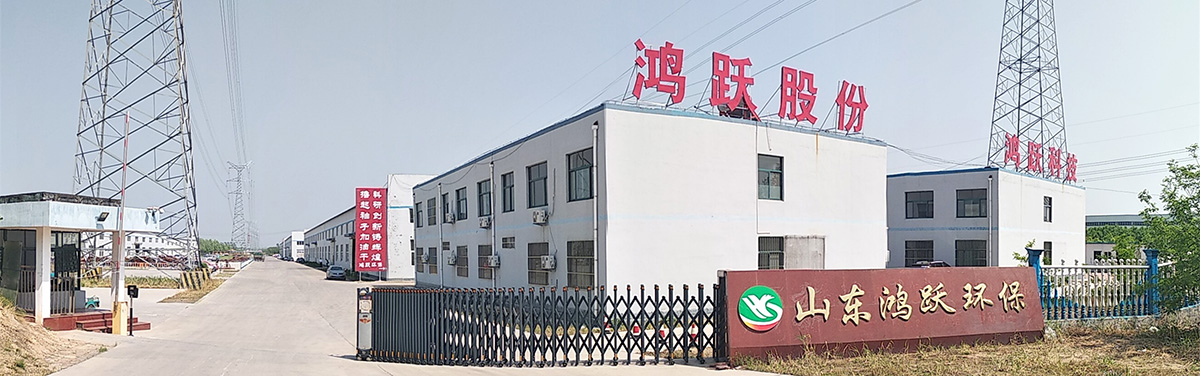
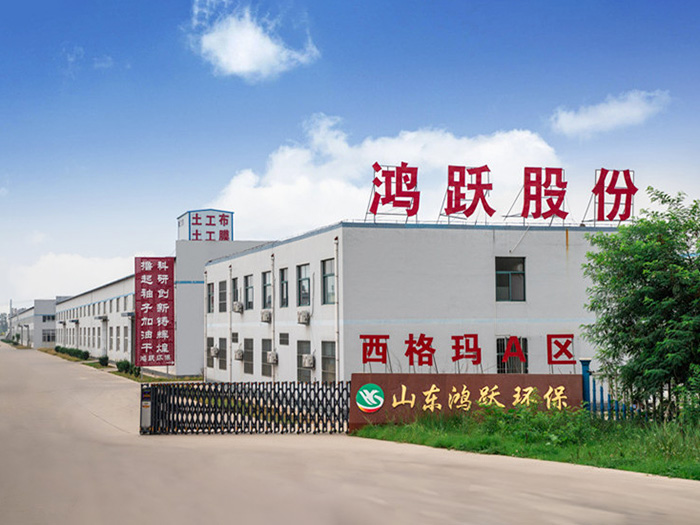
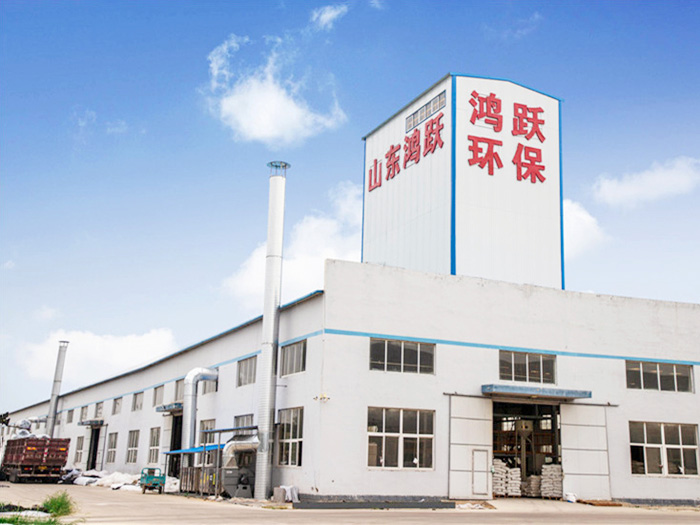
Step inside our world-class manufacturing facility to see how raw high-molecular-weight polymers are transformed into certified drainage materials.
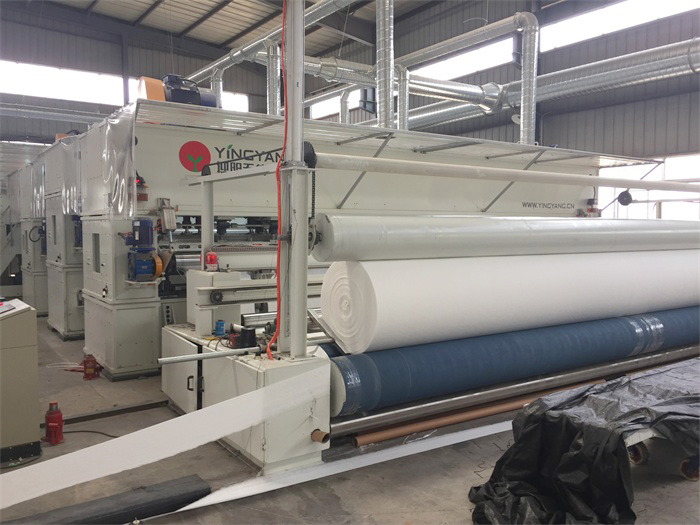
Geotextiles are critical filter layers placed adjacent to plastic drainage cores to prevent fine Nordic soils from washing into and clogging the water pathways. Our production involves a highly coordinated thermal and physical bonding process:
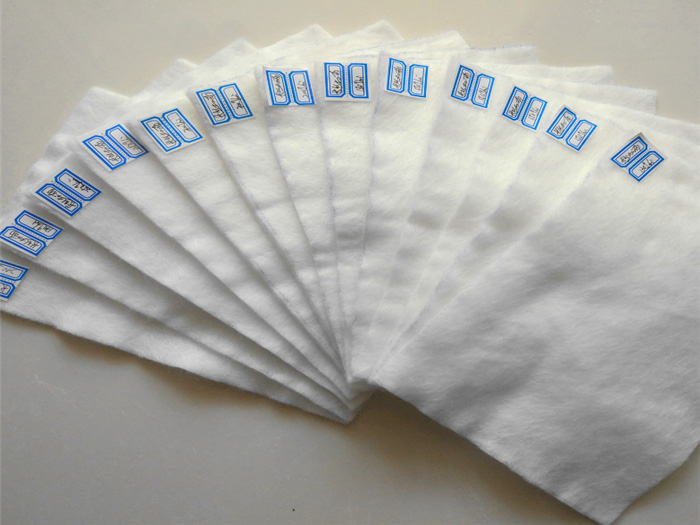
Polyester (PET) chips, polypropylene (PP) filament, and viscose fibers are thoroughly inspected for molecular density, ensuring stability under cryogenic temperatures.
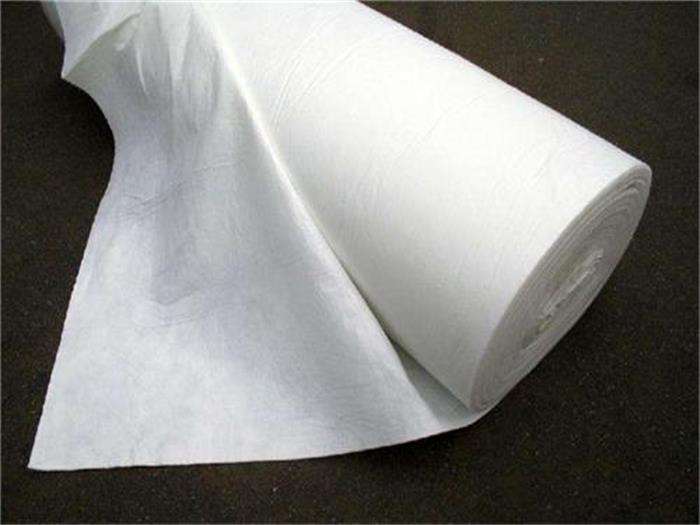
The raw polymers are melted at high temperatures and extruded through spinning nozzles to form fine fibers, which are then rolled out in a web structure.
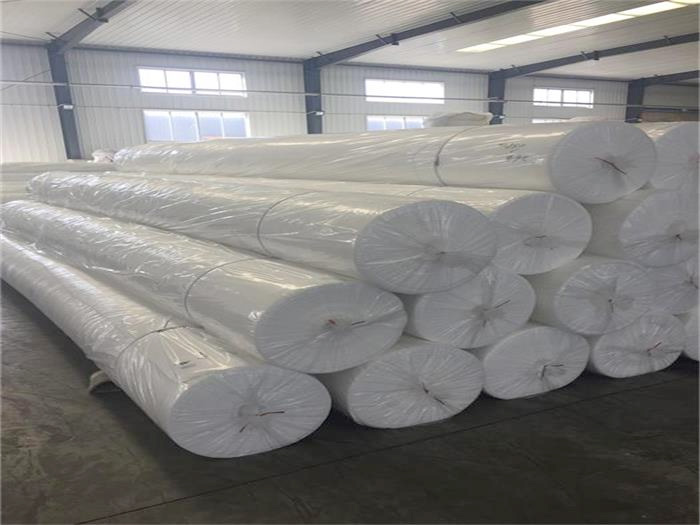
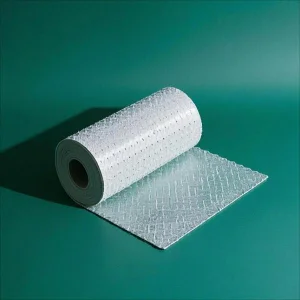
The fibrous network undergoes needle-punching or thermal bonding to guarantee tensile strength. The material is then rolled, packed, and physically tested.
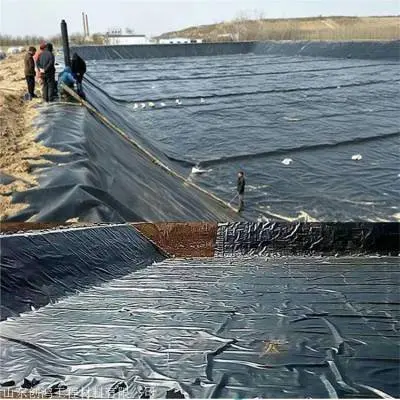
Correct installation is crucial to maintaining hydraulic flow and isolating contaminants. When installing HDPE geomembranes or composite drainage nets in Sweden, specific localized guidelines must be observed:
For joints, thermal wedge welding (double track) is standard. Welds must be pressure tested to 0.2 MPa for at least 5 minutes to verify water tightness. In low-temperature installations (below 5°C), welding parameters must adjust for pre-heating to prevent thermal shock fractures in the HDPE liner.
From municipal landfills in Malmö to high-speed railway networks in Gothenburg, our composite drainage solutions perform reliably under the harshest conditions.
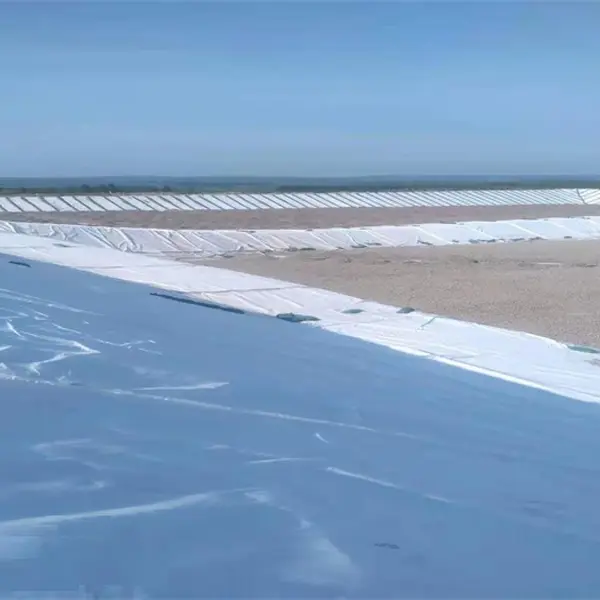
Our geomembranes protect Swedish reservoirs and water canals from lateral seepage, ensuring minimal loss of drinking water supply and mitigating structural embankment failures.
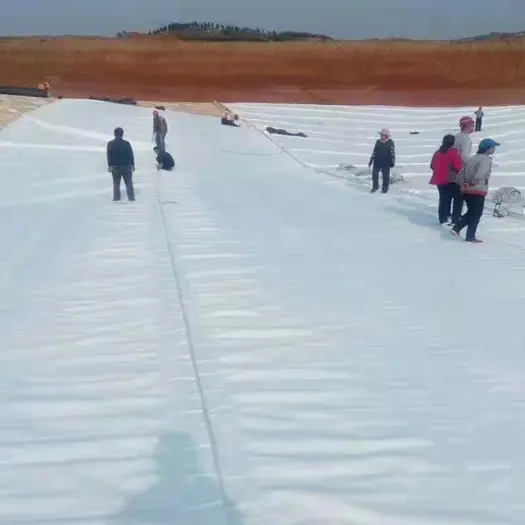
Erosion control and water flow diversion along riverbeds, avoiding municipal soil erosion during Sweden's seasonal spring melt discharges.
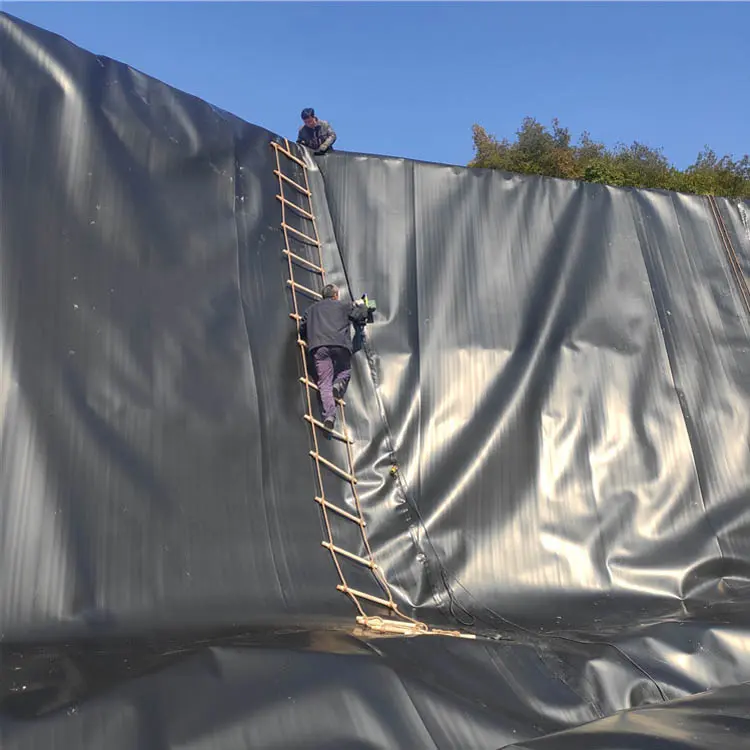
Mitigates leachate contamination into Swedish groundwater tables. Our composite geonets drain rainwater off landfill caps, keeping structural soil layers dry and stable.
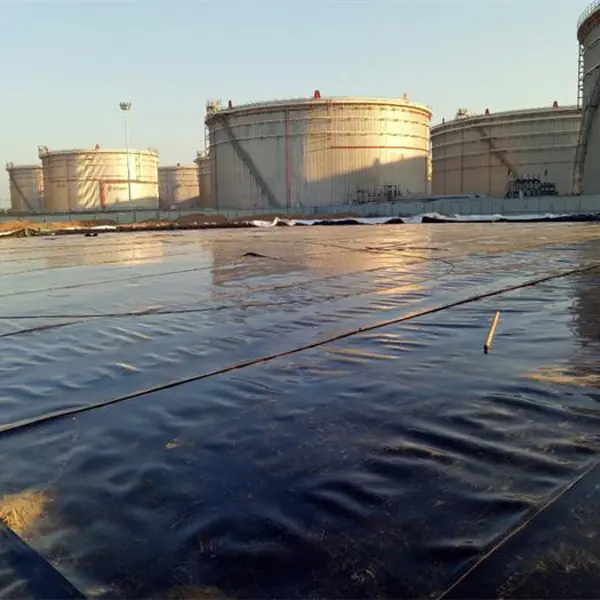
Double-containment liners used underneath fuel reserves and chemical storages in industrial zones near Stockholm and Gothenburg ports to comply with environmental laws.
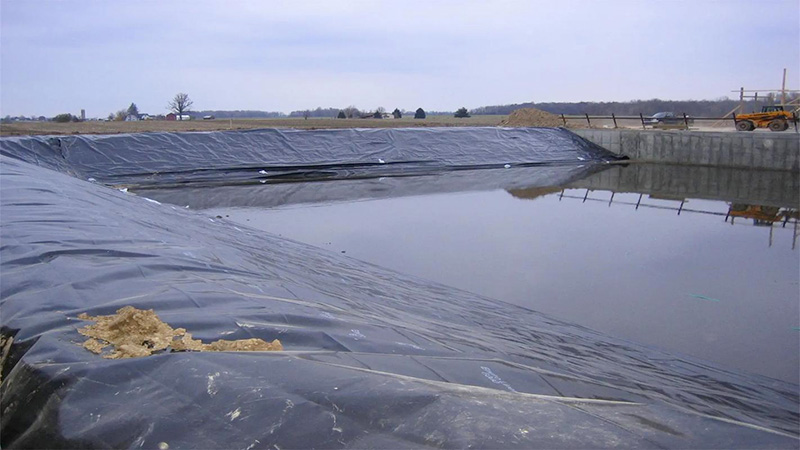
High-tensile composite liners installed at reservoir beds to isolate drinking water reserves, maintaining purity and structural stability over decades of service.
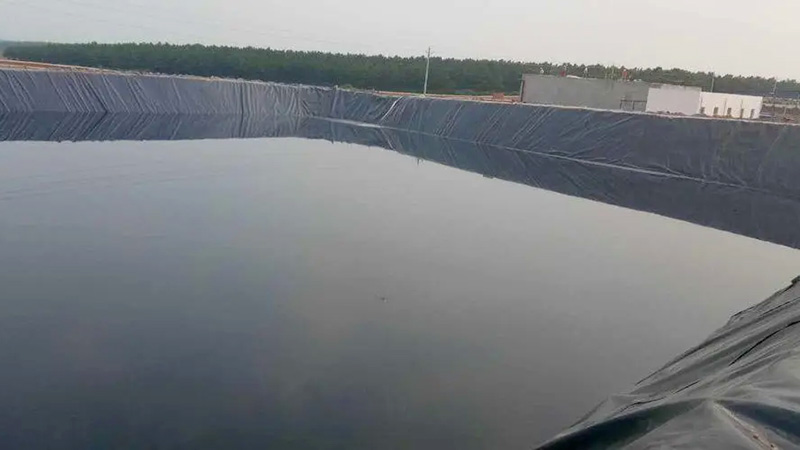
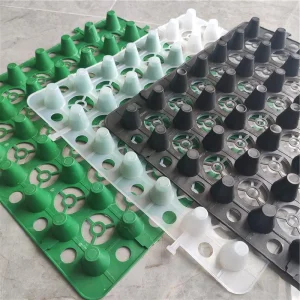
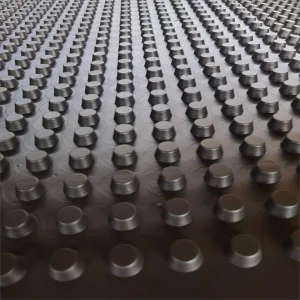
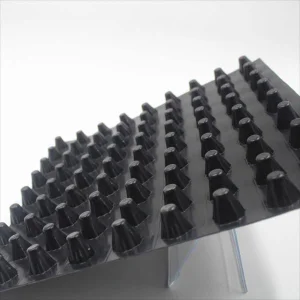
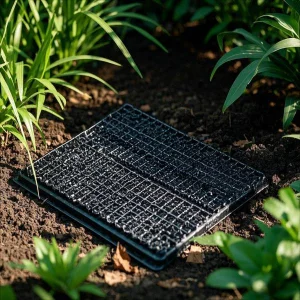
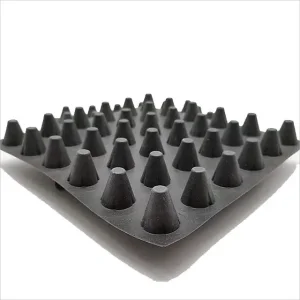
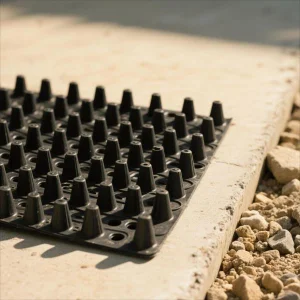
Combining non-woven geotextiles and HDPE drainage dimple boards to divert sub-grade moisture away from concrete foundations, avoiding dangerous frost heave actions.
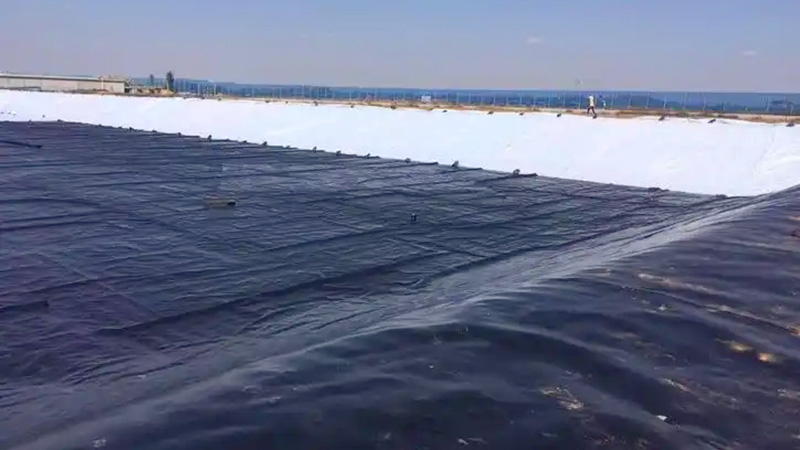
A look at the certifications, testing reports, and packaging methods employed inside the Hongyue Quality Control Department.
Technical answers to help civil engineers and procurement managers evaluate drainage and lining materials for Scandinavian projects.
Review our extensive range of CE-certified drainage sheets, geogrids, geocells, and waterproofing membranes designed for heavy industrial use.
 Hongyue